Artwork
Le lendemain d'une victoire à l'Alhambra
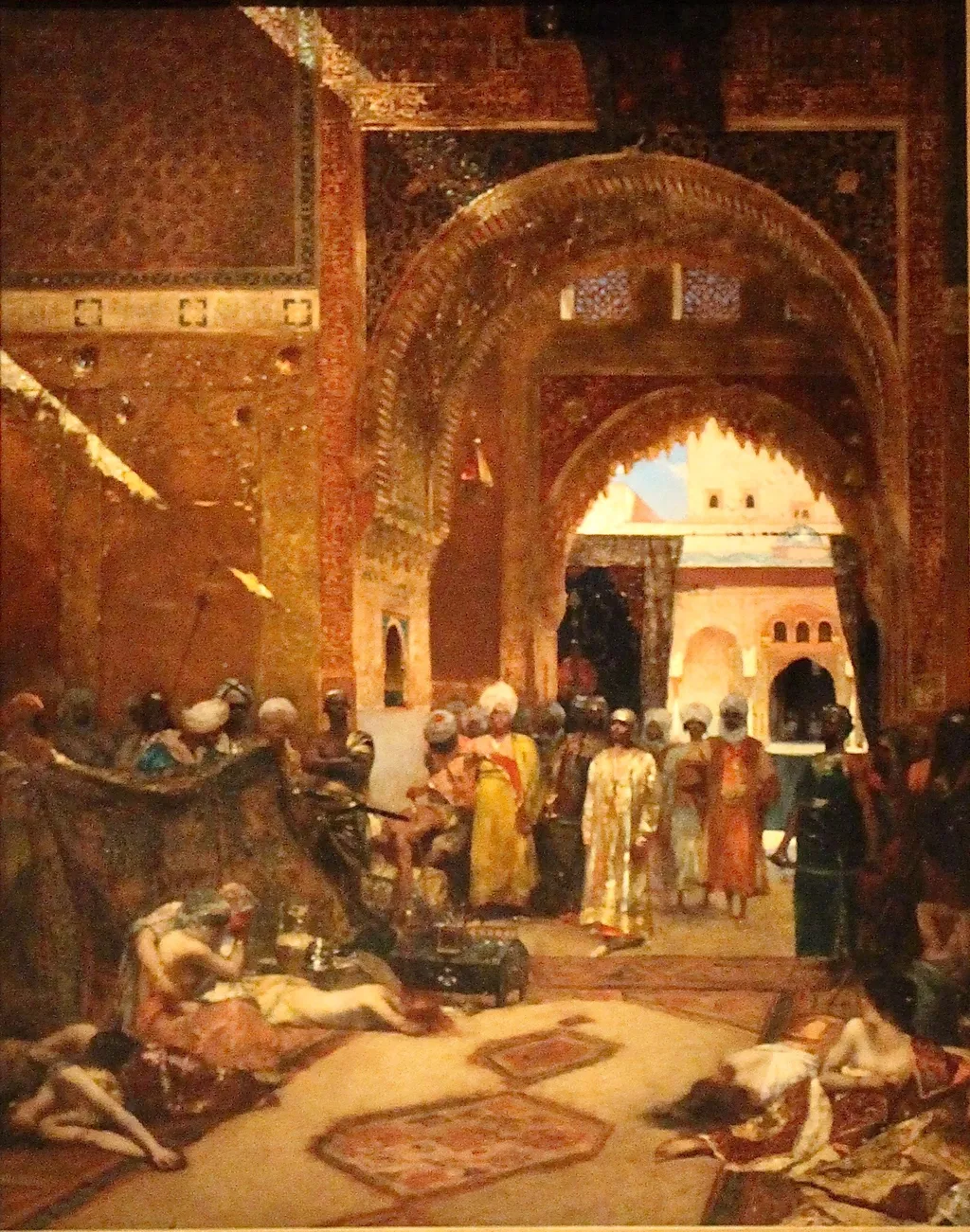
Le lendemain d'une victoire à l'Alhambra is an oil painting by the Orientalist artist Jean-Joseph Benjamin-Constant. It dates from 1892 and is held in the collection of the Montreal Museum of Fine Arts.
About this work
The room is filled with intricate patterns and designs, and the people are dressed in traditional Middle Eastern clothing.
This painting depicts a scene of people gathered in a large, ornate room. The room is filled with intricate patterns and designs, and the people are dressed in traditional Middle Eastern clothing. In the foreground, several people are reclining on the floor, while others stand or sit around them.
The painting is rich in detail, with vivid colors and textures that give it a sense of depth and realism. The artist has used a range of techniques to create a sense of atmosphere and mood, from the warm glow of the lighting to the intricate patterns on the walls and floors.
The painting is an example of orientalist painting, a style that was popular in the 19th century. It is held at the Montreal Museum of Fine Arts.
Overview
Painted in 1892 by French artist Jean-Joseph Benjamin-Constant, this oil-on-canvas work captures a quiet moment after a performance at the Alhambra theater. Belonging to the 19th-century Orientalist tradition, the painting reflects European fascination with imagined Eastern spaces. It is part of the Montreal Museum of Fine Arts’ permanent collection, where it remains a representative example of academic Orientalism in French painting.
Subject & Meaning
The scene portrays an intimate gathering in a lavishly decorated interior, following a theatrical event. Figures recline, converse, or stand in relaxed postures, suggesting a moment of respite. The absence of overt drama or narrative climax shifts focus to atmosphere and social ritual. Rather than depicting conquest or spectacle, the painting emphasizes stillness and the quiet aftermath of entertainment, aligning with Orientalist tendencies to idealize leisure in imagined Eastern settings.
Technique & Style
Benjamin-Constant employed meticulous brushwork to render intricate architectural details—carved wood, tiled floors, and patterned textiles—creating a sense of immersive richness. Warm, low lighting enhances the depth of the space, while saturated hues in garments and furnishings contrast with muted wall tones. The composition guides the eye through layered planes, from foreground figures to distant arches, reinforcing spatial depth through careful perspective and tonal gradation.
History & Provenance
Completed in 1892, the painting entered the Montreal Museum of Fine Arts’ collection in the early 20th century, likely through acquisition or donation. Its journey from Parisian studios to Canadian walls reflects broader patterns of 19th-century Orientalist works entering North American collections. No significant exhibition history or ownership changes are documented beyond its institutional stewardship since its acquisition.
Context
Created during the height of European Orientalism, the painting responds to a cultural climate fascinated by the Middle East and North Africa as exotic, timeless realms. Though set in Granada’s Alhambra—a real historical site—the scene is a composite fantasy, blending architectural elements from across the Islamic world. Such works often prioritized aesthetic appeal over ethnographic accuracy, catering to Western audiences’ romanticized expectations.
Legacy
The painting endures as a representative example of academic Orientalism, illustrating how European artists interpreted non-Western cultures through stylized, often idealized lenses. While its historical context is now critically examined, its technical precision and atmospheric composition continue to draw scholarly attention. It remains a touchstone for understanding 19th-century visual narratives about the East, preserved without alteration in its institutional home.
Artist & collection
Artist
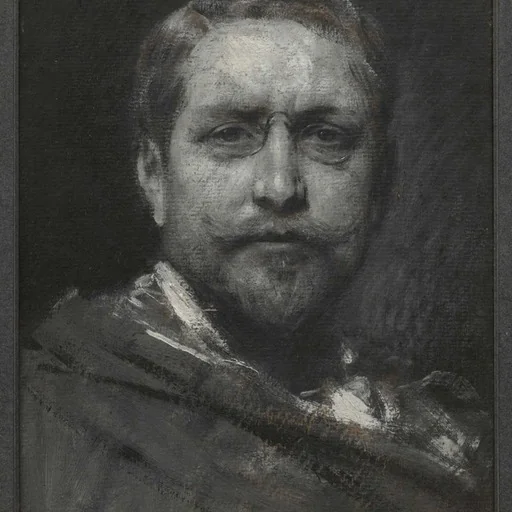
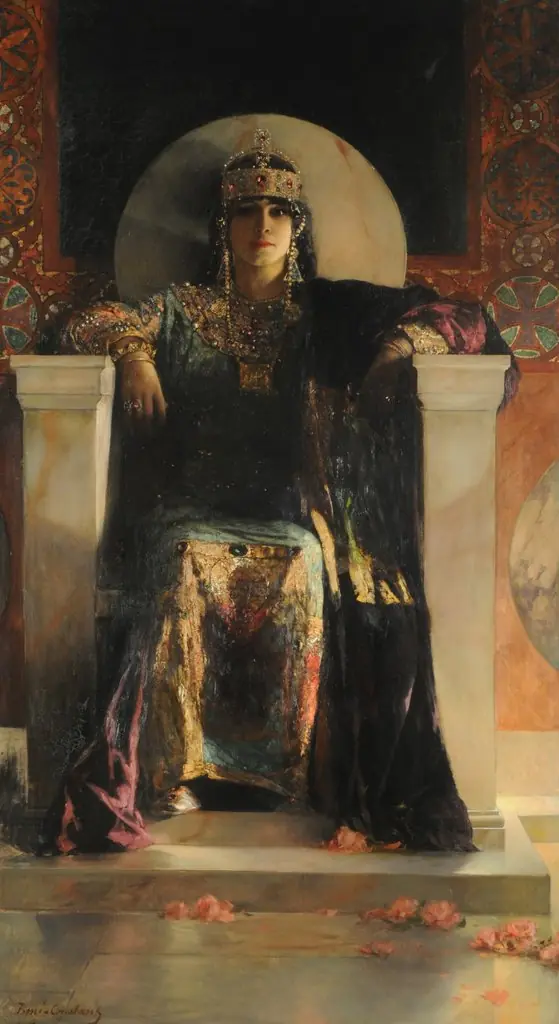
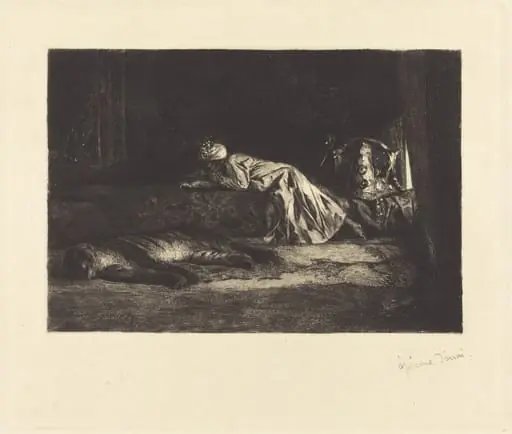
Jean-Joseph Benjamin-Constant (also known as Benjamin-Constant), born Jean-Joseph Constant (10 June 1845 – 26 May 1902), was a French painter and etcher best known for his Oriental subjects and portraits.

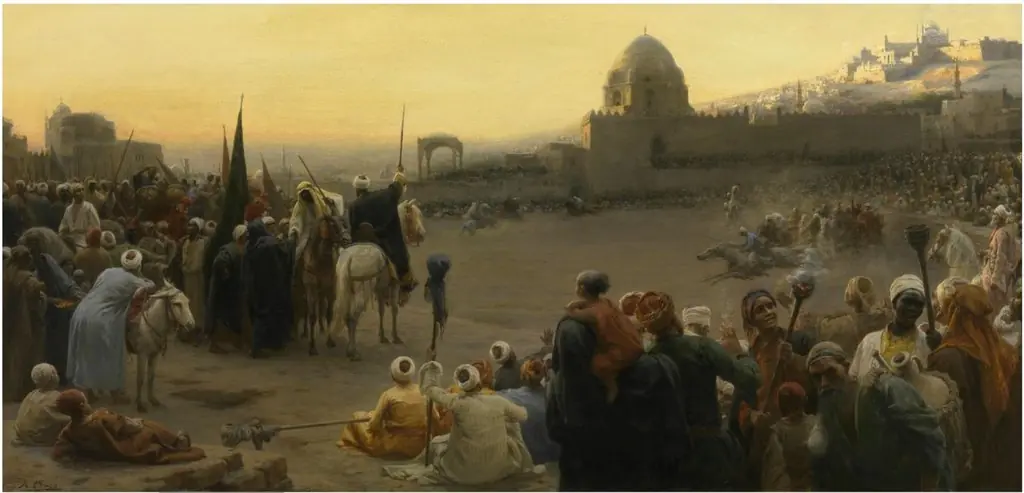 Fantasia in Egypt
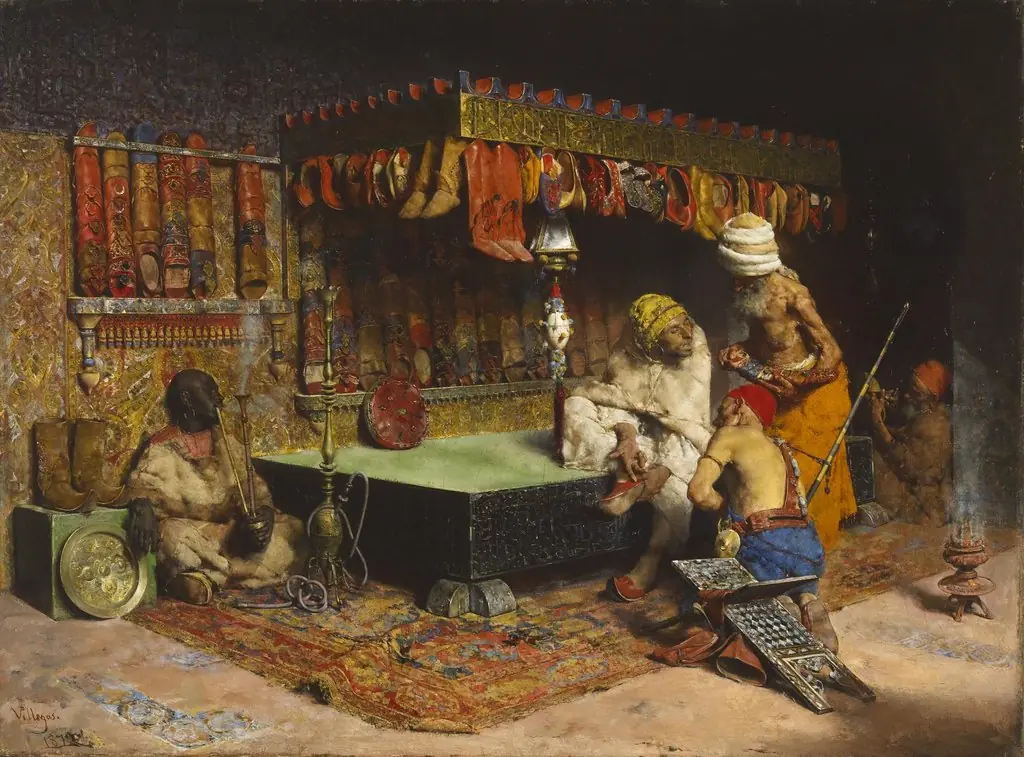 The Slipper Merchant in Morocco
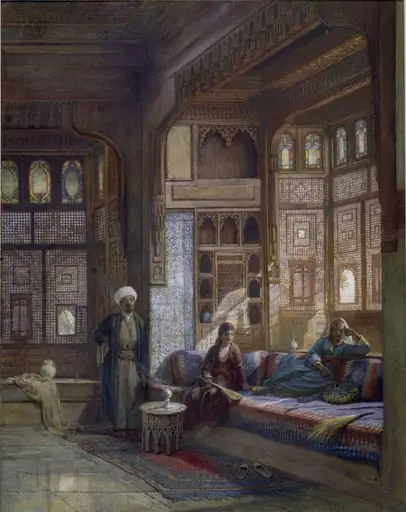 A room in the house of Shayk Sadat, Cairo
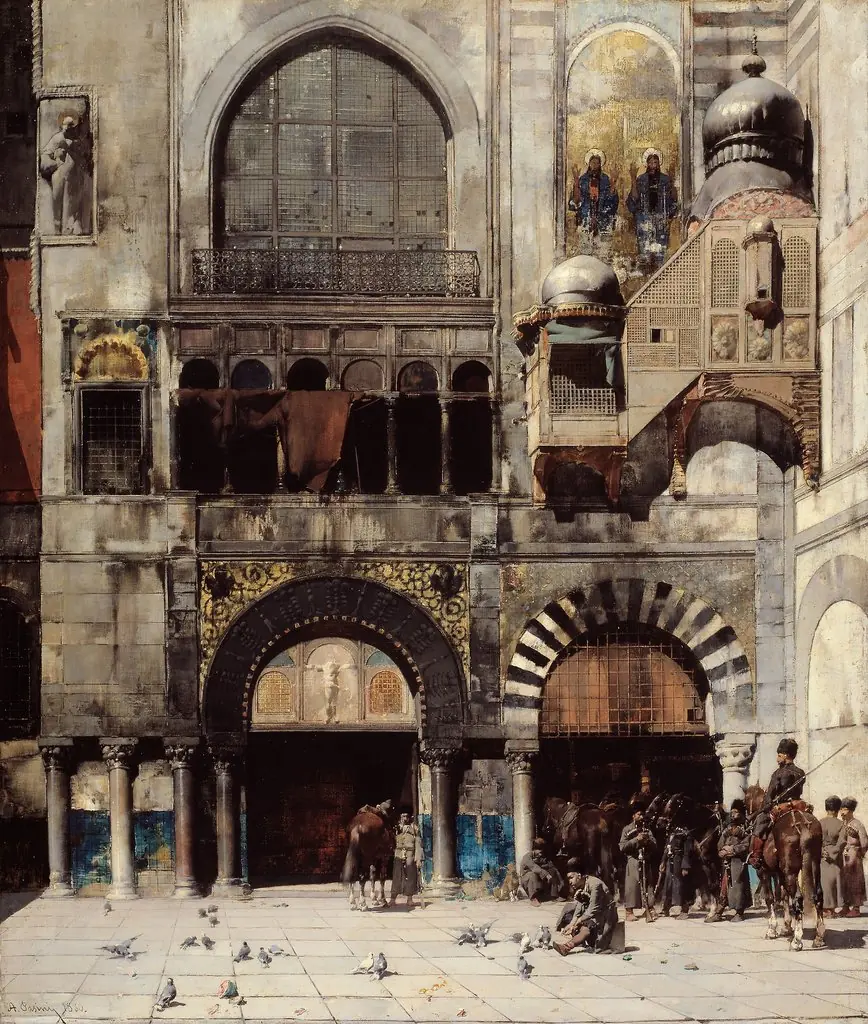 Circassian Cavalry Awaiting their Commanding Officer at the Door of a Byzantine Monument; Memory of the Orient
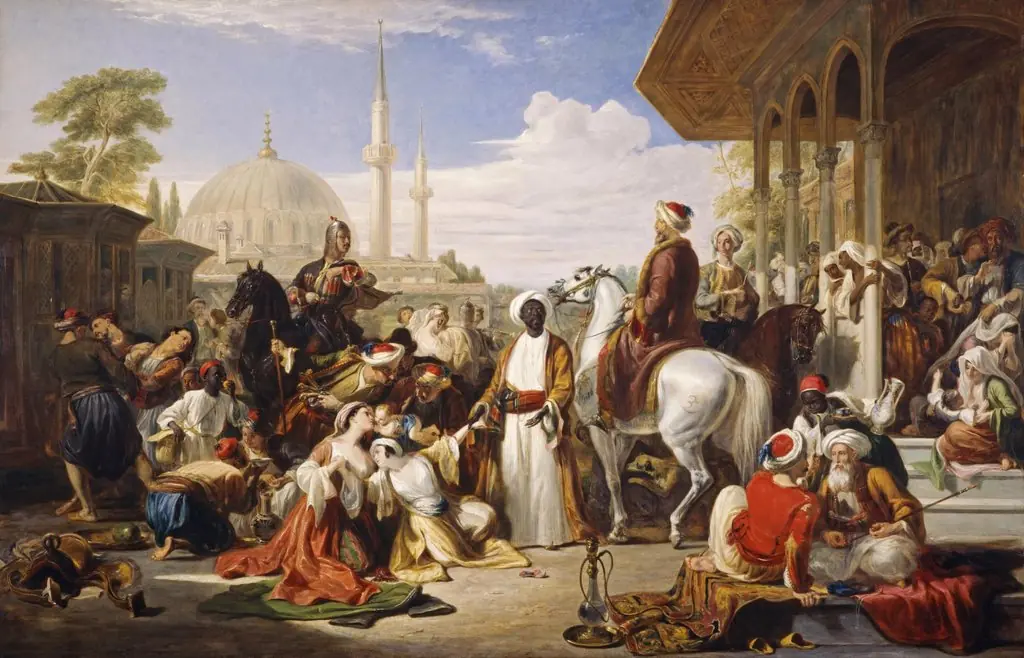 The Slave Market, Constantinople
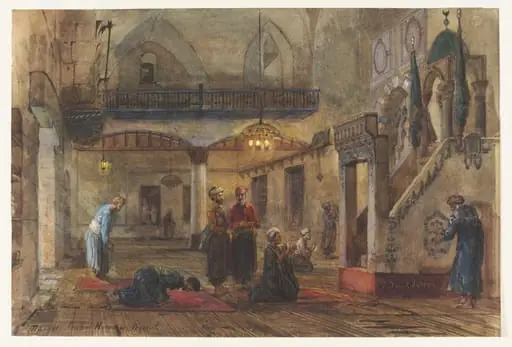 Mosque. Souk el Hommos. Byrout
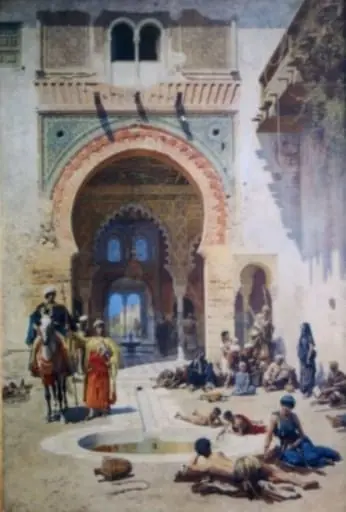 Alhambra
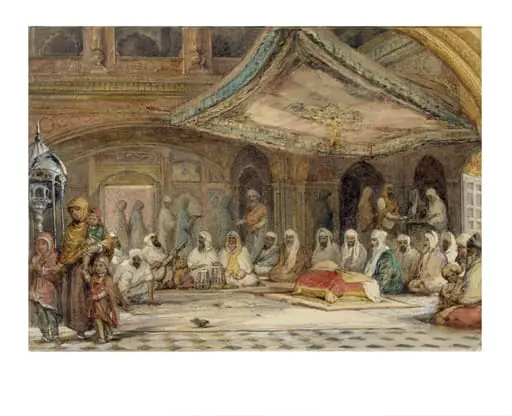 Interior of the Golden Temple, Amritsar
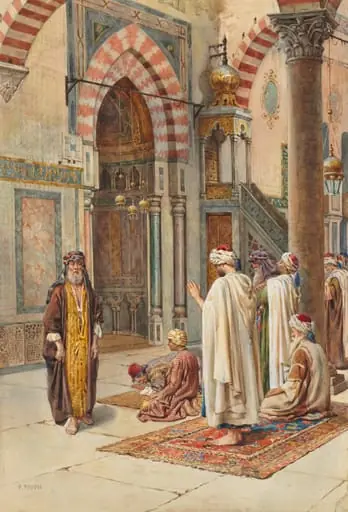 Moslems at Prayer
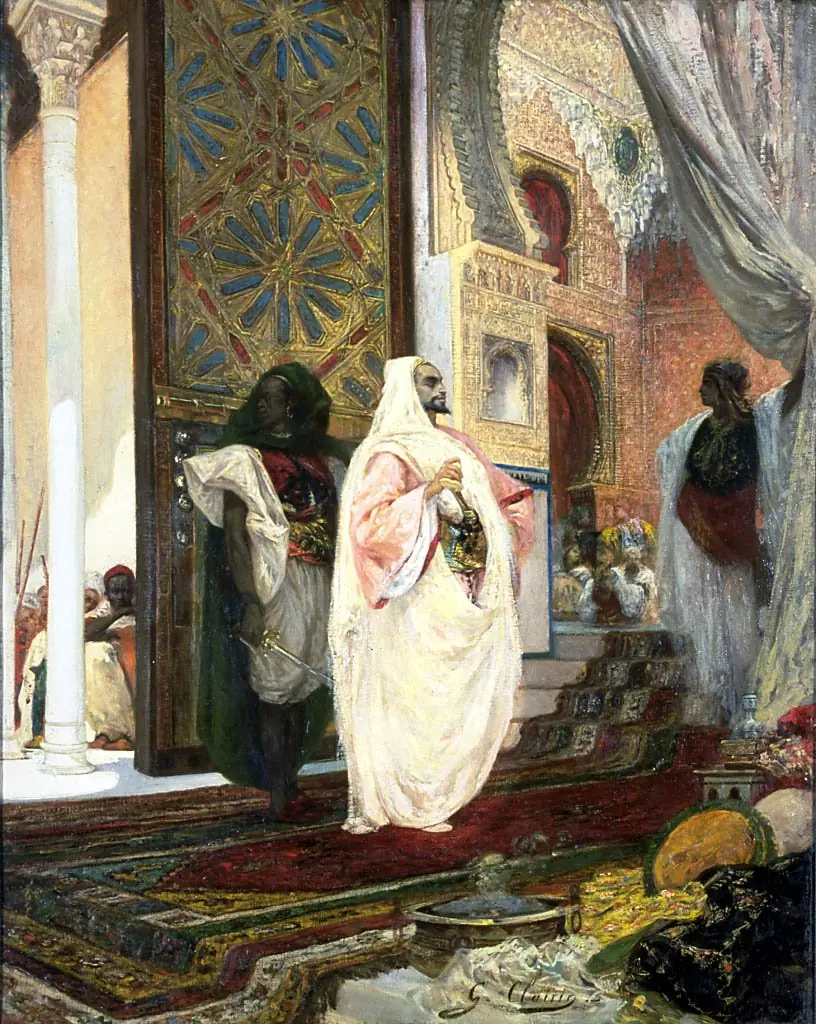 Entering the Harem
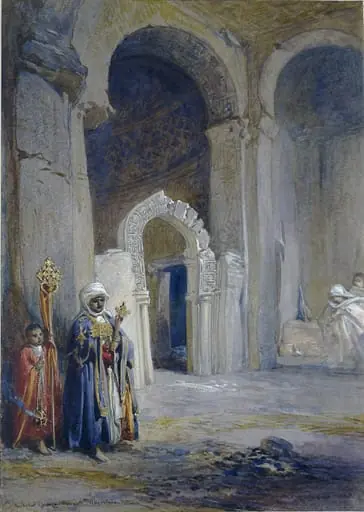 The Rock-Cut Church of Kados Kirkos at Dongola, Abyssinia
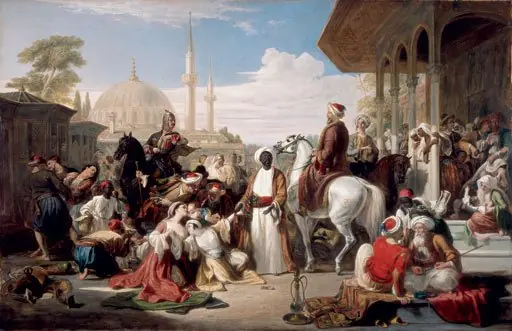 The Slave Market, Constantinople