Artwork
Entering the Harem
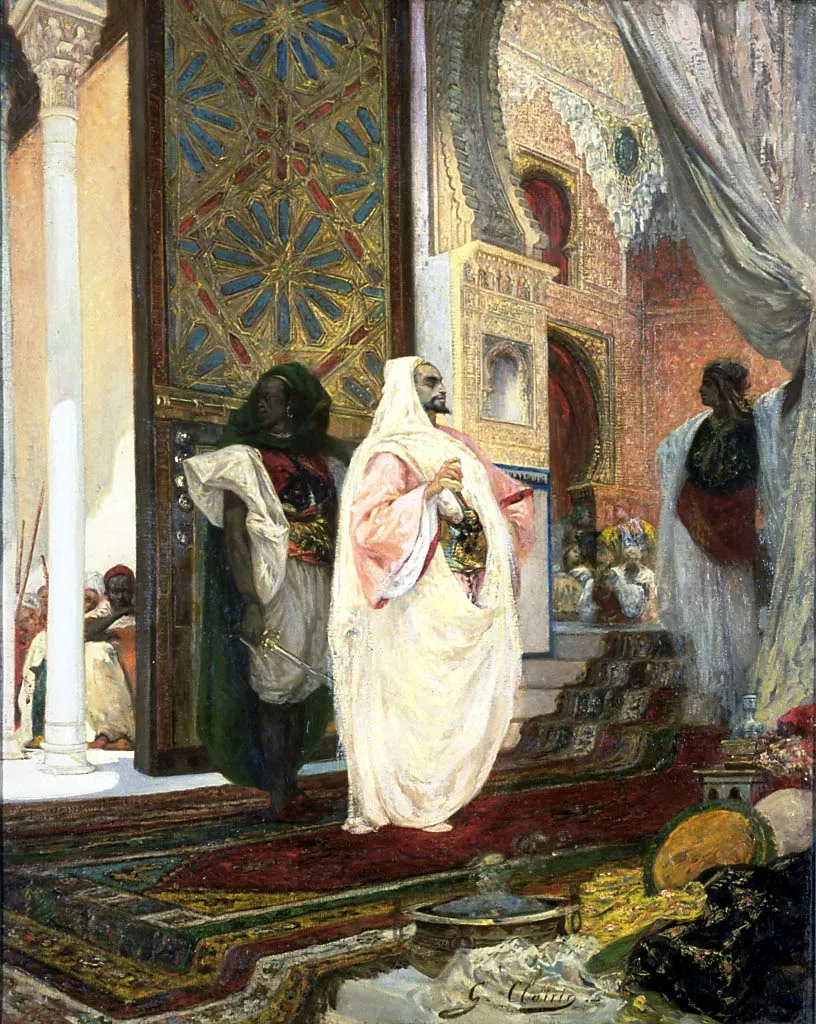
Entering the Harem is an oil painting by the Orientalist artist Georges Clairin. It dates from 1870 and is held in the collection of the Walters Art Museum.
About this work
Overview
Clairin, who made multiple trips to North Africa, rendered this interior scene with attention to architectural detail and cultural costume.
Painted in 1870 by French artist Georges Jules Victor Clairin, *Entering the Harem* is an oil-on-canvas work that reflects the 19th-century Orientalist fascination with the Islamic world. Clairin, who made multiple trips to North Africa, rendered this interior scene with attention to architectural detail and cultural costume. The painting is now part of the Walters Art Museum’s collection, where it remains a representative example of European interpretations of Eastern domestic spaces.
Subject & Meaning
The painting depicts a man in an ornate white robe, armed with a sword and adorned with jewelry, stepping into a private chamber. His presence contrasts with the more modestly dressed figures within, suggesting a hierarchy of status or role. The scene implies a moment of intrusion or arrival, though no narrative is explicitly defined. The harem setting, as imagined by a Western artist, functions more as a symbol of exoticized privacy than a documented reality.
Technique & Style
Clairin employed oil paint to render rich textures—gold leaf accents on the door, woven rugs, and layered fabrics—with precise detail. The lighting is even and diffused, emphasizing the interior’s decorative elements over dramatic tension. Figures are rendered with soft contours, and the composition directs attention to the central figure through placement and contrast in dress. The style aligns with academic Orientalism, prioritizing visual authenticity over psychological depth.
History & Provenance
Created during a period of heightened European interest in North African cultures, the painting was likely produced after Clairin’s travels in Algeria and Egypt. It entered the Walters Art Museum’s collection in the early 20th century, following the museum’s broader acquisition of Orientalist works. No record of its early ownership or exhibition history prior to its acquisition by Walters is publicly documented.
Context
In the 19th century, European artists frequently depicted Middle Eastern and North African interiors as mysterious, luxurious, and secluded. These portrayals often reflected colonial attitudes and romanticized fantasies rather than ethnographic accuracy. Clairin’s work fits within this trend, contributing to a visual language that shaped Western perceptions of the harem as a space of privilege and secrecy, despite limited access to such environments by outsiders.
Legacy
*Entering the Harem* remains a reference point in discussions of Orientalist art, illustrating how European painters constructed imagined spaces of the East. While its aesthetic qualities are acknowledged, contemporary scholarship critiques its idealized and often inaccurate representation of gender, power, and cultural practice. The painting is studied today not as a documentary record, but as a product of its time’s visual and ideological frameworks.
Artist & collection
Artist
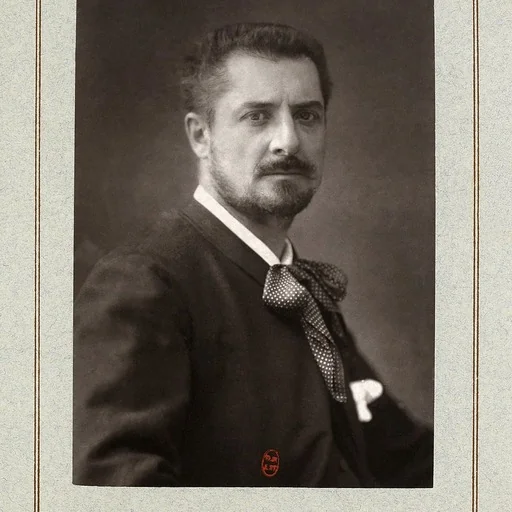
Georges Jules Victor Clairin (11 September 1843, Paris – Pouldu, Clohars-Carnoët 2 September 1919) was a French Orientalist painter and illustrator.

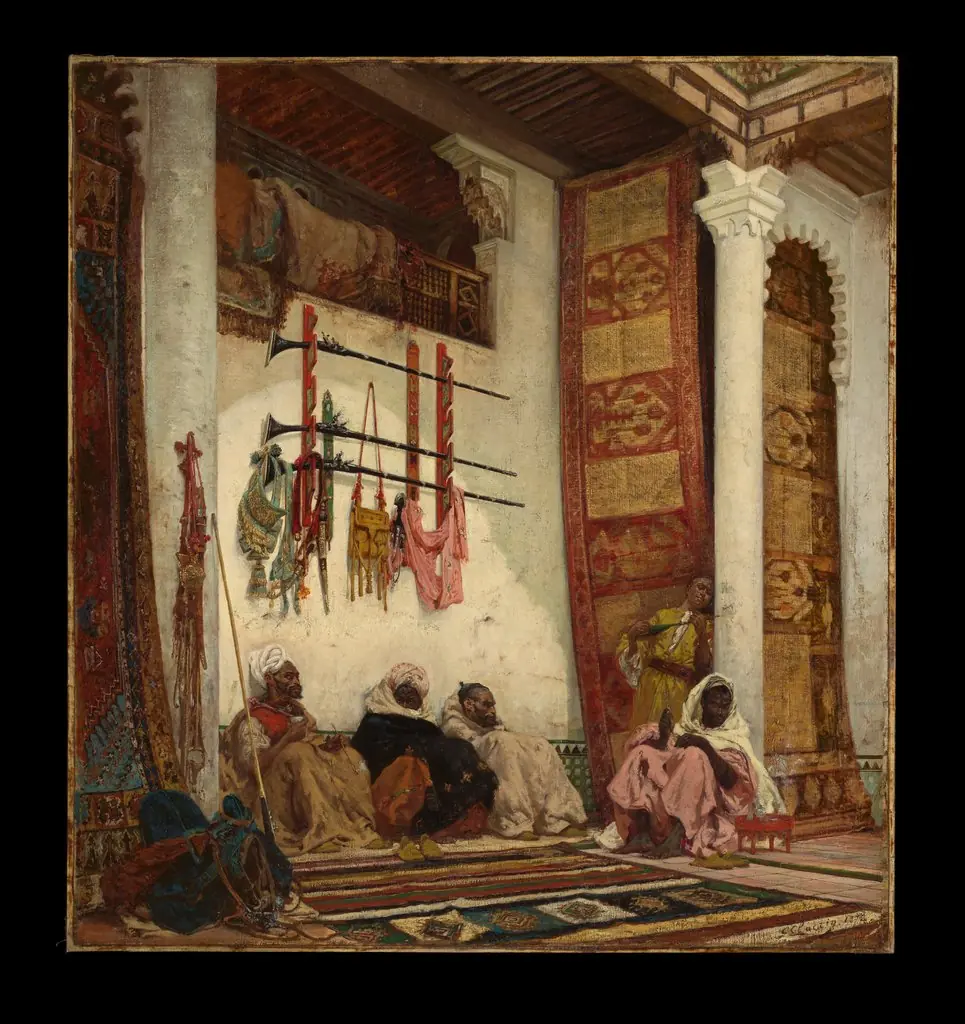
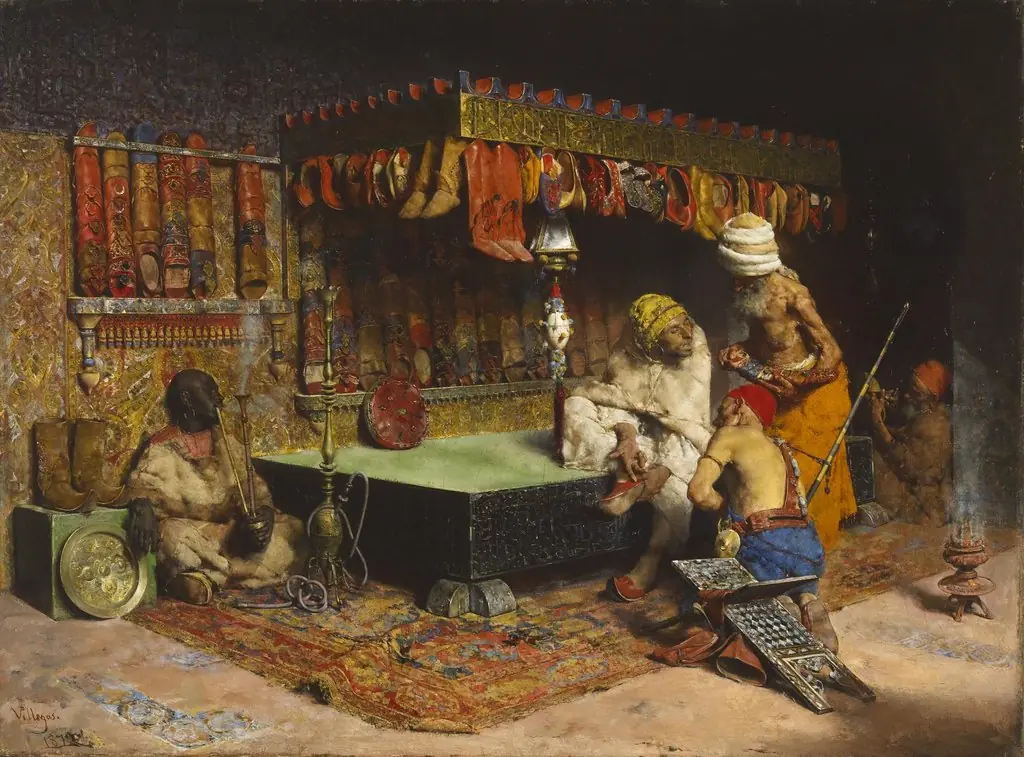 The Slipper Merchant in Morocco
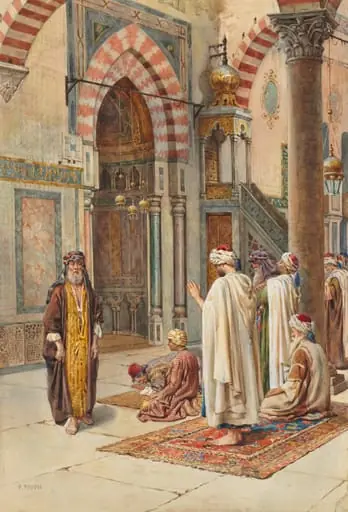 Moslems at Prayer
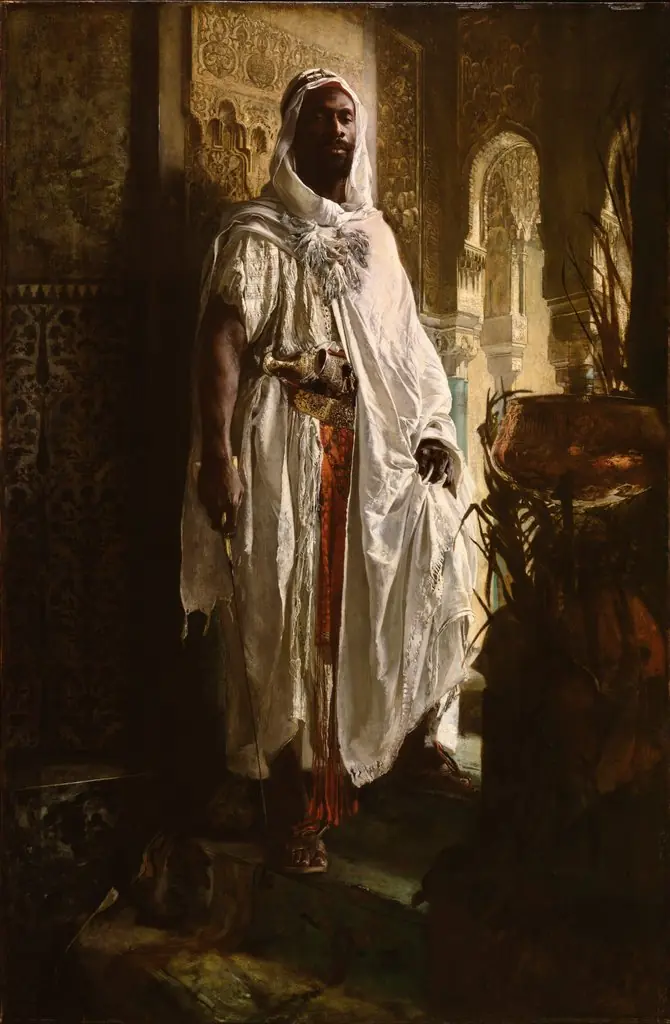 The Moorish Chief
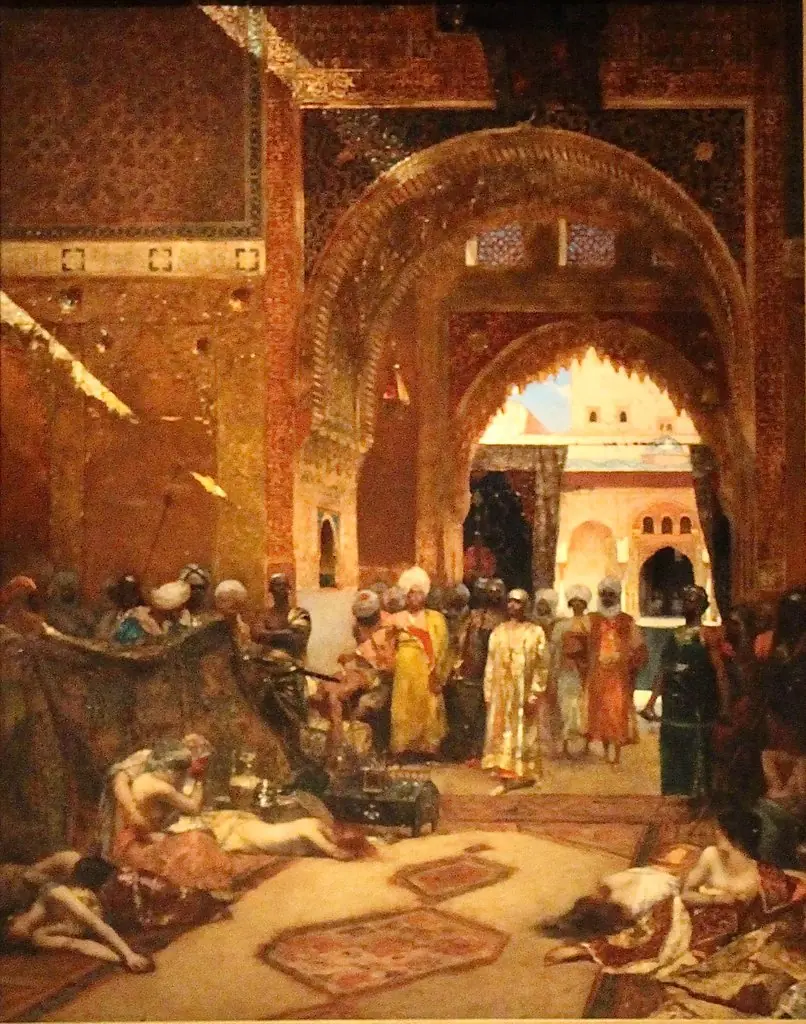 Le lendemain d'une victoire à l'Alhambra
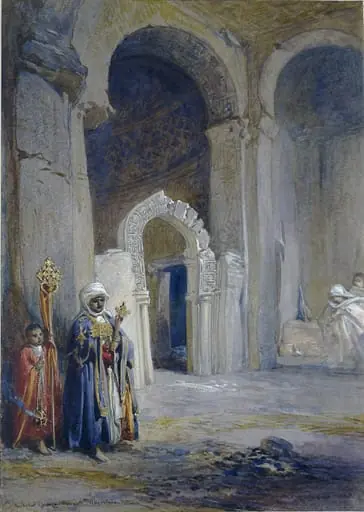 The Rock-Cut Church of Kados Kirkos at Dongola, Abyssinia
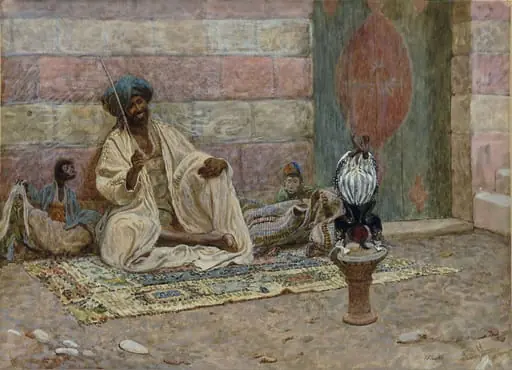 An Oriental, with performing monkeys
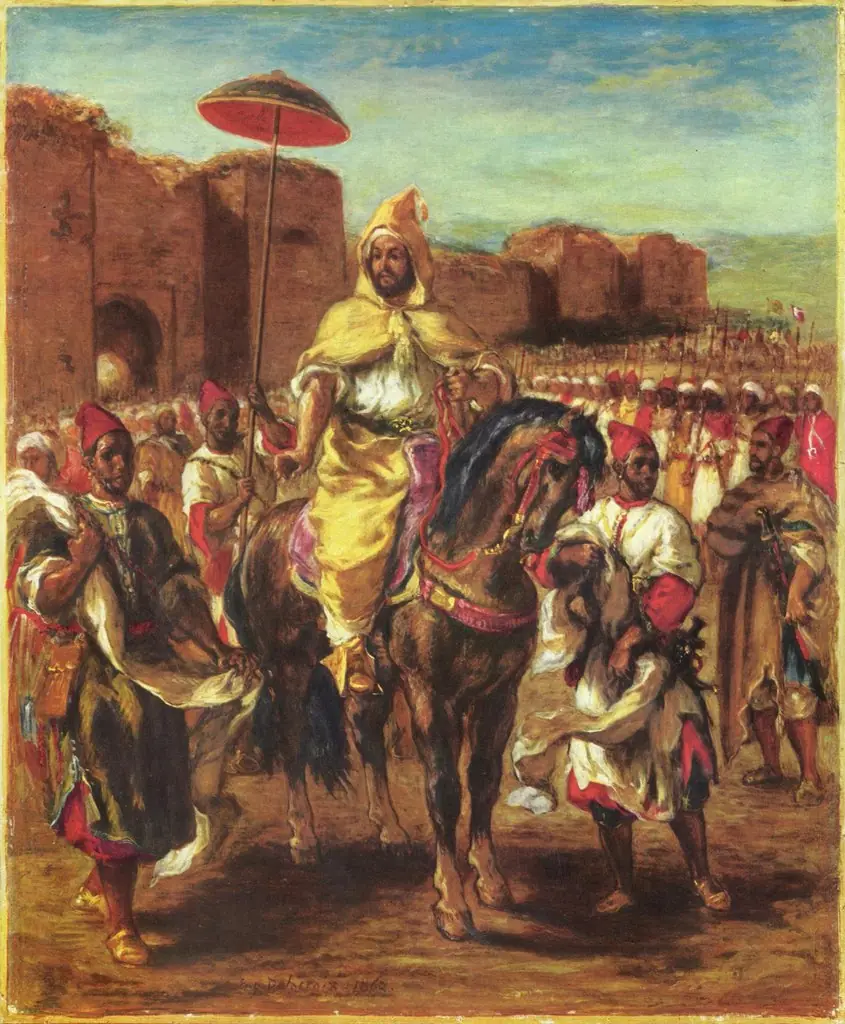 Portrait du sultan du Maroc
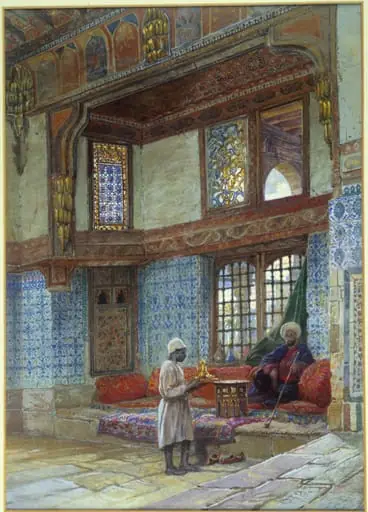 Recess in the reception room in the house of the Mufti Sheikh el Mahadi, Cairo
 A room in the house of Shayk Sadat, Cairo
 Mosque of Sidi Bu Madyan, Tlemcen
 The Slave Market, Constantinople
 Pool in a Harem