Artwork
Mater Salvatoris
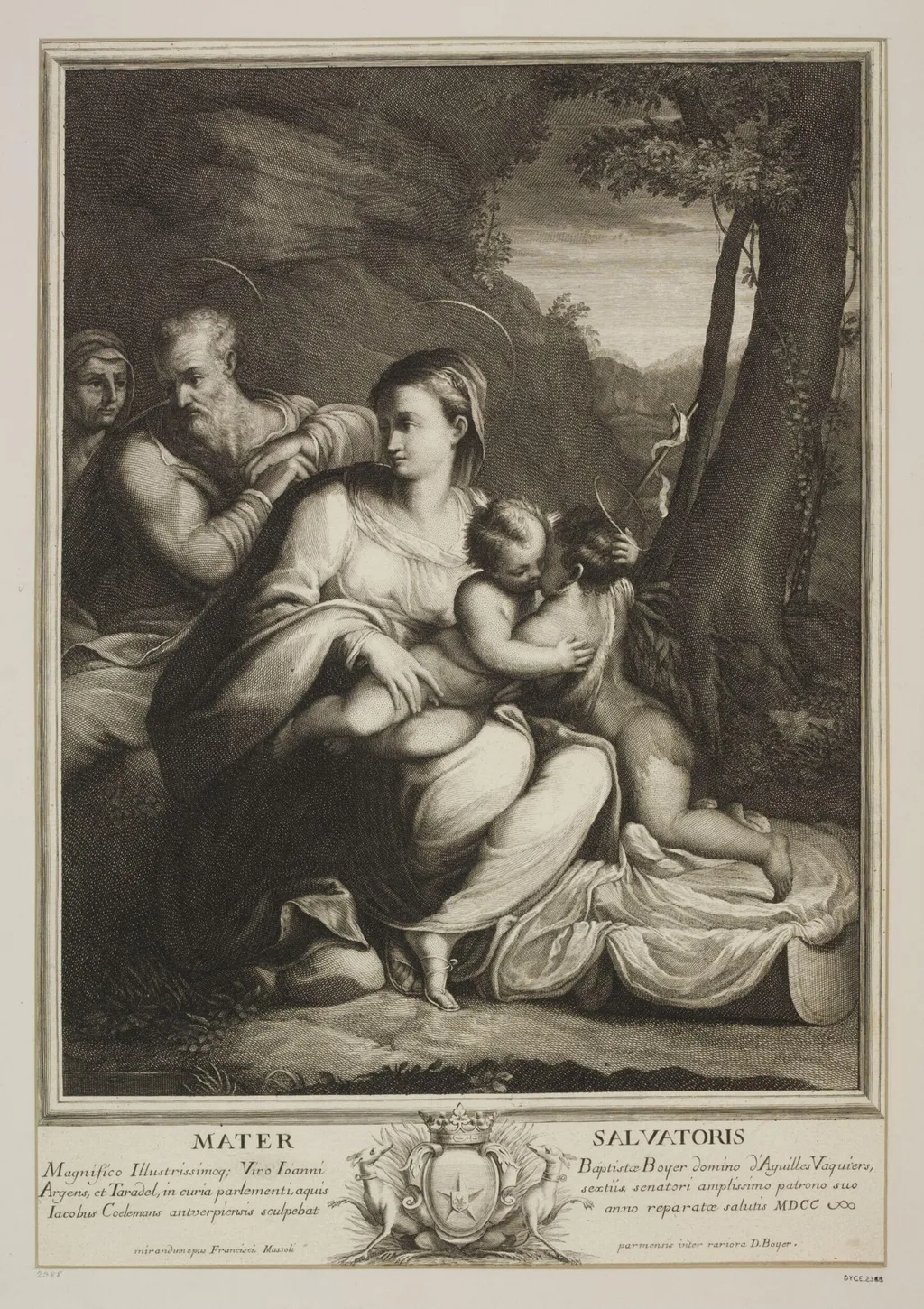
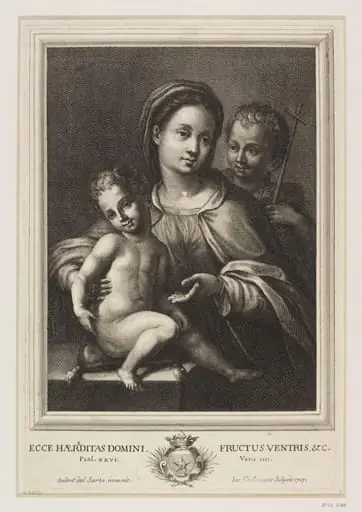
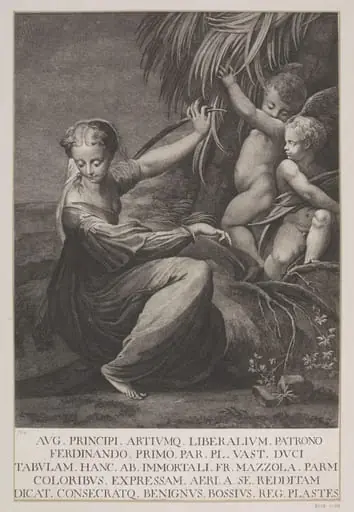
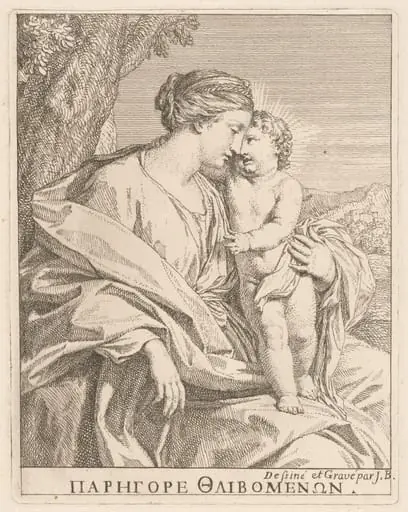
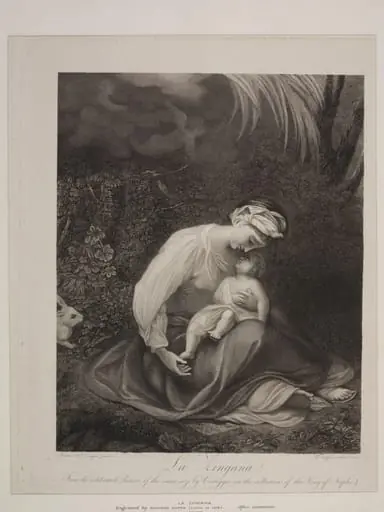
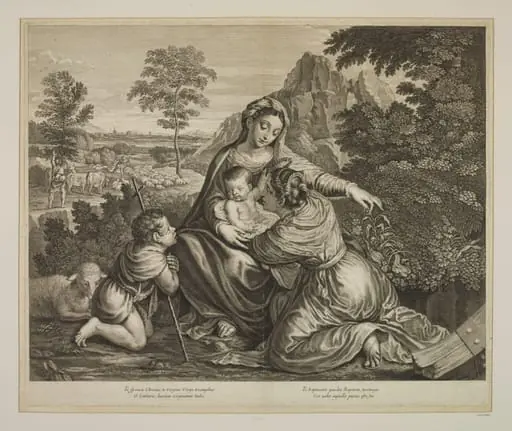
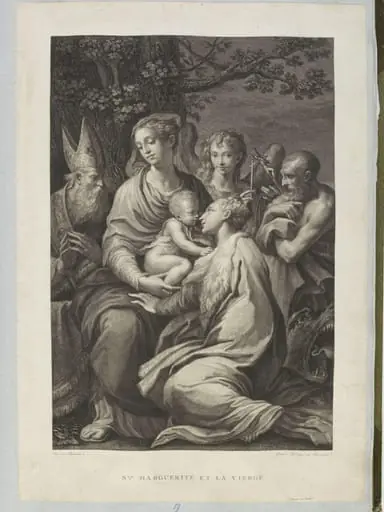
Mater Salvatoris is a print by Jacobus Coelemans. It is held in the collection of the Victoria and Albert Museum.
About this work
Overview
It presents a devotional scene with precise line work and tonal gradations, reflecting the technical standards of 18th-century printmaking.
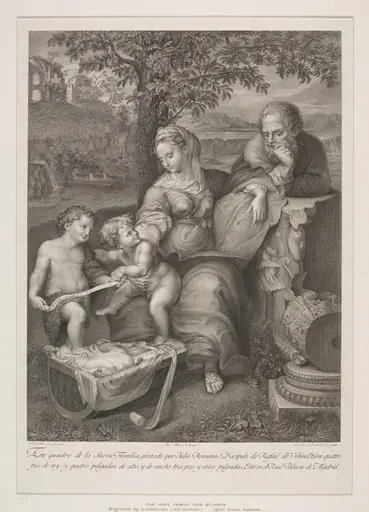
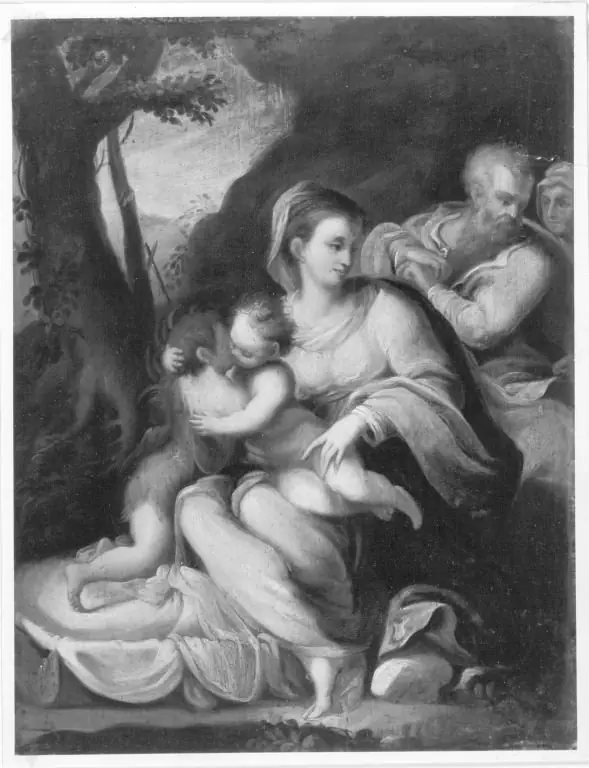
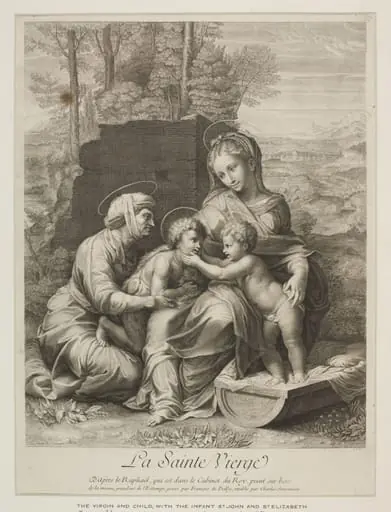
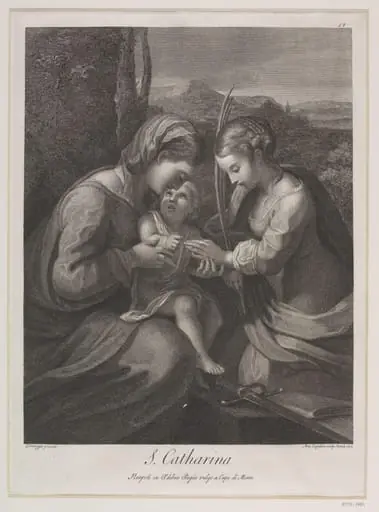
Mater Salvatoris is a 1750 engraving by Jacobus Coelemans, reproducing a composition originally created by Parmigianino. The work belongs to the tradition of reproductive prints that circulated religious imagery across Europe. It presents a devotional scene with precise line work and tonal gradations, reflecting the technical standards of 18th-century printmaking. The image was intended for private contemplation rather than public display.
Subject & Meaning
The scene portrays the Virgin Mary seated with the Christ Child on her lap, both identified by traditional iconography. The child holds a bow and arrow, symbolizing divine judgment or the piercing of sin. Two male figures stand behind them: one, haloed, likely represents Saint Joseph, the other possibly John the Baptist. The setting, though naturalistic, serves as a sacred space, reinforcing the spiritual significance of the figures through quiet isolation.
Technique & Style
Coelemans employed fine, controlled engraving lines to render textures in fabric, foliage, and skin. The use of chiaroscuro—sharp contrasts between light and shadow—models the forms with volume, drawing attention to the central figures. Details in the landscape, such as individual leaves and distant hills, are rendered with meticulous care, demonstrating the printmaker’s skill in translating painterly effects into linear medium.
History & Provenance
The print derives from a lost painting by Parmigianino, likely created in the 1520s. Coelemans’ version, dated 1750, reflects the enduring appeal of Renaissance compositions in later centuries. It was produced during a period when reproductive prints were widely collected by aristocrats and clergy. No specific early ownership records are documented, but its survival in multiple institutional collections suggests broad circulation.
Context
In mid-18th-century Europe, religious imagery remained central to domestic devotion, even amid growing secularization. Engravings like this one allowed access to revered compositions for those unable to view original paintings. Coelemans’ adaptation of Parmigianino’s Mannerist style into a refined, linear format aligned with contemporary tastes for clarity and detail in printed art.
Legacy
Mater Salvatoris exemplifies the role of reproductive prints in preserving and disseminating Renaissance iconography. While not an original work, it contributed to the continuity of devotional imagery across generations. The print’s technical precision and faithful rendering ensure its place in studies of printmaking history and the transmission of artistic motifs in early modern Europe.
Artist & collection
Artist
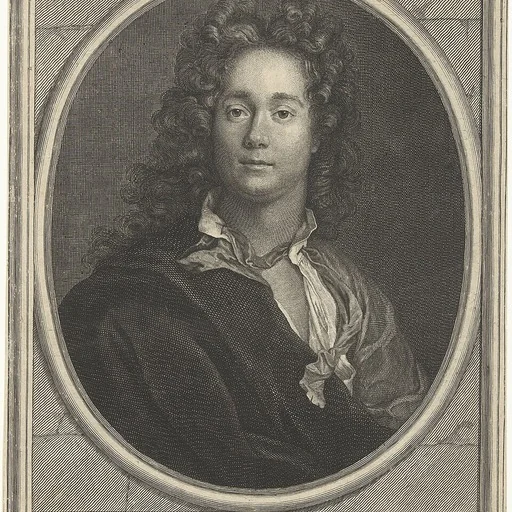
Jacobus Coelemans or Jacob Coelemans, known in France as Jacques Coelemans (Antwerp, 23 August 1654 – Aix-en-Provence, 11 February 1732) was a Flemish engraver and printmaker, known for his reproductive prints after famous painters and…