Artwork
Study for the face of Louis, Dauphin of France (1729-1765)
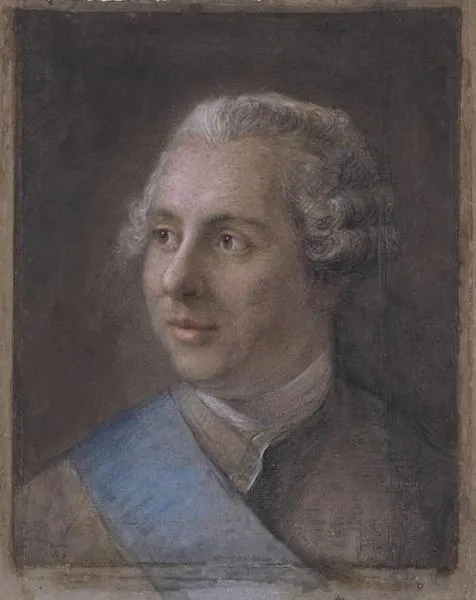
Study for the face of Louis, Dauphin of France (1729-1765) is an unspecified painting by the Rococo painting artist Jean-Martial Frédou. It dates from 1760 and is held in the collection of the Palace of Versailles.
About this work
Overview
Created in 1760 by Jean-Martial Frédou, this portrait study was produced as a preparatory work for an official royal image.
Created in 1760 by Jean-Martial Frédou, this portrait study was produced as a preparatory work for an official royal image. Frédou, a painter affiliated with the French royal court, was tasked with documenting the likenesses of the royal family. This piece served not as a final portrait but as a detailed reference for replication, ensuring consistency in official representations of the Dauphin across multiple formats.
Subject & Meaning
The subject is Louis, Dauphin of France, the eldest son of King Louis XV and heir to the throne. His composed expression and formal attire convey dignity and restraint, aligning with the expectations of royal bearing. The sash suggests his membership in a chivalric order, reinforcing his status. The neutral gaze and lack of overt emotion reflect the decorum demanded of royal figures in the mid-18th century, prioritizing authority over individuality.
Technique & Style
Frédou employed subtle tonal contrasts to model the Dauphin’s face, using a restrained chiaroscuro to define features against a dark background. The rendering of fine details—curls of light hair, the sheen of fabric, the soft transition of skin tones—demonstrates a meticulous approach typical of court portraiture. The palette is muted, emphasizing texture over color, and the composition focuses attention entirely on the sitter’s upper torso and face.
History & Provenance
The study was produced within the administrative framework of the Cabinet du Roi, which maintained visual records of the royal family. As such, it was likely used by other artists to create official portraits, engravings, or miniatures. It remained in royal possession and is now held by the Palace of Versailles, where it continues to serve as a document of courtly visual culture rather than a standalone artistic statement.
Context
In the 1760s, French royal portraiture emphasized accuracy and replication over individual expression. Artists like Frédou often worked from existing models by Nattier or Van Loo, ensuring standardized images for state use. This practice reflected the monarchy’s need for controlled public imagery, particularly during a period of increasing political scrutiny. The Dauphin’s portrait, though private in function, was part of a broader system of visual governance.
Legacy
Though Frédou’s name is largely overshadowed by his more celebrated contemporaries, this study exemplifies the quiet, essential role of court copyists in sustaining royal iconography. Its survival in the Versailles collection underscores the institutional value placed on preparatory works. Today, it offers insight into the mechanical yet disciplined process behind the production of royal imagery in ancien régime France.
Artist & collection
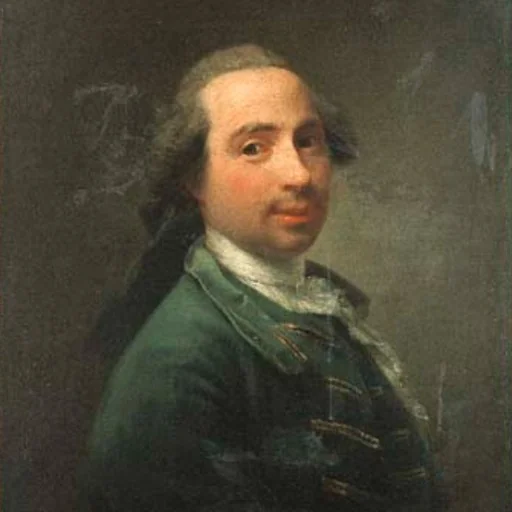
Artist
Jean-Martial Frédou (28 January 1710, Fontenay-Saint-Père – 26 February 1795, Versailles) was a French painter known for his portraits.

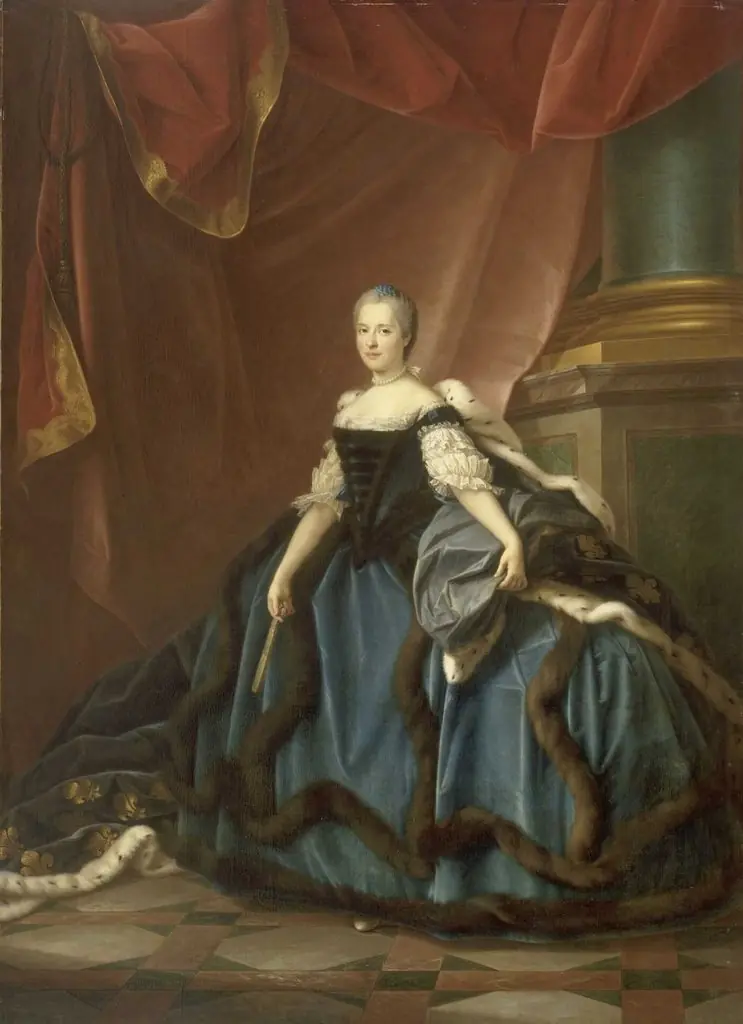
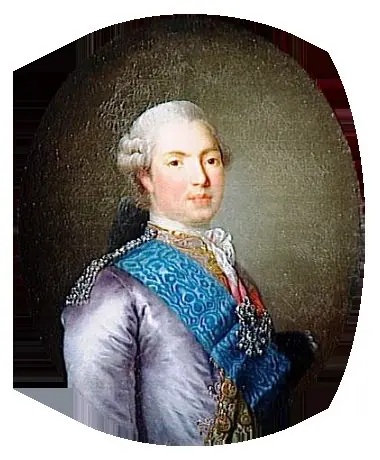
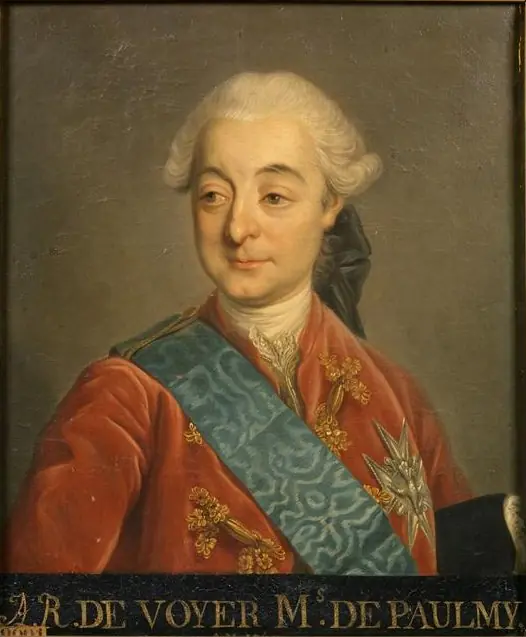 Antoine-René de Voyer de Paulmy, marquis d'Argenson (1722-1787), ministre
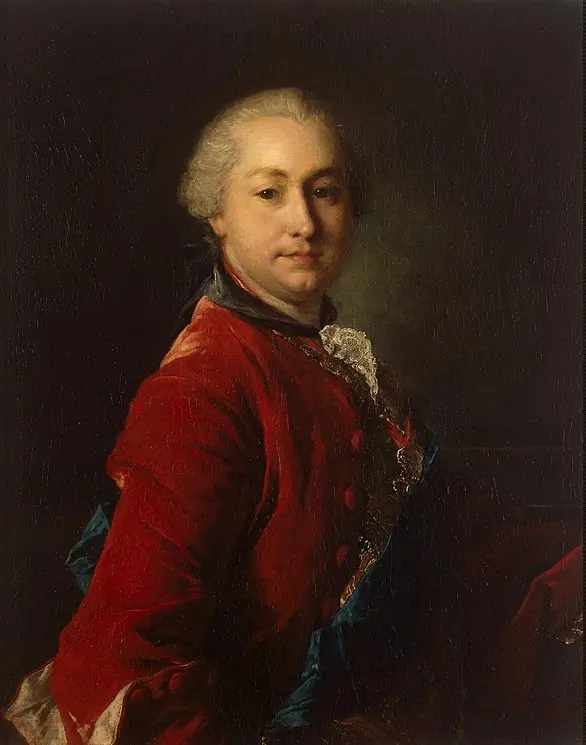 Portrait of Ivan Shuvalov
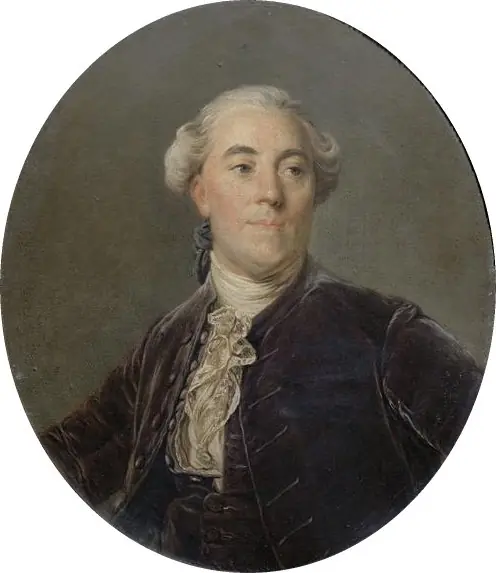 Portrait of Jacques Necker (1732-1804)
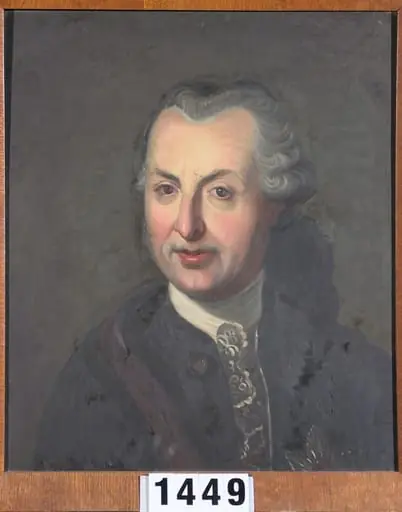 Samuel von Brukenthal
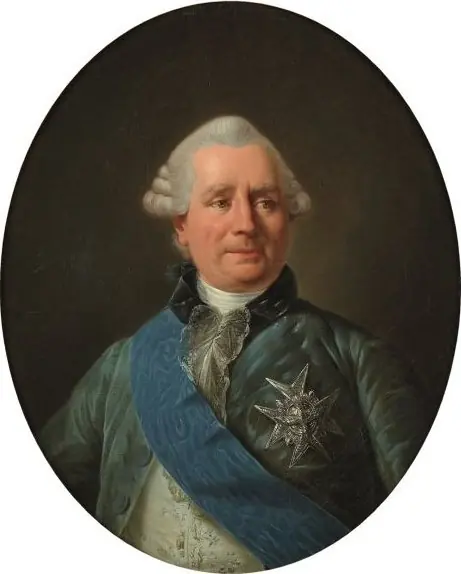 The Count de Vergennes
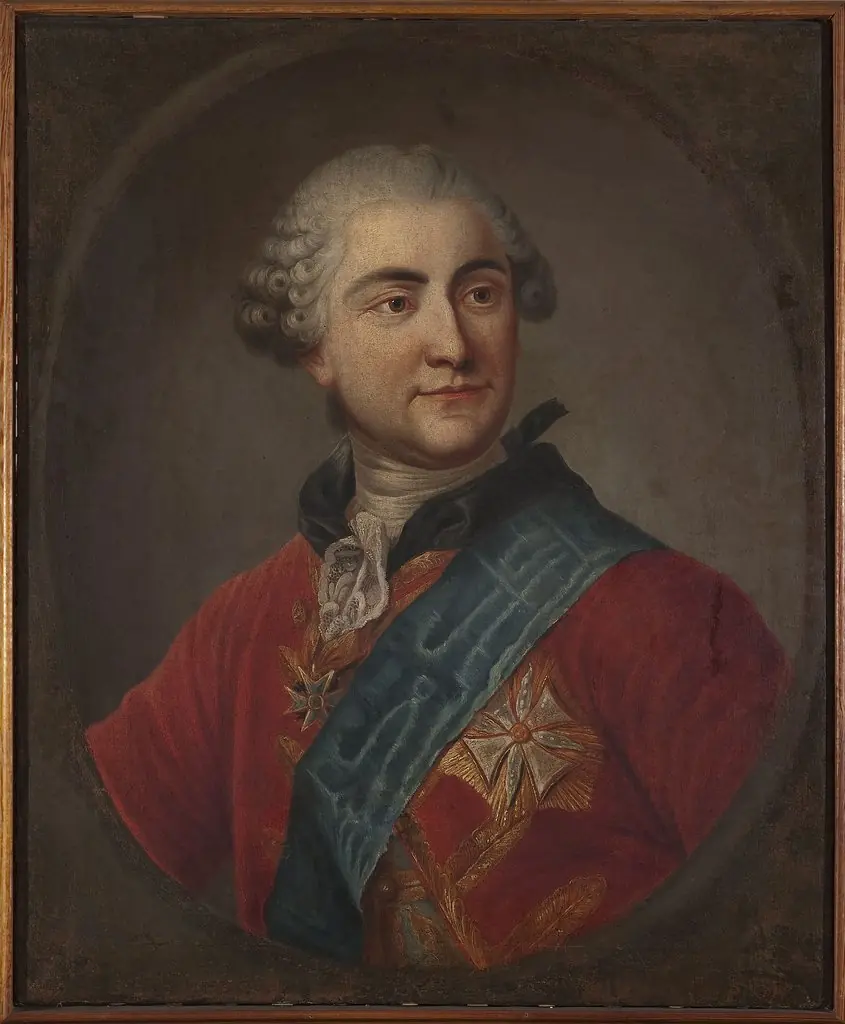 Portrait of Stanisław August Poniatowski
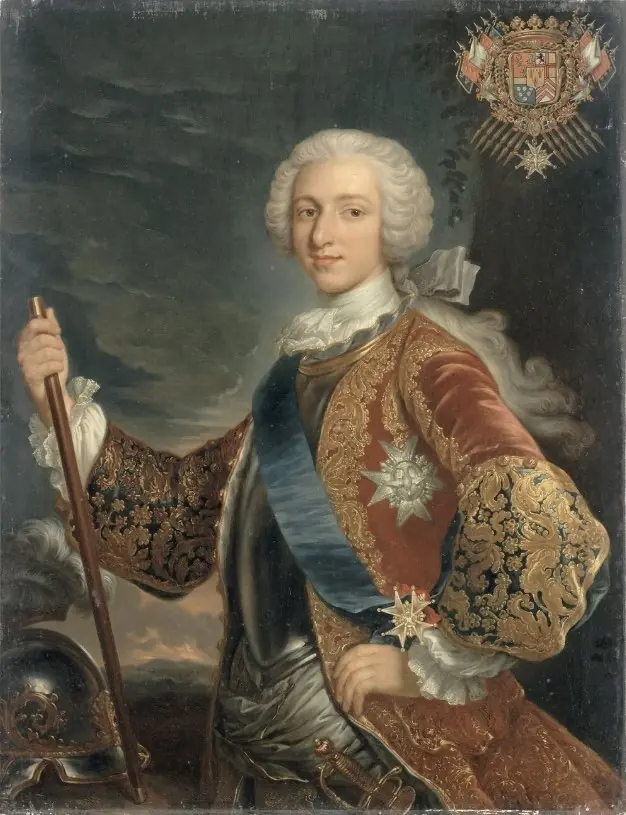 Anne-Louis de Thiard, marquis de Bissy (1715-1748), maître de camp général de la cavalerie en 1748
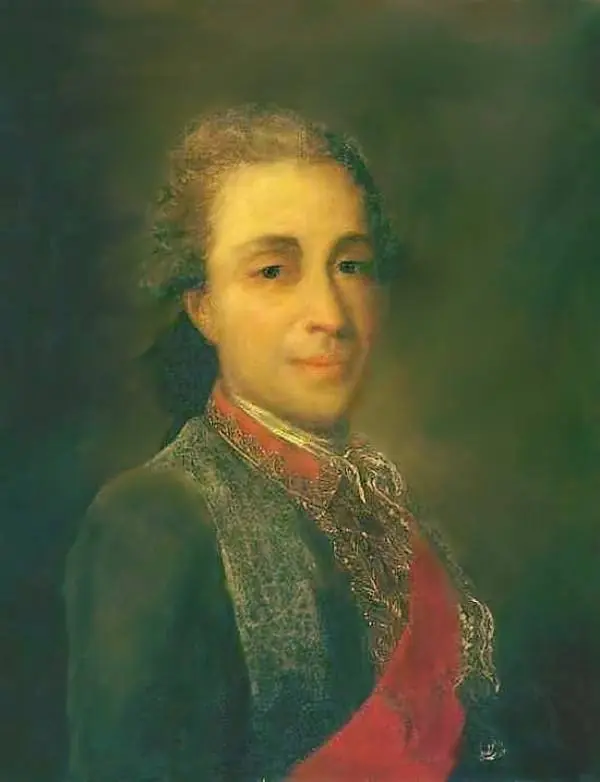 Портрет неизвестного в зелёном кафтане