Artwork
Portrait of the comte de Provence (1755-1824)
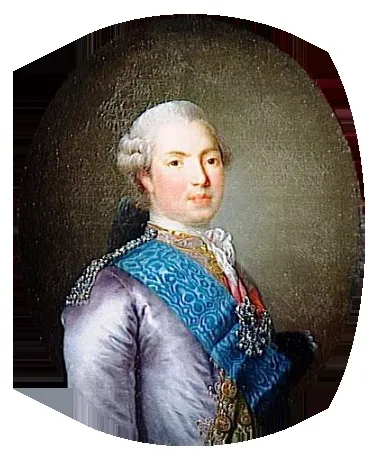
Portrait of the comte de Provence (1755-1824) is an oil painting by the Rococo painting artist Jean-Martial Frédou. It dates from 1773 and is held in the collection of the Palace of Versailles. Jean‑Martial Frédou’s 1773 oil portrait presents the future Louis XVIII, then styled the comte de Provence, in a formal, courtly pose.
About this work
This portrait is reminiscent of the works of artists who specialized in capturing the likenesses of European monarchs and nobles during the 18th century.
The painting depicts a man with white hair, wearing a purple jacket adorned with blue and gold accents. He is set against a brown background.
The man's attire suggests he is a member of the nobility or royalty. His expression is neutral, and his posture conveys a sense of confidence.
This portrait is reminiscent of the works of artists who specialized in capturing the likenesses of European monarchs and nobles during the 18th century. You might also want to explore the works of Jean-Martial Frédou.
Overview
Jean‑Martial Frédou’s 1773 oil portrait presents the future Louis XVIII, then styled the comte de Provence, in a formal, courtly pose. The sitter is rendered with white hair and a dignified expression, set against a muted brown backdrop that emphasizes his richly decorated purple coat with blue and gold detailing. The work exemplifies the polished official portraiture typical of the French royal household in the late eighteenth century.
Subject & Meaning
The portrait captures the comte de Provence at a pivotal stage before his accession, conveying both his noble status and personal composure. The neutral gaze and upright posture suggest a measured confidence, aligning with the expectations of a royal heir to embody stability and authority within the hierarchical visual language of the Ancien Régime.
Technique & Style
Frédou employs a smooth, almost enamel‑like finish characteristic of Rococo court portraiture, with careful attention to fabric texture and subtle chiaroscuro that models the figure against the plain background. The palette—deep purples, blues, and golds—highlights the opulence of the attire while the restrained brushwork underscores the work’s official function rather than decorative excess.
History & Provenance
Created for the Versailles court, the painting entered the royal collection shortly after its completion and has remained in the Palace of Versailles’ holdings. Frédou, a court‑appointed portraitist, often based his depictions on earlier images by artists such as Jean‑Marc Nattier and Louis‑Michel Van Loo, ensuring continuity of royal iconography across generations.
Context
The portrait belongs to a broader tradition of eighteenth‑century European portraiture that served diplomatic and dynastic purposes. By aligning his visual approach with that of established court painters, Frédou reinforced the comte’s legitimacy and the visual continuity of the Bourbon lineage during a period of political tension preceding the French Revolution.
Artist & collection
Artist
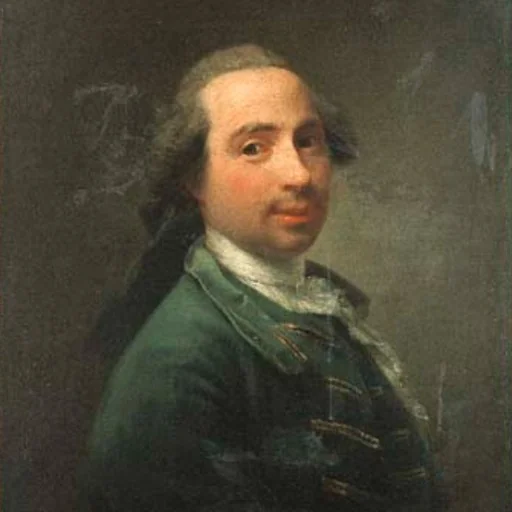
Jean-Martial Frédou (28 January 1710, Fontenay-Saint-Père – 26 February 1795, Versailles) was a French painter known for his portraits.

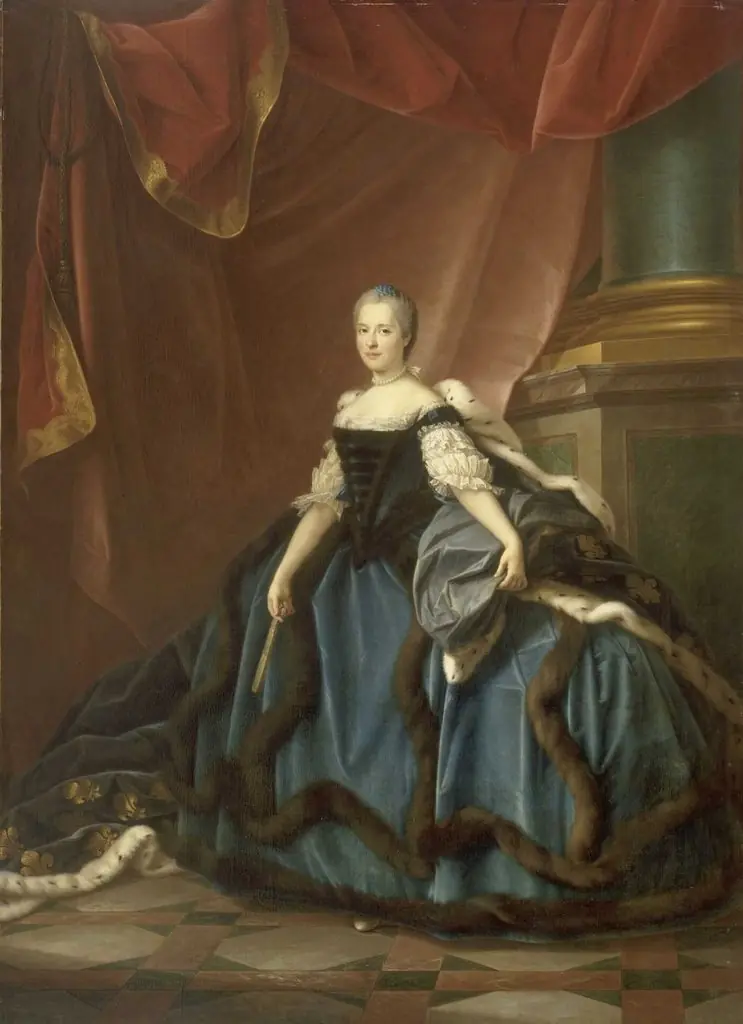
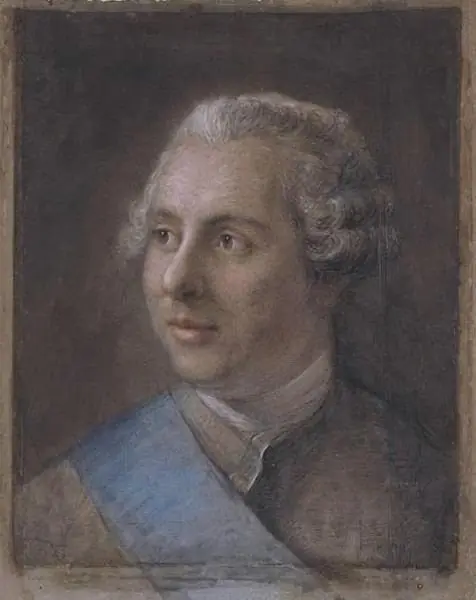
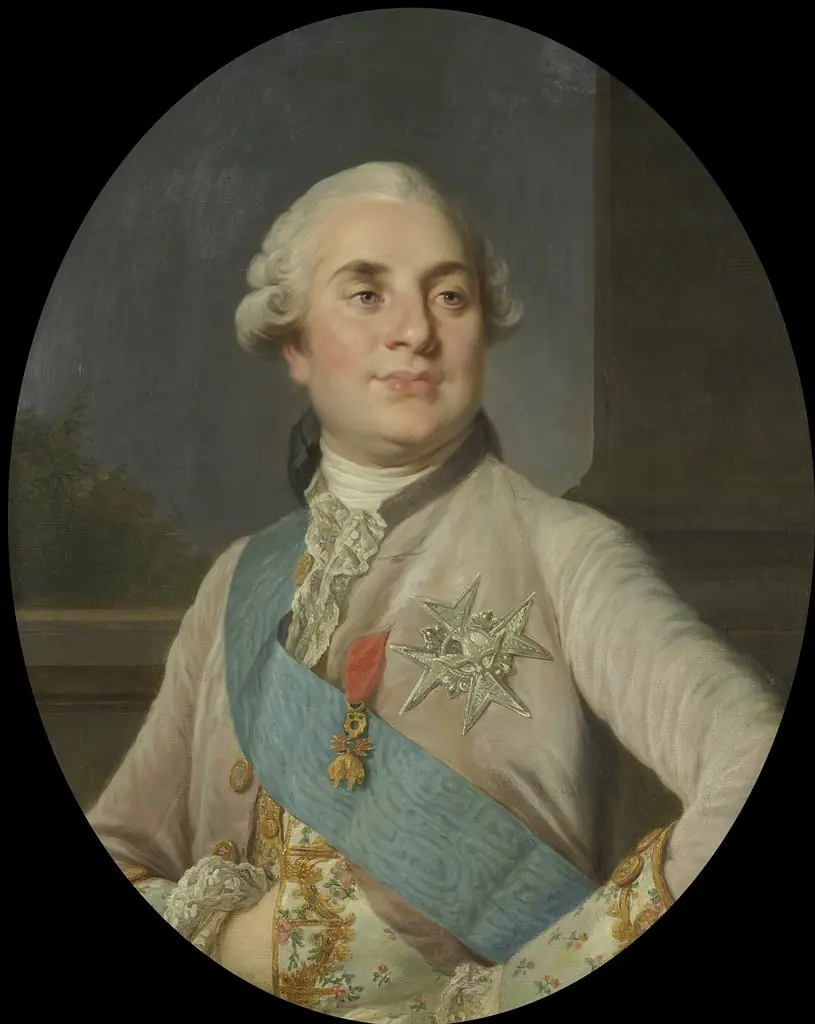 Portrait of Louis XVI, King of France
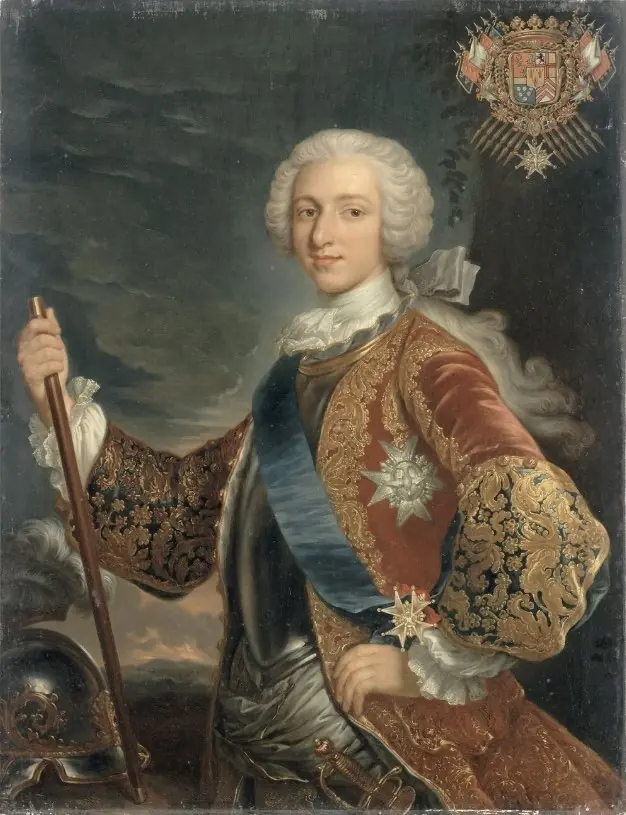 Anne-Louis de Thiard, marquis de Bissy (1715-1748), maître de camp général de la cavalerie en 1748
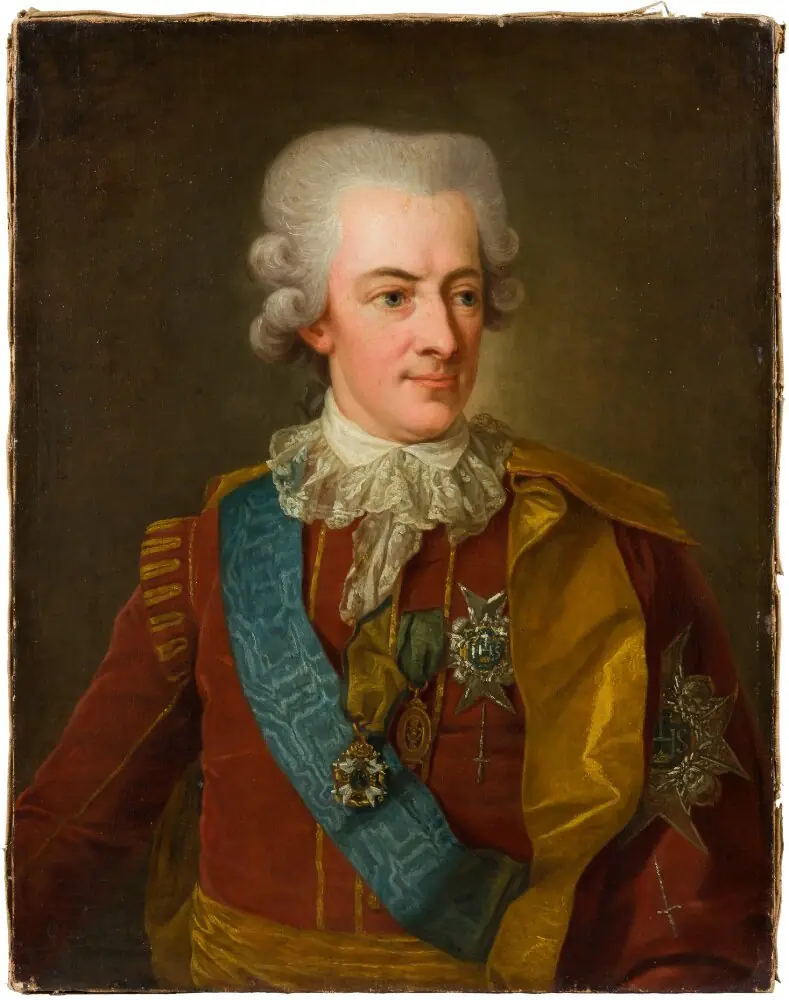 Gustav III (1746–1792), King of Sweden
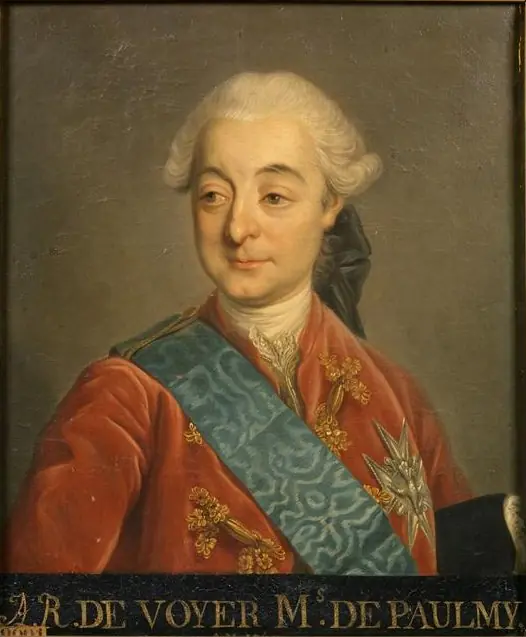 Antoine-René de Voyer de Paulmy, marquis d'Argenson (1722-1787), ministre
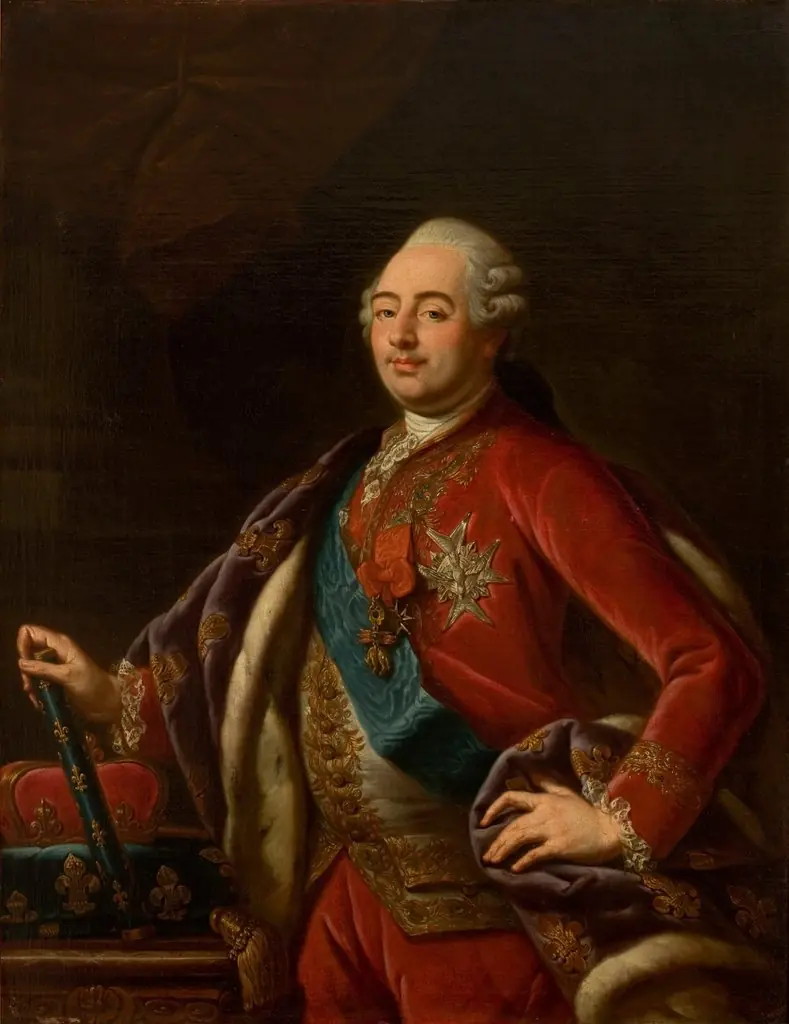 Retrato de Luís XVI
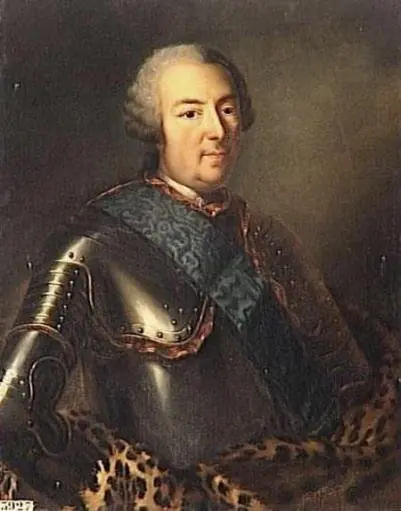 Antoine-Paul-Jacques de Quelen de Stuer de Caussade, duc de La Vauguyon (1706-1772)
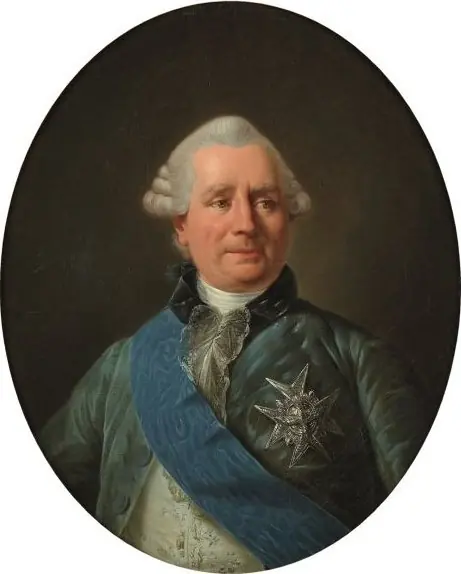 The Count de Vergennes
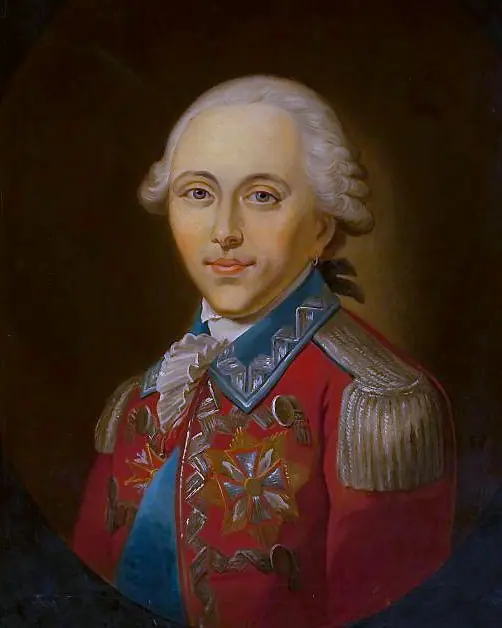 Portrait of Wincentz Potocki (d. 1825), crown chamberlain
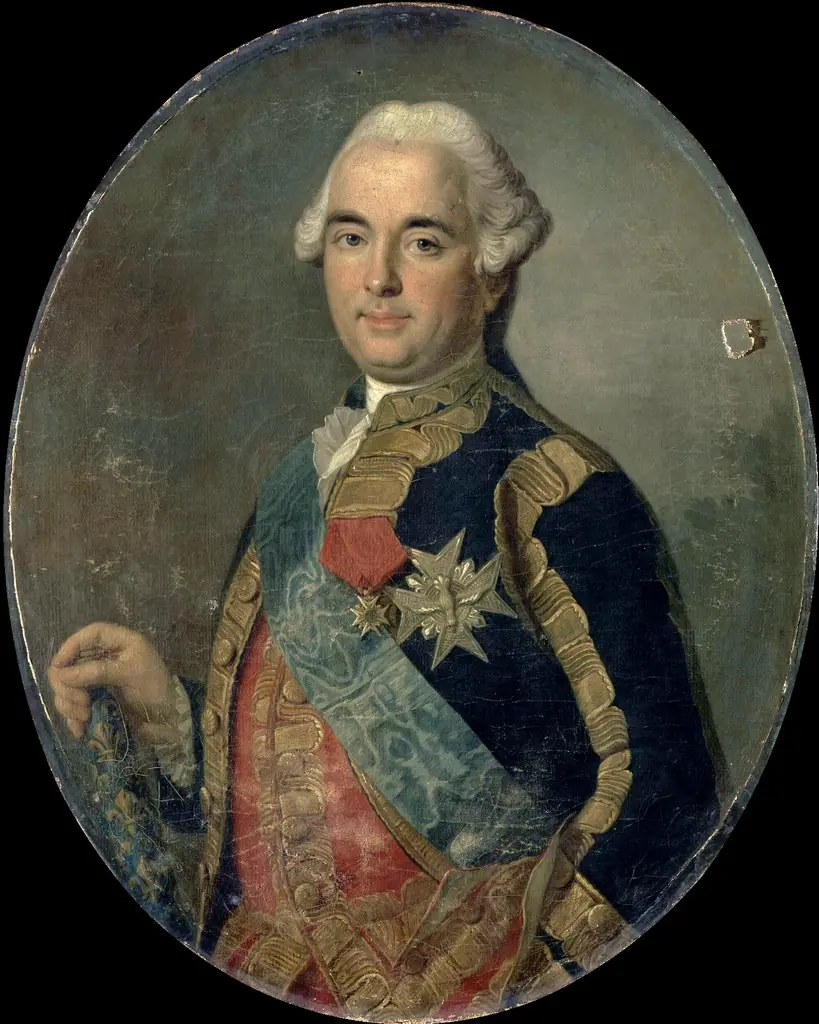 Portrait of Victor-François, 2nd duc de Broglie
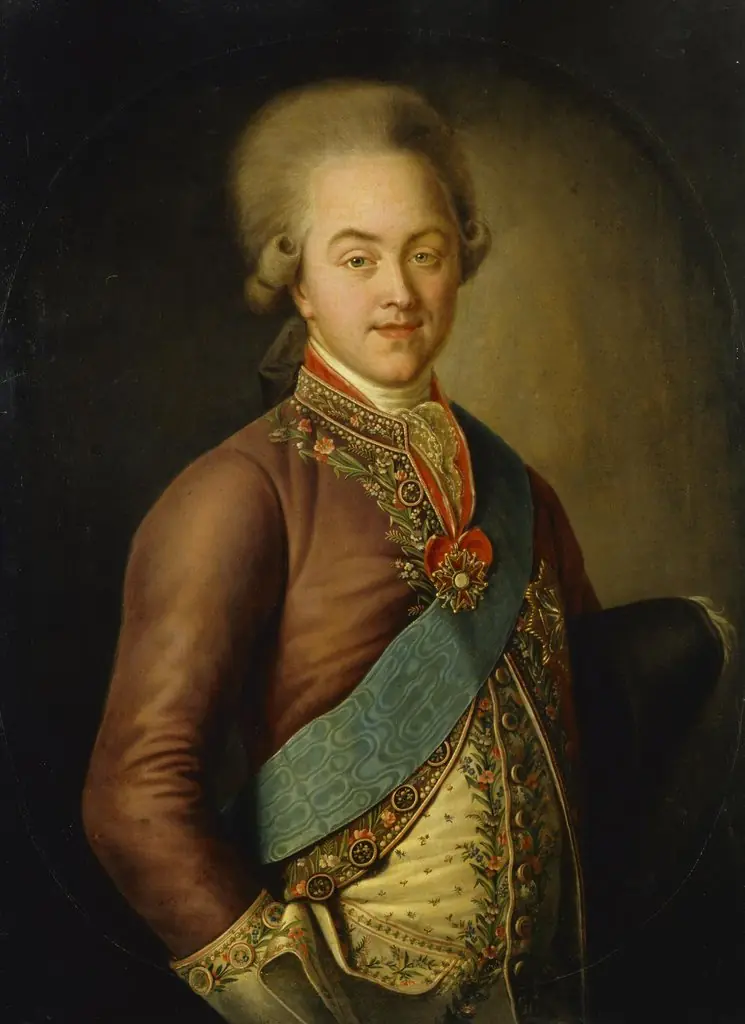 Portrait of Count N.P.Sheremetev