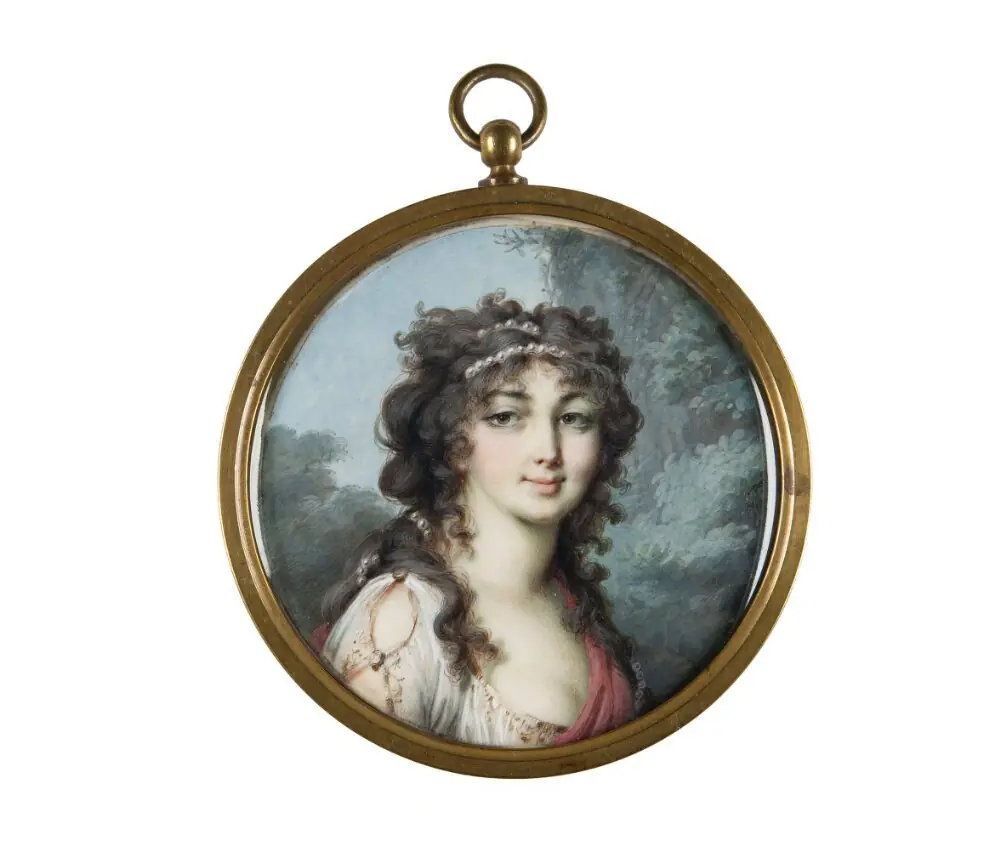
Artwork
Unknown woman
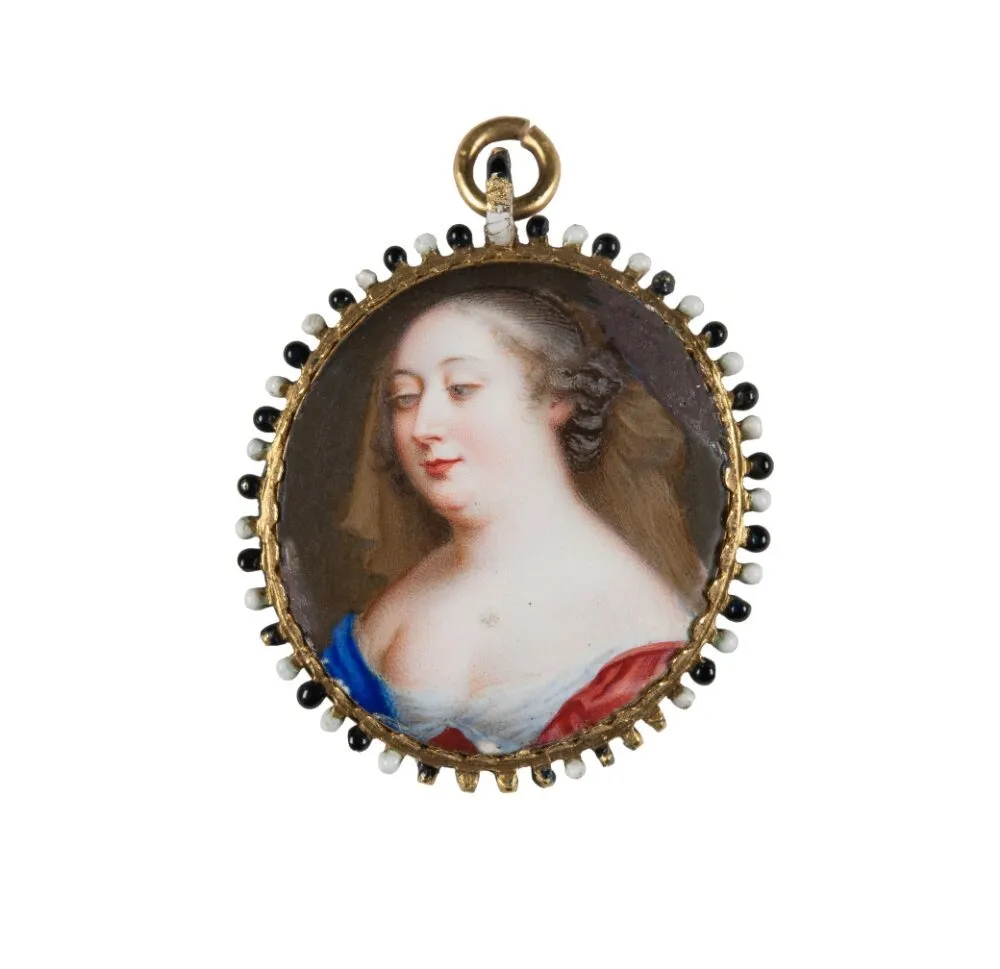
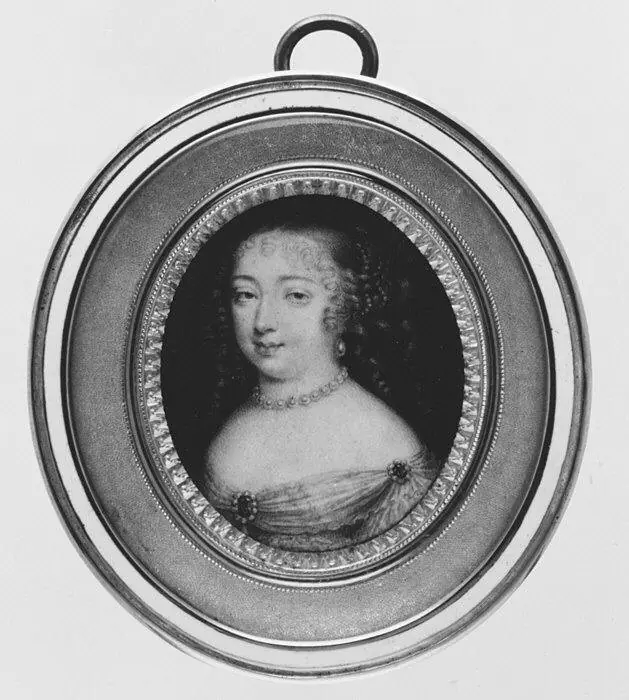
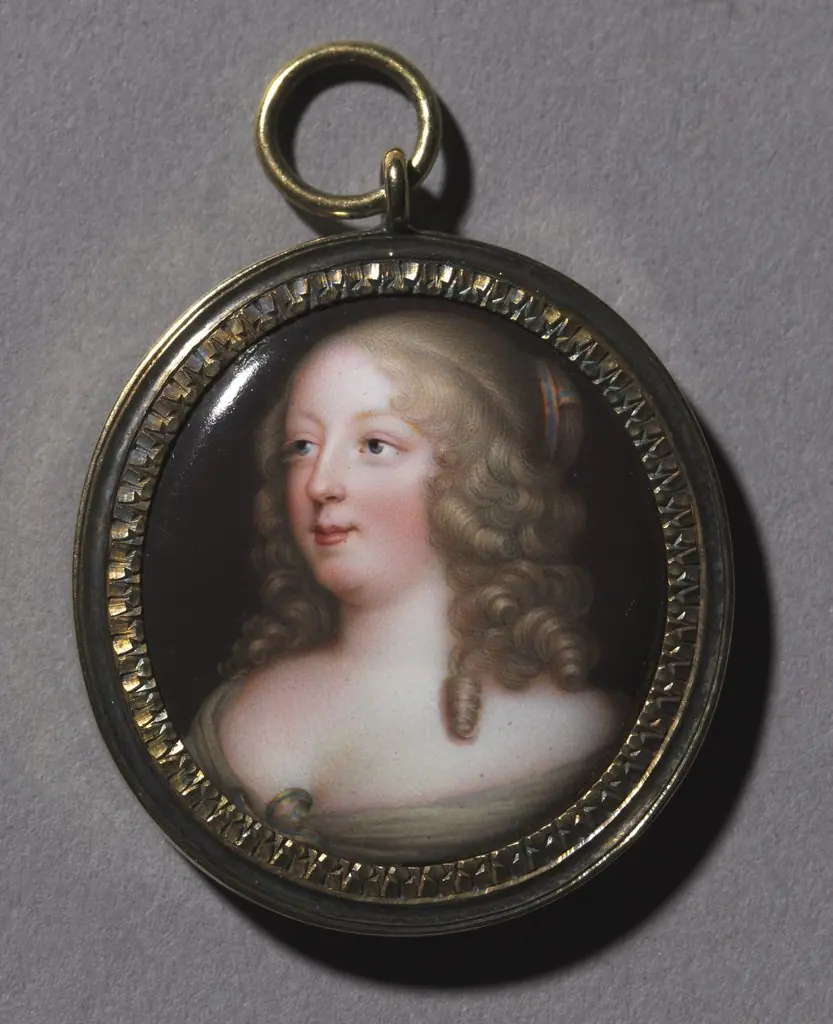
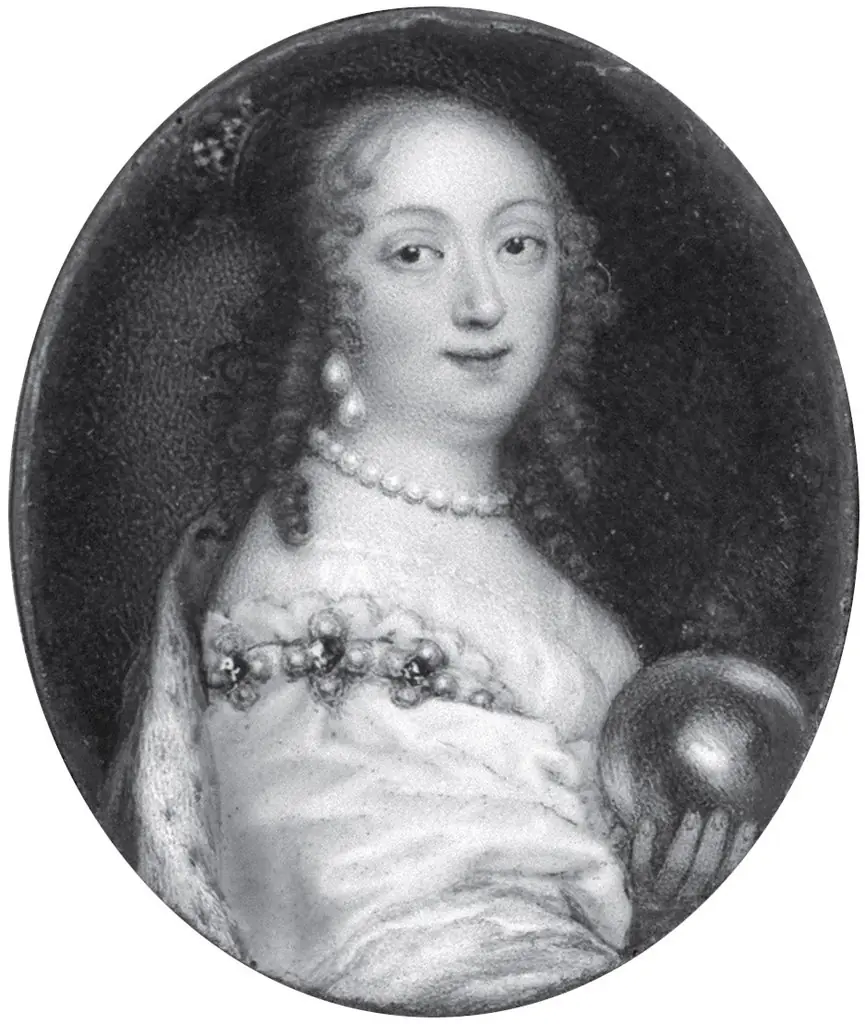
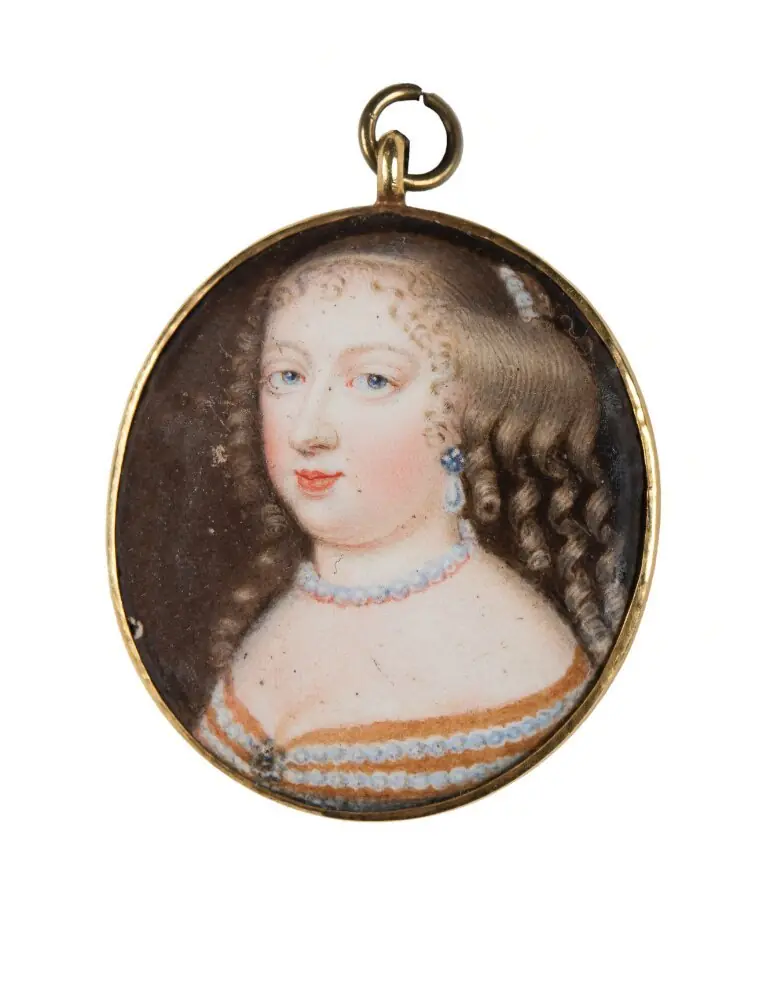
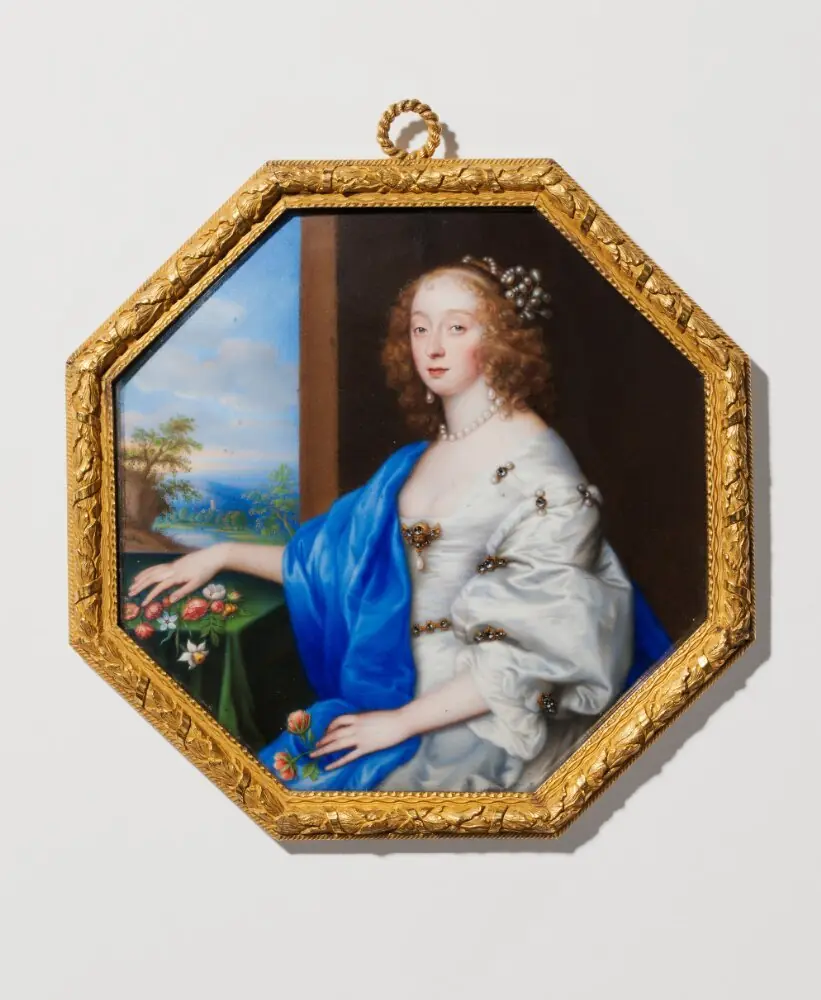
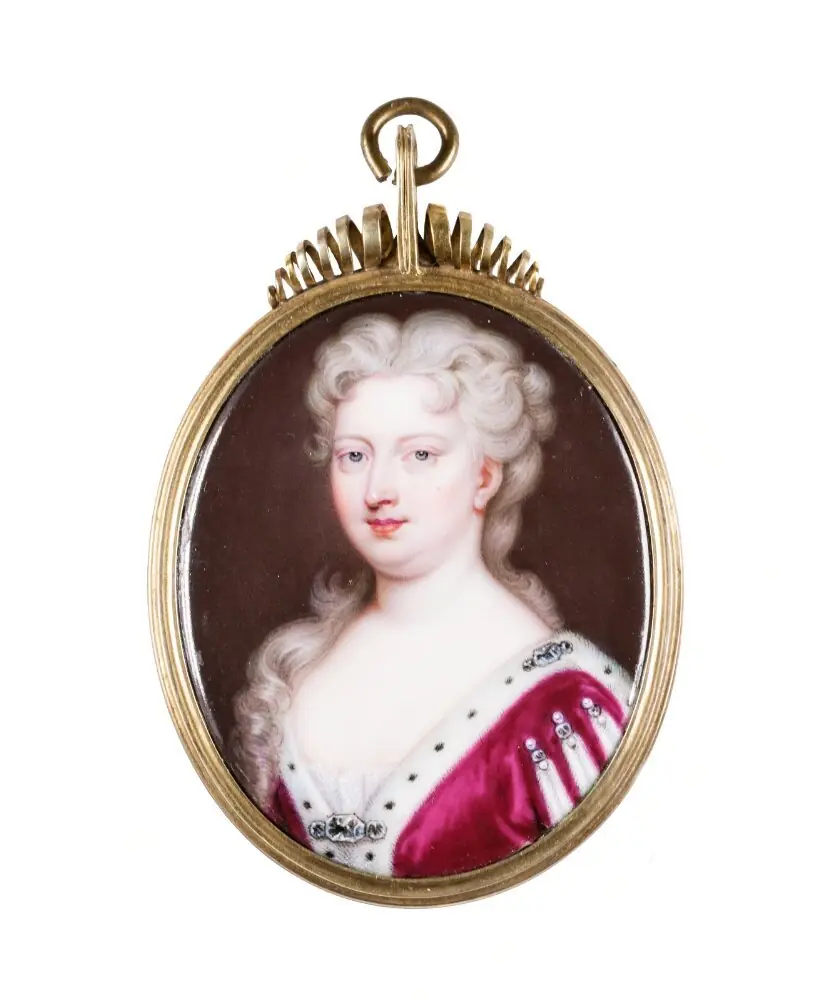
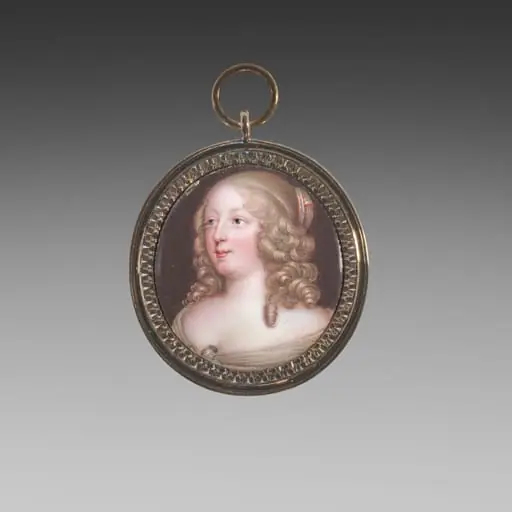
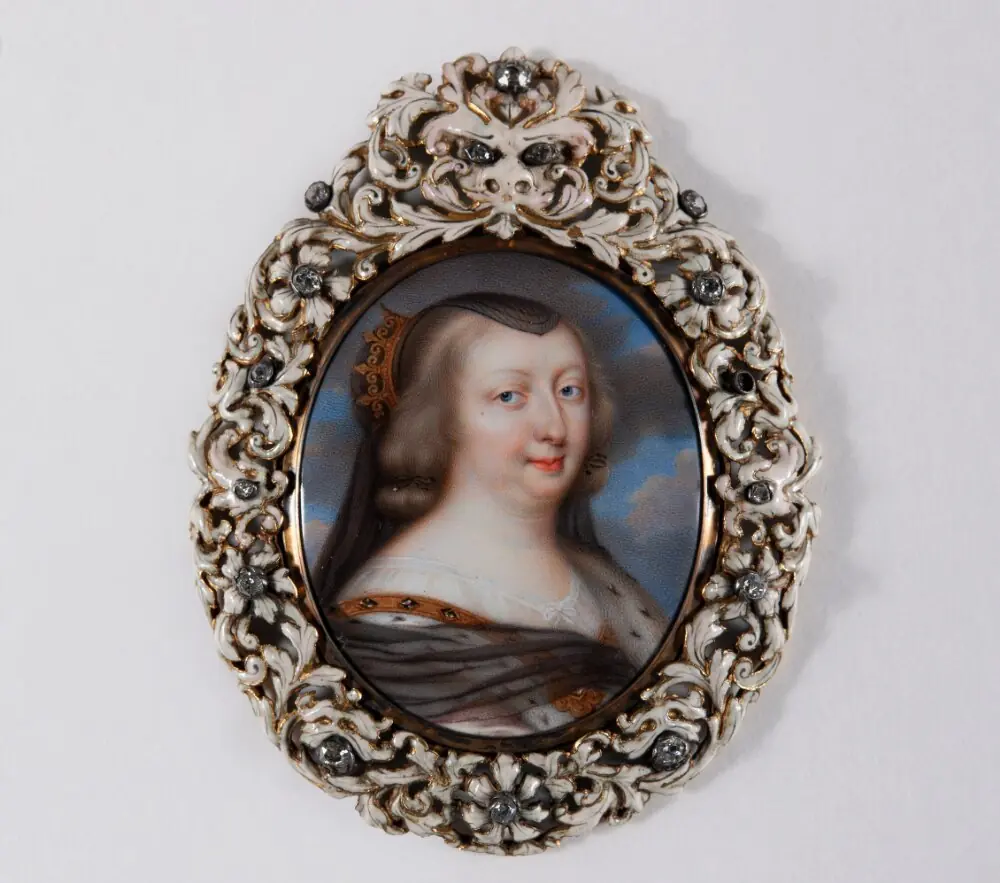
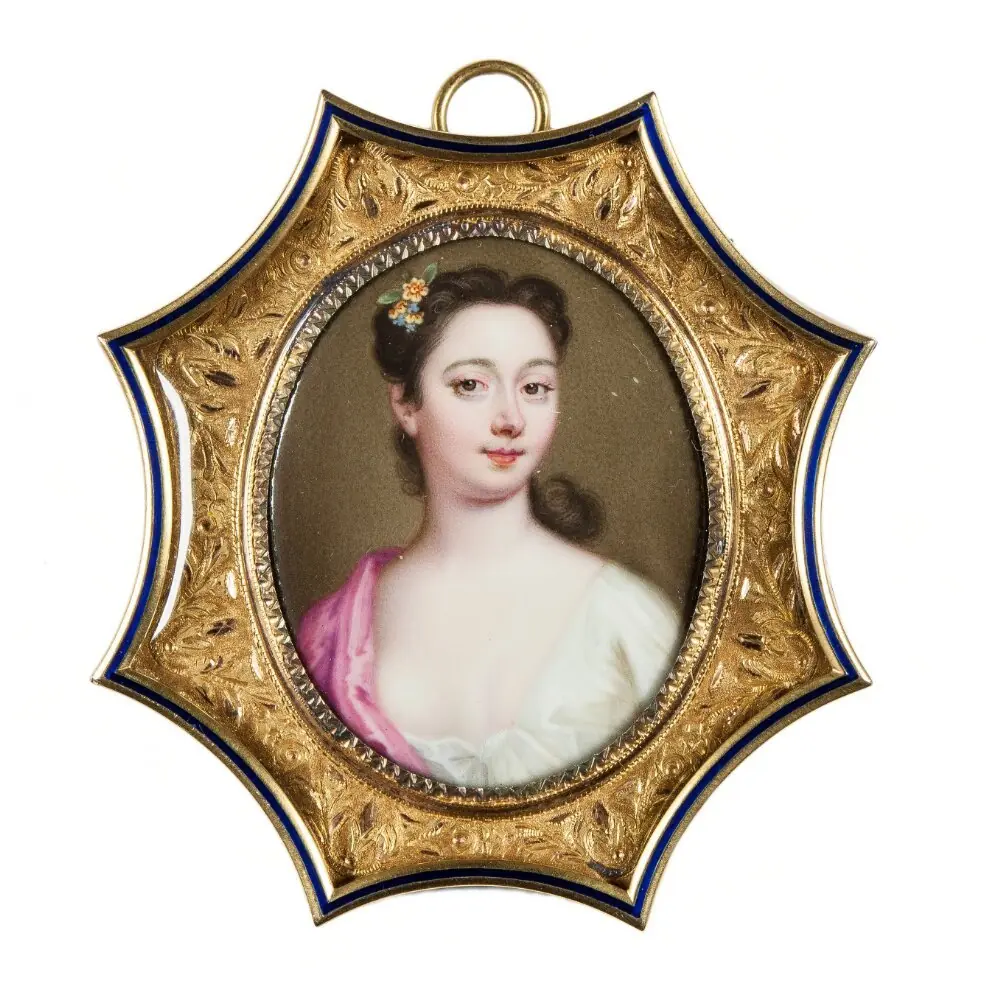
Unknown woman is an unspecified painting by the Rococo painting artist Jean Petitot. It is held in the collection of the Nationalmuseum.
About this work
Overview
The piece reflects his technical precision and the aesthetic priorities of early 18th-century portraiture, blending fine detail with restrained elegance.
Painted around 1700 by Jean Petitot, this enamel portrait depicts an unidentified woman, likely a member of European aristocracy. Petitot, trained in Geneva, specialized in miniature enamel works commissioned by royal courts. The piece reflects his technical precision and the aesthetic priorities of early 18th-century portraiture, blending fine detail with restrained elegance. It resides today in the Nationalmuseum in Stockholm.
Subject & Meaning
The sitter’s identity remains unknown, but her attire and adornments suggest high social standing. Her pearl necklace, elaborate hairstyle, and richly colored dress signal wealth and refinement. The subtle, unreadable expression invites contemplation rather than narrative, aligning with the period’s preference for dignified composure over emotional display. The portrait functions as a quiet assertion of status rather than a personal revelation.
Technique & Style
Executed in enamel on metal, the portrait demonstrates Petitot’s mastery of a demanding medium requiring multiple firings to achieve color depth. Fine brushwork renders texture in fabric and hair with exceptional clarity. The palette—dominated by crimson and azure—contrasts against a muted background, enhancing the figure’s presence. The composition’s balance and soft modeling reflect Rococo sensibilities, though without overt ornamentation.
History & Provenance
Petitot worked extensively for the French and English courts, and this portrait likely originated in one of those contexts. It entered the Nationalmuseum’s collection through documented acquisitions in the 19th century, though its earlier ownership remains unclear. Its survival in good condition speaks to the durability of enamel and the care taken by collectors who valued such refined courtly art.
Context
In the early 1700s, enamel portraiture was a luxury art form, favored by nobility for its durability and luminous finish. While oil painting dominated large-scale works, enamel miniatures served as intimate tokens of status, often exchanged among elites. Petitot’s work exemplifies the transnational nature of artistic patronage, bridging Swiss craftsmanship with French and English courtly tastes.
Legacy
Petitot’s enamel portraits influenced the development of miniature painting in Europe, setting standards for detail and finish. Though less celebrated today than oil painters of his time, his technical achievements remain significant in the history of decorative arts. This portrait stands as a quiet testament to the skill required to translate portraiture into a medium that resisted correction and demanded absolute precision.
Artist & collection
Artist
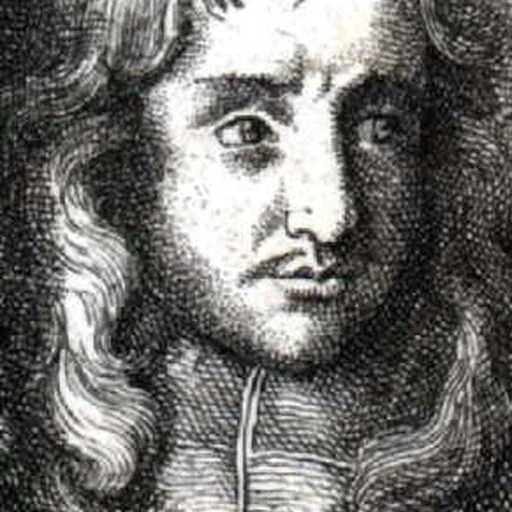
Jean Petitot (July 12, 1607 – April 3, 1691) was an enamel painter from the Republic of Geneva, who spent most of his career working for the courts of France and England.