Artwork
Wilhelmina Carolina, Queen of England and Scotland
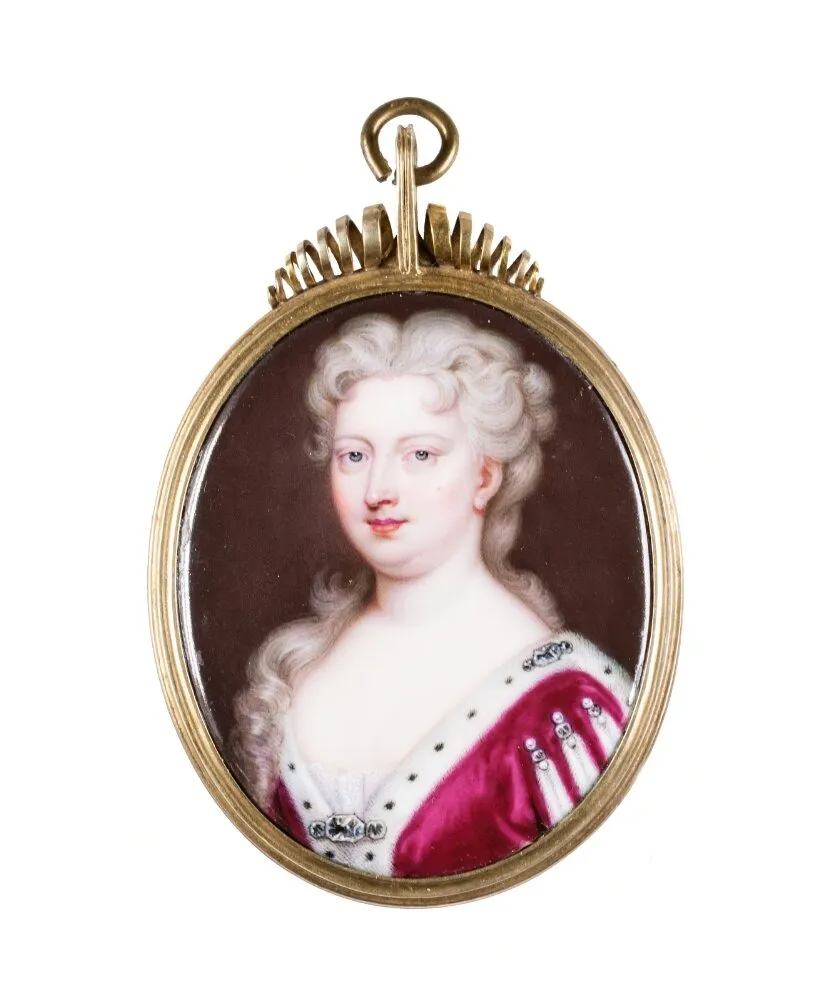
Wilhelmina Carolina, Queen of England and Scotland is an unspecified painting by Christian Friedrich Zincke. It dates from 1733 and is held in the collection of the Nationalmuseum.
About this work
Overview
Christian Friedrich Zincke, a German-born miniature painter active in early‑18th‑century England, produced a portrait of Wilhelmina Carolina of Brandenburg‑Ansbach around 1733. The work, executed in the delicate miniature format for which Zincke was renowned, is now part of the Nationalmuseum’s collection.
Subject & Meaning
The sitter is Wilhelmina Carolina, who became queen consort of Great Britain through her marriage to King George II. She is shown with long, curled white hair, dressed in a red gown trimmed with a white collar and a pattern of tiny silver dots, and wearing a prominent pendant on a necklace, reflecting her royal status.
Technique & Style
Zincke employed the traditional watercolor‑on‑ivory technique of portrait miniatures, achieving fine detail in the hair, fabric texture, and jewelry. The dark brown background provides contrast, allowing the luminous reds and silvers of the dress and accessories to stand out.
History & Provenance
Created in the early 1730s, the miniature remained in private hands before entering the Nationalmuseum’s holdings. Its presence in a major Swedish museum underscores Zincke’s international reputation and the continued interest in British royal portraiture of the period.
Artist & collection
Artist
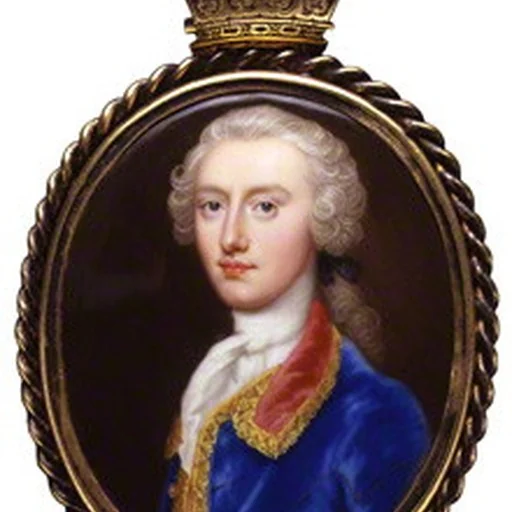
Christian Friedrich Zincke (c.1683–5 – 24 March 1767) was a German miniature painter active in England in the 18th century.

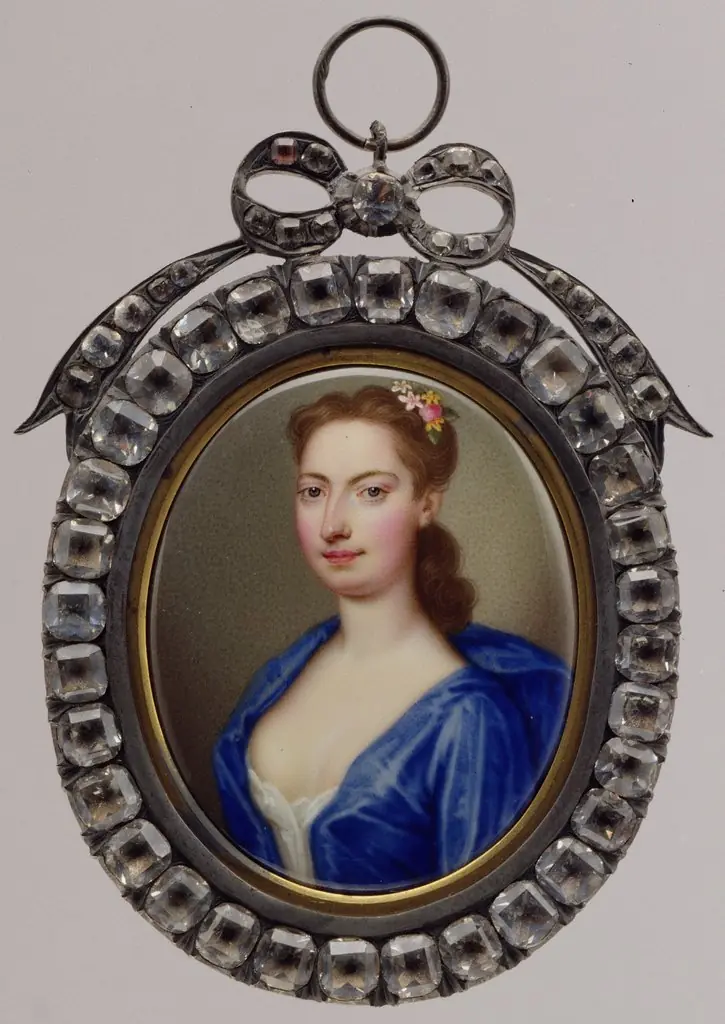
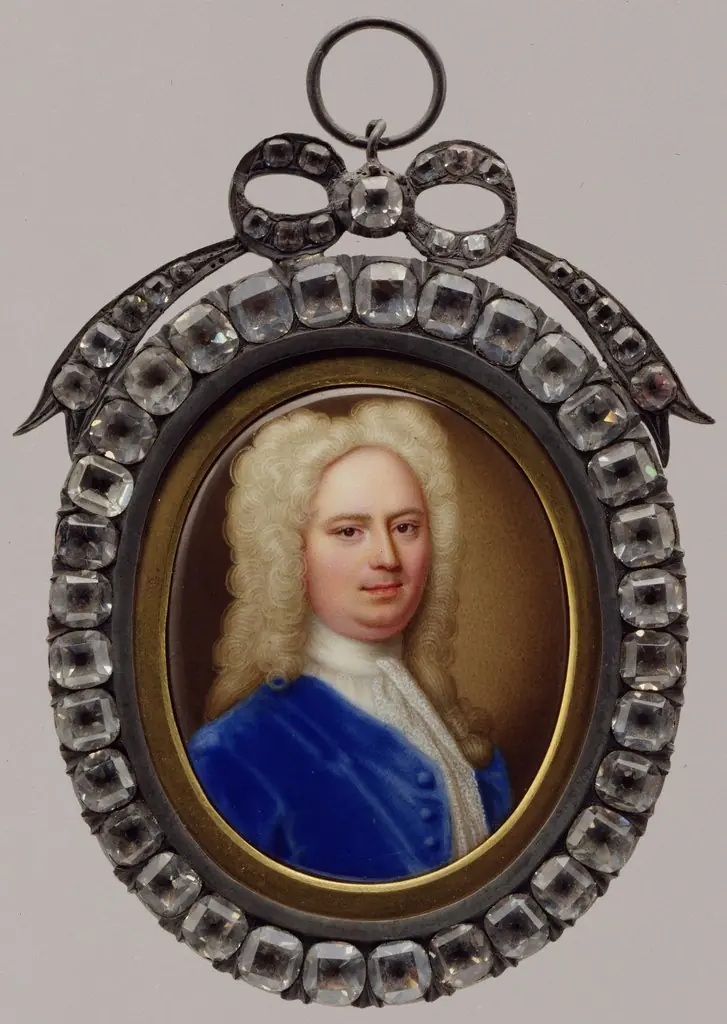
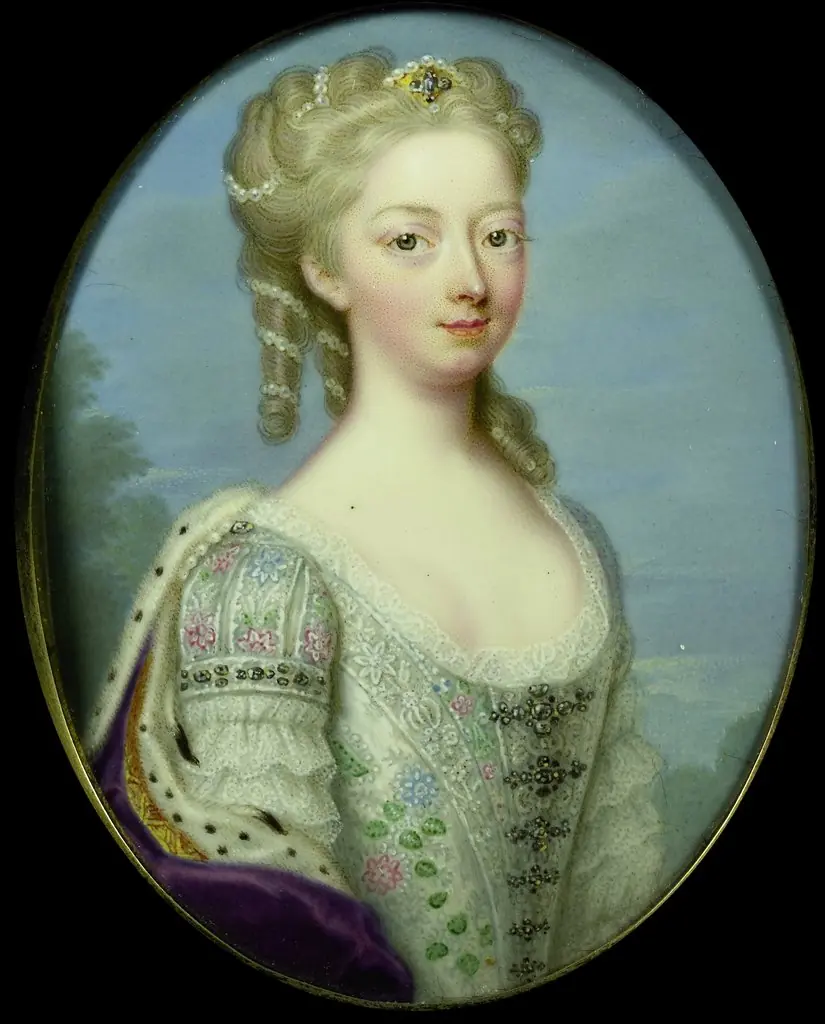
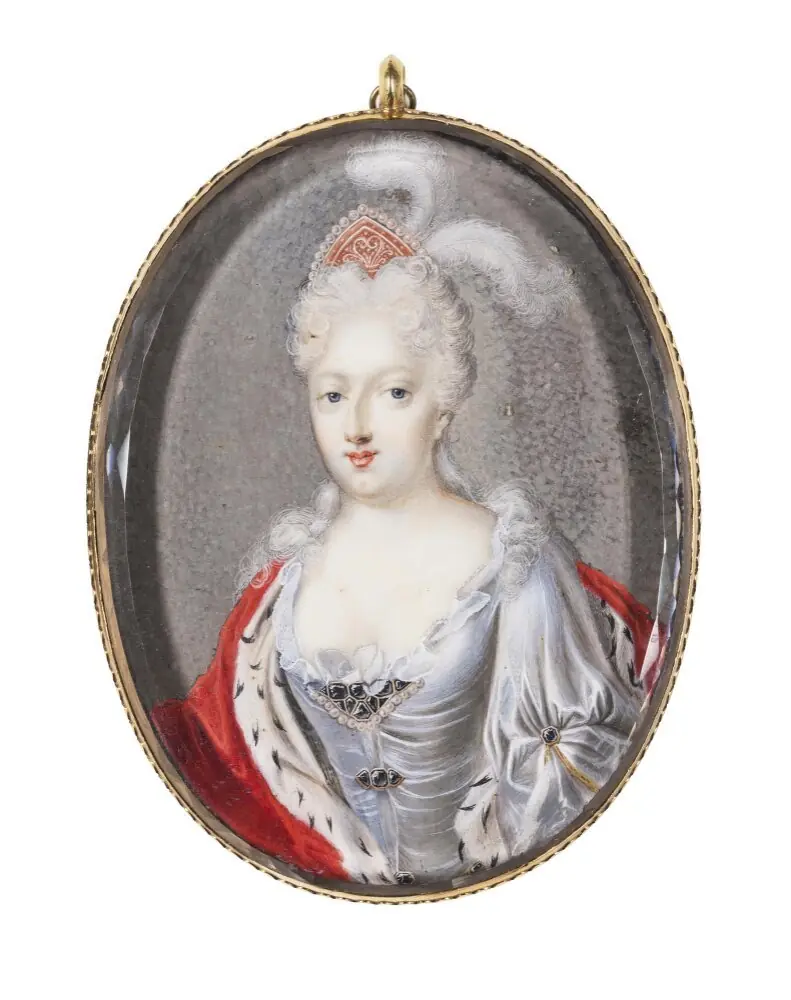 Sofia Charlotta Karolina (1678-1749), prinsessa av Hessen-Kassel, gift hertiginna av Mecklenburg-Schwerin
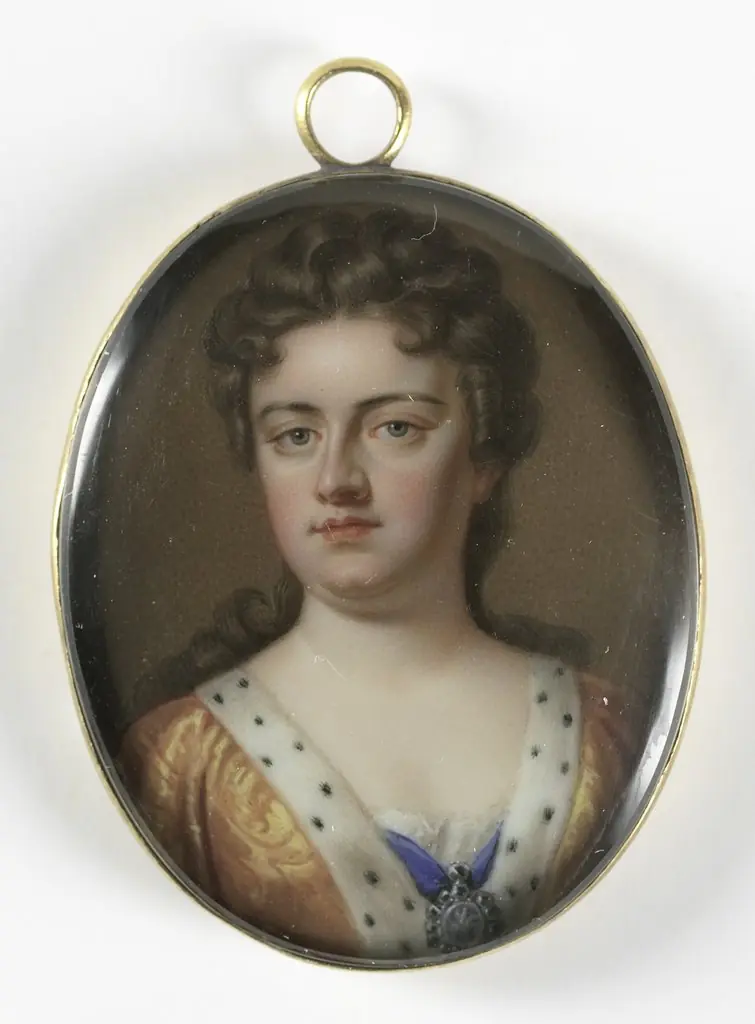 Anne Stuart (1665-1714), koningin van Engeland. Echtgenote van George van Denemarken
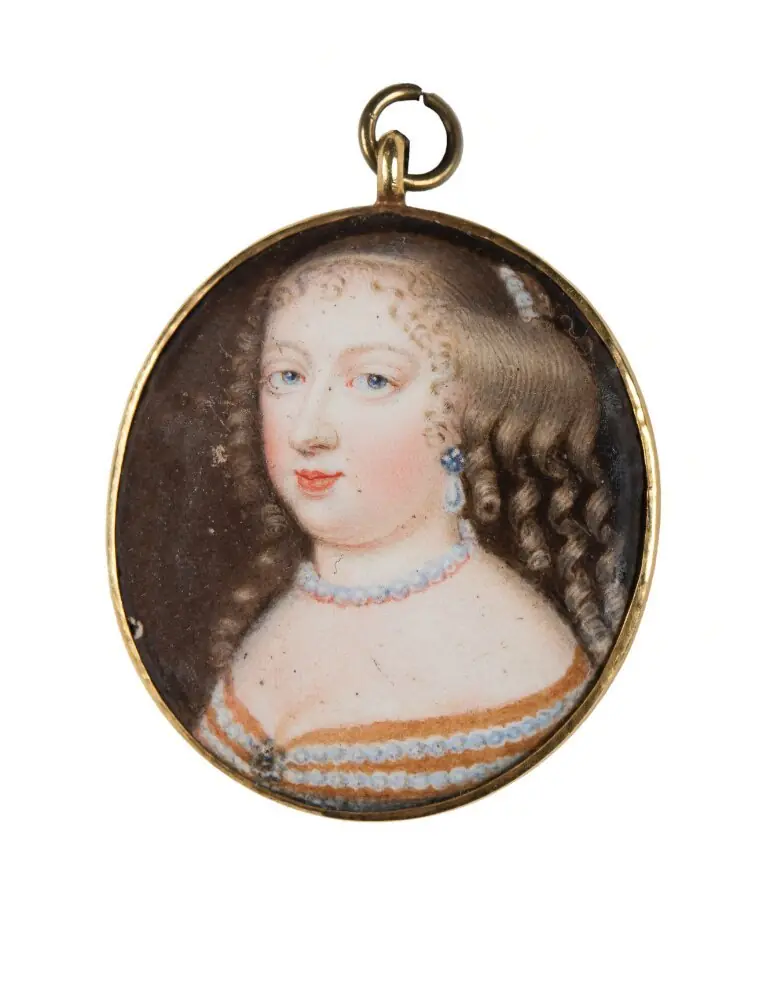 Hedvig Sofia, Landgravine of Hessen-Cassel
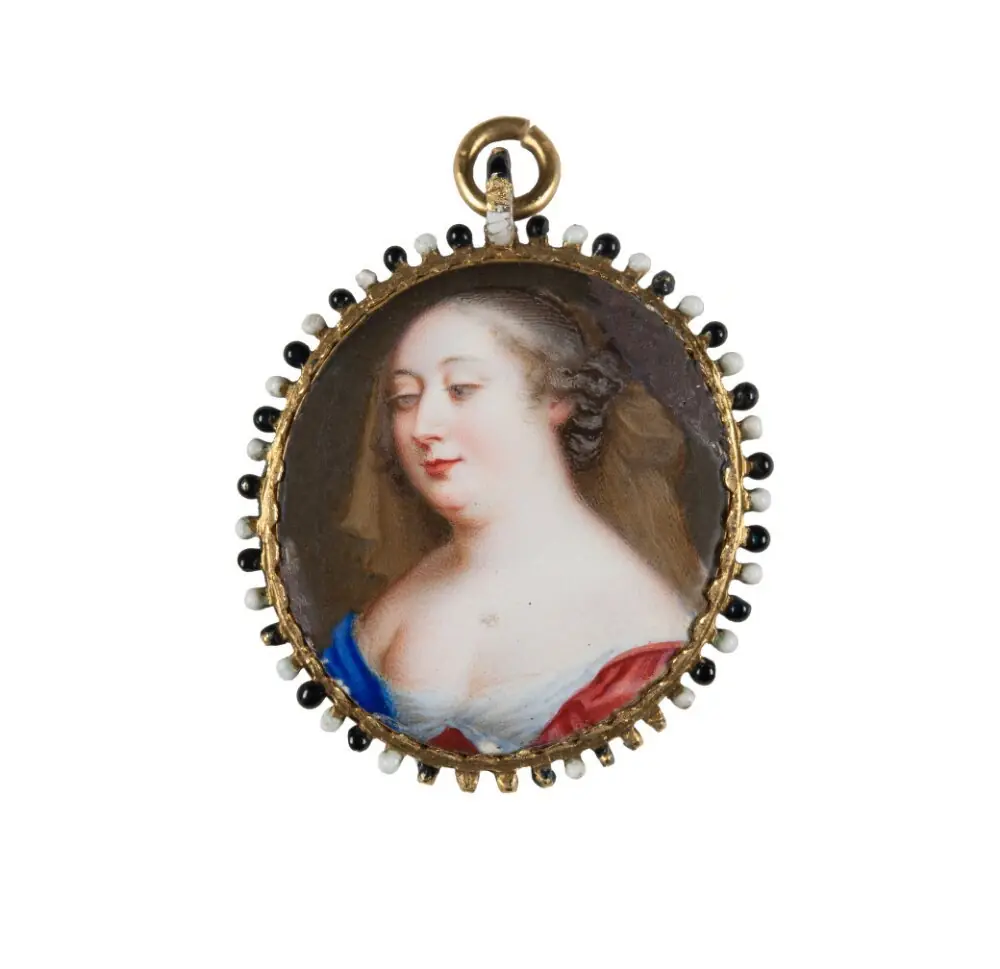 Unknown woman
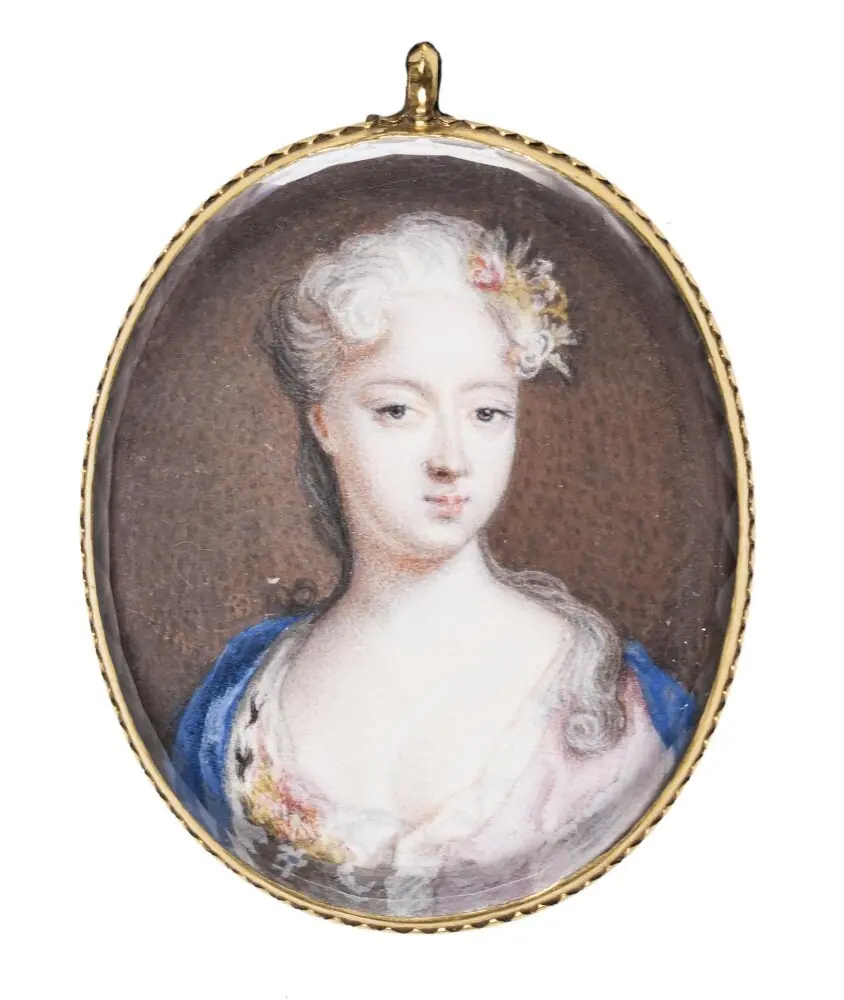 Wilhelmine Charlotte, Princess of Hessen-Cassel
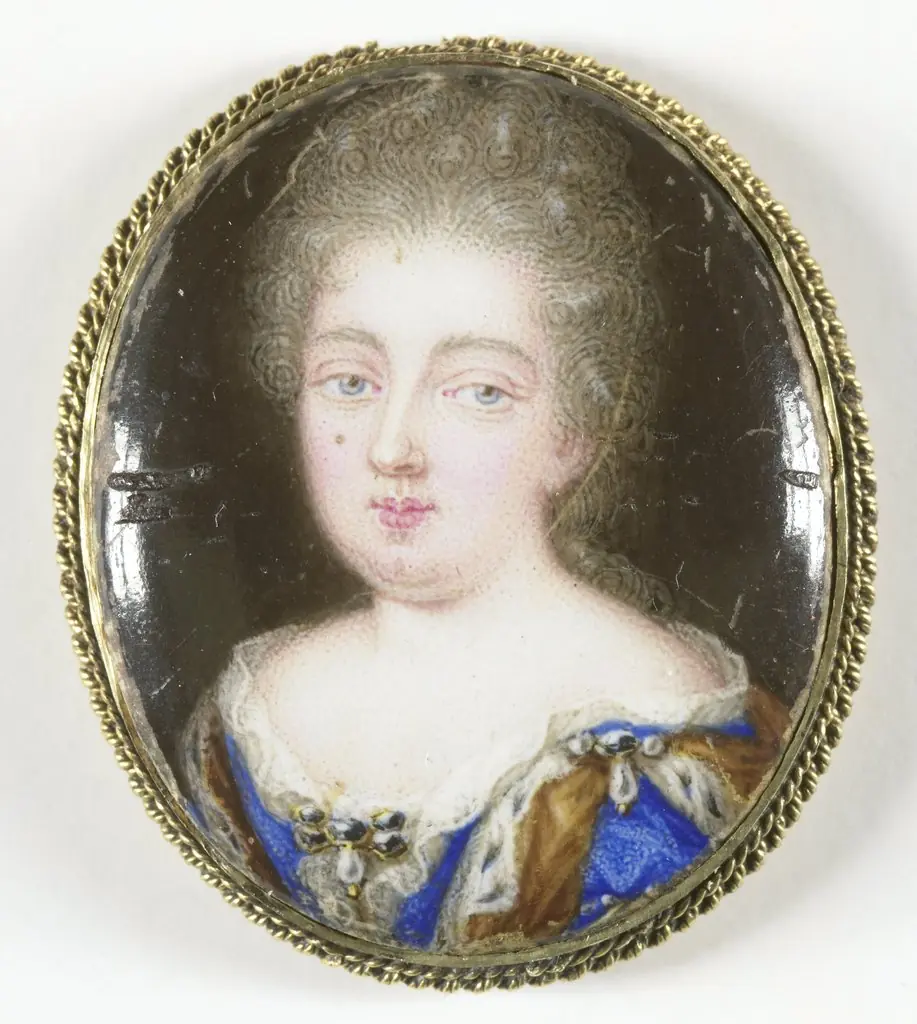 Portrait of an unknown woman
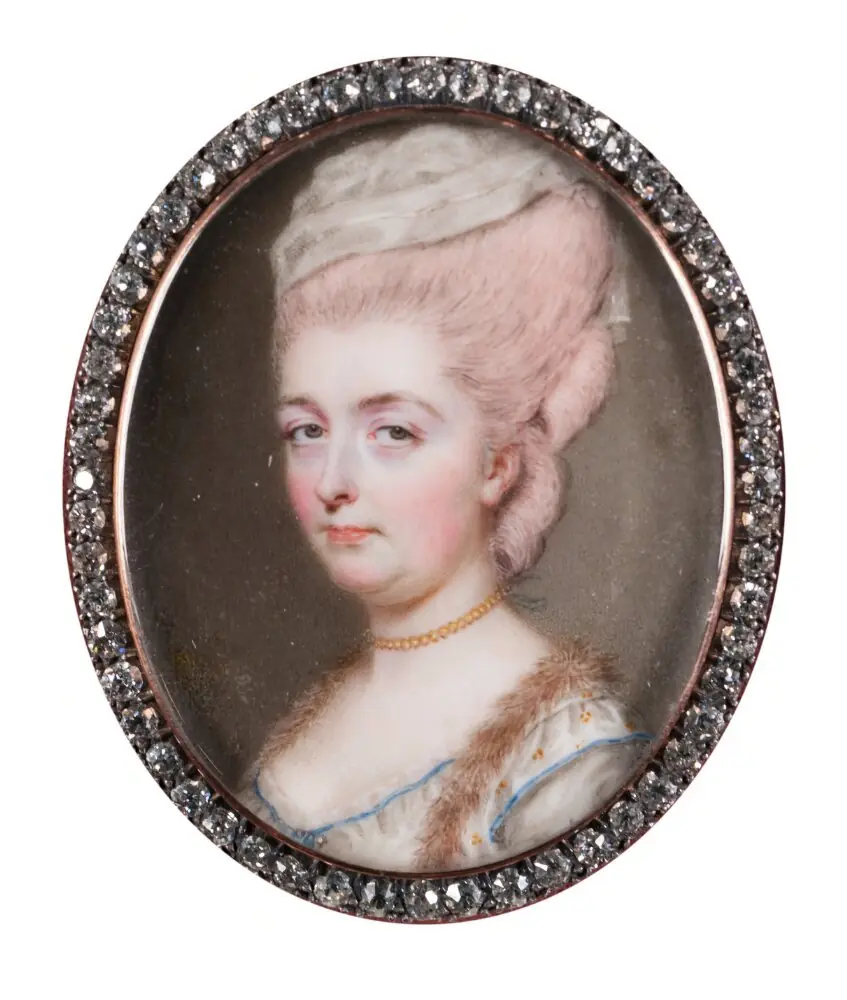 Lady Deering
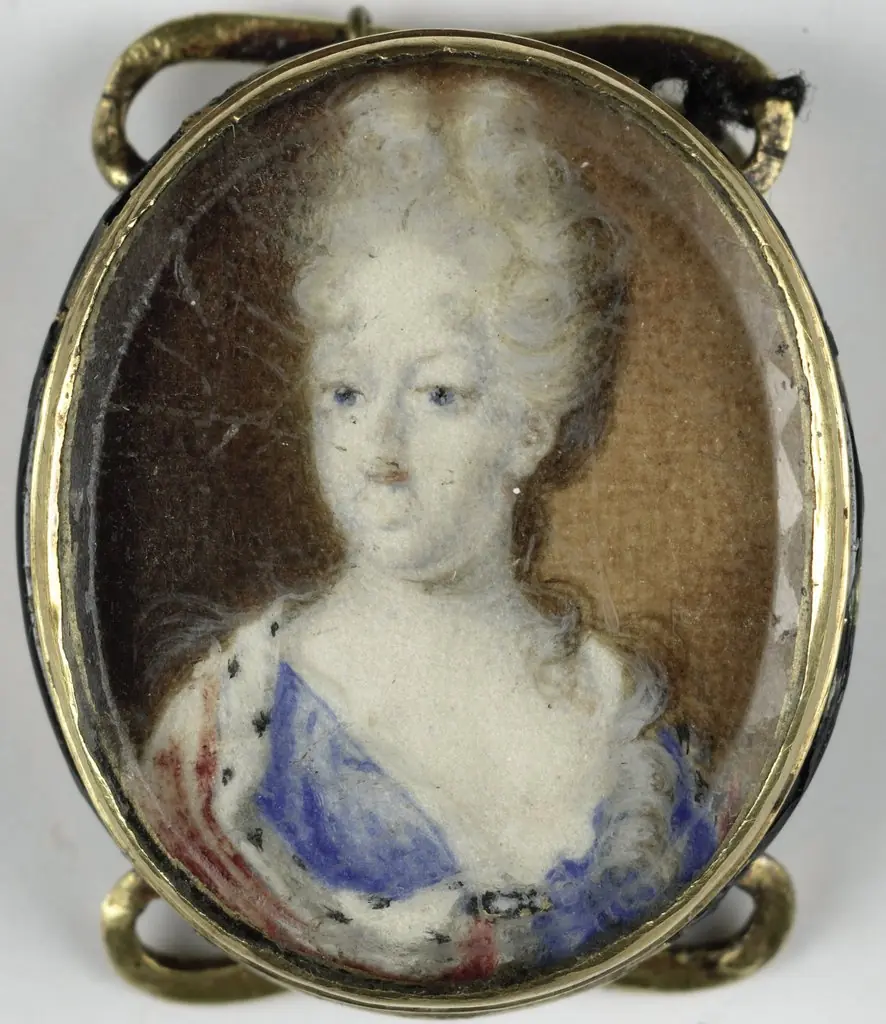 Portret van een vrouw
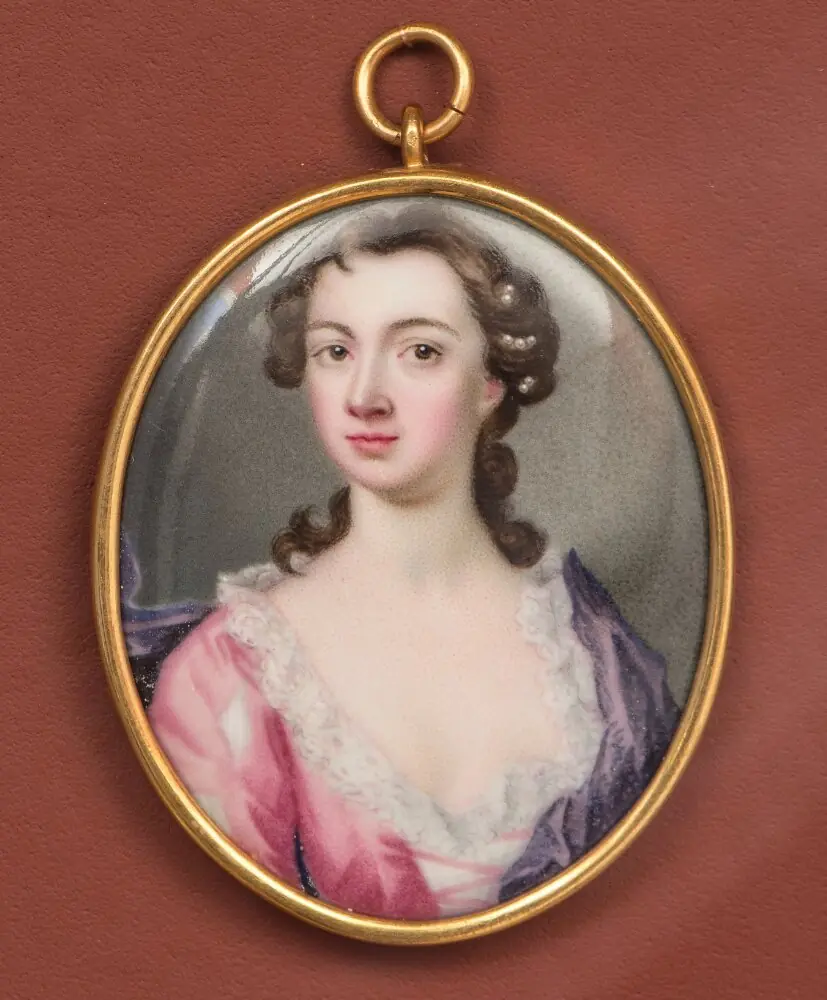 Unknown woman
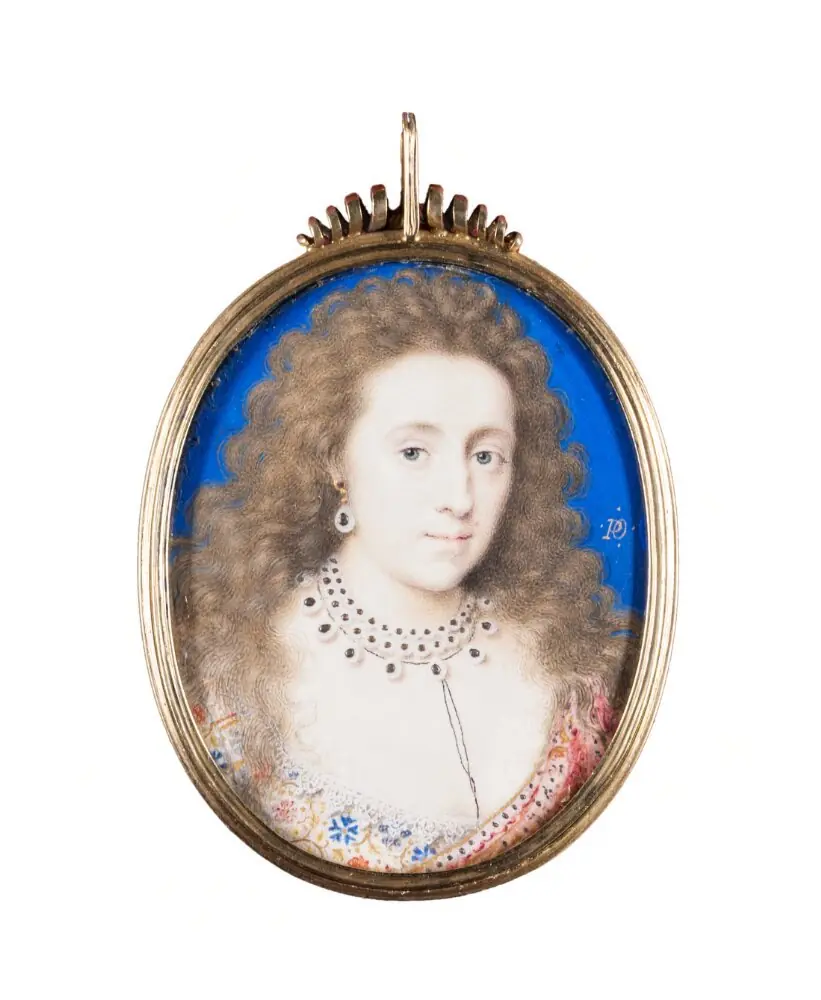 Lady Arabella Stuart
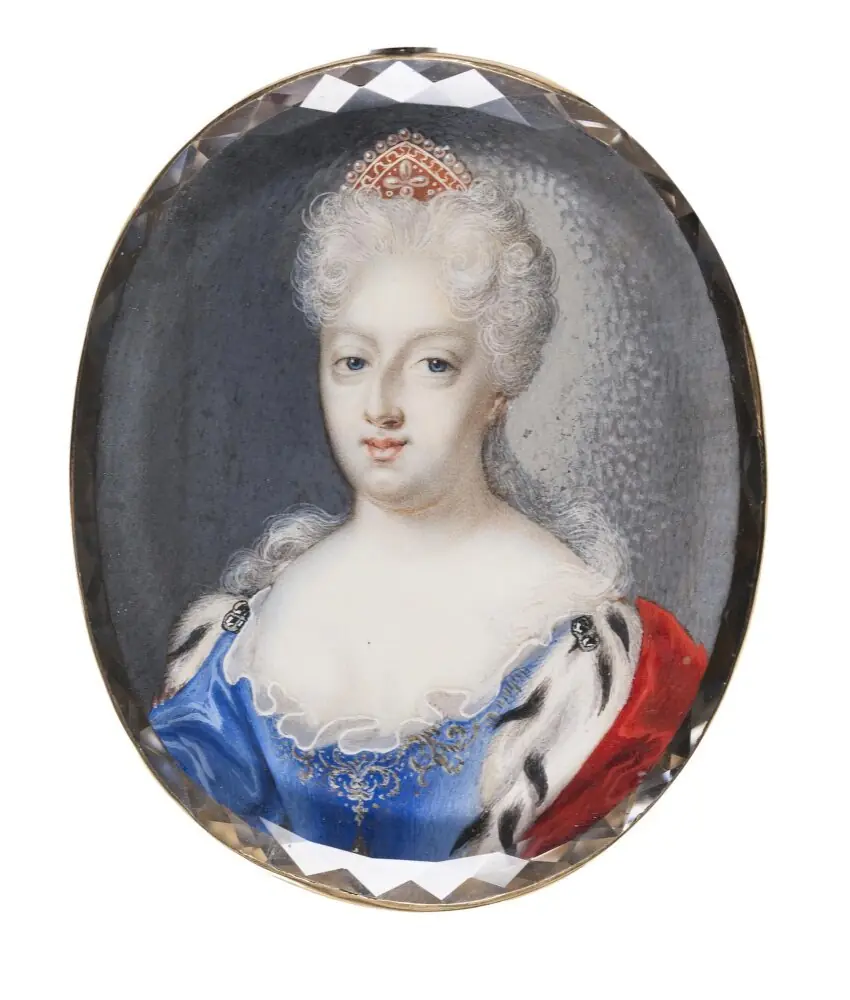 Sofia Charlotta Karolina, Princess of Hessen-Cassel
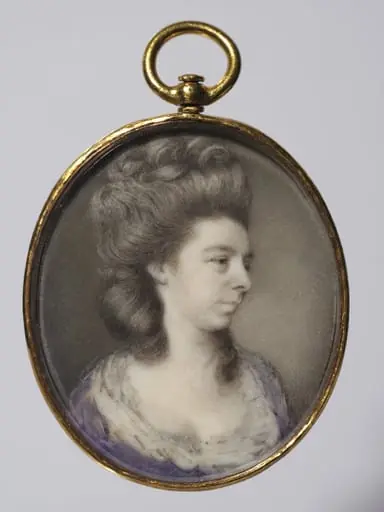 Portrait of a Woman