Artwork
Still Life: Tea Set
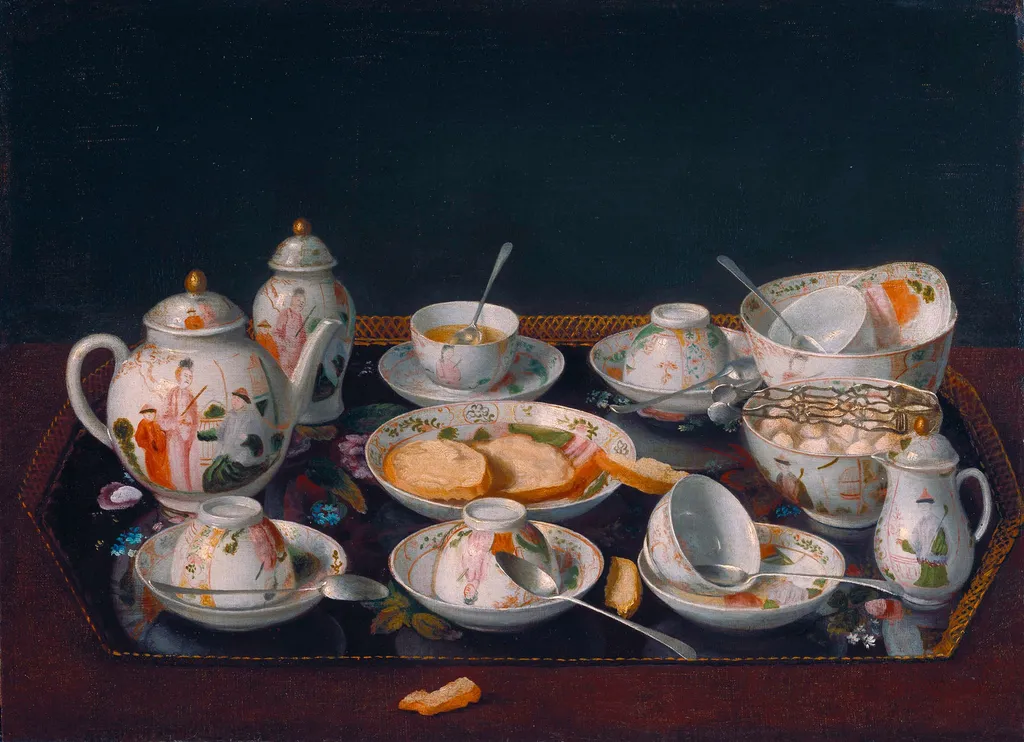
Still Life: Tea Set is an oil painting by the Rococo painting artist Jean-Étienne Liotard. It dates from 1727 and is held in the collection of the J. Paul Getty Museum.
About this work
Overview
Jean‑Étienne Liotard’s *Still Life: Tea Set* (1727) is an oil painting that presents a carefully arranged tea service on a tabletop.
Jean‑Étienne Liotard’s *Still Life: Tea Set* (1727) is an oil painting that presents a carefully arranged tea service on a tabletop. The composition centers on a white porcelain teapot surrounded by matching cups, saucers and spoons, accompanied by a modest pile of biscuits and a small bowl of sugar. The work exemplifies the refined domestic interiors favored by European elites in the early eighteenth century.
Subject & Meaning
The painting captures a moment of genteel hospitality, emphasizing the ritual of tea drinking as a symbol of cultivated taste and social grace. By foregrounding the delicate porcelain and the accompanying sweets, Liotard highlights the material culture of leisure, suggesting both the wealth of the owner and the emerging importance of tea as a fashionable commodity.
Technique & Style
Executed in oil, the work displays Liotard’s meticulous attention to surface texture and reflective quality. The artist renders the glaze of the porcelain with subtle shifts of light, while the intricate painted motifs on the china are rendered in fine brushwork. The overall handling reflects the Rococo’s preference for elegant detail and a light, airy atmosphere, yet retains Liotard’s characteristic naturalism.
History & Provenance
Created in 1727, the painting emerged during Liotard’s prolific period after his travels through Europe and the Ottoman Empire. Although specific ownership records are scarce, the work entered private collections in the late eighteenth century before being acquired by a museum in the twentieth century, where it has been displayed as part of the Rococo decorative arts holdings.
Context
The early eighteenth century saw tea become a fashionable import in Western Europe, prompting the production of elaborate porcelain sets. Liotard’s depiction aligns with contemporary interest in Oriental-inspired goods and the growing culture of salon gatherings. The painting thus reflects broader economic and cultural exchanges between Europe and the East, as well as the domestic aesthetic values of the period.
Own this work as a print
Artist & collection
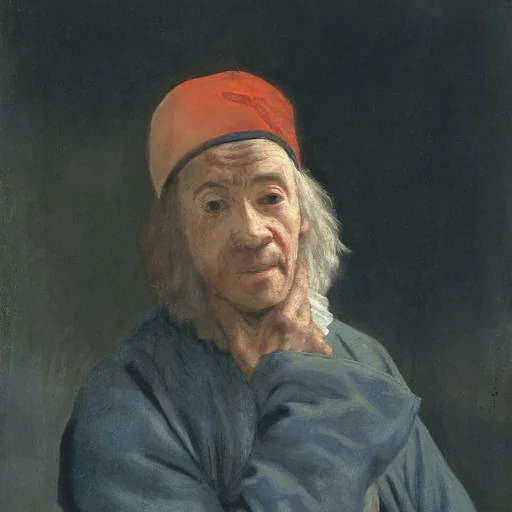
Artist
Jean-Étienne Liotard (French pronunciation: ; 22 December 1702 – 12 June 1789) was a Genevan painter, pastellist, printmaker, art theorist and art dealer.

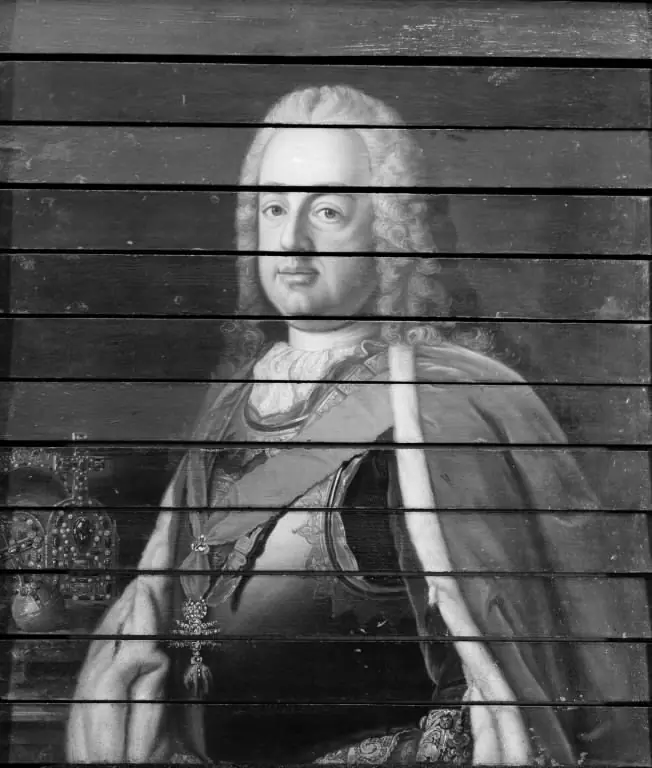 Emperor Franz I, Empress Maria Theresa and Their Son Archduke Joseph
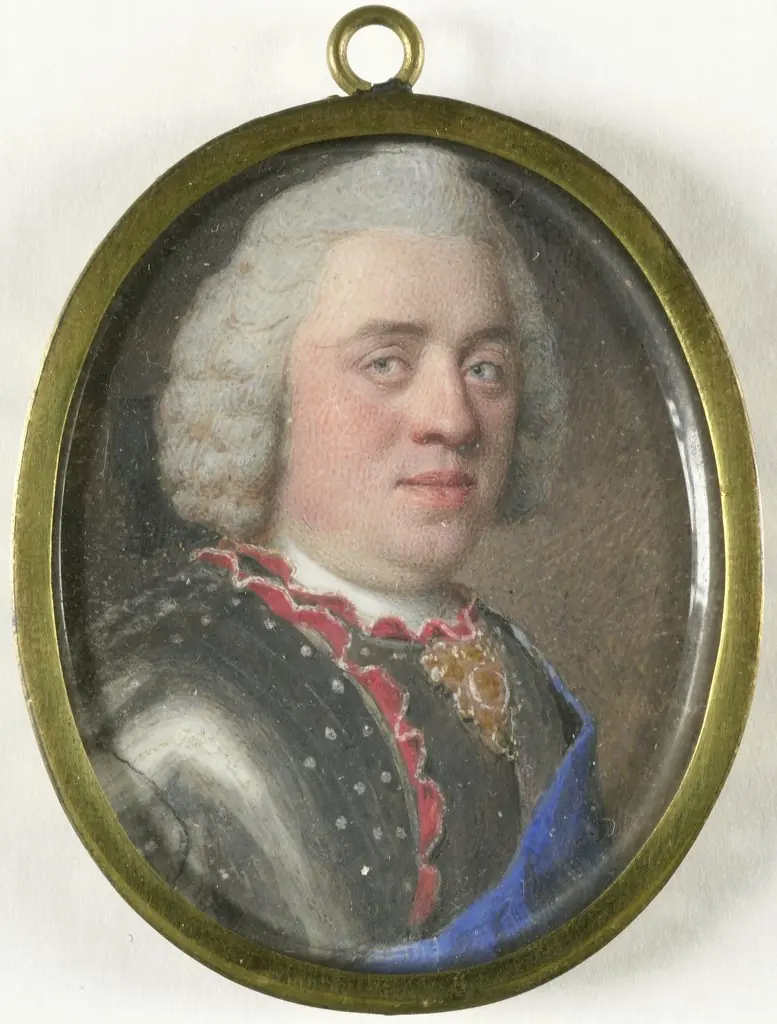 Portrait of Willem IV van Oranje- Nassau (1711-1751)
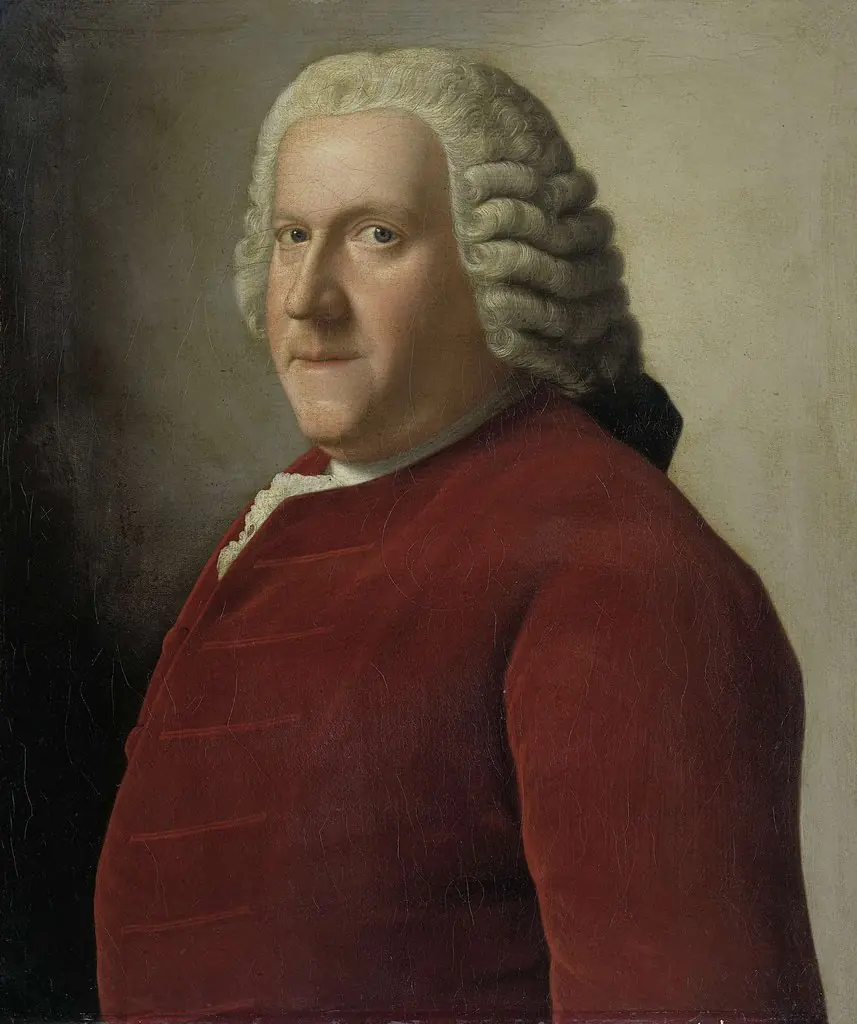 Portrait of Willem Bentinck van Rhoon (1704-1774)
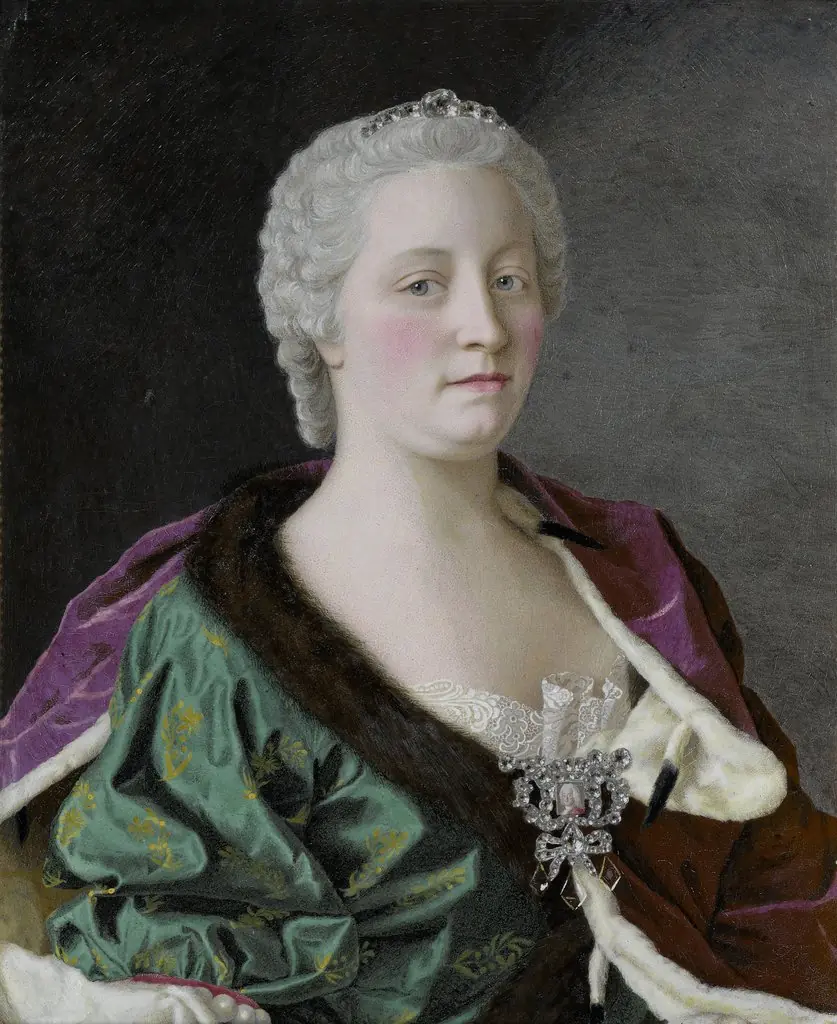 Maria Theresa, Archduchess of Austria, Queen of Hungary and Bohemia, and Holy Roman Empress
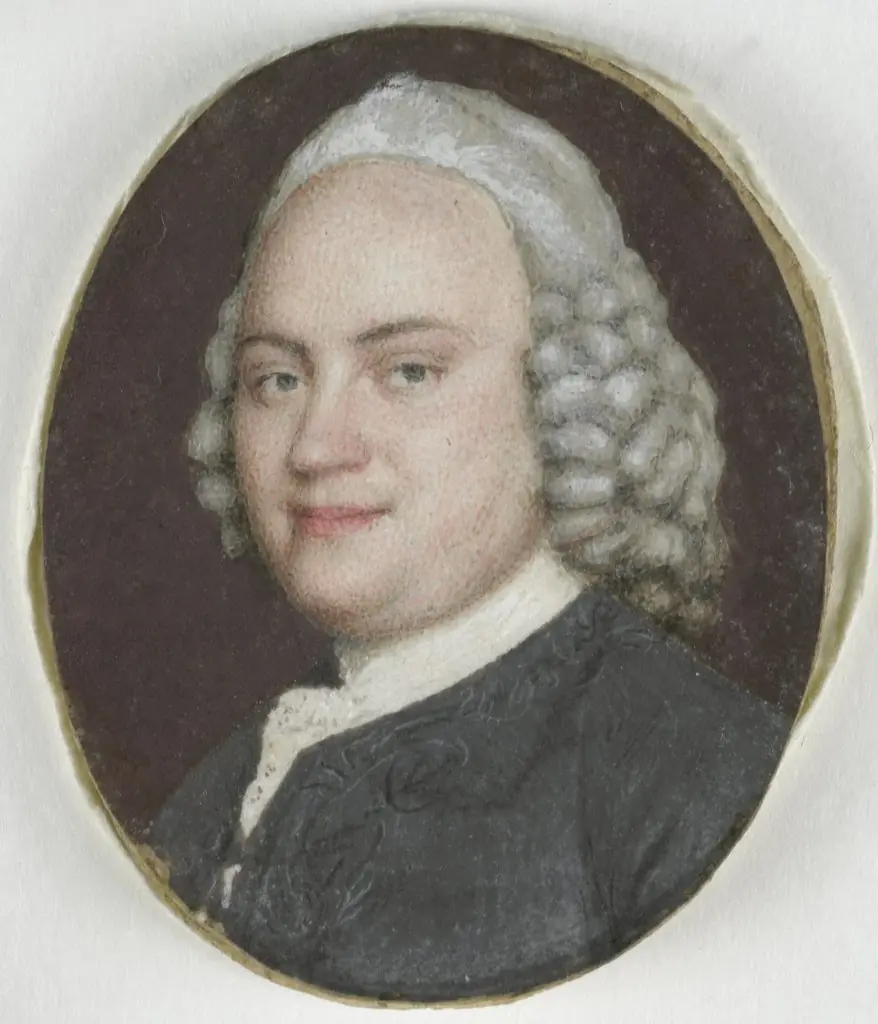 Portret van Pieter van Bleiswijk (1724-90), raadpensionaris van Holland
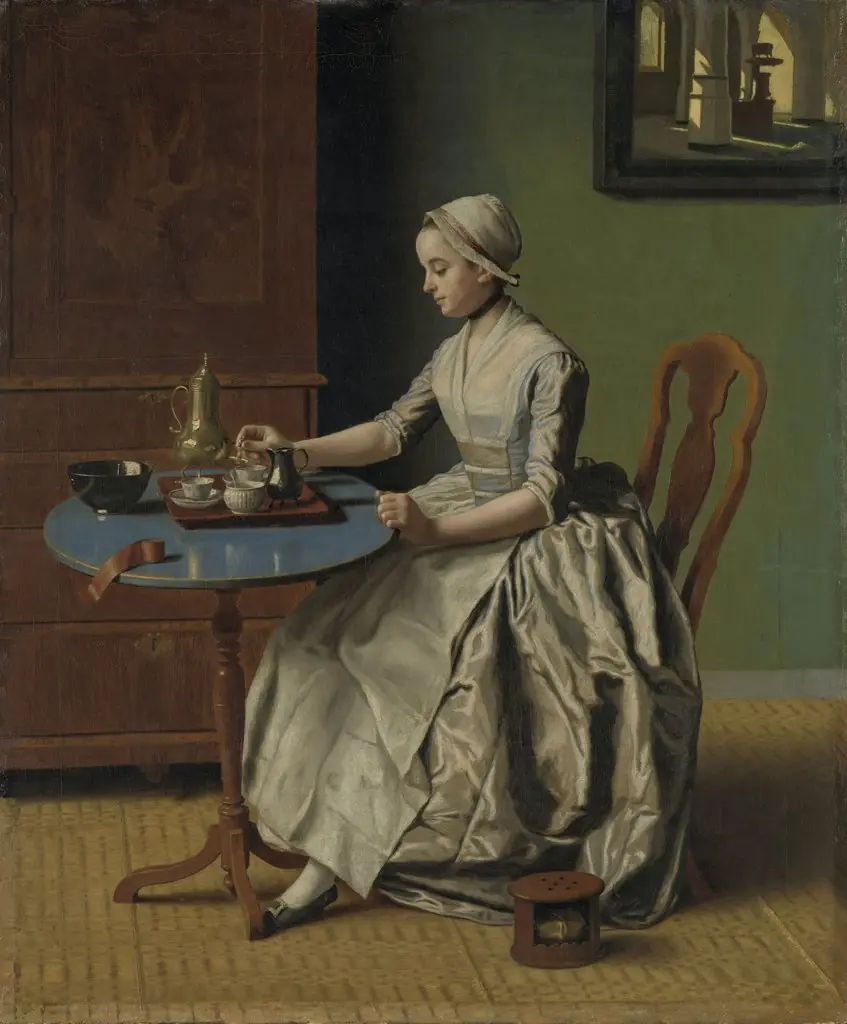 A Dutch Girl at Breakfast
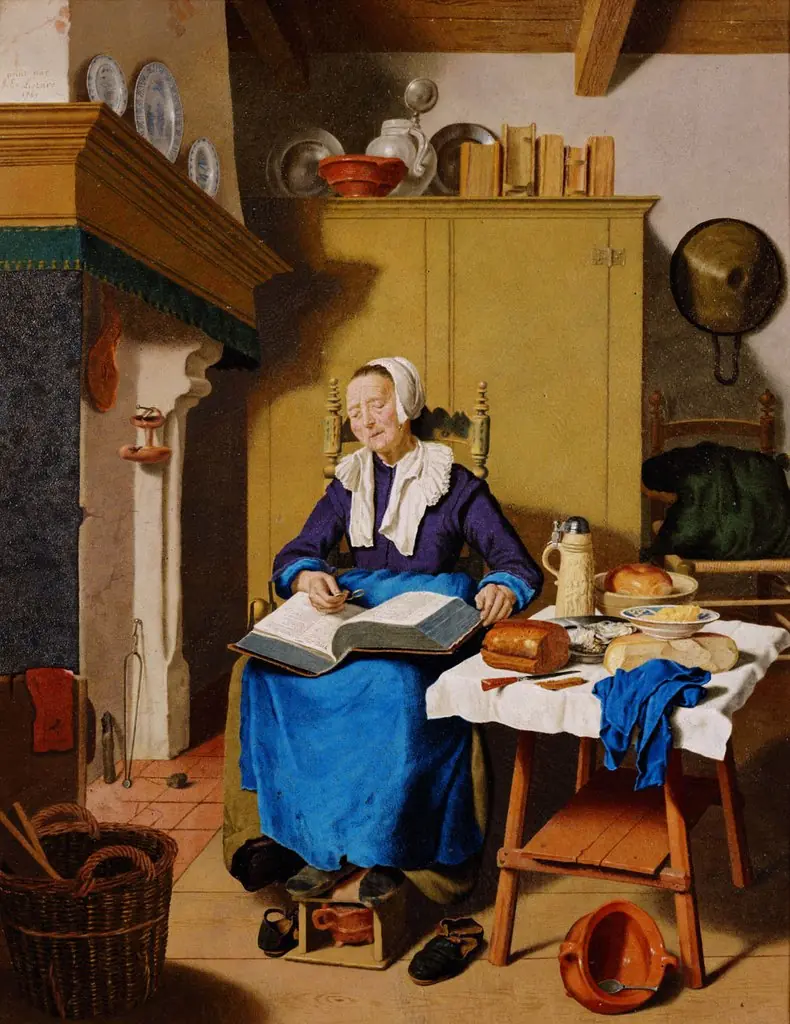 Sleeping old lady with a bible on her lap
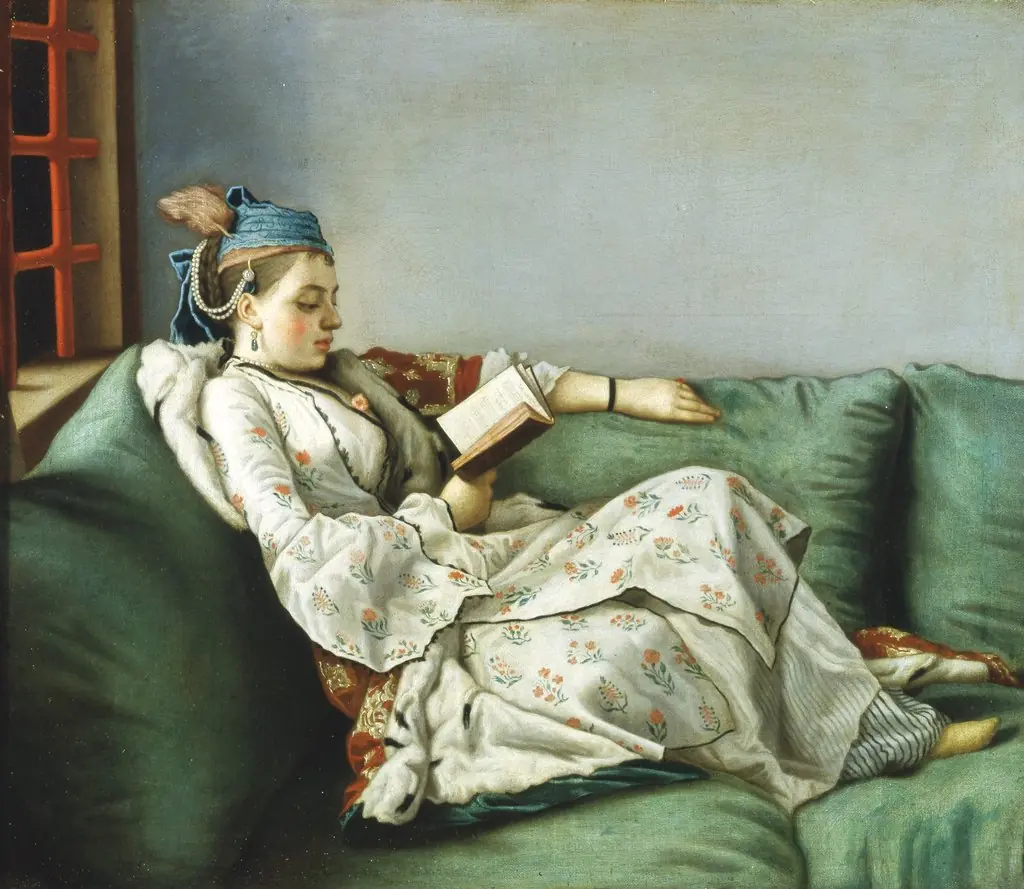 Portrait of Maria Adelaide of France in Turkish-style clothes