Artwork
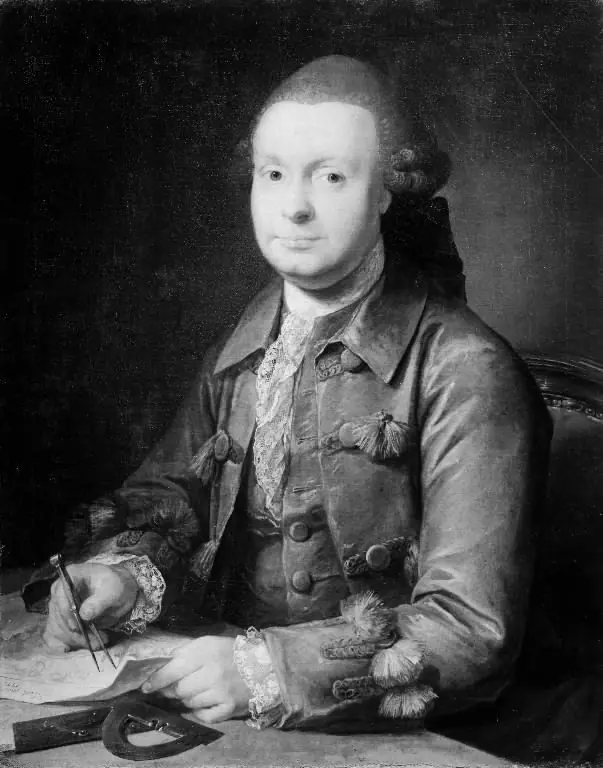
Peder Rahr, købmand i Ribe
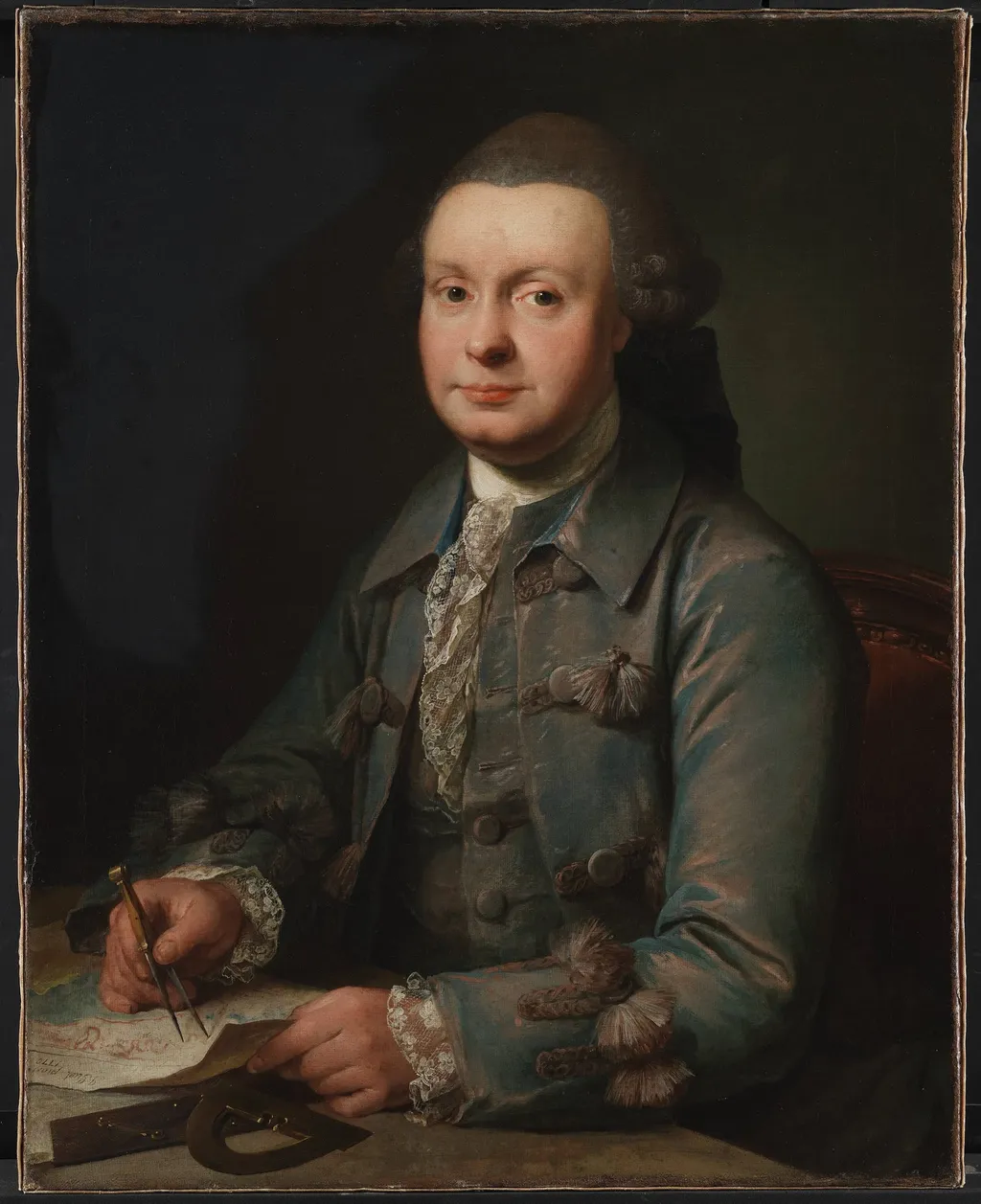
Peder Rahr, købmand i Ribe is a photography by the Romanticist artist Unknown. It dates from 1770 and is held in the collection of the Statens Museum for Kunst. This portrait depicts Peder Rahr, a merchant from Ribe, painted in 1770.
About this work
Overview
This portrait depicts Peder Rahr, a merchant from Ribe, painted in 1770. The work is part of the Museum of Ethnography’s collection. It presents the subject in a quiet, introspective moment, engaged in writing at his desk. The composition emphasizes stillness and precision, reflecting the values of a merchant class invested in order and record-keeping.
Subject & Meaning
Peder Rahr is portrayed not as a nobleman but as a prosperous tradesman, his identity rooted in commerce. The pen, paper, and compass signify his professional tools, while his modest smile suggests quiet confidence. The absence of grandeur or symbolism points to a new cultural shift: the dignity of civic life and economic labor, rather than aristocratic lineage, as worthy of representation.
Technique & Style
The artist employs chiaroscuro to isolate Rahr’s face and hands, drawing attention to his expression and gesture. The dark, unadorned background enhances this focus. Fine detail in the lace cuffs and cravat contrasts with the broader brushwork of the coat, indicating a deliberate hierarchy of attention—personal refinement over material display.
History & Provenance
The painting entered the Museum of Ethnography’s holdings through documented acquisition, though its early ownership history remains unclear. Its preservation suggests it was valued within local circles, possibly by Rahr’s family or associates. The work’s survival into the modern era reflects its role as a record of regional middle-class identity in late 18th-century Denmark.
Context
In 1770, Denmark was undergoing economic and social changes, with merchants gaining influence beyond traditional elite circles. Portraits like this one emerged as markers of personal and professional identity, replacing heraldic symbols with everyday objects. The emphasis on literacy and measurement tools aligns with broader Enlightenment ideals of reason and utility.
Legacy
The portrait stands as a quiet testament to the rising visibility of non-noble individuals in visual culture. Its restrained elegance and attention to detail influenced later depictions of civic life in Nordic art. Though not widely exhibited, it remains a key example of how portraiture evolved to reflect changing social hierarchies in the late 18th century.
Artist & collection

 Domestic Scene
 Giacomo and Cardinal Marco, investing Andrea, Abbot of San Zeno, with his Benefice
 The Nymph of Fontainebleau
 Portrait of a Woman
 Madonna and Child with Saints in the Enclosed Garden
 Venus and Minerva
 Family Group of Four on Sofa
 Wall painting from Room H of the Villa of P. Fannius Synistor at Boscoreale
 Portrait of Franciszek Halka-Ledóchowski
 Jean Charles Garnier d'Isle (1697–1755)
 Portrait of Cornelis Ploos van Amstel
 The Sculptor Jacques-François-Joseph Saly
 Generalpostdirektør Frederik Hauch som ung
 Portrait of Cornelis Ploos van Amstel
 Porträtt av man med blå kavaj
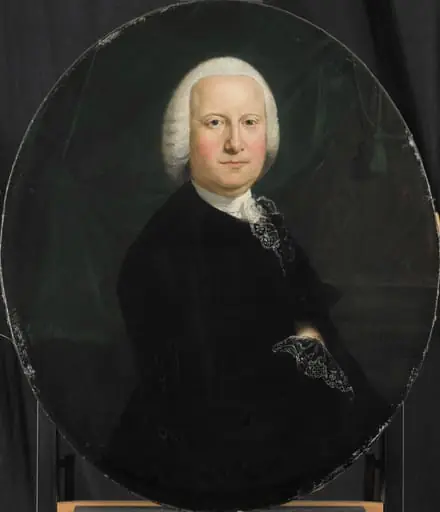 Portrait of Adriaan du Bois, Director of the Rotterdam Chamber of the Dutch East India Company, elected 1742
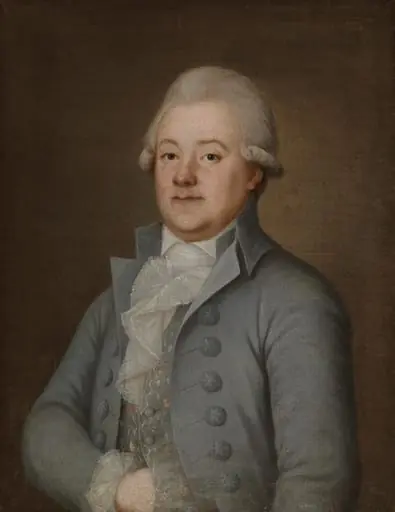 Gustaf Borgström
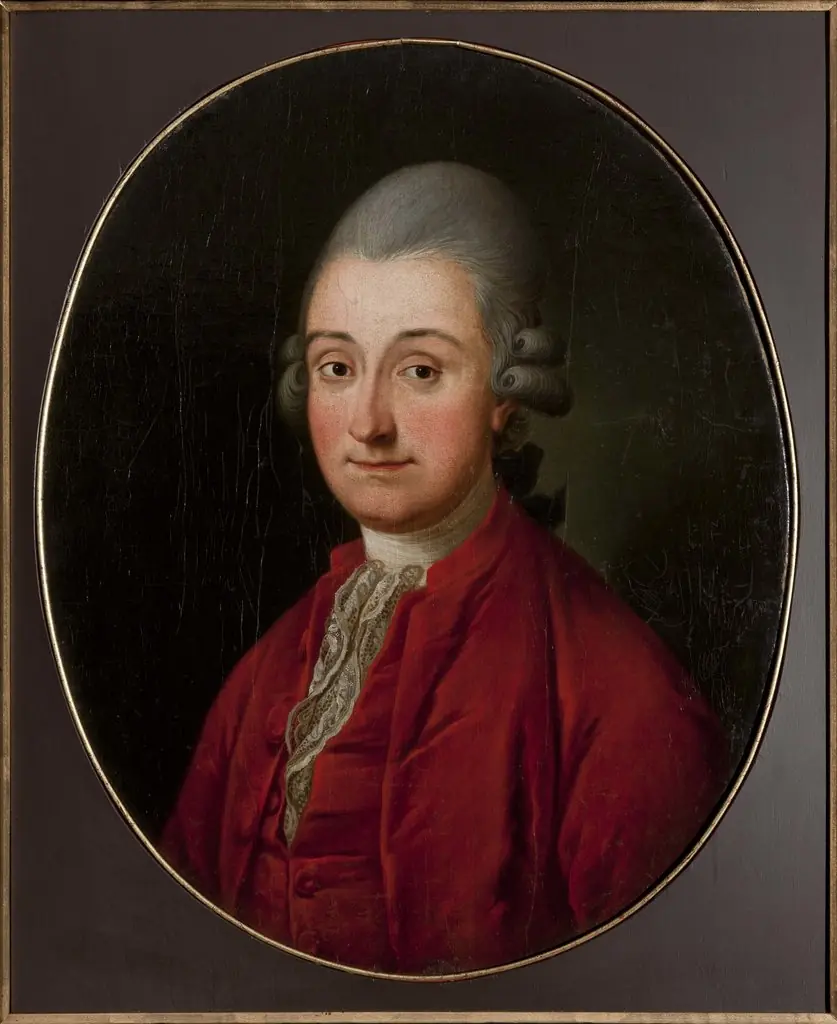 Portrait of Franciszek Dembiński (?–1776), the last starost of Wolbrom
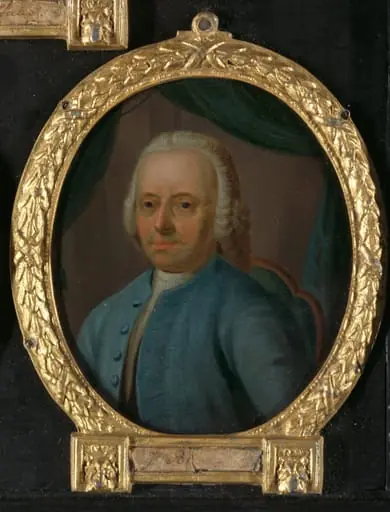 Portrait of Joannes Badon, Poet from Vlaardingen
 Peder Rahr, købmand i Ribe