Artwork
Portrait of Samuel Ward
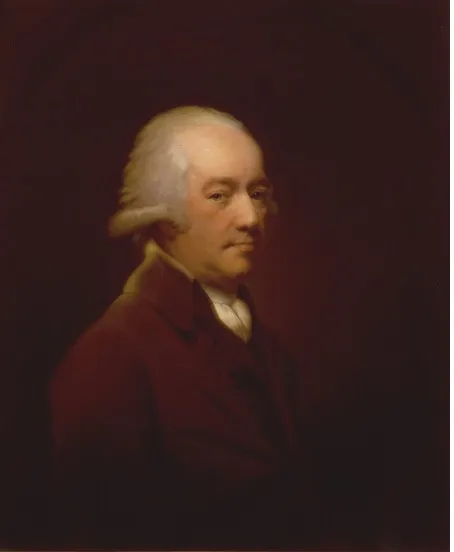
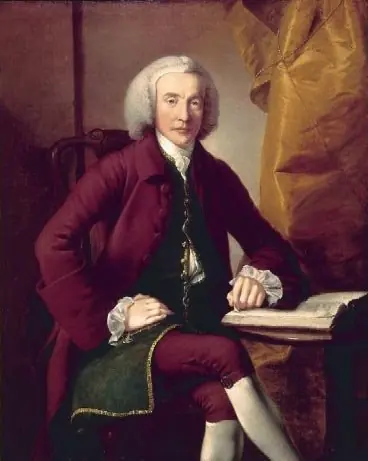
Portrait of Samuel Ward is an oil painting by the Rococo painting artist Joseph Wright of Derby. It dates from 1791 and is held in the collection of the Derby Museum and Art Gallery.
About this work
Overview
Wright, known for his scientific and portraiture subjects, applied a dramatic interplay of illumination and shadow to convey presence and introspection.
Joseph Wright of Derby completed the oil portrait of Samuel Ward in 1791. The painting depicts a middle-aged man in formal attire, rendered with careful attention to light and texture. Wright, known for his scientific and portraiture subjects, applied a dramatic interplay of illumination and shadow to convey presence and introspection. The work remains in the collection of Derby Museum and Art Gallery, where it continues to reflect the artist’s refined approach to character study.
Subject & Meaning
Samuel Ward, a prominent figure in Derby’s commercial circles, is portrayed with quiet dignity. His serious expression and distant gaze suggest contemplation rather than performative posture. The absence of symbolic objects or elaborate setting focuses attention on his demeanor, implying a portrait rooted in personal presence rather than social display. Wright’s choice to emphasize stillness and gaze conveys an inner life, aligning with Enlightenment ideals of individual character.
Technique & Style
Wright employed tenebrism to model the figure with strong chiaroscuro, isolating Ward’s face and hands against a deep, unbroken background. The dark red coat absorbs light while the white shirt catches it, enhancing volume and texture. Brushwork is controlled yet expressive, particularly in the rendering of white hair and the subtle sheen of fabric. The composition avoids Rococo ornamentation, favoring structural clarity and psychological depth over decorative flourish.
History & Provenance
The portrait was commissioned during Wright’s later years, after his peak fame as a painter of industrial and scientific scenes. Samuel Ward, a local businessman and associate of the Derby Philosophical Society, likely sat for the work as a mark of personal or civic status. It remained in the Ward family until entering the Derby Museum and Art Gallery’s collection, where it has been preserved as part of the region’s artistic heritage.
Context
Painted in the final decade of the 18th century, the portrait reflects a shift away from Rococo elegance toward more restrained, introspective portraiture. While contemporaries like Reynolds emphasized grandeur, Wright favored intimate realism grounded in observation. The work aligns with regional intellectual circles in Derby, where science, commerce, and art intersected, and where portraiture served as a quiet testament to individual contribution.
Legacy
Though not among Wright’s most widely exhibited works, the portrait exemplifies his mature style—attentive to light, psychologically nuanced, and formally disciplined. It stands as a representative example of provincial portraiture in late Georgian England, offering insight into how local patrons and artists engaged with broader artistic currents without adopting metropolitan conventions.
Artist & collection
Artist
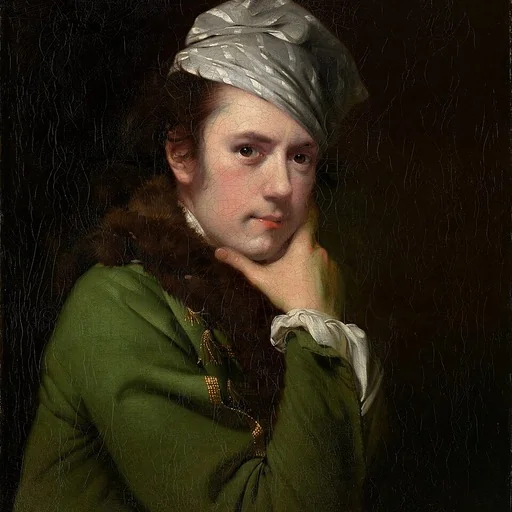
Joseph Wright (3 September 1734 – 29 August 1797), styled Joseph Wright of Derby, was an English painter who specialised in portrait painting and landscape art.

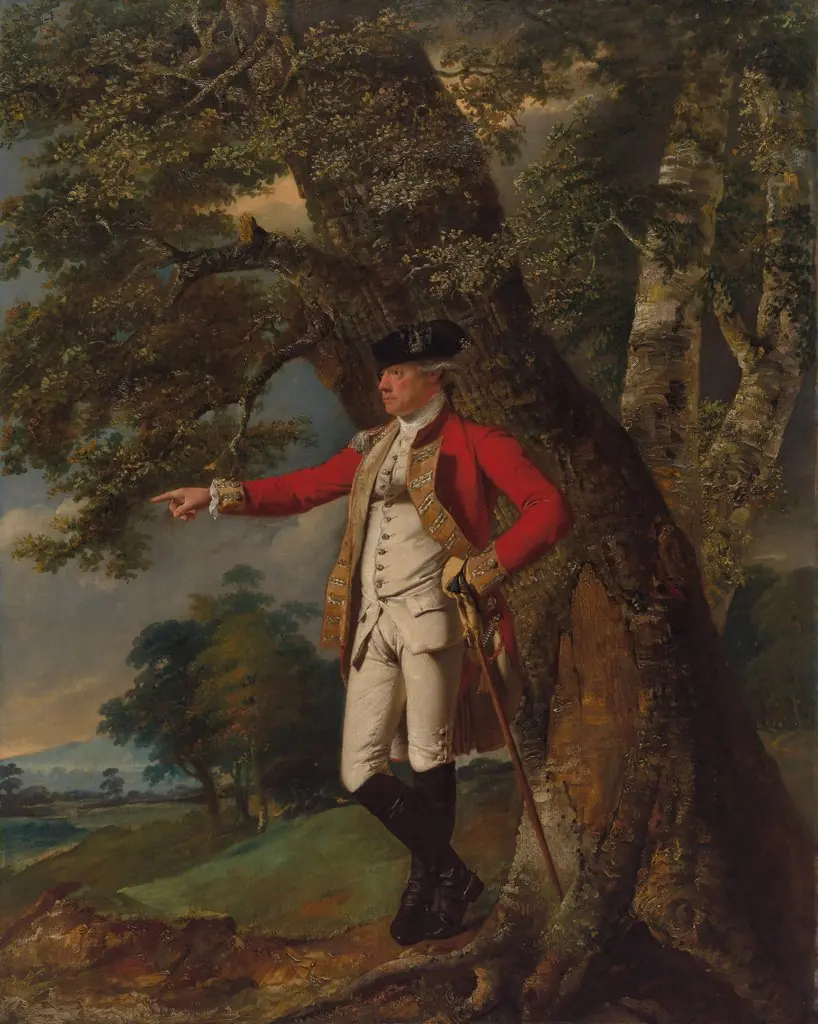 Portrait of Colonel Charles Heathcote
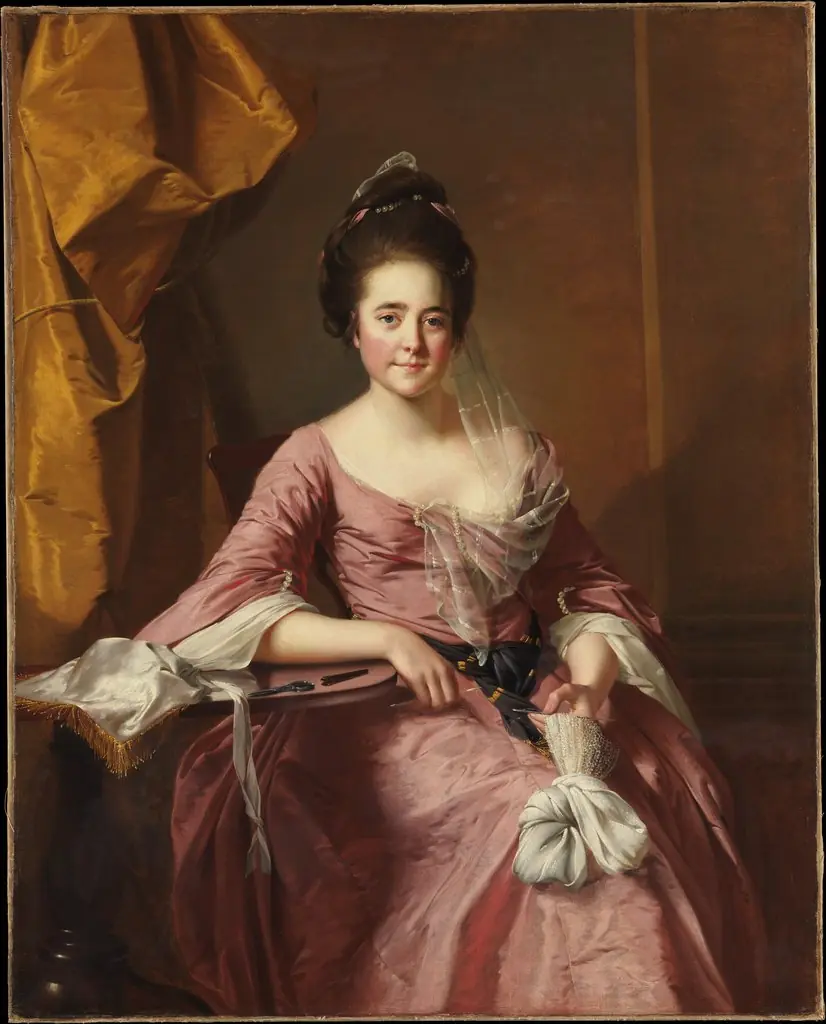 Portrait of a Woman
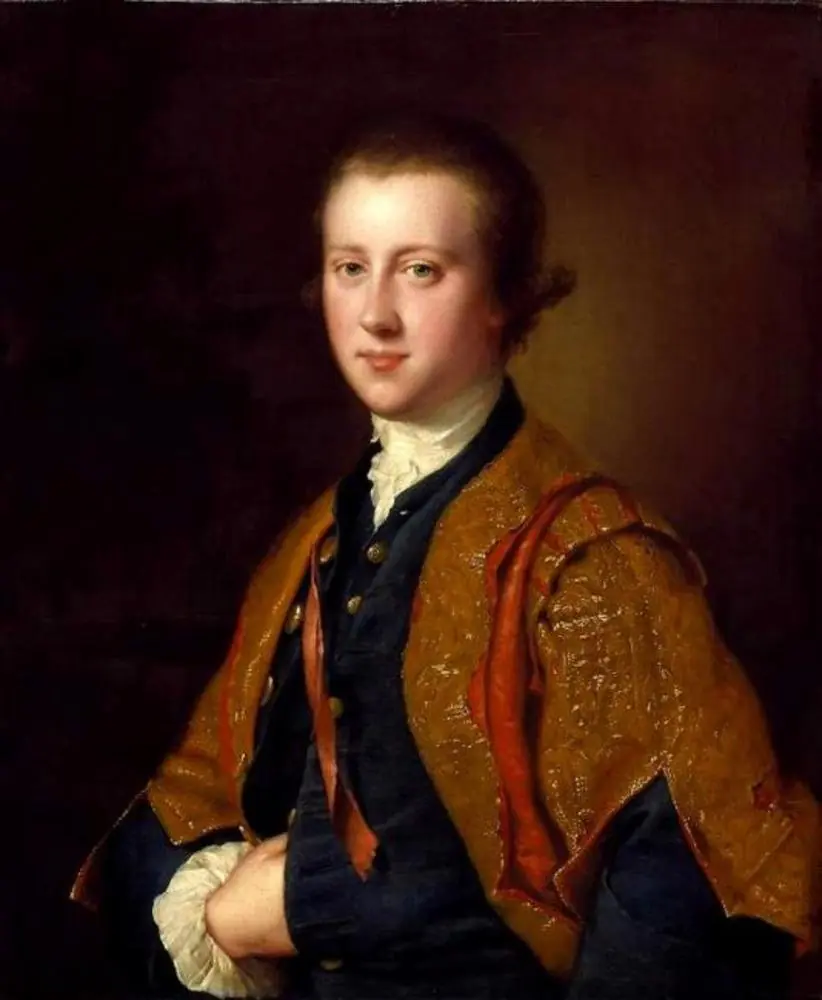 The Hon. Richard Fitzwilliam, 7th Viscount Fitzwilliam of Merrion
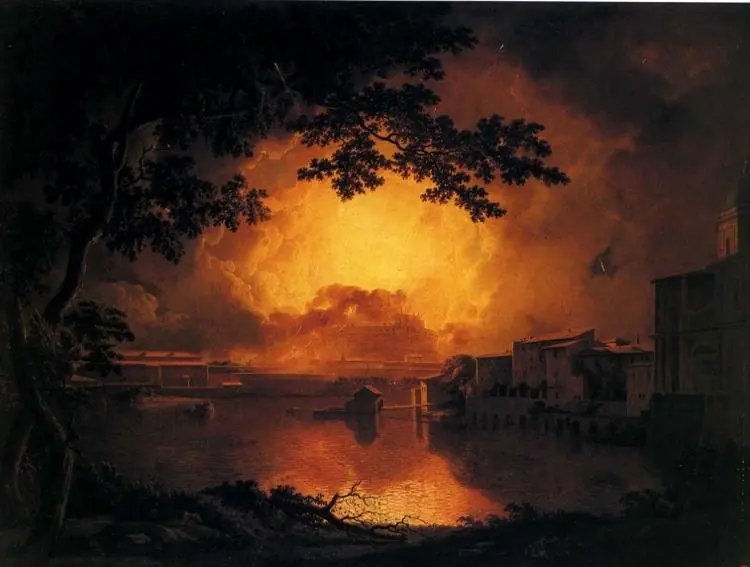 The Girandola at the Castel Sant'Angelo in Rome
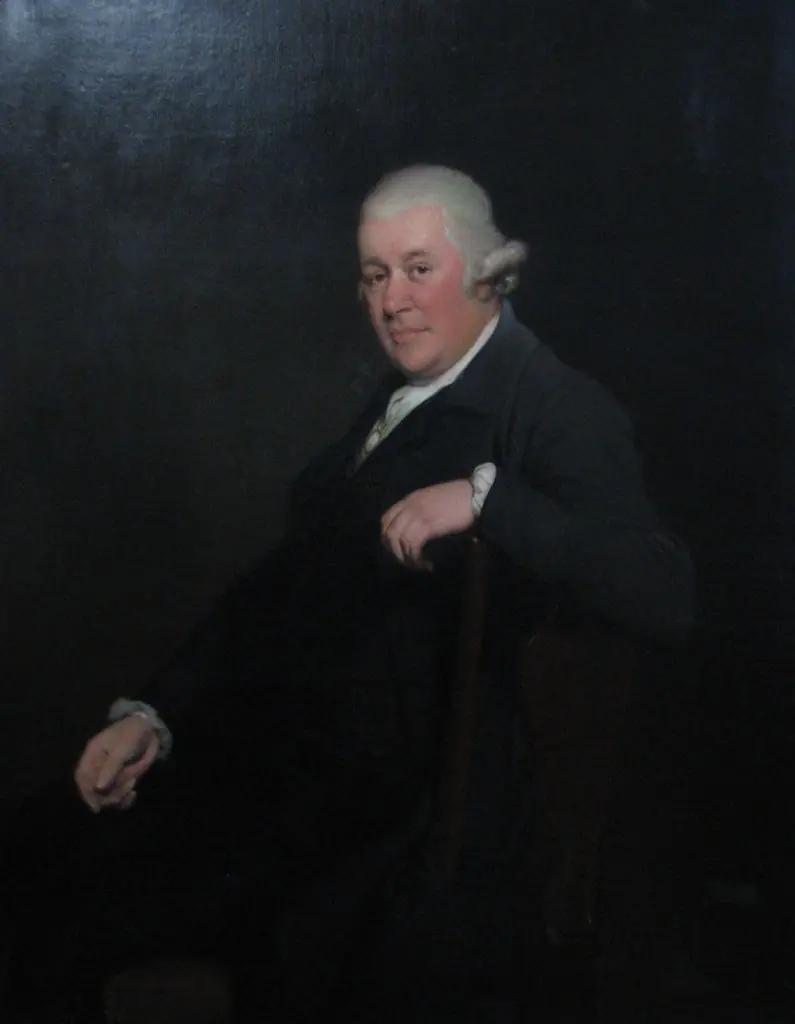 Reverend Basil Bury Beridge
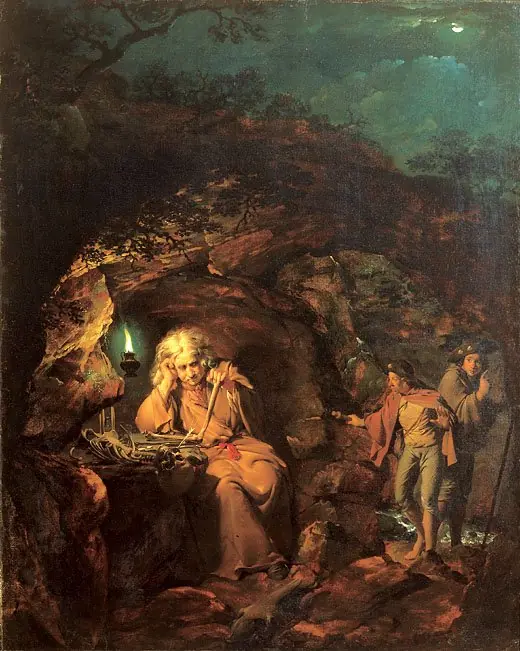 A Philosopher by Lamplight
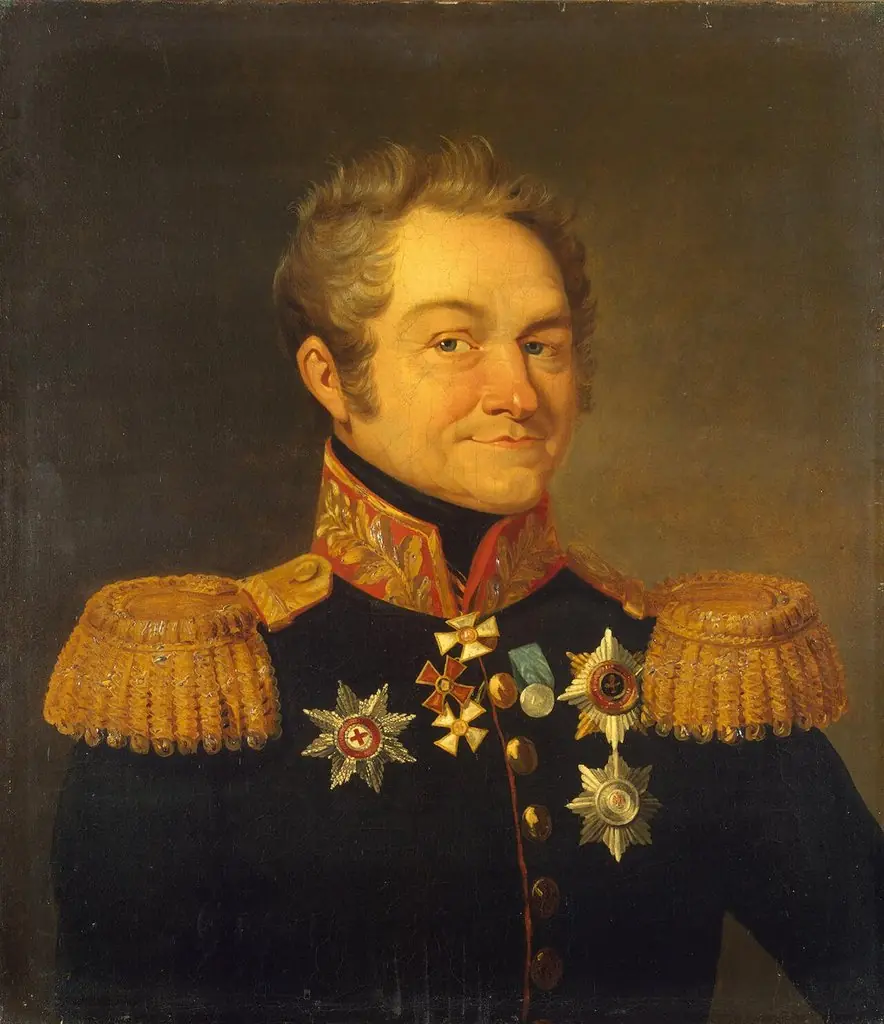 Portrait of Alexander B. Fock (1763-1825)
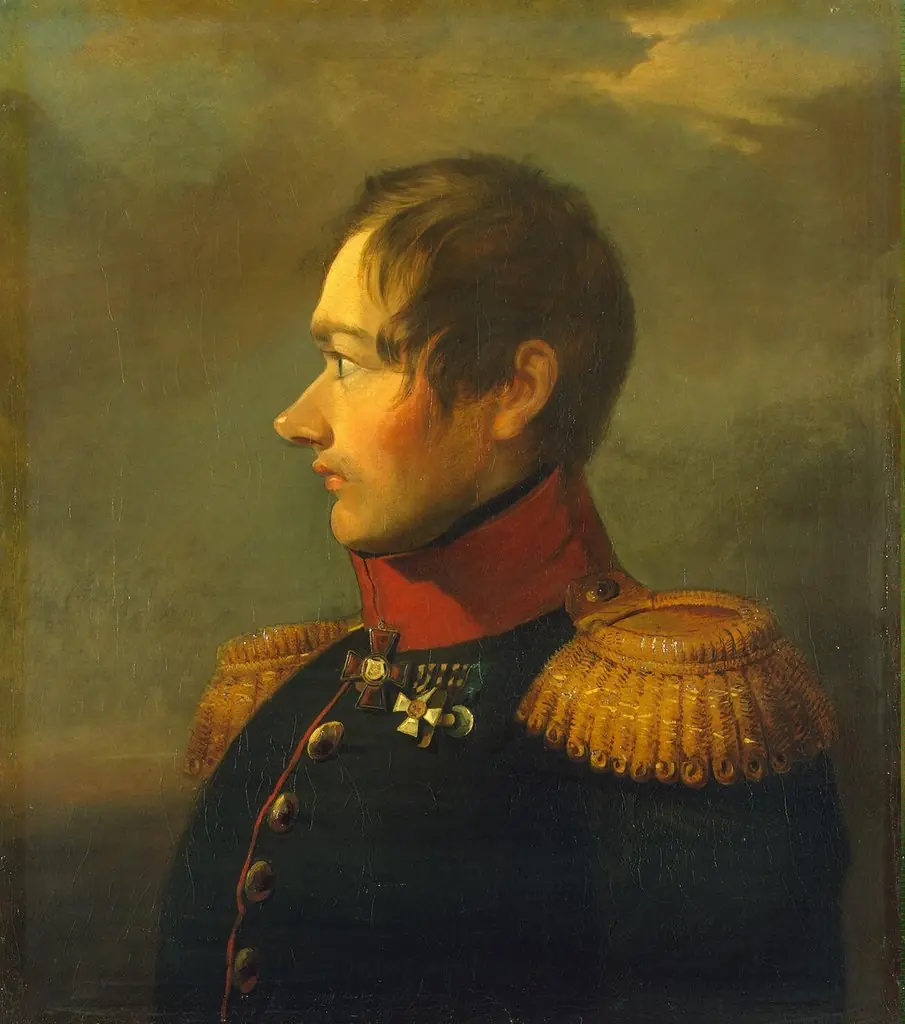 Portrait of Fyodor A. Lindfors (1760-1813)
 Portrait of Bernard Shaw of Sandpitts, County Kilkenny (born c.1739)
 Portrait of Richard Lovell Edgeworth (1744-1817)
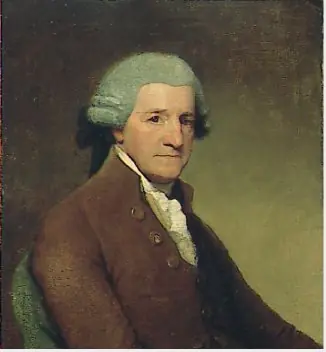 Portrait of Edmond Sexton, later 1st Viscount Pery (1719-1806)
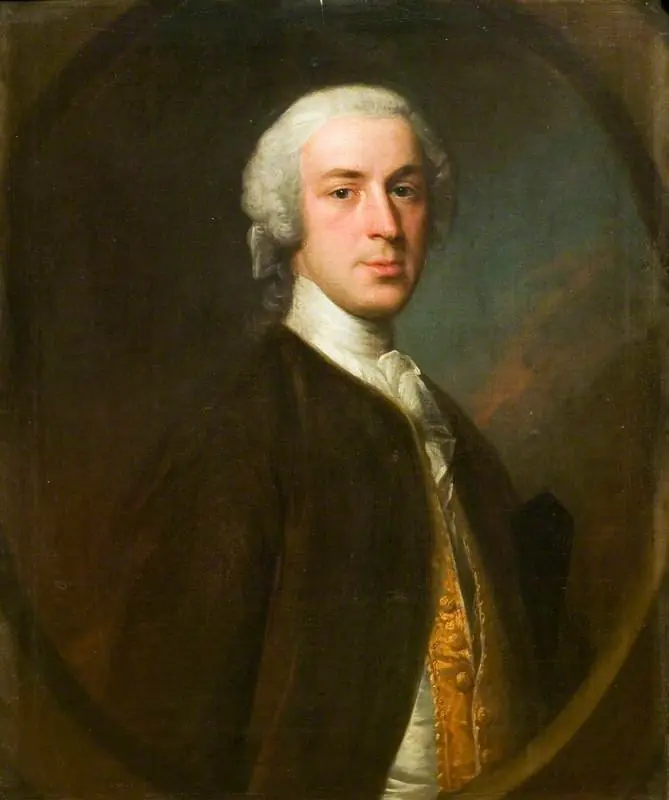 Portrait of an Unknown Man
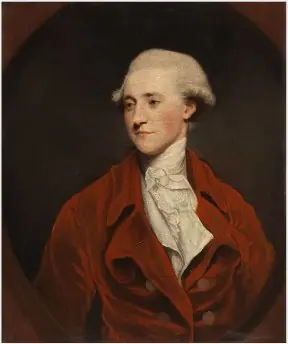 Portrait of Richard Burke, Son of Edmund Burke, Parliamentary Agent of the Catholic Committee (1758-1794)
 Portrait of William Burton-Conyngham (1733-1796), Scholar and Antiquary
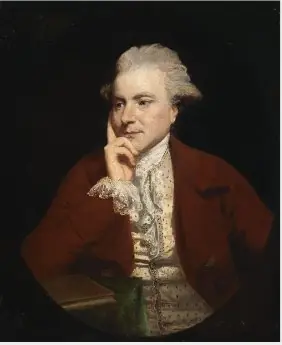 Richard Malone, Lord Sunderlin
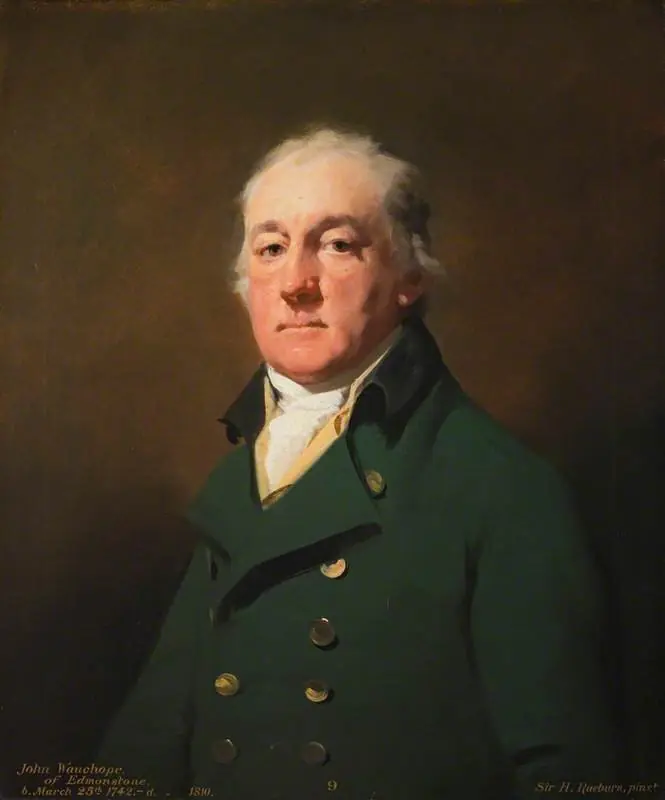 John Wauchope of Edmonstone (1742 - 1810)
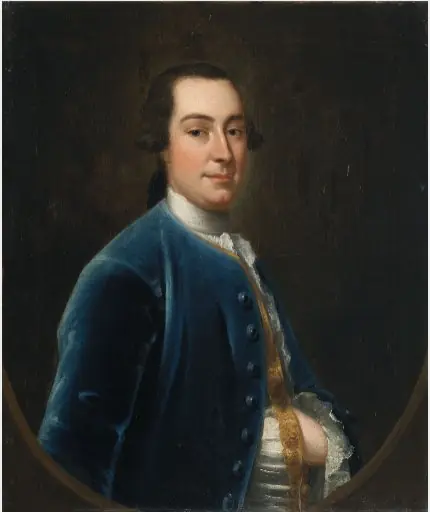 Portrait of a Man in a Blue Jacket
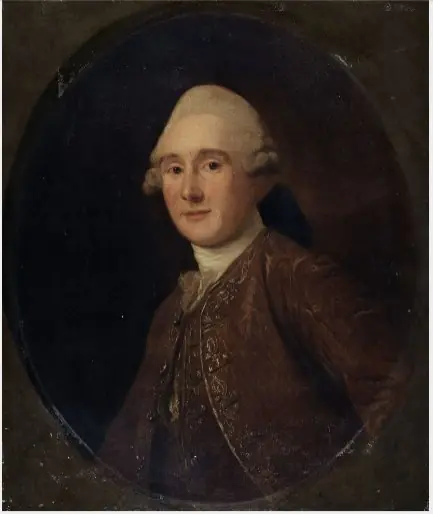 Portrait of a Man, formerly Known as Sir Richard Robinson, Archibishop of Armagh (1709-1794)
 Thomas Borrow (1709–1786)