Artwork
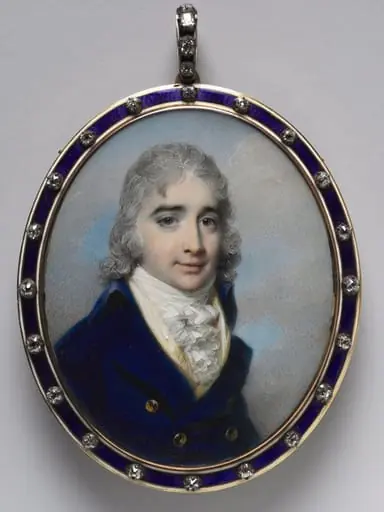
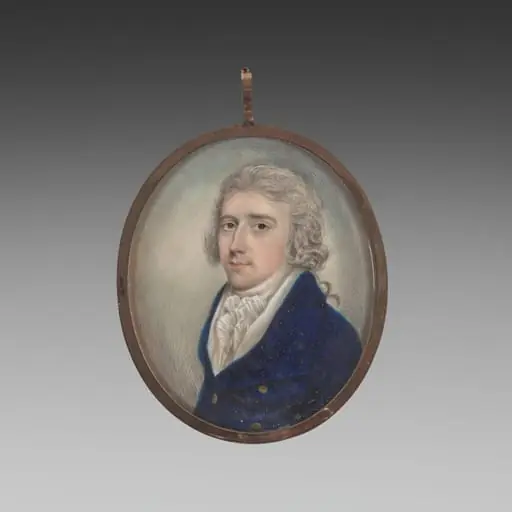
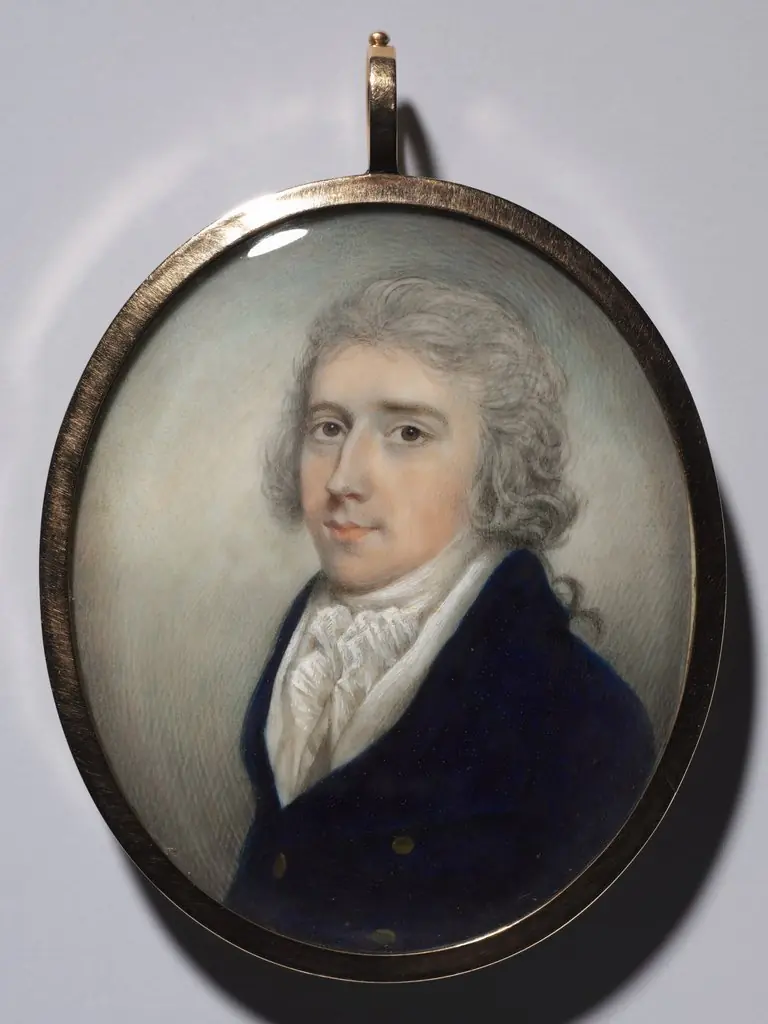
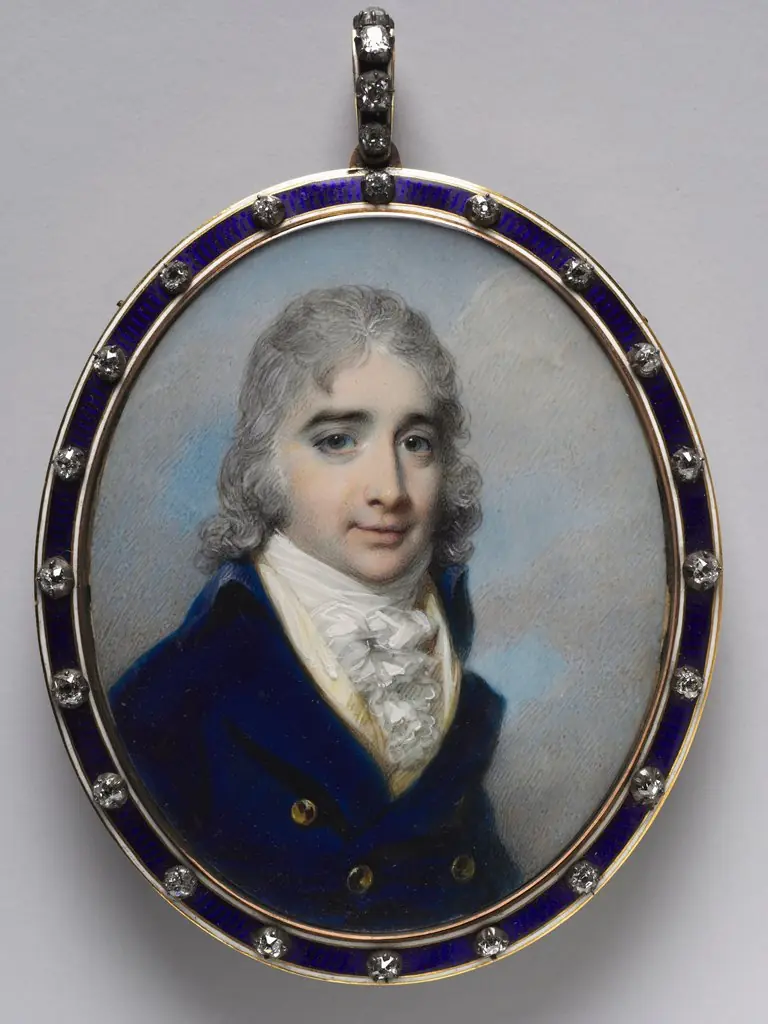
A Boy in Blue Coat
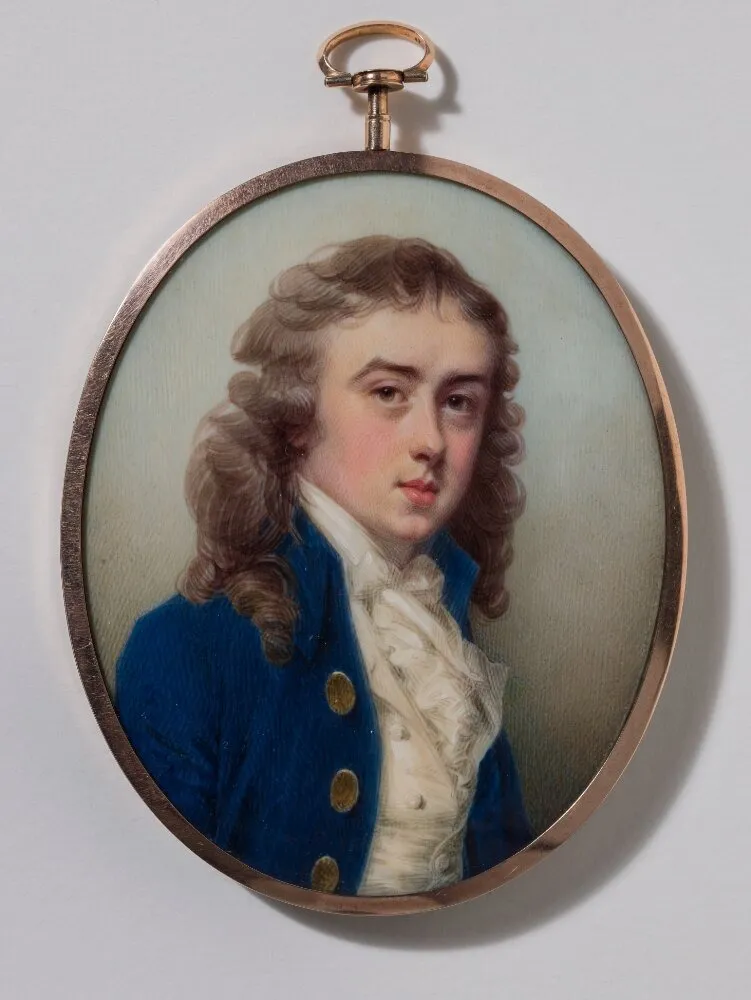
A Boy in Blue Coat is an unspecified painting by the Rococo painting artist Jeremiah Meyer. It is held in the collection of the Nationalmuseum.
About this work
Overview
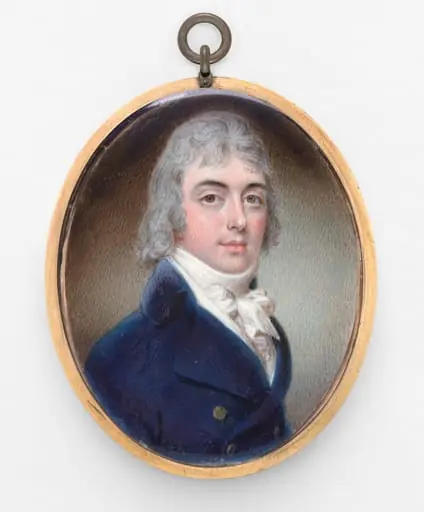
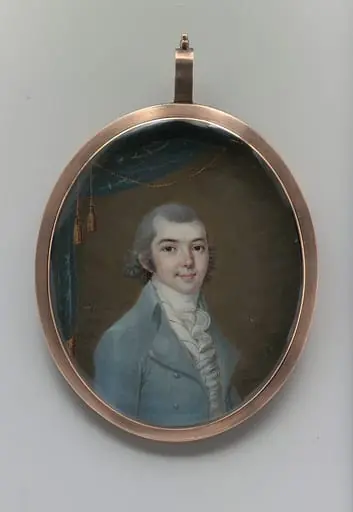
Painted in 1792 by Jeremiah Meyer, a German-born artist active in Britain, this small-scale portrait captures a young boy in a blue coat with gold buttons.
Painted in 1792 by Jeremiah Meyer, a German-born artist active in Britain, this small-scale portrait captures a young boy in a blue coat with gold buttons. Meyer, known for his miniature portraits and enamel work, held official royal appointments and helped found the Royal Academy. The work reflects his precision in detail and belongs to the Nationalmuseum’s collection, where it exemplifies late 18th-century British portraiture.
Subject & Meaning
The subject is a child of likely upper-class origin, dressed in finely rendered formal attire that signals social status. His neutral expression and direct yet unengaged gaze suggest a composed, restrained demeanor typical of aristocratic portraiture. The painting does not aim for sentimentality but instead presents the boy as a figure of dignity, reflecting contemporary ideals of childhood among the elite.
Technique & Style
Meyer employed a refined, realistic technique characteristic of miniature painting, with careful attention to texture in the fabric, the sheen of buttons, and the softness of the boy’s curls. The light gray background isolates the figure, focusing attention on his form and clothing. Though small in scale, the work demonstrates meticulous brushwork and a subtle handling of light, aligning with Rococo sensibilities while avoiding overt ornamentation.
History & Provenance
Created during Meyer’s tenure as Painter in Miniatures to Queen Charlotte, the portrait likely originated in a private commission. It entered the Nationalmuseum’s collection through documented acquisitions, though its early ownership remains unrecorded. Its preservation reflects its value as an example of Meyer’s skill and the broader tradition of British miniature portraiture in the late 1700s.
Context
In late 18th-century Britain, miniature portraits were popular among the aristocracy as personal keepsakes and tokens of status. Meyer’s position at court placed him at the center of this trend. While larger canvases dominated public exhibitions, miniatures like this one thrived in intimate settings, blending technical precision with social symbolism in a quiet, domestic mode.
Legacy
Meyer’s work, including this portrait, contributed to the elevation of miniature painting as a respected art form in Britain. Though overshadowed by larger historical canvases, his precise technique and royal patronage ensured his influence on subsequent generations of portraitists. The painting endures as a quiet testament to the craftsmanship and social codes of its time.
Artist & collection
Artist
Jeremiah Meyer (born Jeremias Majer; 18 January 1735 – 19 January 1789) was a German-born British painter who specialised in miniature portraits.