Artwork
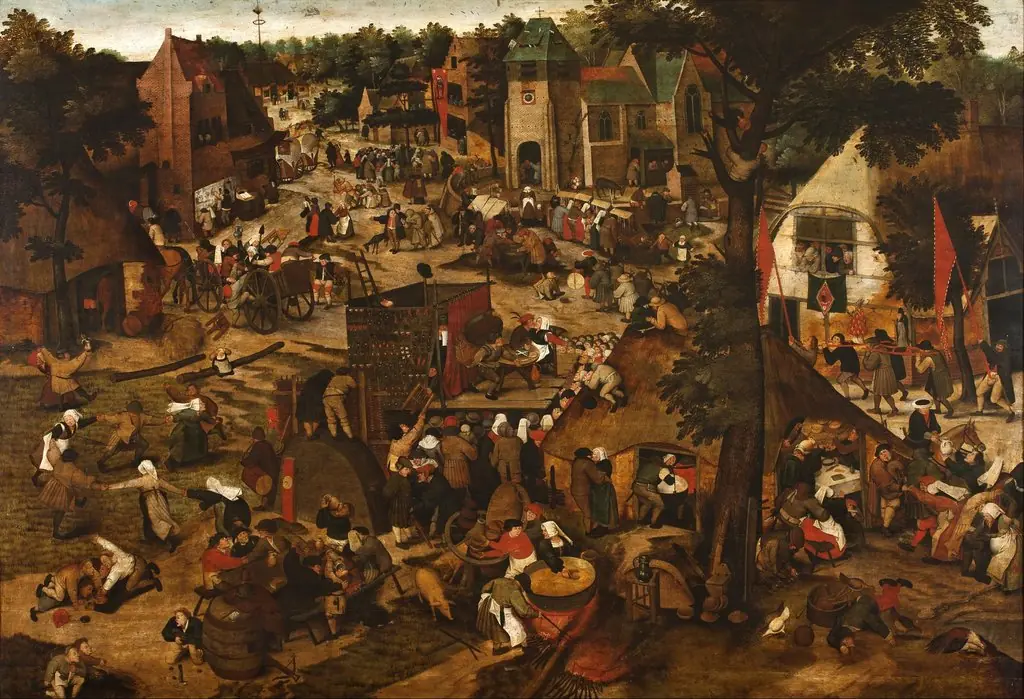
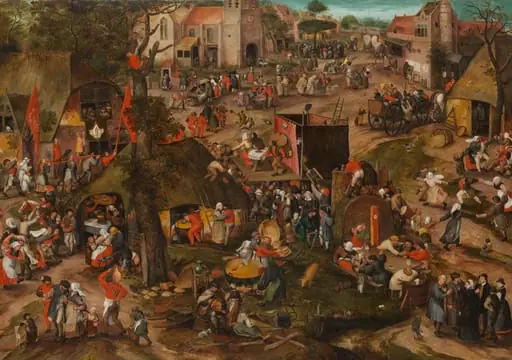
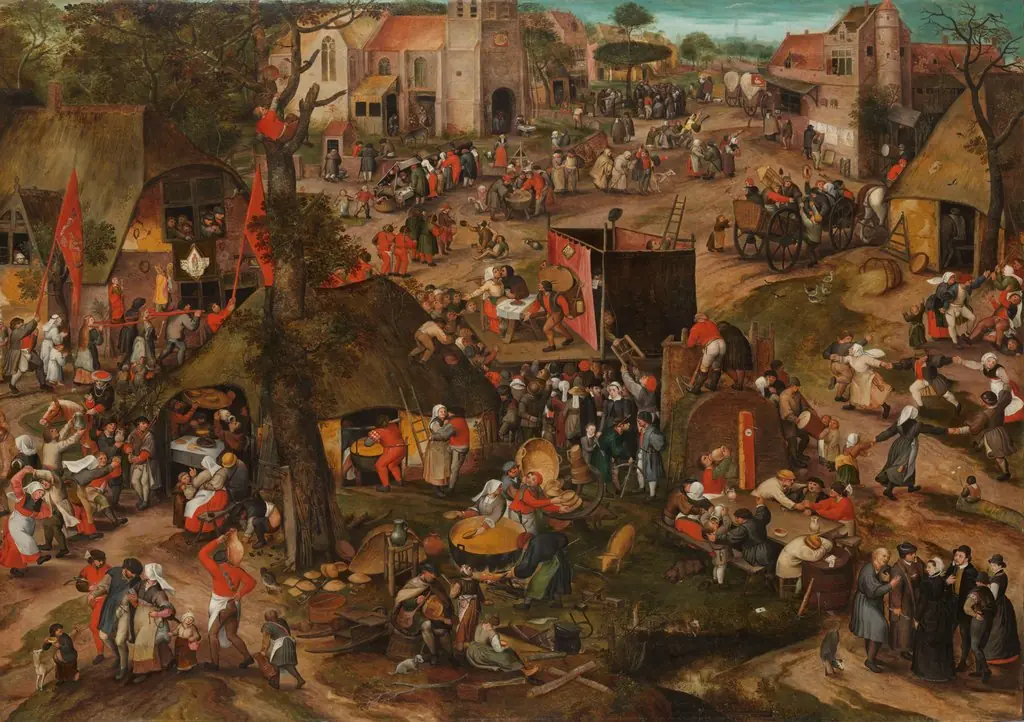
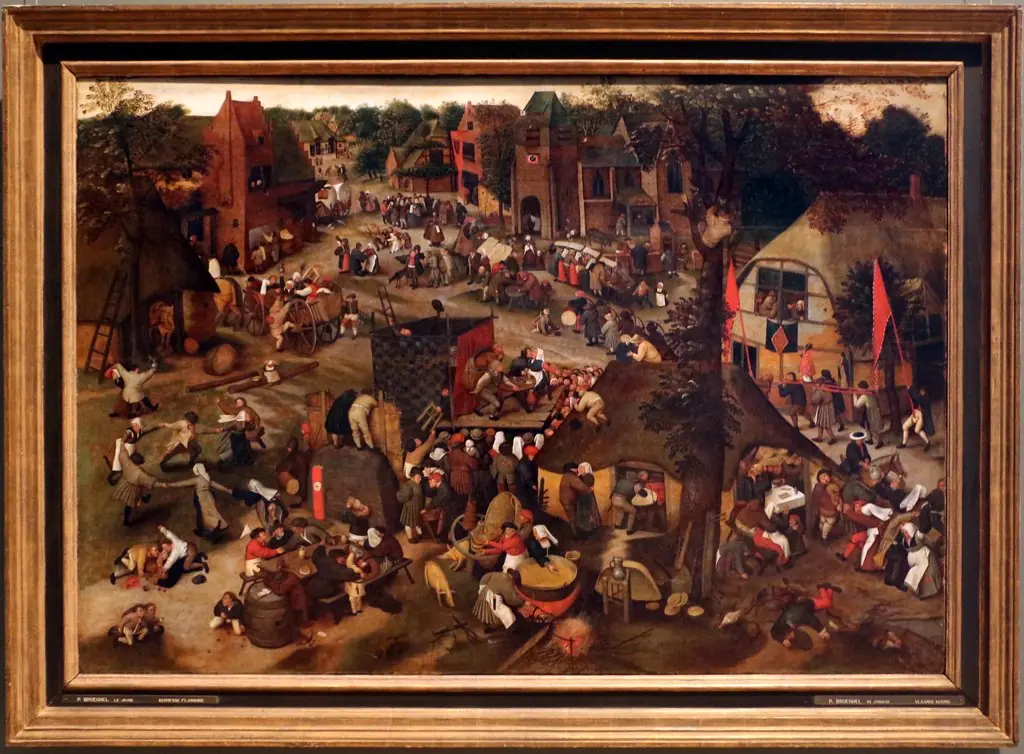
Performance of the farce 'Een Cluyte van Plaeyerwater' (A Clod from Plaeyerwater) at a Flemish Kermis
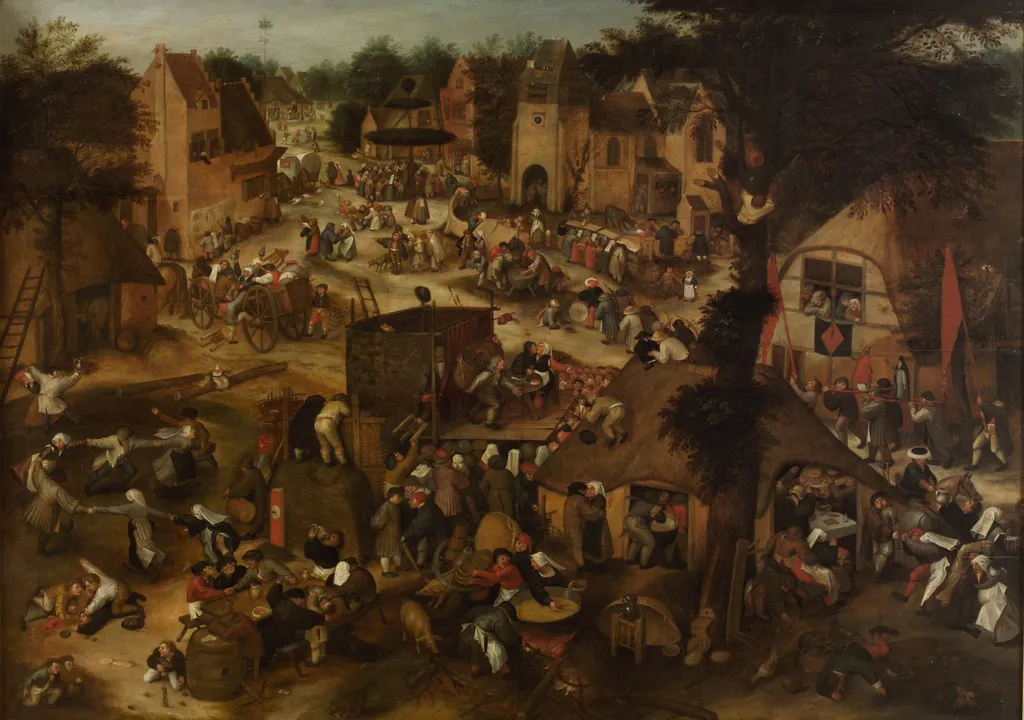
Performance of the farce 'Een Cluyte van Plaeyerwater' (A Clod from Plaeyerwater) at a Flemish Kermis is an oil painting by the Flemish Baroque painting artist Jeremias Günther. It dates from 1616 and is held in the collection of the Kunsthistorisches Museum.
About this work
Overview
Painted in 1616 by Jeremias Günther, this oil work captures a moment from a rural Flemish kermis—a seasonal fair featuring folk performances.
Painted in 1616 by Jeremias Günther, this oil work captures a moment from a rural Flemish kermis—a seasonal fair featuring folk performances. The scene centers on an impromptu stage where a farce titled 'Een Cluyte van Plaeyerwater' is being enacted. The composition reflects the communal nature of such events, with spectators of varied social standing gathered in a village setting under open sky, surrounded by modest architecture and trees.
Subject & Meaning
The painting depicts a popular farce likely rooted in local humor, possibly satirizing rural life or social norms. The actors, dressed in vivid costumes and one wielding a large wooden spoon, suggest slapstick or exaggerated physical comedy. The audience’s varied reactions—laughter, quiet observation, and gestures of approval—reveal the play’s role as both entertainment and social mirror, reinforcing shared cultural values through performance.
Technique & Style
Günther employs a detailed, observational style typical of early 17th-century Flemish genre painting. Figures are rendered with attention to costume and gesture, while the spatial arrangement guides the viewer’s eye from foreground spectators to the central stage. Soft modeling of light and muted earth tones ground the scene in realism, avoiding theatrical embellishment in favor of authentic, everyday atmosphere.
History & Provenance
The painting has been held since at least the 19th century in the collection of the Kunsthistorisches Museum in Vienna. Its survival suggests it was valued as a record of regional customs, though little is documented about its early ownership or commission. The work’s preservation reflects broader Habsburg-era interest in documenting Flemish cultural life, even as political and religious shifts reshaped the Low Countries.
Context
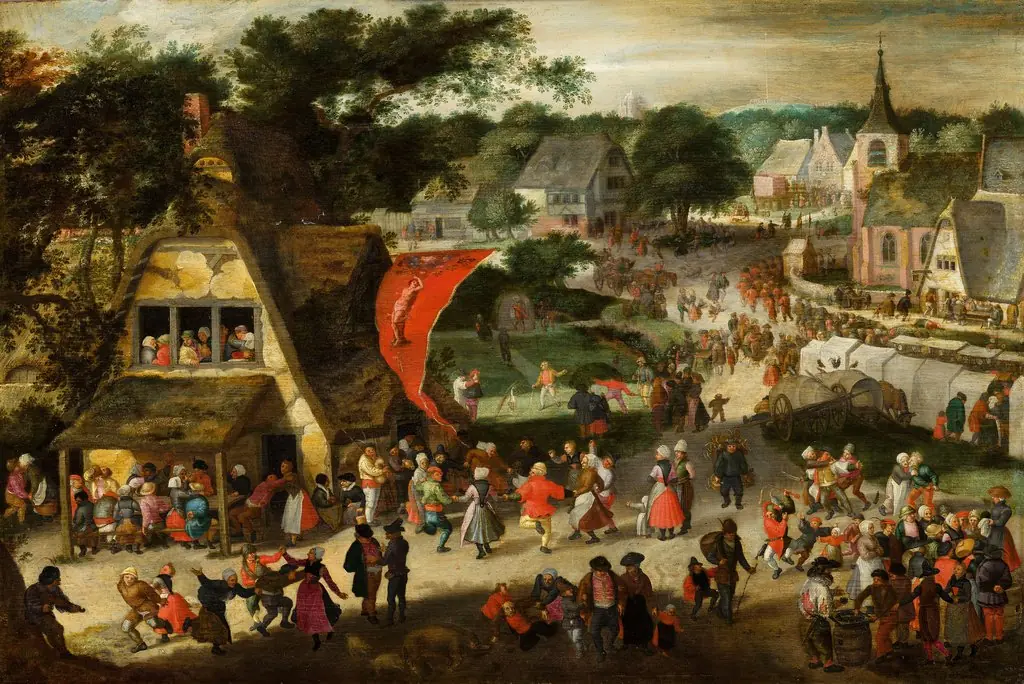
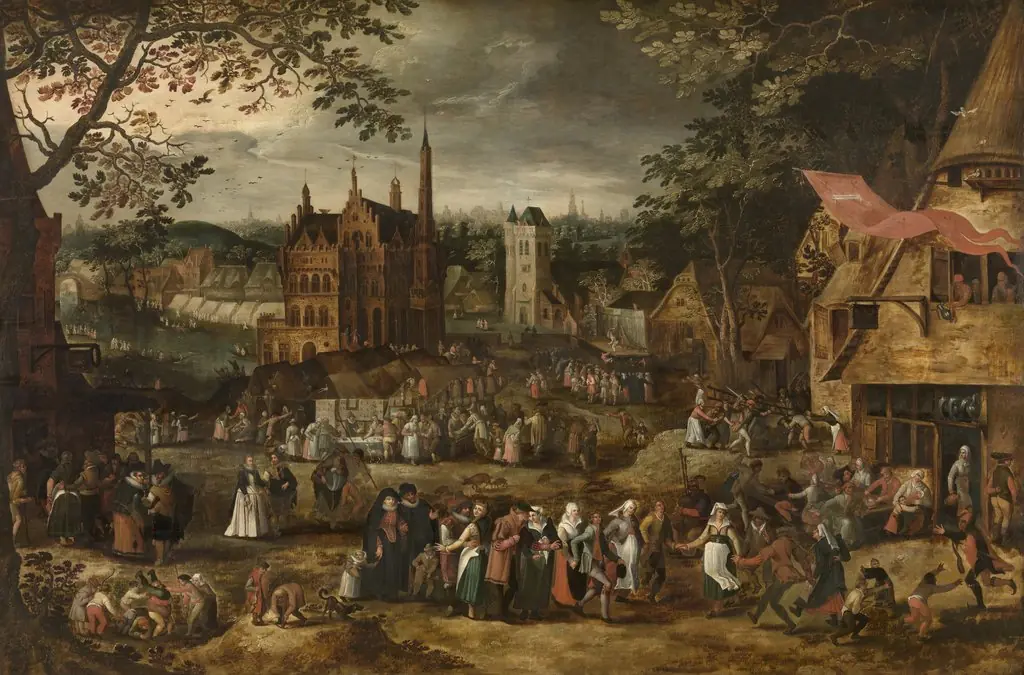
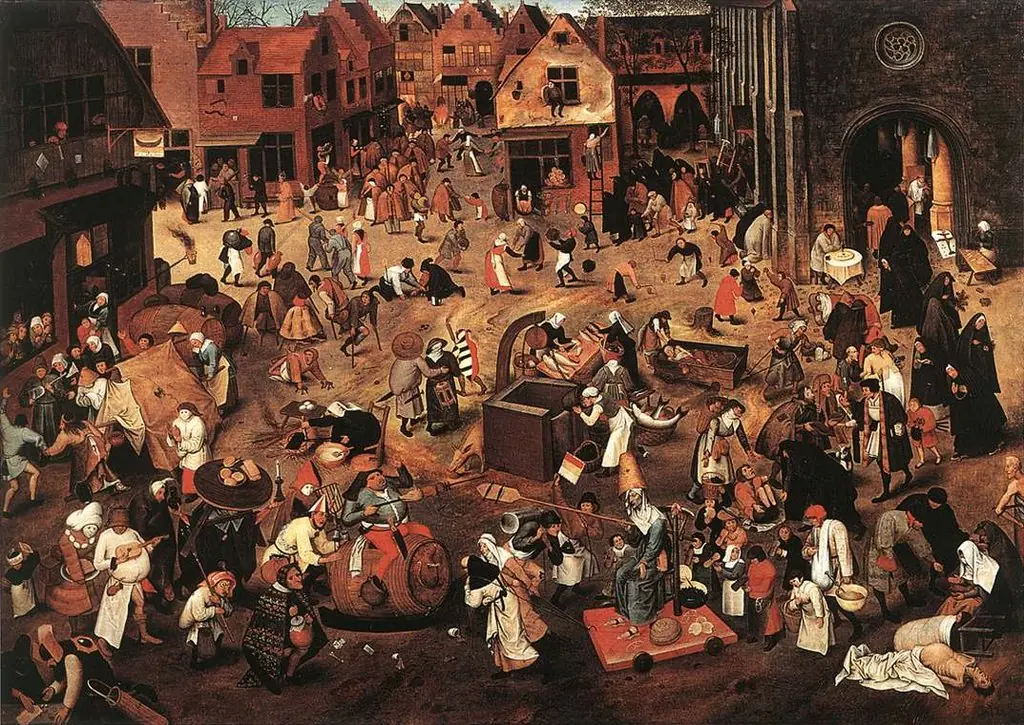
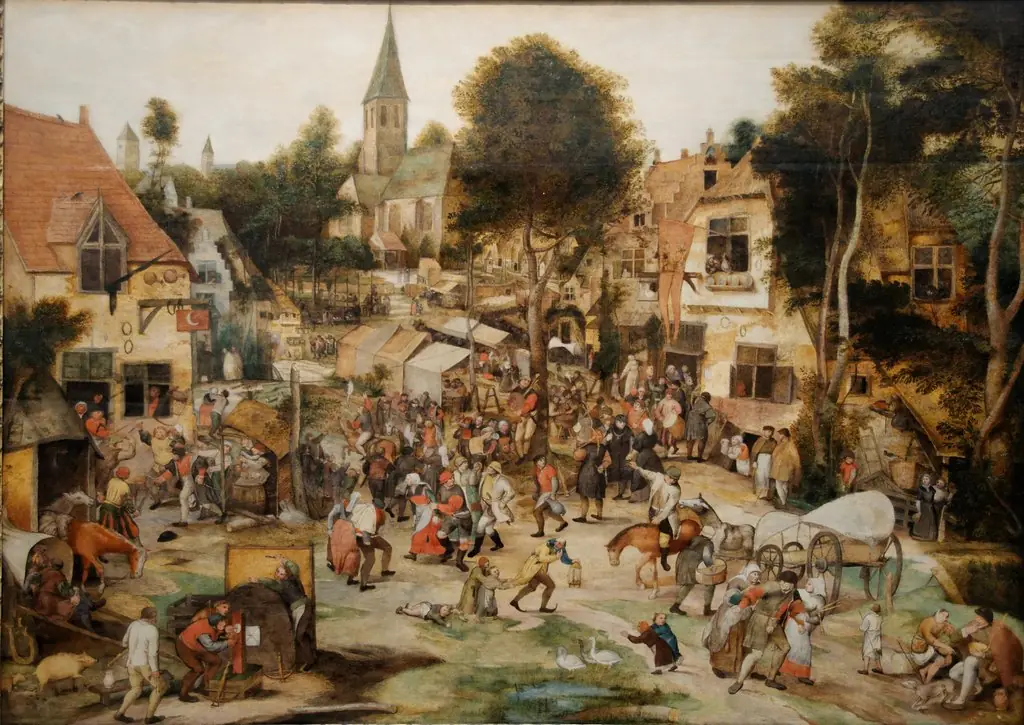
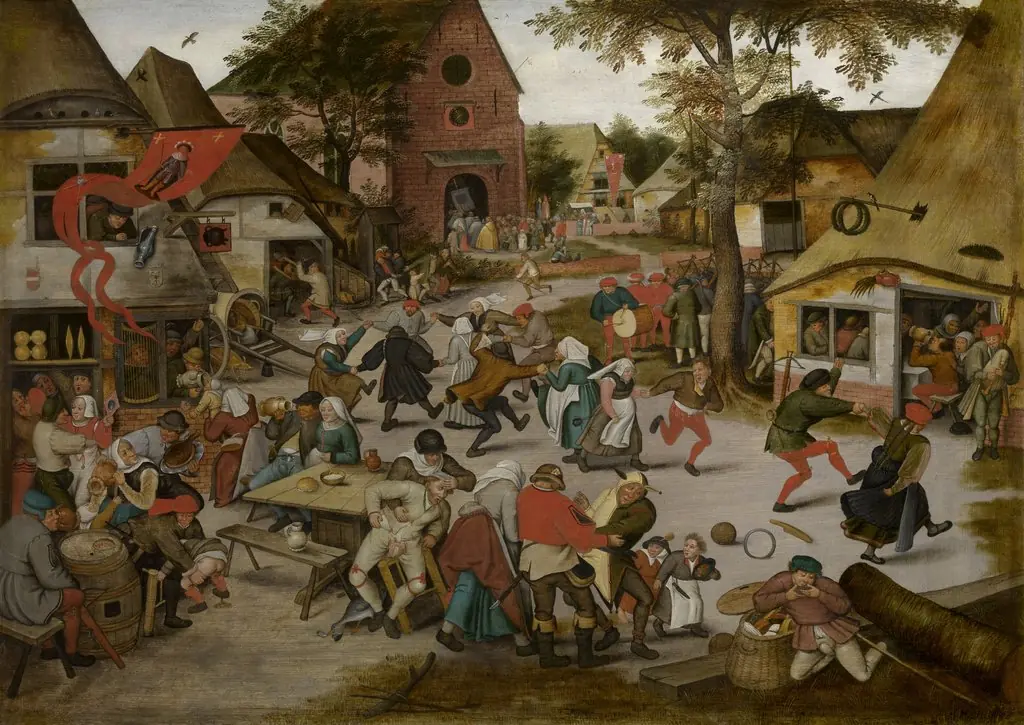
Flemish kermises were annual village festivals combining religious observance, market activity, and theatrical performance. These events offered rare opportunities for communal gathering and social leveling, where peasants and townspeople mingled. Farces like 'Een Cluyte van Plaeyerwater' were often improvised, localized, and passed orally—making Günther’s depiction a rare visual record of ephemeral popular theater.
Legacy
As one of few surviving visual accounts of early 17th-century Flemish folk theater, the painting serves as an anthropological document. It contributes to understanding how performance functioned in rural society before the rise of formal theaters. Though Günther’s oeuvre remains limited, this work anchors his reputation as a recorder of everyday life in the Southern Netherlands during a period of cultural transition.
Artist & collection
Artist
Jeremias Günther painted lively scenes of 17th-century Flemish fun. In *Performance of the farce 'Een Cluyte van Plaeyerwater' at a Flemish Kermis* (1616), crowds cheer as actors clown around at a village fair. The oil…