Artwork
Fair with a Theatrical Presentation
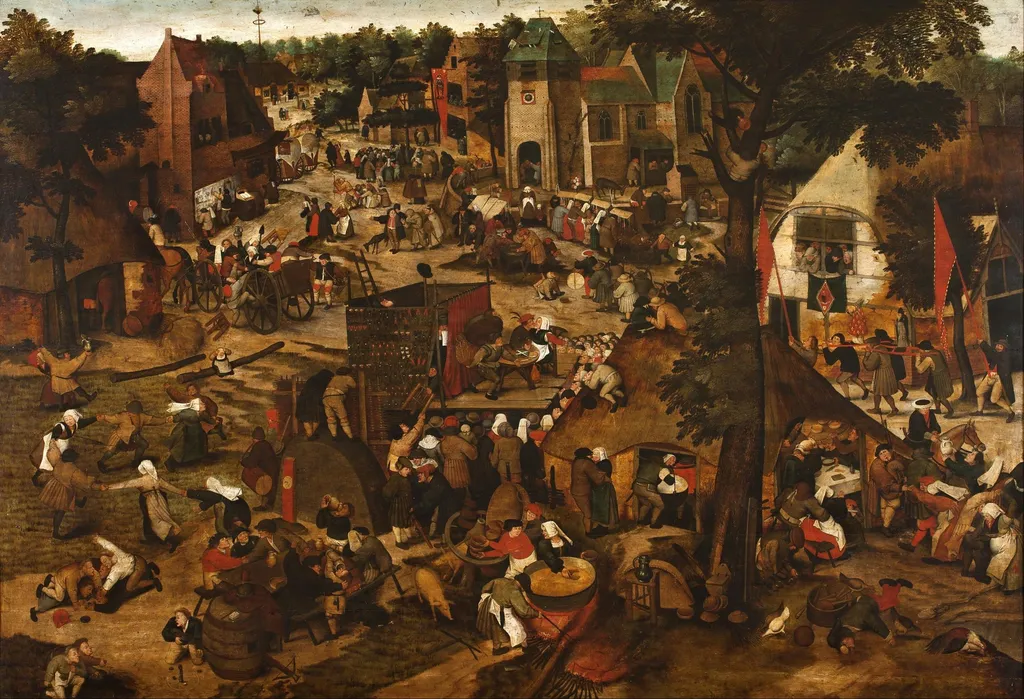
Fair with a Theatrical Presentation is an oil painting by the Flemish Baroque painting artist Pieter Brueghel the Younger. It dates from 1600 and is held in the collection of the Hermitage Museum.
About this work
Overview
Executed with careful attention to detail, it reflects the artist’s studio practice of reinterpreting popular scenes from the Bruegel tradition.
Painted in 1600, *Fair with a Theatrical Presentation* is an oil-on-panel work by Pieter Brueghel the Younger, a Flemish artist known for expanding his father’s visual legacy. The piece captures a bustling rural fair, centered around a makeshift stage where performers engage a crowd. Executed with careful attention to detail, it reflects the artist’s studio practice of reinterpreting popular scenes from the Bruegel tradition.
Subject & Meaning
The scene portrays a village fair where theatrical performance draws together townspeople of varied social standing. A small stage hosts actors in costume, surrounded by onlookers—merchants, children, and laborers—each absorbed in the spectacle. The painting suggests the fair as a space of communal entertainment, blending commerce, spectacle, and everyday life in a moment of shared attention.
Technique & Style
Brueghel the Younger employed fine brushwork to render dense crowds and intricate architectural details, characteristic of Flemish genre painting. His palette favors earth tones with subtle highlights, enhancing the naturalism of the setting. Figures are rendered with individualized gestures, creating a sense of lively movement without overt dramatization, aligning with the observational tone of his father’s influence.
History & Provenance
The painting entered the collection of the State Hermitage Museum in the 19th century, likely acquired during a period of increased European interest in Netherlandish art. Its attribution to Pieter Brueghel the Younger has been consistently supported by stylistic analysis and studio records, though it was once confused with works by his father due to thematic similarities.
Context
In early 17th-century Flanders, traveling fairs were common social events, often featuring jugglers, musicians, and amateur theater. The popularity of such scenes in painting reflected a growing urban middle class’s interest in depictions of everyday life. Brueghel the Younger’s output catered to this demand, reproducing and adapting his father’s compositions for a wider market.
Legacy
Though often viewed as a reproducer of his father’s imagery, Pieter Brueghel the Younger’s studio played a key role in preserving and circulating Flemish genre traditions. *Fair with a Theatrical Presentation* exemplifies how his work sustained visual narratives of rural life into the Baroque era, influencing later genre painters through its quiet, detailed observation of communal moments.
Own this work as a print
Artist & collection
Artist
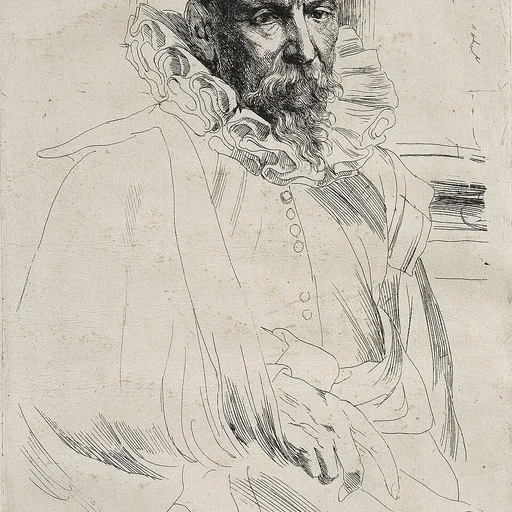
Pieter Brueghel the Younger ( BROY-gəl, also US: BROO-gəl; Dutch: ; between 23 May and 10 October 1564 – between March and May 1638) was a Flemish painter known for numerous copies after his father Pieter Bruegel the…

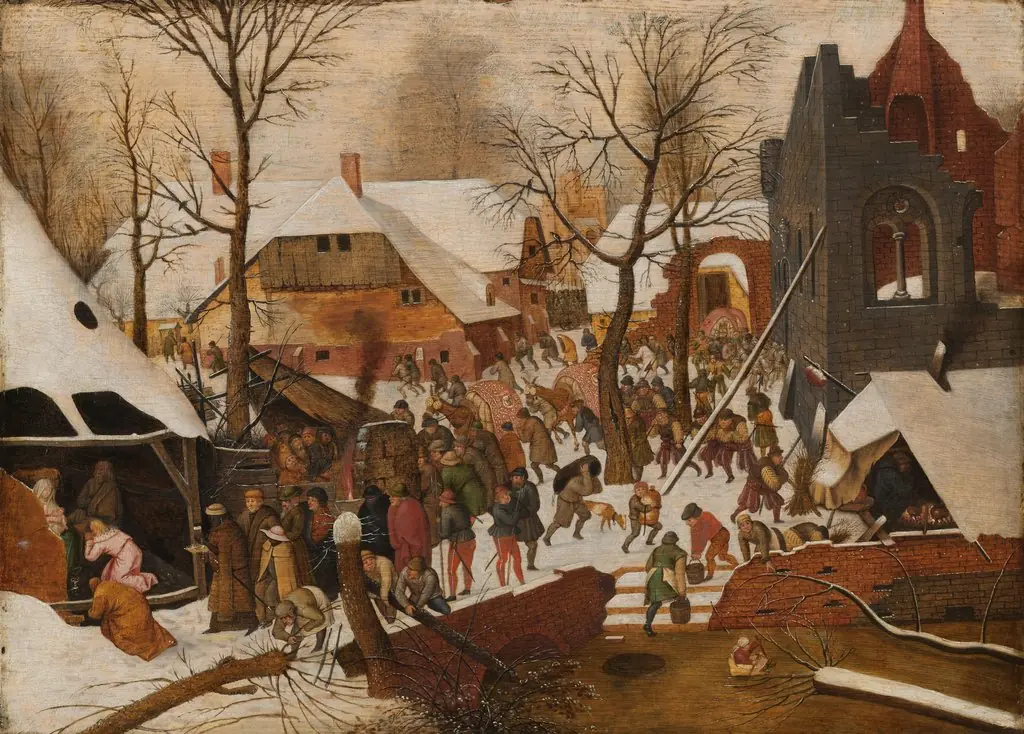 Adoration of the magi
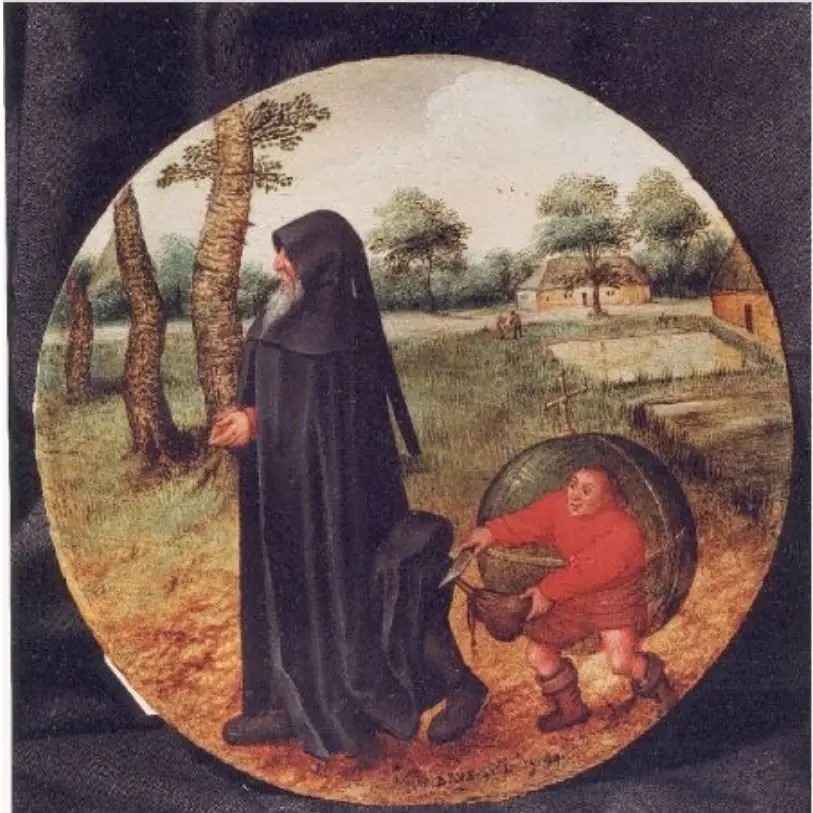 I Mourn because the World is so Untrustworthy
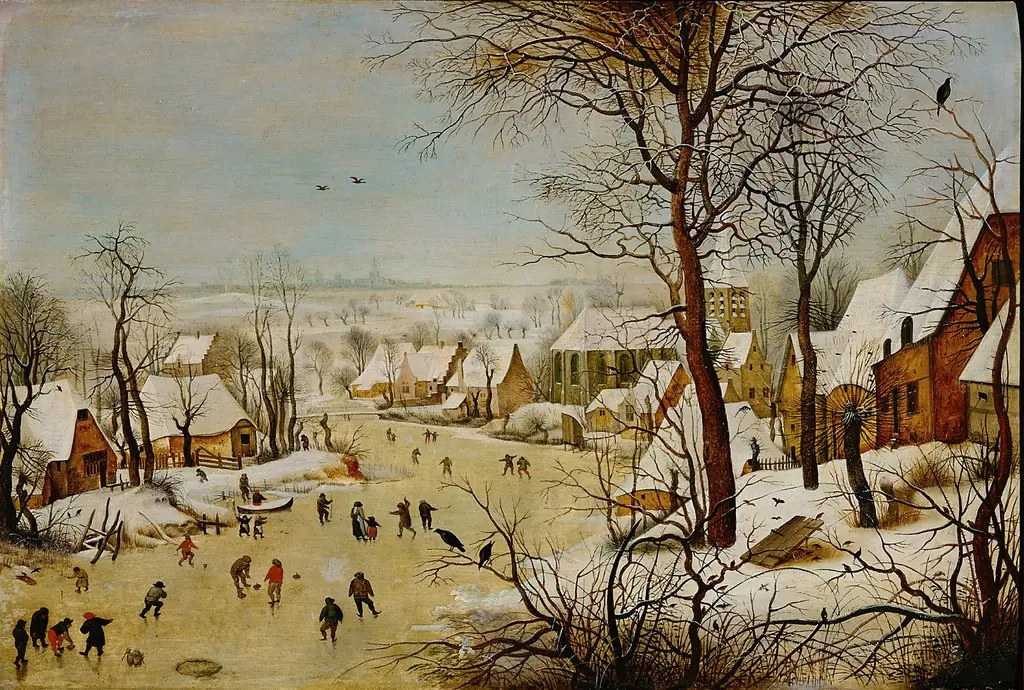 Winter Landscape with a Bird Trap
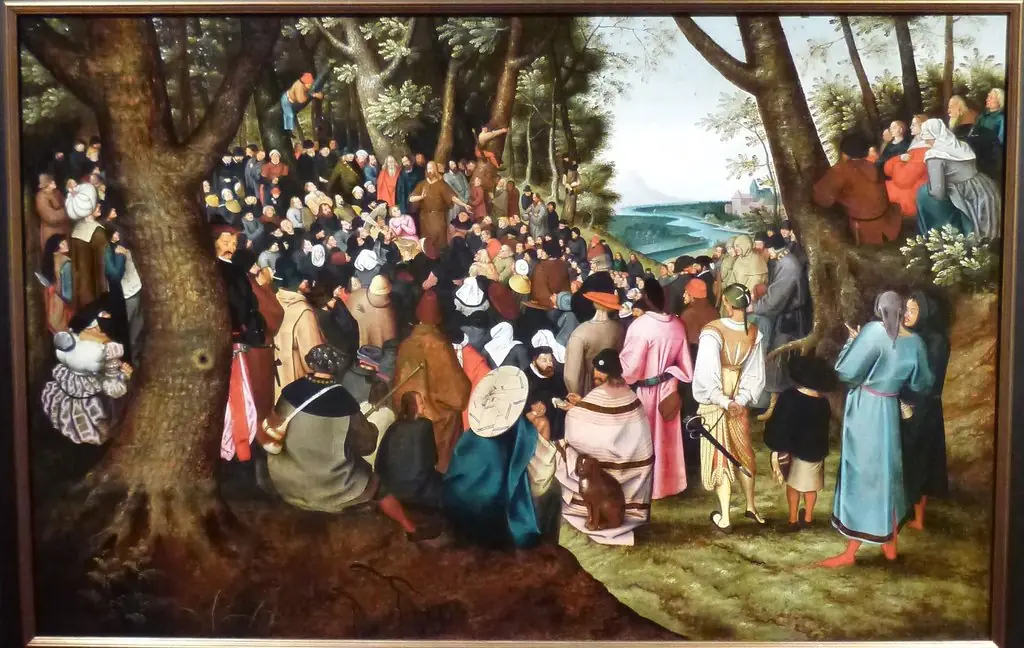 The Sermon of John the Baptist
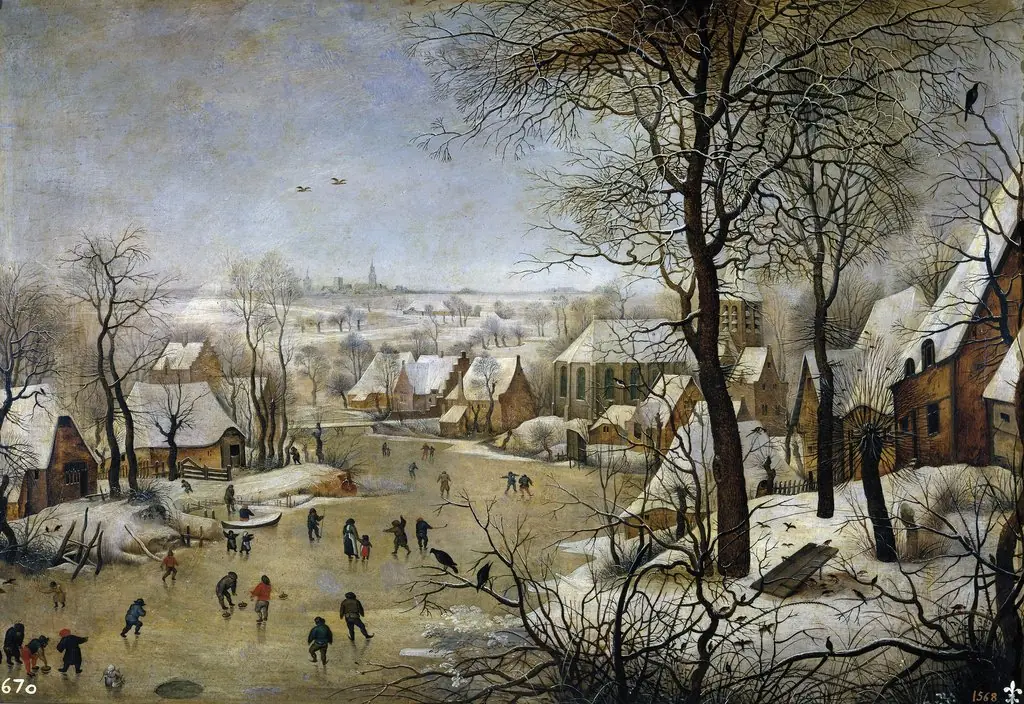 Winter Landscape with a Bird-trap
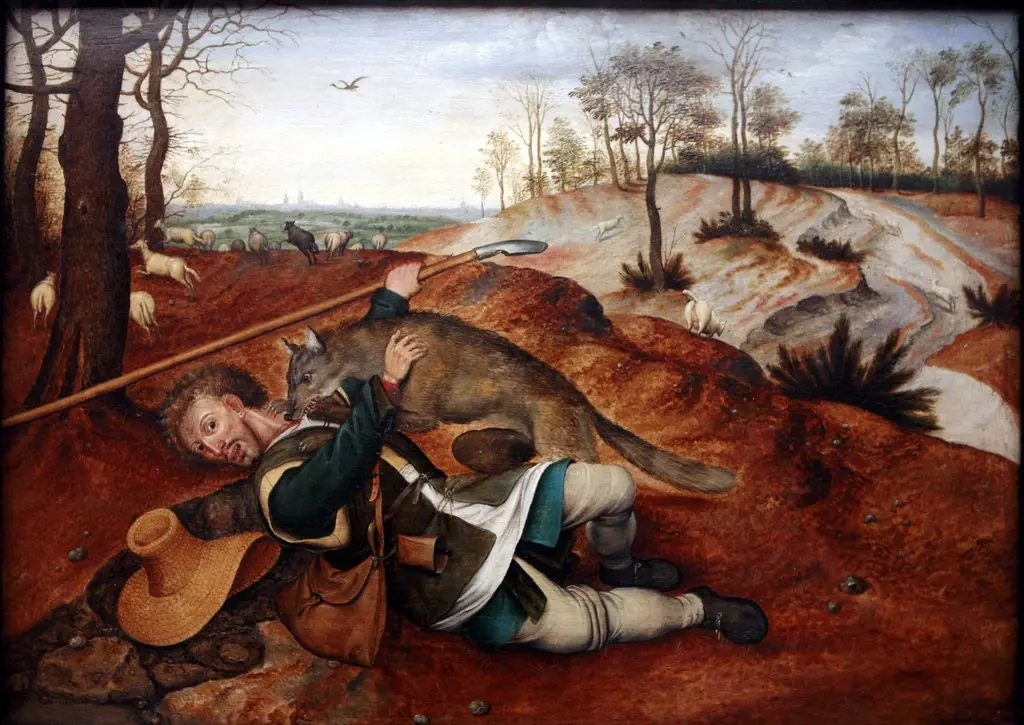 The Good Shepherd
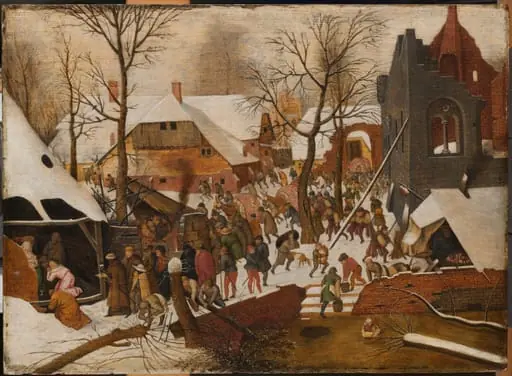 The Adoration of the Magi
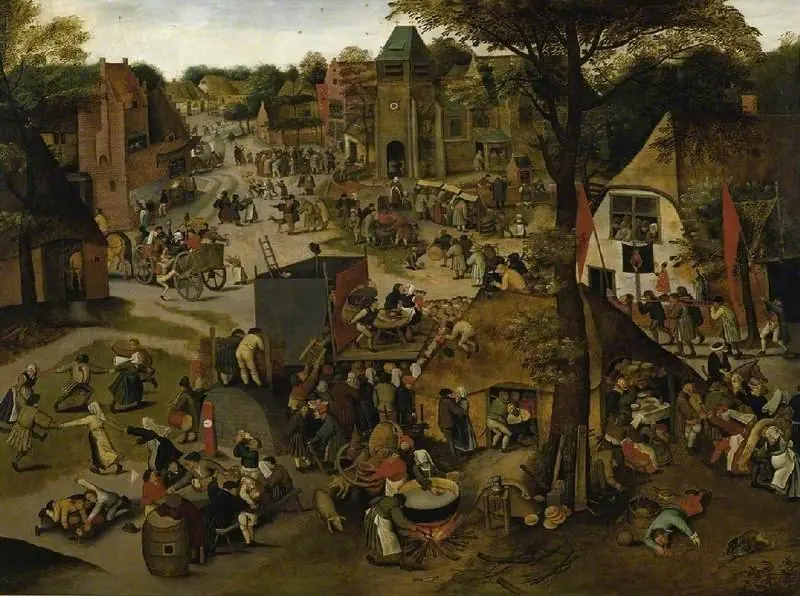 A Village Festival, With a Theatrical Performance and a Procession in Honour of St Hubert and St Anthony
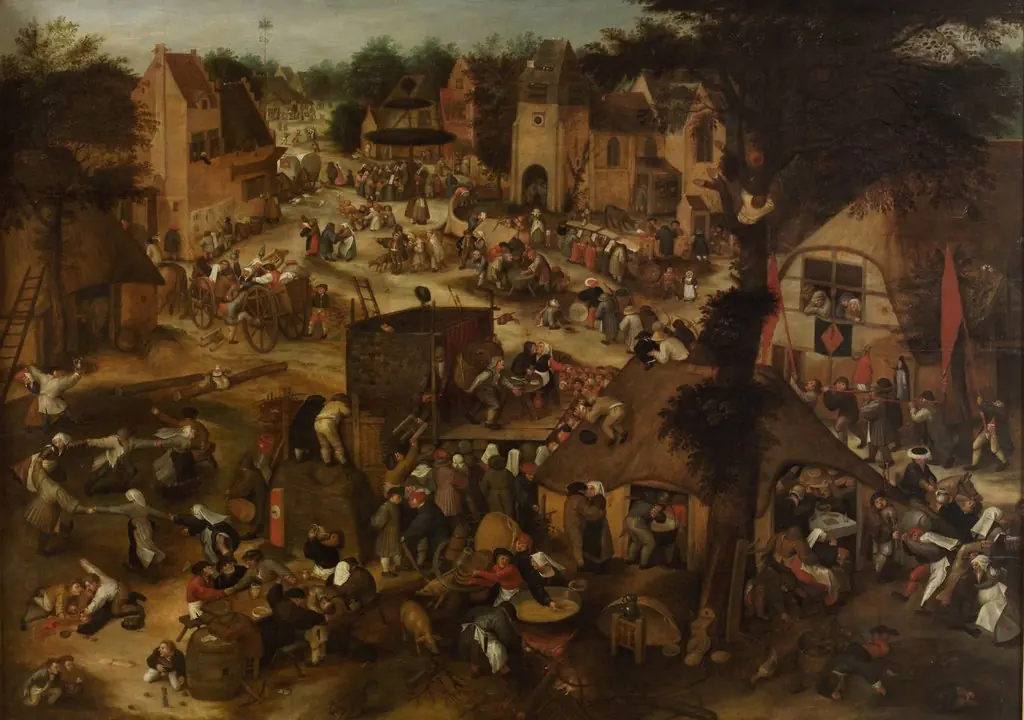 Performance of the farce 'Een Cluyte van Plaeyerwater' (A Clod from Plaeyerwater) at a Flemish Kermis
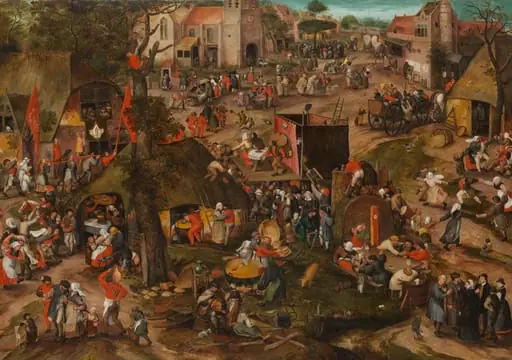 A Flemish Kermis with a Performance of the Farce ‘Een cluyte van Plaeyerwater’
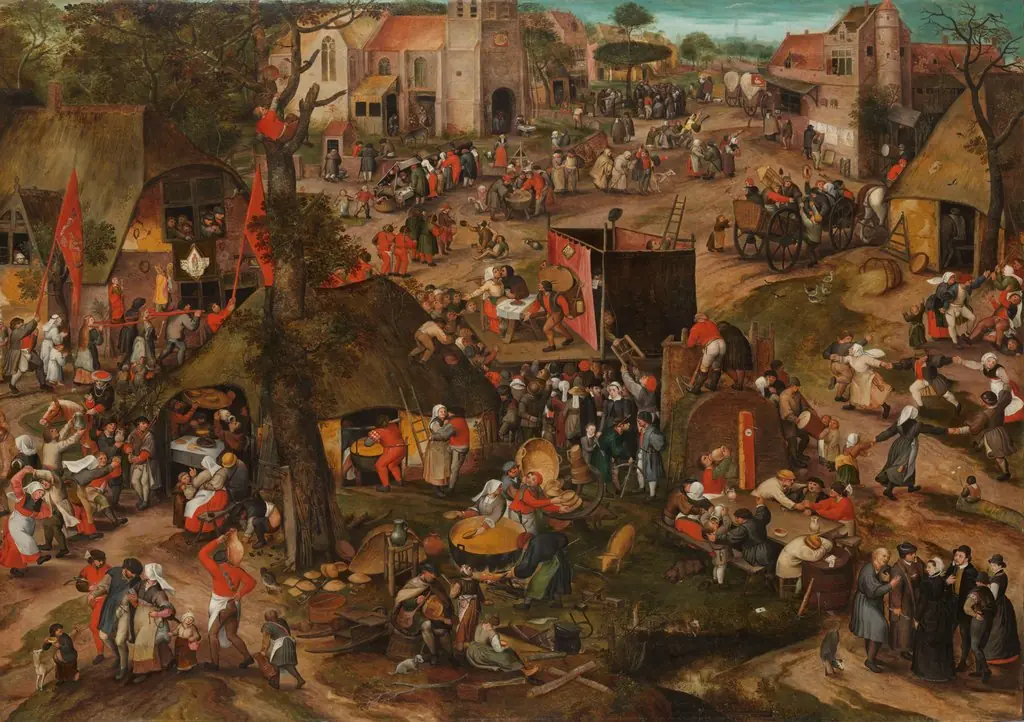 A Performance of the Farce 'Een Cluyte van Plaeyerwater' (A Clod from Plaeyerwater) at a Flemish Kermis
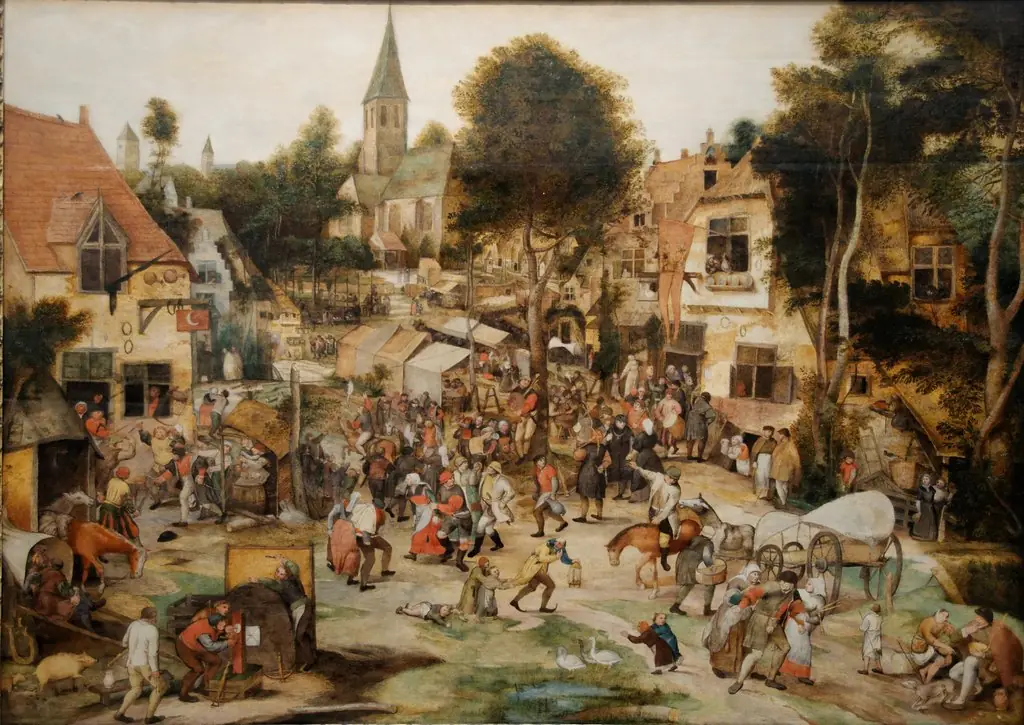 Kermis
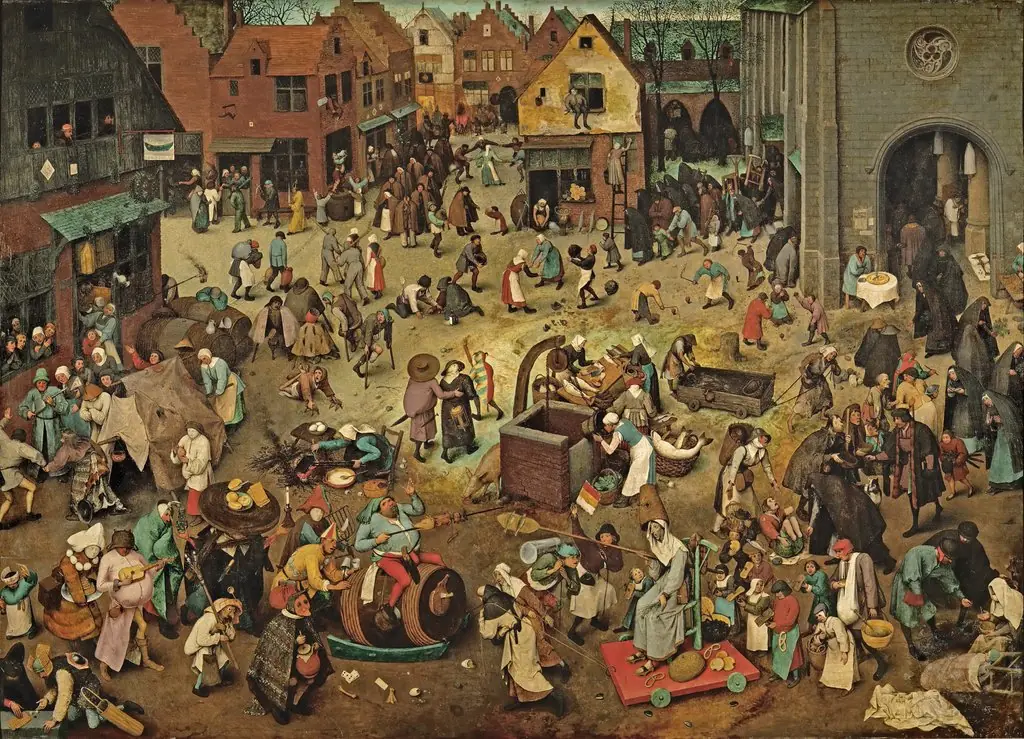 The Fight Between Carnival and Lent
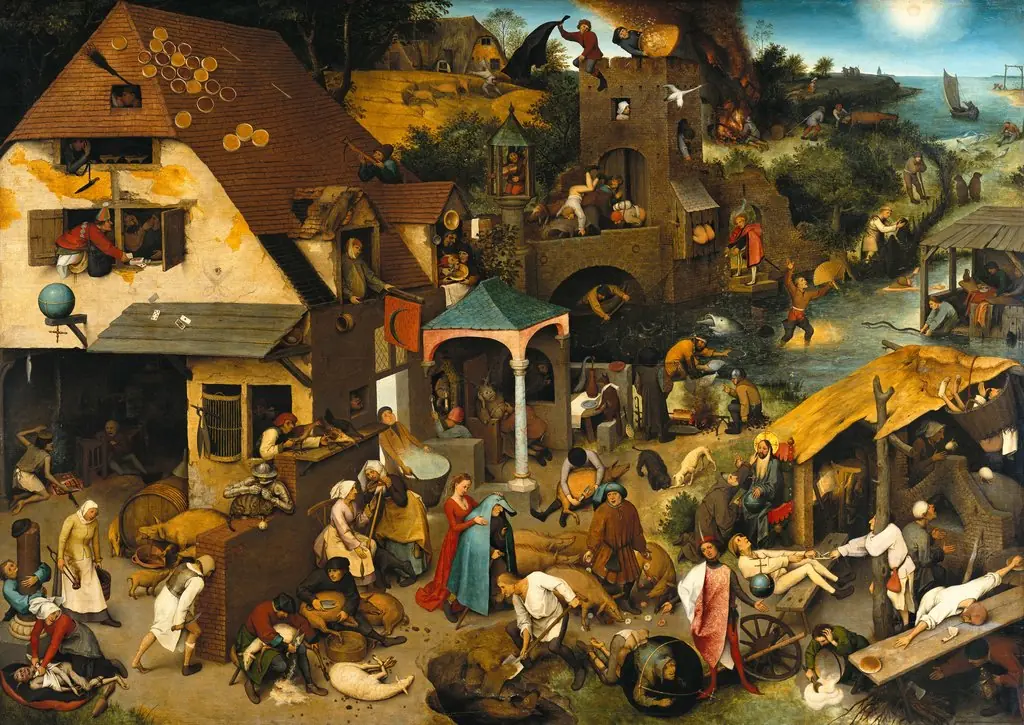 Netherlandish Proverbs
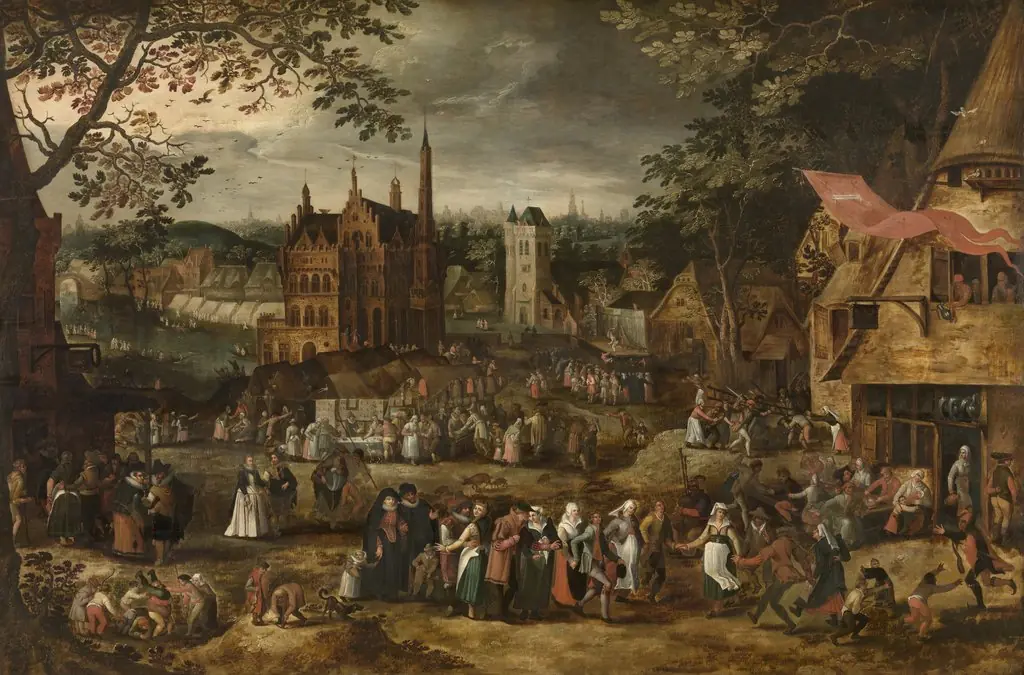 Village Fair
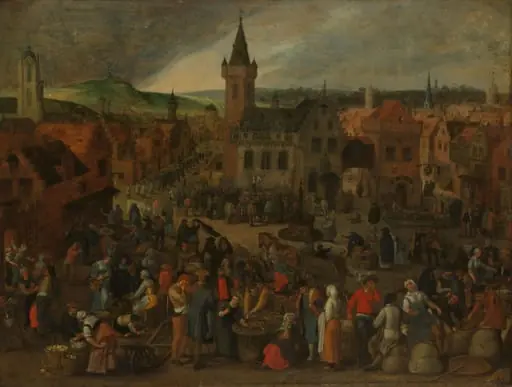 Market Day in a Flemish Town
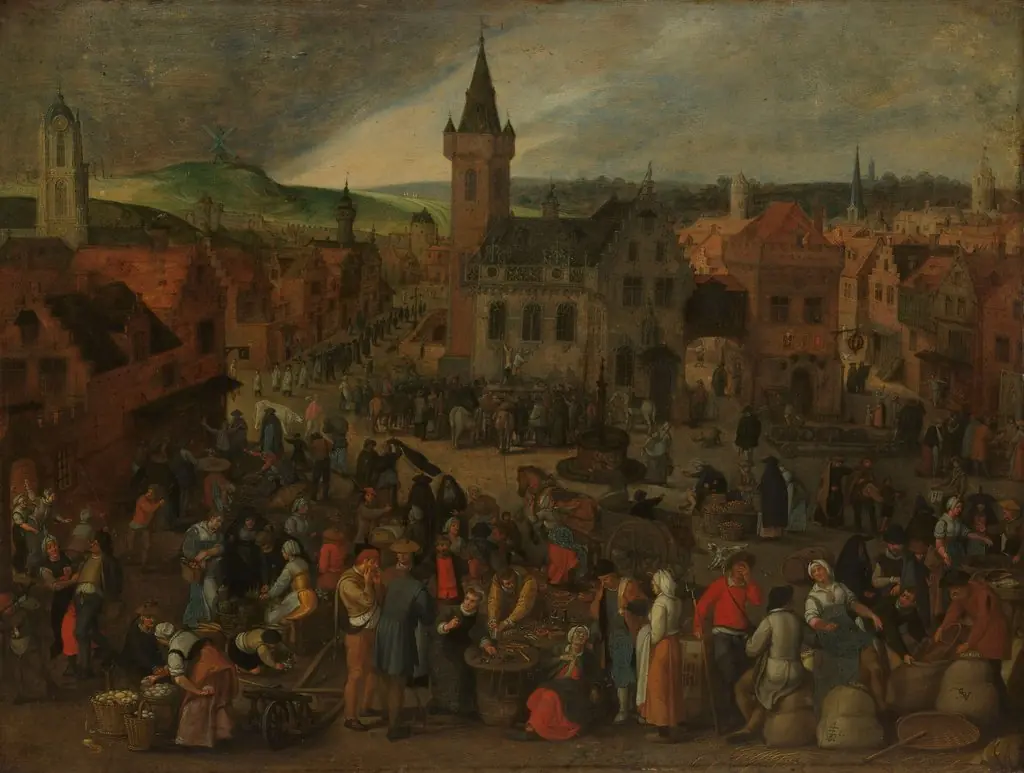 Market day in a Flemish town
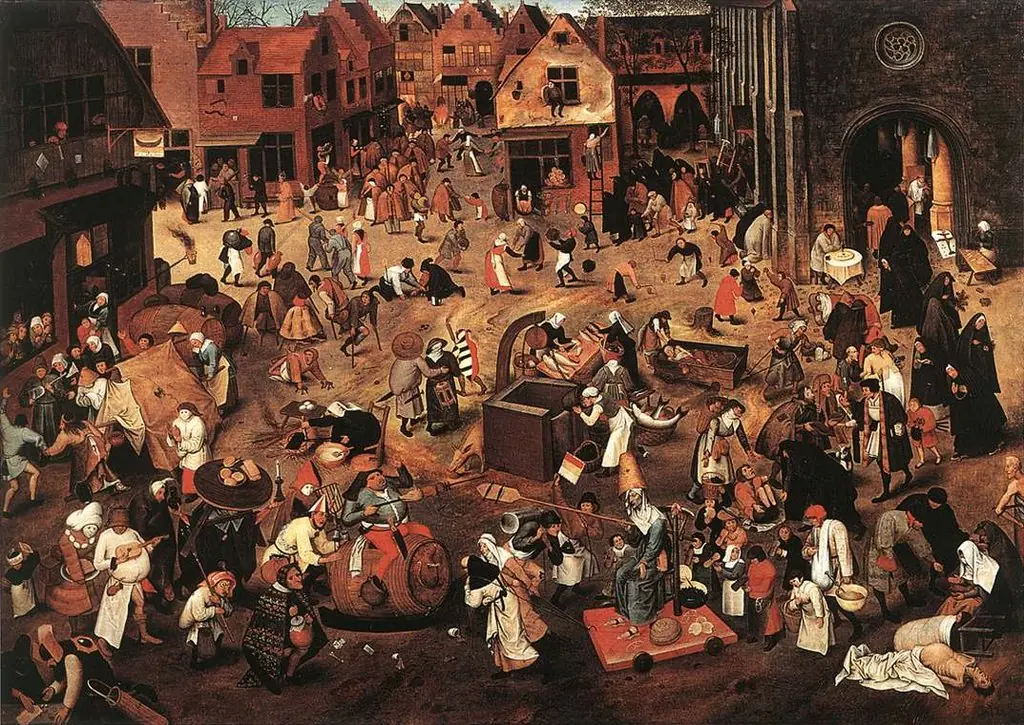 Battle of Carnival and Lent