Artwork
Kermis of Saint George
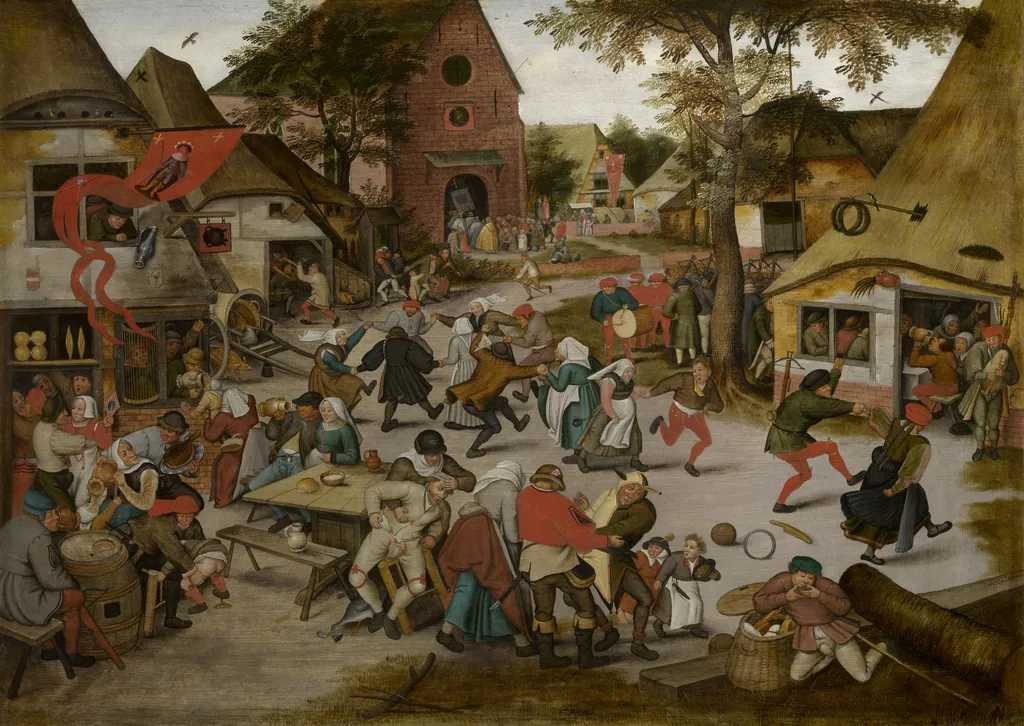
Kermis of Saint George is an oil painting by the Flemish Baroque painting artist Pieter Brueghel the Younger. It dates from 1627 and is held in the collection of the Royal Museum of Fine Arts Antwerp.
About this work
Overview
Its vibrant detail and crowded composition reflect the artist’s studio practice and his engagement with local customs during the early Baroque period.
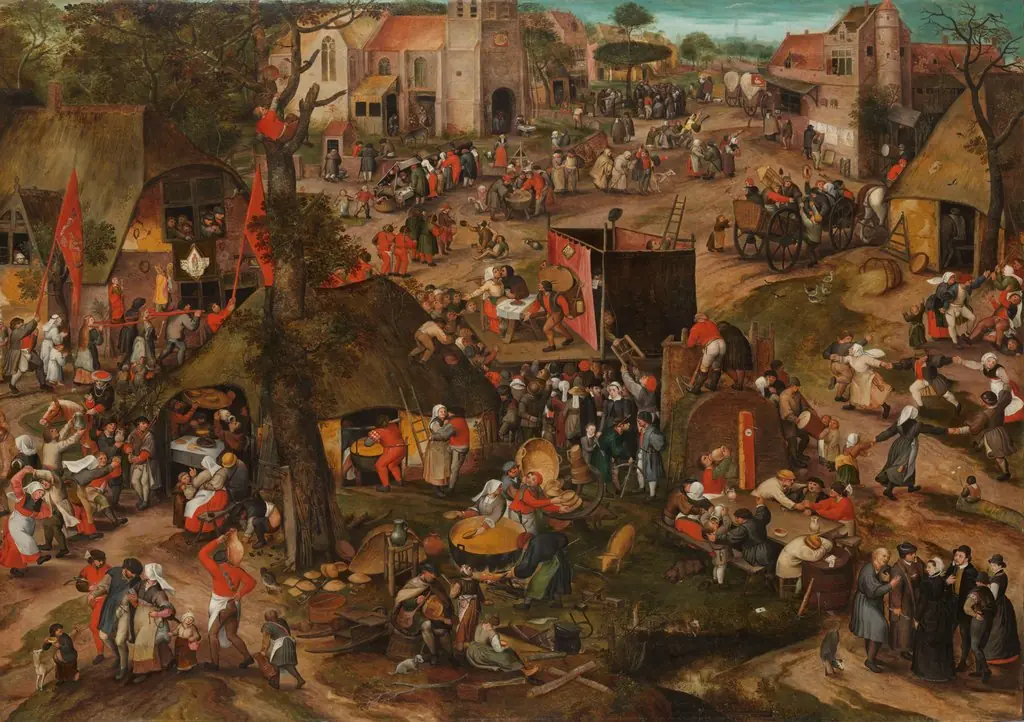
Painted in 1627 by Pieter Brueghel the Younger, this oil-on-panel work captures a village kermis, or parish festival, dedicated to Saint George. Though often associated with reproducing his father’s compositions, this piece is an original scene rooted in contemporary Flemish rural life. Its vibrant detail and crowded composition reflect the artist’s studio practice and his engagement with local customs during the early Baroque period.
Subject & Meaning
The painting portrays a communal celebration in a village square, with figures engaged in dancing, music-making, eating, and drinking. A man atop a table waving a red flag may signal the festival’s ceremonial core, possibly tied to Saint George’s feast day. The gathering of all ages and social types suggests a moment of collective joy, reinforcing the kermis as a social anchor in rural Flemish life rather than a purely religious observance.
Technique & Style
Brueghel employed fine brushwork to render intricate costumes, architectural details, and expressive gestures across a bustling scene. The palette is rich but grounded in earth tones, with accents of red and blue drawing attention to key figures. His composition layers depth through receding architecture and diagonal pathways, guiding the viewer’s eye through the activity while maintaining a sense of orderly chaos typical of Flemish genre painting.
History & Provenance
The painting has remained in institutional hands since at least the 19th century and is now part of the Royal Museum of Fine Arts Antwerp’s collection. Its survival reflects its recognition as a representative example of Brueghel the Younger’s output. Unlike many of his father’s works, this piece was not widely copied, suggesting it was valued early on as a distinct composition within the artist’s oeuvre.
Context
Flemish kermises in the early 17th century were annual events blending religious devotion with secular revelry, often held near parish churches. These festivals provided rare opportunities for rural communities to gather, trade, and celebrate. Brueghel’s depiction aligns with broader Northern European traditions of genre painting that elevated everyday life as worthy of artistic attention, even as political and religious tensions simmered across the region.
Legacy
While overshadowed by his father’s innovations, Pieter Brueghel the Younger’s works like this one preserved visual records of Flemish rural customs. His detailed scenes influenced later genre painters and remain valuable for understanding social life in the Spanish Netherlands. The painting continues to serve as a reference for historians studying community rituals and material culture in early modern Europe.
Own this work as a print
Artist & collection
Artist
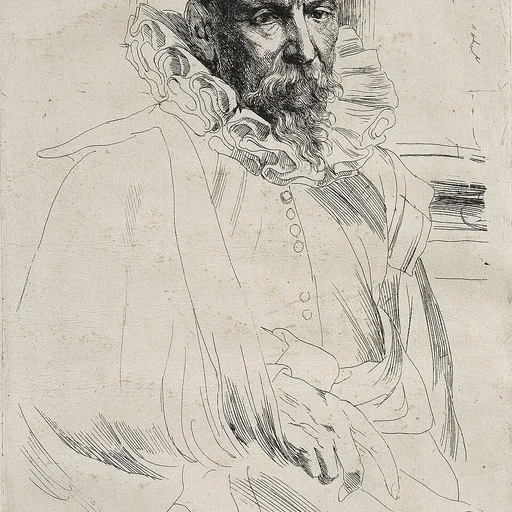
Pieter Brueghel the Younger ( BROY-gəl, also US: BROO-gəl; Dutch: ; between 23 May and 10 October 1564 – between March and May 1638) was a Flemish painter known for numerous copies after his father Pieter Bruegel the…

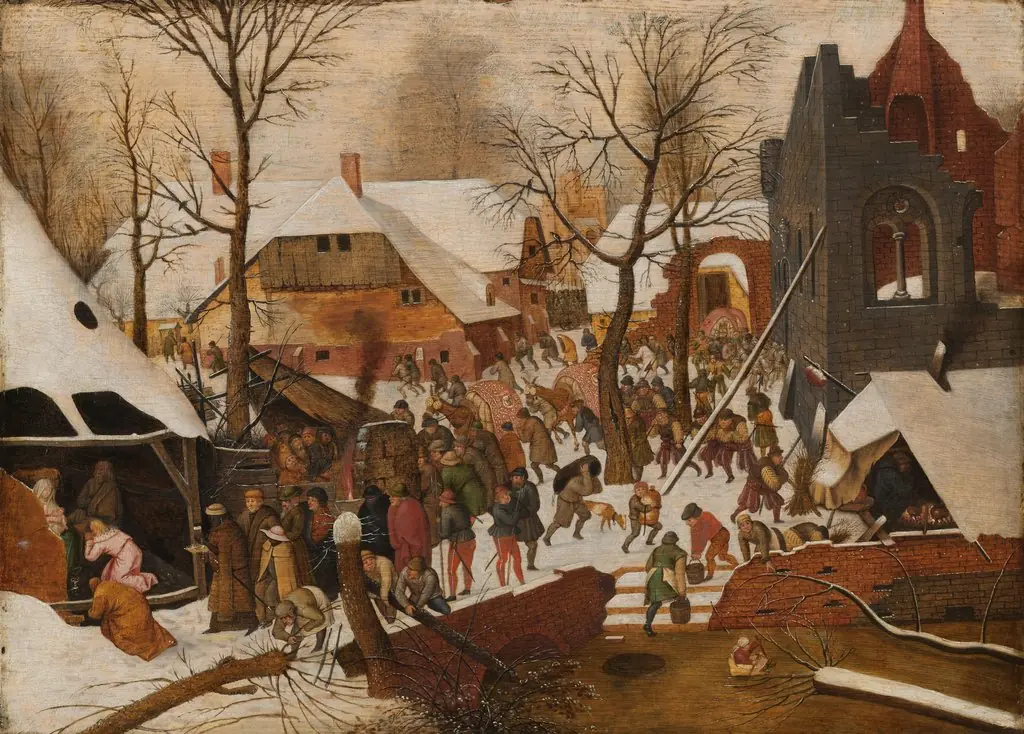 Adoration of the magi
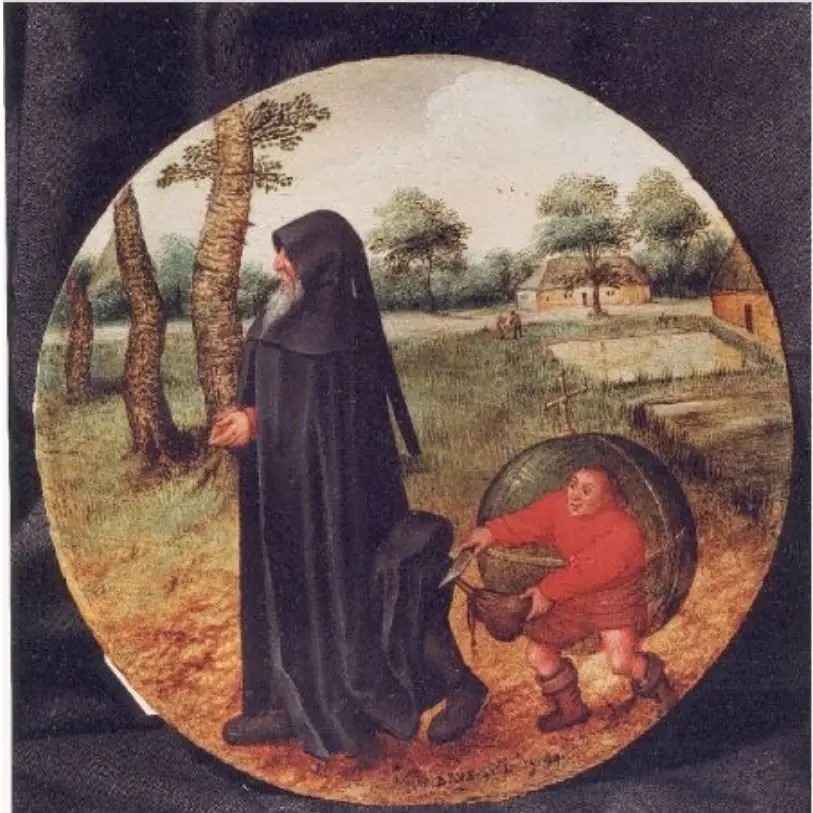 I Mourn because the World is so Untrustworthy
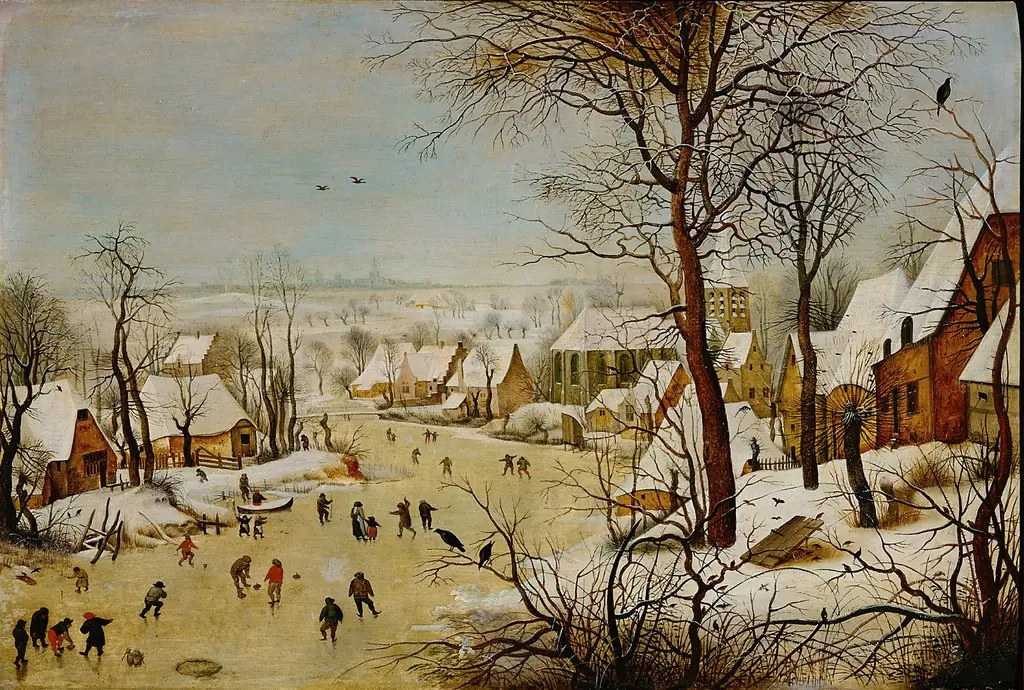 Winter Landscape with a Bird Trap
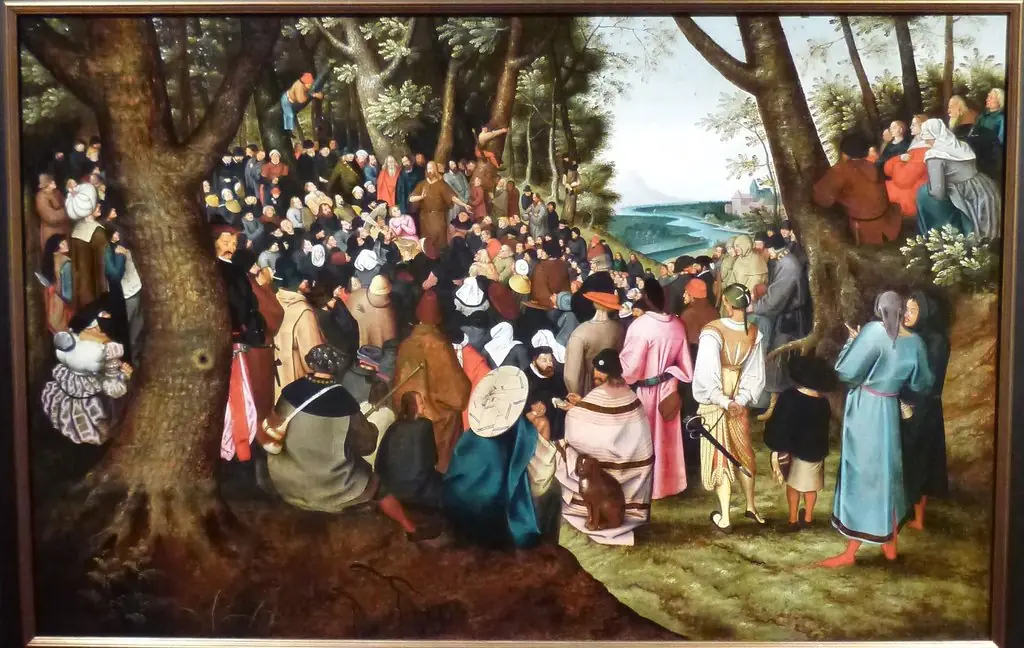 The Sermon of John the Baptist
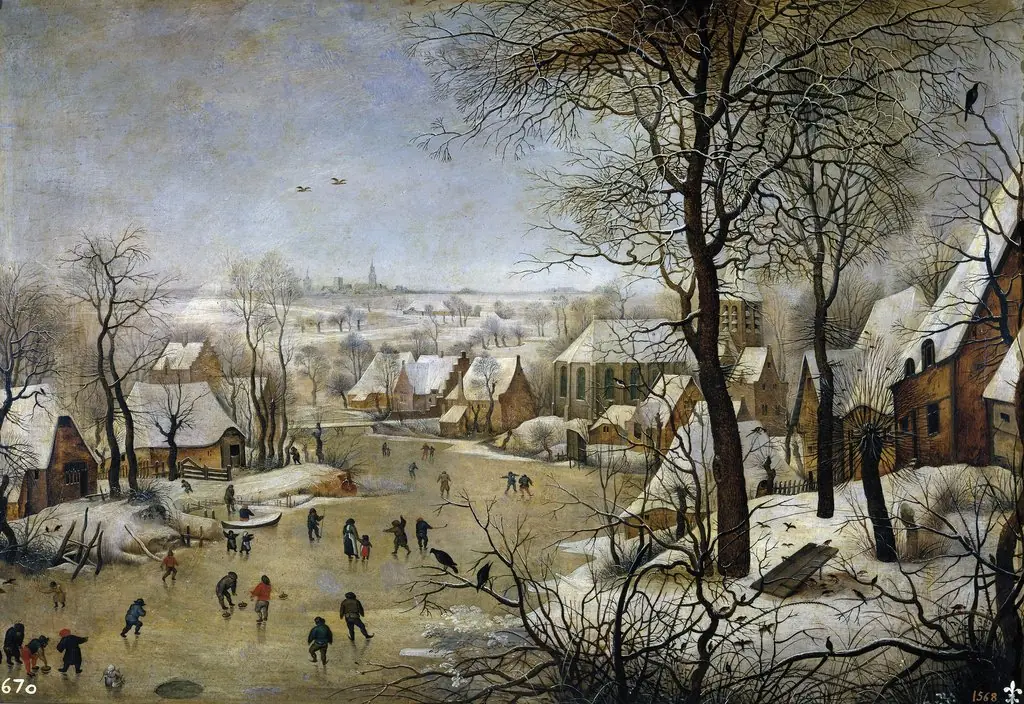 Winter Landscape with a Bird-trap
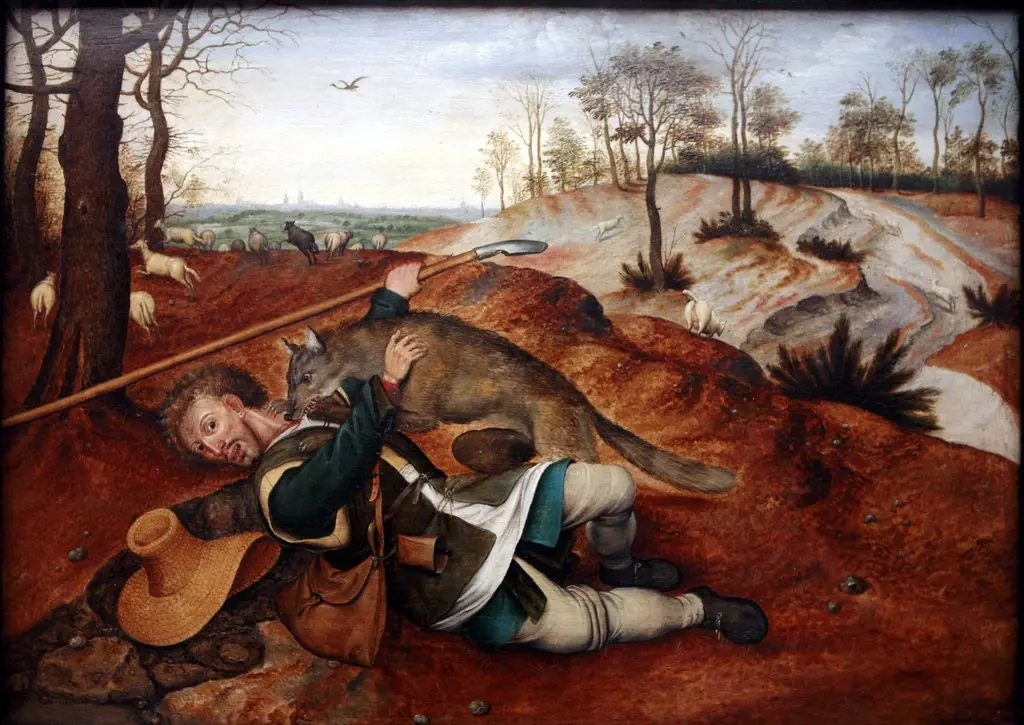 The Good Shepherd
 The Adoration of the Magi
 A Village Festival, With a Theatrical Performance and a Procession in Honour of St Hubert and St Anthony
 A Performance of the Farce 'Een Cluyte van Plaeyerwater' (A Clod from Plaeyerwater) at a Flemish Kermis
 A Flemish Kermis with a Performance of the Farce ‘Een cluyte van Plaeyerwater’
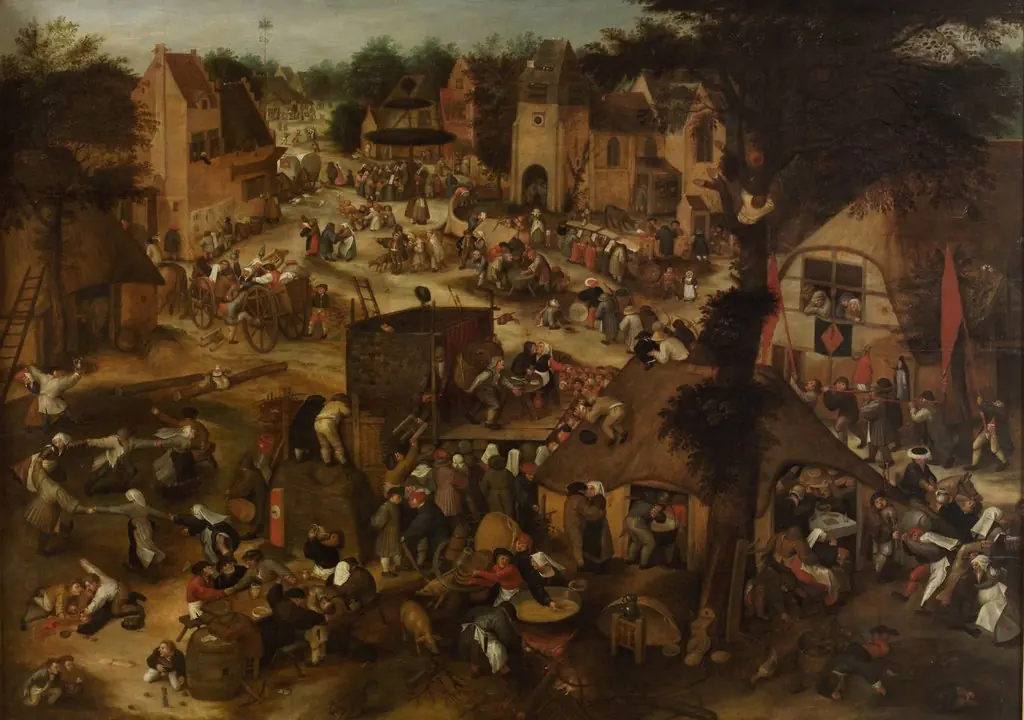 Performance of the farce 'Een Cluyte van Plaeyerwater' (A Clod from Plaeyerwater) at a Flemish Kermis
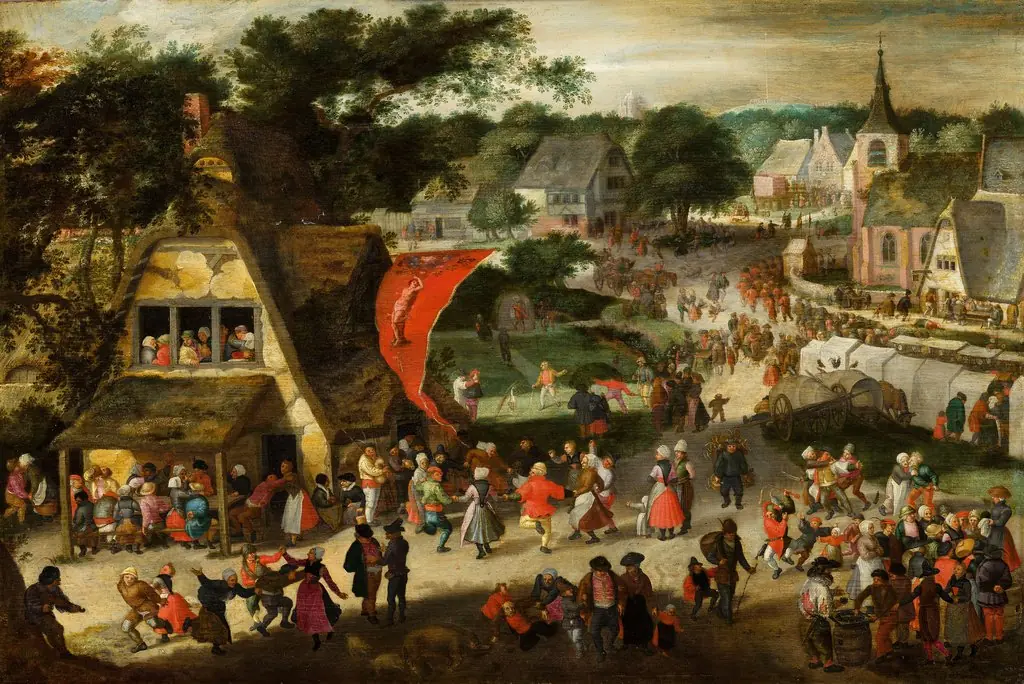 St. Sebastian fair in a Flemish village
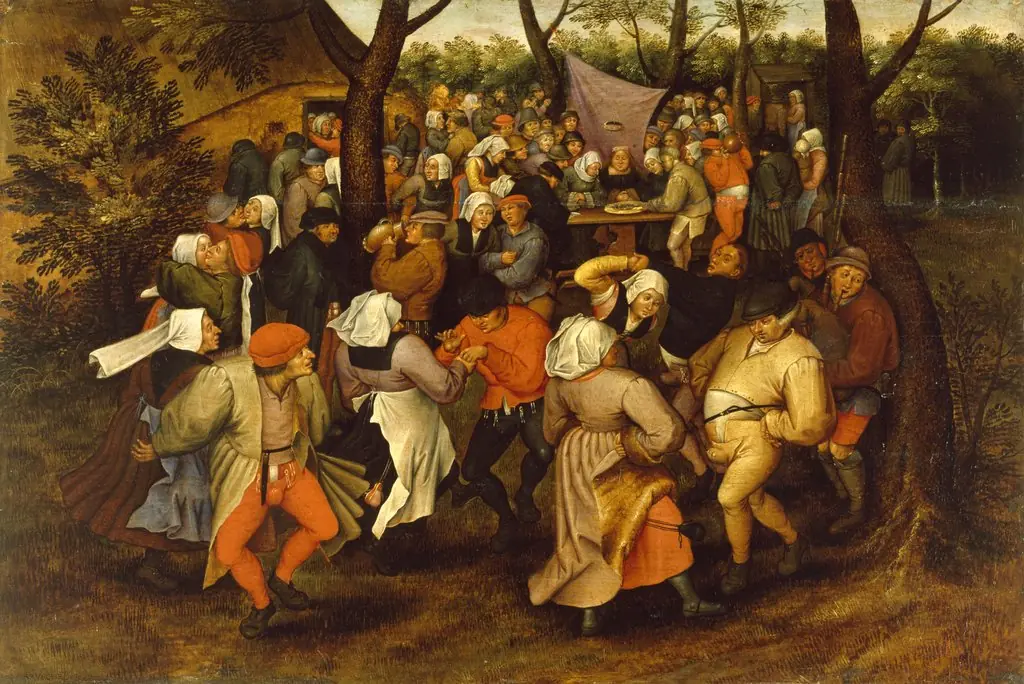 Peasant Wedding Dance
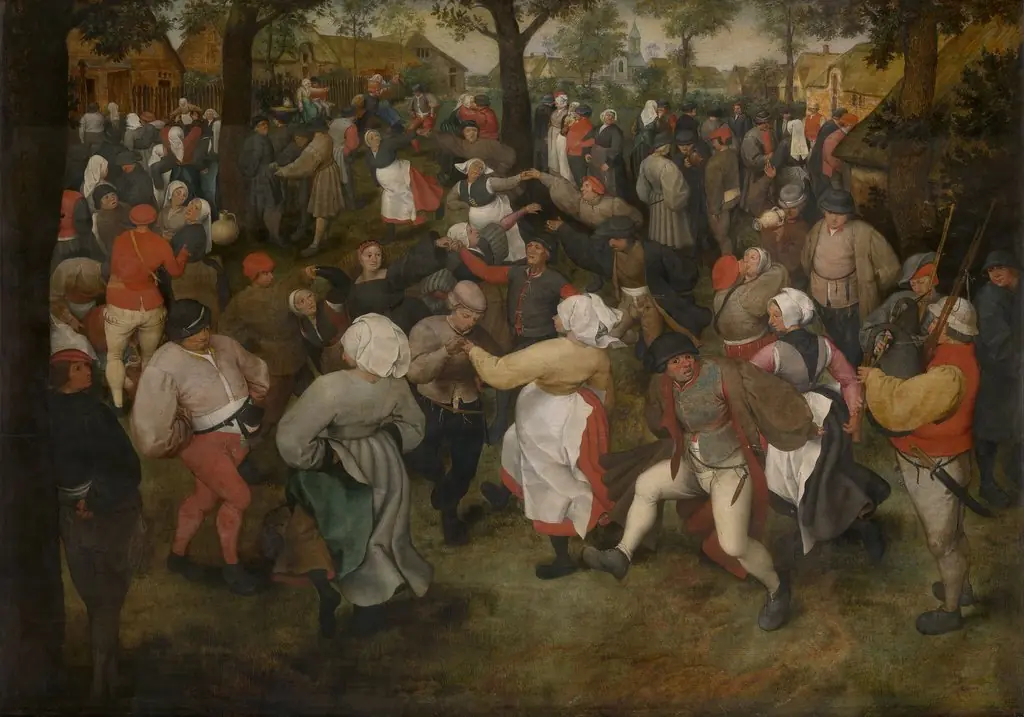 The Dance of the Bride
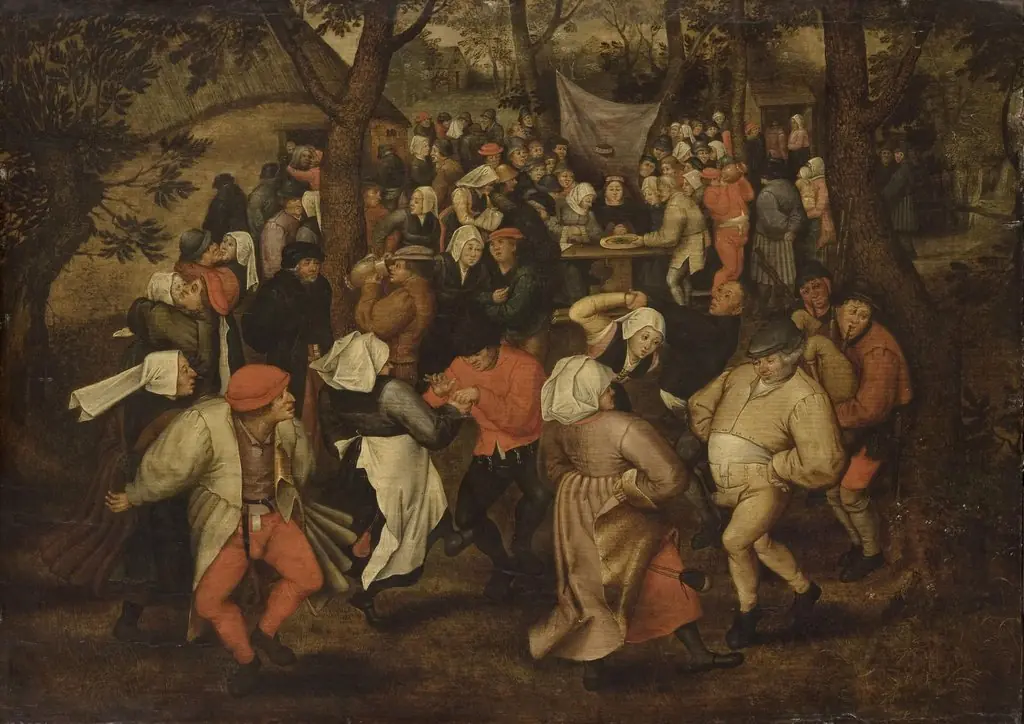 Wedding Dance in the Open Air
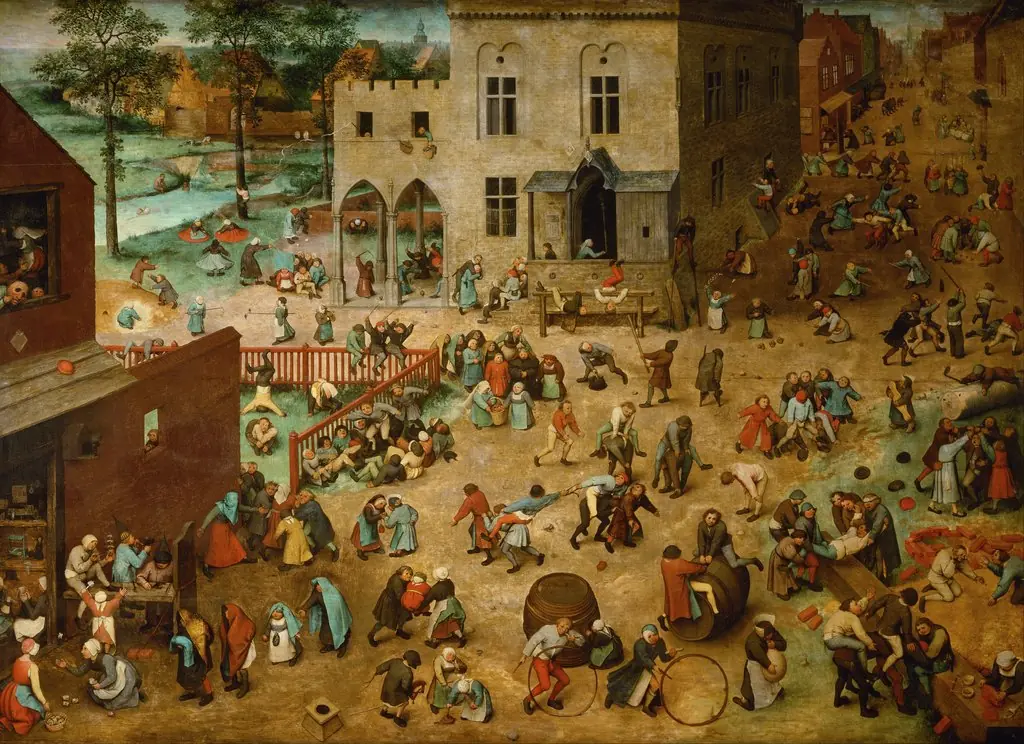 Children's Games
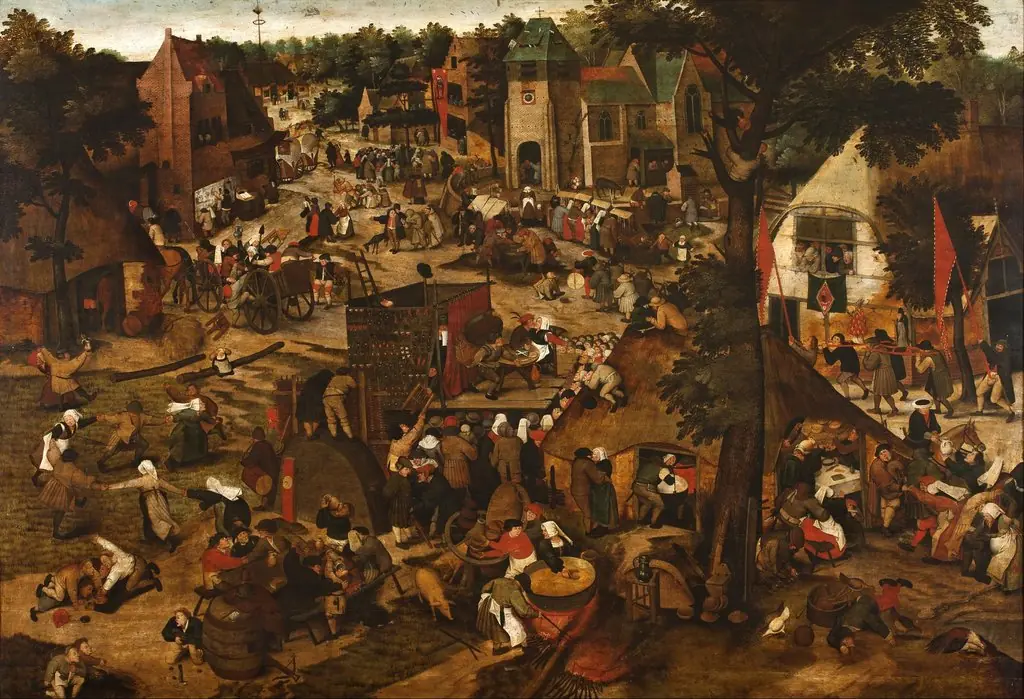 Fair with a Theatrical Presentation
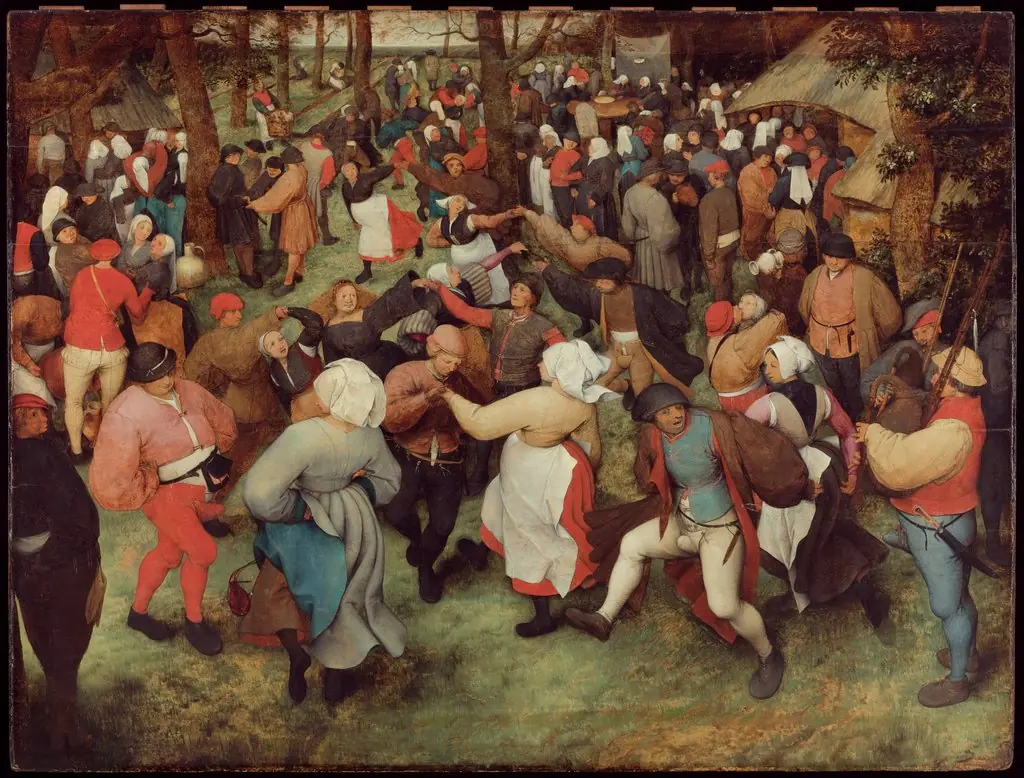 The Wedding Dance
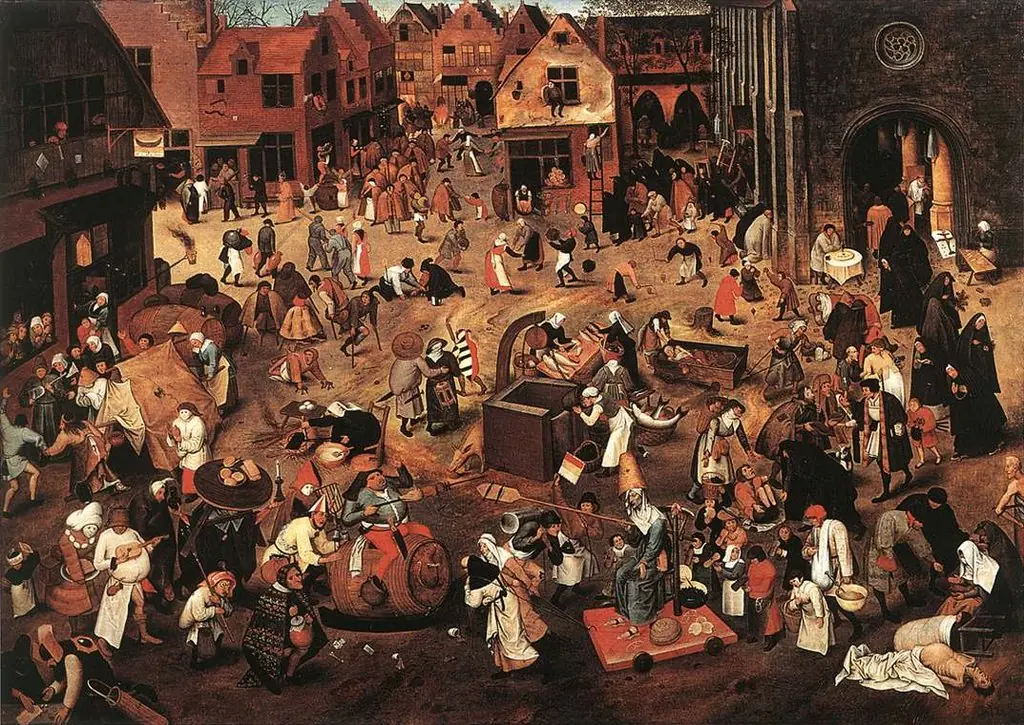 Battle of Carnival and Lent
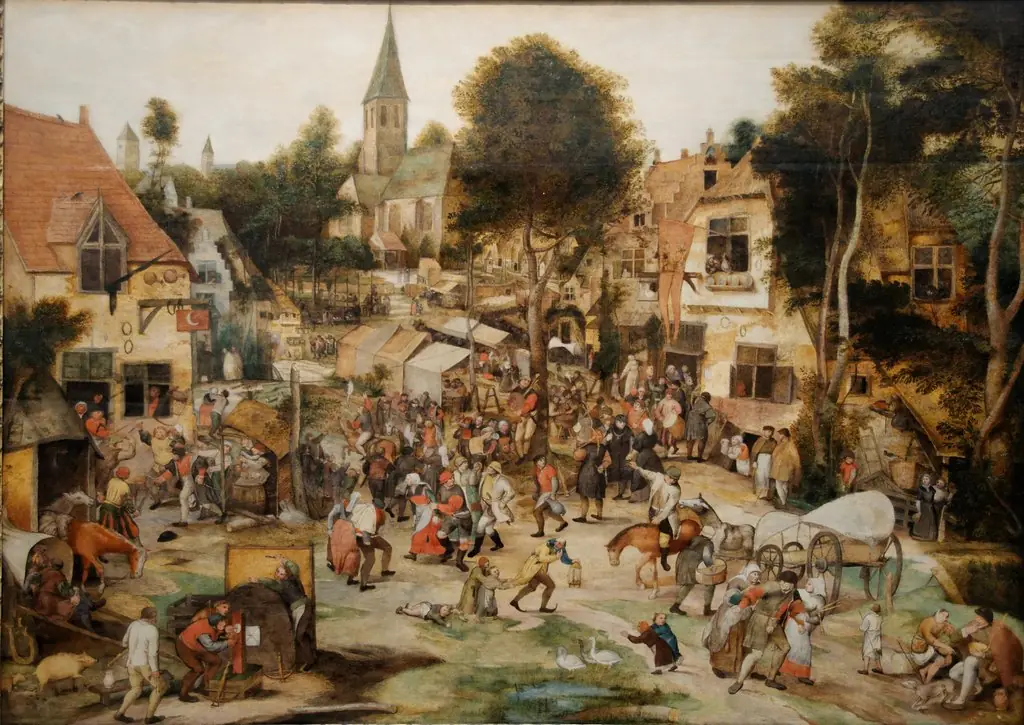 Kermis