Artwork
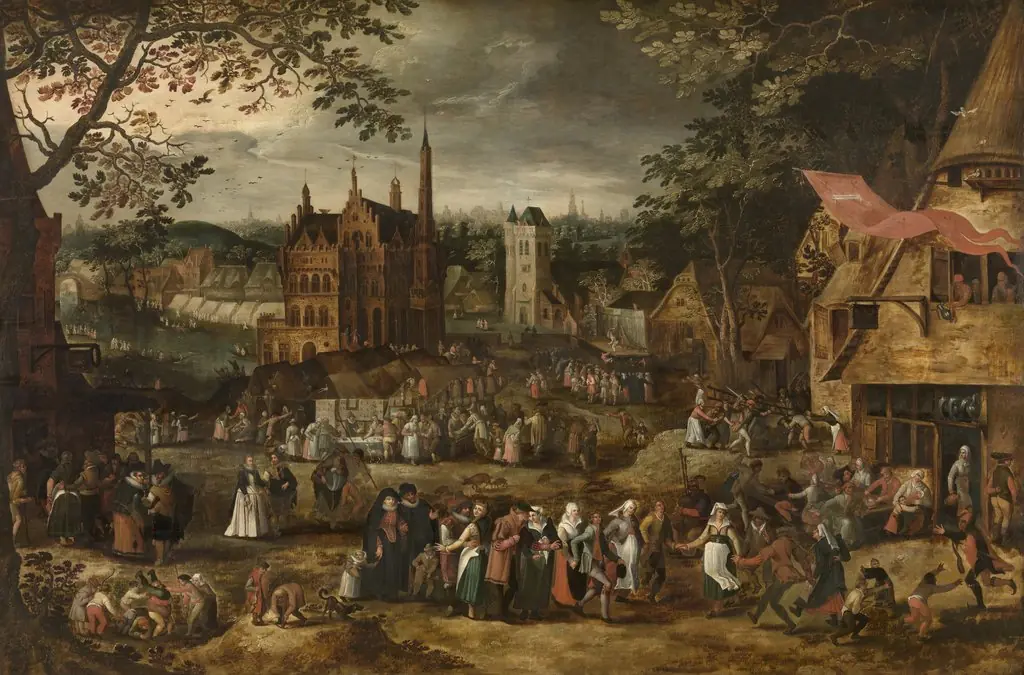
a flemish wake
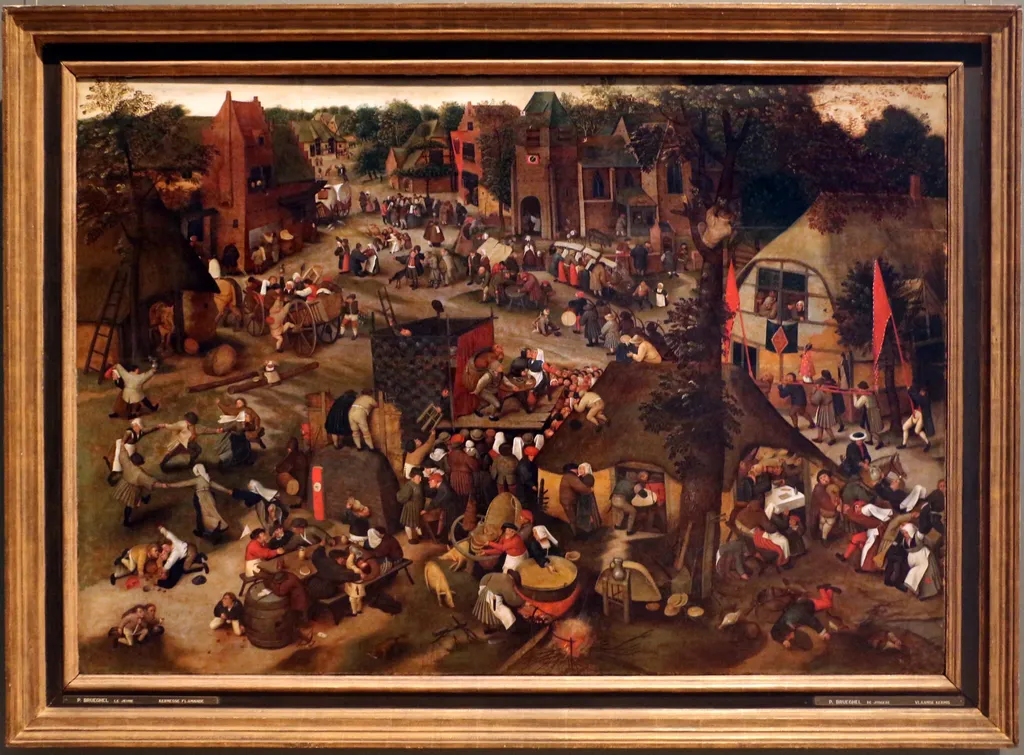
a flemish wake is an oil painting by the Flemish Baroque painting artist Pieter Brueghel the Younger. It dates from 1610 and is held in the collection of the Royal Museums of Fine Arts of Belgium.
About this work
Overview
The piece belongs to a large body of genre scenes produced in his studio, which supplied both domestic and international markets.
Painted around 1610, *A Flemish Wake* is an oil-on-panel work by Pieter Brueghel the Younger, a prolific Flemish artist known for reproducing and adapting his father’s compositions. The piece belongs to a large body of genre scenes produced in his studio, which supplied both domestic and international markets. It captures a communal event in rural Flanders, rendered with attention to social detail and atmospheric depth.
Subject & Meaning
The painting portrays a gathering likely associated with a wake, a traditional Flemish ritual honoring the deceased. Figures are arranged around a central tree, engaging in music, dance, and conversation. While the scene appears lively, its context suggests a blend of mourning and communal solidarity. The depiction reflects 17th-century Flemish interest in moral narratives embedded within everyday life, balancing solemnity with human activity.
Technique & Style
Brueghel employs a controlled palette, contrasting vivid reds and blues in clothing against the subdued earth tones of the landscape and architecture. This chromatic strategy directs the viewer’s eye through the crowd, enhancing the sense of movement. Figures are rendered with precise, if somewhat formulaic, detail, characteristic of his studio’s production methods. The composition uses layered depth, with receding buildings and trees to anchor the scene in a believable rural setting.
History & Provenance
The painting has remained within institutional collections since at least the 19th century and is now held by the Royal Museums of Fine Arts of Belgium. It is one of many works attributed to Brueghel’s workshop, which operated on an industrial scale, producing copies and variations of his father’s themes. Its survival and preservation reflect its recognition as a representative example of early 17th-century Flemish genre painting.
Context
In early 17th-century Flanders, genre scenes depicting rural life gained popularity amid religious and political upheaval. Artists like Brueghel the Younger catered to a growing middle-class audience seeking relatable imagery. While his father had infused such scenes with allegory and social critique, the son’s versions often emphasized visual appeal and narrative clarity, aligning with market demands for accessible, decorative art.
Legacy
Brueghel the Younger’s output helped sustain interest in his father’s visual language well into the Baroque period. Though his individual style is less innovative, his prolific production preserved and disseminated Flemish genre traditions. *A Flemish Wake* stands as a testament to the commercial and cultural continuity of Netherlandish painting, bridging the legacy of the Elder with the tastes of a new generation.
Artist & collection
Artist
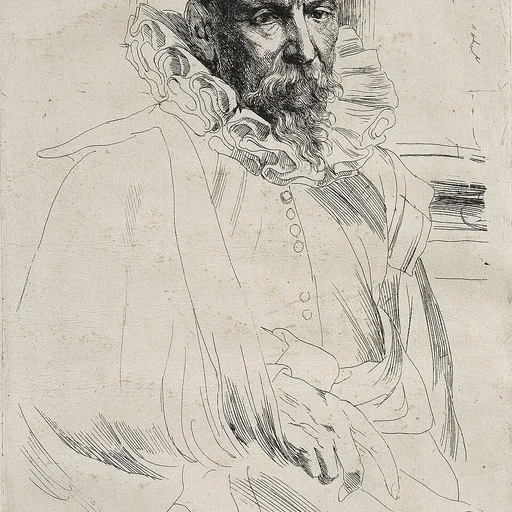
Pieter Brueghel the Younger ( BROY-gəl, also US: BROO-gəl; Dutch: ; between 23 May and 10 October 1564 – between March and May 1638) was a Flemish painter known for numerous copies after his father Pieter Bruegel the…

Museum
Royal Museums of Fine Arts of Belgium
Continue through works from the same source collection.
 Adoration of the magi
 I Mourn because the World is so Untrustworthy
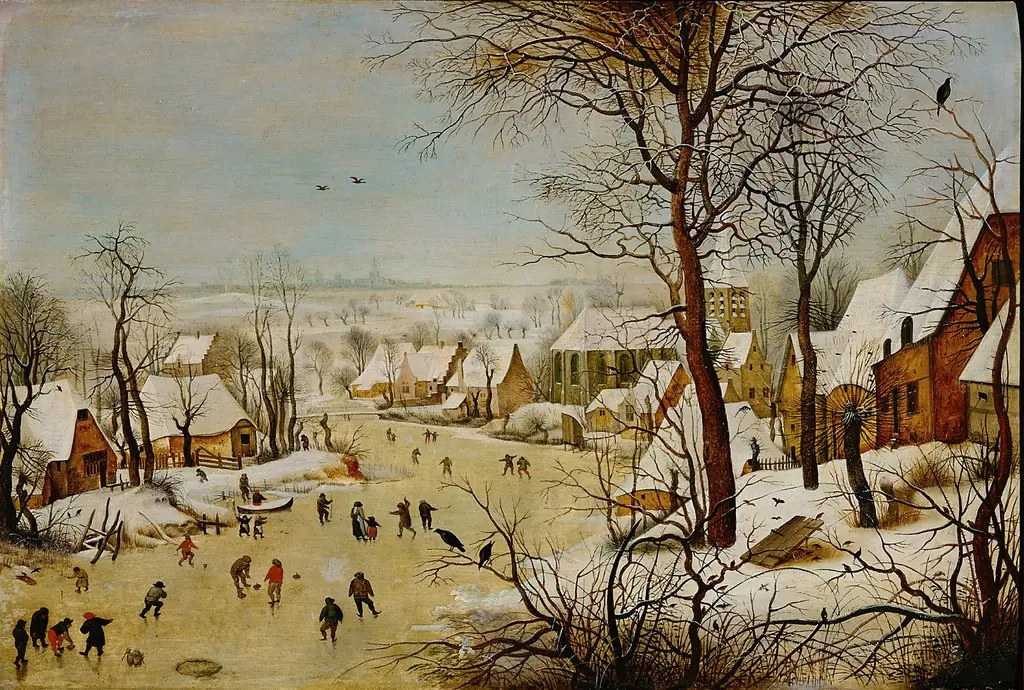 Winter Landscape with a Bird Trap
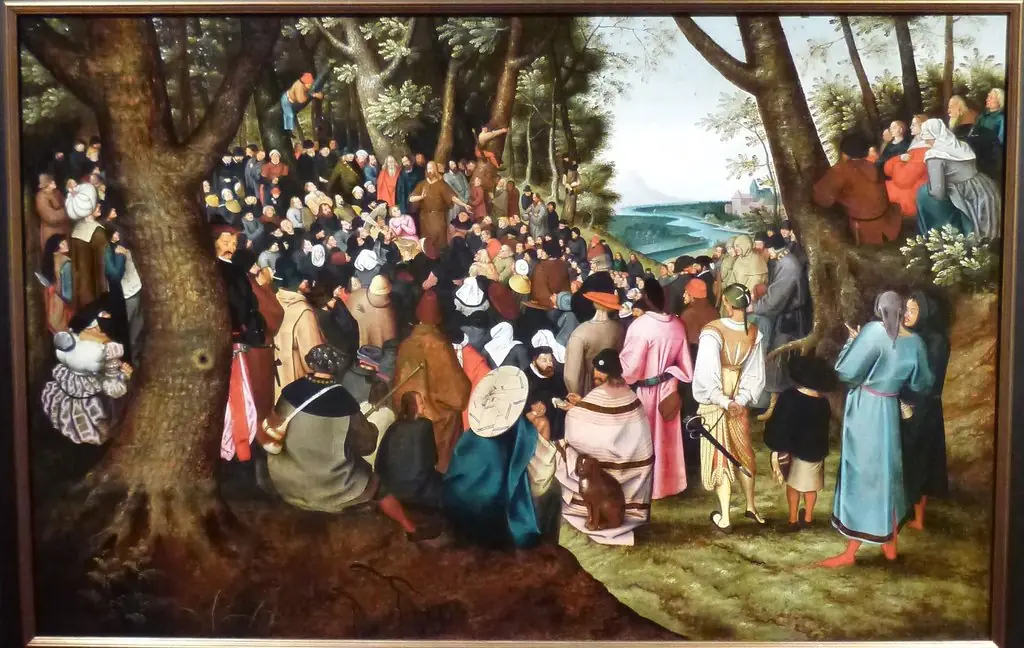 The Sermon of John the Baptist
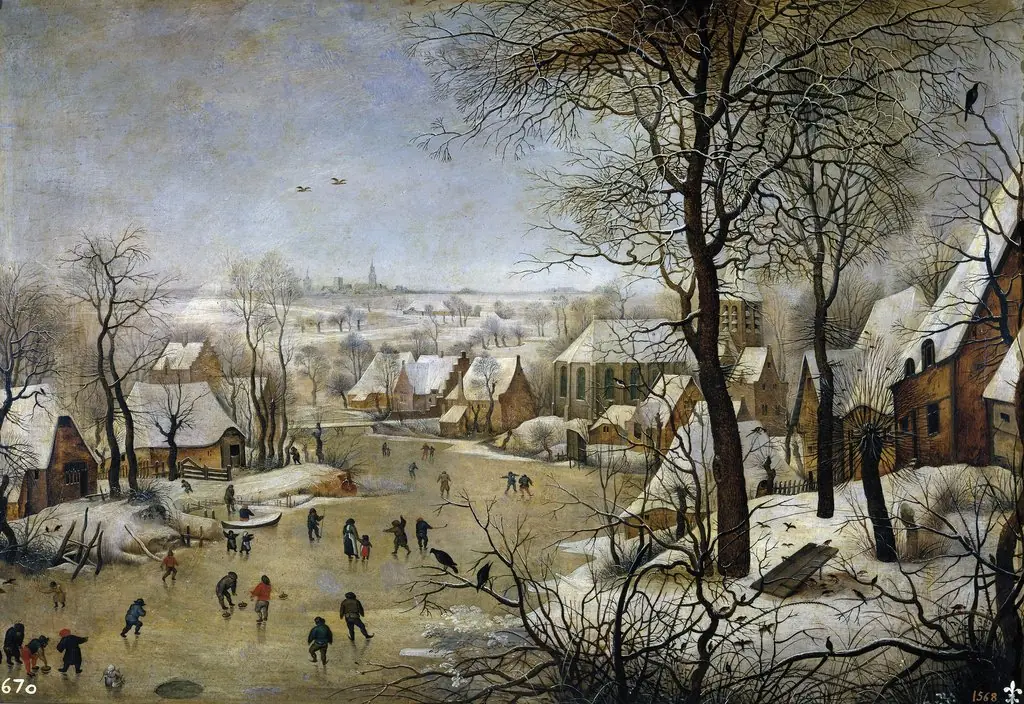 Winter Landscape with a Bird-trap
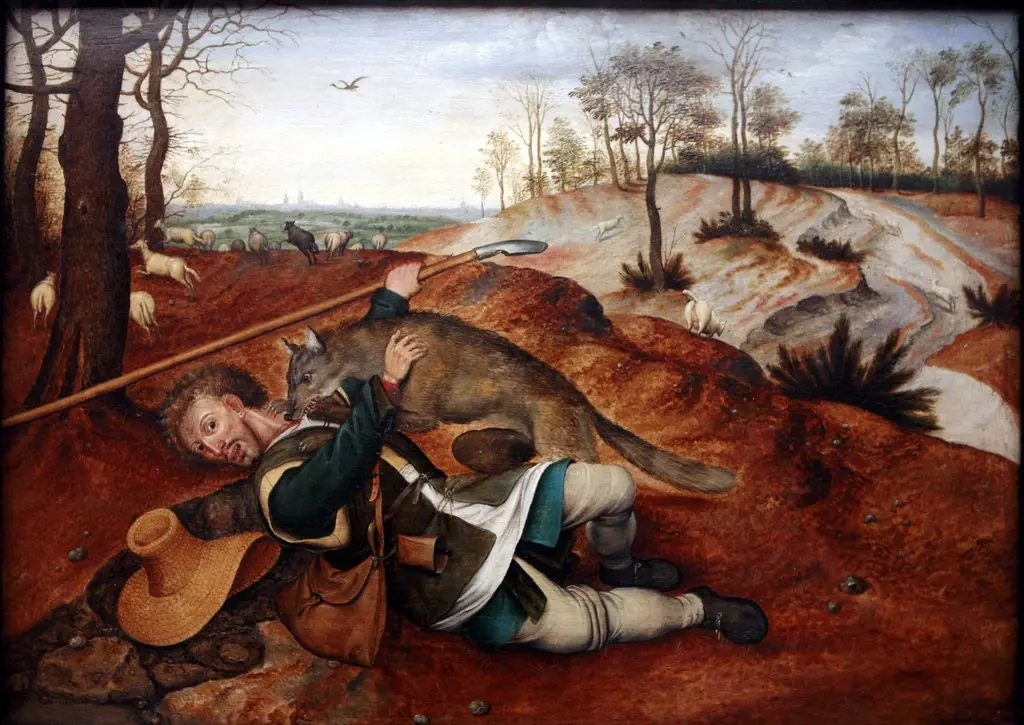 The Good Shepherd
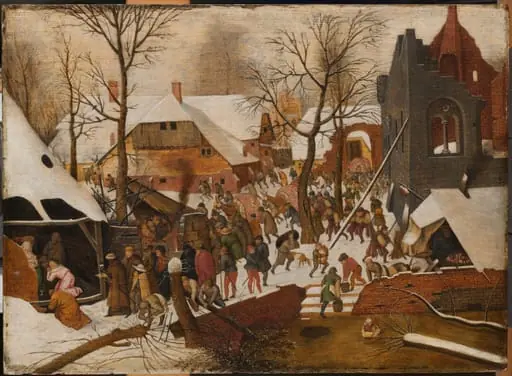 The Adoration of the Magi
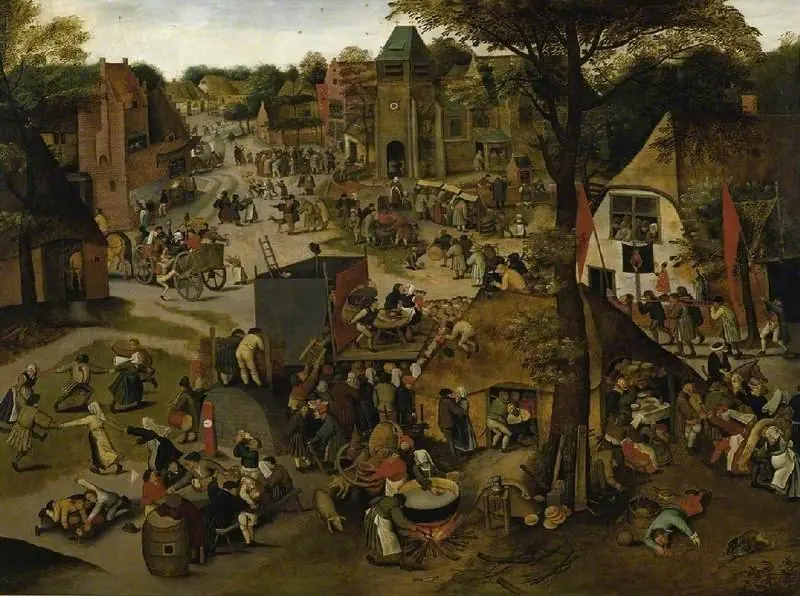 A Village Festival, With a Theatrical Performance and a Procession in Honour of St Hubert and St Anthony
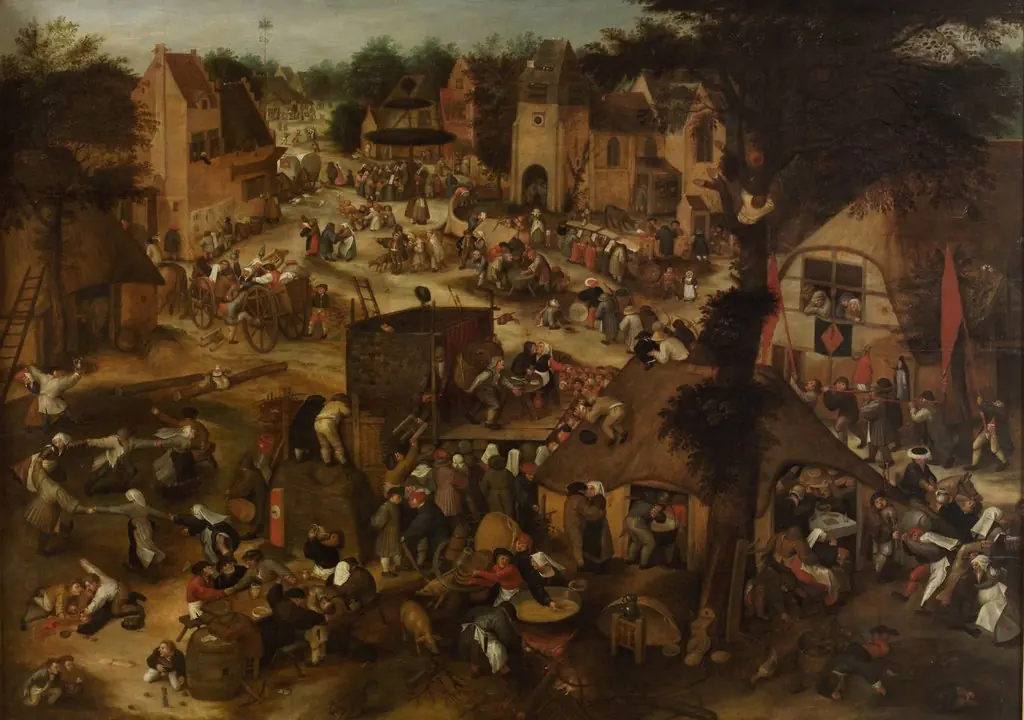 Performance of the farce 'Een Cluyte van Plaeyerwater' (A Clod from Plaeyerwater) at a Flemish Kermis
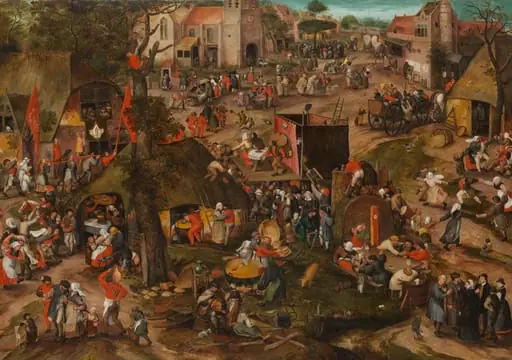 A Flemish Kermis with a Performance of the Farce ‘Een cluyte van Plaeyerwater’
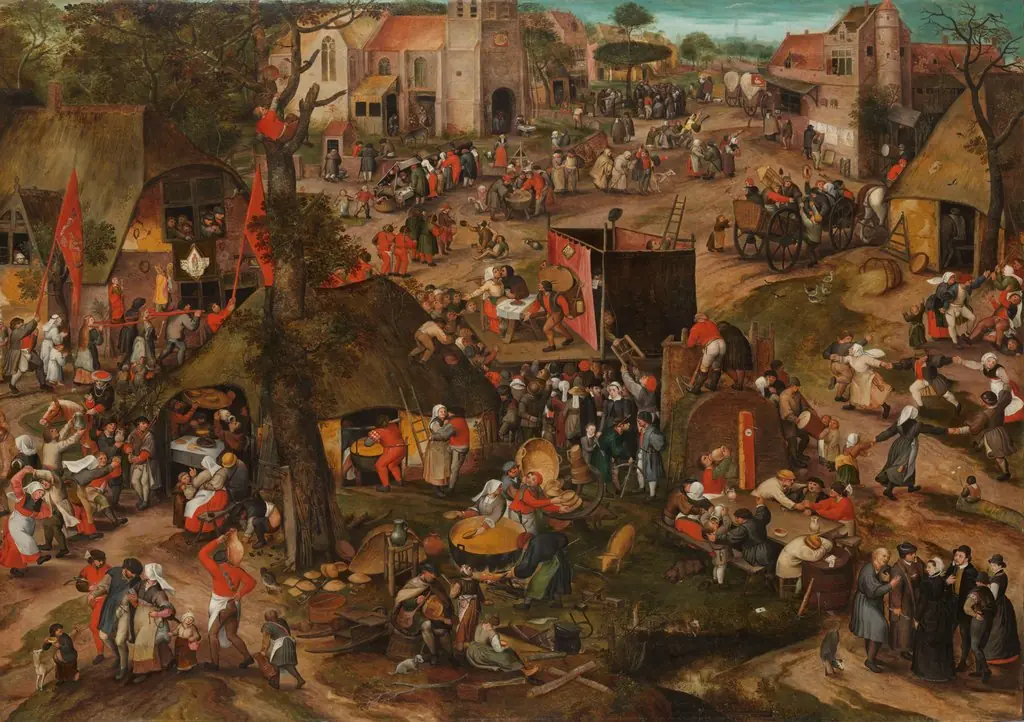 A Performance of the Farce 'Een Cluyte van Plaeyerwater' (A Clod from Plaeyerwater) at a Flemish Kermis
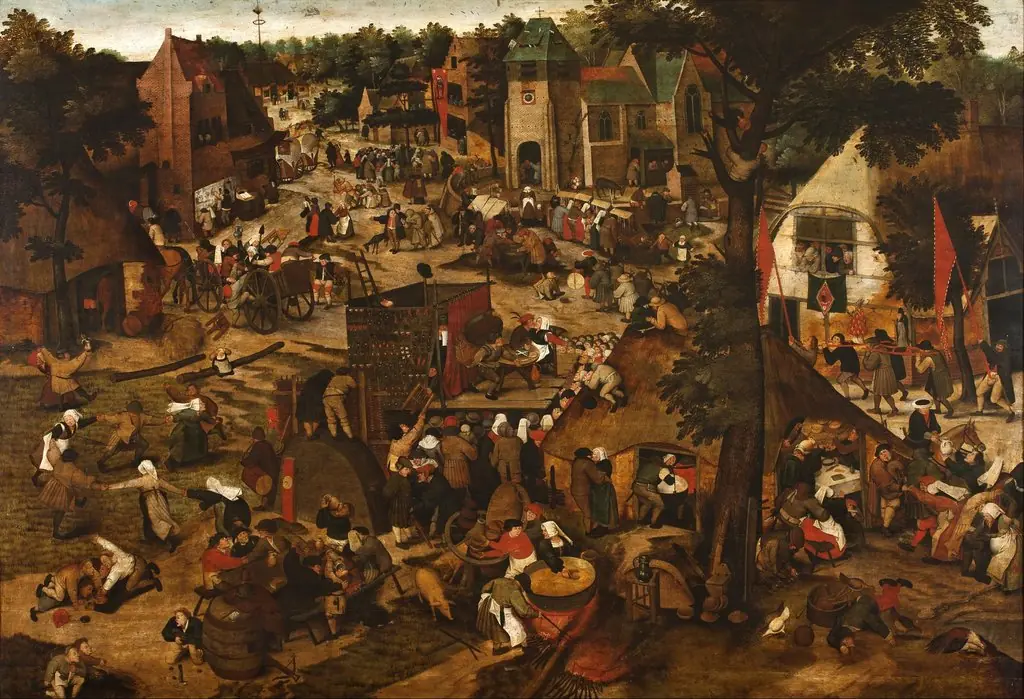 Fair with a Theatrical Presentation
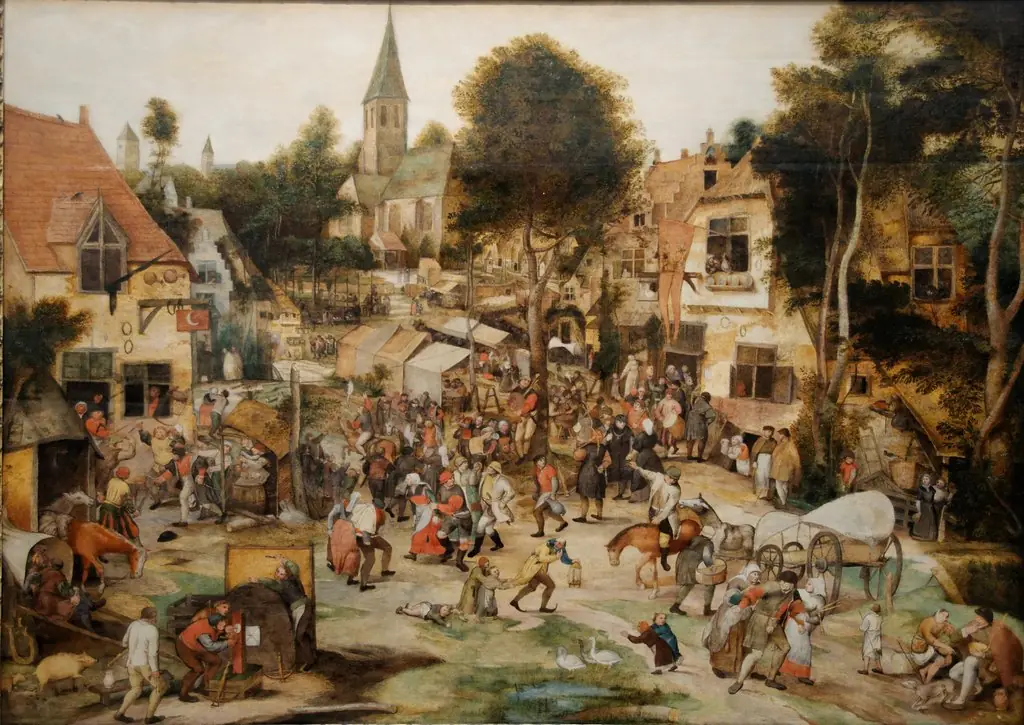 Kermis
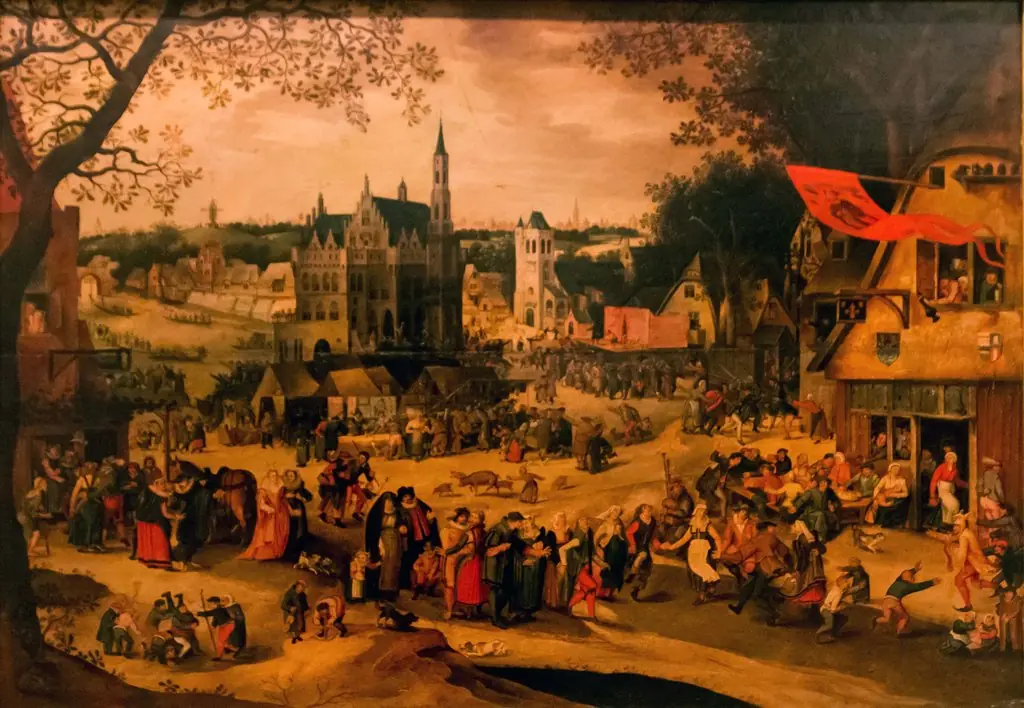 Quermesse de Audenaerde by David Vinckboons, Museu Nacional de Arte Antiga
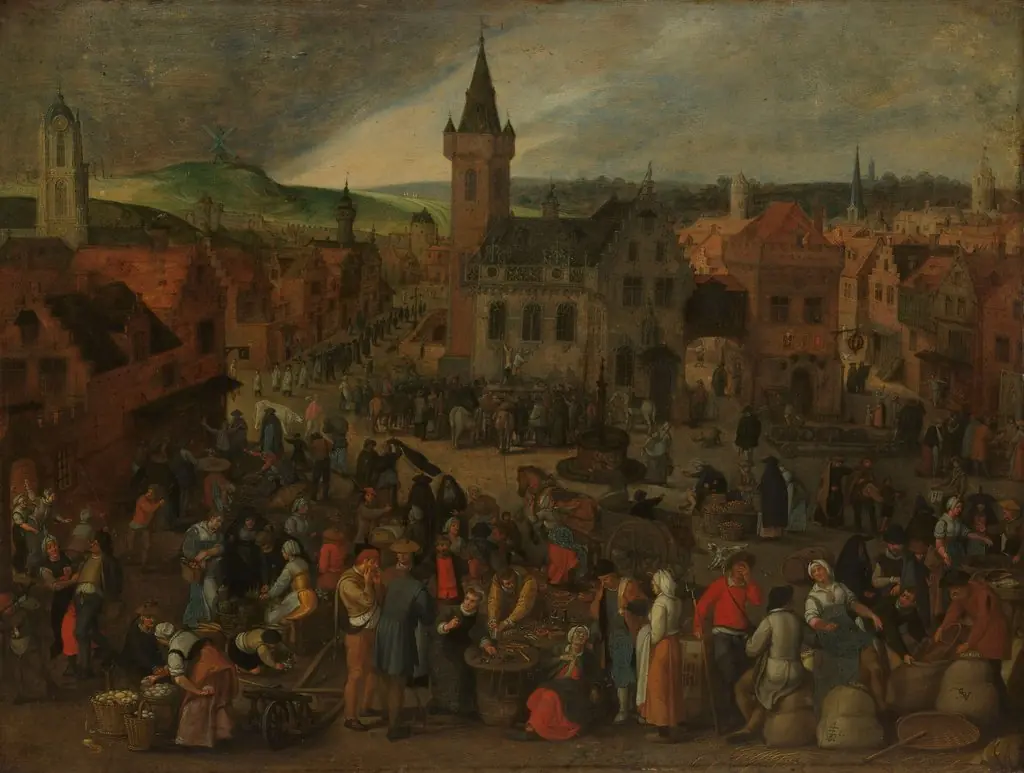 Market day in a Flemish town
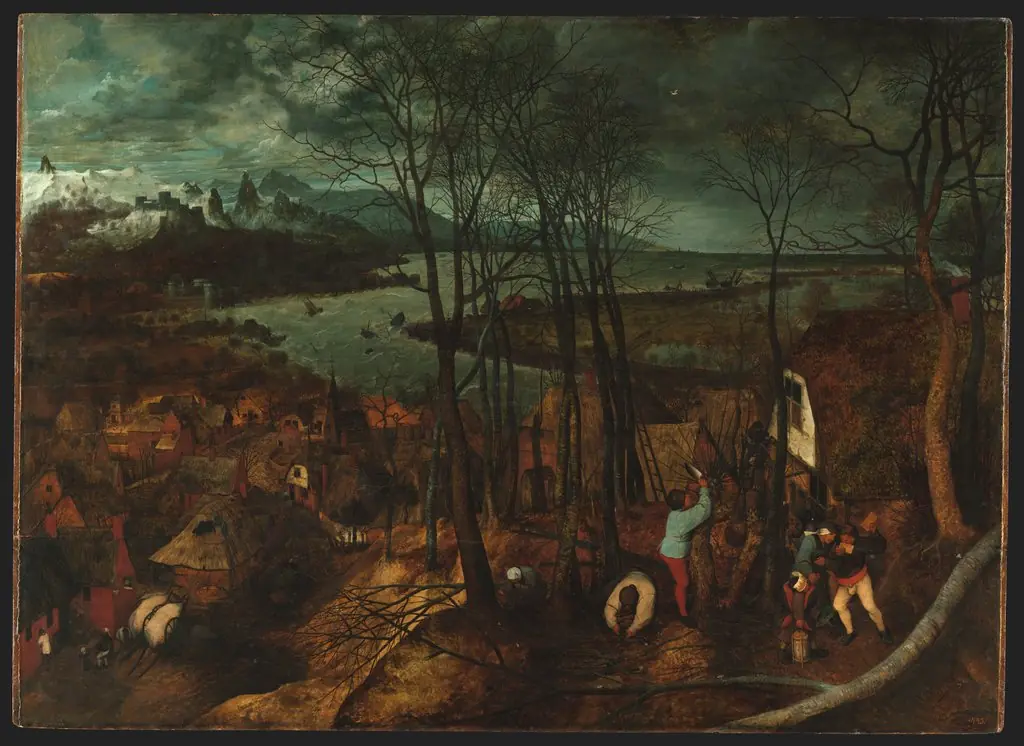 The Gloomy Day
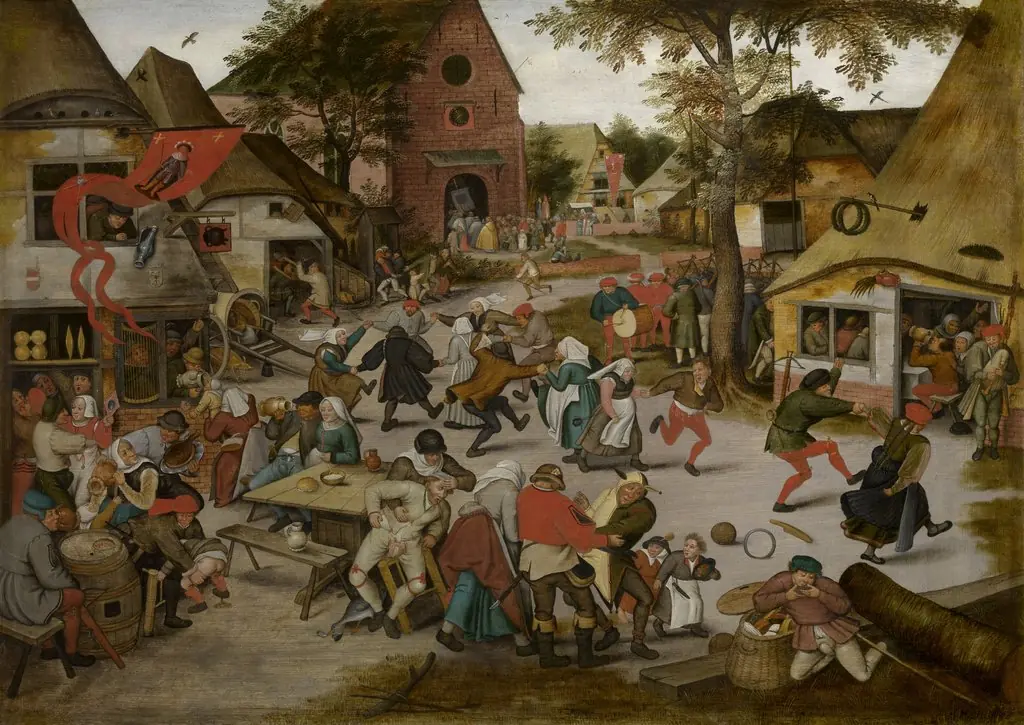 Kermis of Saint George
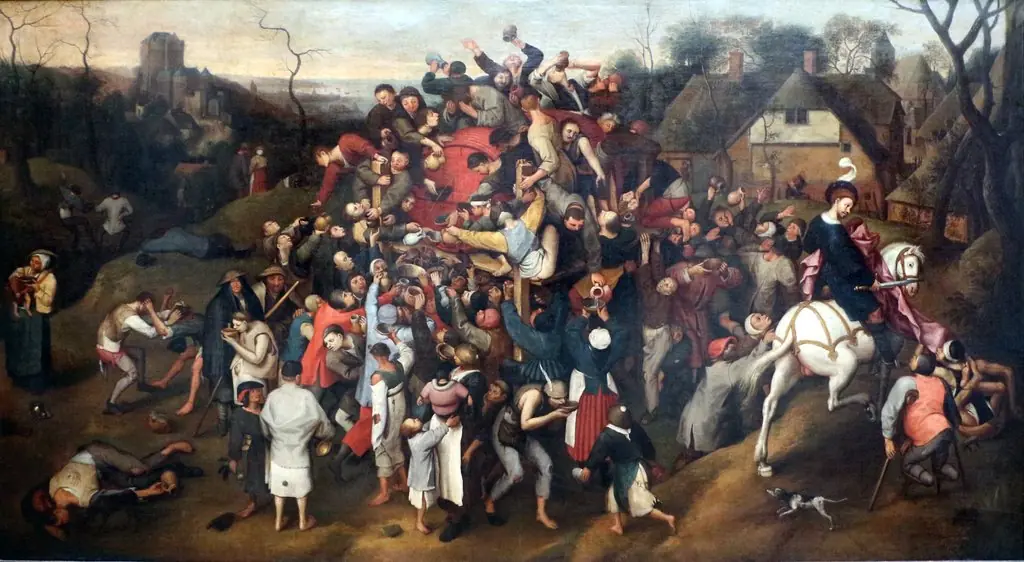 The Wine of Saint Martin's Day
 Village Fair
 Flemish Market and Washing Place