Artwork
Outline Sketch of Mountains (verso, from Sketchbook)
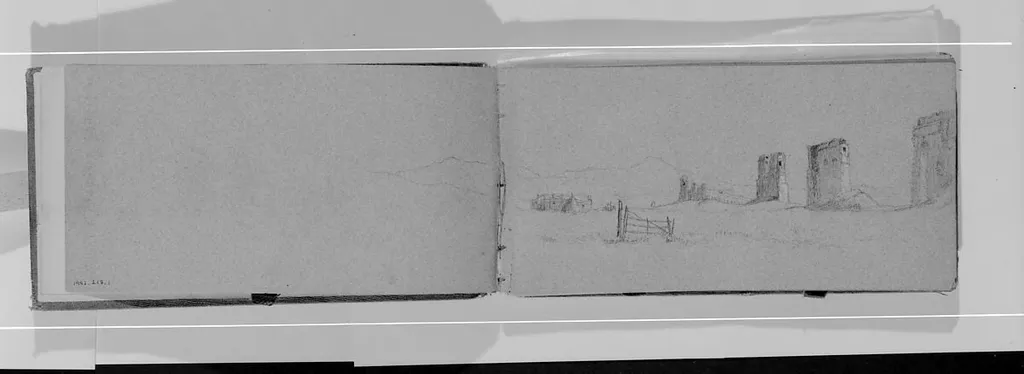
Outline Sketch of Mountains (verso, from Sketchbook) is a gouache drawing by the Impressionist artist Jervis McEntee. It dates from 1869 and is held in the collection of the Metropolitan Museum of Art.
About this work
Overview
A working study made outdoors, it captures a mountain form with minimal detail, prioritizing immediate observation over finished composition.
Created in 1869, this sketch is one of many from Jervis McEntee’s personal sketchbook, executed in graphite and white gouache on blue paper. A working study made outdoors, it captures a mountain form with minimal detail, prioritizing immediate observation over finished composition. The blue substrate enhances the luminosity of the white highlights, suggesting light striking rock surfaces. Its unpolished quality reflects the artist’s practice of recording nature directly, without studio refinement.
Subject & Meaning
The subject is a distant mountain range, likely in the Catskills, rendered in simplified contours. McEntee’s focus on form over detail suggests an interest in structure and spatial relationships rather than narrative or symbolism. The sketch functions as a visual record—part of a broader effort to internalize the landscape’s character. There is no human presence or dramatic lighting; the emphasis remains on the quiet endurance of the land itself.
Technique & Style
McEntee employed graphite for precise, thin lines to define ridgelines and contours, while opaque white gouache was applied sparingly to suggest highlights where sunlight touched the peaks. The blue paper, chosen for its tonal neutrality, acts as a mid-tone ground, allowing the white to mimic natural illumination. The technique is economical, favoring speed and clarity—hallmarks of plein air practice among Hudson River School artists seeking authenticity in observation.
History & Provenance
This sketch originated in McEntee’s personal collection and was later acquired by the museum as part of its American Wing holdings. It was likely kept among other studies used to inform larger studio paintings. Its survival as a standalone sheet reflects its value to the artist as a reference tool. No record of public exhibition exists prior to its inclusion in institutional collections, underscoring its role as a private, working document.
Context
In the late 1860s, McEntee was deeply engaged with the Hudson River School’s ethos of direct landscape study, even as the movement’s popularity waned. His sketchbooks served as repositories for visual memory, aiding compositions later developed indoors. This work aligns with contemporaneous practices among artists like Frederic Church and Sanford Gifford, who also used sketchbooks to capture transient effects of light and form in the American wilderness.
Legacy
Though not widely exhibited during his lifetime, McEntee’s sketchbooks have since become important records of 19th-century American landscape practice. This piece exemplifies how artists translated fleeting natural impressions into enduring visual language. Its preservation highlights the significance of preparatory work in understanding the development of American art, offering insight into the quiet, disciplined process behind more finished works.
Artist & collection

Artist
Jervis McEntee (July 14, 1828 – January 27, 1891) was an American painter of the Hudson River School.

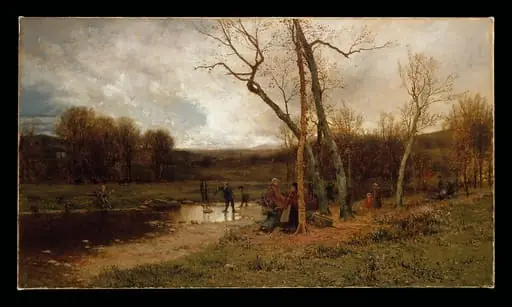 Saturday Afternoon
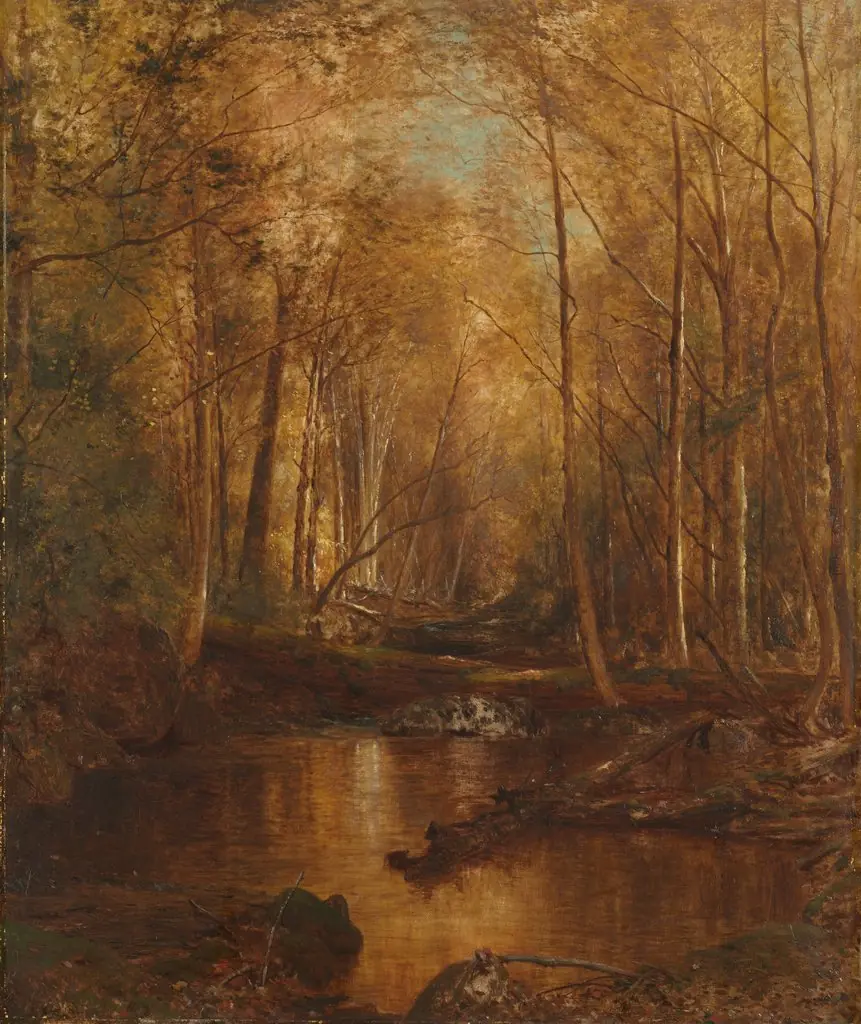 Autumn in the Catskills
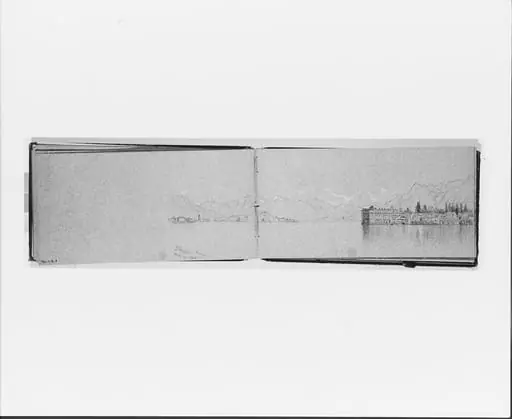 Lake Maggiore May 12 1869 (recto, from sketchbook)
![Village, Mountains, and Lake [Maggiore?] (recto, from sketchbook), by Jervis McEntee](https://artifactworldgallery.com/img/jervis-mcentee--village-mountains-and-lake-maggiore-recto-from-sketchbook--3cfb09e258099ce7-w320.webp) Village, Mountains, and Lake [Maggiore?] (recto, from sketchbook)
Village, Mountains, and Lake [Maggiore?] (recto, from sketchbook)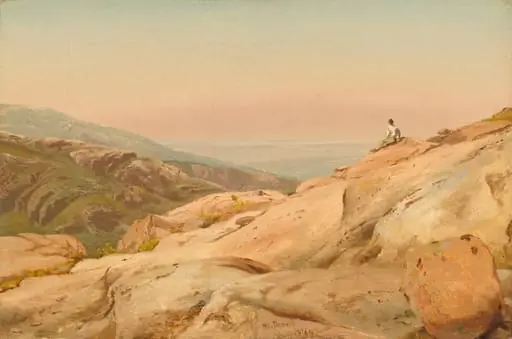 Mount Desert Island, Maine
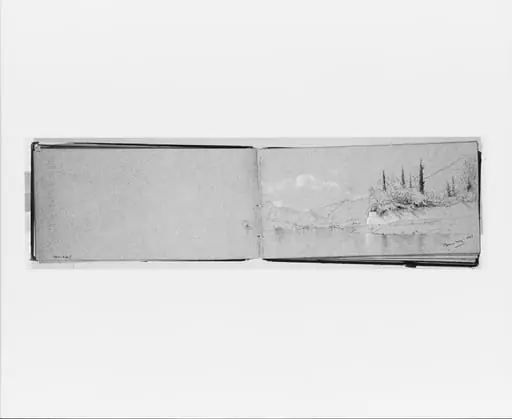 Lake Como, May 1, 1869 (verso, from sketchbook)
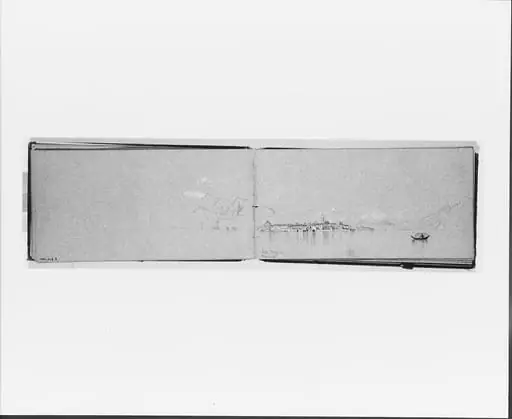 Lake Maggiore, May 11,1869: Village and Landscape (recto, from Sketchbook)
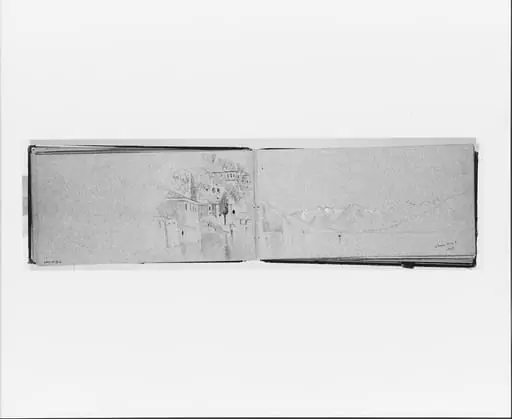 Village on Lake Como: May 1, 1869 (verso, from sketchbook)
![Cloud Study; Lake [Maggiore?] and Village (verso, from sketchbook), by Jervis McEntee](https://artifactworldgallery.com/img/jervis-mcentee--cloud-study-lake-maggiore-and-village-verso-from-sketchbook--1f3f39c3005c9a2a-w320.webp) Cloud Study; Lake [Maggiore?] and Village (verso, from sketchbook)
Cloud Study; Lake [Maggiore?] and Village (verso, from sketchbook)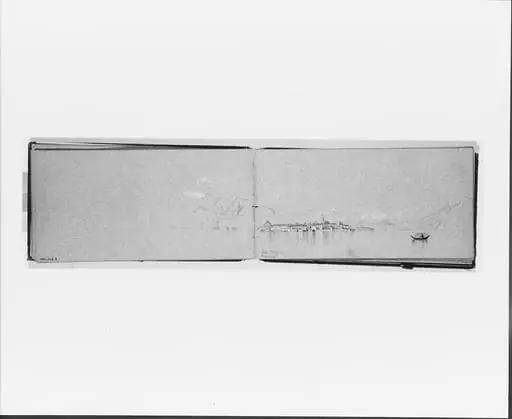 Mountains Overlooking Lake Maggiore, May 11, 1869 (verso, from sketchbook)
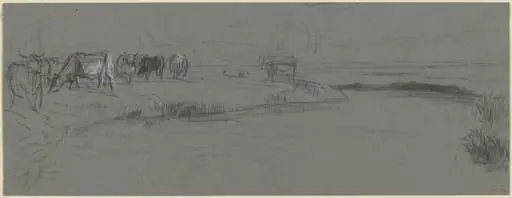 River Bank with Cattle
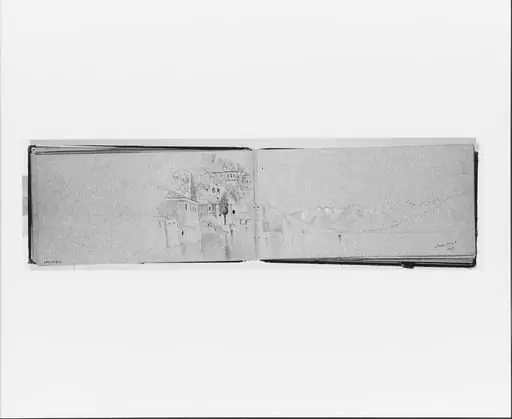 Lake Como, May 1, 1869 (recto, from sketchbook)
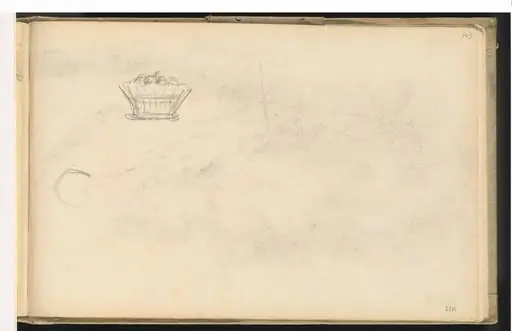 Basket
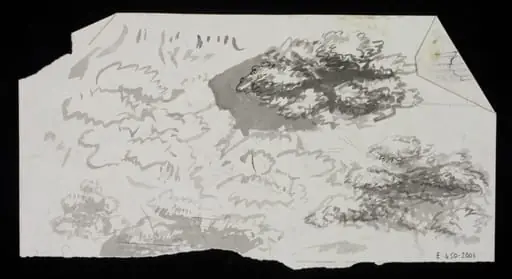 Untitled
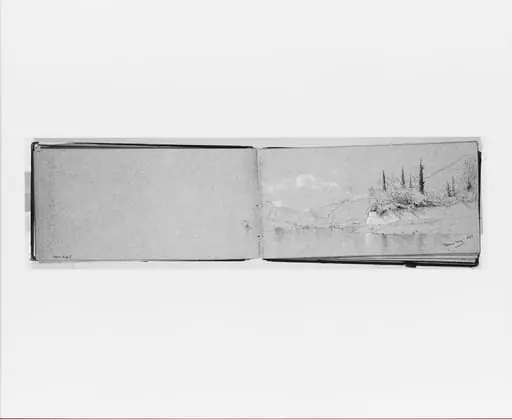 Lake Como, May 3, 1869 (recto, from Sketchbook)
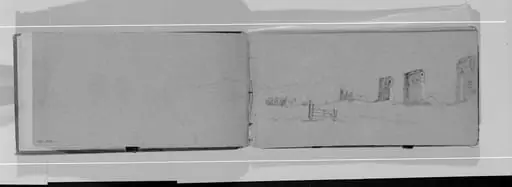 Landscape with Ruins (recto, from sketchbook)