Artwork
Retrato de Homem
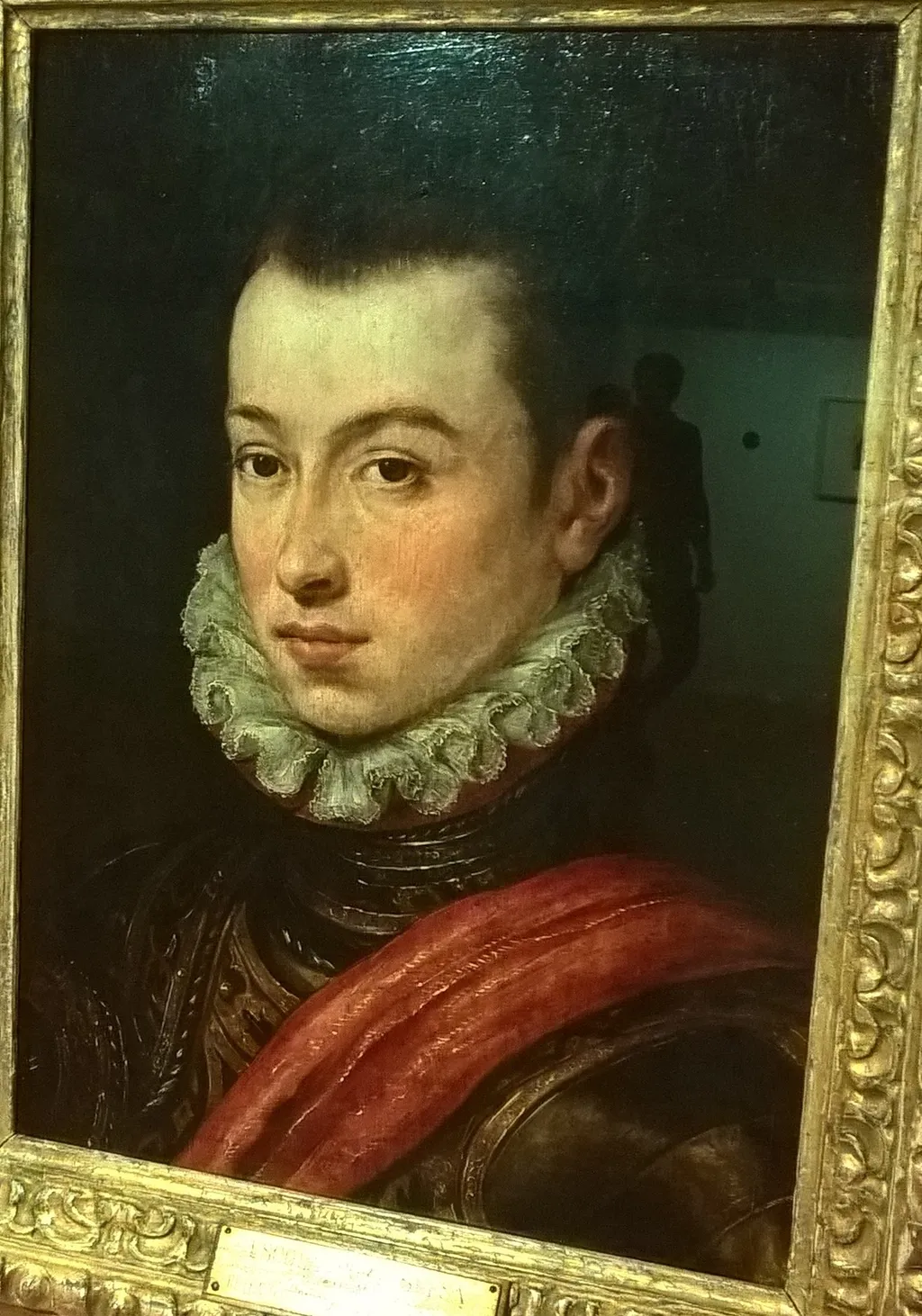
Retrato de Homem is an unspecified painting by the Rococo painting artist João Glama Ströberle. It dates from 1750 and is held in the collection of the National Museum of Ancient Art.
About this work
Overview
The work presents a single male figure rendered with quiet precision, emphasizing formal attire and subtle textural details.
Painted around 1750, Retrato de Homem is a portrait by Portuguese artist João Glama Ströberle. It resides in the collection of the National Museum of Ancient Art in Lisbon. The work presents a single male figure rendered with quiet precision, emphasizing formal attire and subtle textural details. The composition is restrained, focusing attention on the sitter’s presence rather than narrative context.
Subject & Meaning
The subject is a man of likely modest aristocratic or professional standing, identified by his refined clothing. The black shirt, high ruffled collar, and red sash suggest a formal, possibly ceremonial, attire common in mid-18th-century Portugal. The absence of symbols or setting implies an emphasis on personal dignity rather than social status, reflecting a shift toward individual portraiture in the period.
Technique & Style
Ströberle employs a muted palette dominated by deep blacks and rich reds, enhancing the figure’s solidity against a shadowed background. Fine brushwork captures the texture of the ruffled collar and the sheen of fabric, while the sash is rendered with loose, confident strokes. The lighting is even and diffused, avoiding dramatic contrasts, which lends the portrait a calm, introspective tone.
History & Provenance
The painting entered the collection of the National Museum of Ancient Art in the 19th century, likely through state acquisition or donation. Its early history before this is undocumented, and no records of its original commission or owner have survived. It remains one of the few securely attributed portraits by Ströberle, making it a key reference for understanding his oeuvre.
Context
Created during the reign of King José I, the portrait reflects the influence of Portuguese courtly aesthetics and the lingering presence of Baroque traditions. While European portraiture was moving toward Rococo elegance, Ströberle’s work retains a sober, almost austere quality, aligning with the conservative tastes of Lisbon’s elite and the limited resources of the Portuguese artistic community at the time.
Legacy
Retrato de Homem stands as a rare surviving example of mid-18th-century Portuguese portraiture outside religious or royal contexts. It contributes to the understanding of Ströberle’s role as a regional painter who adapted broader European conventions to local sensibilities. Though not widely known beyond Portugal, the work is valued for its historical authenticity and technical restraint.
Artist & collection

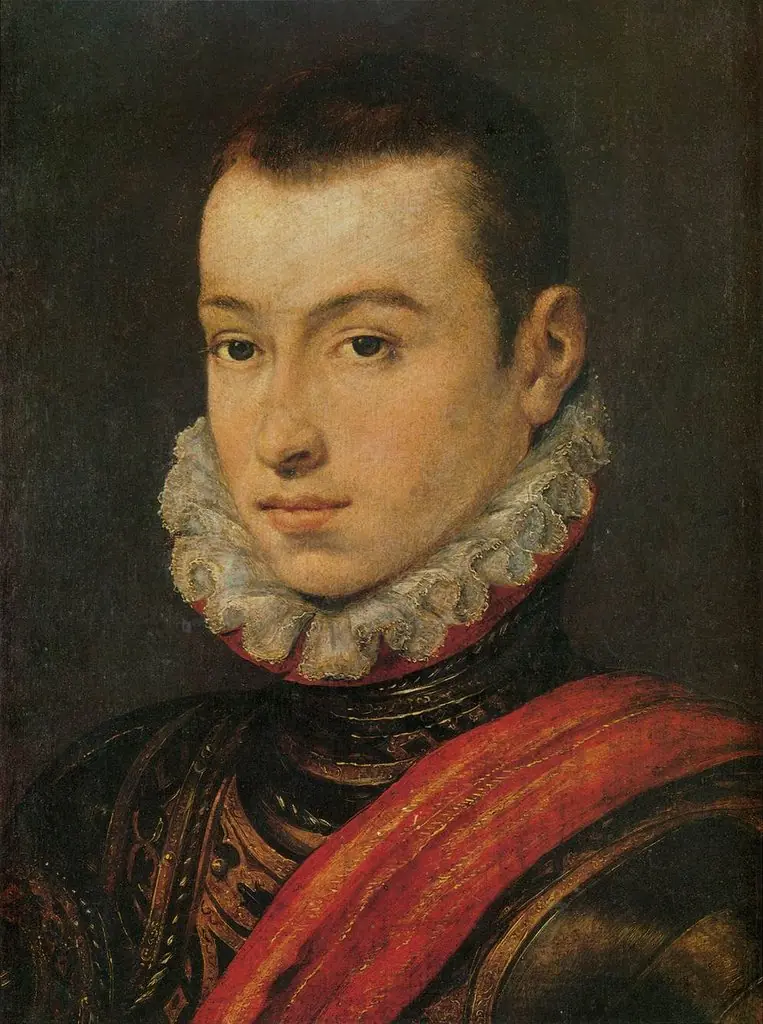 Young Nobleman
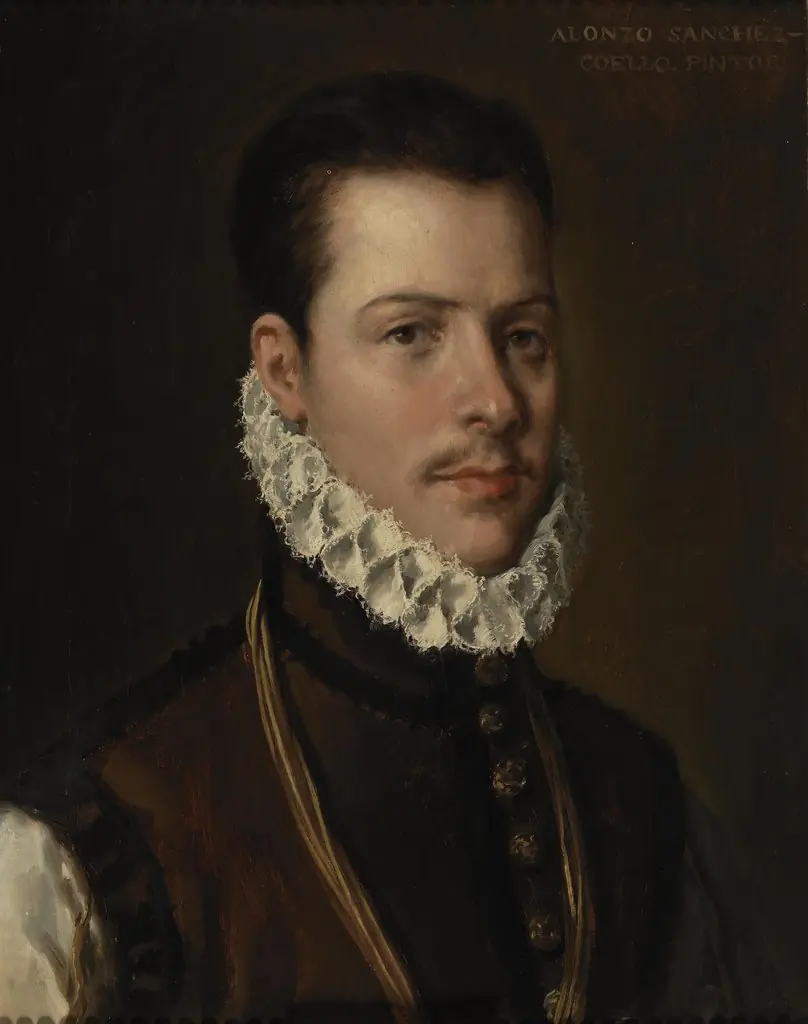 Fernando de Aragón y Borja duque de Villahermosa y conde de Ribagorza (copia)
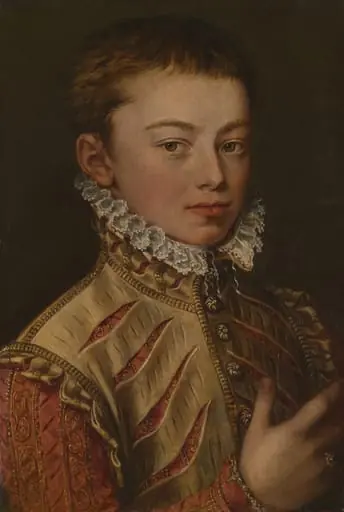 Portrait of Don Juan of Austria
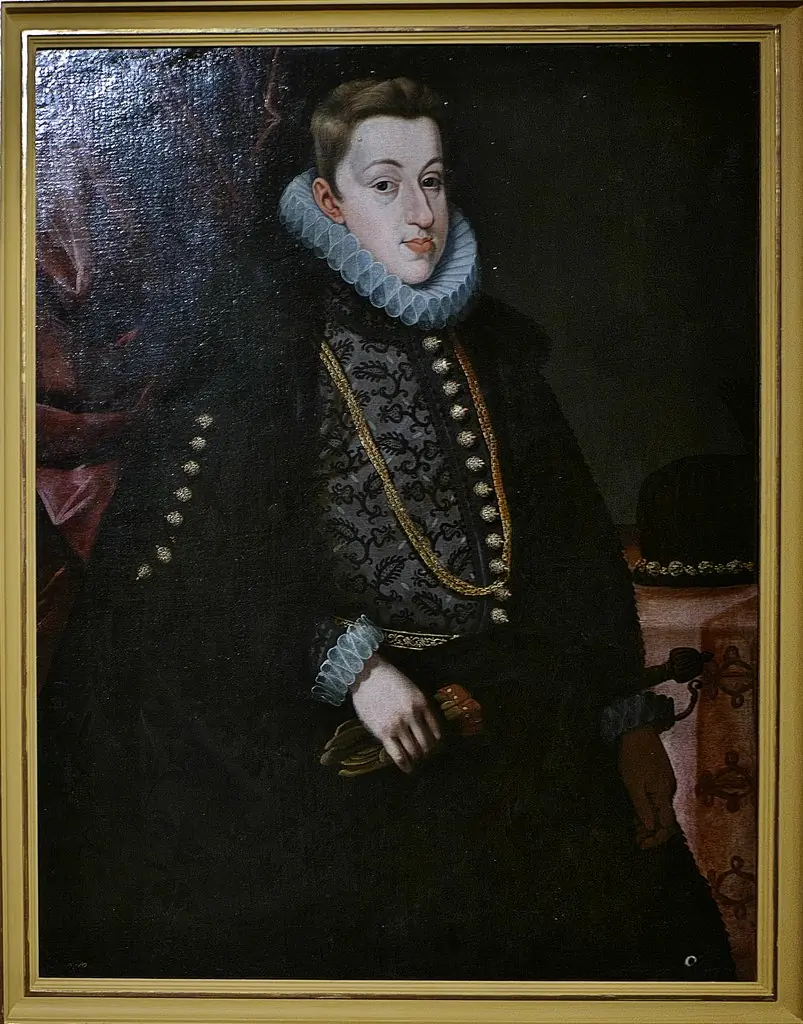 Ferdinand II of Habsburg as a young man
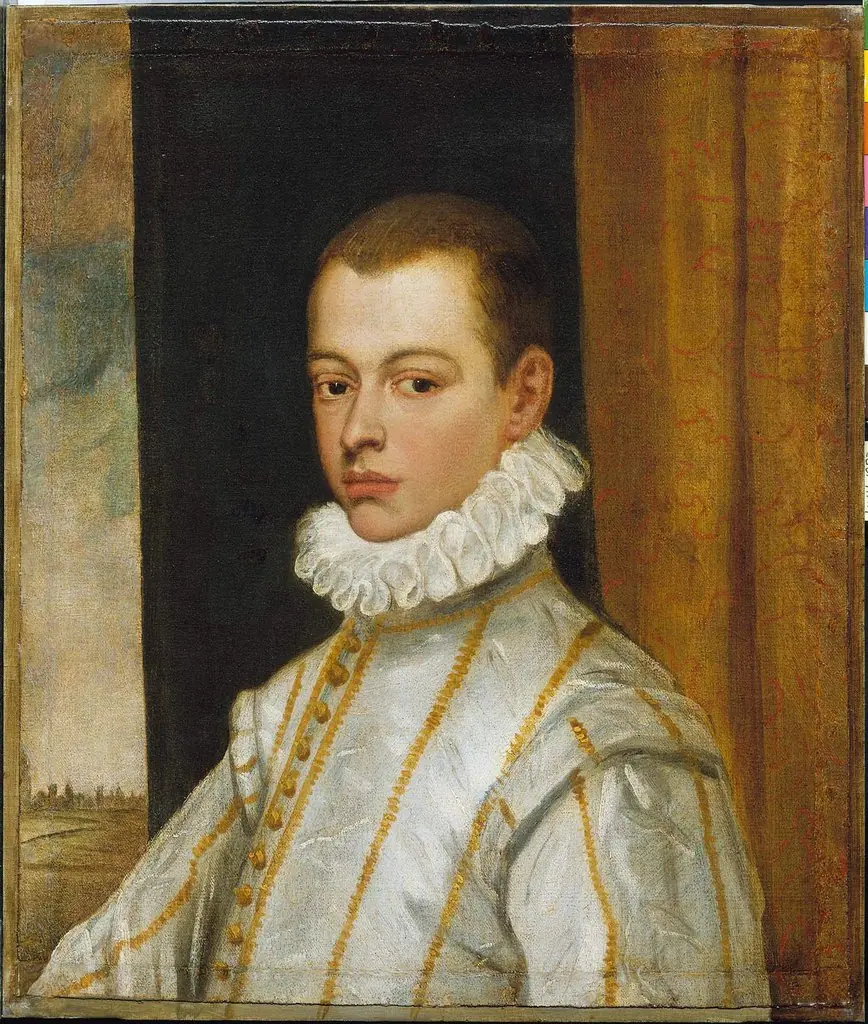 Portrait of a Young Man
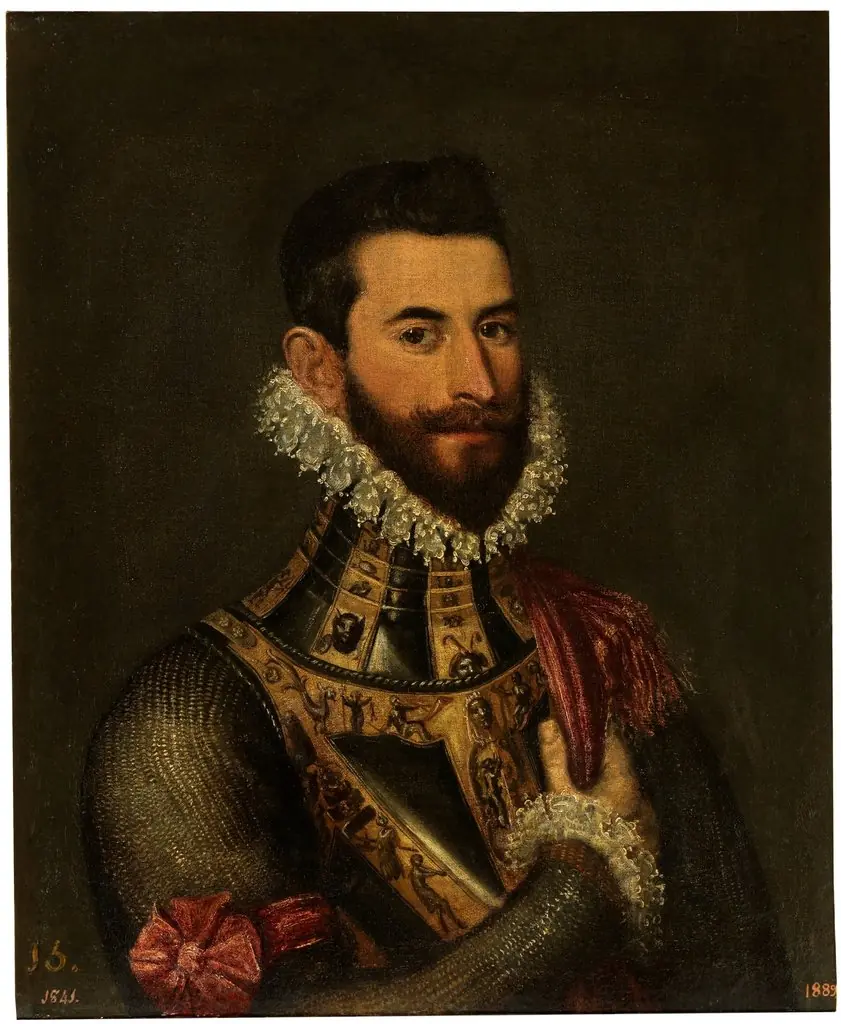 Pietro de Medici (?)
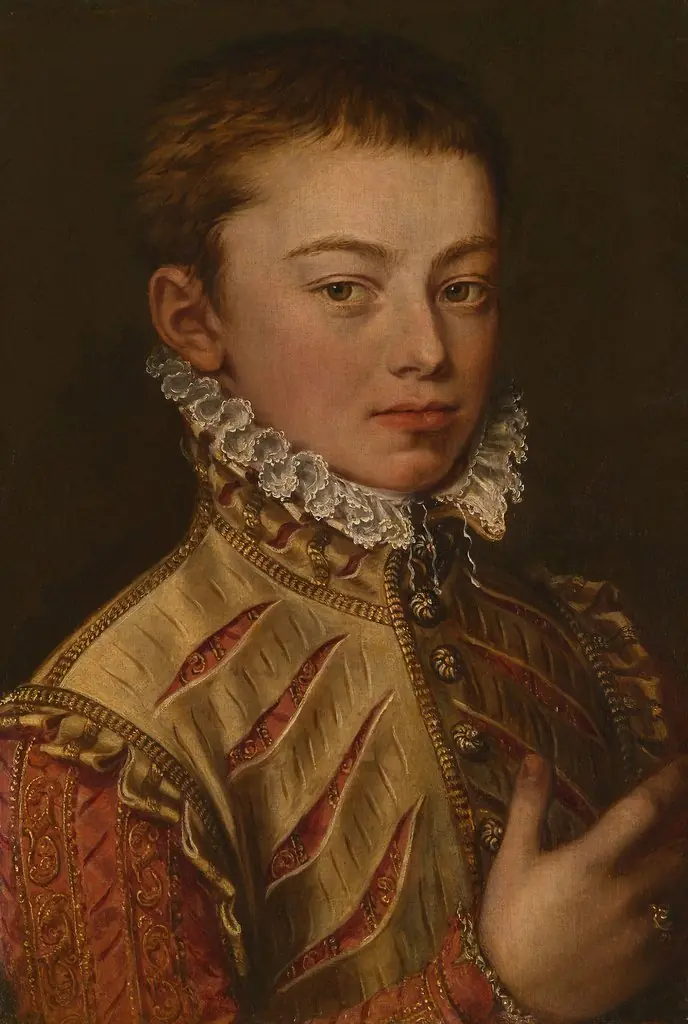 Portrait of Don Juan of Austria
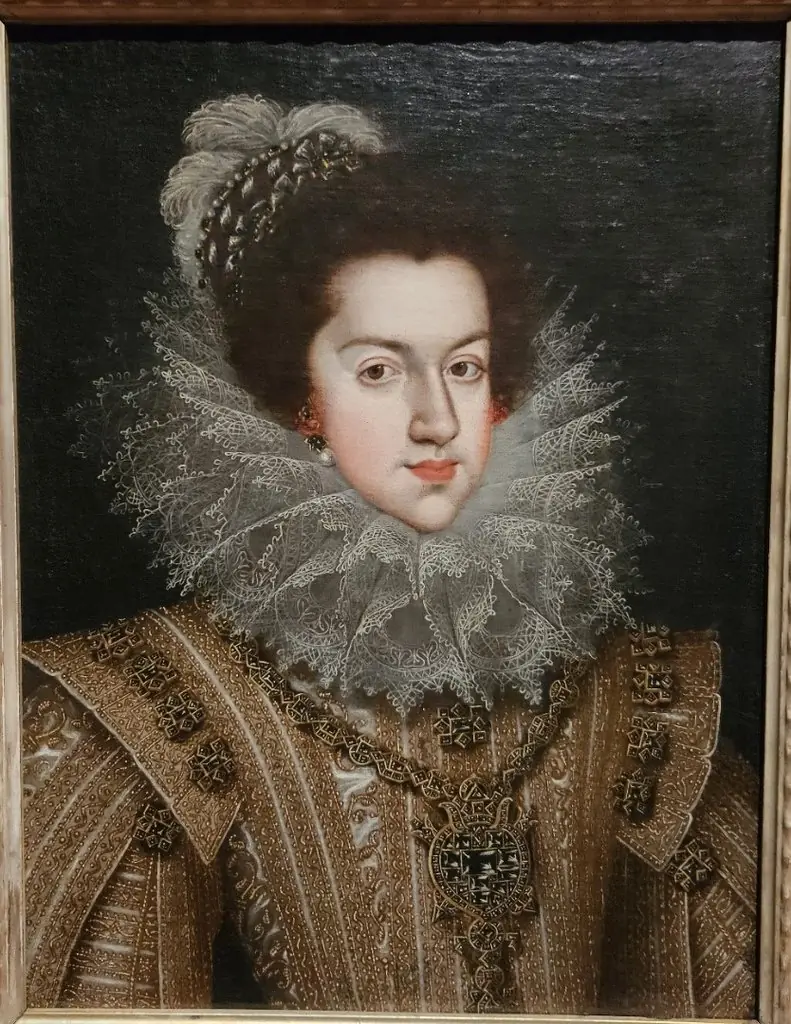 Retrato da Rainha Isabel de Bourbon como Princesa das Astúrias
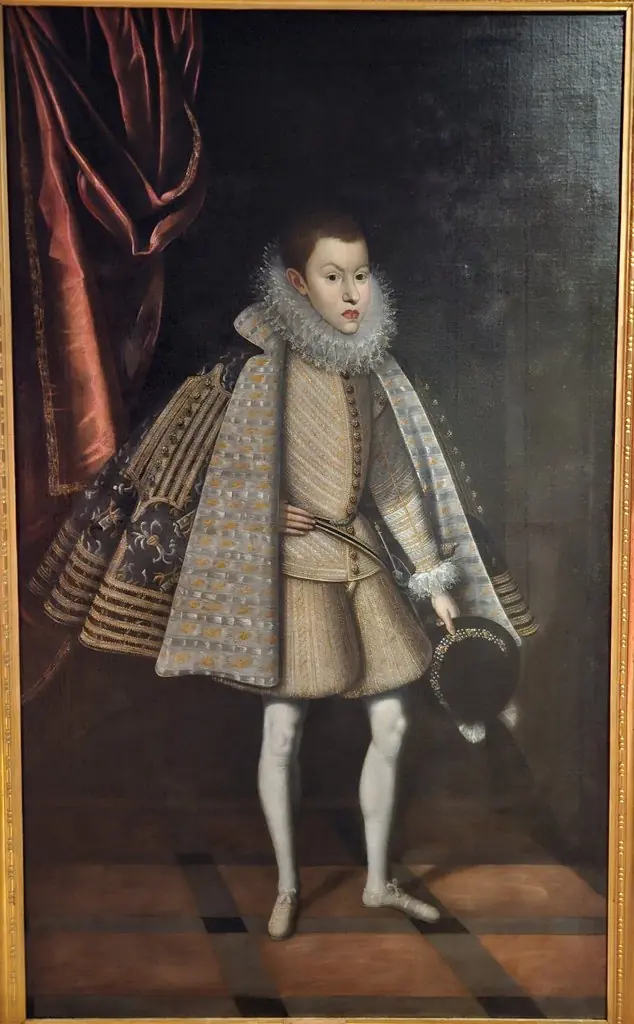 Retrato do Infante Carlos de Áustria
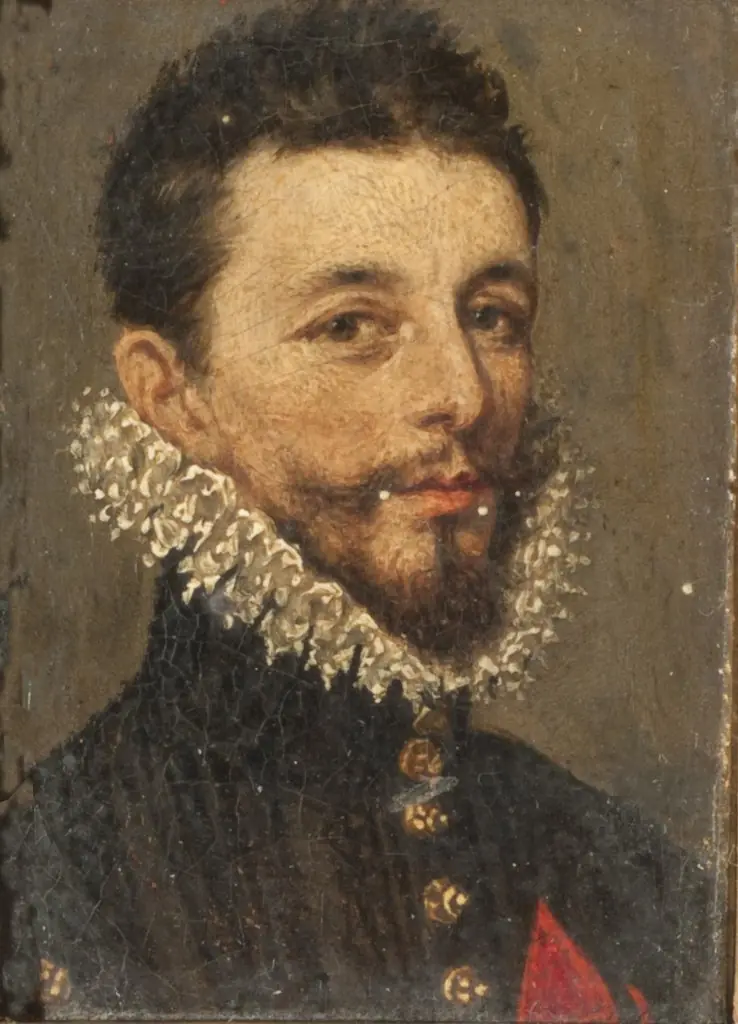 Portrait of a gentleman
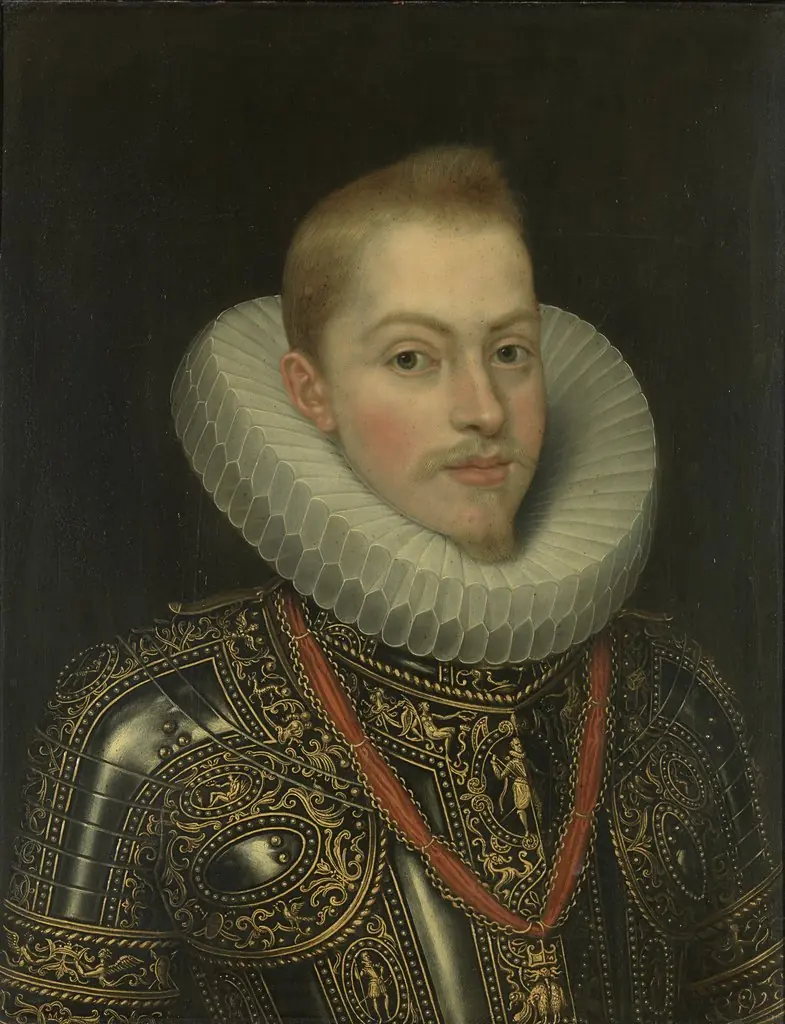 Portrait of Philip III, King of Spain
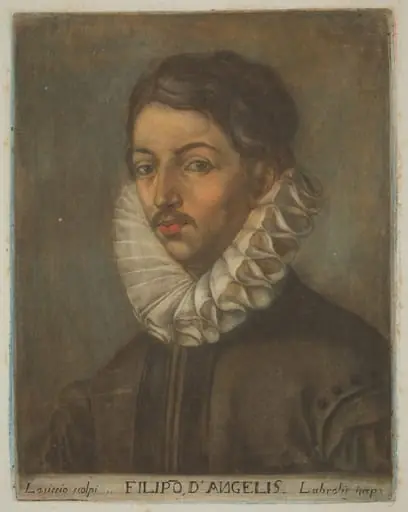 Filippo d'Angeli