Artwork
Pietro de Medici (?)
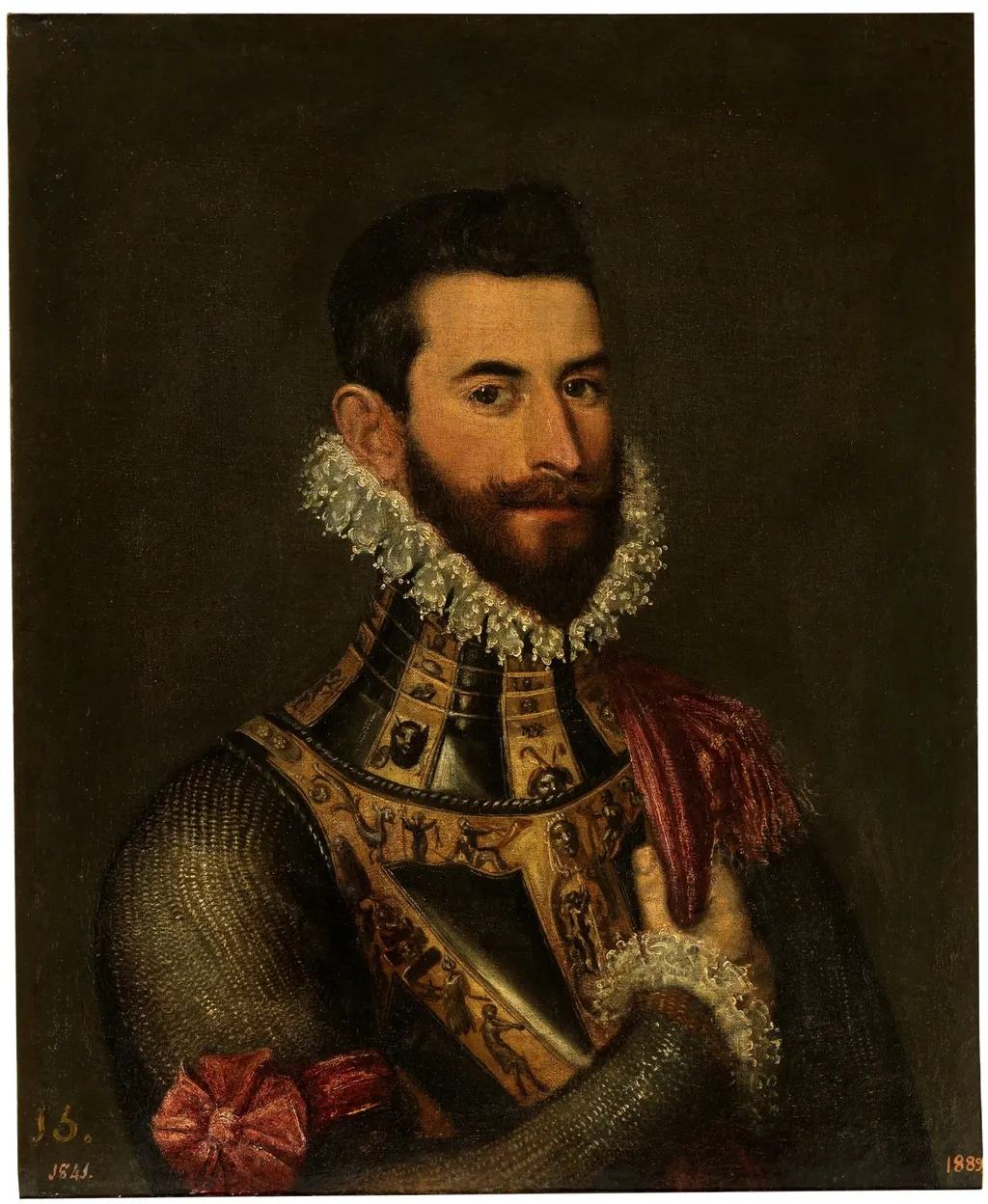
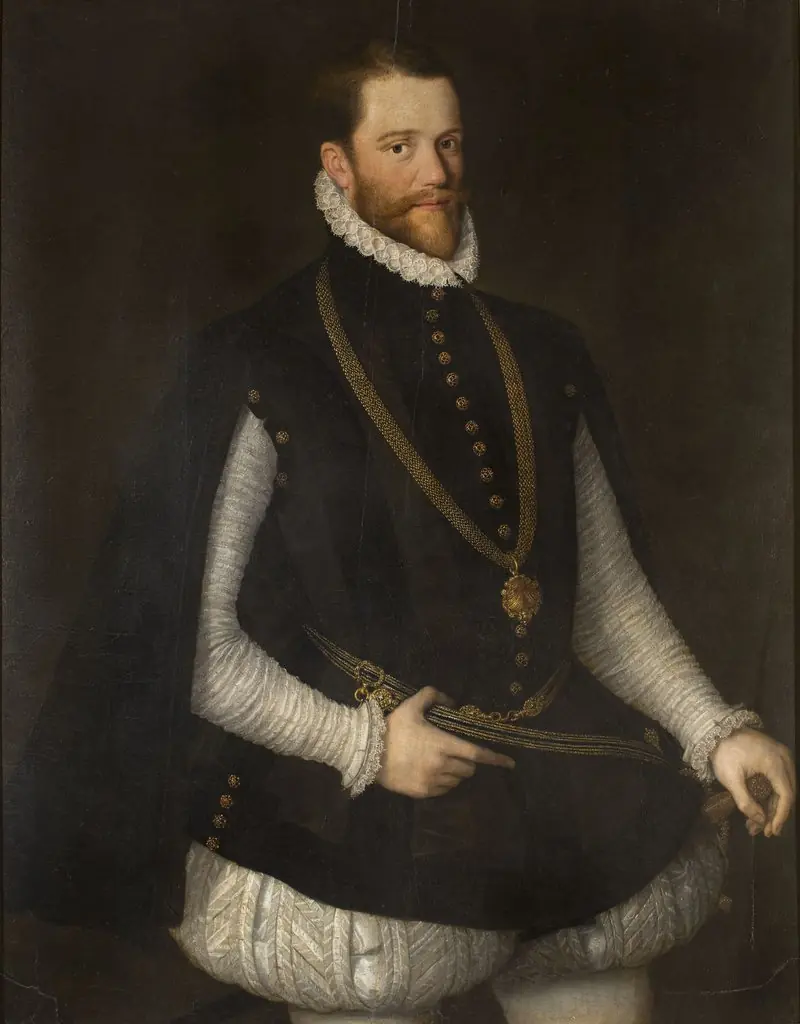
Pietro de Medici (?) is an oil painting by the High Renaissance artist Unknown. It dates from 1501 and is held in the collection of the Museo del Prado. This oil painting depicts a man in ornate armor, rendered with strong contrasts of light and shadow characteristic of chiaroscuro.
About this work
Overview
This oil painting depicts a man in ornate armor, rendered with strong contrasts of light and shadow characteristic of chiaroscuro. The figure stands against a dark, unadorned background, drawing attention to his detailed armor and formal attire. His expression is composed, and the lighting emphasizes the texture of metal and fabric, suggesting a portrait of status rather than narrative action.
Subject & Meaning
The subject is likely a nobleman, possibly a member of the Medici family, dressed for ceremonial or military display. The elaborate carvings on the chestplate and the red sash imply rank and authority. The serious demeanor and formal presentation reflect ideals of leadership and stoic dignity common among Renaissance elites, though the exact identity remains uncertain.
Technique & Style
The artist employs chiaroscuro to model the armor’s surfaces, enhancing the illusion of volume and material weight. Fine detailing in the engraved figures on the chestplate and the crisp folds of the ruff collar demonstrate careful observation. The dark background isolates the figure, focusing the viewer’s attention on the interplay of light and metallic surfaces.
History & Provenance
The painting’s attribution to Pietro de’ Medici is speculative, based on stylistic parallels and family association rather than documented evidence. Its early ownership is unrecorded, and it has passed through private collections before entering institutional care. No contemporary inventories or letters confirm the sitter’s identity or the commission’s origin.
Context
Created during the late Renaissance, the portrait aligns with trends in Italian court portraiture that emphasized armor as a symbol of civic and martial virtue. Similar depictions appear in works by Titian and Bronzino, where attire and posture convey political legitimacy. The plain background reflects a shift toward psychological presence over elaborate settings.
Legacy
The painting contributes to the understanding of how Renaissance elites used visual culture to project power. Its restrained composition and technical precision exemplify the period’s move toward naturalism and individualized representation. Though not widely reproduced, it remains a significant example of armor portraiture in Italian painting.
Artist & collection

 Domestic Scene
 Giacomo and Cardinal Marco, investing Andrea, Abbot of San Zeno, with his Benefice
 The Nymph of Fontainebleau
 Portrait of a Woman
 Madonna and Child with Saints in the Enclosed Garden
 Venus and Minerva
 Family Group of Four on Sofa
 Wall painting from Room H of the Villa of P. Fannius Synistor at Boscoreale
 Erzherzog Maximilian III. (1558-1618) im Harnisch, Kniestück
 Portrait of a Man in Armor
 Portrait of a man
 Portrait of a Man with Brow
 El archiduque Diego Ernesto de Austria
 Erzherzog Ernst im Harnisch, Brustbild
 Portrait of Ambrogio Spinola (1569-1630)
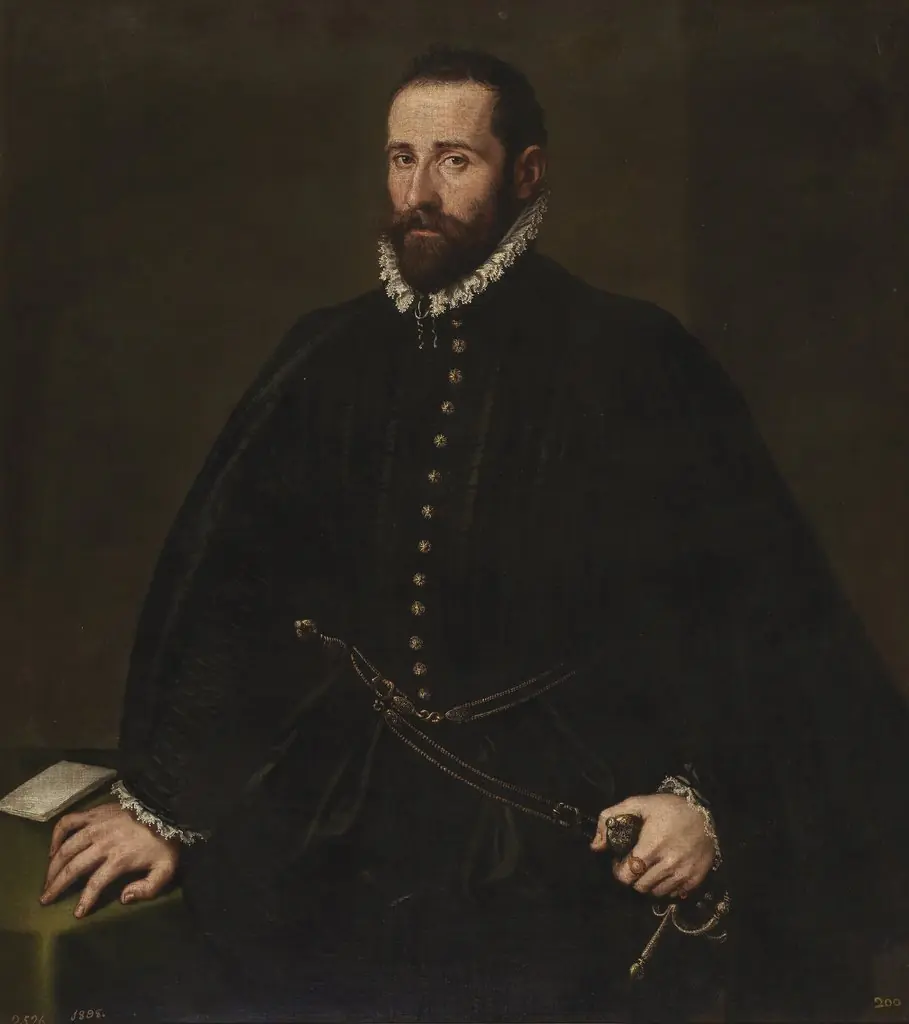 Portrait of a Gentleman
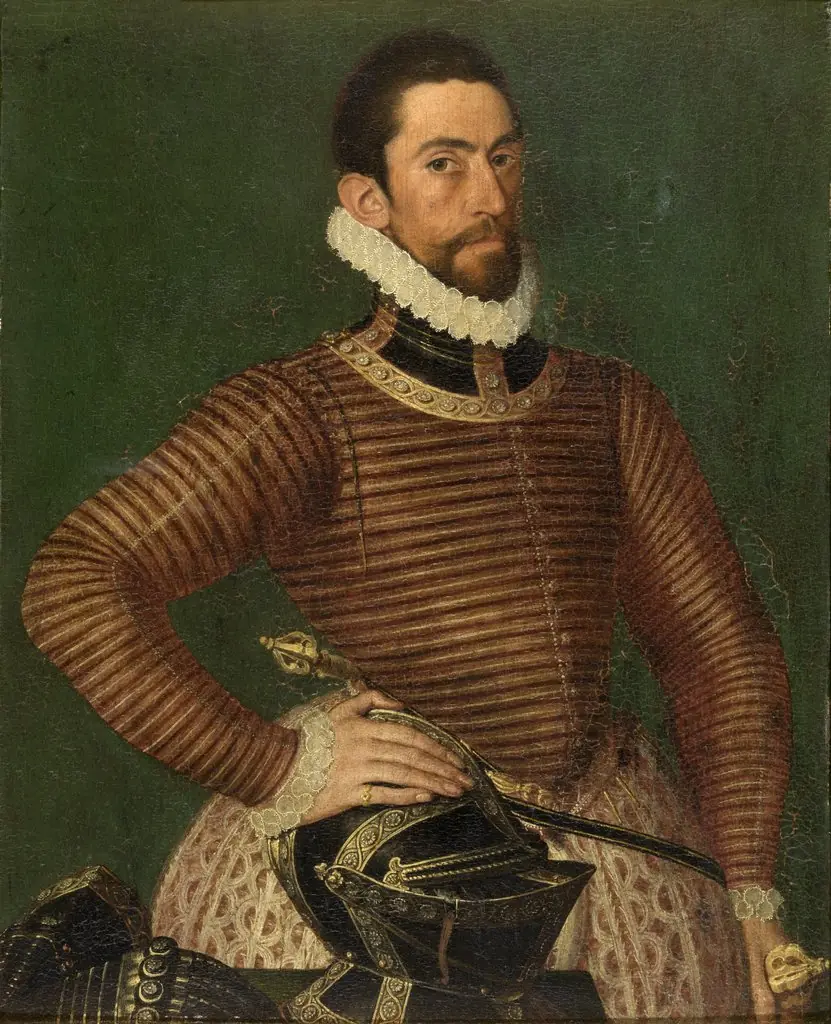 Gabriël Cambry
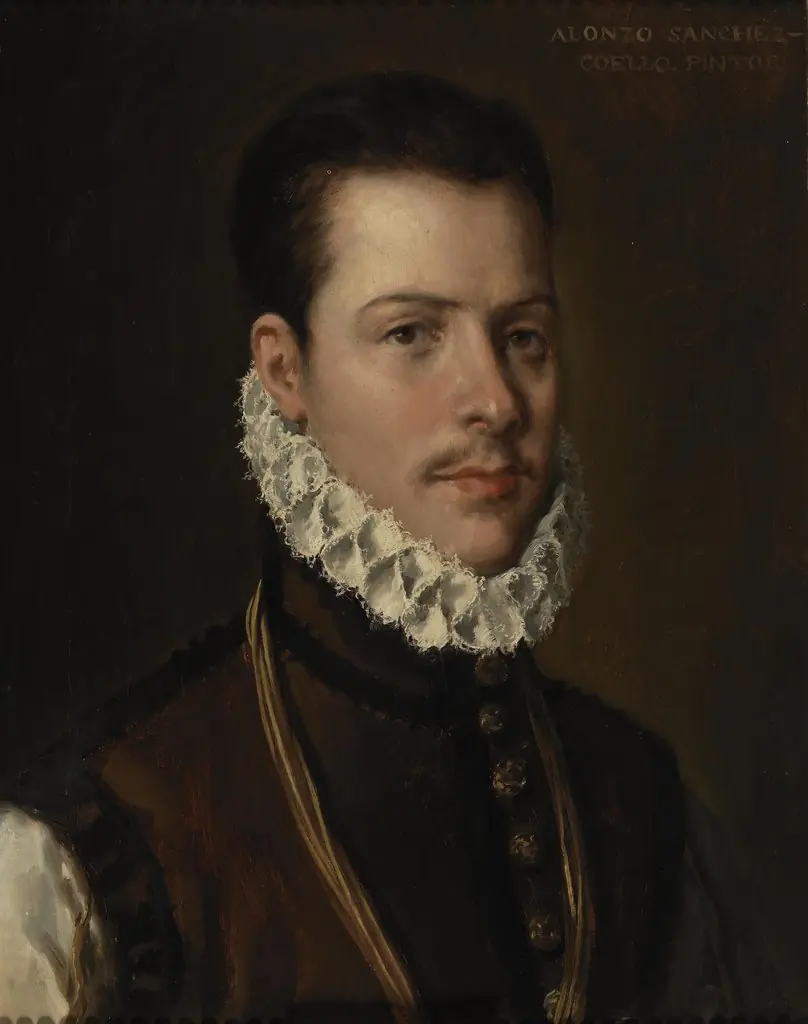 Fernando de Aragón y Borja duque de Villahermosa y conde de Ribagorza (copia)
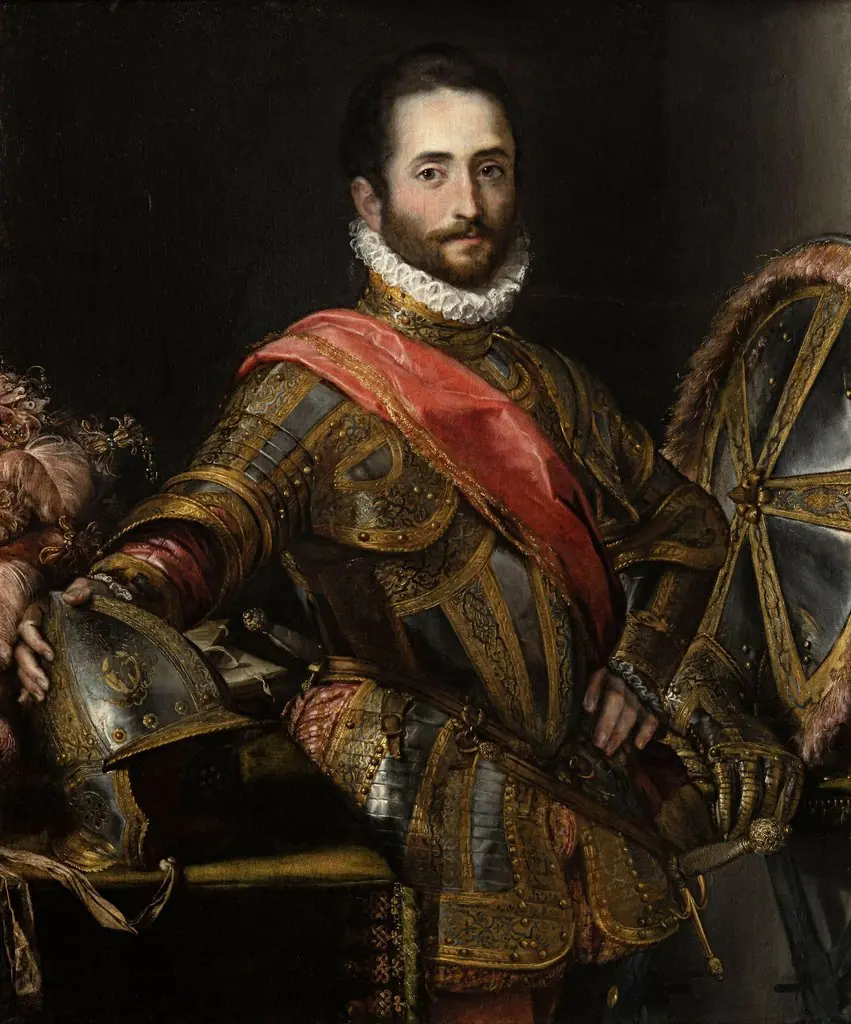 Portrait of Francesco Maria II della Rovere
 Portrait of a Gentleman of the order of Saint James