Artwork
Calipso
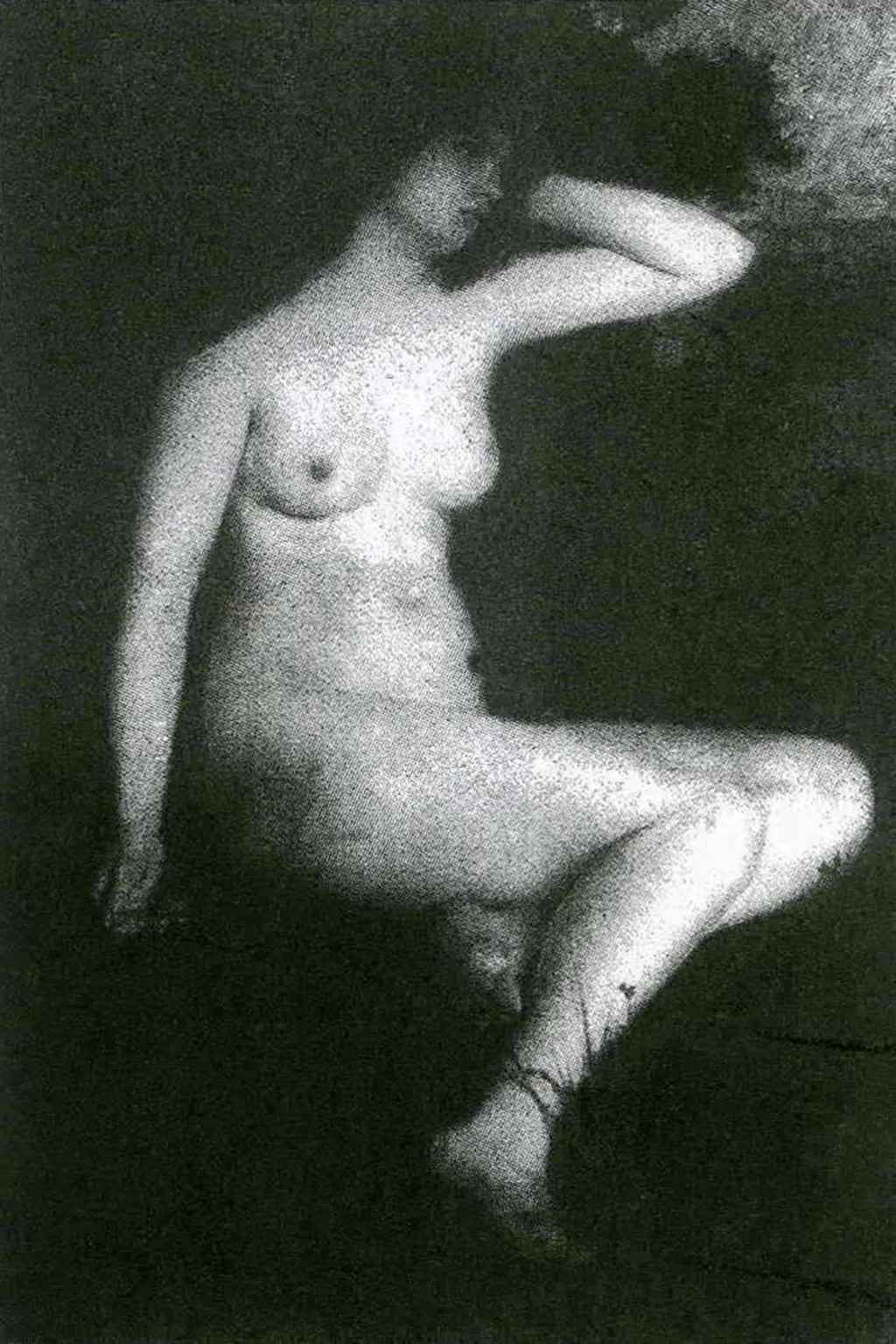
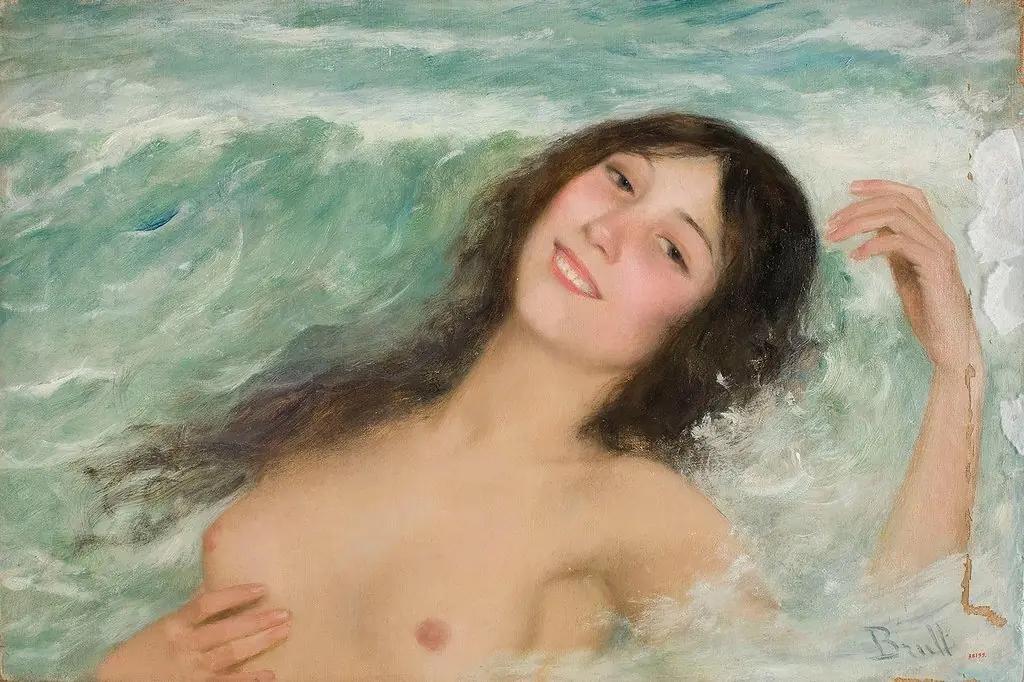
Calipso is an oil painting by the Art Nouveau artist Joan Brull Vinyoles. It dates from 1898 and is held in the collection of the Museu Nacional d'Art de Catalunya.
About this work
Overview
The work is part of the Museu Nacional d'Art de Catalunya’s collection and aligns with the symbolic and decorative currents of late 19th-century Catalan art.
Joan Brull i Vinyoles painted *Calipso* in 1898 using oil on canvas. The work is part of the Museu Nacional d'Art de Catalunya’s collection and aligns with the symbolic and decorative currents of late 19th-century Catalan art. Though associated with Art Nouveau’s ornamental sensibility, the painting leans more toward introspective symbolism than floral or linear design, reflecting Brull’s interest in psychological atmosphere over decorative flourish.
Subject & Meaning
The figure in *Calipso* is a solitary nude woman, posed in quiet repose with one arm supporting her head and the other hanging loosely. Her stillness and inward gaze suggest contemplation, evoking mythological solitude without literal narrative. The title references the nymph from Homer’s epics, but the painting avoids classical detail, instead using her presence to convey emotional isolation and serene introspection.
Technique & Style
Brull employs chiaroscuro to model the figure with subtle gradations of light and shadow, giving the form volume against a near-black background. The absence of detailed surroundings focuses attention on the body’s contours and the play of light across skin. Brushwork is smooth and controlled, avoiding overt texture, reinforcing the painting’s meditative tone and aligning with Symbolist preferences for ambiguity over realism.
History & Provenance
Created in 1898, *Calipso* entered the Museu Nacional d'Art de Catalunya’s collection in the early 20th century as part of efforts to preserve Catalan artistic production. It was not widely exhibited outside Catalonia until later scholarly interest in Symbolism revived attention to Brull’s oeuvre. Its provenance remains largely within institutional hands, with no known private ownership after its acquisition by the museum.
Context
Brull worked alongside figures like Adrià Gual and Alexandre de Riquer, who sought to infuse Catalan art with literary and mystical themes. In this context, *Calipso* reflects a broader movement away from academic realism toward emotionally charged, poetic imagery. The painting’s subdued palette and introspective subject align with European Symbolist trends, while its Catalan roots distinguish it from French or Belgian counterparts through its restrained elegance.
Legacy
Though not widely reproduced, *Calipso* remains a key example of Catalan Symbolist painting. It illustrates how regional artists adapted international styles to express personal and cultural introspection. The work continues to inform studies of gender, solitude, and visual poetry in fin-de-siècle Spain, serving as a quiet counterpoint to more overtly dramatic or decorative works of the period.
Artist & collection
Artist
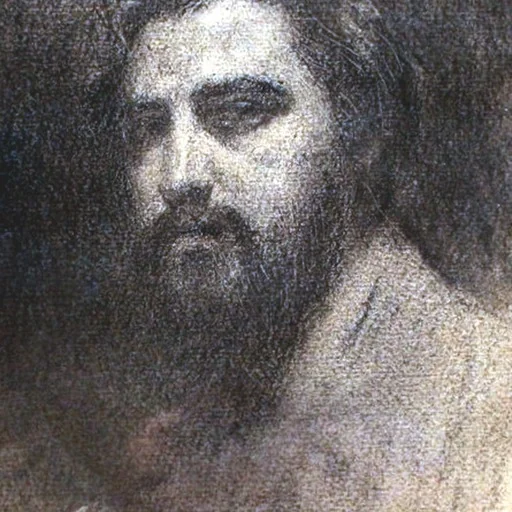
Joan Brull i Vinyoles (25 January 1863 – 3 February 1912) was a Catalan painter active in the late 19th century.