Artwork
Las dos amigas
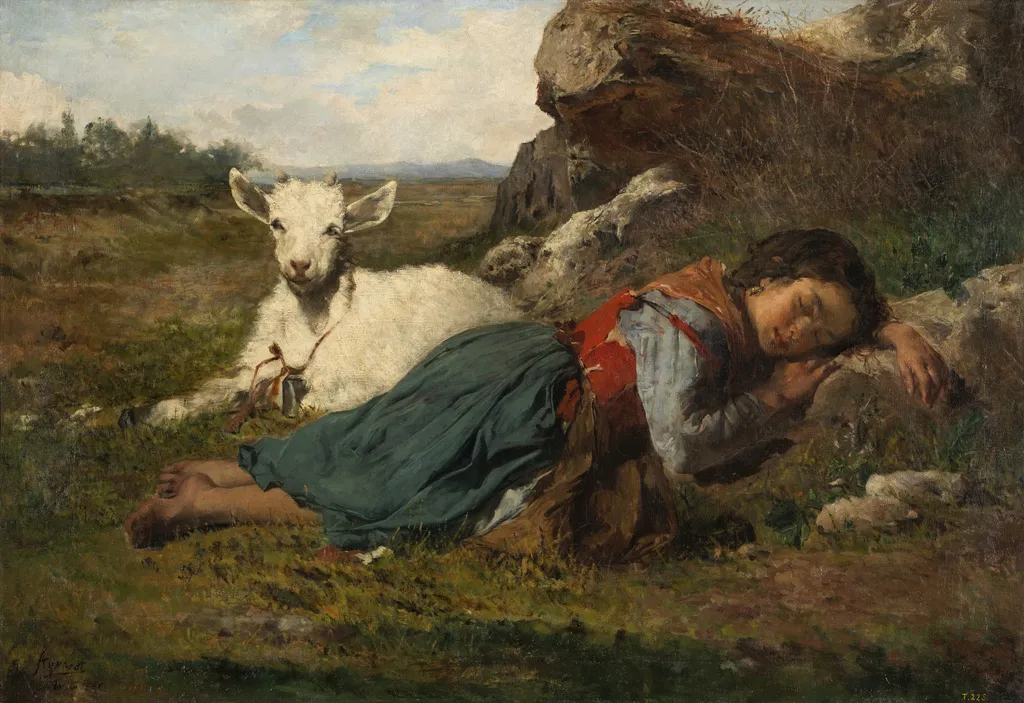
Las dos amigas is an oil painting by the Realist artist Joaquín Agrasot y Juan. It dates from 1866 and is held in the collection of the Museo del Prado.
About this work
Overview
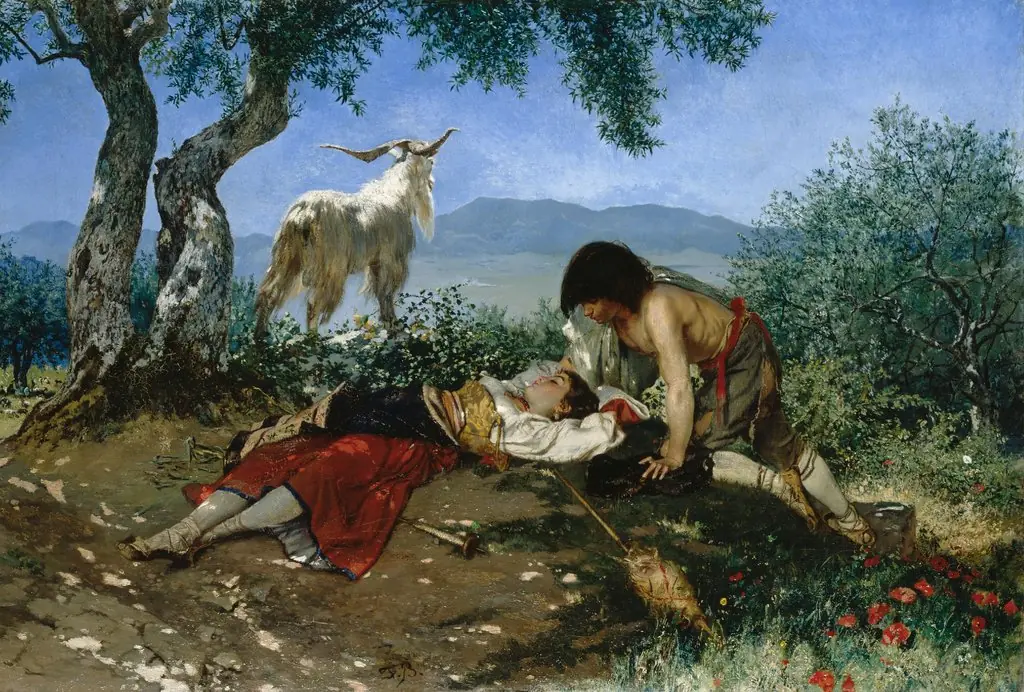
Created in 1866, *Las dos amigas* is an oil painting by Spanish realist Joaquín Agrasot y Juan. The work is part of the Museo del Prado’s holdings and exemplifies Agrasot’s interest in depicting ordinary people and local customs through a straightforward, observational style.
Subject & Meaning
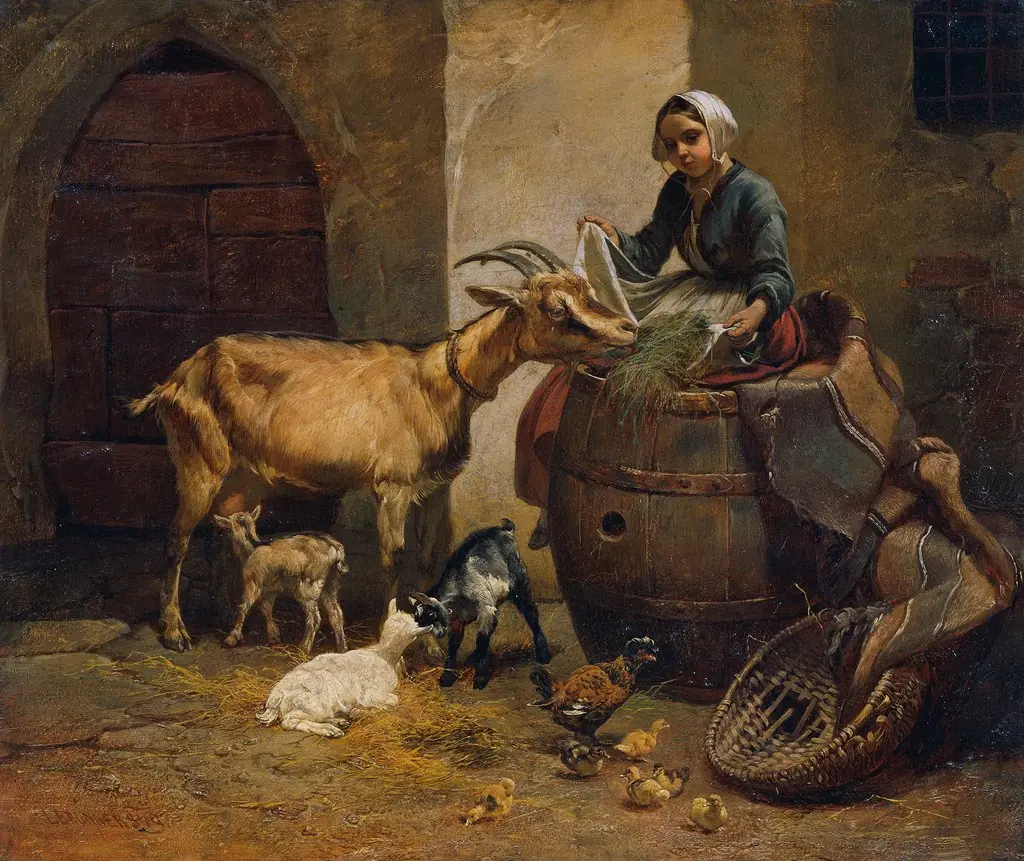
The canvas presents two women seated together, engaged in quiet conversation. Their relaxed posture and attentive expressions convey a moment of everyday intimacy, reflecting the artist’s focus on the social interactions of ordinary life rather than grand historical narratives.
Technique & Style
Agrasot employs a clear realist vocabulary, using precise brushwork and a restrained palette to render the figures and their surroundings. Light falls softly across the scene, creating subtle contrasts that model the forms without dramatic chiaroscuro, reinforcing the naturalistic tone of the composition.
History & Provenance
Since its completion, the painting has remained in Spain, entering the collection of the Museo del Prado where it is displayed among other 19th‑century realist works. Its acquisition history reflects the museum’s commitment to preserving representative examples of Spanish genre painting.
Context
The work belongs to the Costumbrismo tradition, a branch of realism that documented regional customs and daily routines. In the mid‑19th century, such scenes offered viewers a visual record of contemporary life, aligning with broader European interests in ethnographic detail.
Own this work as a print
Artist & collection
Artist
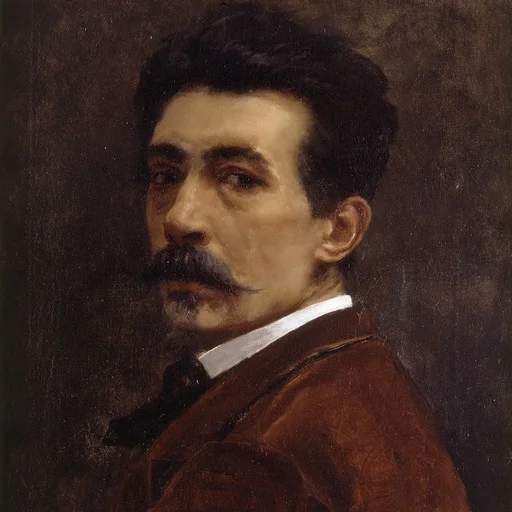
Joaquín Agrasot y Juan (24 December 1836 – 8 January 1919) was a Spanish painter of the Realistic style who produced many works in the Costumbrismo genre.