Artwork
Batavia
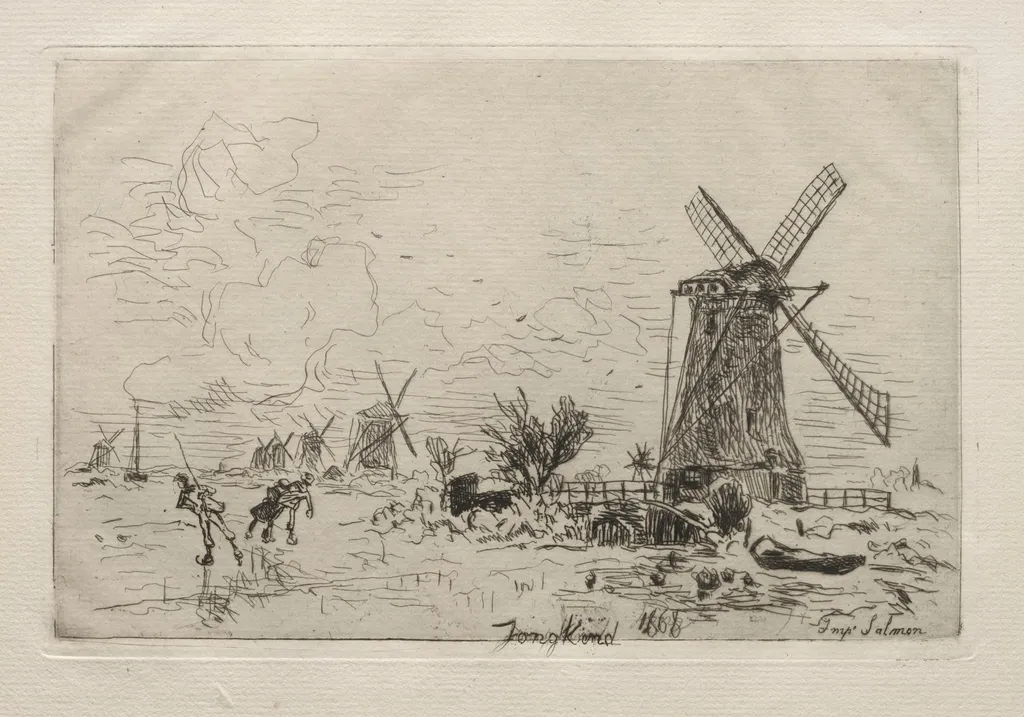
Batavia is a print by the Impressionist artist Johan Jongkind. It dates from 1868 and is held in the collection of the Cleveland Museum of Art.
About this work
Overview
Though primarily known as a painter, Jongkind also worked in printmaking, using the medium to explore light and atmosphere.
Johan Barthold Jongkind produced the print *Batavia* in 1868, capturing a tranquil coastal scene in the Netherlands. Though primarily known as a painter, Jongkind also worked in printmaking, using the medium to explore light and atmosphere. His approach to landscape eschewed dramatic narrative in favor of quiet observation, aligning him with emerging tendencies that would later define Impressionism.
Subject & Meaning
The scene depicts a calm stretch of Dutch coastline, likely near the port of Batavia, with minimal human activity. A few boats rest on the water, and the sky hovers softly above the horizon. The absence of grandeur or movement suggests a meditation on stillness, contrasting with the energetic compositions common in mid-19th-century art. Jongkind’s focus on ordinary moments elevates the mundane into a quiet poetic form.
Technique & Style
Jongkind employed restrained tones and loose, suggestive lines to evoke mood rather than detail. The print’s tonal gradations and delicate washes create a sense of atmospheric depth without heavy shading. His technique prioritizes immediacy and sensory impression over precision, reflecting an interest in transient light and weather—hallmarks of his influence on later Impressionist practices.
History & Provenance
Created in 1868, *Batavia* entered the collection of The Cleveland Museum of Art, where it remains part of their holdings of 19th-century European prints. The work’s journey from Jongkind’s studio to public display reflects growing recognition of his role in bridging Romantic landscape traditions and modern observational approaches. Its preservation underscores its significance in the evolution of printmaking during the period.
Context
In the late 1860s, European art was increasingly dominated by bold color and theatrical subject matter. Jongkind’s restrained coastal views stood apart, offering a contemplative alternative. His work resonated with contemporaries like Monet and Boudin, who similarly sought to capture fleeting natural effects. *Batavia* exemplifies a quiet rebellion against academic conventions, favoring personal perception over idealized form.
Legacy
Jongkind’s prints, including *Batavia*, contributed to a shift in how landscape was rendered—not as a stage for narrative, but as a record of sensory experience. His emphasis on atmosphere and light influenced the development of Impressionist techniques, particularly in printmaking. Though less celebrated than his peers, his quiet innovations helped redefine the possibilities of the medium in the modern era.
Own this work as a print
Artist & collection
Artist
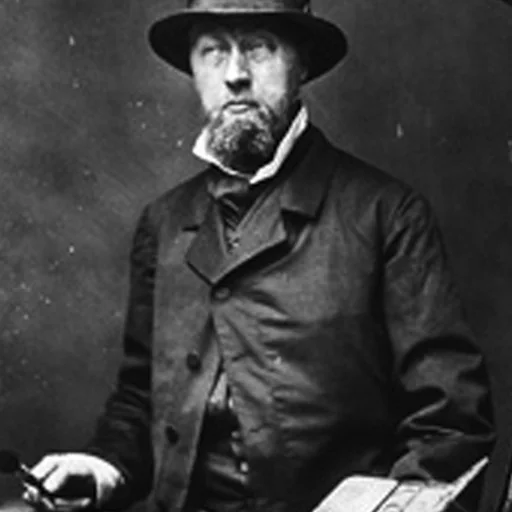
Johan Barthold Jongkind (Dutch pronunciation: ; 3 June 1819 – 9 February 1891) was a Dutch painter and printmaker. He painted marine landscapes in a free manner and is regarded as a forerunner of impressionism.

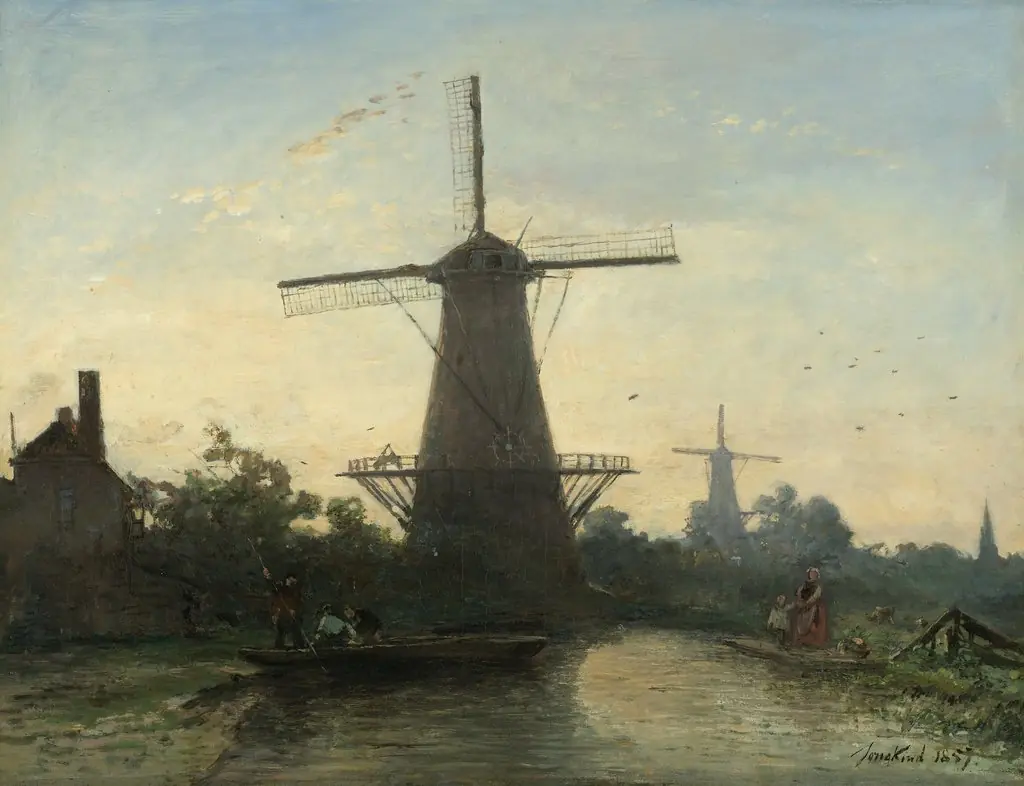
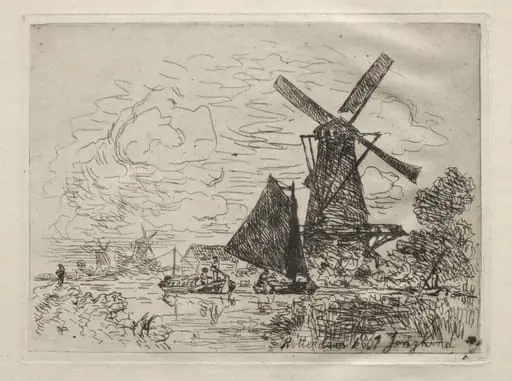 Windmills in Holland
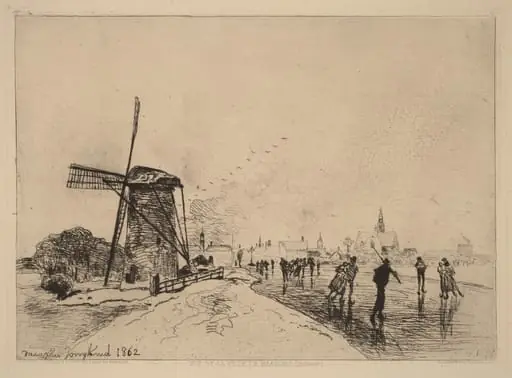 View of the Village of Maaslins (Vue de la ville de Maaslins (Hollande))
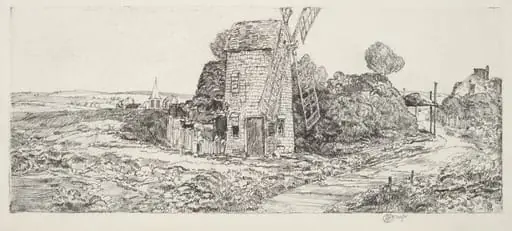 A Long Island Windmill
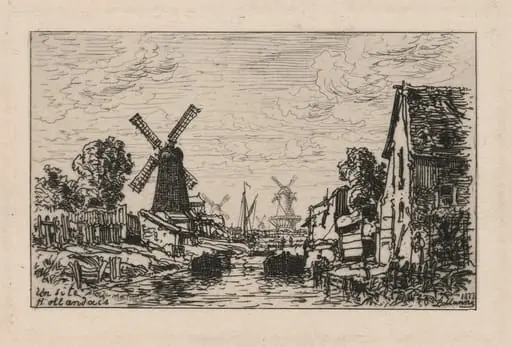 Un Site Hollandais (A Zaandam)
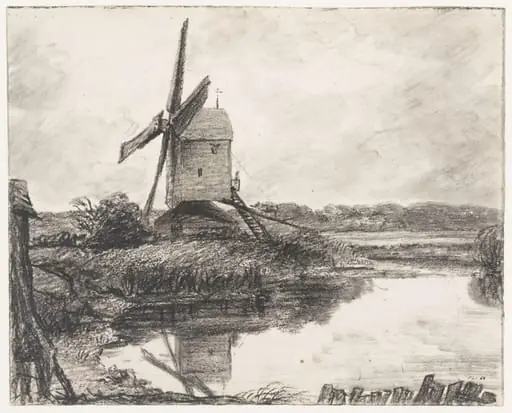 A mill on the banks of the River Stour
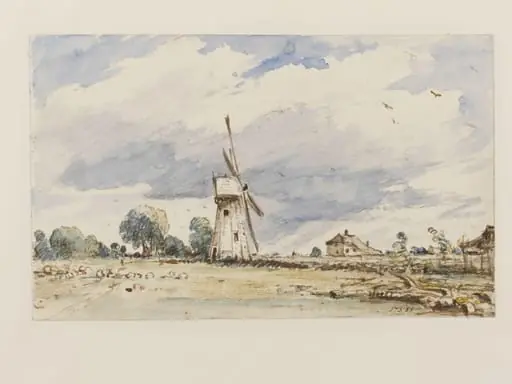 A windmill and a flock of sheep
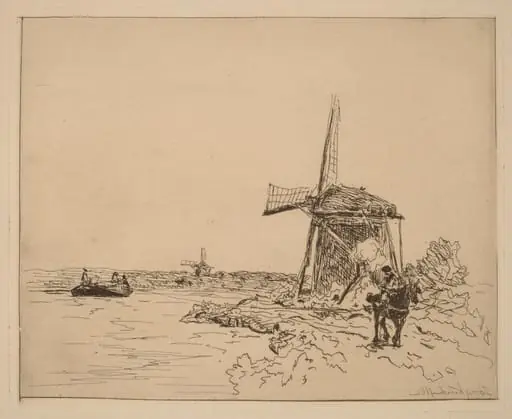 The Towpath (Le Chemin de Halage)
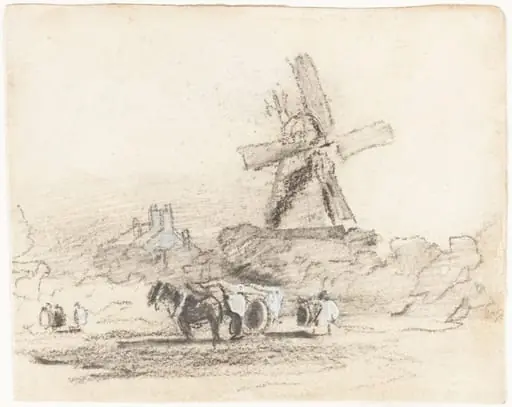 A Cart with Two Horses near a Windmill
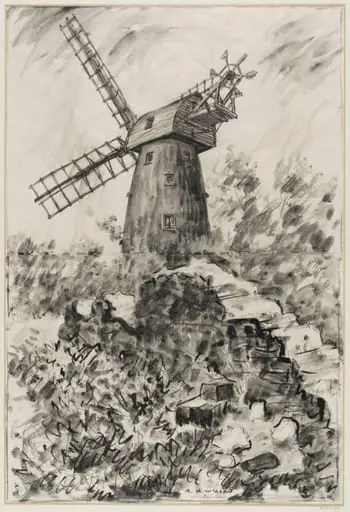 Shirley Mill, Surrey
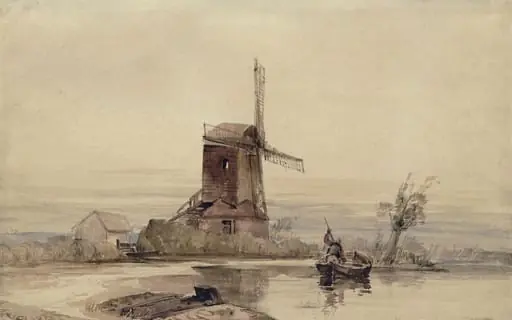 Old windmill by the side of a river, in the foreground a man in a boat
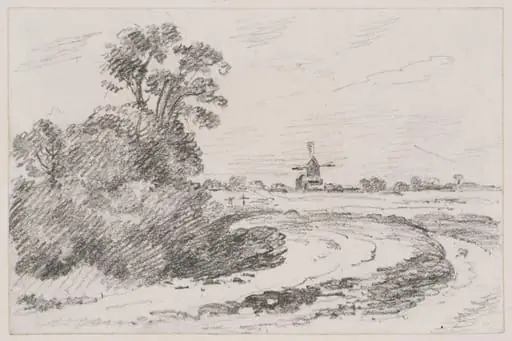 The family windmill at Bergholt Heath
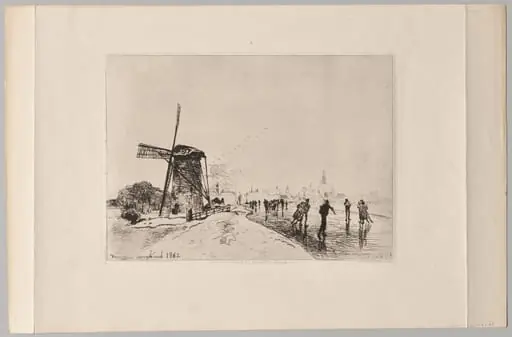 Vue de la Ville de Maaslins