Artwork
Untitled
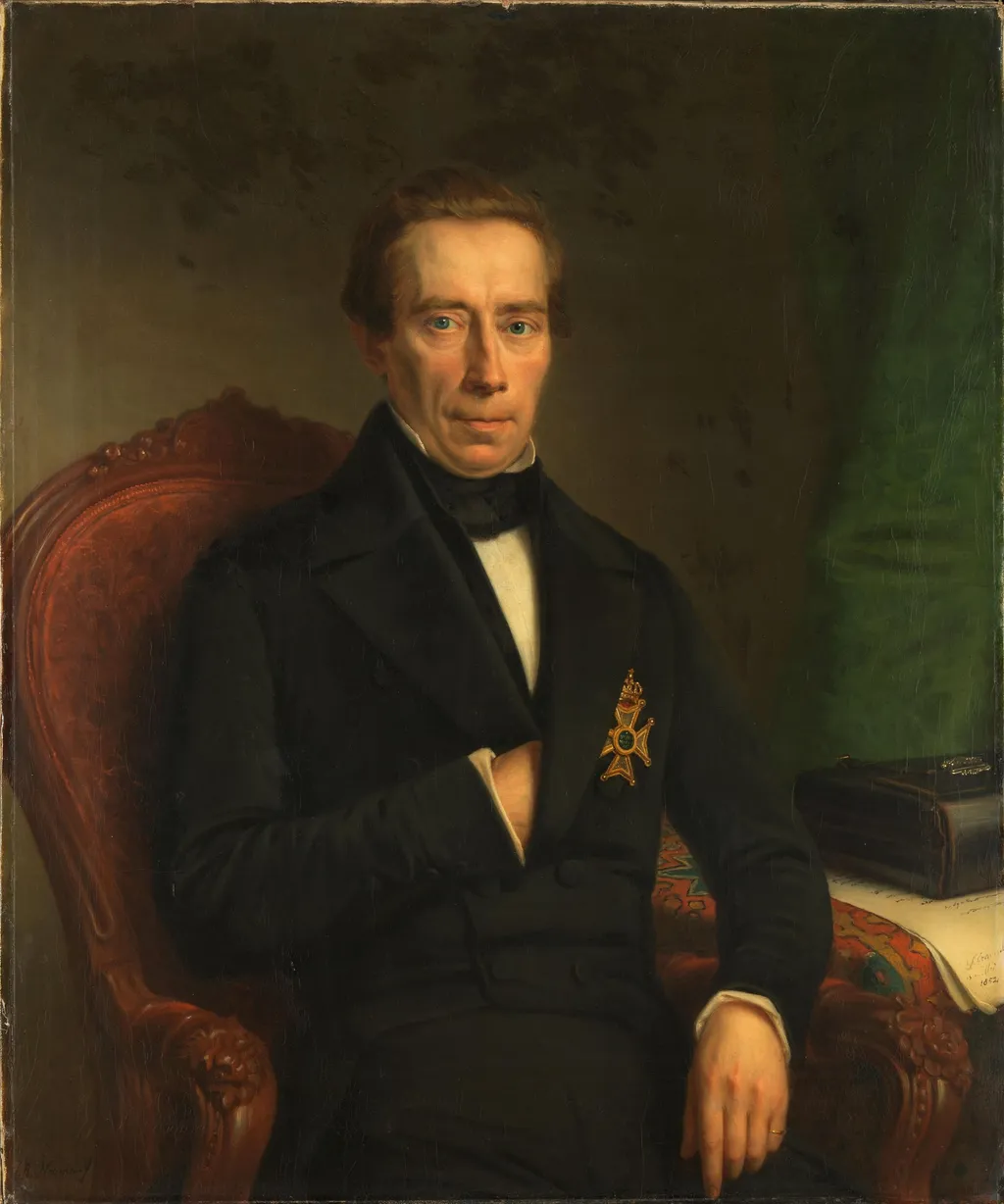
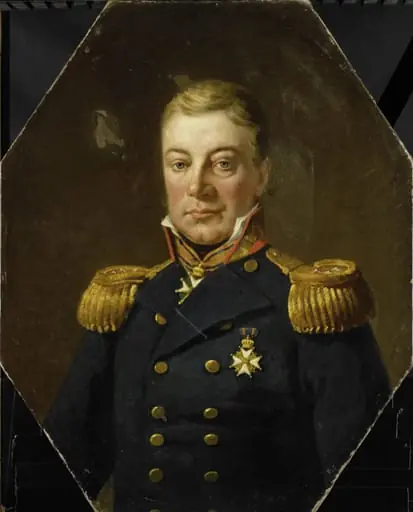
Untitled is an unspecified painting by the Biedermeier artist Johan Heinrich Neuman. It dates from 1852 and is held in the collection of the Rijksmuseum. Johan Rudolf Thorbecke (1798–1872) is depicted in this 1852 oil portrait by J.
About this work
This painting shows a man in a dark suit sitting at a desk, pen in hand, papers spread around him.
This painting shows a man in a dark suit sitting at a desk, pen in hand, papers spread around him. His face is serious, almost tired.
It’s a portrait of Johan Rudolf Thorbecke, the man who rewrote the Dutch constitution in 1848. That change shifted power from the king to parliament—something still felt today. The artist caught him mid-thought, as if he just paused writing.
To see more portraits like this, visit the Rijksmuseum.
Overview
Johan Rudolf Thorbecke (1798–1872) is depicted in this 1852 oil portrait by J.H. Neuman. The work presents the Dutch liberal statesman seated at a desk, pen in hand, surrounded by scattered documents, his expression solemn and contemplative.
Subject & Meaning
Thorbecke is shown at the moment of drafting legislation, reflecting his pivotal role in drafting the 1848 constitution that transferred significant authority from the monarch to the parliamentary system, a reform that continues to shape Dutch governance.
Technique & Style
Neuman renders the figure in a restrained palette of dark tones, emphasizing the texture of the suit and the crispness of the papers. The composition focuses on the sitter’s hands and face, employing chiaroscuro to convey a quiet intensity.
History & Provenance
The portrait was painted shortly after Thorbecke’s first term as head of government (1849–1853). In the image he wears the commander’s cross of the Order of the Dutch Lion, a decoration he received for his public service. The painting entered the Rijksmuseum collection in the early 20th century.
Context
Thorbecke’s career spanned academia and politics: after studies in Germany he taught philosophy in Ghent, then law in Leiden, before entering the Second Chamber in 1840. His three cabinets (1849‑1853, 1862‑1868, 1871‑1872) oversaw the implementation of the constitutional reforms he authored.
Own this work as a print
Artist & collection

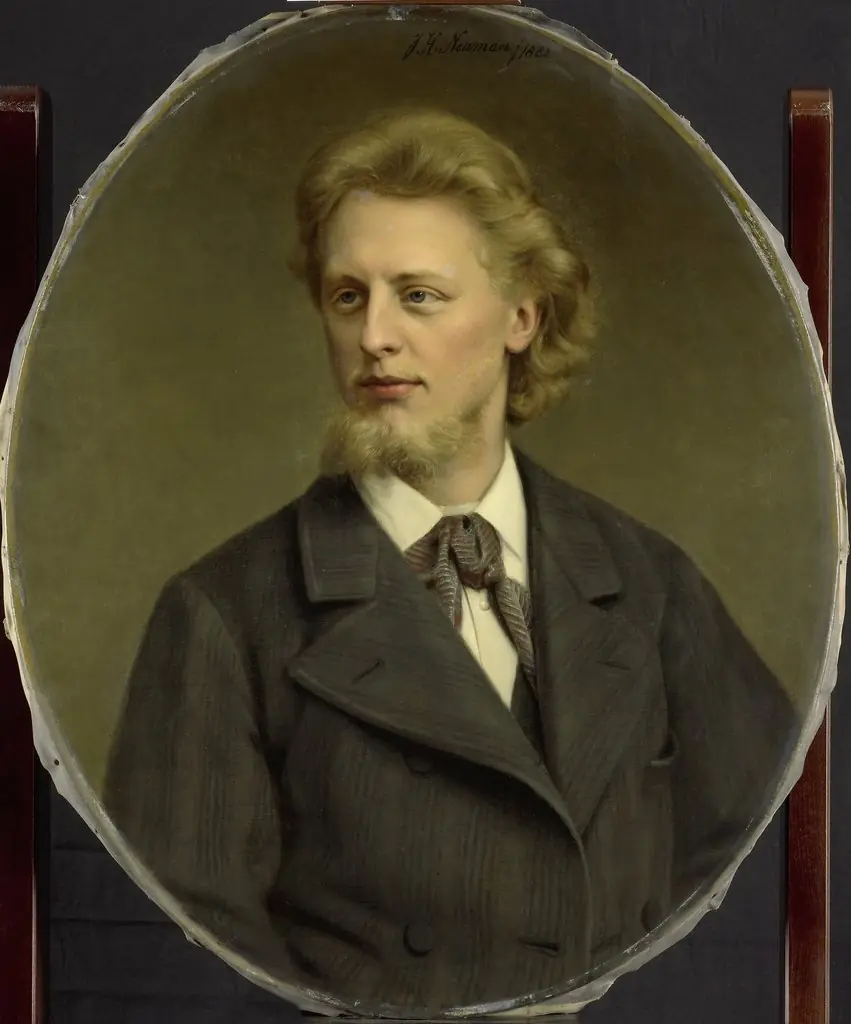 Portrait of Jacques Fabrice Herman Perk (1859-1881)
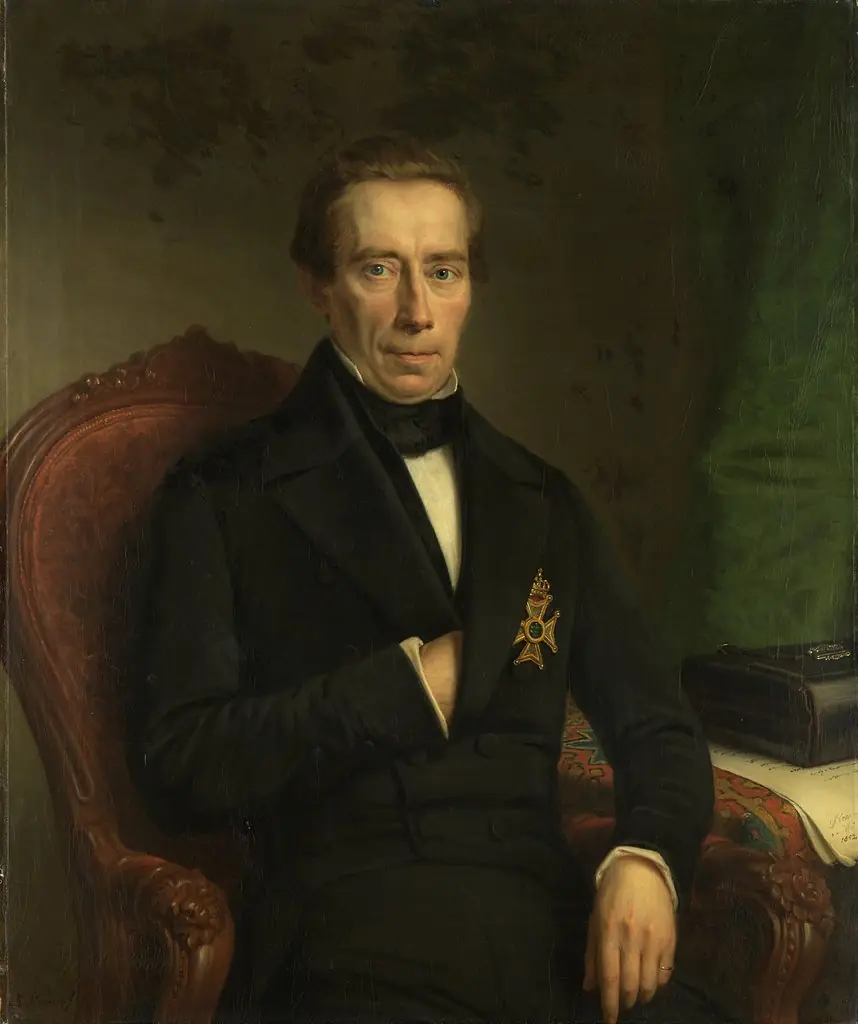 Portrait of Johan Rudolf Thorbecke, Minister of State and Minister of the Interior
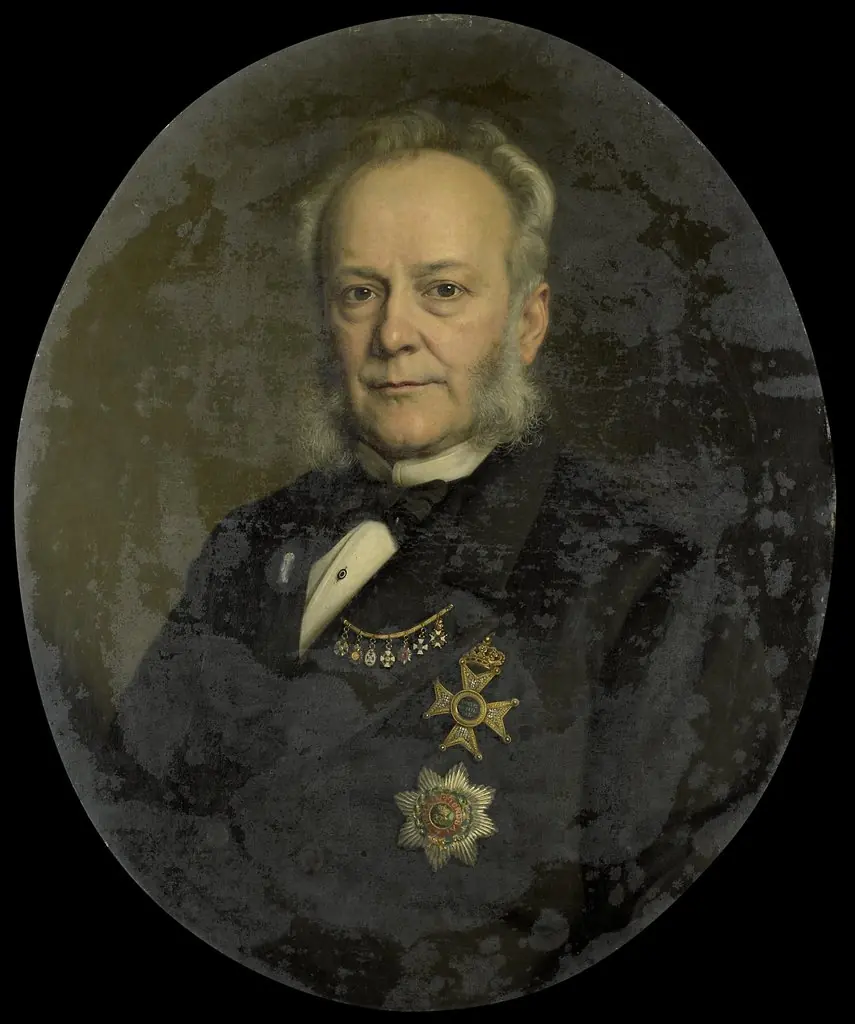 Pieter Mijer (1812-81). Gouverneur-generaal van Nederlands Oost Indië
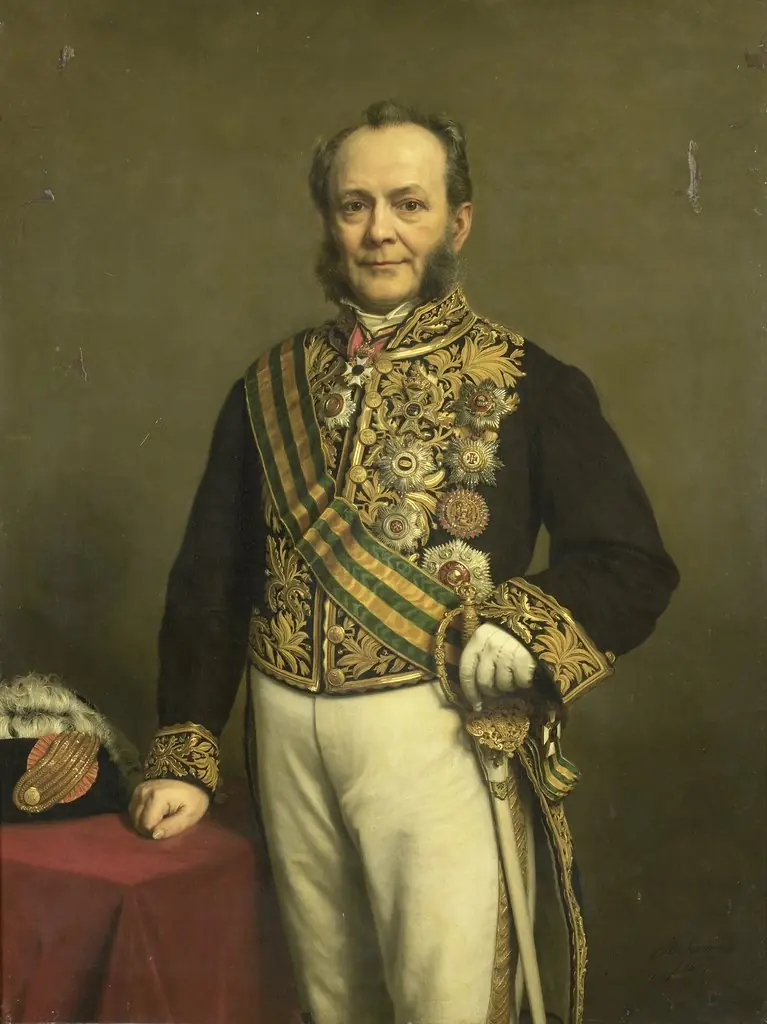 Pieter Mijer (1812-81). Gouverneur-generaal (1866-71)
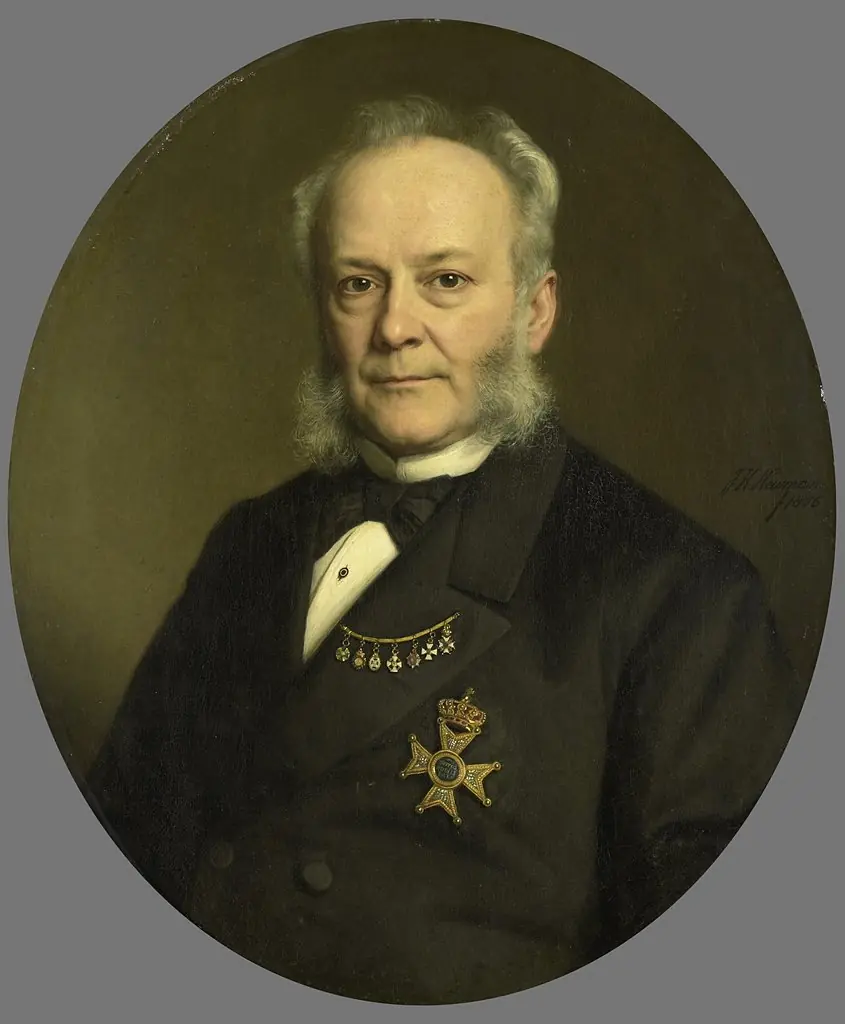 Pieter Mijer (1812-81). Gouverneur-generaal van Nederlands Oost Indië
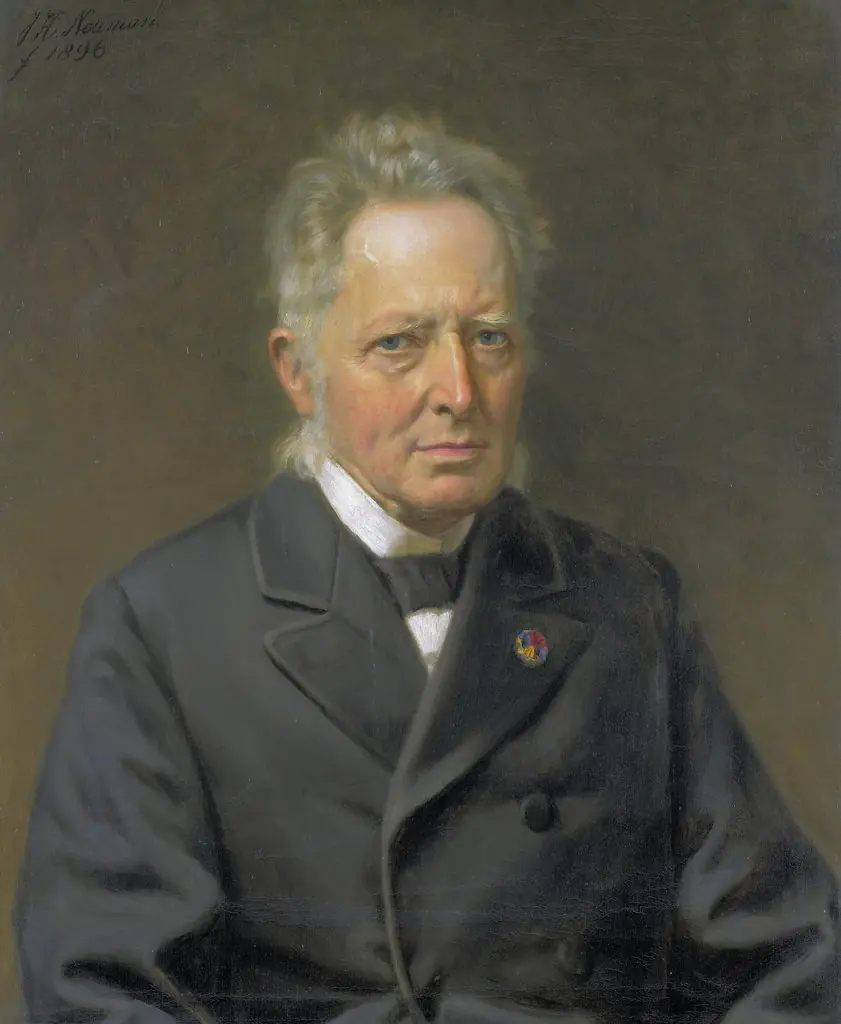 Portrait of Jan Heemskerk Azn.
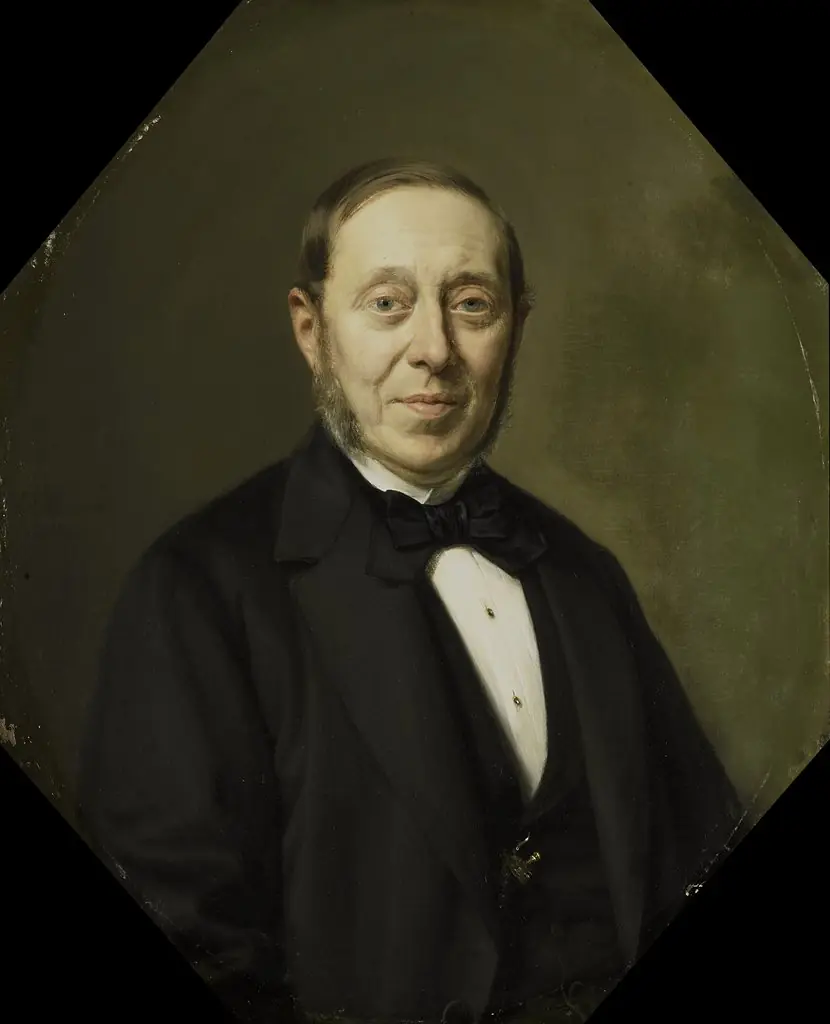 Portrait of Johannes Cornelis van Pappelendam (1810-1884). Artist and Art Dealer. Superintendent of the Van der Hoop Museum
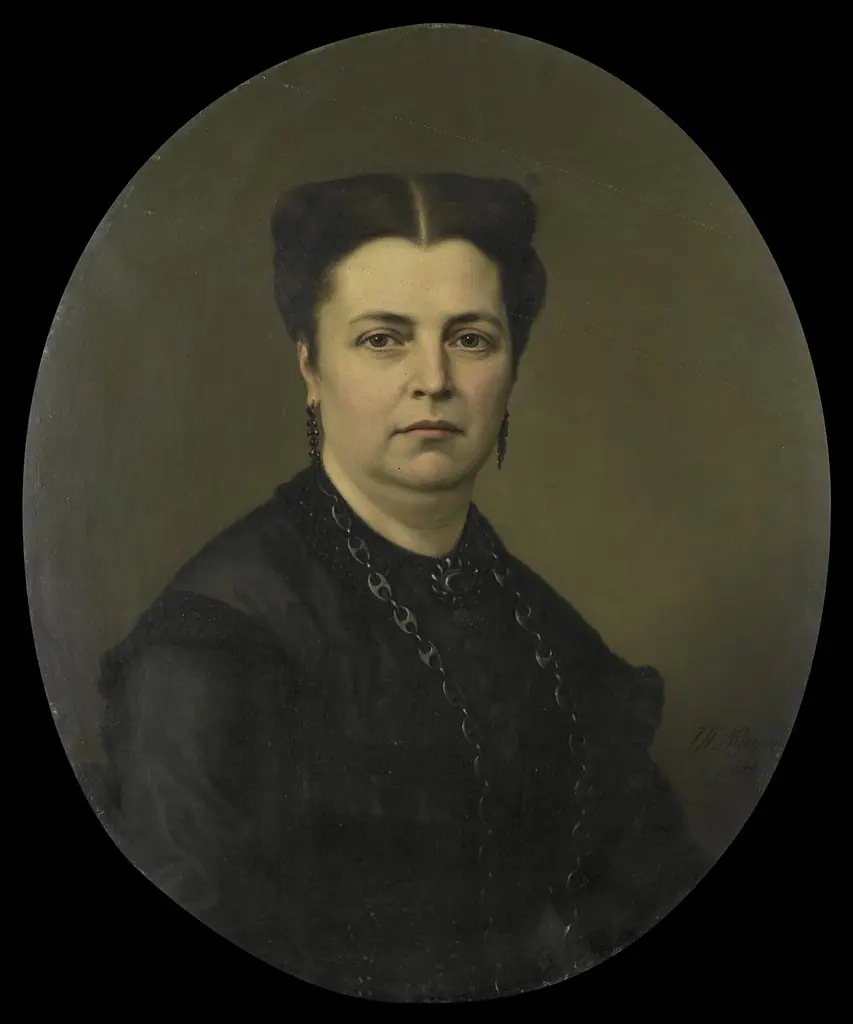 Jeanette Antoinette Pietermaat (1818-70). Echtgenote van Pieter Mijer
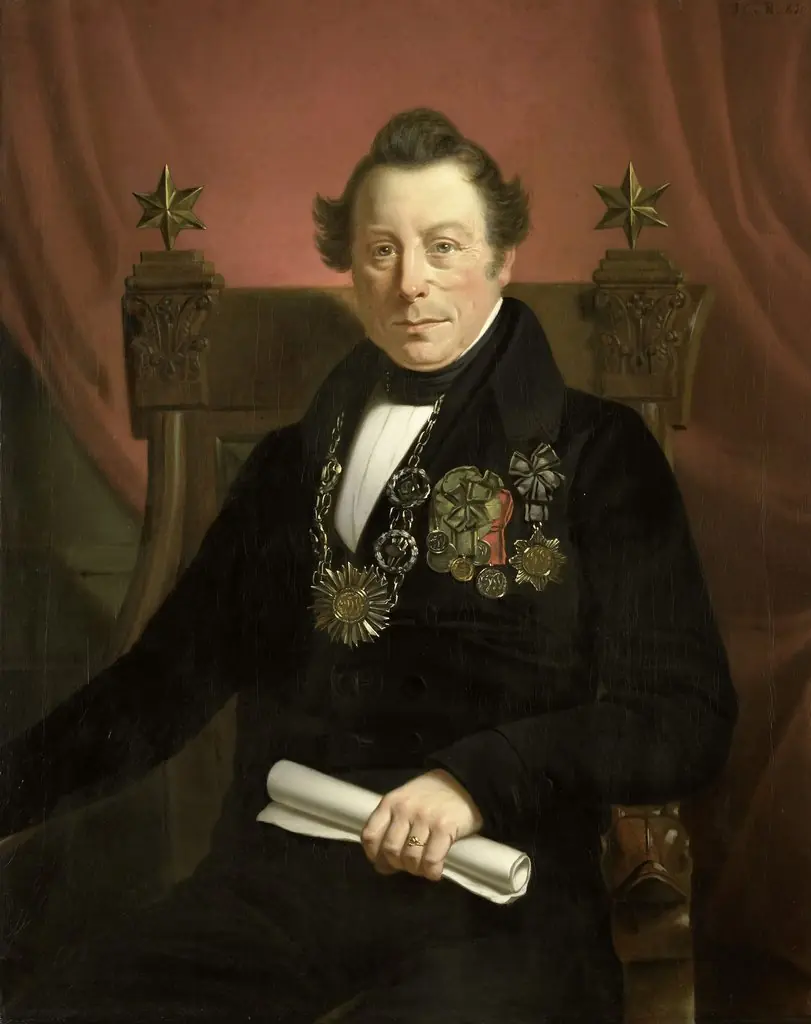 Portrait of Coenraad van Hulst, Actor, as President of the Arts-Promoting Company VW in Amsterdam (so named after the founders Casper Vreedenberg and Jan van Well)
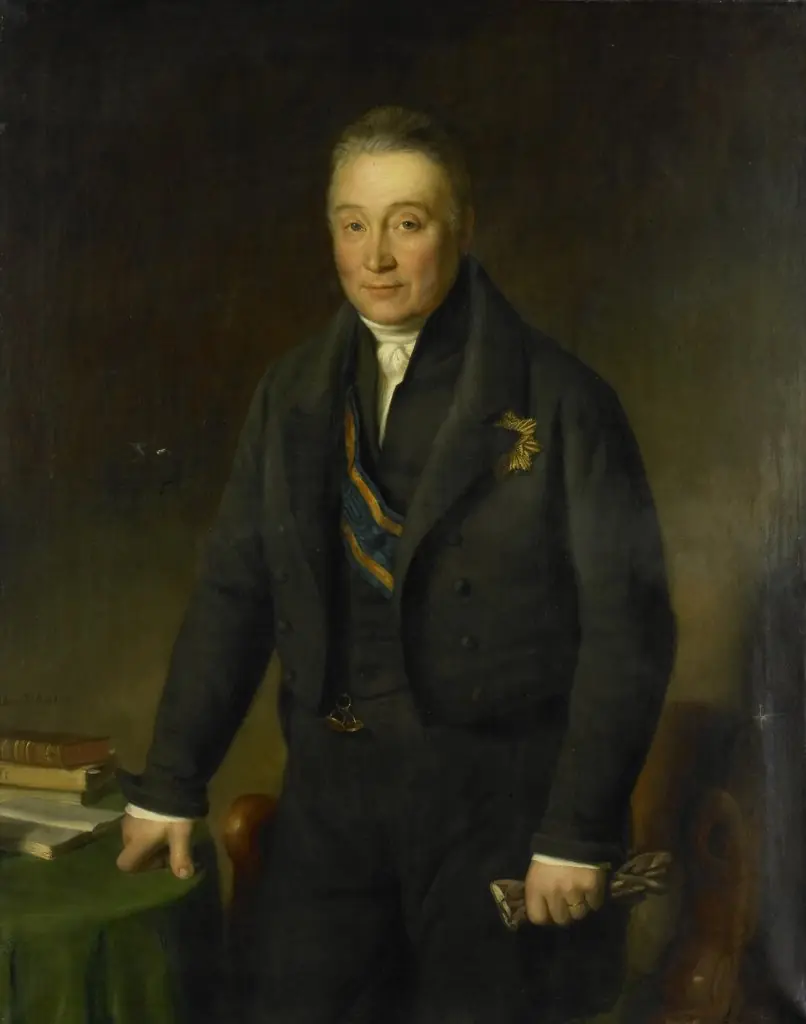 Portrait of Count Adam-François-Jules-Armand van der Duyn van Maasdam
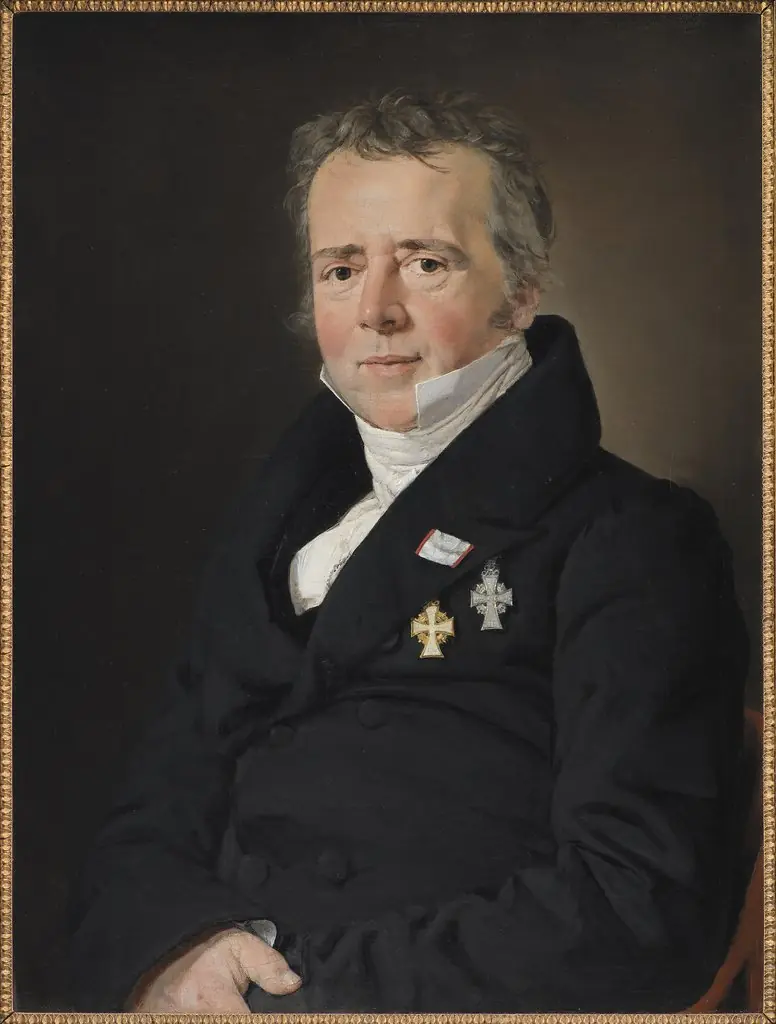 Portrait of the Physicist Hans Christian Ørsted
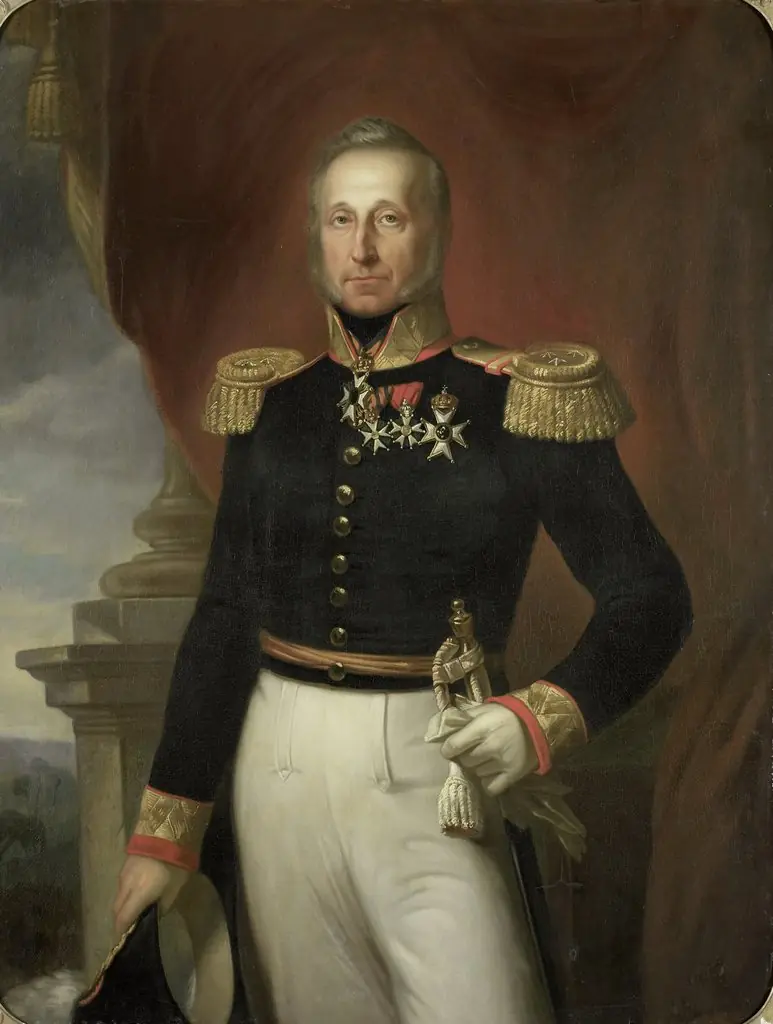 Portrait of Dominique Jacques de Eerens, Governor-General of the Dutch East Indies
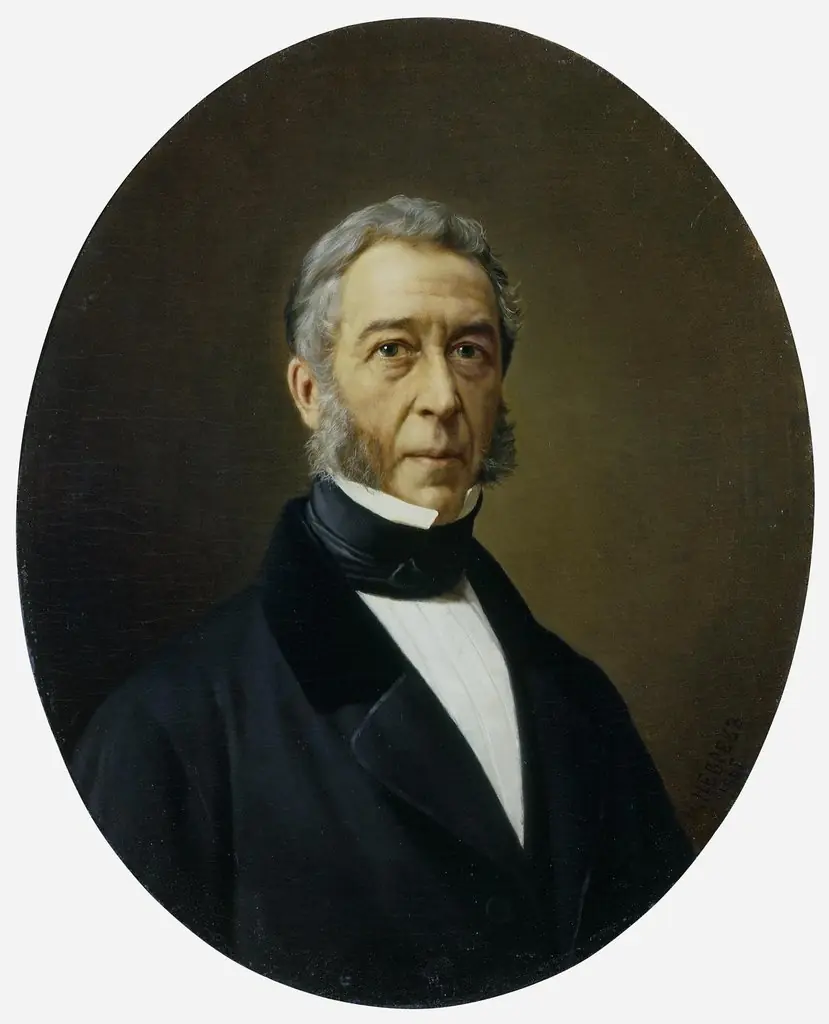 Portrait of Mikhail Golitsyn
 Portrait of the Scientist Hans Christian Ørsted
 Untitled
 Asessori Blechard Gustaf Jägerhorn
 Henry O´Shea
 Vapaaherra Lars Gabriel von Haartman