Artwork
Jeanette Antoinette Pietermaat (1818-70). Echtgenote van Pieter Mijer
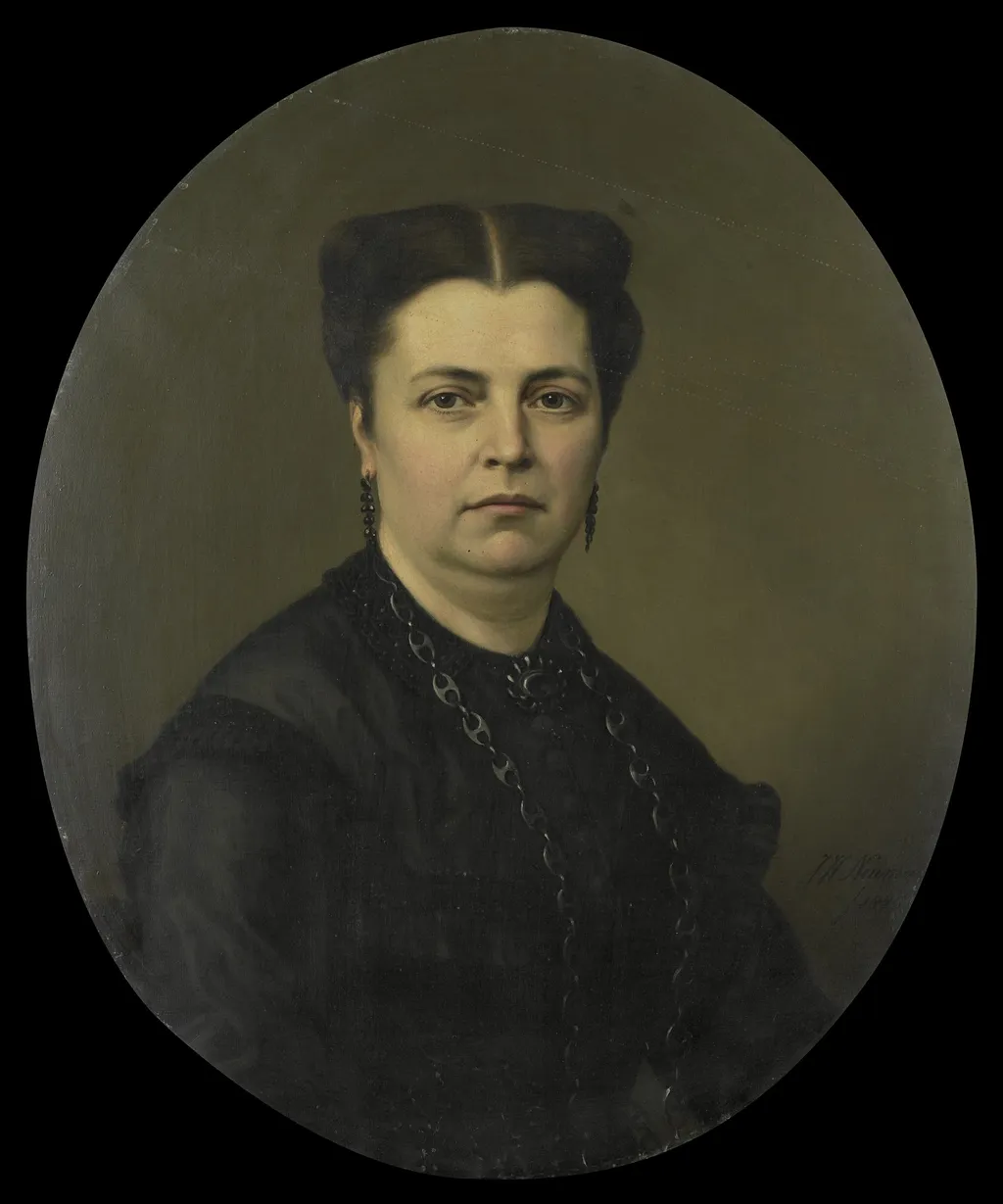
Jeanette Antoinette Pietermaat (1818-70). Echtgenote van Pieter Mijer is an oil painting by the Realist artist Johan Heinrich Neuman. It dates from 1888 and is held in the collection of the Rijksmuseum.
About this work
Overview
Rendered with precision, the painting captures her likeness in a restrained, dignified manner, reflecting the conventions of domestic portraiture of the period.
This oil portrait, painted in 1888 by Johan Heinrich Neuman, depicts Jeanette Antoinette Pietermaat, wife of Pieter Mijer. The work is part of the Rijksmuseum’s collection and represents a quiet, formal study of a 19th-century Dutch woman. Rendered with precision, the painting captures her likeness in a restrained, dignified manner, reflecting the conventions of domestic portraiture of the period.
Subject & Meaning
Jeanette Antoinette Pietermaat is portrayed not as a public figure but as a private individual, her identity tied to her marital role. Her stillness and direct gaze suggest introspection rather than performance. The absence of symbolic objects or elaborate setting emphasizes her personal presence over social status, aligning with a shift toward intimate, character-focused portraiture in late 19th-century Dutch art.
Technique & Style
Neuman employs a realistic approach with careful attention to texture and form. The black dress, high collar, and dangling earrings are rendered with subtle variations in tone, highlighting fabric weight and metallic sheen. Chiaroscuro modeling defines the contours of her face and shoulders, creating volume against the muted greenish-brown background. Brushwork remains controlled, avoiding flourish in favor of quiet accuracy.
History & Provenance
The painting entered the Rijksmuseum’s collection as part of its broader effort to document Dutch domestic life through portraiture. While little is recorded about its early ownership, its inclusion in the museum’s holdings by the late 19th century suggests it was acquired as representative of middle-class familial identity. No significant alterations or restorations are documented.
Context
Created during a period when Dutch society increasingly valued personal and familial representation in art, this portrait reflects the decline of aristocratic grandeur in favor of modest, private dignity. Neuman, though not widely known, worked within a tradition of regional portraitists who catered to professional and merchant classes seeking to commemorate family members with sincerity rather than spectacle.
Legacy
The portrait endures as a quiet example of late 19th-century Dutch domestic portraiture. It contributes to the Rijksmuseum’s narrative of everyday life, offering insight into how women of the middle class were visually represented—not as symbols, but as individuals. Its restrained aesthetic continues to resonate in studies of gender, identity, and the evolution of portraiture beyond formal conventions.
Artist & collection

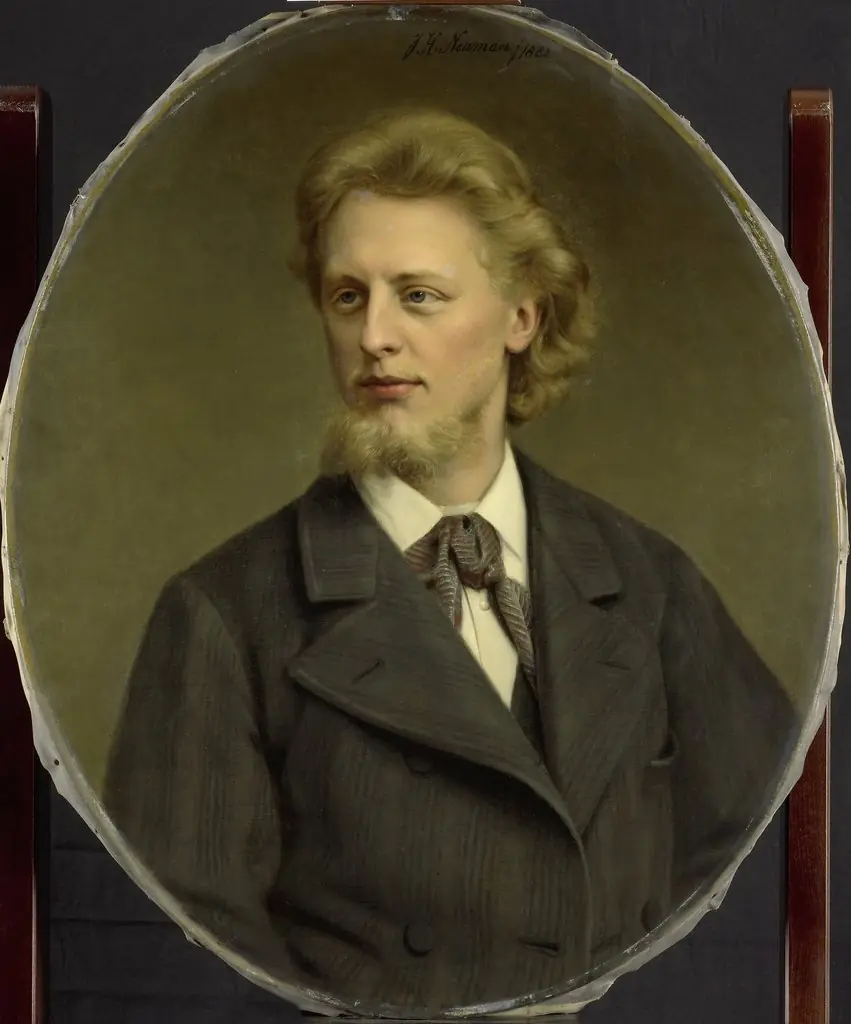 Portrait of Jacques Fabrice Herman Perk (1859-1881)
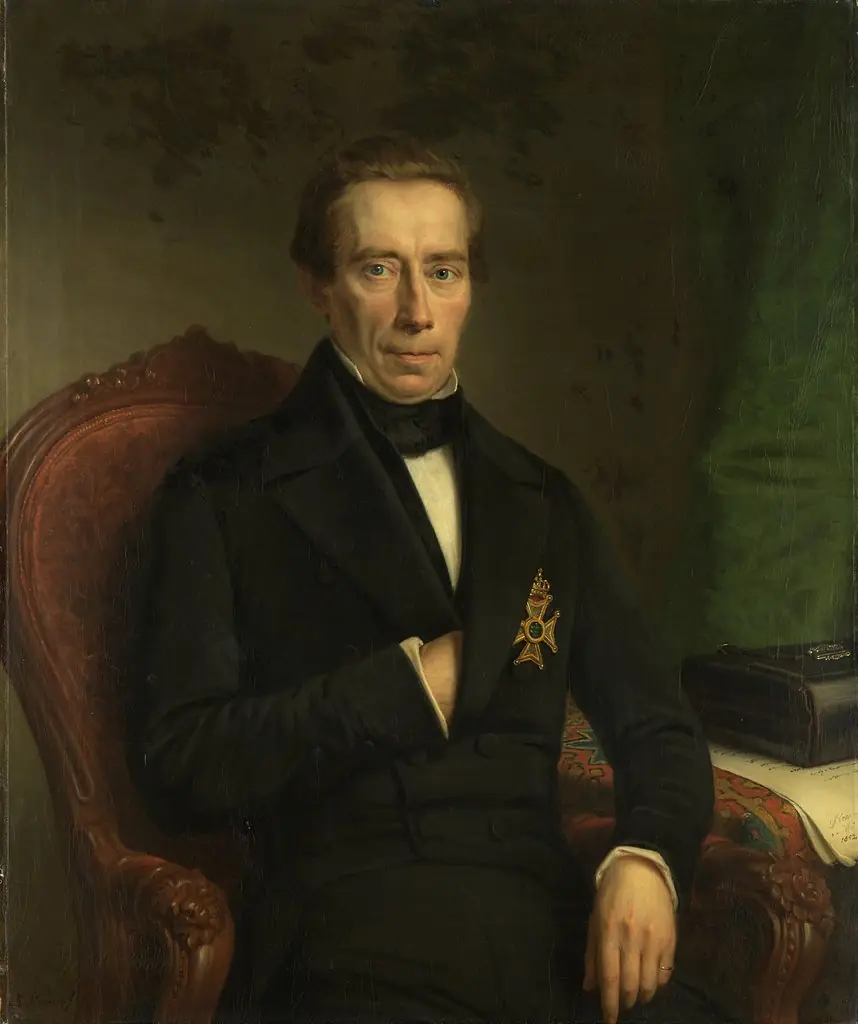 Portrait of Johan Rudolf Thorbecke, Minister of State and Minister of the Interior
 Pieter Mijer (1812-81). Gouverneur-generaal van Nederlands Oost Indië
 Pieter Mijer (1812-81). Gouverneur-generaal (1866-71)
 Pieter Mijer (1812-81). Gouverneur-generaal van Nederlands Oost Indië
 Portrait of Jan Heemskerk Azn.
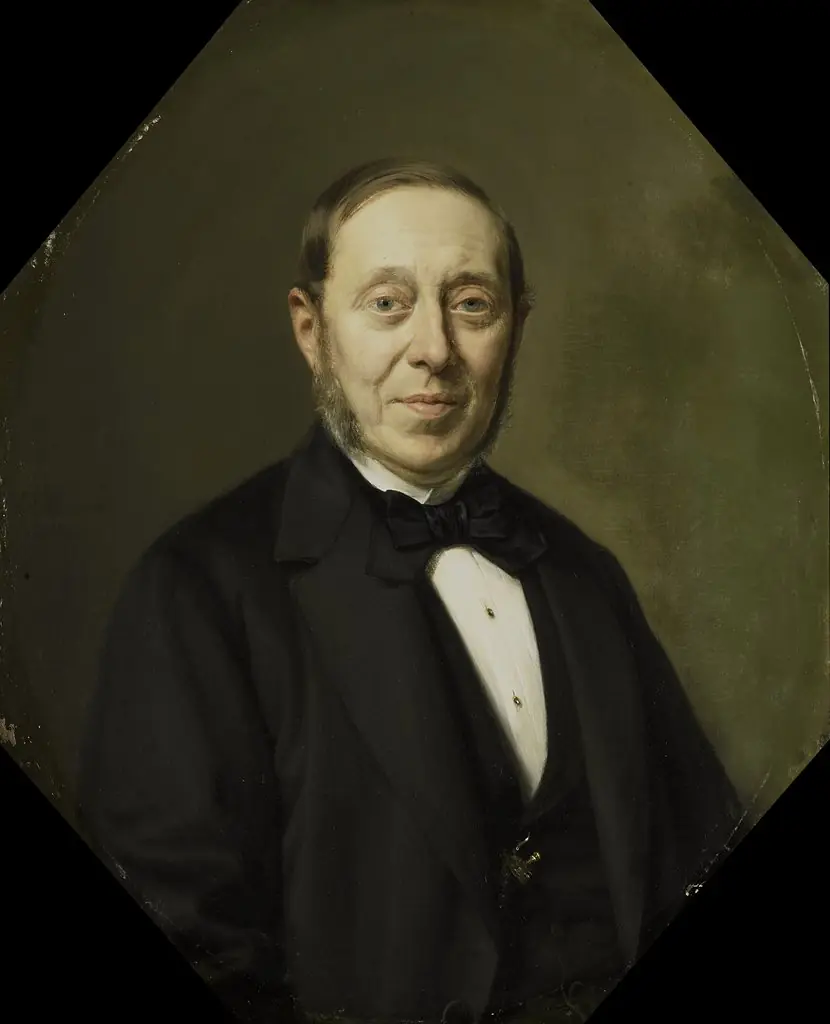 Portrait of Johannes Cornelis van Pappelendam (1810-1884). Artist and Art Dealer. Superintendent of the Van der Hoop Museum
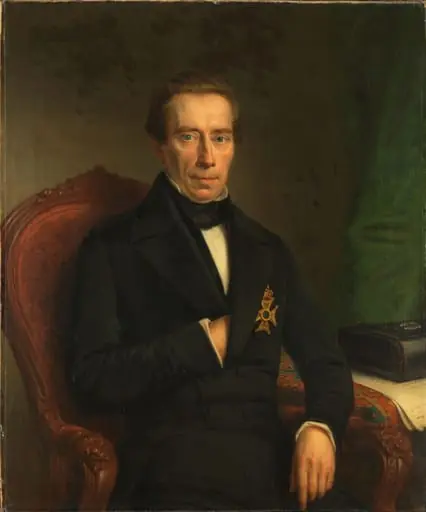 Untitled
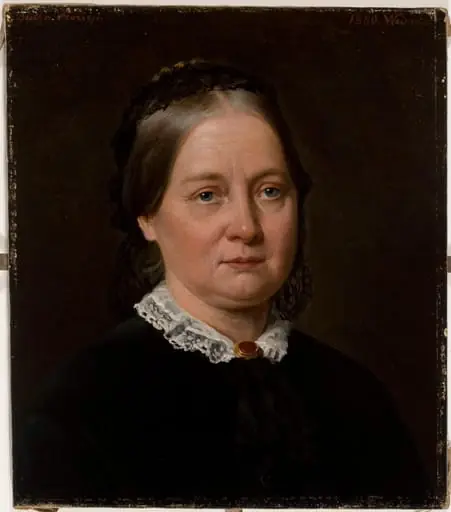 Victoria Åbergin muotokuva
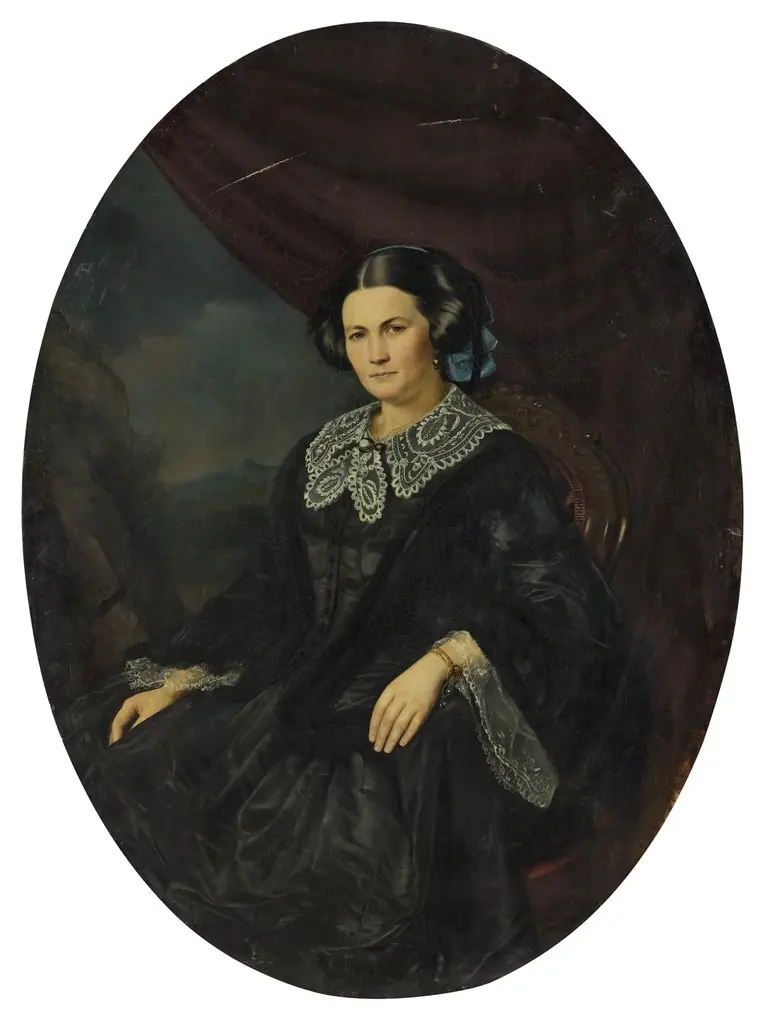 Portrait of E.K. Rukavishnikova
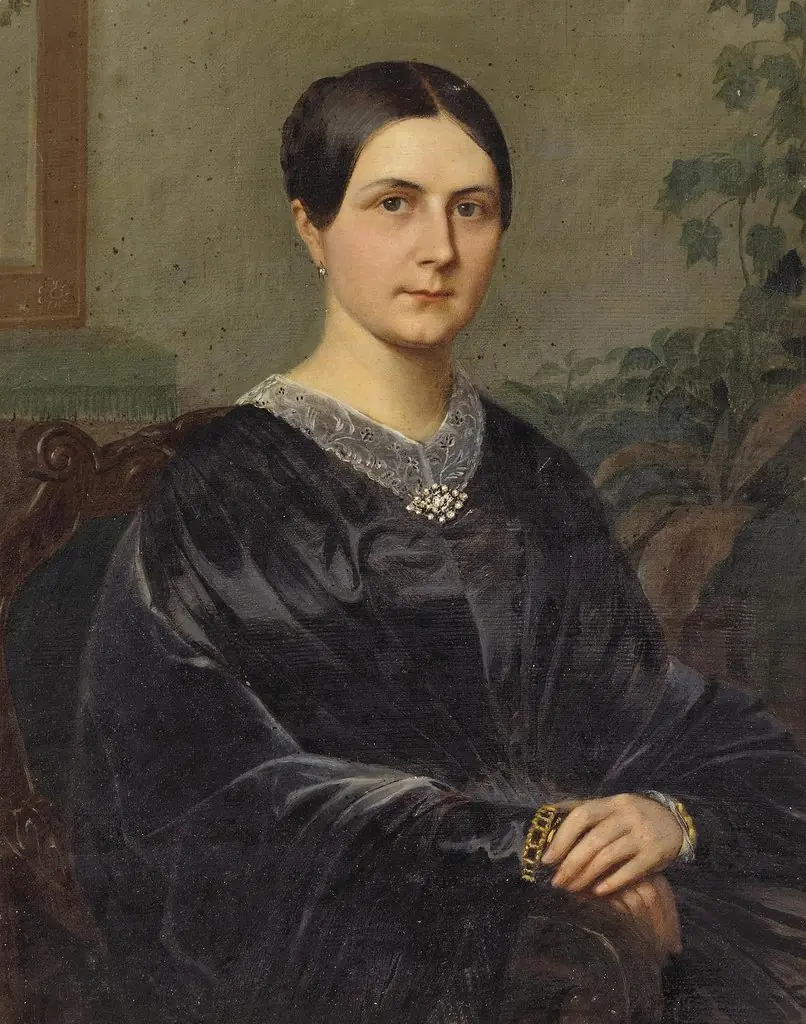 Portrait of Elizaveta Nikolaevna Odintsova
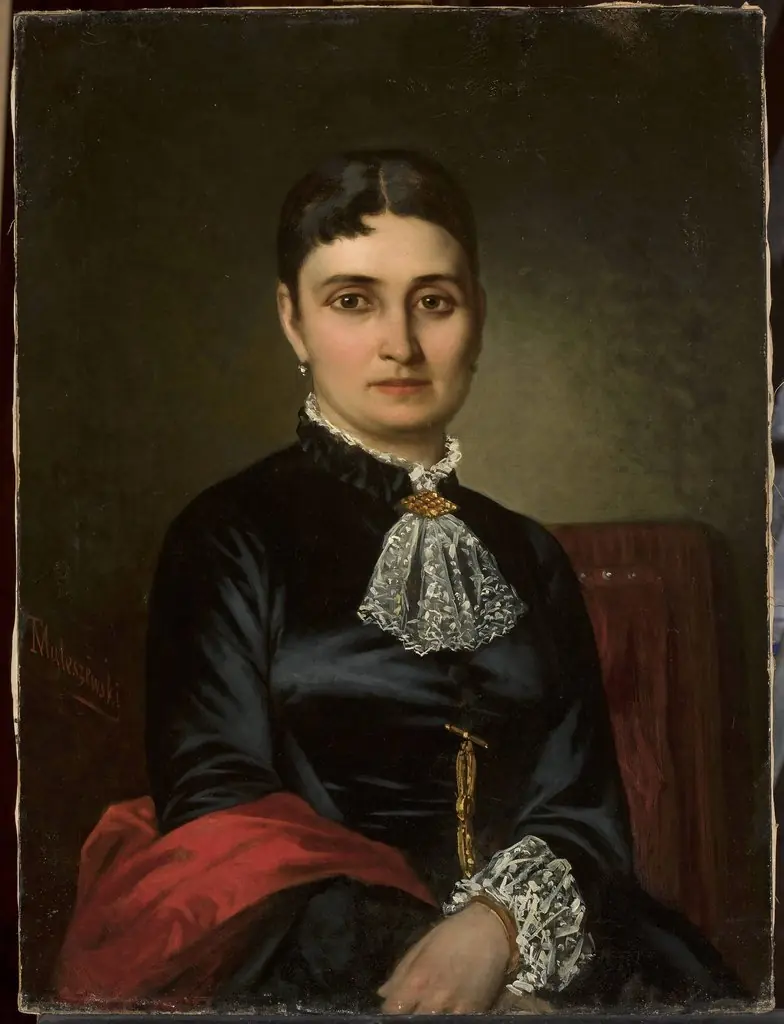 Portrait of Apolonia Anaszkowska
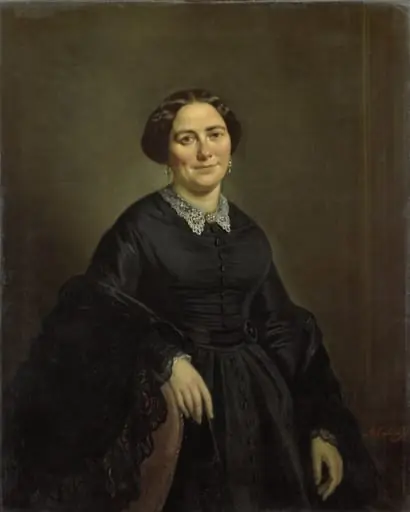 Johanna Christina Beelenkamp (1820-90). Wife of Cornelis Outshoorn
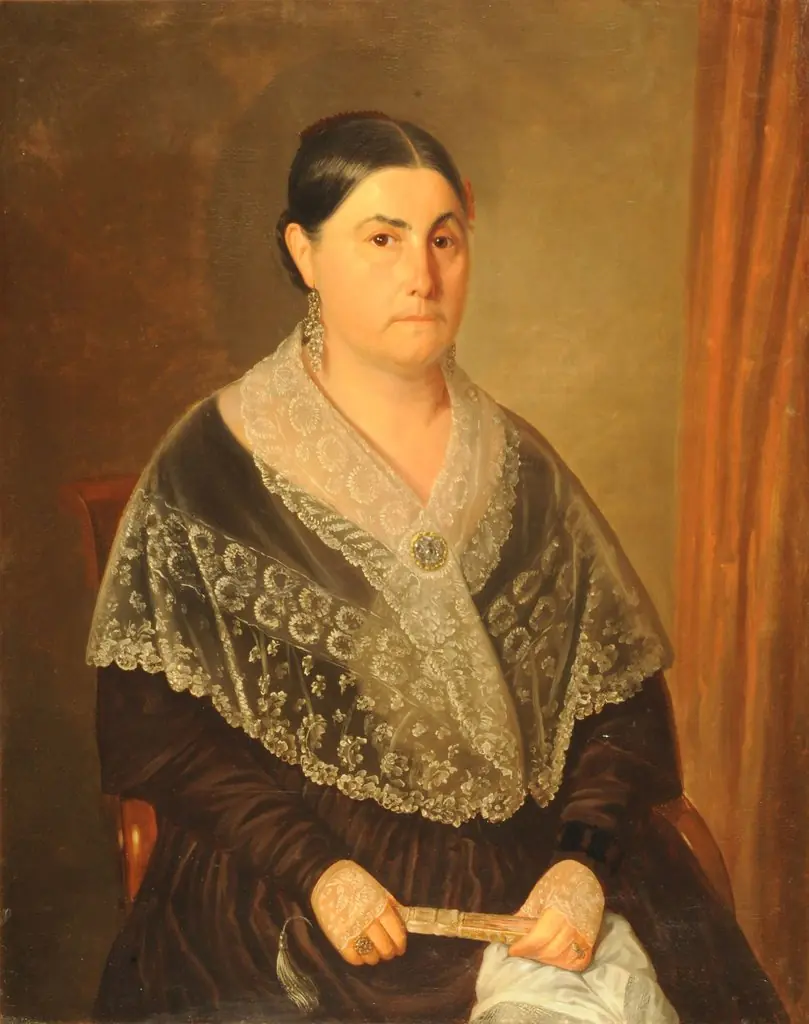 Retrato de señora
 Portrait of E.I. Brusnitsyna, the Wife of Factory Owner
 Bildnis der Stifterin Anna Fedder
 Portrait of Doña Inés N. de Aldao
 Portrait of an Elderly Woman
 Portrait of an Elderly Woman
 Johanna Christina Beelenkamp (1820-90). Wife of Cornelis Outshoorn