Artwork
Fru Lindam, f. Goos, enke efter superkargo Lindam i Ostindien
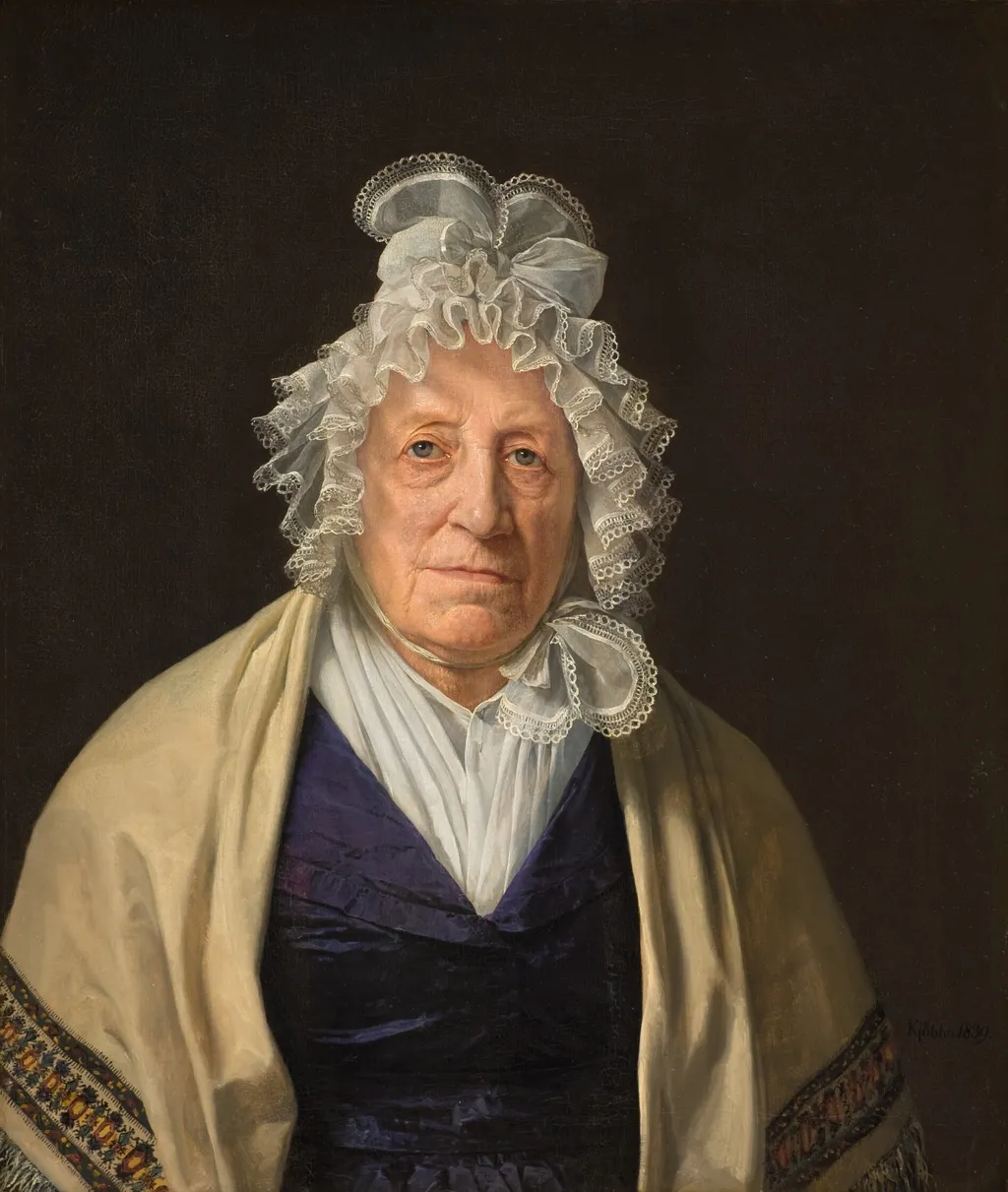
Fru Lindam, f. Goos, enke efter superkargo Lindam i Ostindien is an oil painting by the Neoclassicist artist Johan Vilhelm Gertner. It dates from 1839 and is held in the collection of the Statens Museum for Kunst.
About this work
The artist's use of oil paint and attention to detail in the subject's clothing and accessories add to the overall sense of formality.
This portrait shows an elderly woman with a stern expression, wearing a white lace bonnet and a purple dress under a beige shawl. Her eyes are cast downward, and her face is lined with age.
The subject's attire and the style of the painting suggest a formal portrait from the early 19th century. The artist's use of oil paint and attention to detail in the subject's clothing and accessories add to the overall sense of formality.
If you're interested in learning more about the artist behind this portrait, look up Johan Vilhelm Gertner.
Overview
Johan Vilhelm Gertner painted this portrait in 1839, capturing the likeness of a widow connected to Denmark’s East India trade. Trained under Christoffer Wilhelm Eckersberg, Gertner was part of Denmark’s late Golden Age of painting, a time when artists moved toward quiet realism. The work is executed in oil on canvas, reflecting the period’s emphasis on precise observation and restrained elegance.
Subject & Meaning
The sitter is identified as the widow of a supercargo who managed commercial operations in the East Indies. Her dignified bearing and somber attire suggest mourning and social standing. The downward gaze and aged features convey introspection rather than grandeur, aligning with a shift in portraiture toward psychological depth over ceremonial display.
Technique & Style
Gertner employed oil paint with careful attention to texture, particularly in the lace bonnet, the weave of the shawl, and the folds of the purple dress. The palette is muted, dominated by earth tones and soft contrasts. Lighting is even and naturalistic, avoiding theatricality, which reflects the influence of emerging realist sensibilities and early photographic aesthetics.
History & Provenance
Commissioned during the height of Denmark’s colonial trade, the portrait likely served as a private memorial. It remained within the family until entering public collections, where it now stands as a record of elite Danish women linked to overseas commerce. Its survival offers rare insight into the domestic lives of those connected to the East India Company’s network.
Context
In early 19th-century Denmark, portraiture evolved from idealized neoclassical forms toward intimate, truthful depictions. Gertner’s work reflects this transition, influenced by French realism and the growing accessibility of photographic likeness. The subject’s connection to the East Indies underscores Denmark’s modest but significant colonial presence in Asia during this era.
Legacy
Though not widely exhibited, the portrait contributes to the understanding of Danish portraiture’s shift toward psychological realism. Gertner’s focus on quiet dignity over ornamentation helped define a generation of artists who valued authenticity. The painting remains a quiet testament to the lives of women whose identities were tied to imperial commerce yet rarely documented in their own right.
Own this work as a print
Artist & collection
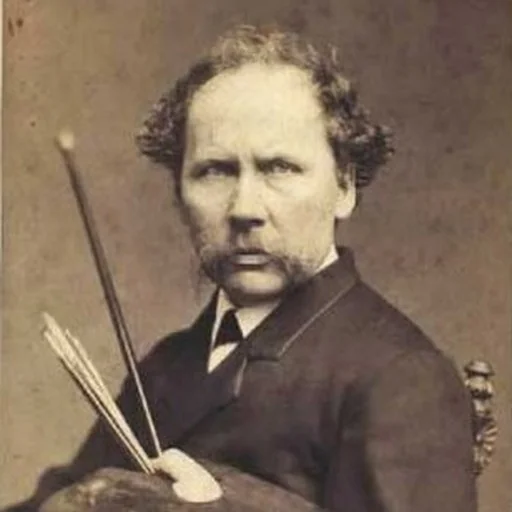
Artist
Johan Vilhelm Gertner (10 March 1818 – 28 March 1871) was a Danish painter, best known for his lifelike portraiture.

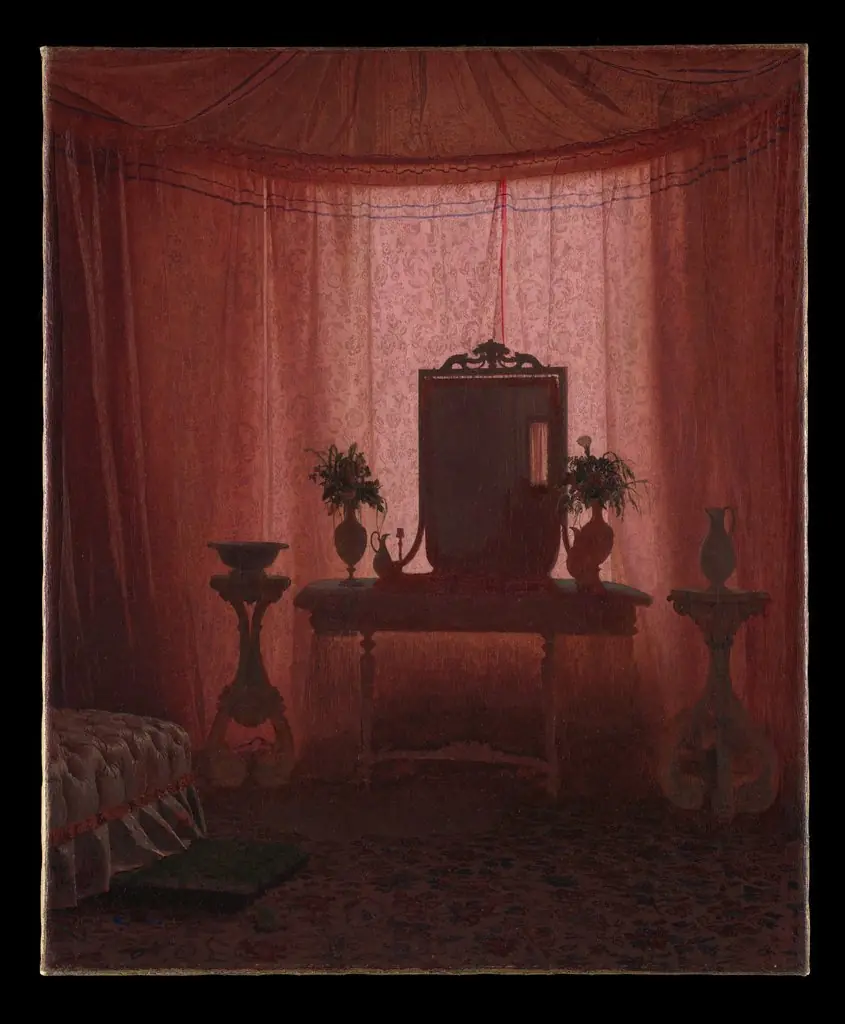 A Bedroom in Bernstorff Palace near Copenhagen
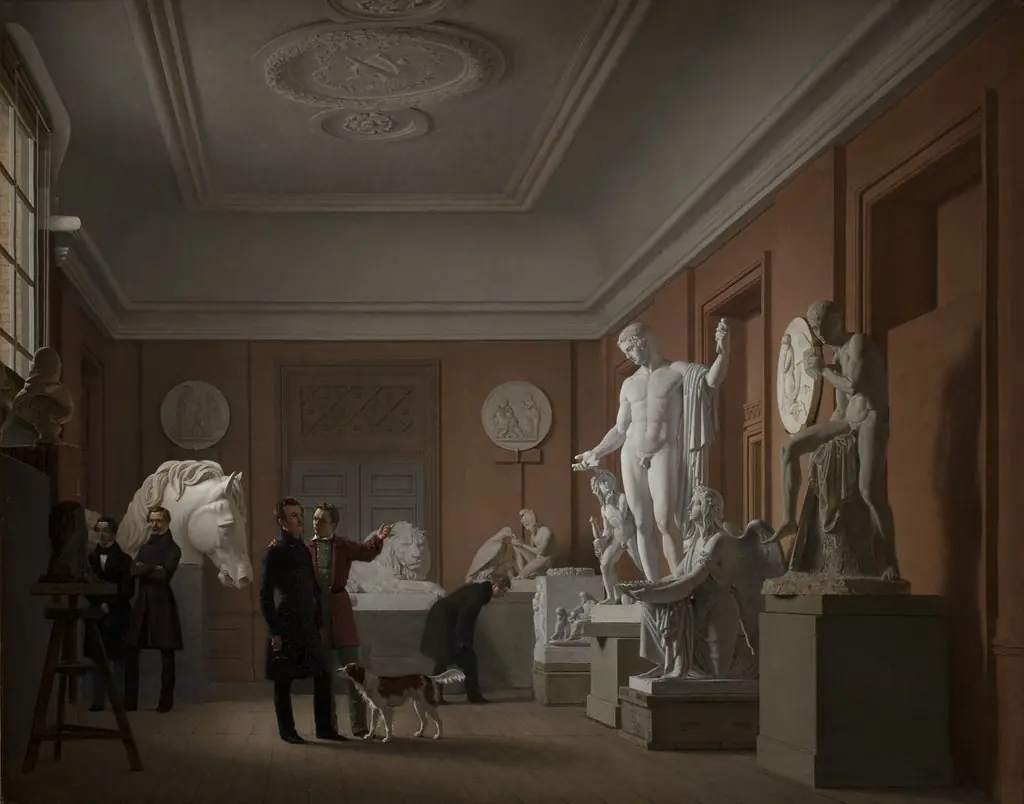 Thorvaldsen's Studio in the Royal Academy of Fine Arts, Copenhagen
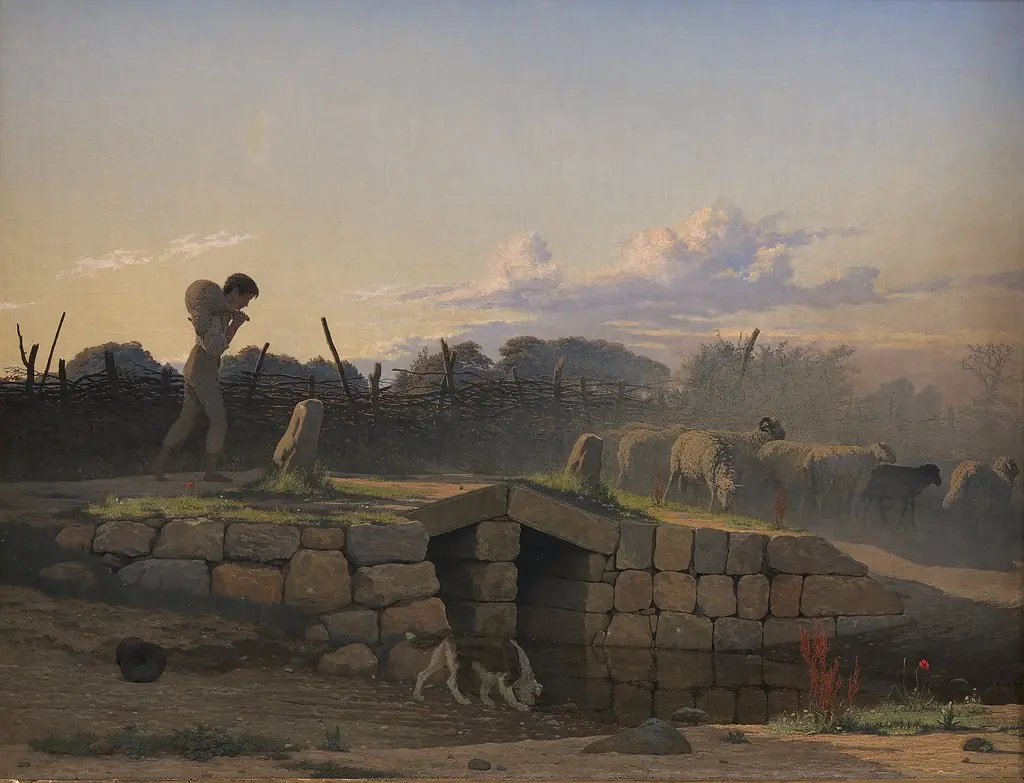 En hyrdedreng, der driver en flok får
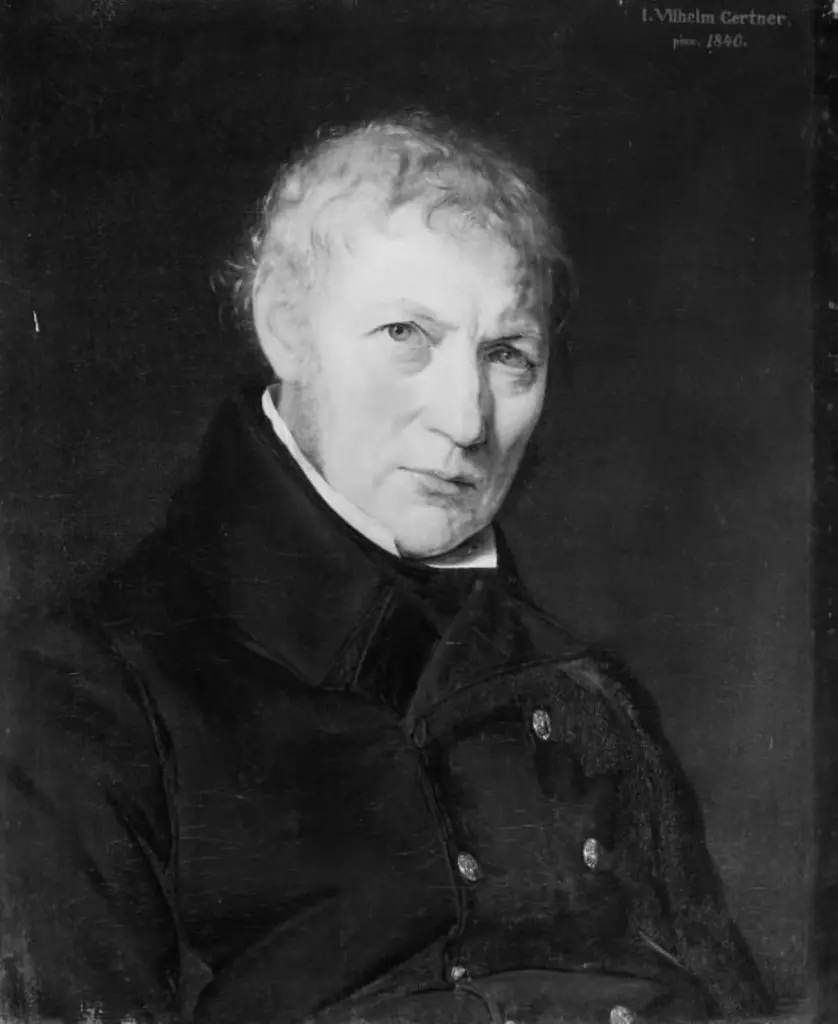 Blokkedrejer ved Holmen Johan Vilhelm Gertner, kunstnerens fader
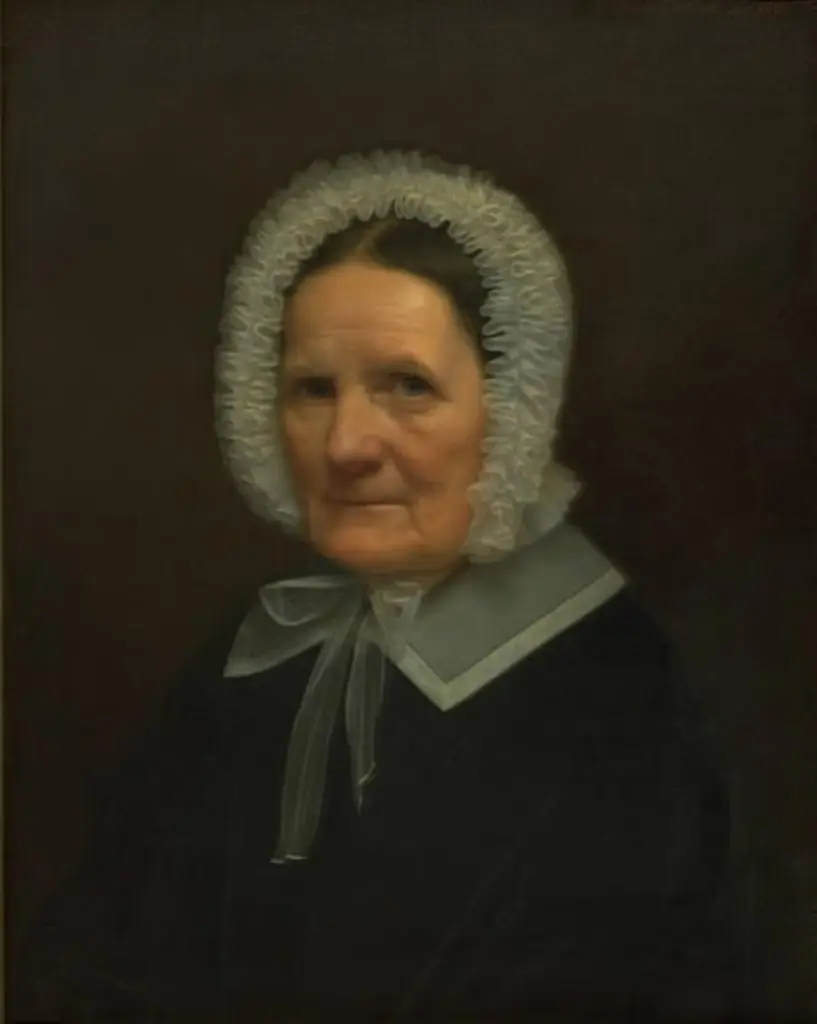 Johanne Marie Gertner, f. Lassen, kunstnerens moder
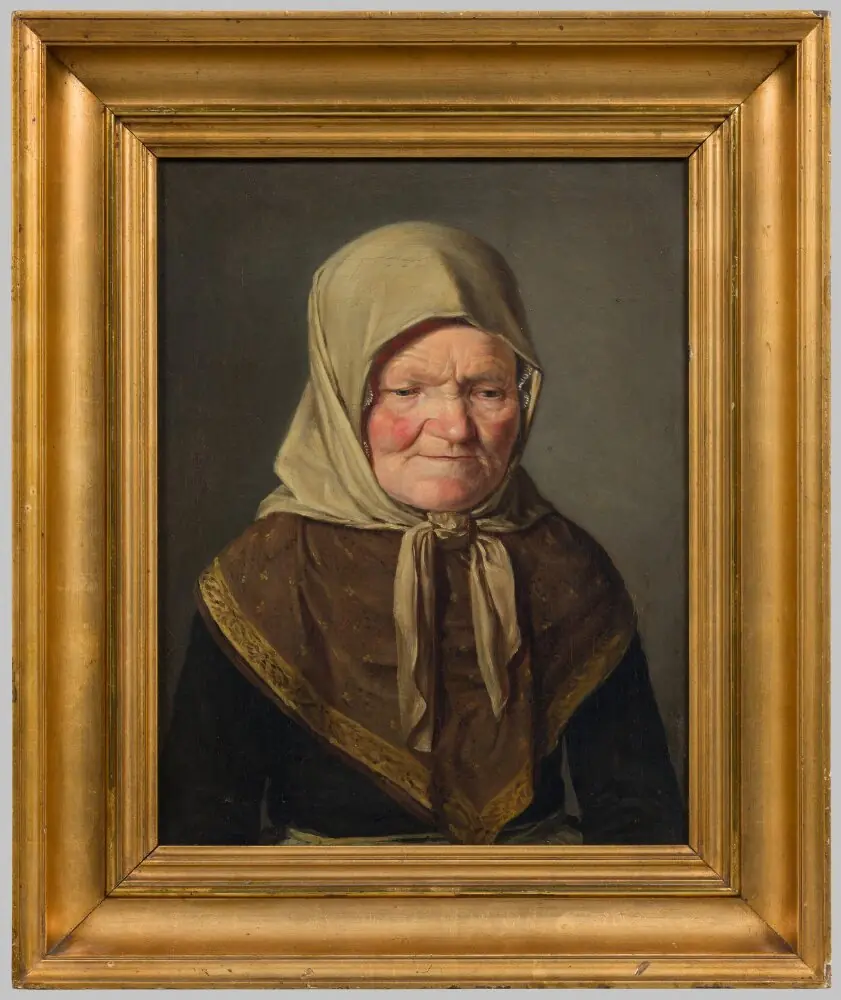 Study of an Old Woman with a Huckle and a Shawl
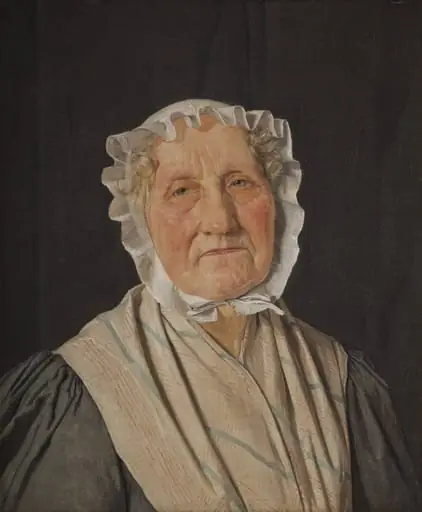 Portrait of Inger Margrethe Høyen, née Schrøder, the Mother of the Art Historian N.L. Høyen
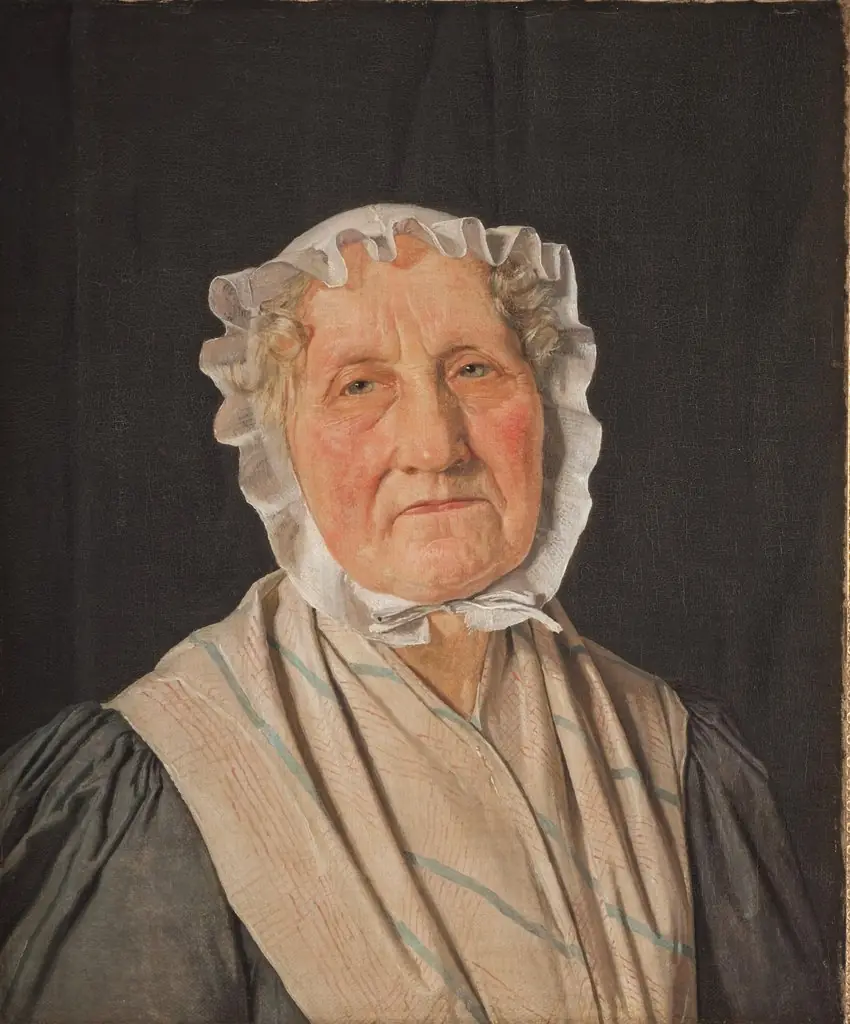 Portrait of Inger Margrethe Høyen, née Schrøder, the Mother of the Art Historian N.L. Høyen
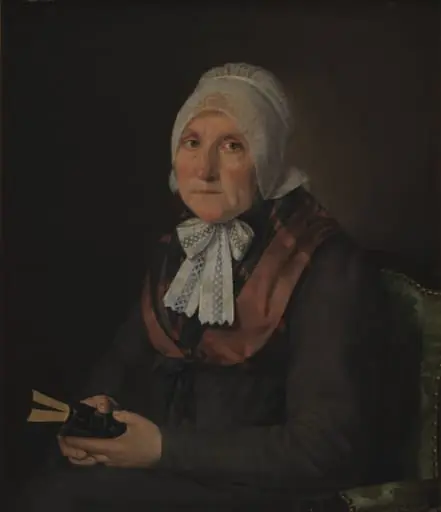 Maria Magdalena Jensen, née Jessen, the Artist's Mother
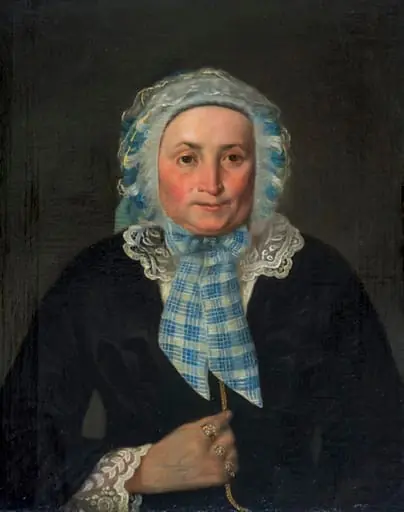 Țărancă sârboaică din 1851
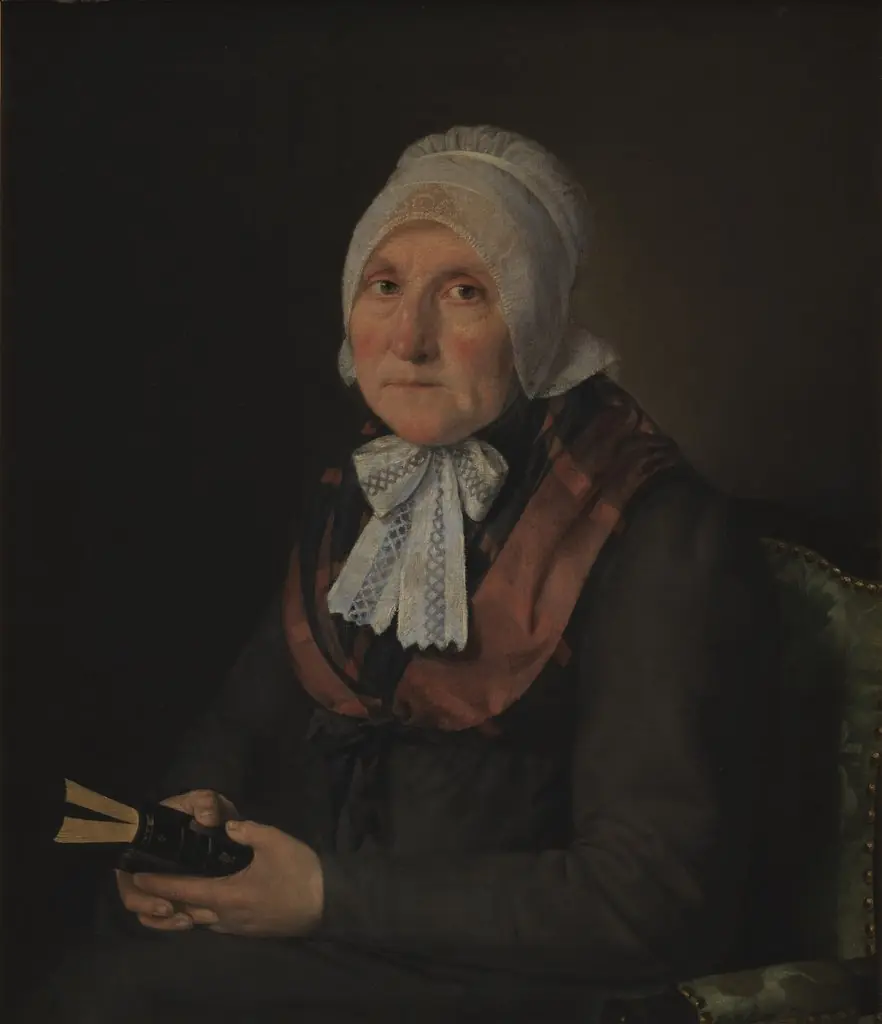 Maria Magdalena Jensen, née Jessen, the Artist's Mother
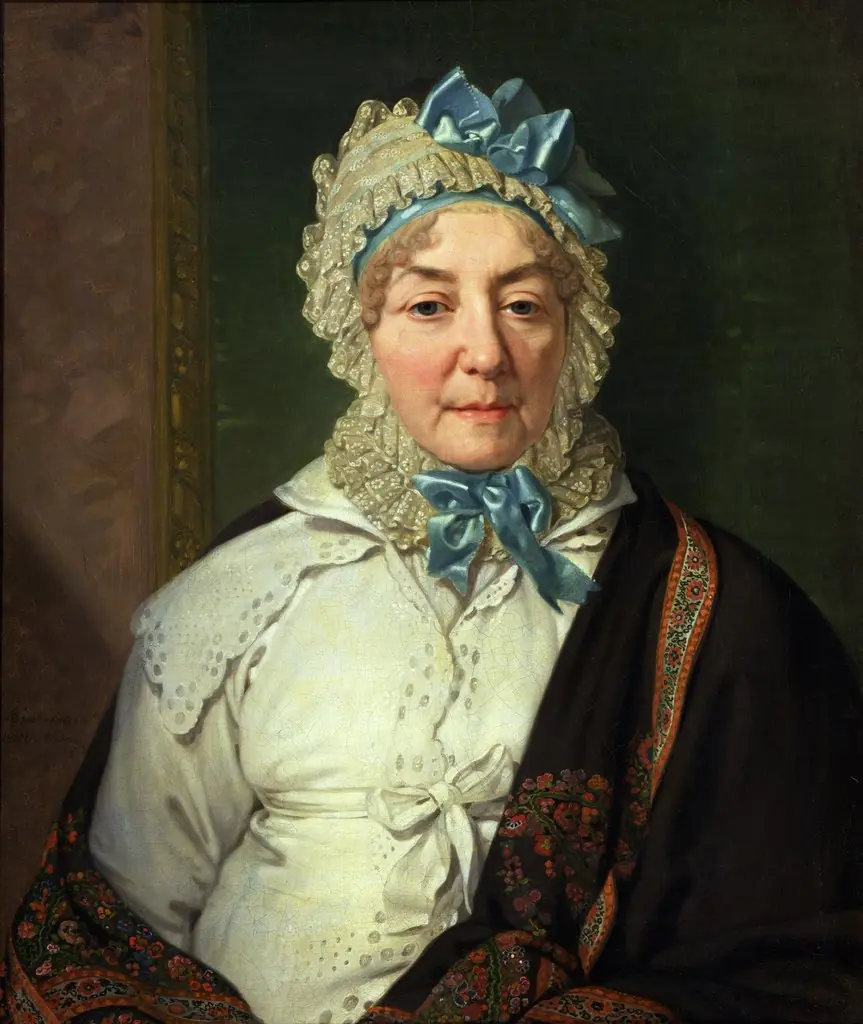 Porträt der Ye. A. Arkharova
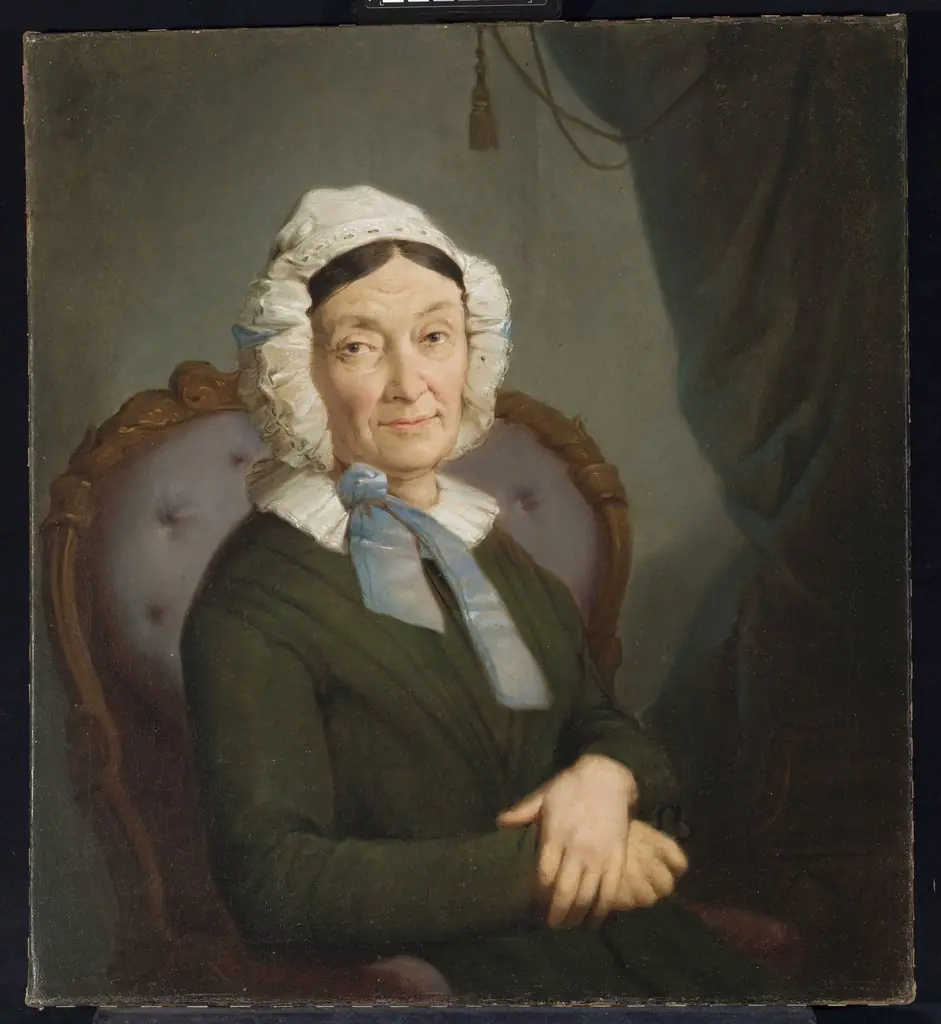 Portrait of Anna Kurpiewska née Olszakiewicz
 Old Woman with a Muff
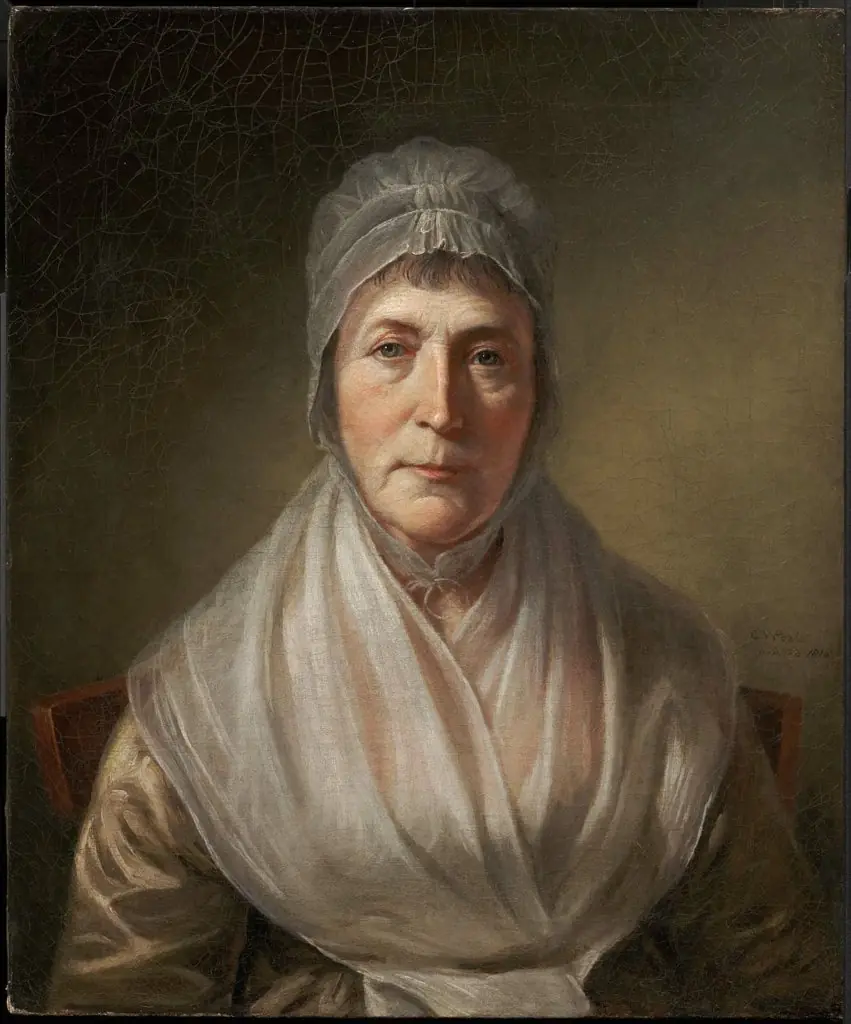 Mrs. Charles Willson Peale (Hannah Moore)
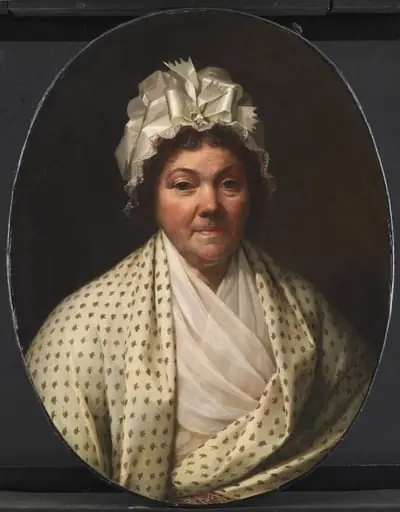 Cecilie Marie Elisabeth Schouw, f. Bagge, Poul Johan Schouws hustru