Artwork
Quodlibet mit einem Gemälde, Zeichnungen, einem Schabkunstblatt und Briefen
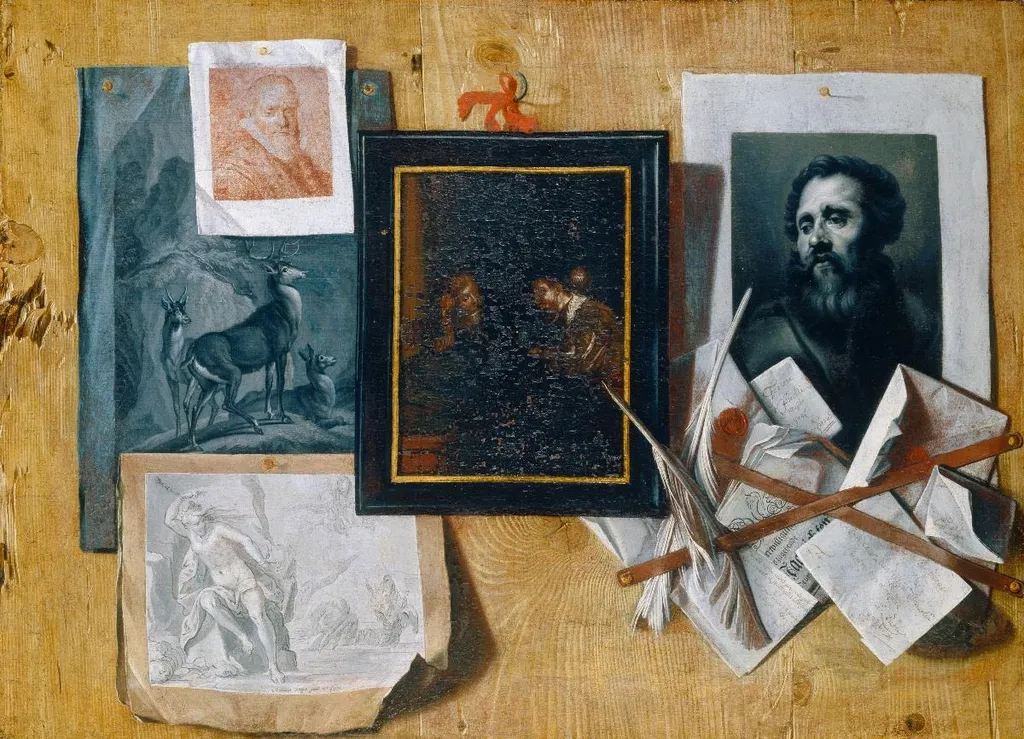
Quodlibet mit einem Gemälde, Zeichnungen, einem Schabkunstblatt und Briefen is an oil painting by the Rococo painting artist Johann Caspar Füssli. It dates from 1755 and is held in the collection of the Kunsthaus Zürich.
About this work
Overview
Painted in 1755 by Johann Caspar Füssli, this oil work presents a meticulously rendered still life of artistic materials mounted on a wooden panel.
Painted in 1755 by Johann Caspar Füssli, this oil work presents a meticulously rendered still life of artistic materials mounted on a wooden panel. It includes portraits, a drawing of deer, a small framed scene of two men in conversation, and various sheets of paper, some pinned over others. The composition mimics a studio wall cluttered with works-in-progress, capturing the physical environment of artistic production rather than a traditional narrative scene.
Subject & Meaning
The painting functions as a meta-representation of artistic practice, assembling fragments of Füssli’s own creations and those of others. The overlapping documents and varied media suggest a working space where ideas are accumulated, revised, and displayed. The central framed scene, depicting dialogue, may allude to the exchange of artistic thought, reinforcing the theme of creative labor as a social and iterative process.
Technique & Style
Füssli rendered each element with precise, almost documentary detail, mimicking the textures of paper, ink, and oil paint. The arrangement follows no classical symmetry but instead emulates the haphazard accumulation of a studio wall. The contrast between the colored portrait and the monochrome drawing, along with the miniature framed image, demonstrates his command of multiple visual languages within a single composition.
History & Provenance
Created in 1755, the painting remained within the artist’s circle before entering the collection of the Kunsthaus Zürich. Its survival as a self-referential work from the mid-18th century is rare, offering insight into the private artistic environment of a Swiss painter during the Enlightenment. No significant alterations or reframeings are documented in its known history.
Context
In mid-18th-century Switzerland, artists often documented their studios as a form of professional identity. Füssli’s work aligns with a broader European trend of depicting artistic tools and unfinished works, reflecting a growing interest in the artist’s process rather than only the final product. Unlike grand historical scenes, this piece elevates the mundane artifacts of creation to the status of subject matter.
Legacy
The painting stands as an early example of meta-artistic representation in Swiss painting. It influenced later artists who explored the studio as a subject, contributing to the tradition of self-reflective art. Its preservation in the Kunsthaus Zürich ensures continued study of how artists visually articulated their working lives during the Enlightenment.
Artist & collection

 A Collection
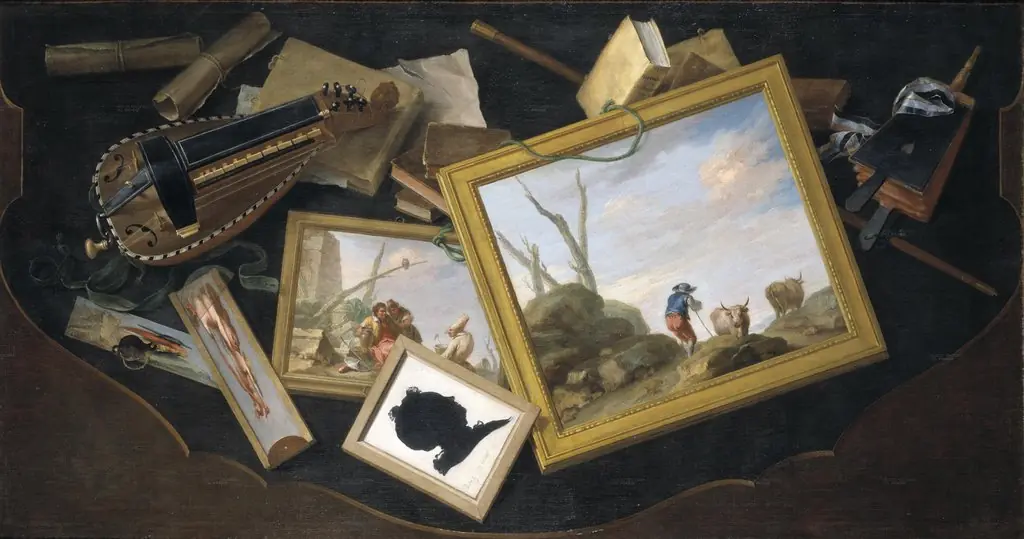 Trompe-l'œil of a Table in a Mess with Paintings, a Hurdy-Gurdy, Books and Other Objects
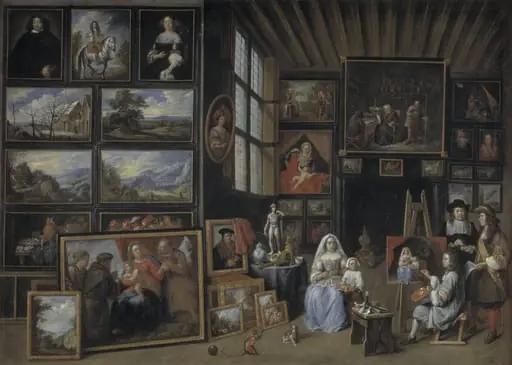 A Picture Gallery with an Artist Painting a Woman and a Girl. Allegory of the Art of Painting
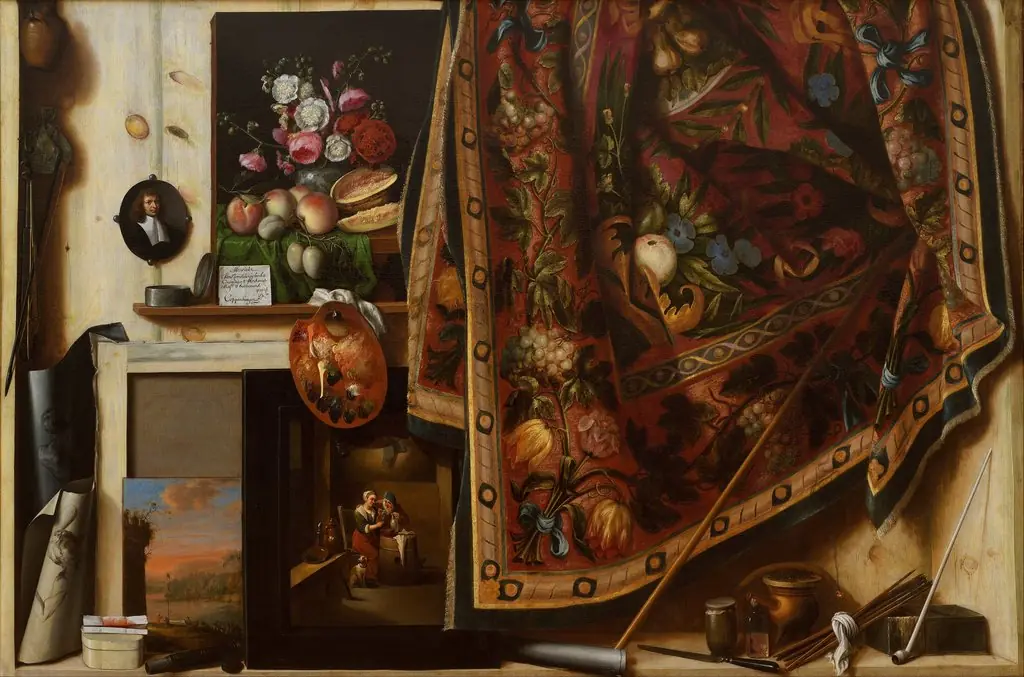 Trompe-l'œil. A Cabinet in the Artist's Studio
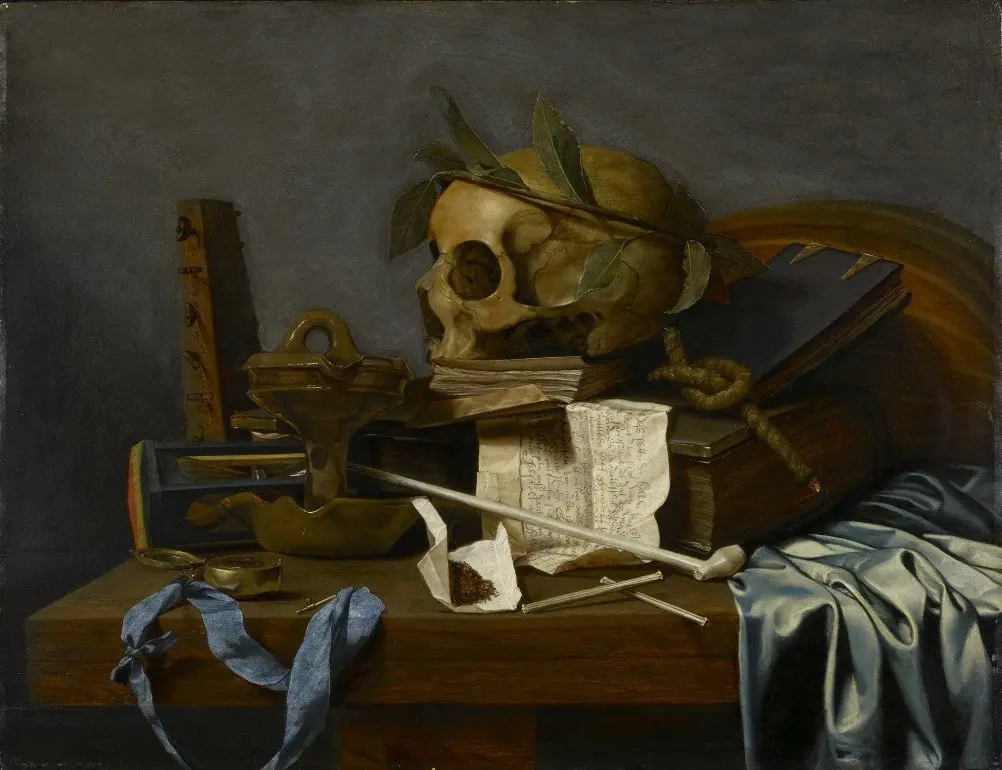 Vanitas Still Life
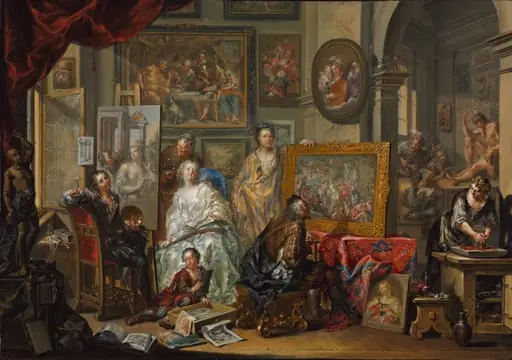 The Artist's Studio
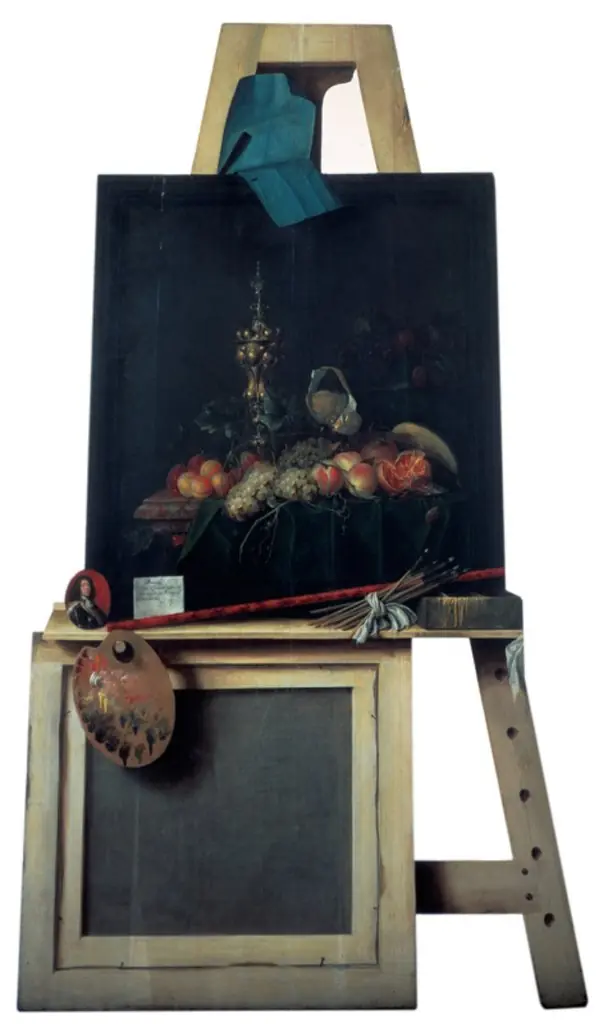 Cut-Out Trompe l'Oeil Easel with Fruit Piece
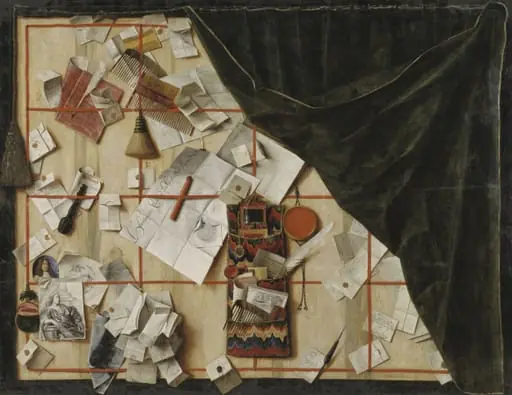 Trompe l'oeil of a Letter Rack with Christian V's Proclamation
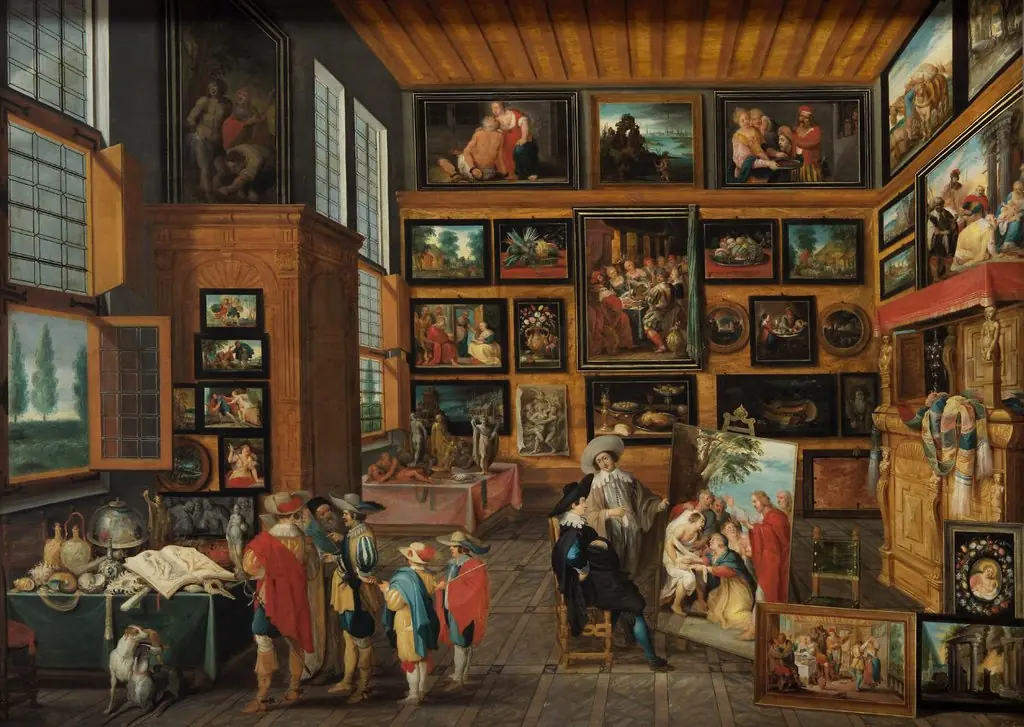 Art and Rarity Cabinet
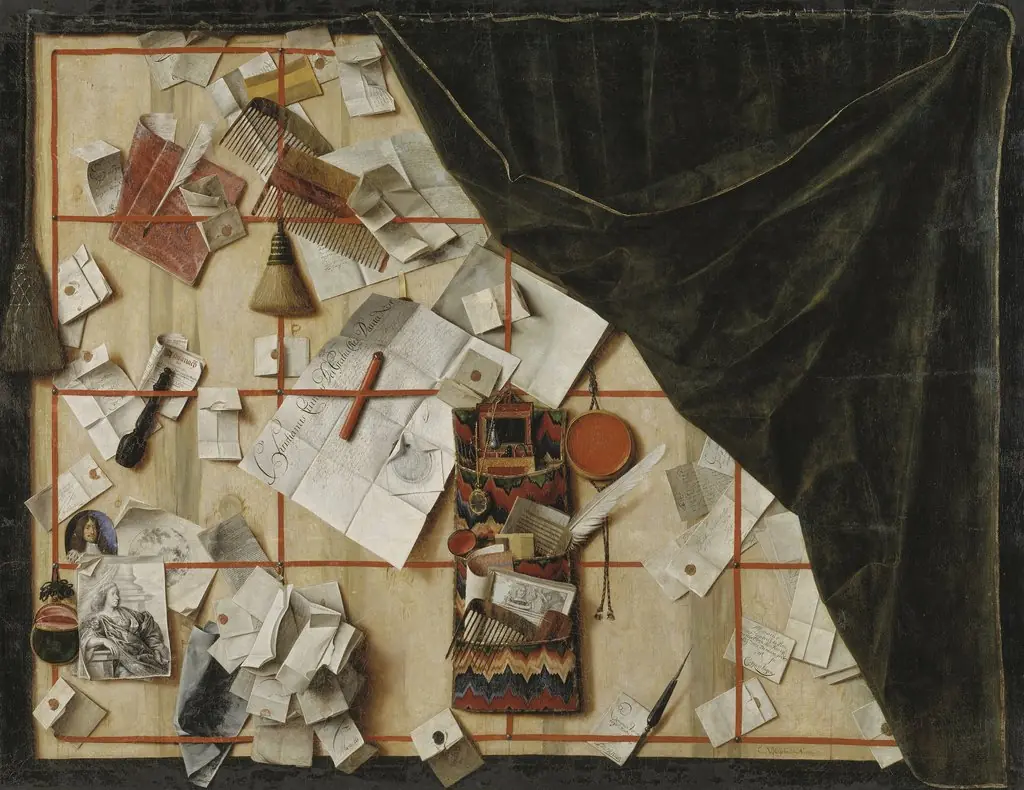 Trompe l'oeil of a Letter Rack with Christian V's Proclamation
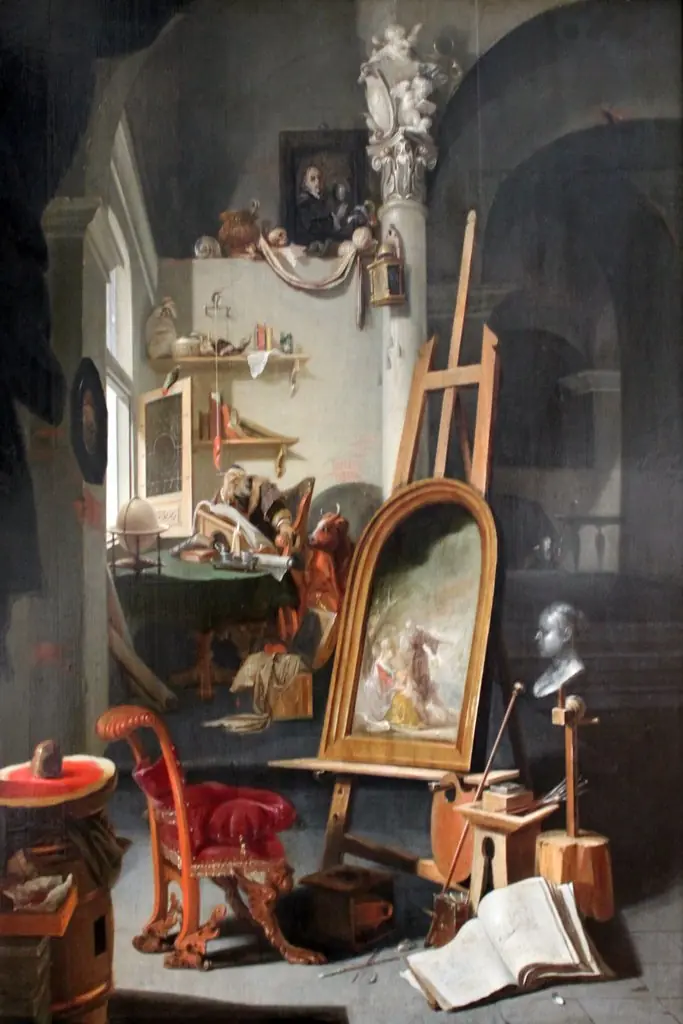 The Workshop of the Evangelist Luke
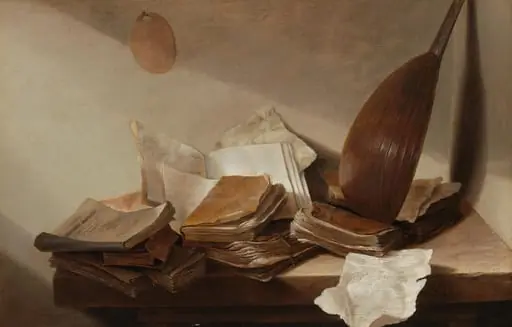 Still Life with Books