Artwork
Landschaft mit einem Grabmal und Staffage
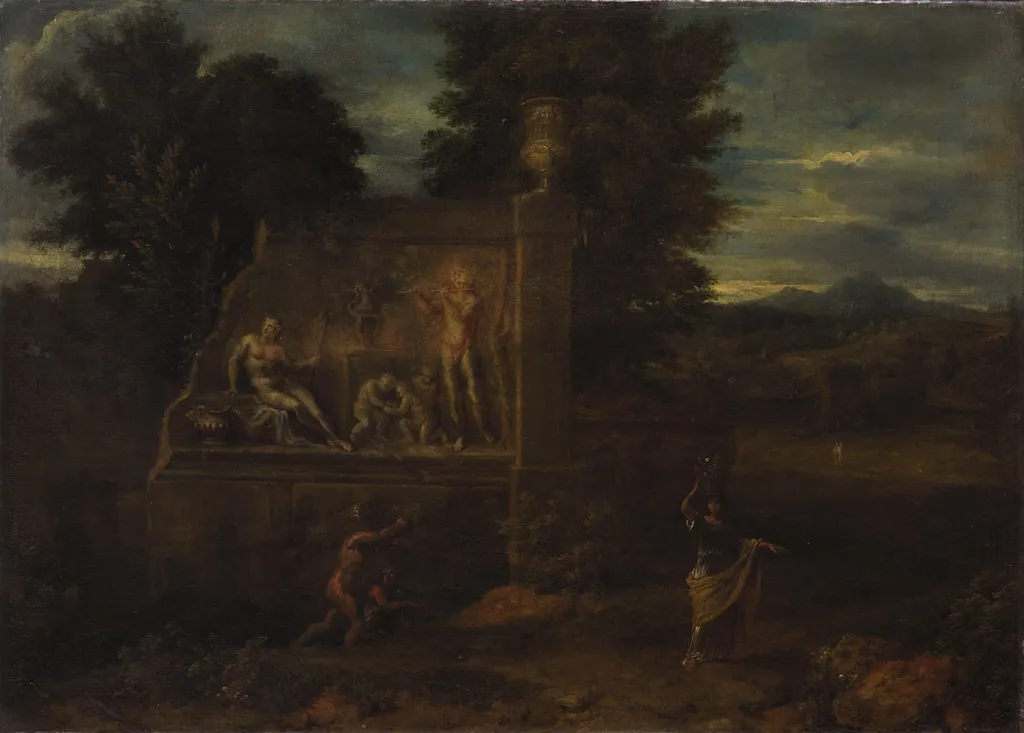
Landschaft mit einem Grabmal und Staffage is an unspecified painting by Johann Franz Ermels. It dates from 1677 and is held in the collection of the Kunsthistorisches Museum.
About this work
Overview
The piece is held in the Kunsthistorisches Museum’s collection and exemplifies his focus on atmospheric rural scenes enriched with human figures.
Johann Franz Ermels, a German artist active in Nuremberg during the late 17th century, produced this landscape painting around 1677. His work blends topographical detail with narrative elements, reflecting influences from Dutch and Italianate traditions. The piece is held in the Kunsthistorisches Museum’s collection and exemplifies his focus on atmospheric rural scenes enriched with human figures.
Subject & Meaning
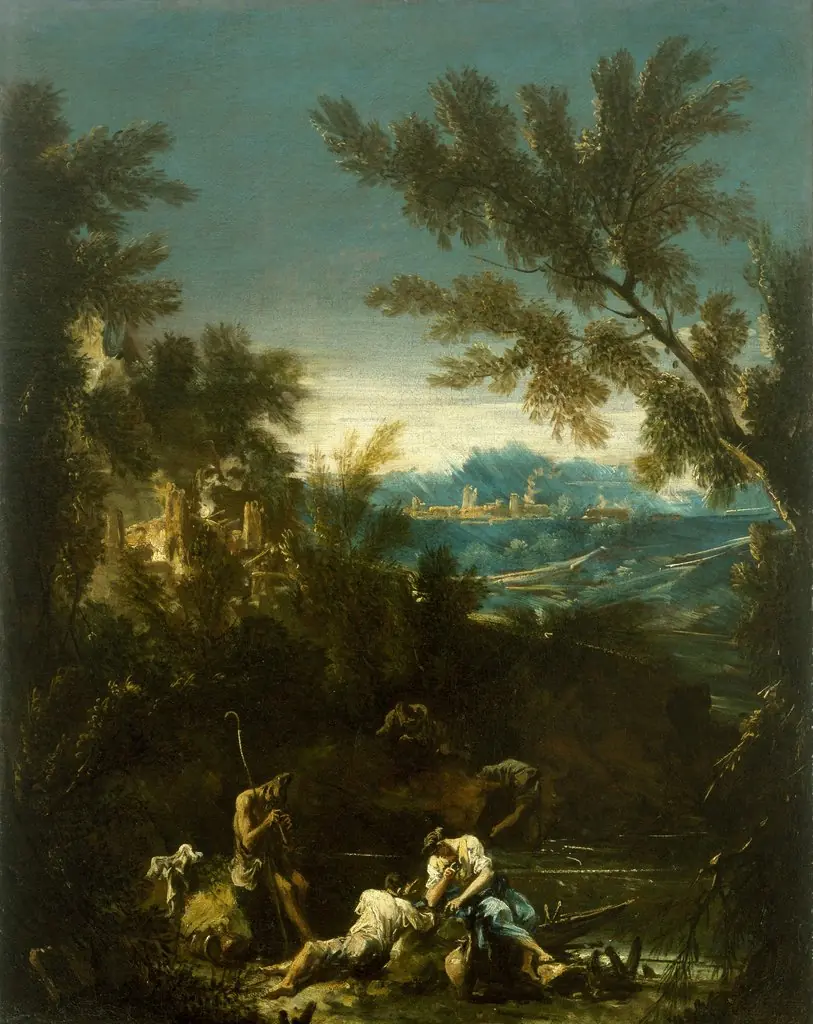
The painting presents a somber rural setting centered on a monumental stone tomb adorned with sculpted figures. Two men engage in conflict before it, while a woman raises her arm in the foreground, suggesting alarm or lament. The scene evokes themes of mortality and human strife, with the tomb serving as a silent witness. The figures’ gestures imply unspoken drama, grounding the landscape in emotional tension rather than mere topography.
Technique & Style
Ermels employed a muted, dark palette to enhance the painting’s somber mood, using layered brushwork to render dense foliage and overcast skies. The figures, though small, are carefully rendered to guide the viewer’s narrative interpretation. His approach shows clear debt to Jan Both’s Italianate landscapes, yet his handling of light and shadow leans toward a more introspective, northern sensibility.
History & Provenance
Created during Ermels’s mature period in Nuremberg, the painting entered the Kunsthistorisches Museum’s holdings through documented acquisitions in the 19th century. While little is known of its early ownership, its presence in the museum’s collection since then confirms its recognition as a representative work of regional landscape painting from the late Baroque era.
Context
In late 17th-century Nuremberg, landscape painting flourished alongside religious and genre works. Ermels’s focus on evocative, narrative-infused scenery aligned with broader trends in German art that sought to merge naturalism with moral or allegorical undertones. His work reflects a cultural interest in landscapes as spaces of contemplation, not just depiction.
Legacy
Ermels’s landscapes, including this work, contributed to the development of a distinctly German approach to the genre, bridging Dutch realism and Italianate idealism. Though not widely celebrated in his time, his paintings remain important for understanding regional artistic practices and the evolving role of landscape as a vehicle for emotional and symbolic expression.
Artist & collection
Artist
Johann Franz Ermels (1641 – December 1693), a German painter and engraver, a pupil of Holtzman, was born in Reilkirch.

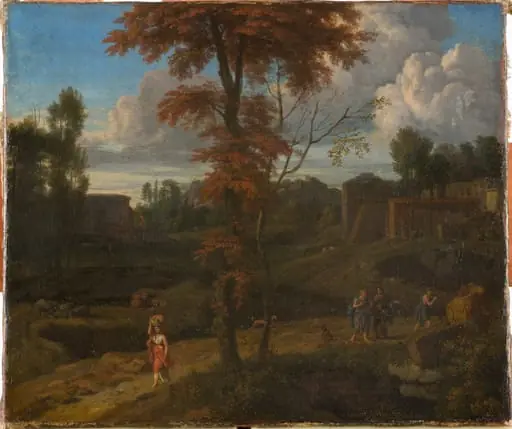 Der Morgen
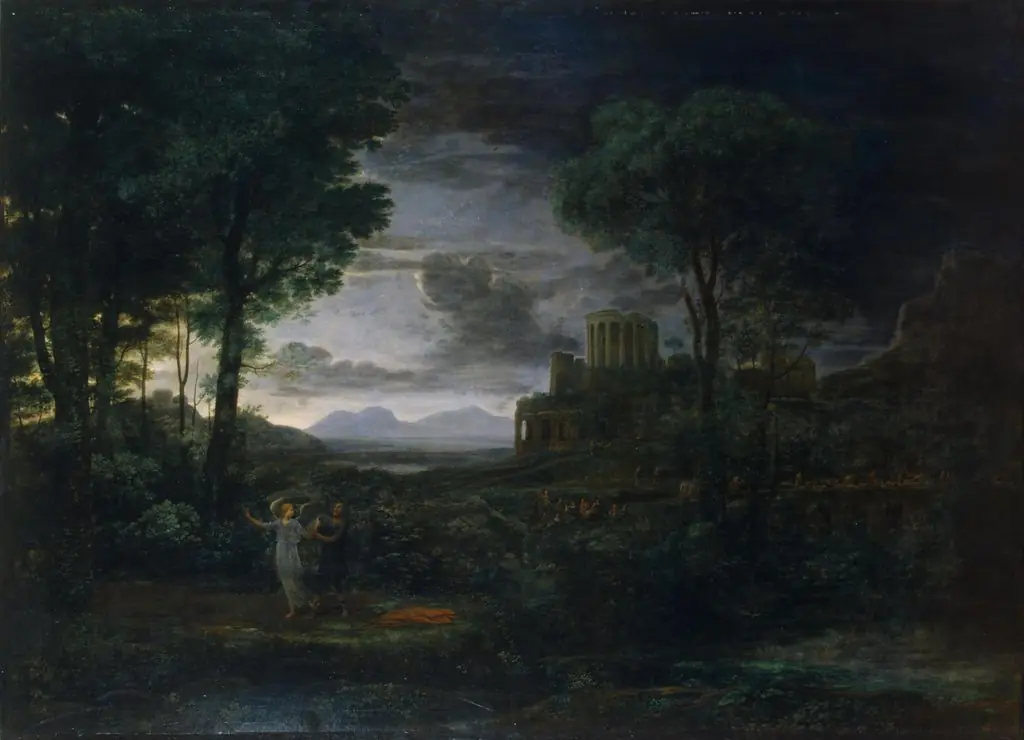 Landscape with Jacob Wrestling with the Angel (Night)
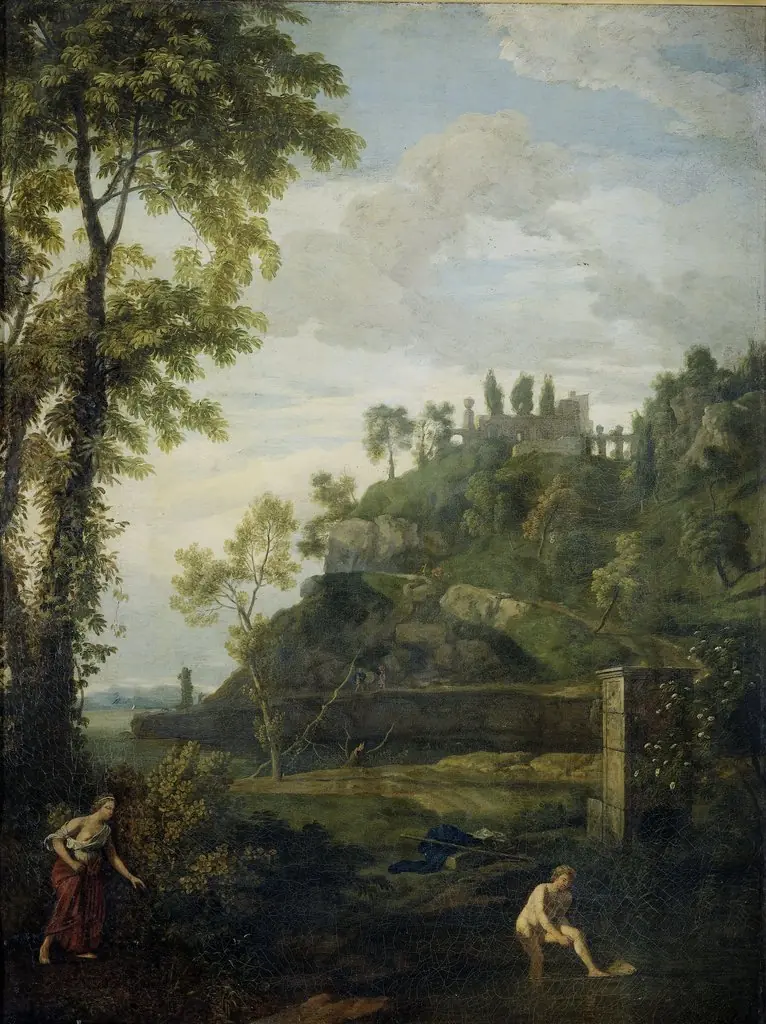 Arcadian landscape with Salmacis and Hermaphroditus
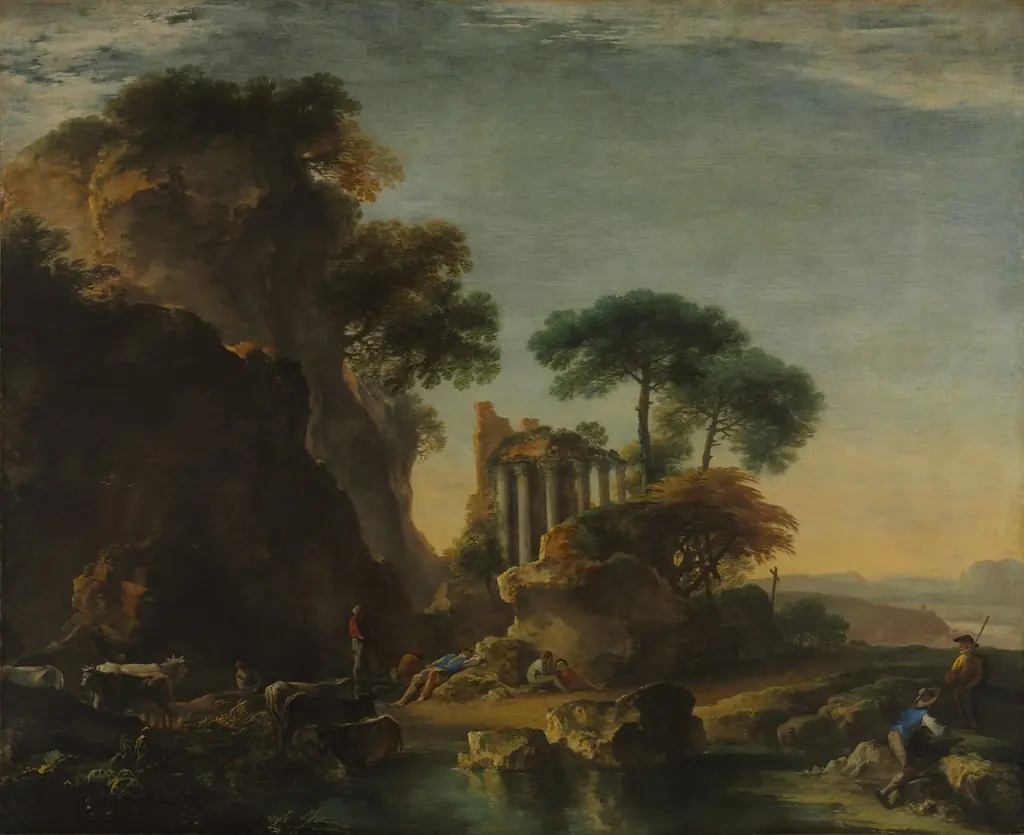 Ruins in a Rocky Landscape
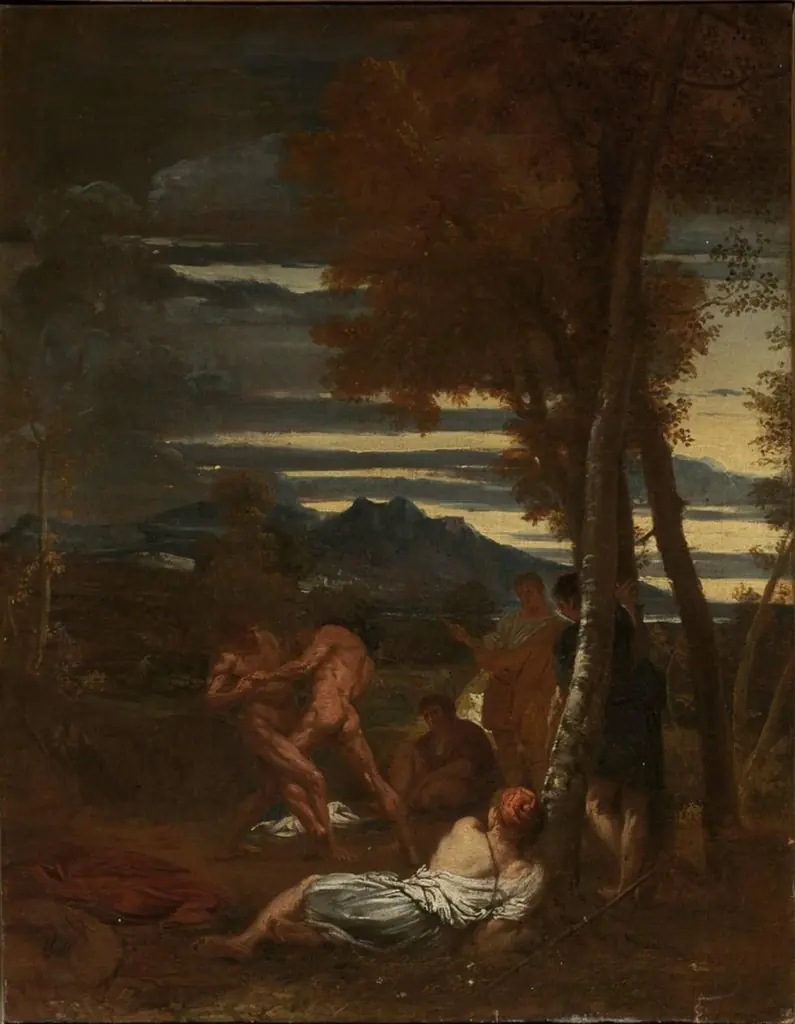 Wrestlers in a Landscape
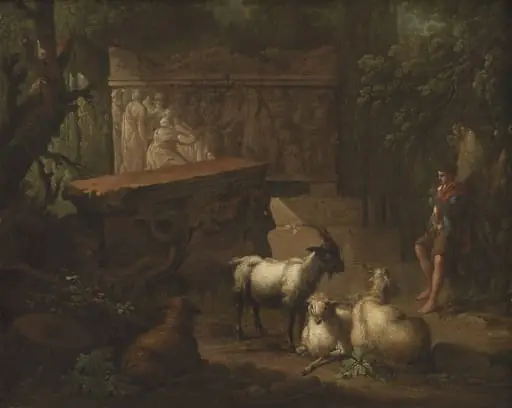 Antikke ruiner omgivet af træer, i forgrunden en hyrde og nogle geder
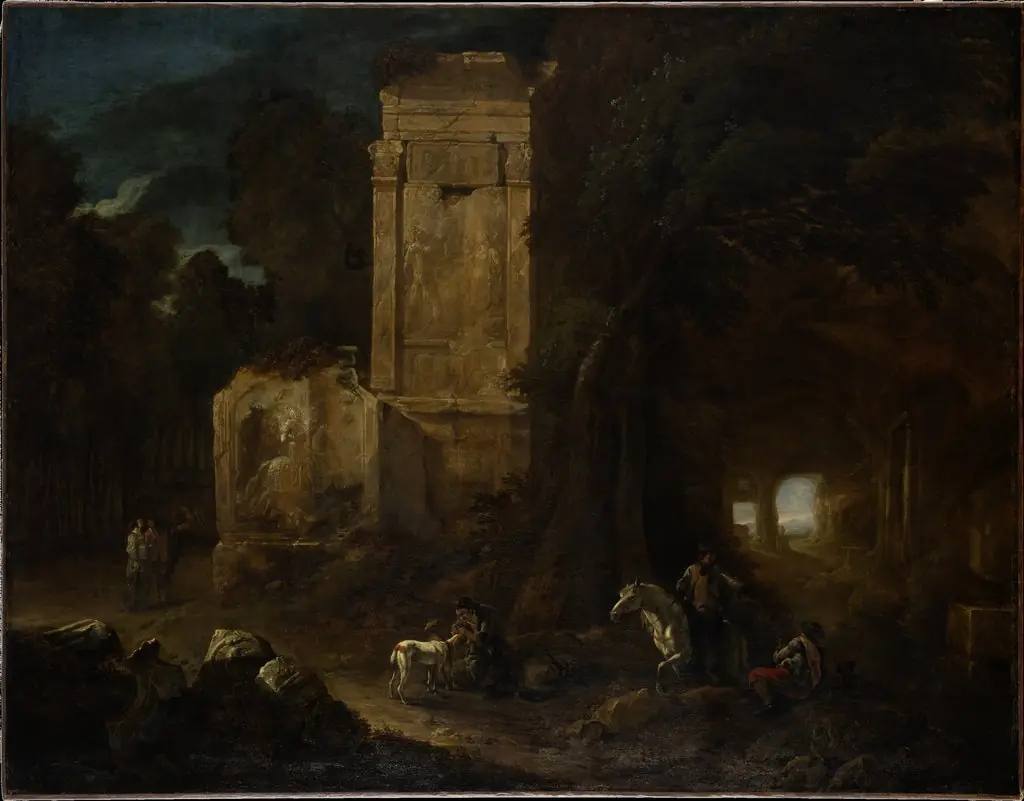 Landscape with Ancient Ruins
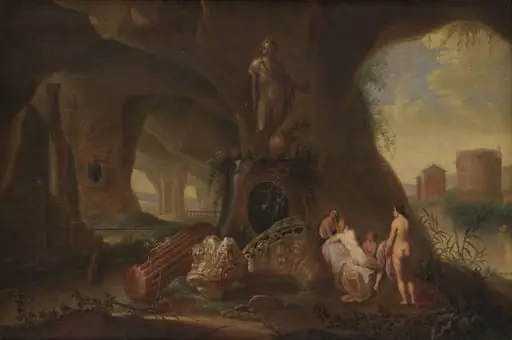 Nymphs in a Grotto
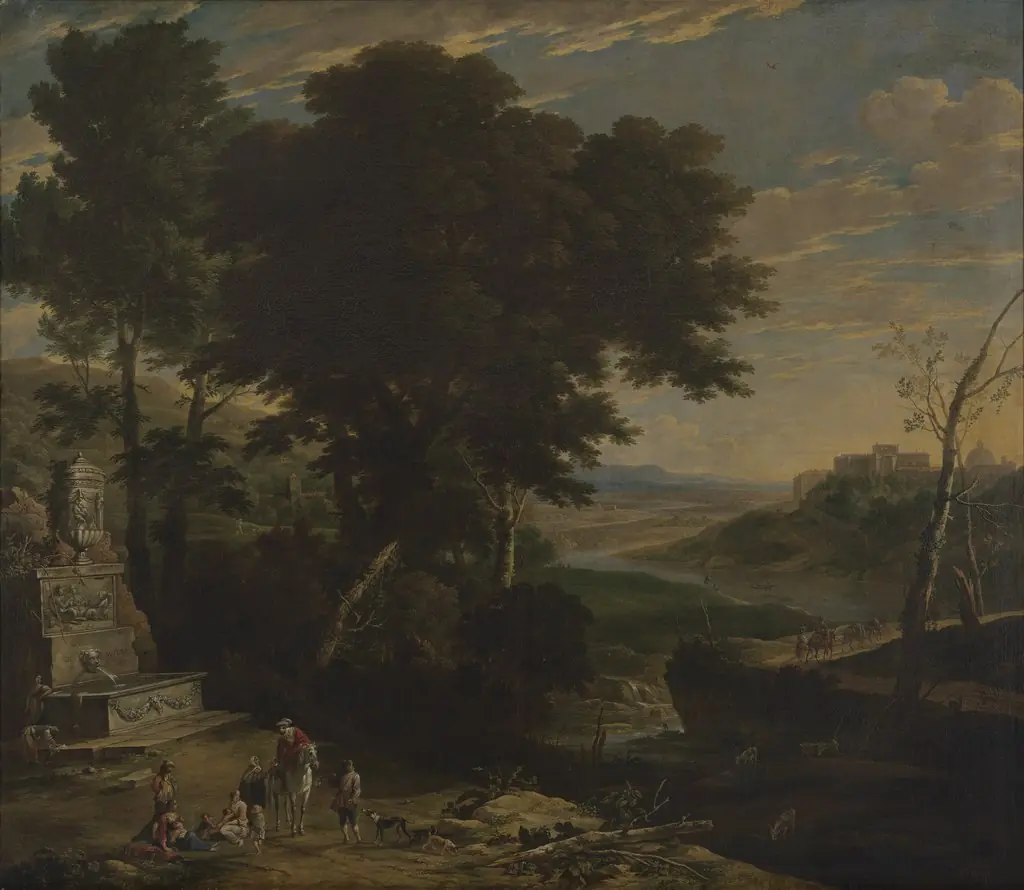 The Fortune-Teller
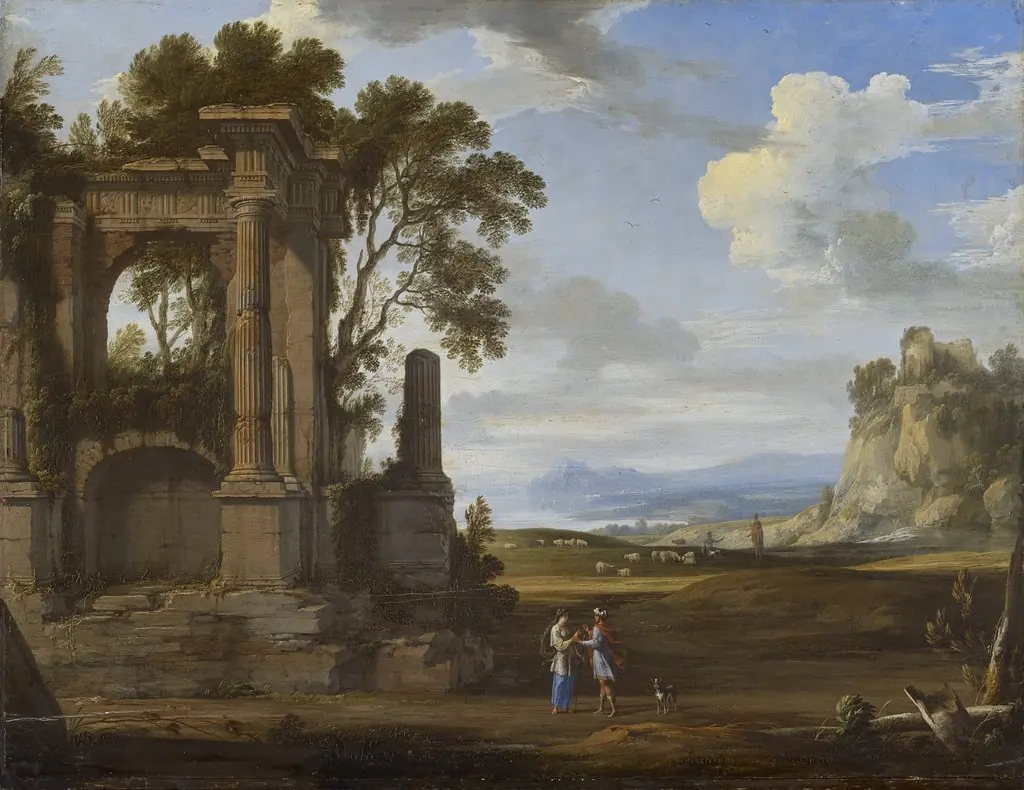 A Classical Landscape with Judah and Tamar
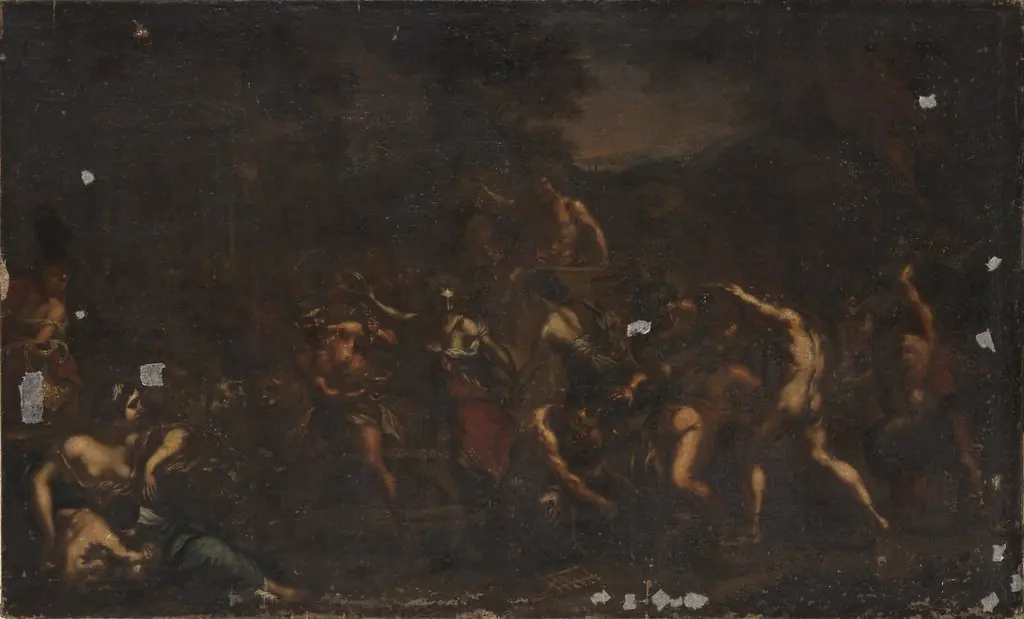 Company Celebrating Bacchus
 Landscape with Figures