Artwork
Still Life
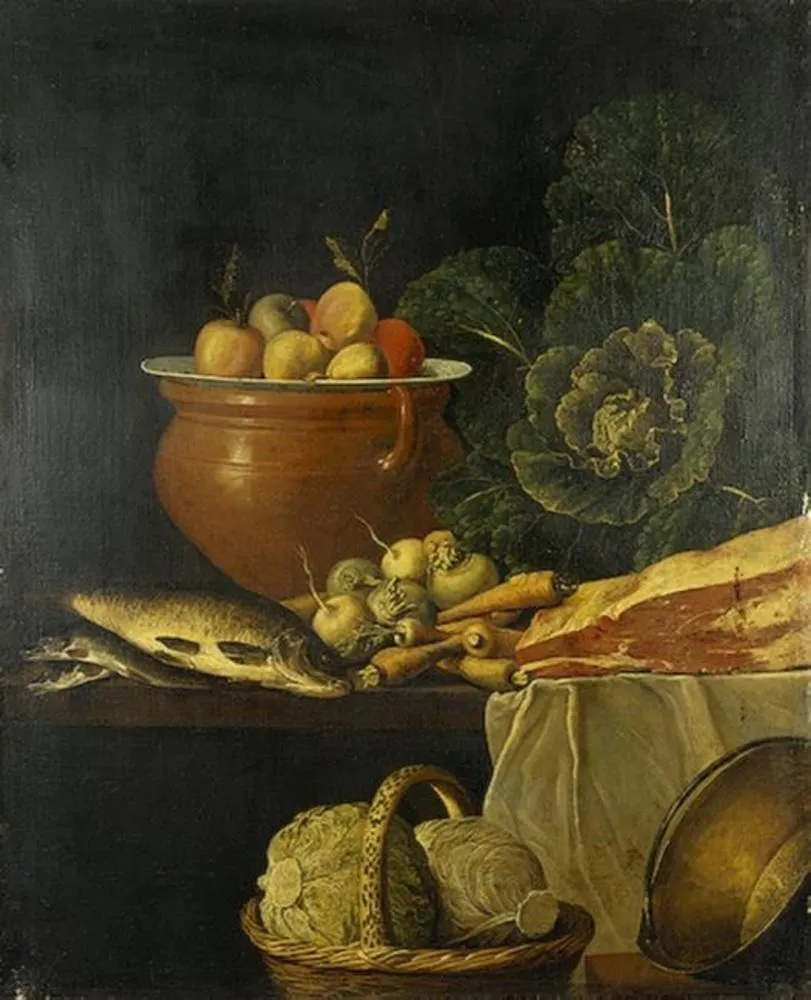
Still Life is an oil painting by the Rococo painting artist Johann Friedrich Grooth. It dates from 1750 and is held in the collection of the Hermitage Museum.
About this work
Overview
Johann Friedrich Grooth’s oil painting titled Still Life, executed around 1750, is part of the State Hermitage Museum’s collection. The work presents a modest tabletop arrangement of foodstuffs rendered in oil on canvas, offering a quiet glimpse into everyday material culture of the mid‑18th century.
Subject & Meaning
The composition gathers a variety of produce and a freshly caught fish: apples, pears, tomatoes, squash, gourds, a leafy green vegetable, and a wooden bowl. By juxtaposing raw fruit with a glistening fish, the artist emphasizes the transience of nourishment and the tactile qualities of ordinary objects.
Technique & Style
Grooth employs a restrained chiaroscuro, using a dark ground to heighten the luminous tones of greens, browns, and yellows. Careful modeling of light on each surface creates a convincing sense of texture—smooth fish scales, rough clay, and the matte skin of fruit—while maintaining a balanced, naturalistic rendering typical of mid‑Baroque still‑life practice.
History & Provenance
Created circa 1750, the painting entered the State Hermitage Museum’s holdings at an unspecified later date, where it remains on display. Its attribution to Grooth is based on stylistic comparison with other signed works from the same period, confirming its place within his modest oeuvre of genre scenes.
Context
In the mid‑18th century, still‑life paintings served both decorative and didactic purposes, often illustrating abundance and the fleeting nature of life. Grooth’s composition reflects contemporary Northern European tastes for detailed, inventory‑like depictions of food, aligning with the period’s interest in realism and moral symbolism.
Artist & collection
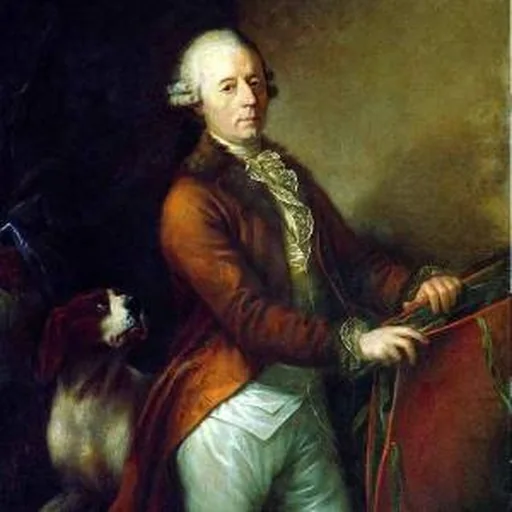
Artist
Johann Friedrich Grooth (1717–1801) was an artist, born in Stuttgart.

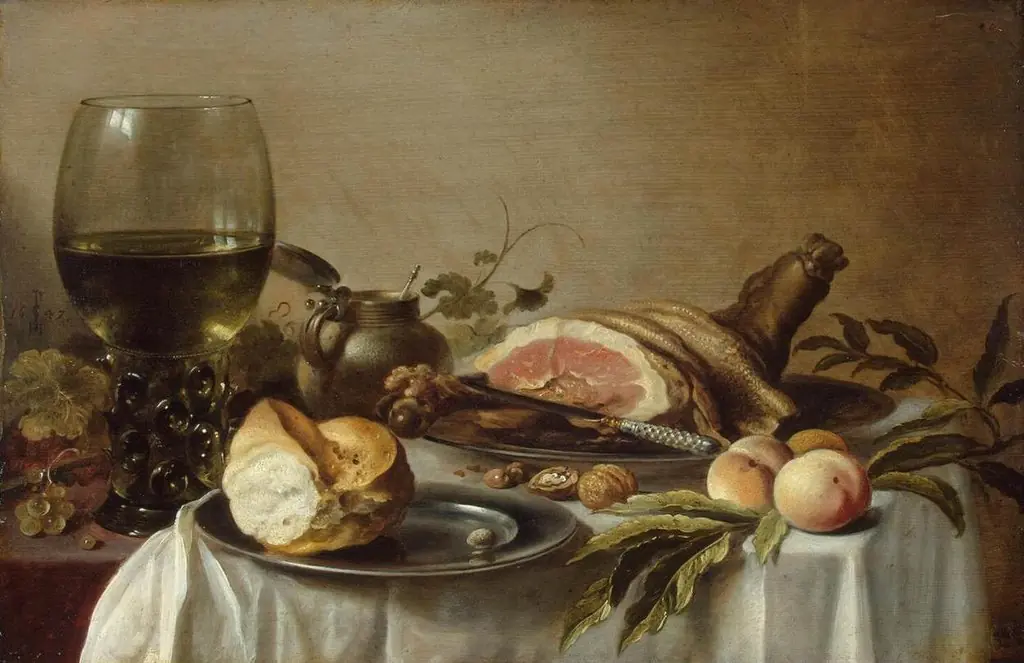 Breakfast with Ham
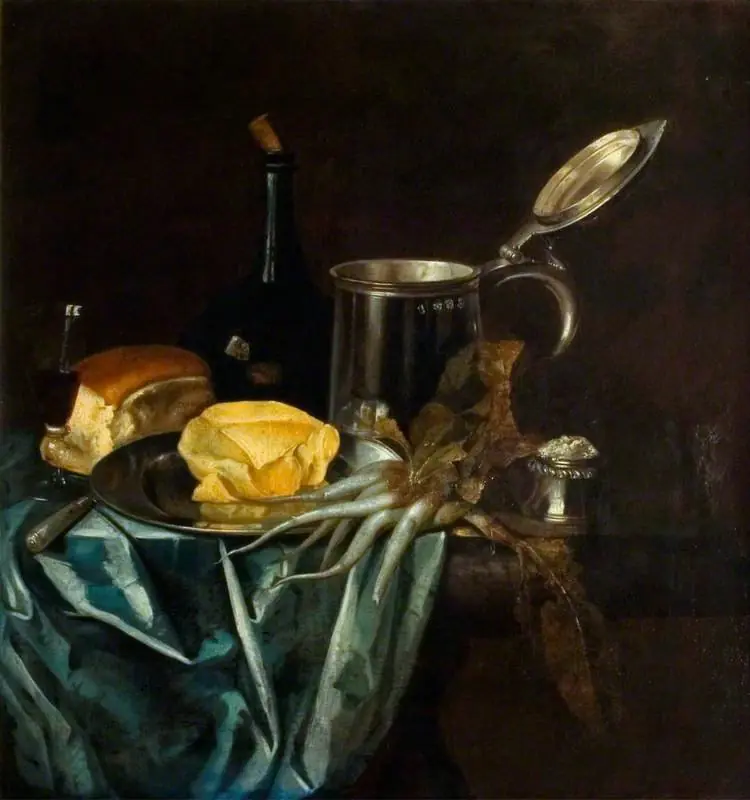 Still Life
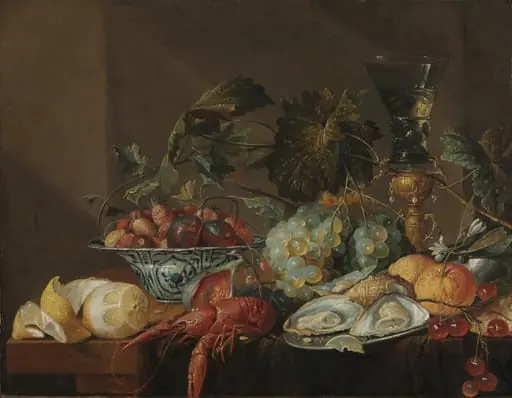 Still-Life with Crayfish, Oysters, and Fruit
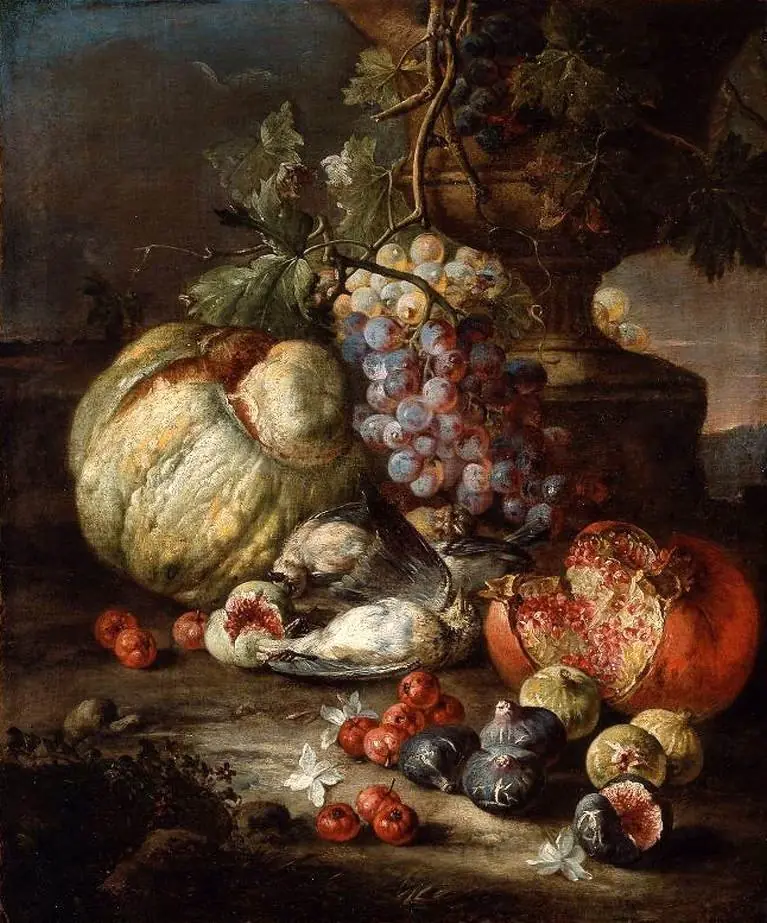 Still Life with Fruit and Dead Birds in a Landscape
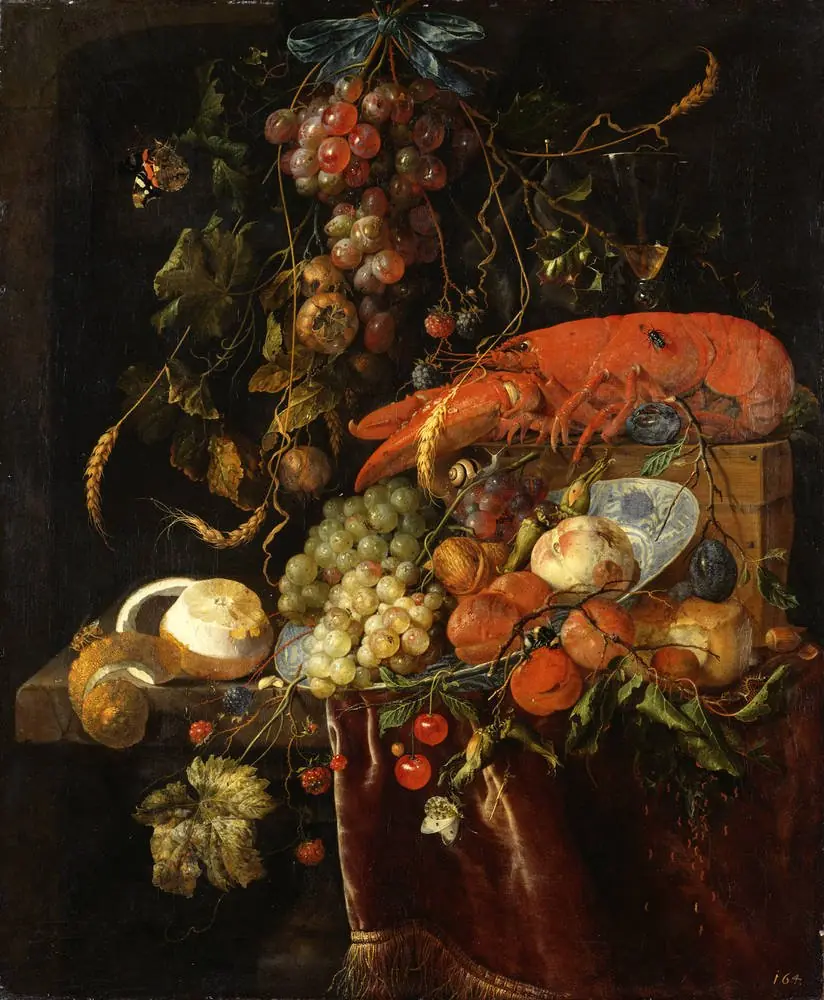 Still Life with a Lobster
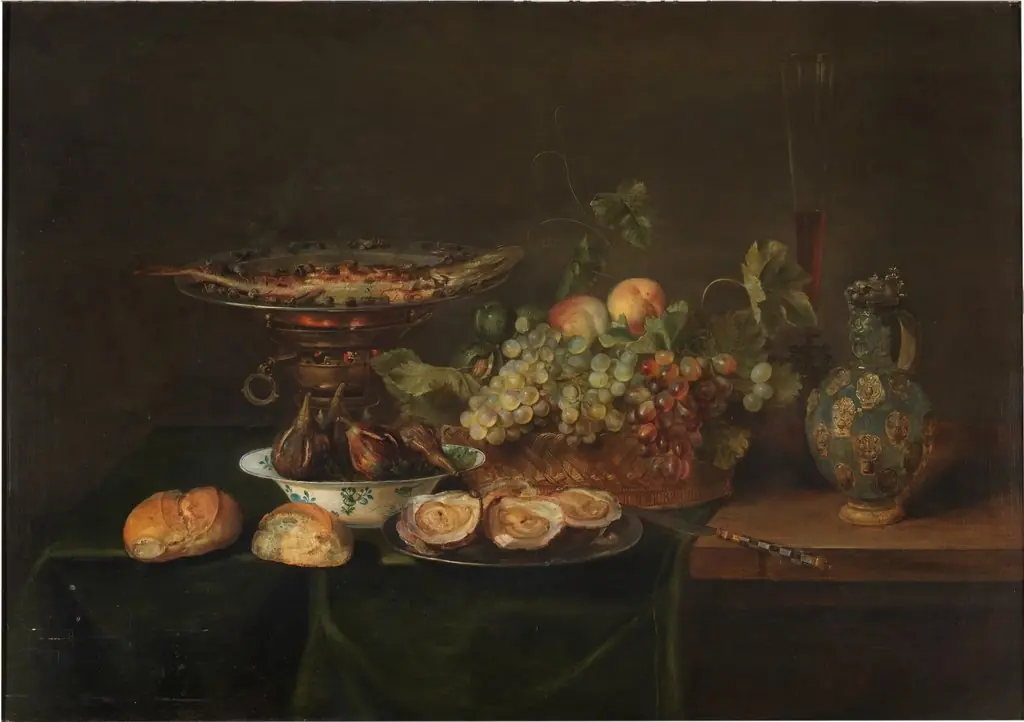 PBanquet still life
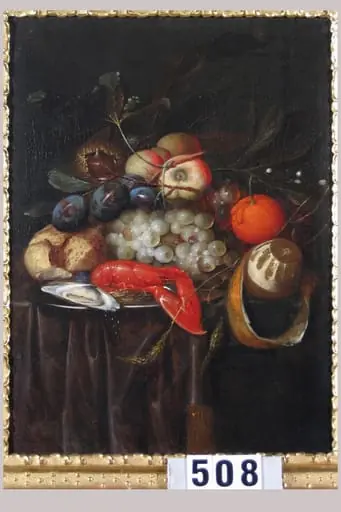 Fructe cu raci și stridii
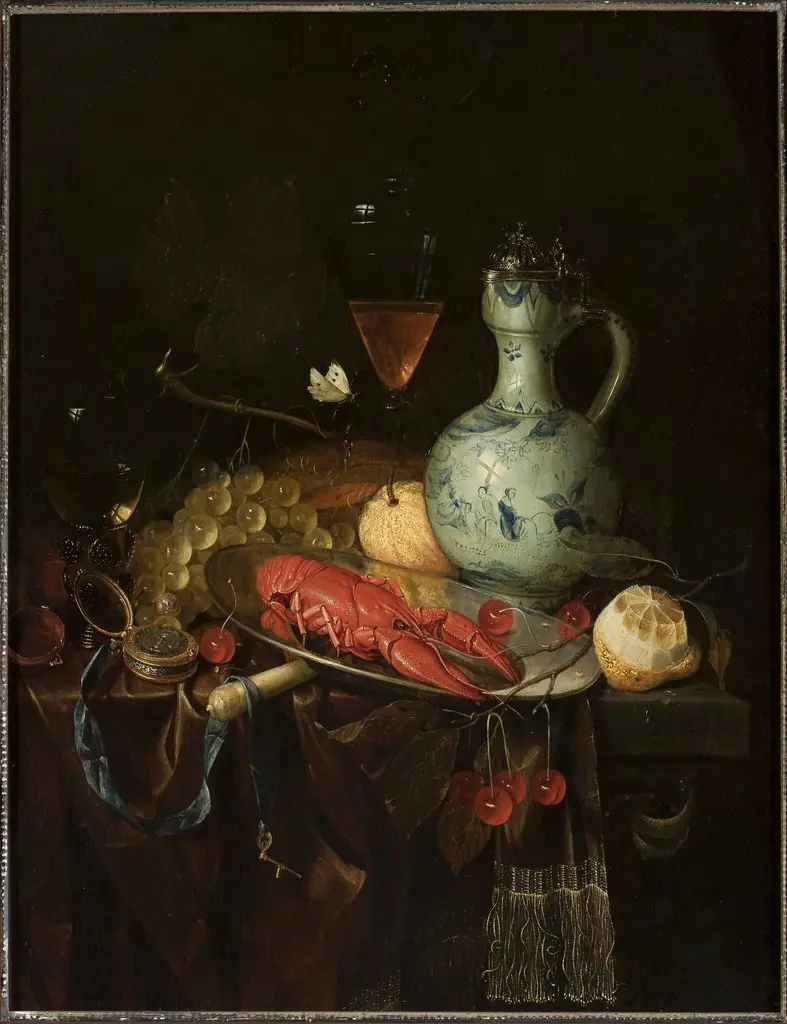 Still life with a watch
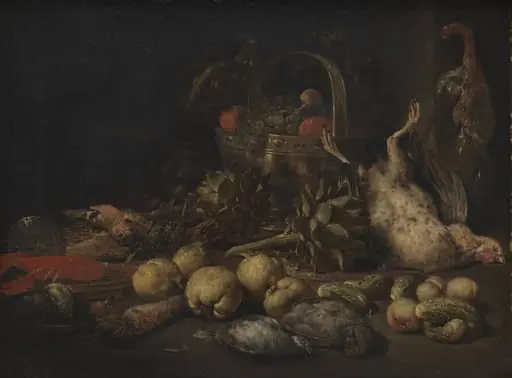 Still Life with Fruit and Birds
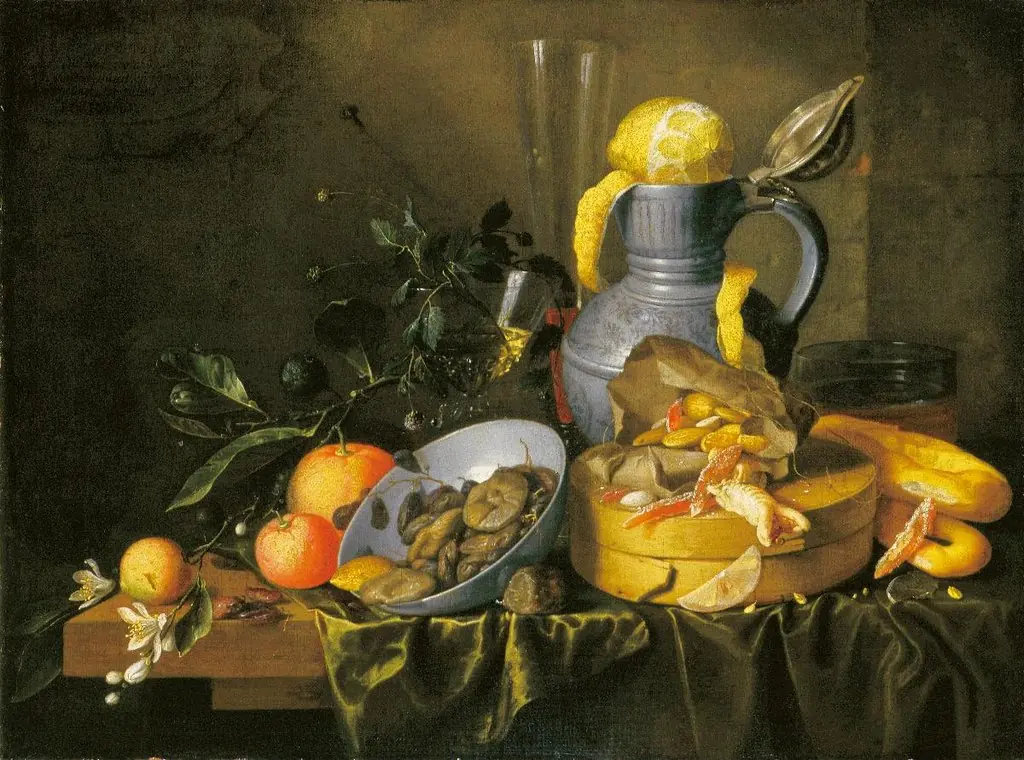 Stillleben mit Sinnspruch und Fastenspeisen
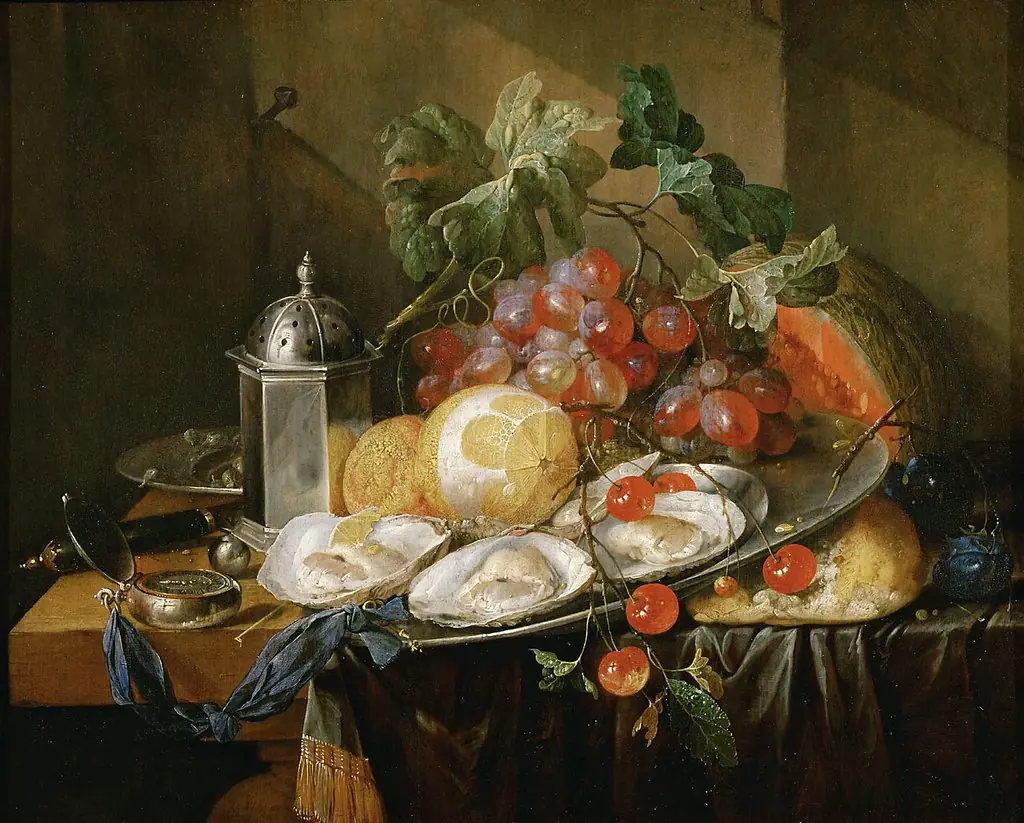 Fruit Still Life with Oysters
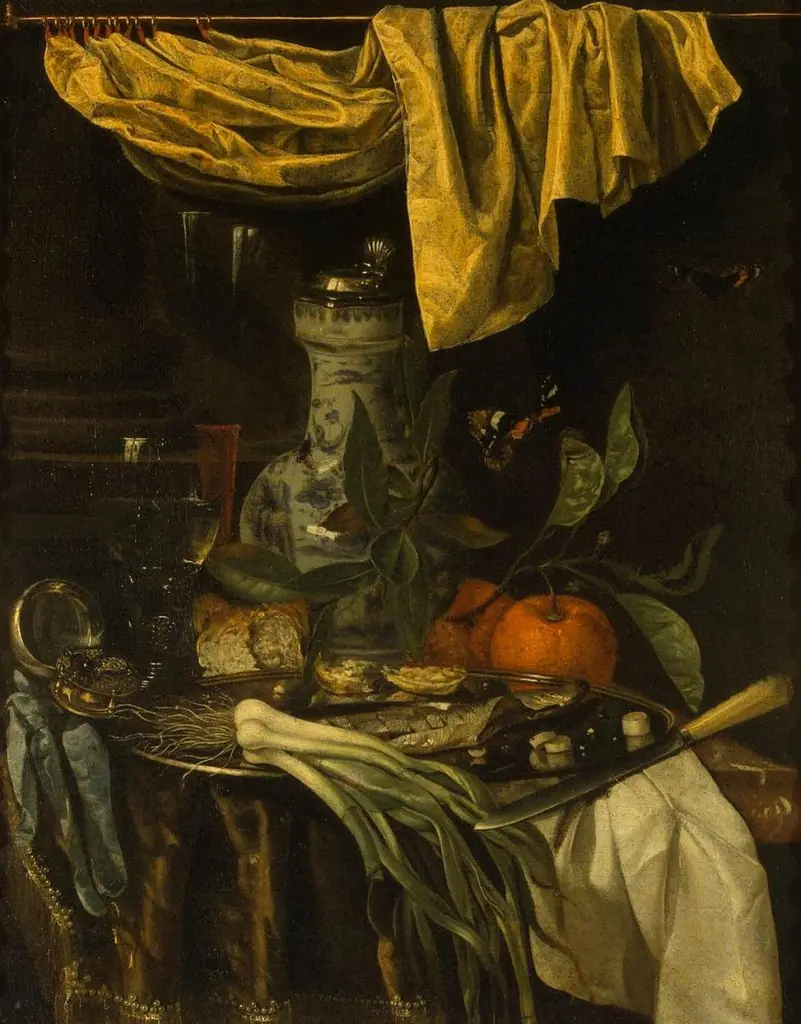 Snack
Snack