Artwork
Snack
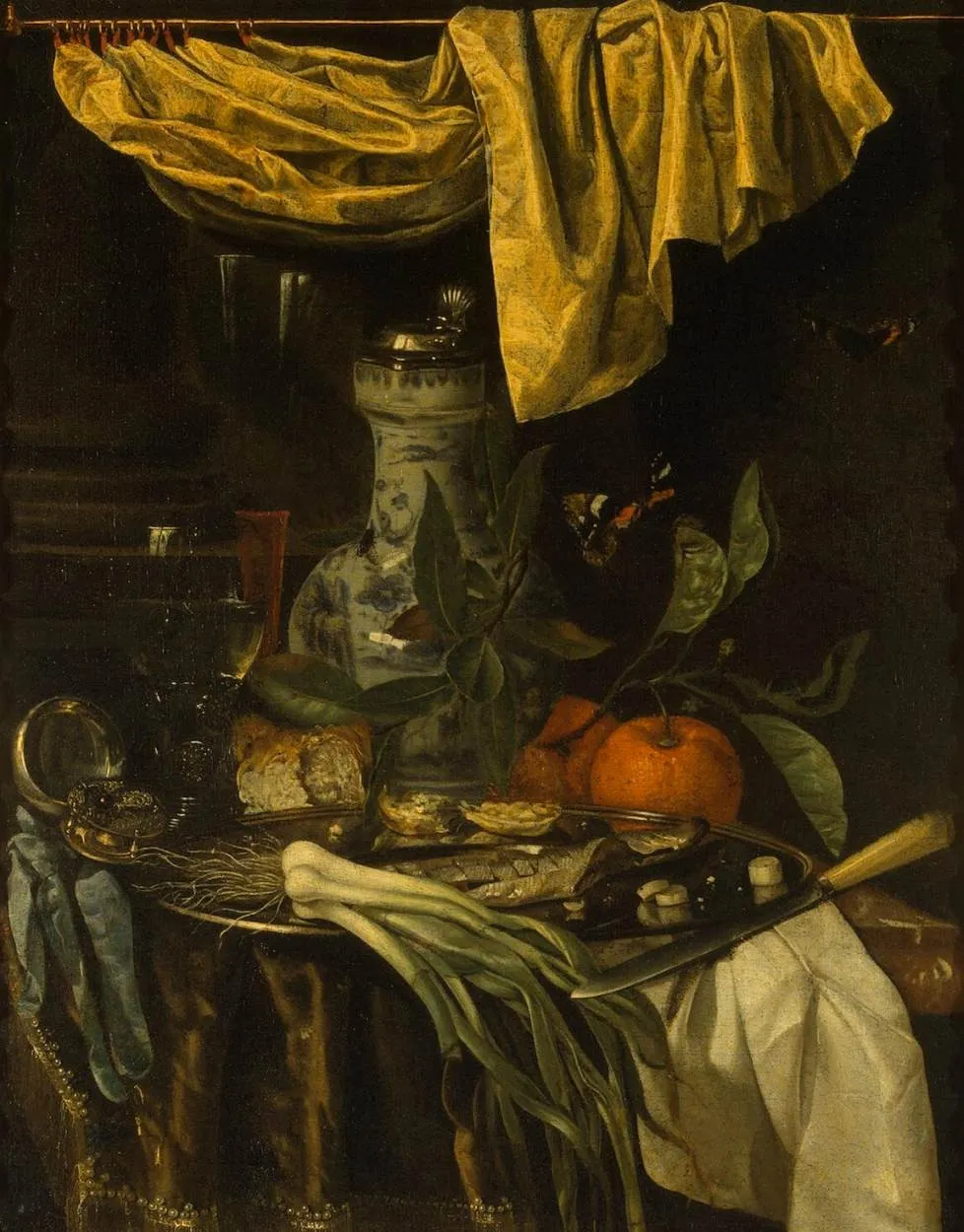
Snack is an oil painting by the Dutch Golden Age artist Juriaen van Streeck. It dates from 1670 and is held in the collection of the Hermitage Museum.
About this work
Overview
It resides today in the State Hermitage Museum, part of a broader tradition of Dutch genre painting focused on the material culture of daily life.
Painted in 1670 by Juriaen van Streeck, *Snack* is a still life rendered in oil on canvas. Van Streeck, active in Amsterdam during the Dutch Golden Age, specialized in modest domestic scenes featuring food and tableware. This work exemplifies his quiet attention to ordinary objects, arranged with deliberate simplicity and a restrained palette. It resides today in the State Hermitage Museum, part of a broader tradition of Dutch genre painting focused on the material culture of daily life.
Subject & Meaning
The composition presents a humble array of provisions: a large fish, slices of bread, an orange, and green onions, laid across a white cloth. Above, a yellow drape hangs loosely, suggesting a domestic interior. These items, neither lavish nor symbolic in a religious sense, reflect the quiet abundance of middle-class Dutch households. The arrangement invites contemplation of sustenance and transience, common themes in still life of the era, without overt moralizing.
Technique & Style
Van Streeck employed a dark, muted background to heighten the tactile presence of the objects. His brushwork is precise but unshowy, capturing the sheen of fish scales, the roughness of bread, and the glossy skin of citrus with subtle variation. Light falls evenly, avoiding dramatic contrasts, reinforcing the scene’s untheatrical character. The composition is balanced yet informal, as if captured mid-preparation, reflecting a preference for naturalism over idealization.
History & Provenance
Created in 1670, the painting entered the collection of the State Hermitage Museum in the 19th century, likely through acquisitions of Dutch and Flemish works during the imperial era. Its documented history before that is sparse, as was common with smaller-scale genre paintings of the time. Unlike grand historical or religious works, such still lifes were often privately owned and rarely recorded in early inventories, making its survival and institutional preservation notable.
Context
During the Dutch Golden Age, still life painting flourished as a reflection of economic prosperity and civic pride. Artists like Van Streeck catered to a growing middle class that valued depictions of domestic order and material comfort. While grander works celebrated myth or power, these quiet scenes affirmed the dignity of everyday life. *Snack* aligns with a trend toward intimate, unadorned realism that distinguished Dutch art from its European contemporaries.
Legacy
Van Streeck’s work, including *Snack*, contributes to the enduring study of 17th-century Dutch visual culture. Though not widely known today, his paintings offer insight into the aesthetic values of a society that found significance in the ordinary. His restrained approach influenced later generations of still life painters who prioritized observation over ornamentation, helping to define the quiet realism that remains characteristic of Dutch art from this period.
Artist & collection
Artist
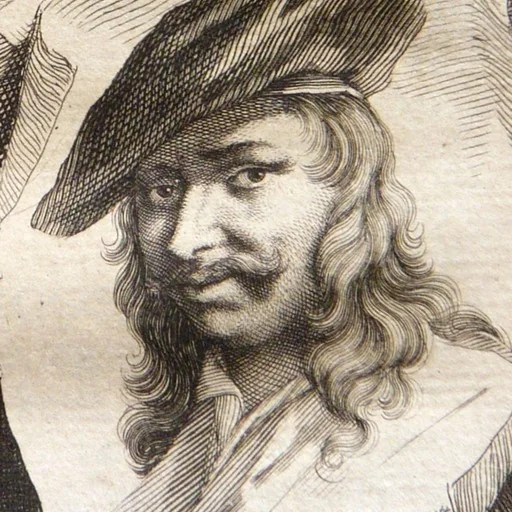
Juriaen van Streeck or Juriaan van Streek (29 February 1632, in Amsterdam – buried 12 June 1687, in Amsterdam) was a Dutch Golden Age painter of still lifes.

 Still life
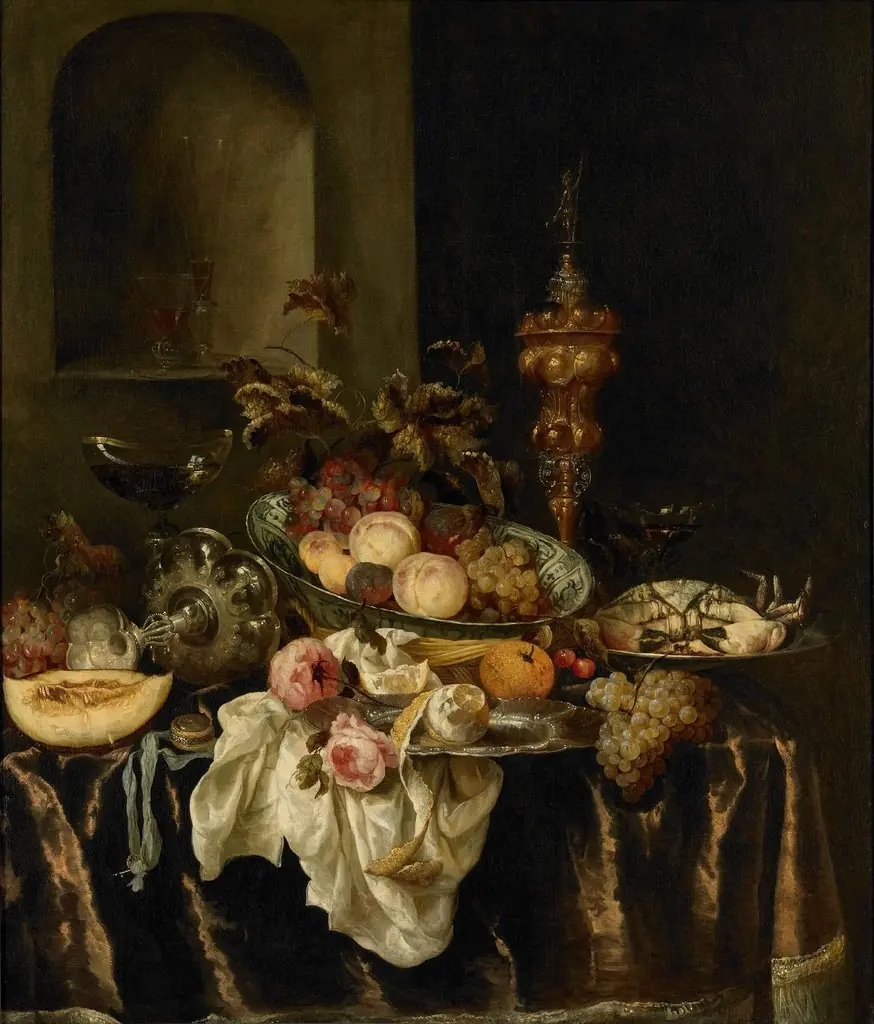 Stille life
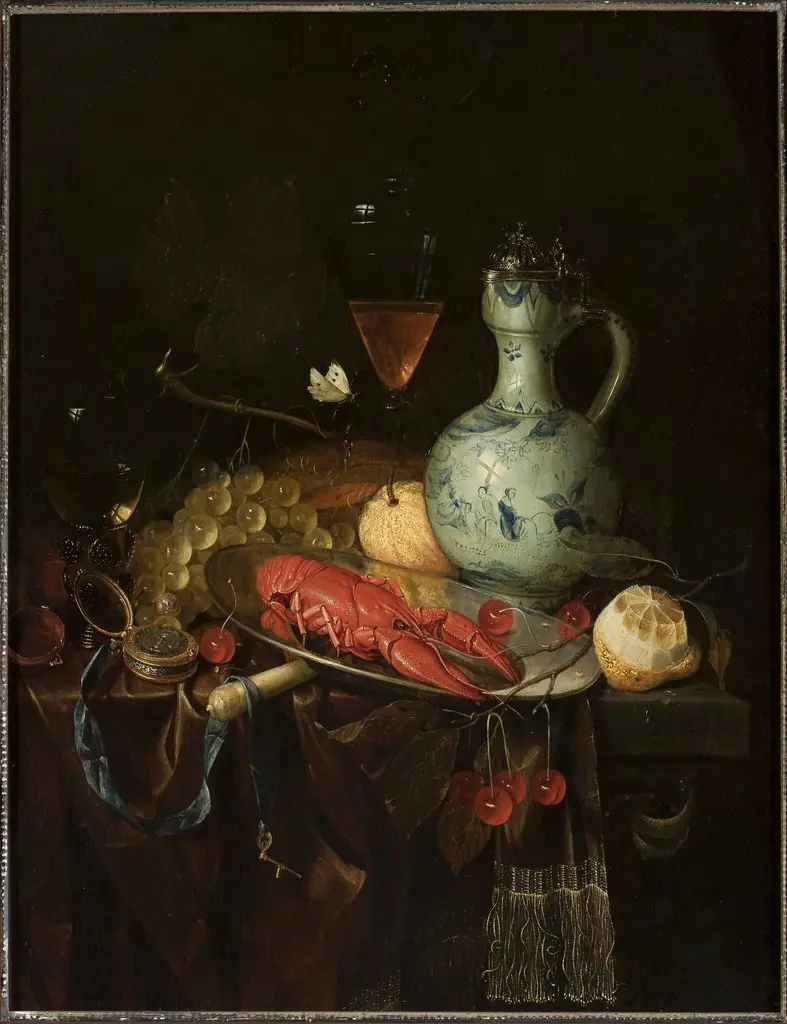 Still life with a watch
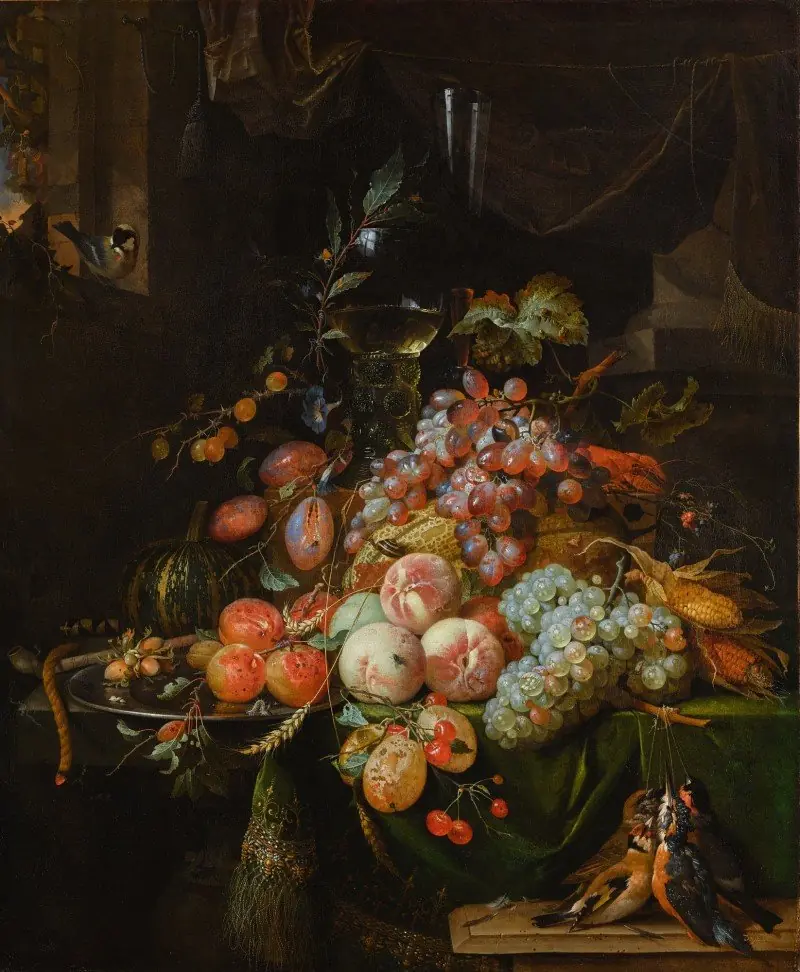 Still Life with Plums, Peaches, Apricots, Grapes and a Melon
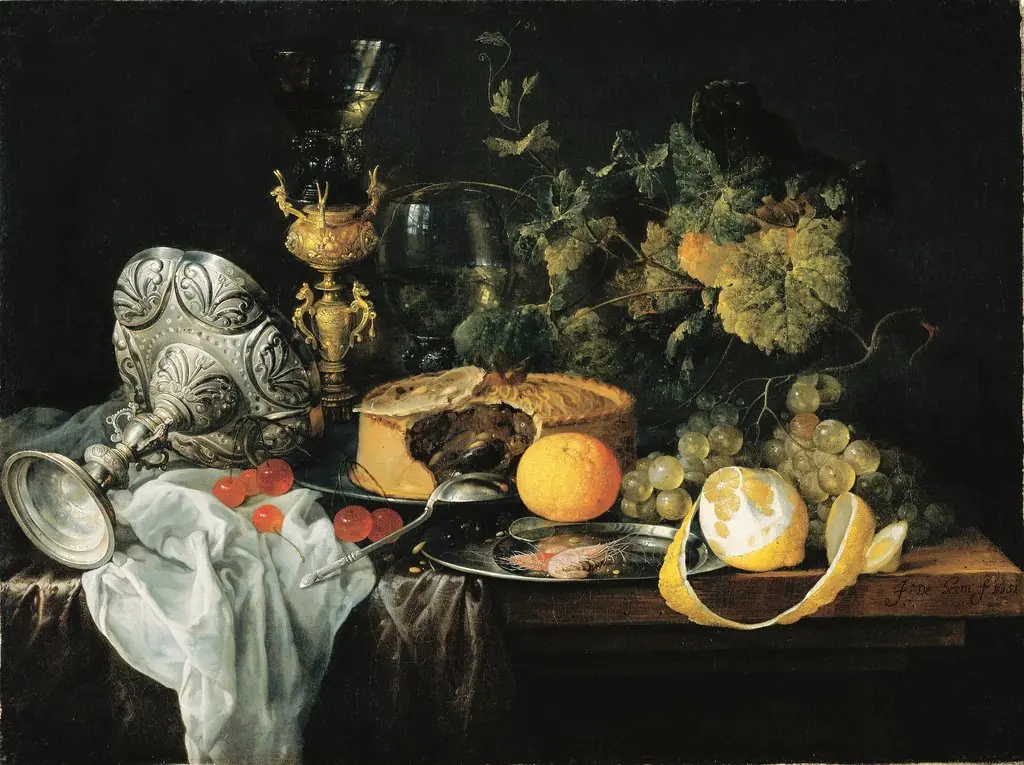 Sumptuous Still Life with Fruits, Pie and Goblets, 1651
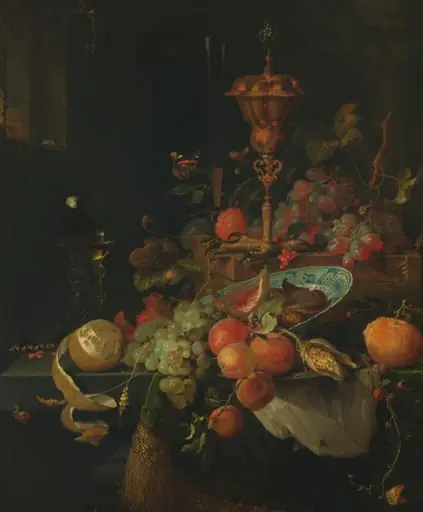 Still Life with Fruit and a Beaker on a Cock's Foot
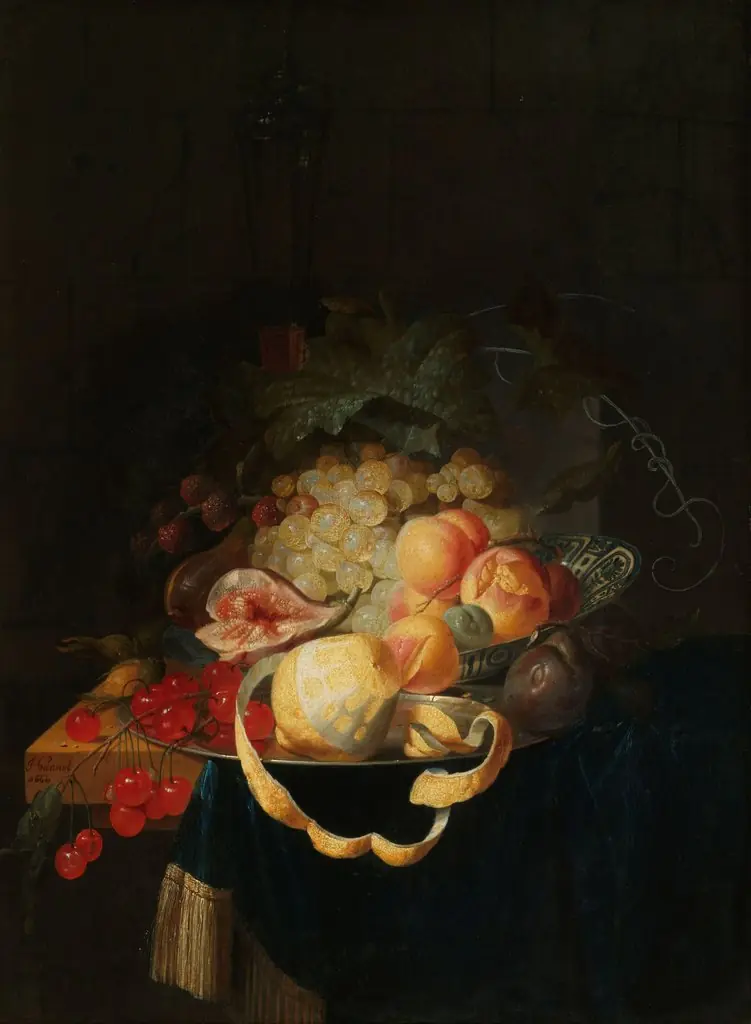 Still life with fruit
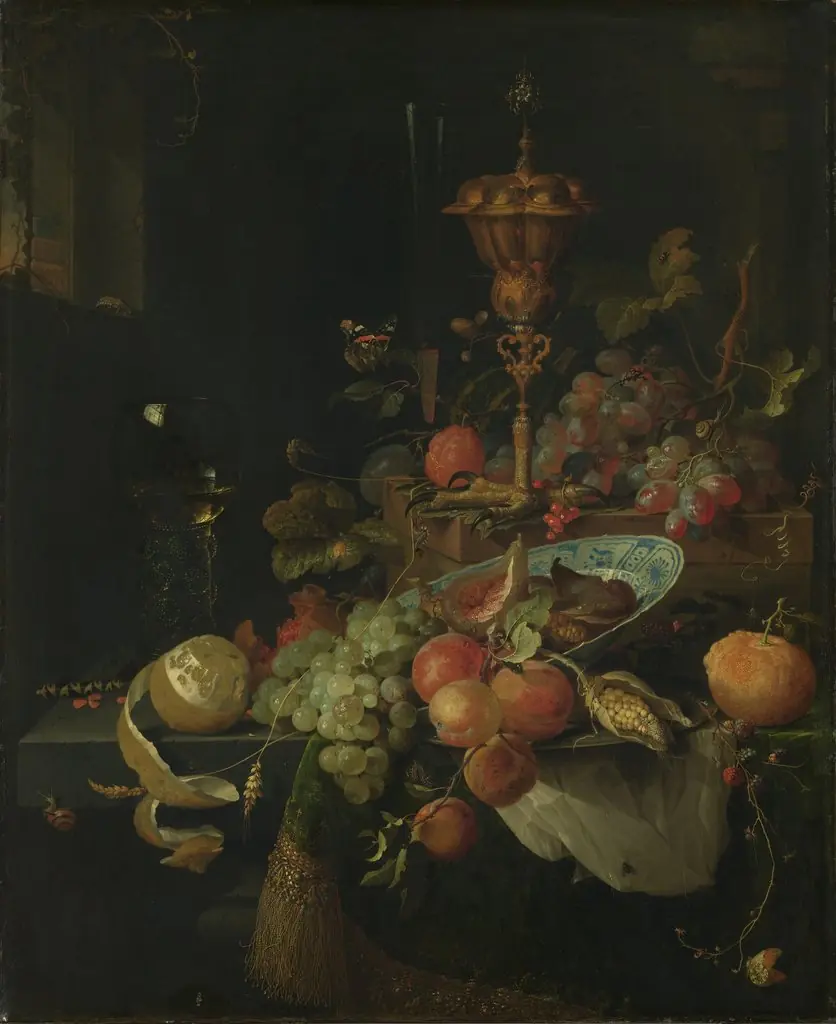 Still life with fruit and a beaker on a cock's foot
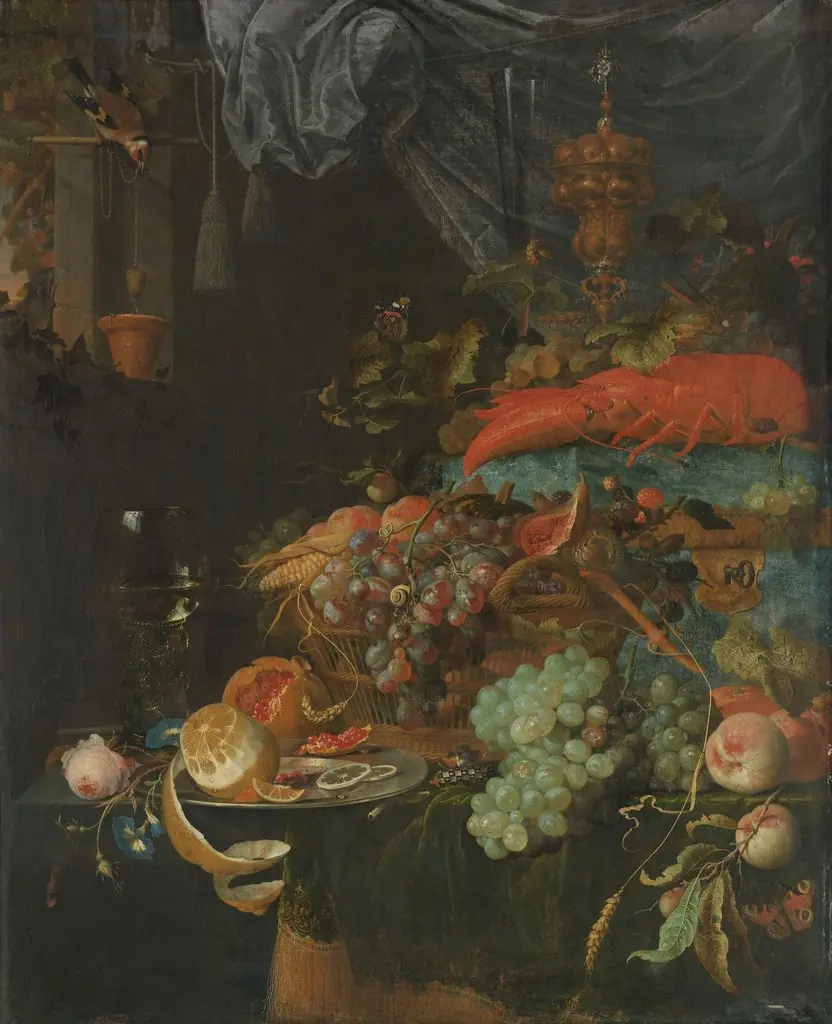 Still life with fruit and a finch drawing water
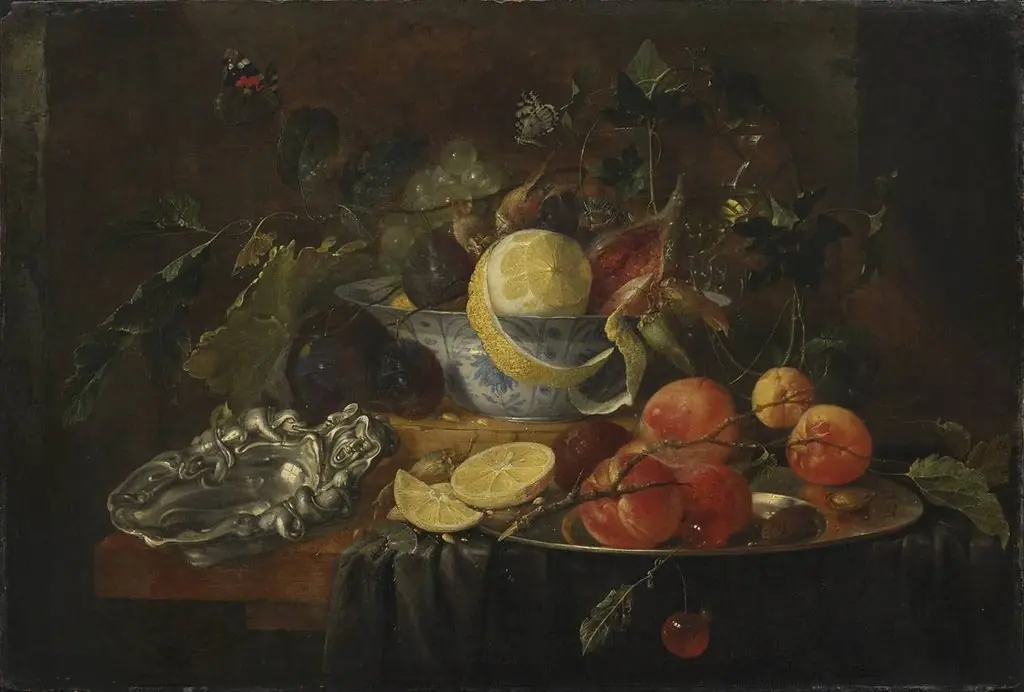 Stillleben mit Früchten und Silberschale
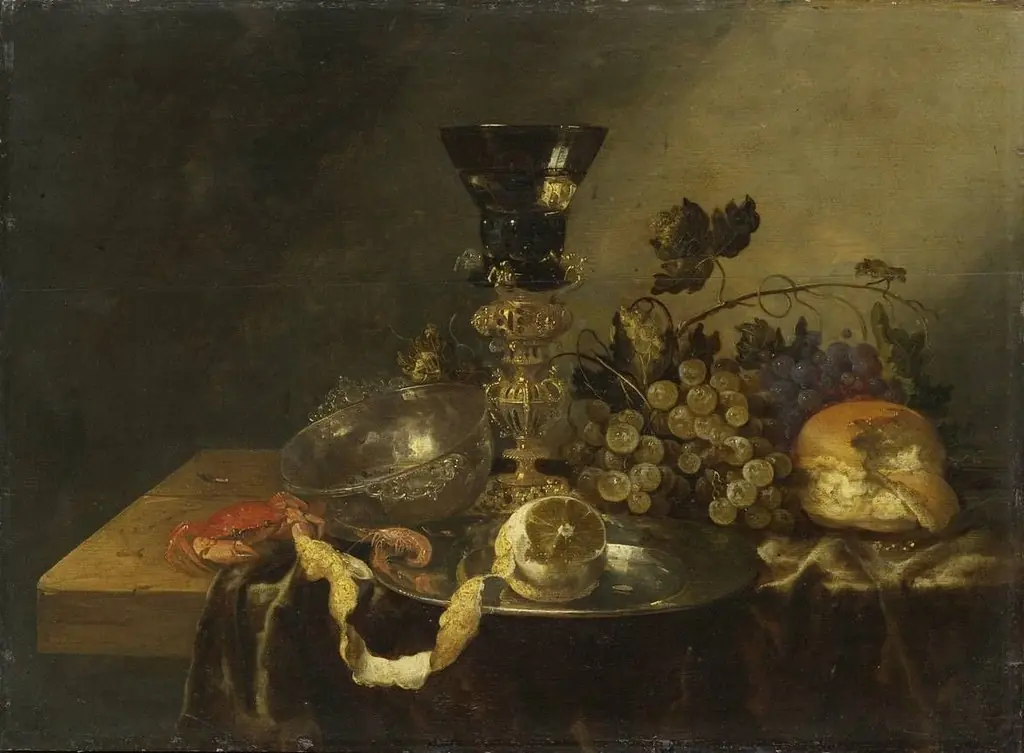 Stillleben mit Silberschale und Becherschraube
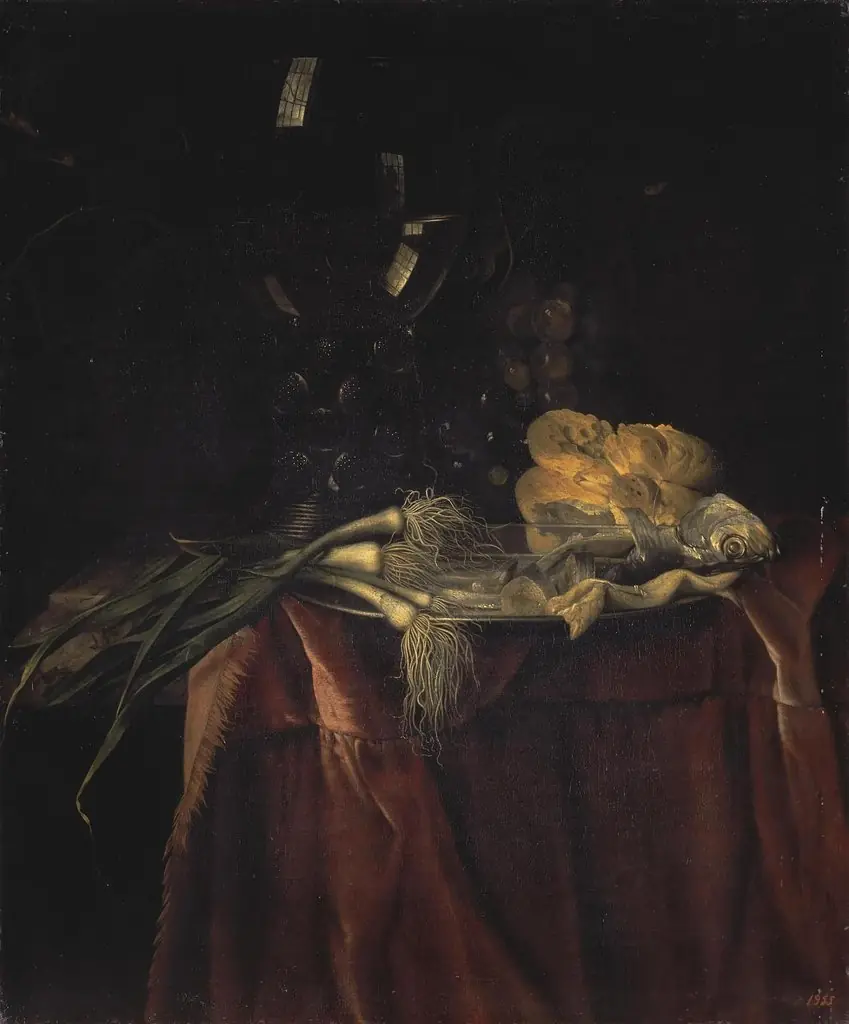 Snack
Snack