Artwork
Christus zeigt einem jungen Mönch seine Wundmale
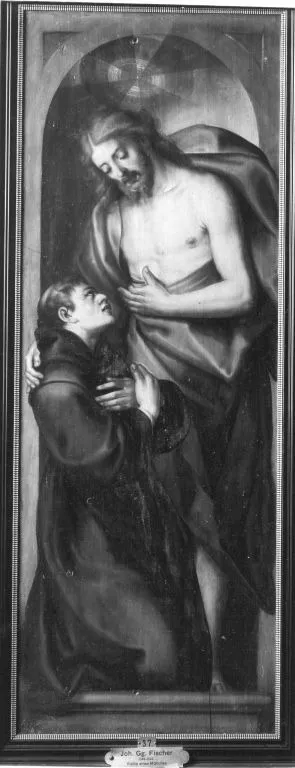
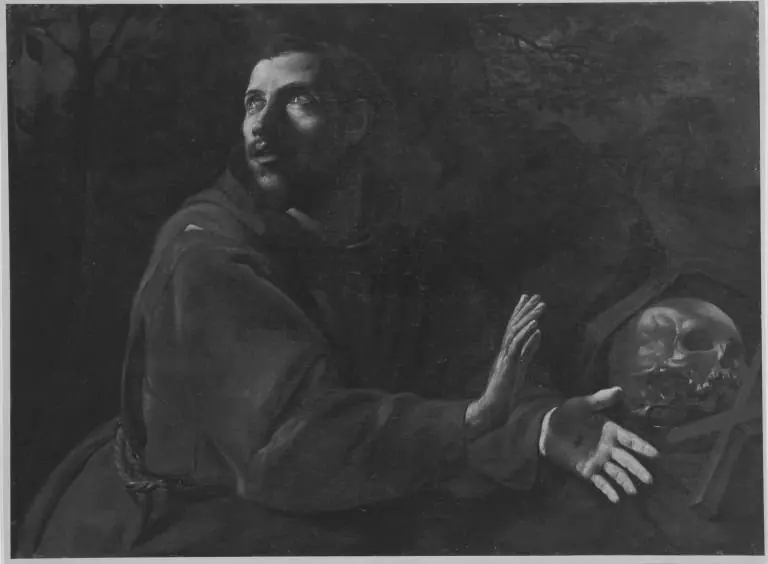
Christus zeigt einem jungen Mönch seine Wundmale is an unspecified painting by the Early Baroque Italian artist Johann Georg Fischer. It dates from 1611 and is held in the collection of the Bavarian State Painting Collections.
About this work
Overview
Johann Georg Fischer’s 1611 canvas, titled *Christus zeigt einem jungen Mönch seine Wundmale*, presents a solemn encounter between the resurrected Christ and a youthful monk. Executed in the early Baroque idiom, the work foregrounds a stark, intimate moment of revelation, employing dramatic lighting to draw the viewer’s eye to the central figures within a darkened setting.
Subject & Meaning
The composition captures the moment Christ unveils the marks of his crucifixion to a young monastic disciple. The gesture emphasizes the transmission of spiritual truth and the personal nature of faith, inviting contemplation of the physical suffering of Christ as a conduit for divine instruction to the novice.
Technique & Style
Fischer applies chiaroscuro to model the figures, allowing a focused beam of light to illuminate Christ’s face and exposed chest while the surrounding space recedes into shadow. The contrast heightens the tactile realism of the wounds and underscores the emotional fatigue evident on the elder’s visage, a hallmark of early Baroque drama blended with lingering Northern Renaissance detail.
History & Provenance
Born in Augsburg in 1580, Fischer trained in Italy before establishing his career in Munich, where he remained active until his death in 1643. The painting reflects his synthesis of Italian Baroque sensibilities with the precise line work associated with Albrecht Dürer, an influence noted throughout his oeuvre.
Artist & collection
Artist
Johann Georg Fischer, an historical painter, was born at Augsburg in 1580. He travelled in Italy, but became an imitator of Albrecht Dürer. He died at Munich in 1643. The following are by him: Munich. Gallery. Christ…

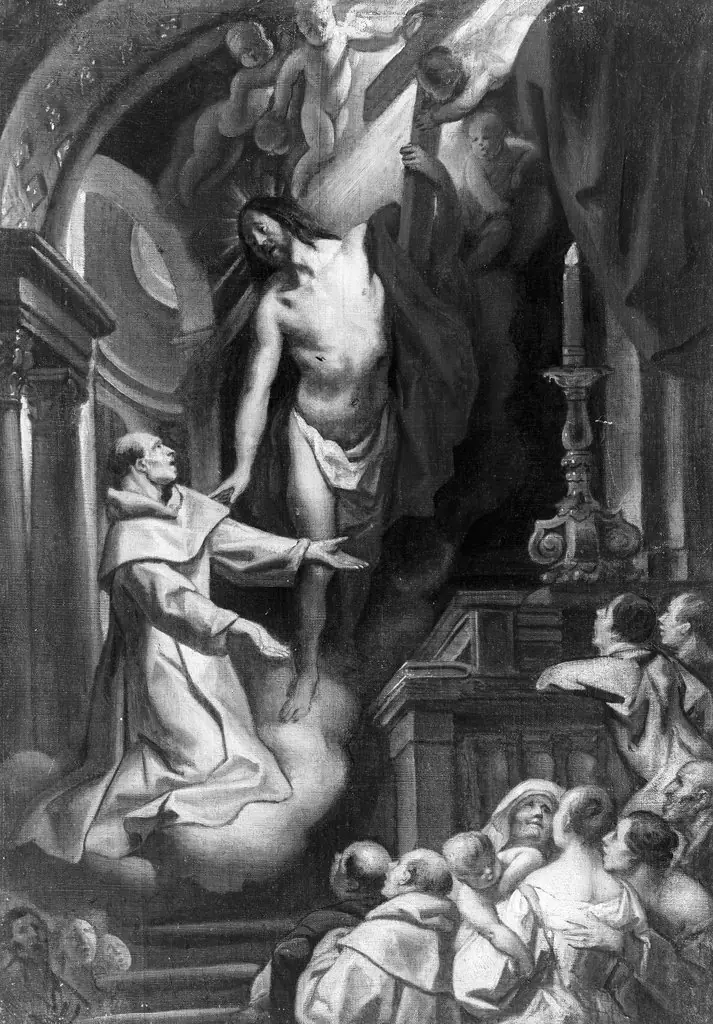 Vision of Saint Bruno
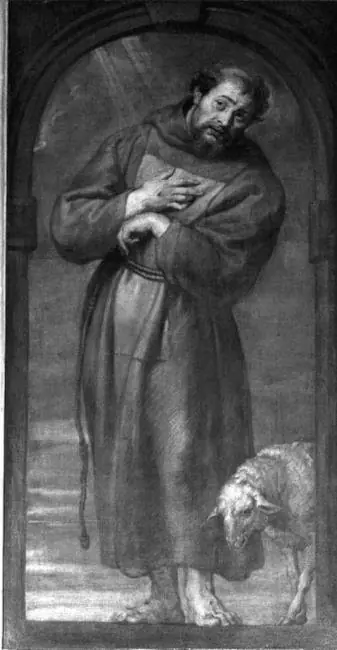 Saint Francis of Assisi
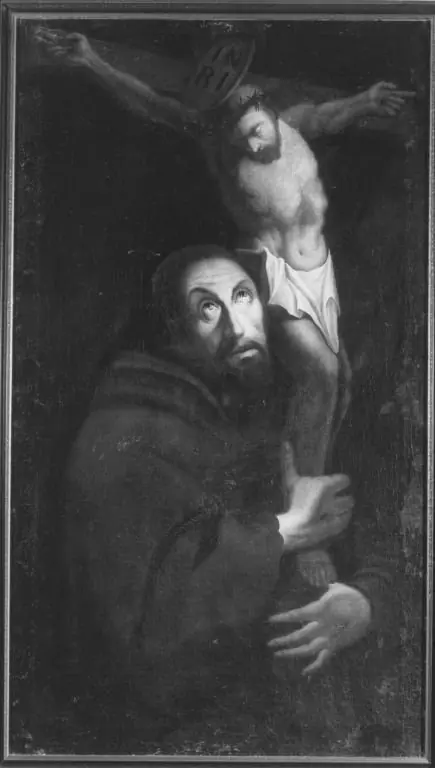 Hl. Franziskus
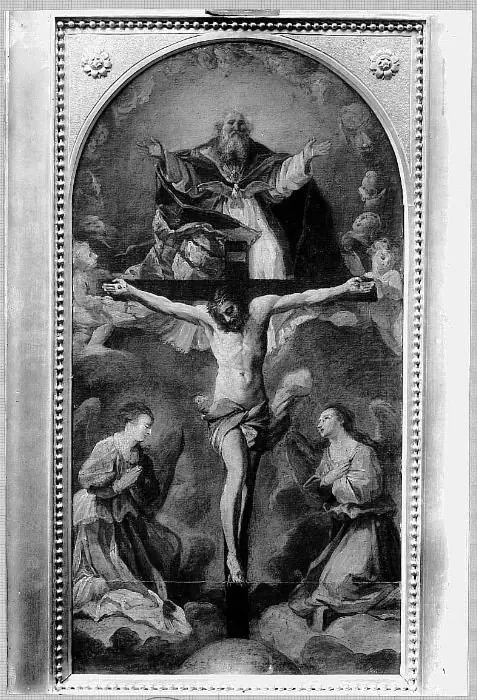 Die Heilige Dreifaltigkeit, von Engeln verehrt
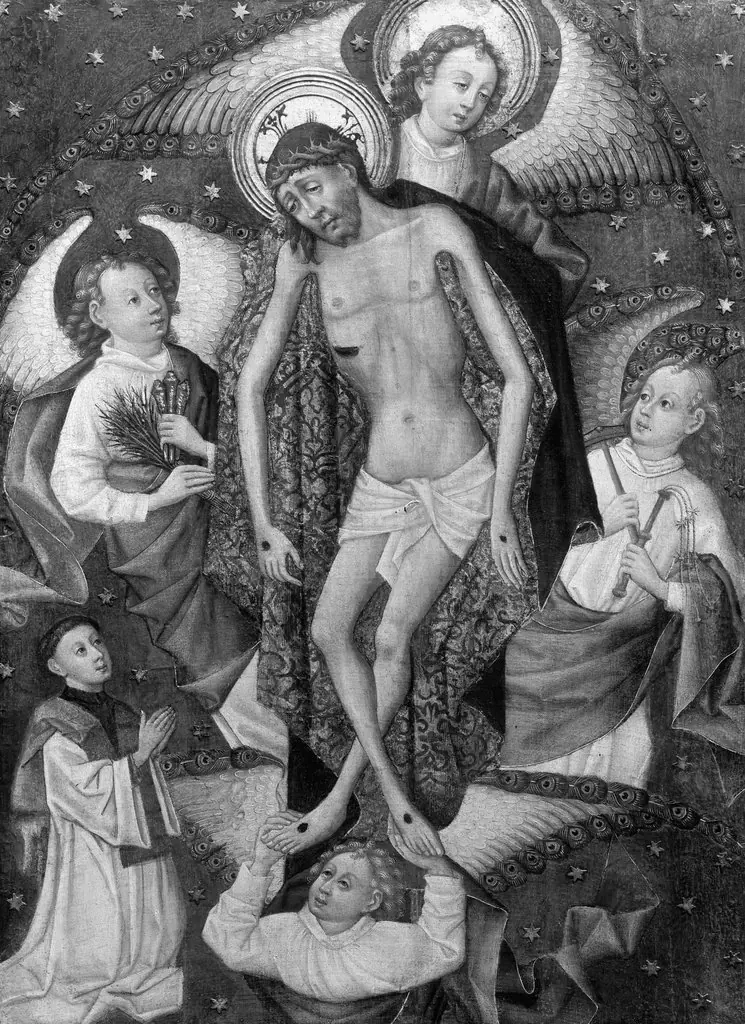 The dead Christ raised by four angels with a donor figure
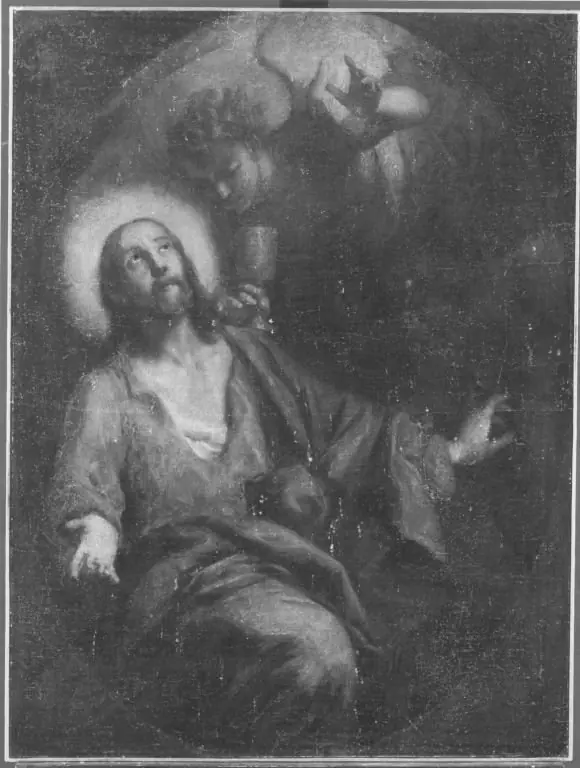 Christ with an angel on the Mount of Olives
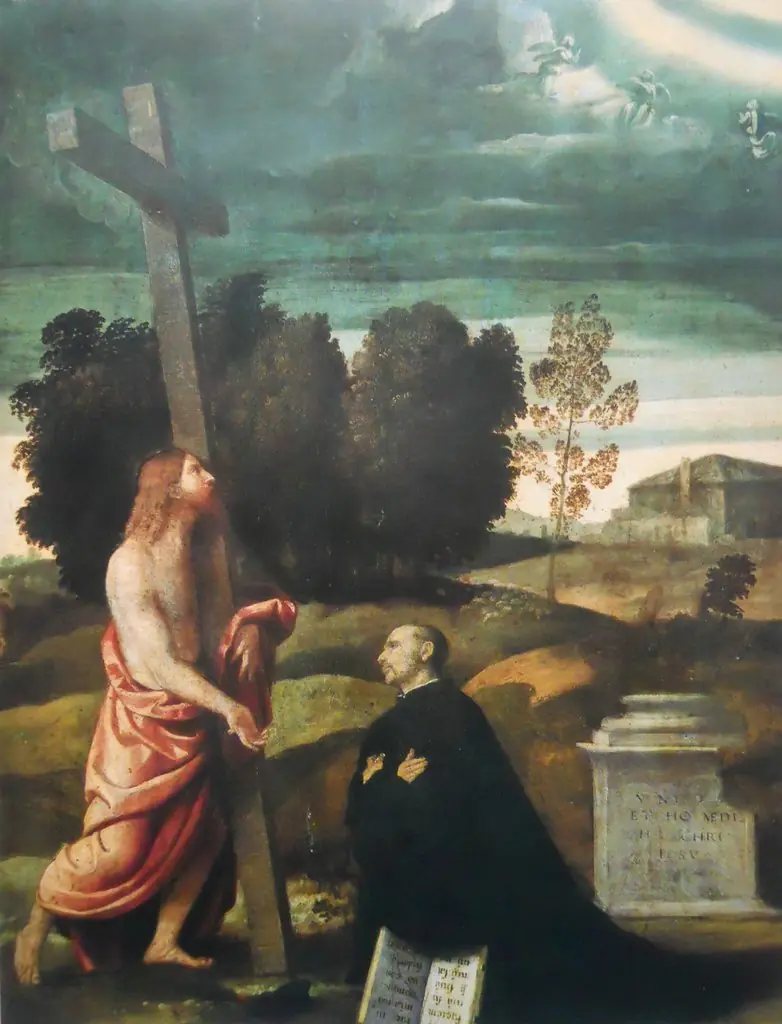 Christ carrying the cross before a kneeling figure
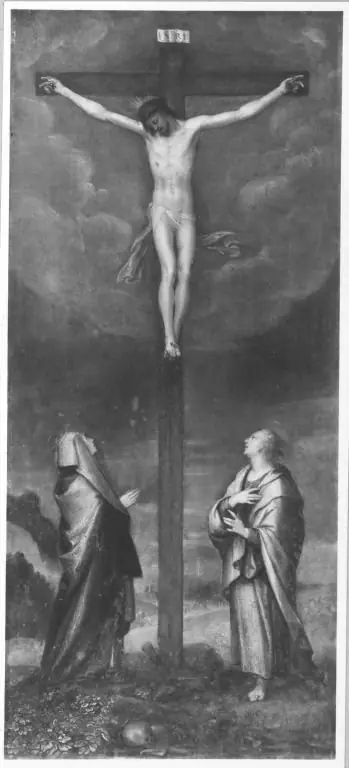 Christus am Kreuz
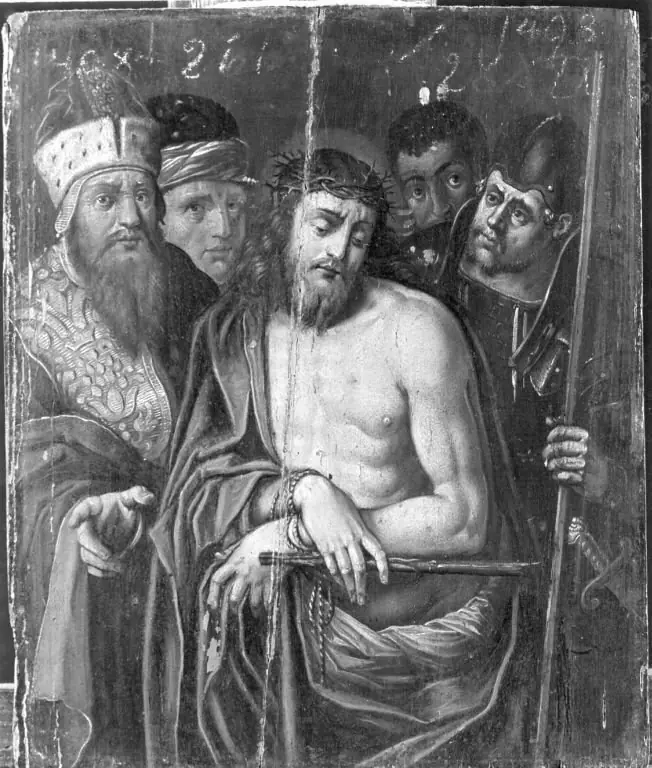 Ecce homo
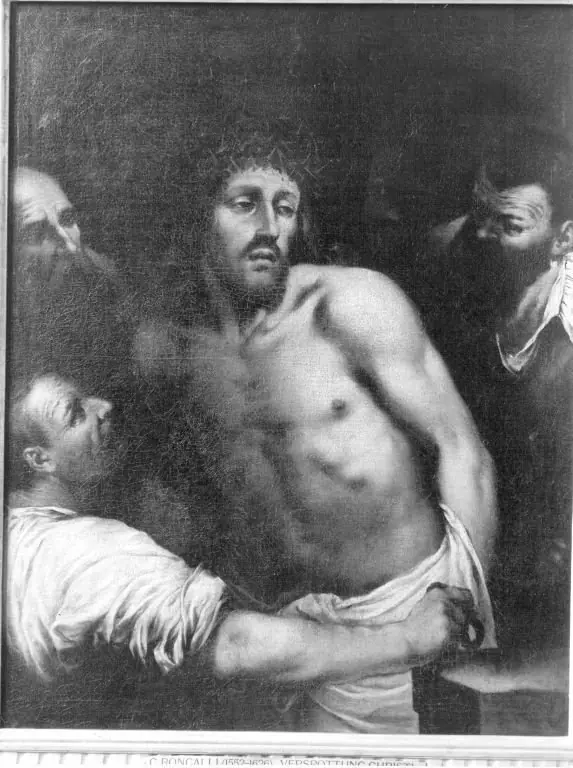 Verspottung Christi
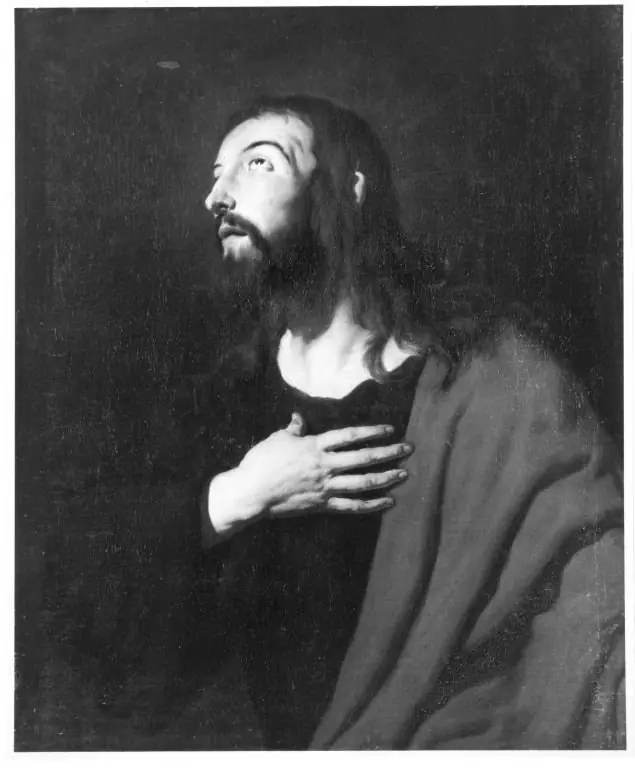 Christus am Ölberg (?)
 Hl. Franziskus in Ekstase (Art des)