Artwork
Die Heilige Dreifaltigkeit, von Engeln verehrt
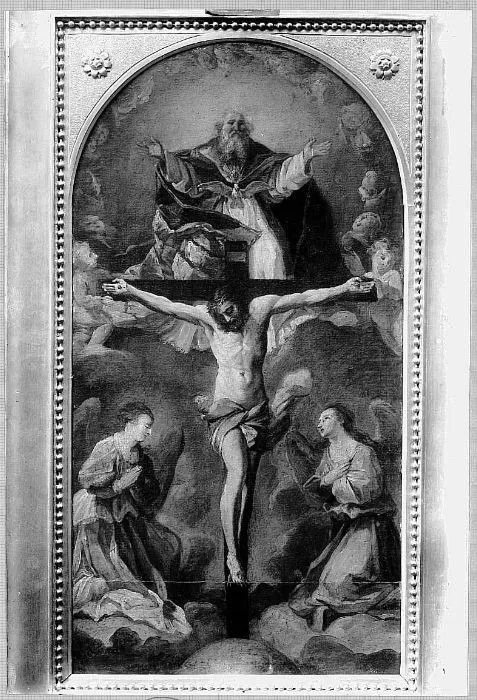
Die Heilige Dreifaltigkeit, von Engeln verehrt is a paint painting by the Early Baroque Italian artist Guido Reni. It dates from 1618 and is held in the collection of the Gemäldegalerie Berlin.
About this work
Overview
Painted around 1618 by Guido Reni, this work presents a solemn depiction of the Holy Trinity, with Christ crucified at its center. It is an oil painting on canvas, currently housed in the Gemäldegalerie in Berlin. The composition is structured around vertical and horizontal axes, drawing attention to the figure of Christ while surrounding elements reinforce the spiritual gravity of the scene.
Subject & Meaning
Their bowed postures and the somber tone convey reverence and mourning, emphasizing the theological weight of Christ’s sacrifice and divine presence.
The painting illustrates the Trinity through Christ on the cross, a figure above him interpreted as God the Father, and the Holy Spirit implied by surrounding light. Two women kneel in prayer at the base, likely representing the Virgin Mary and Mary Magdalene. Their bowed postures and the somber tone convey reverence and mourning, emphasizing the theological weight of Christ’s sacrifice and divine presence.
Technique & Style
Reni employs chiaroscuro to heighten emotional intensity, using stark contrasts between light and shadow to model the figures and create spatial depth. The drapery of Christ’s loincloth and the folds of the figures’ garments are rendered with refined, smooth brushwork. The dark, atmospheric background isolates the sacred figures, focusing the viewer’s attention on the central drama without distraction.
History & Provenance
The painting entered the collection of the Gemäldegalerie Berlin in the 19th century, having previously belonged to a private collection in Italy. Its attribution to Guido Reni has been consistently supported by stylistic analysis and documentary records from the early 17th century. It was likely commissioned for a devotional setting, reflecting Counter-Reformation ideals of emotional piety.
Context
Created during the height of the Baroque period, the work aligns with Catholic efforts to inspire devotion through vivid, emotionally charged imagery. Reni, influenced by Bolognese classicism and Caravaggio’s naturalism, synthesized idealized form with dramatic lighting. This painting reflects the Church’s demand for clarity and spiritual immediacy in religious art following the Council of Trent.
Legacy
Though less widely known than Reni’s mythological works, this painting exemplifies his skill in conveying sacred narrative with restraint and dignity. It influenced later devotional imagery in southern Germany and Austria, where its balanced composition and emotional clarity were emulated in altarpieces. Its preservation in a major public collection ensures continued scholarly engagement with Baroque religious painting.
Artist & collection
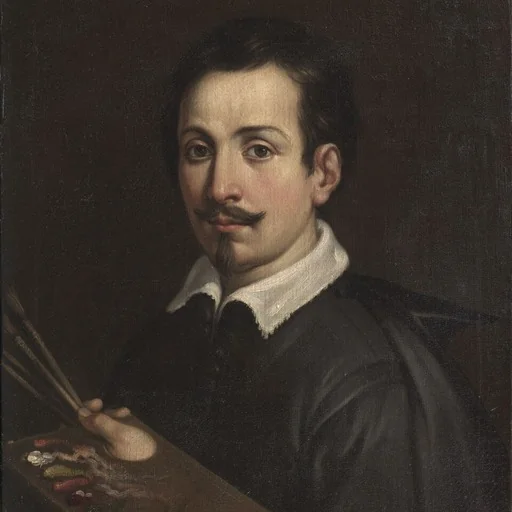
Artist
Guido Reni was an Italian Baroque painter, although his works showed a classical manner, similar to Simon Vouet, Nicolas Poussin, and Philippe de Champaigne.

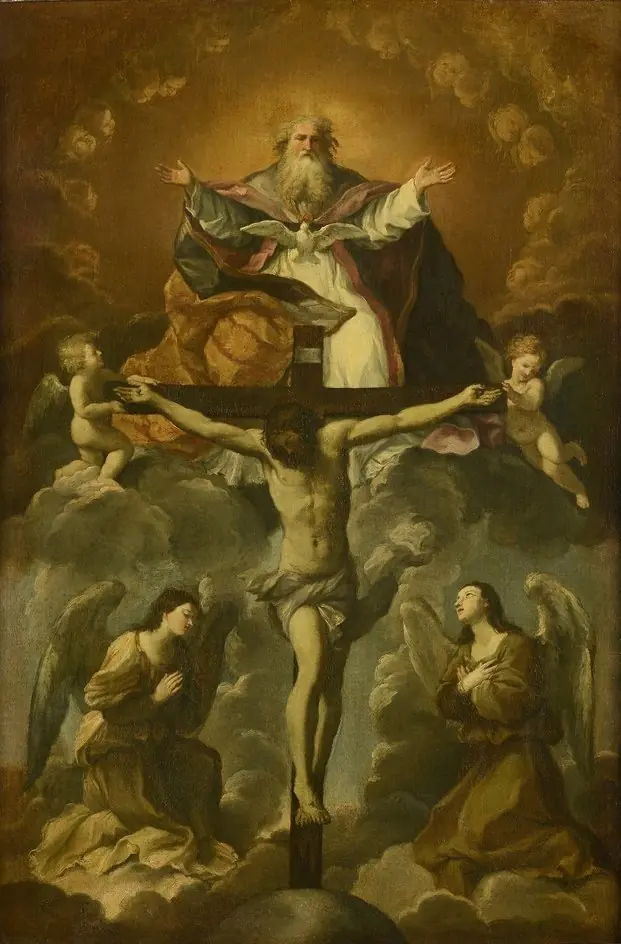 The Holy Trinity adored by Angels
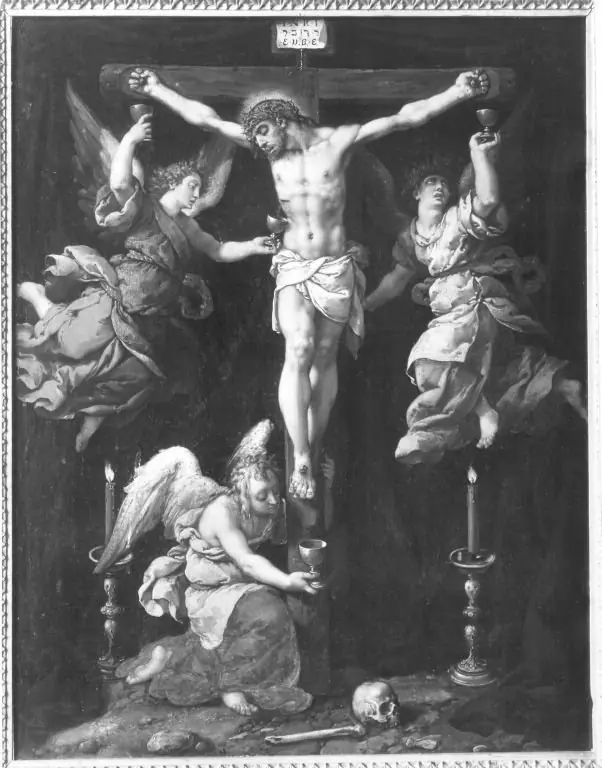 Christ on the Cross with Angels
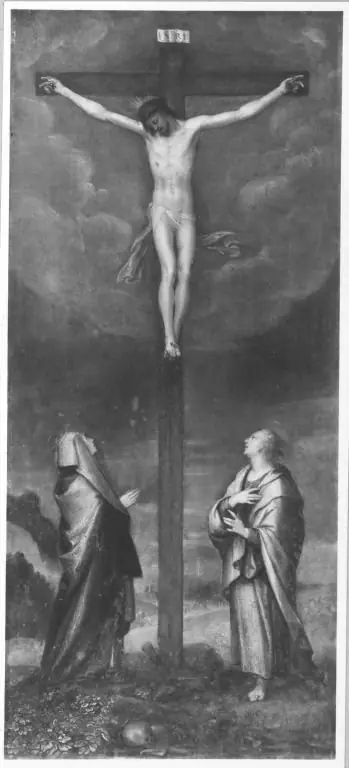 Christus am Kreuz
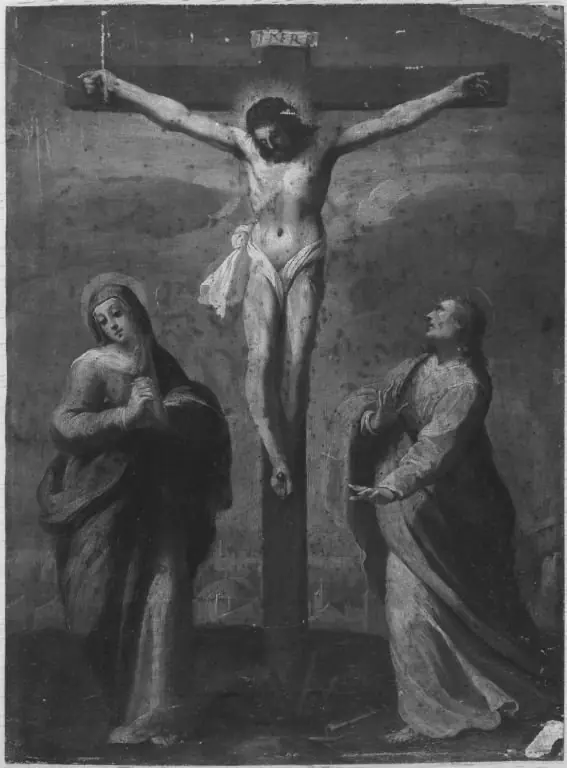 Christ on the cross with Mary and John
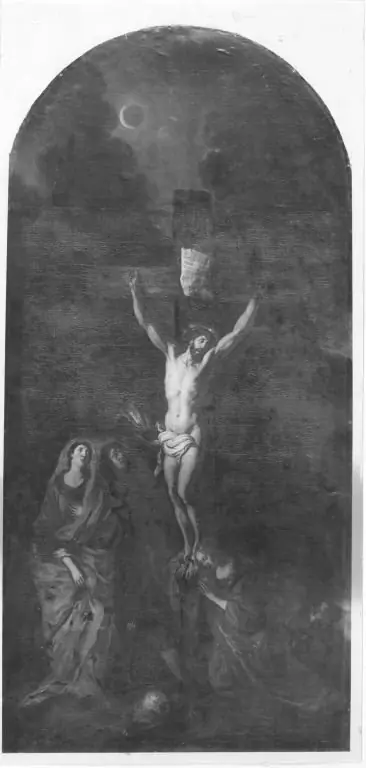 Christus am Kreuz (Werkstatt)
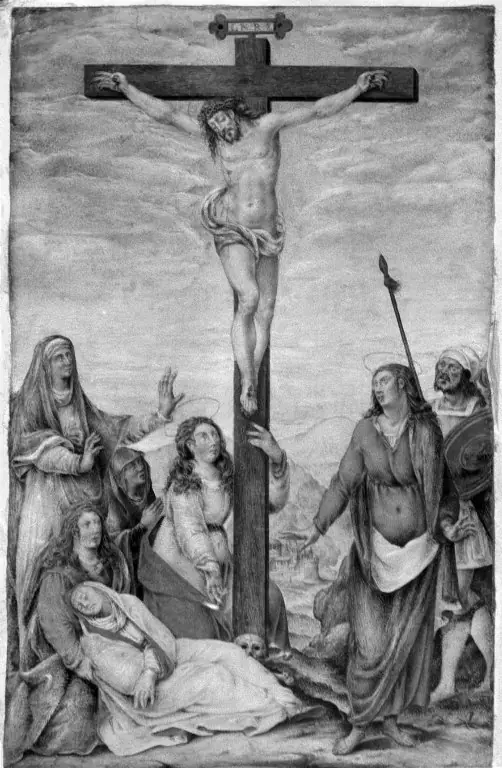 Crucifixion
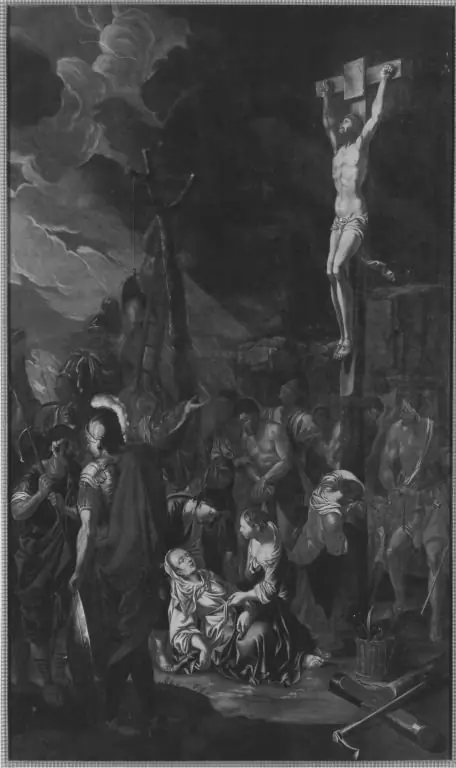 Kreuzigung
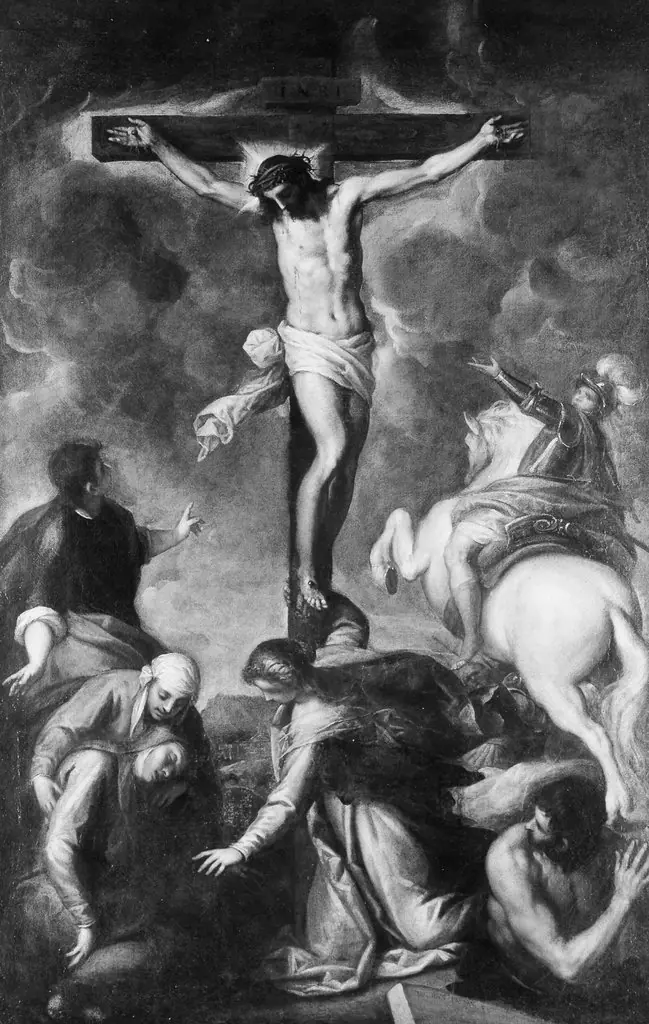 The Crucifixion
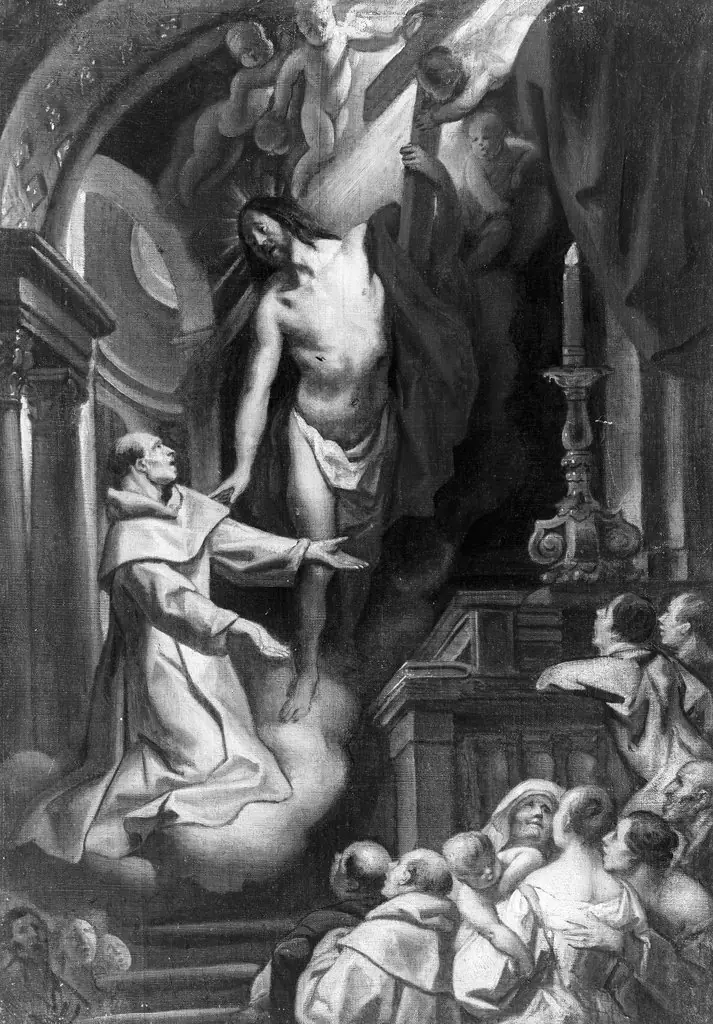 Vision of Saint Bruno
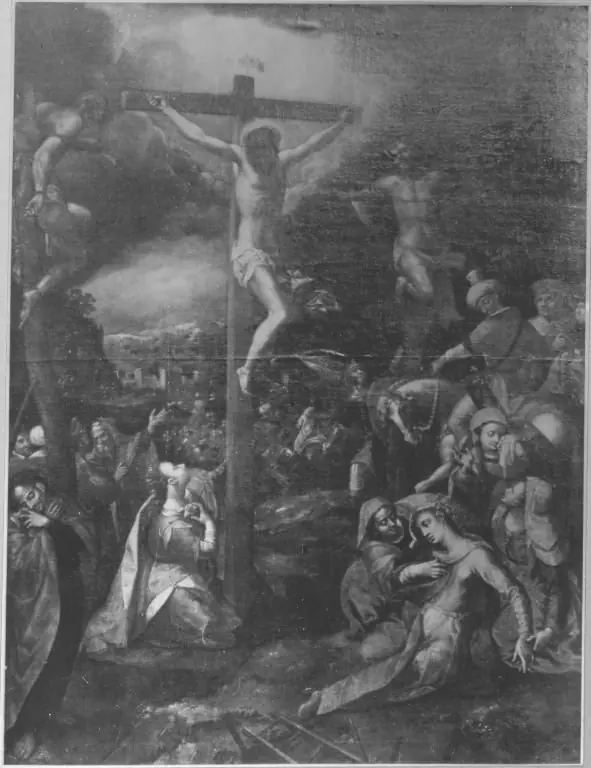 Kreuzigung Christi (Kopie nach)
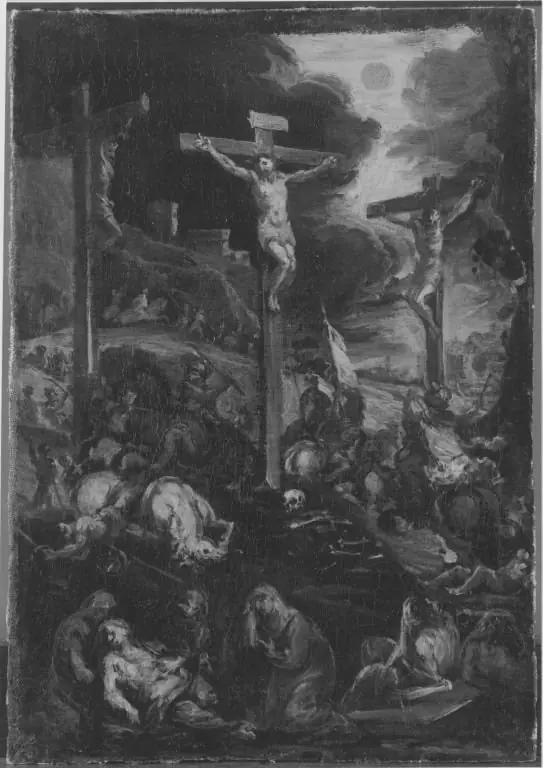 Kreuzigung Christi (Kopie nach dem Altarbild der Münchner Augustinerkirche) (Kopie nach)
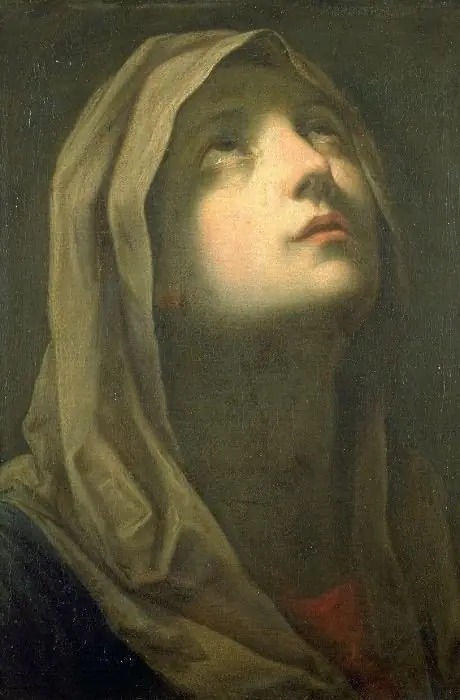 Mater Dolorosa