Artwork
Summer
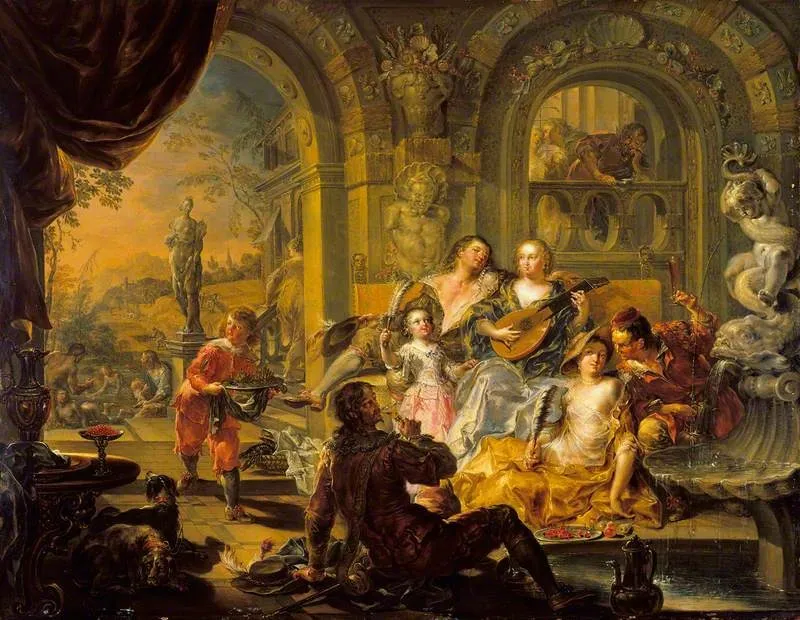
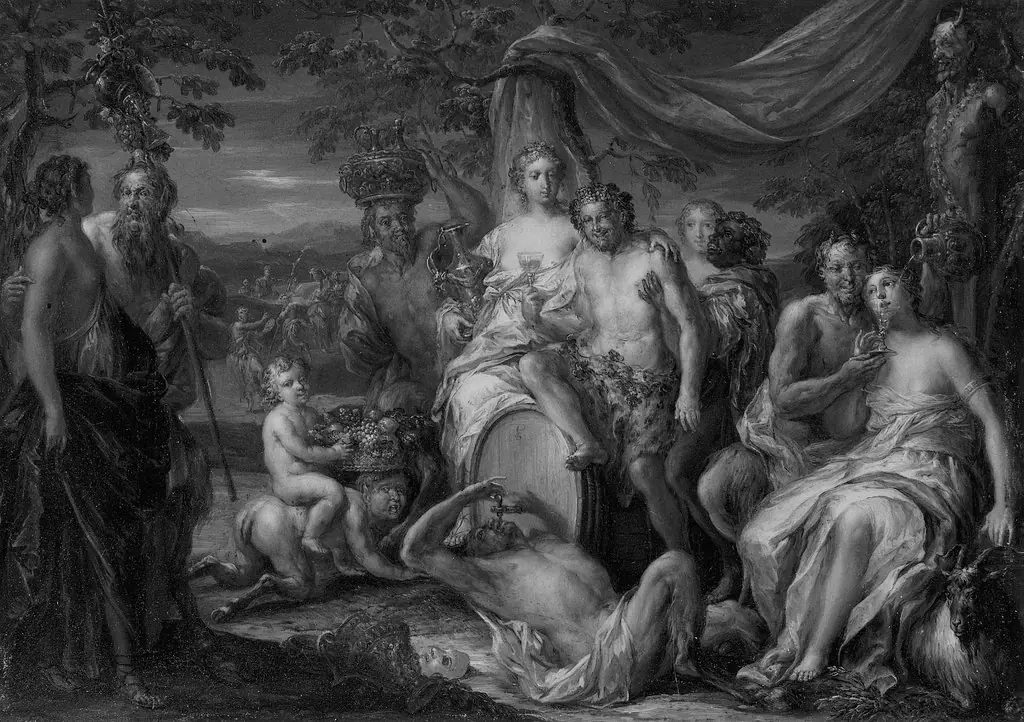
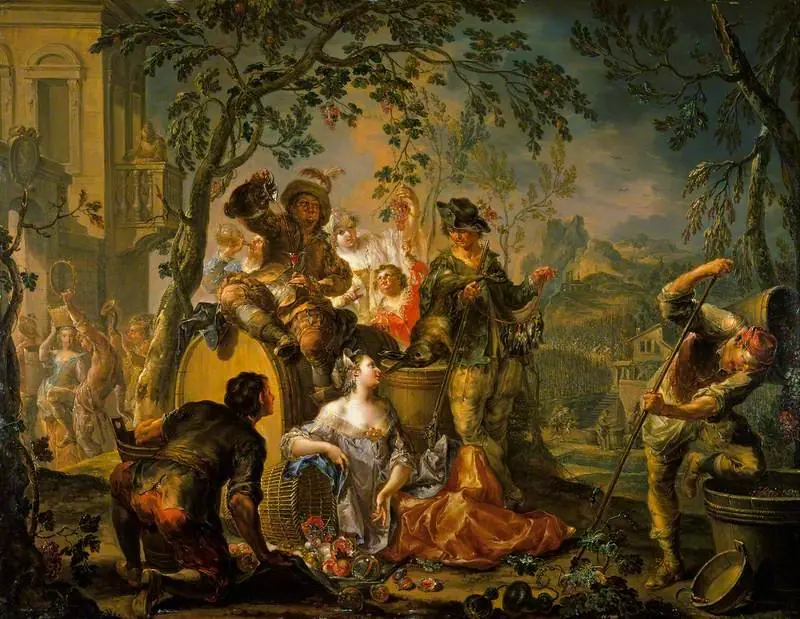
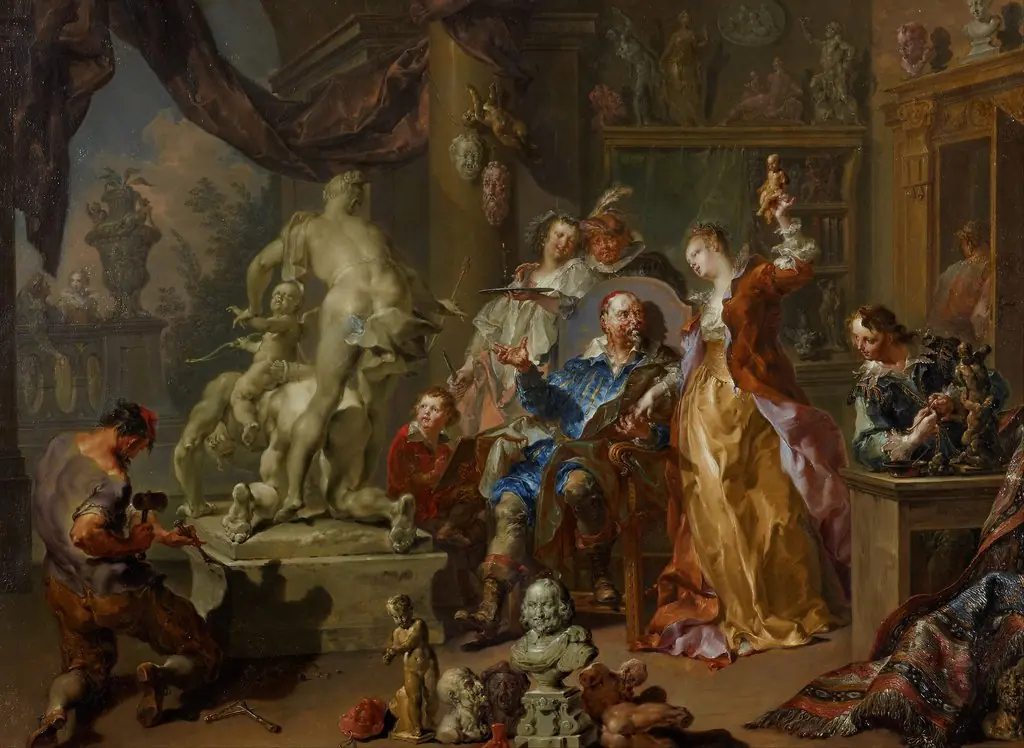
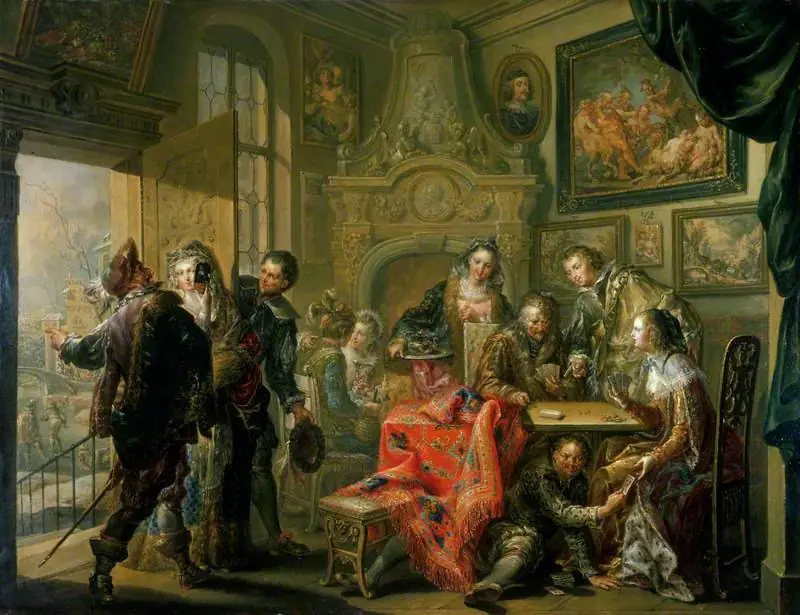
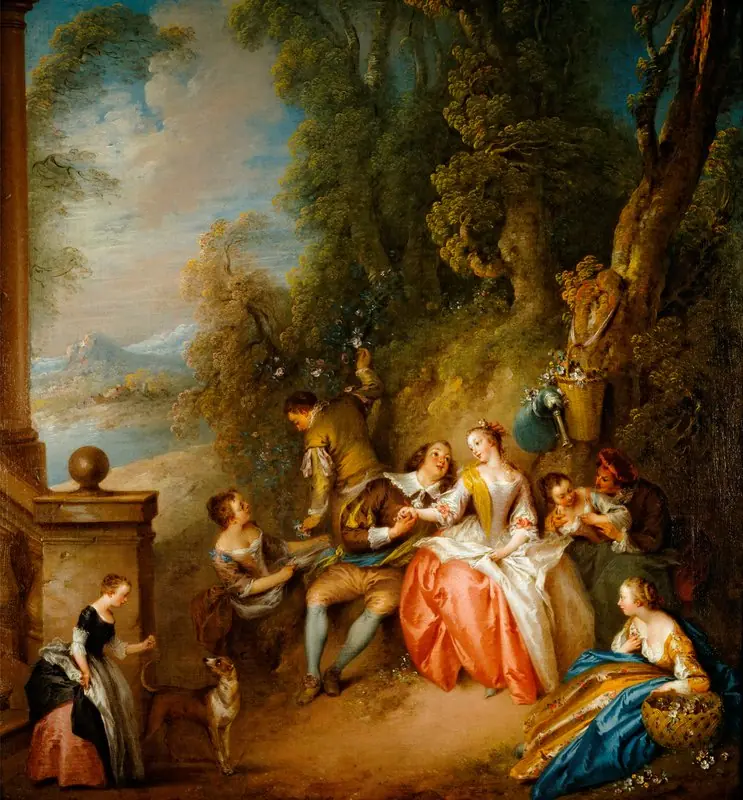
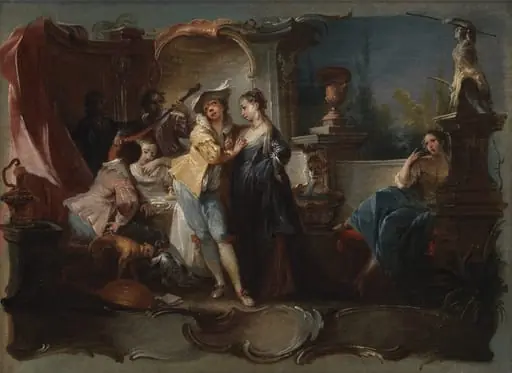
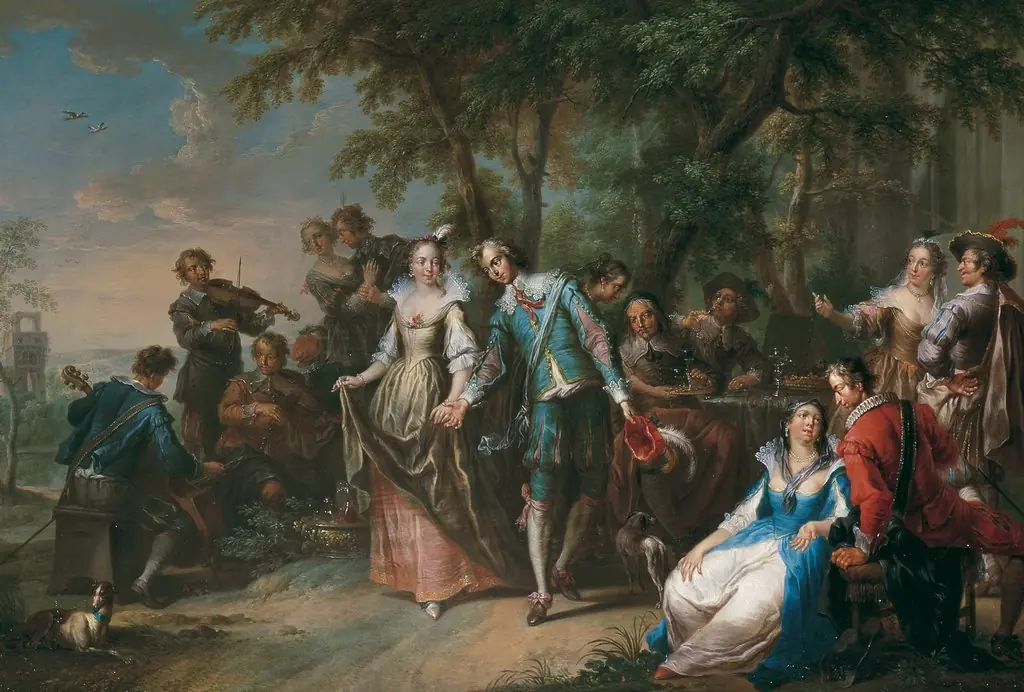
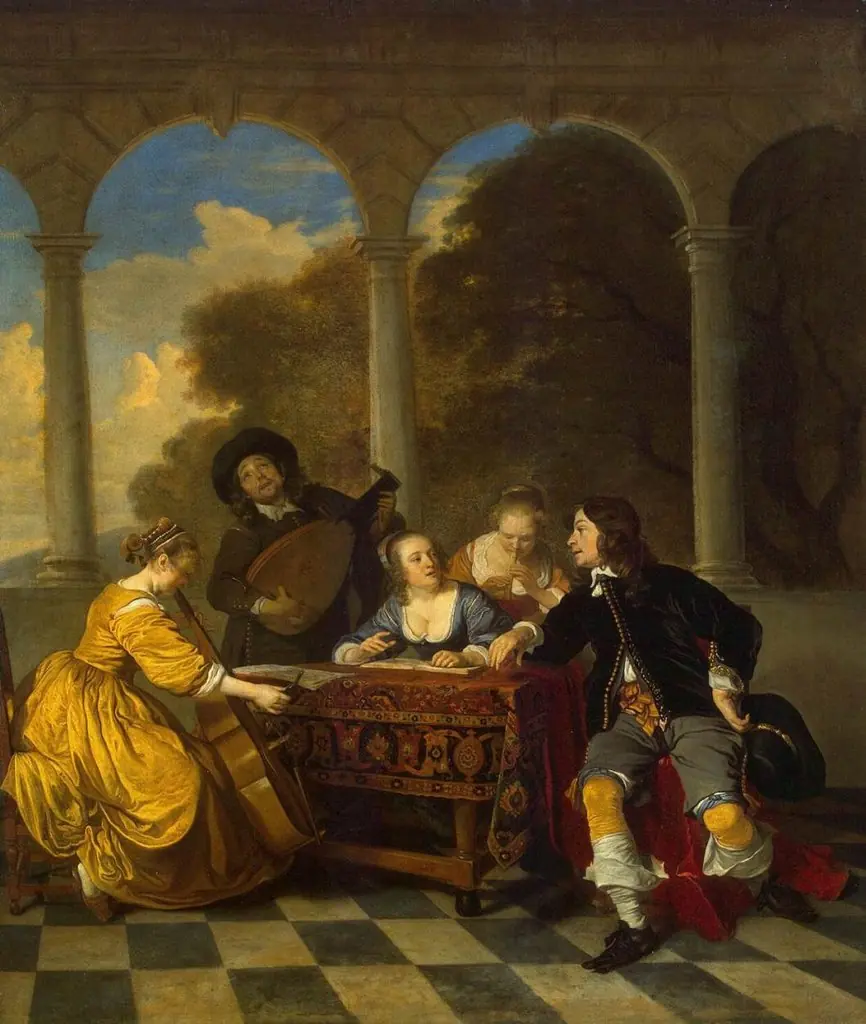
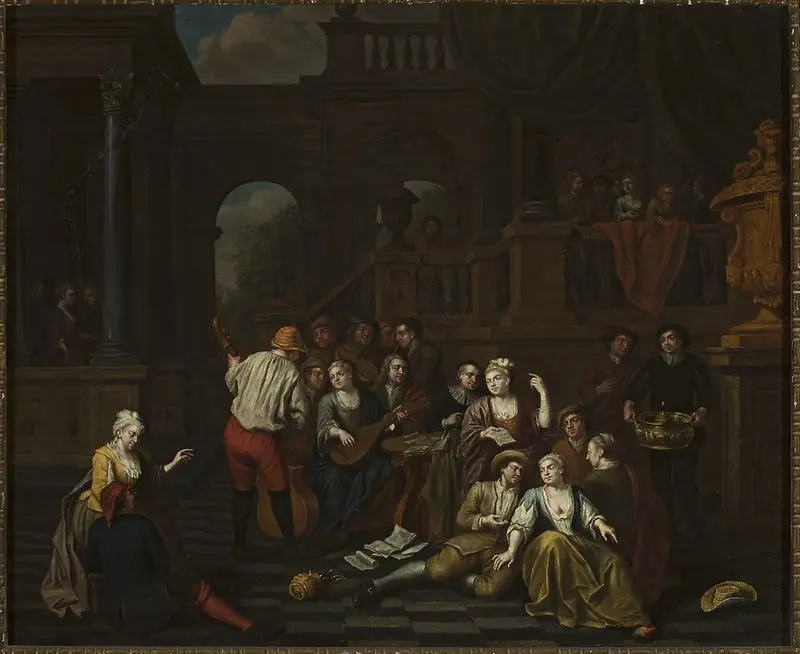
Summer is an oil painting by the Rococo painting artist Johann Georg Platzer. It dates from 1742 and is held in the collection of the Victoria and Albert Museum.
About this work
Overview
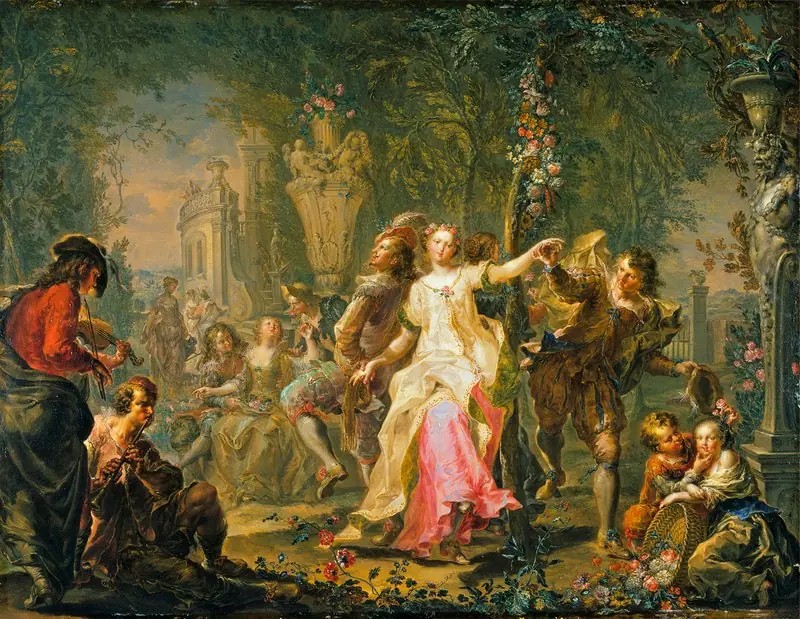
Created around 1742 by Johann Georg Platzer, Summer is a small-scale painting on copper that captures a rural celebration in full swing.
Created around 1742 by Johann Georg Platzer, Summer is a small-scale painting on copper that captures a rural celebration in full swing. It resides in the Victoria and Albert Museum’s collection, where it is noted for its vivid depiction of seasonal festivity. The work belongs to a series of seasonal scenes, reflecting 18th-century European tastes for genre painting that celebrated everyday life with warmth and detail.
Subject & Meaning
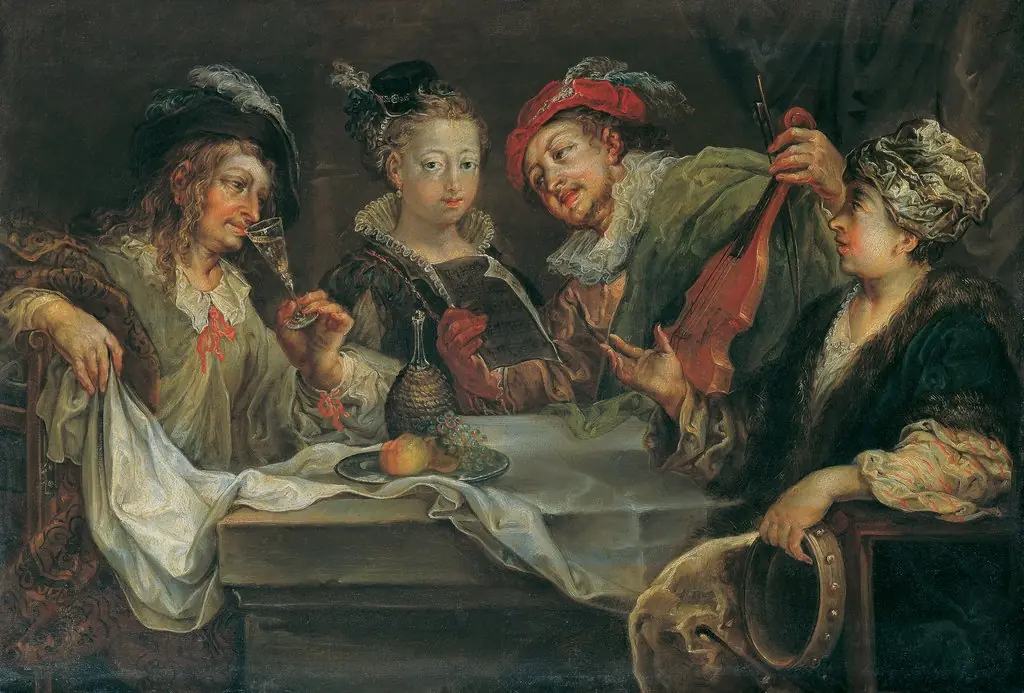
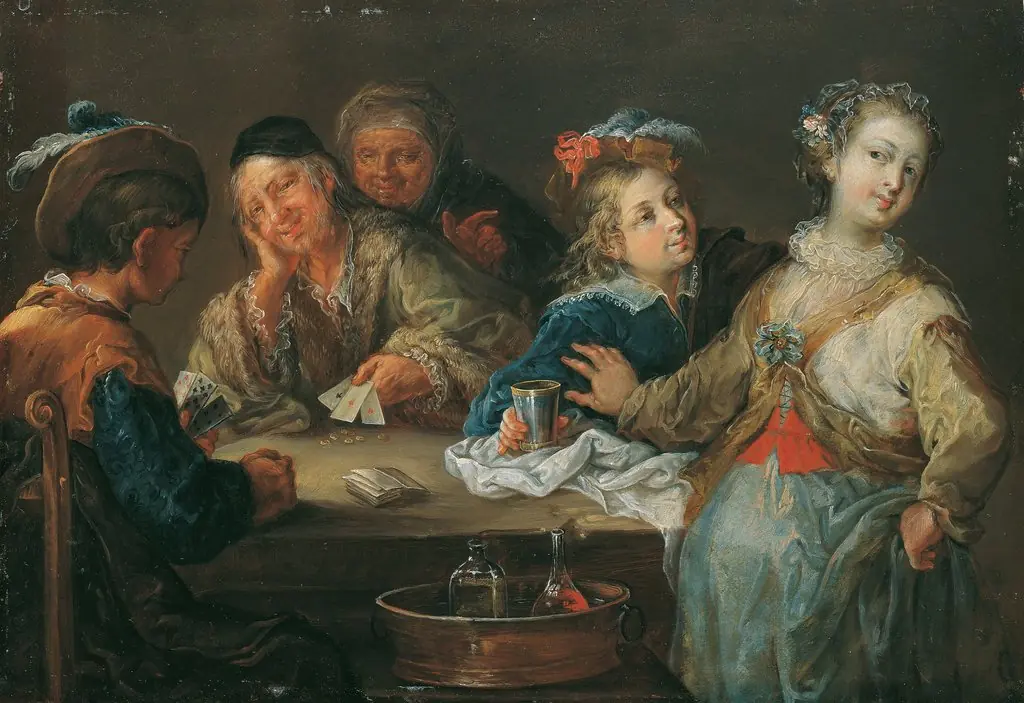
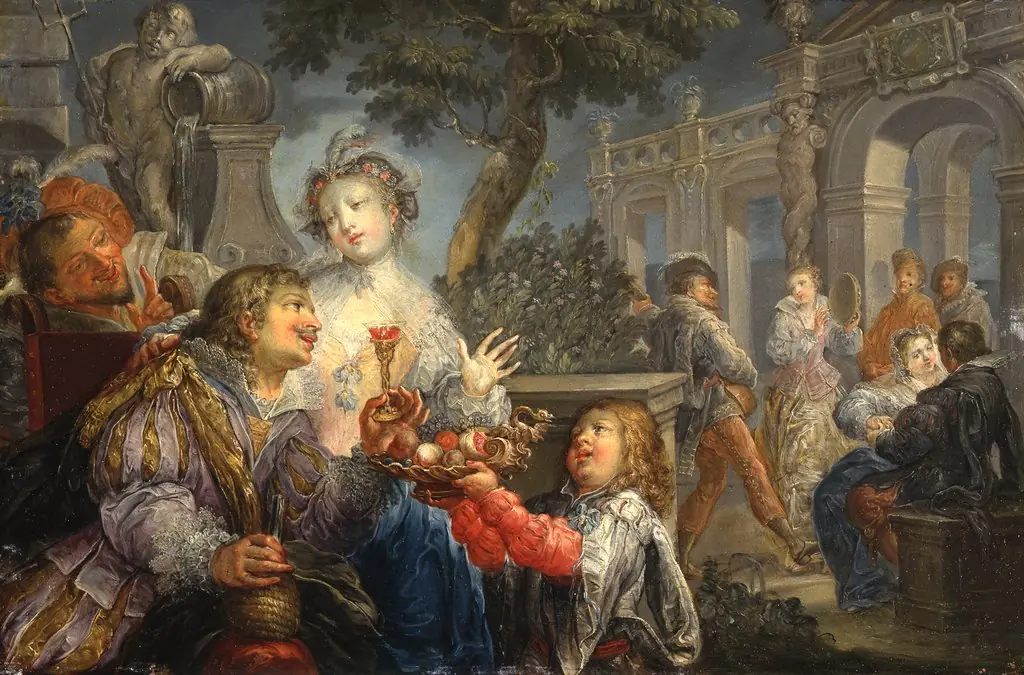
The scene portrays a group of villagers gathered outdoors around a laden table, engaged in conversation, eating, and drinking. Their relaxed postures and animated expressions suggest a moment of communal joy, likely tied to a harvest or midsummer observance. The painting does not idealize its subjects but presents them with a candid, unpretentious energy, emphasizing the value of shared, transient pleasures in rural life.
Technique & Style
Platzer employed fine brushwork on a copper support, allowing for sharp detail and luminous color. The surface’s smoothness enhances the clarity of textures—fabric, skin, and foliage—while bold, deliberate strokes convey movement and spontaneity. Light falls naturally across the figures, creating subtle contrasts that define form without overt dramatization, aligning with a restrained approach to chiaroscuro rather than theatrical lighting.
History & Provenance
The painting entered the Victoria and Albert Museum’s collection in the 19th century, likely through the broader acquisition of European decorative and fine arts from private collections. Its attribution to Platzer is consistent with his known output of seasonal genre scenes. Though little is documented about its early ownership, its preservation suggests it was valued as a refined example of Central European genre painting from the mid-1700s.
Context
Platzer’s Summer reflects the 18th-century European fascination with pastoral life, a trend encouraged by Enlightenment ideals that elevated ordinary experience. Similar seasonal themes appeared in works by Dutch and French painters, but Platzer’s version retains a distinctly Austrian character in its composition and figure types. The painting’s small size and copper support indicate it was likely intended for private contemplation rather than public display.
Legacy
While not widely known outside specialist circles, Summer remains a representative example of Central European genre painting from the Rococo period. It contributes to scholarly understanding of how regional artists interpreted seasonal cycles and social rituals. Its survival and institutional preservation underscore its role as a quiet, enduring record of everyday life in 18th-century rural Europe.
Artist & collection

Artist
Johann Georg Platzer (1704–1761) was a prolific Austrian Rococo painter and draughtsman.