Artwork
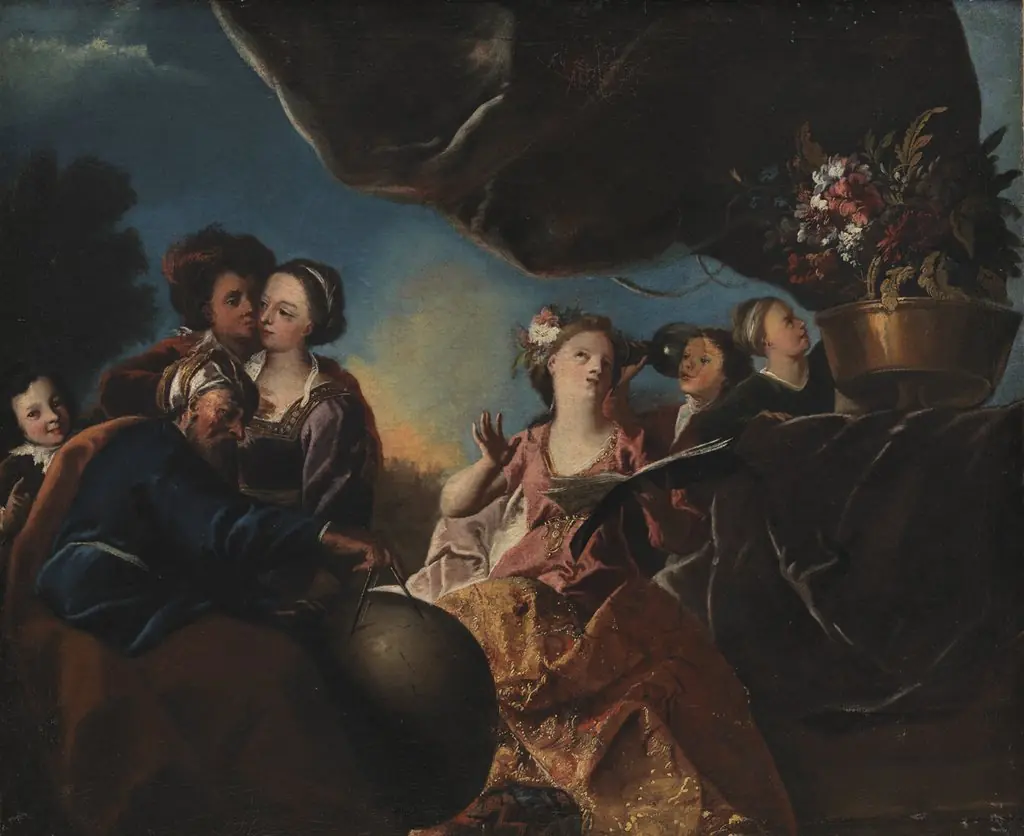
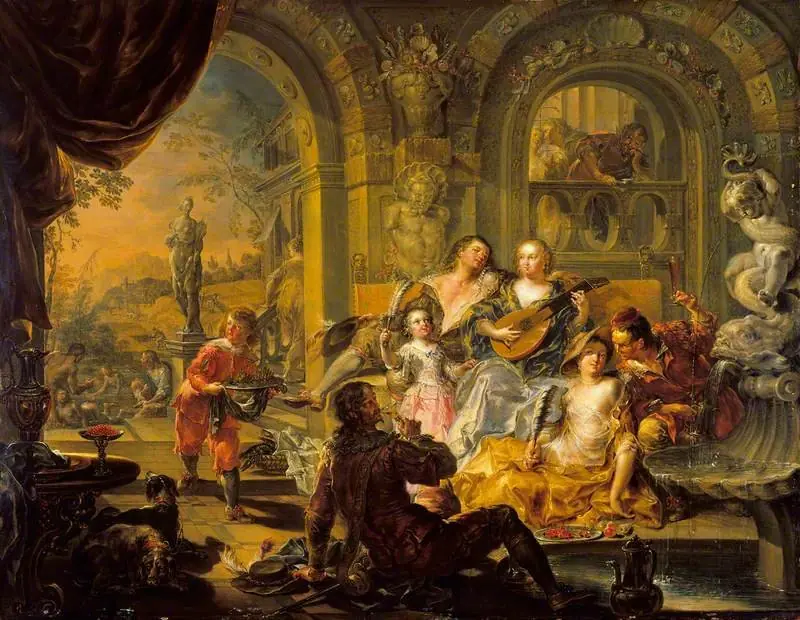
The Prodigal Son Living with Harlots
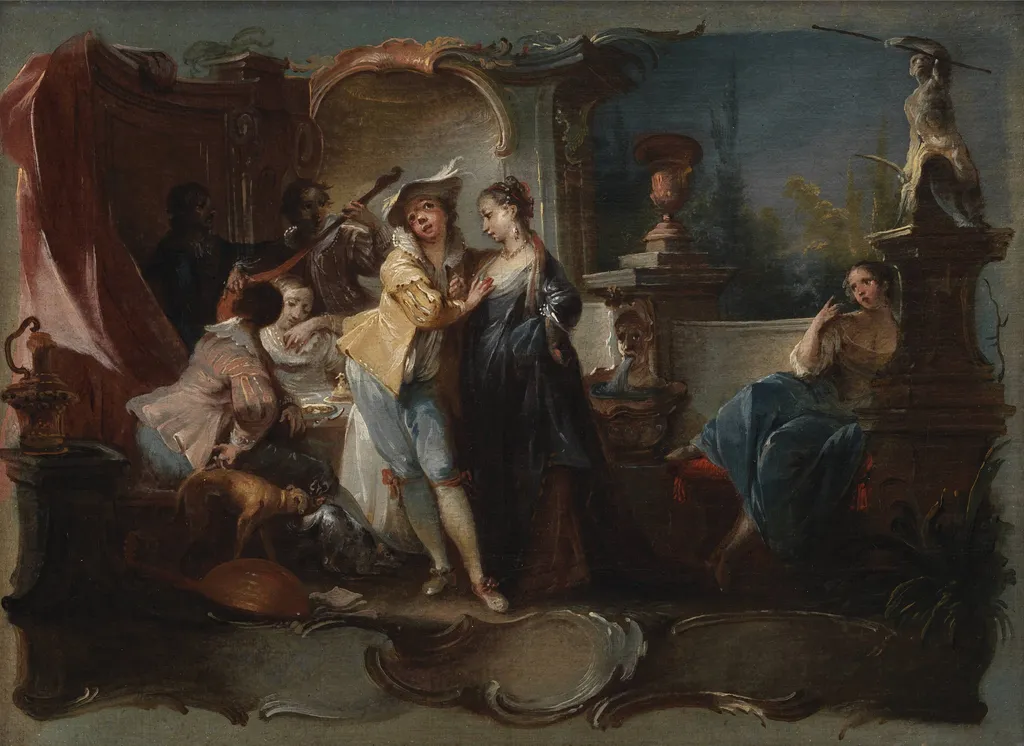
The Prodigal Son Living with Harlots is a photography by Unknown. It dates from 1742 and is held in the collection of the Statens Museum for Kunst.
About this work
Overview
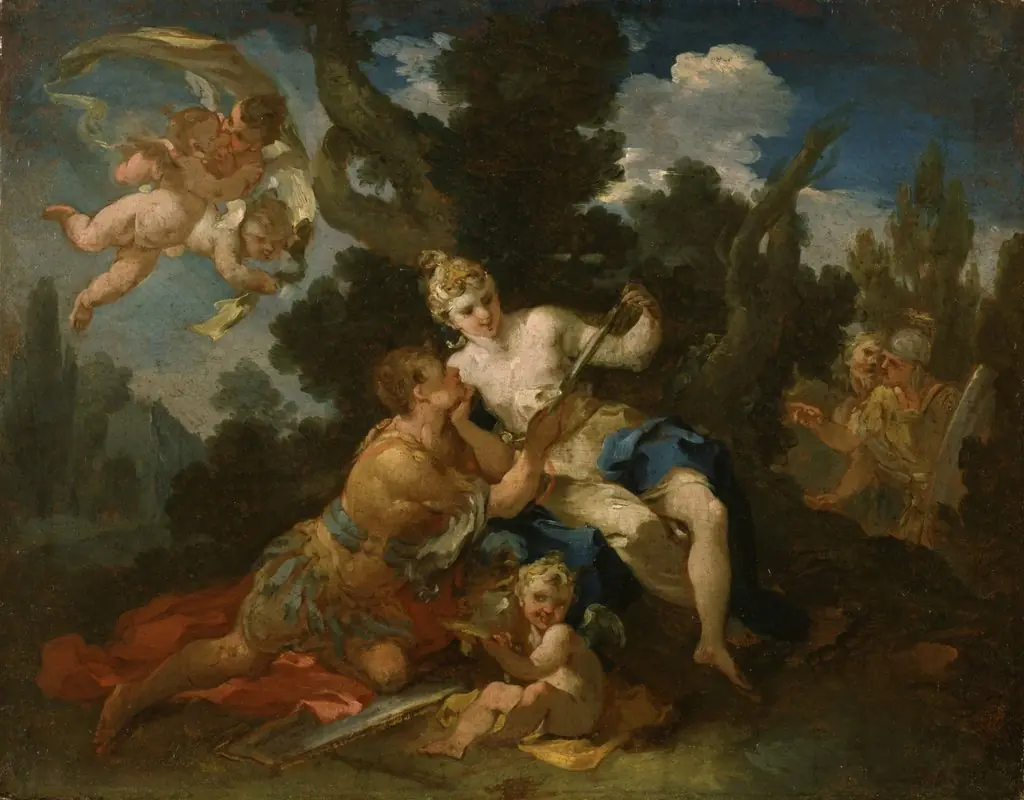
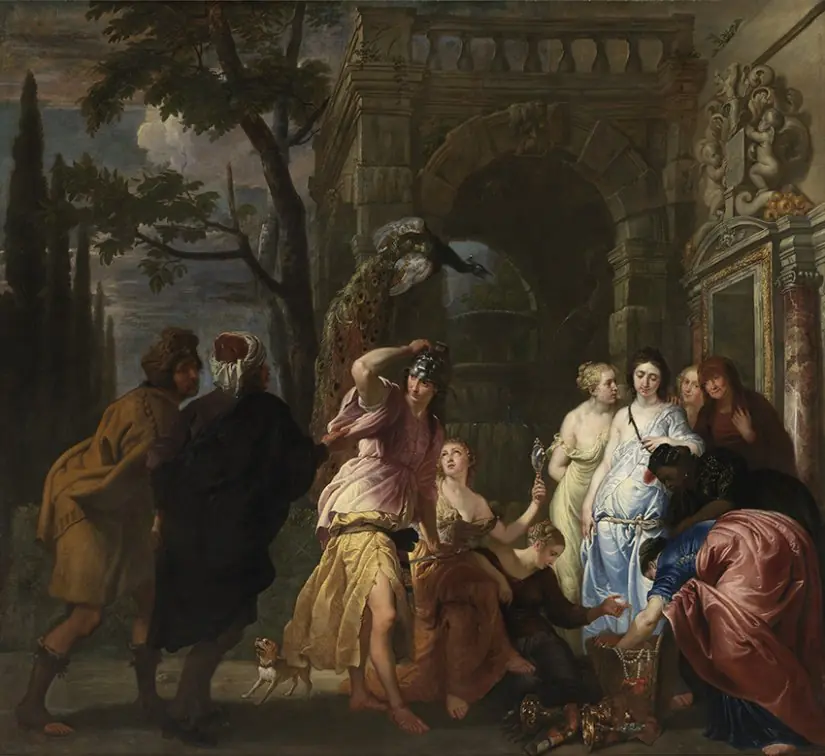
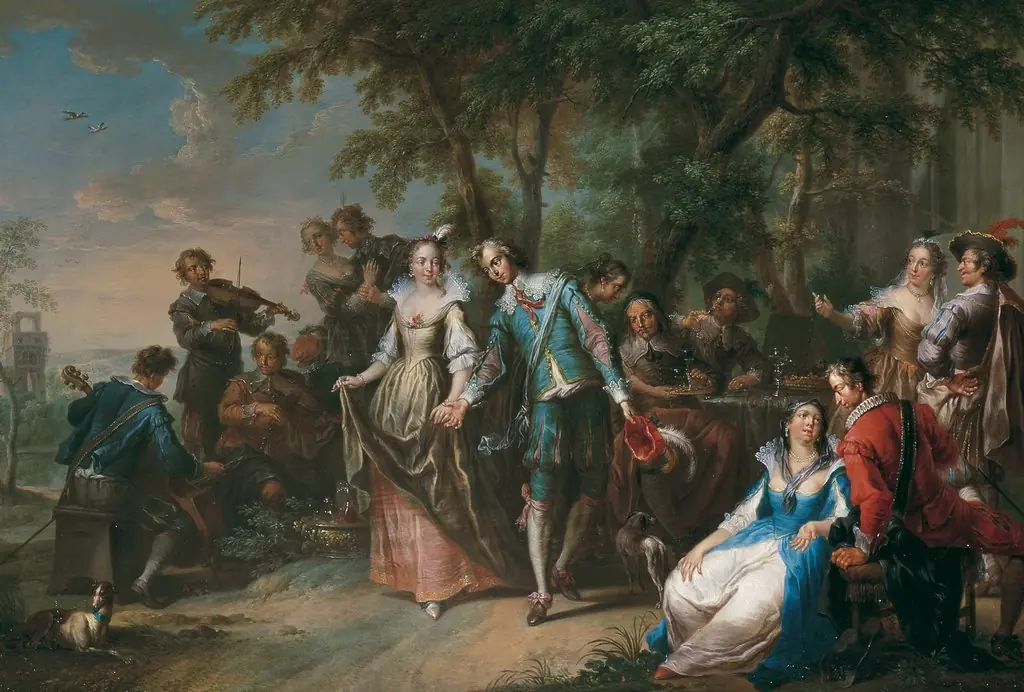
Painted around 1742, this work depicts a moment from the biblical parable of the Prodigal Son, rendered in a domestic interior filled with quiet tension.
Painted around 1742, this work depicts a moment from the biblical parable of the Prodigal Son, rendered in a domestic interior filled with quiet tension. The scene is set in a dimly lit room with architectural details suggesting wealth and decay. Though the title references moral decline, the composition avoids overt judgment, focusing instead on the stillness and isolation of its figures amid their surroundings.
Subject & Meaning
The central figure, a man in a wide-brimmed hat, grips the hand of a woman who averts her gaze, her expression marked by resignation. Surrounding figures—some seated, others leaning—hold objects that hint at transient pleasures: a lantern, a scroll, a discarded garment. The scene captures the aftermath of excess, not its spectacle, suggesting introspection rather than revelry, aligning with the parable’s theme of fallen grace.
Technique & Style
The artist employs chiaroscuro to model forms with subtle gradations of light and shadow, drawing attention to the faces and hands while dissolving the background into muted tones. Brushwork is restrained, favoring smooth transitions over texture, enhancing the sense of stillness. The composition is tightly framed, with the archway and window framing the figures like a stage, reinforcing the theatrical gravity of the moment.
History & Provenance
The painting entered the collection of the Museum of Ethnography in the late 19th century, though its earlier ownership remains undocumented. Its attribution to the artist active in the mid-18th century is based on stylistic comparison with other works from the period. No records of commission or exhibition prior to its museum acquisition have been found, leaving its original context largely speculative.
Context
Created during a period when religious narratives were frequently adapted into intimate genre scenes, this work reflects a broader trend of moral storytelling through domestic settings. Unlike grand altarpieces, it avoids overt symbolism, instead relying on gesture and atmosphere to convey its message. The inclusion of European dress and architecture suggests a localized interpretation of a biblical tale, detached from its Middle Eastern origins.
Legacy
The painting contributes to a modest but persistent tradition of 18th-century moral allegories that favor psychological nuance over didacticism. While not widely reproduced or studied, its quiet intensity has influenced later artists interested in the emotional weight of everyday scenes. Its preservation in an ethnographic museum underscores its value as a cultural artifact, not merely a religious image.
Artist & collection

 Domestic Scene
 Giacomo and Cardinal Marco, investing Andrea, Abbot of San Zeno, with his Benefice
 The Nymph of Fontainebleau
 Portrait of a Woman
 Madonna and Child with Saints in the Enclosed Garden
 Venus and Minerva
 Family Group of Four on Sofa
 Wall painting from Room H of the Villa of P. Fannius Synistor at Boscoreale