Artwork
Portrait of the Artist's Daughter Elisabeth, Married Lampe
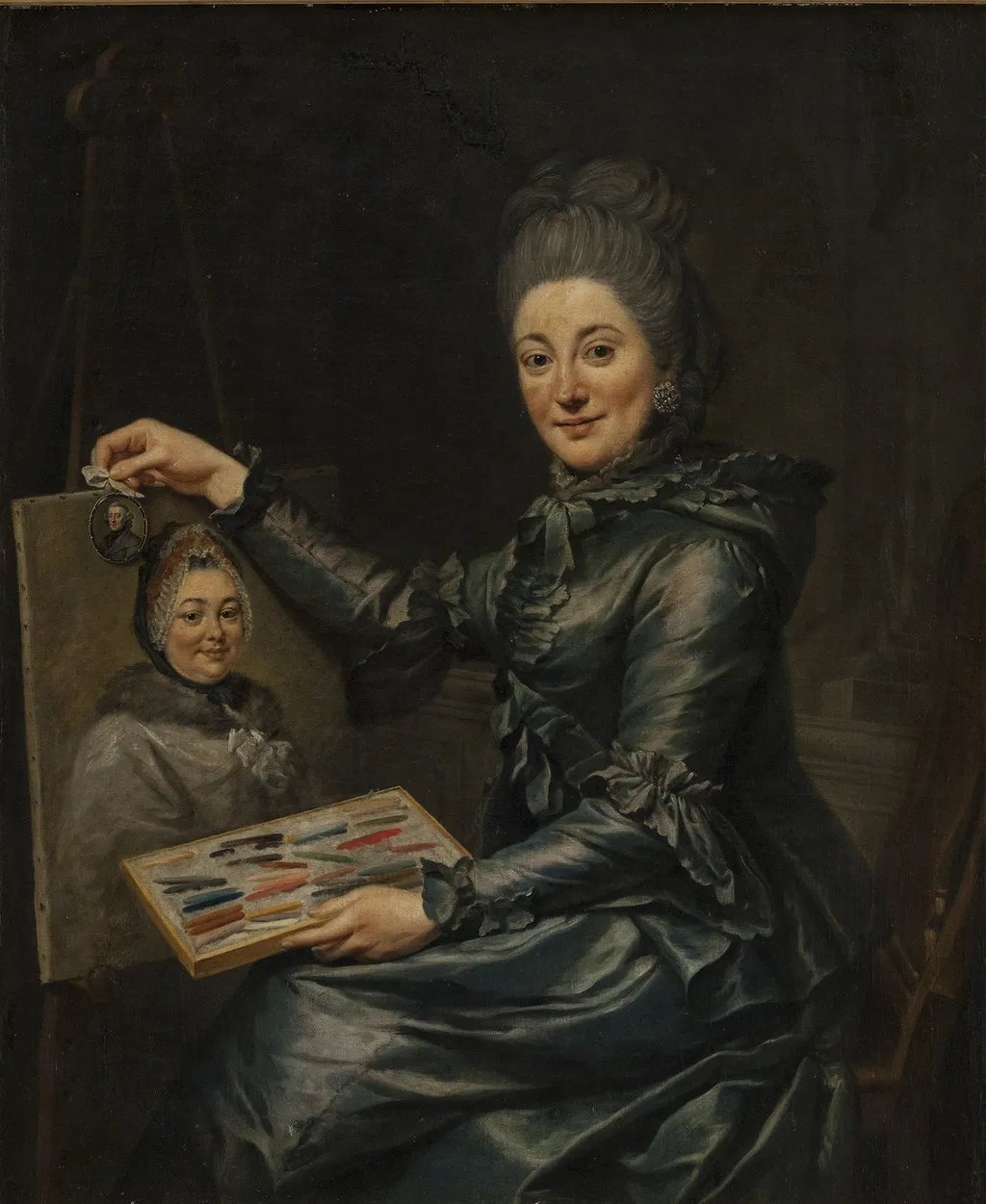
Portrait of the Artist's Daughter Elisabeth, Married Lampe is an oil painting by the Rococo painting artist Johann Georg Ziesenis. It dates from 1753 and is held in the collection of the Statens Museum for Kunst.
About this work
The woman's gentle expression and the delicate details of the miniature portrait make this painting a charming and intimate work.
In this painting, a woman is depicted holding a miniature portrait of a man. She wears a dark dress with a high neckline and a bow at the collar, and her hair is styled in an updo. The woman's right hand holds a small, oval-shaped portrait of a man with a round face and a powdered wig. Her left hand holds a box of pastels.
The woman's attire and hairstyle suggest that she is from the 18th century. The painting's style and technique are reminiscent of the Rococo period.
The woman's gentle expression and the delicate details of the miniature portrait make this painting a charming and intimate work. To learn more about the artist's use of chiaroscuro, look up Johann Georg Ziesenis.
Overview
Portrait of the Artist's Daughter Elisabeth, Married Lampe is an 18th-century oil painting by Johann Georg Ziesenis, dated to 1753, and part of the collection at the Statens Museum for Kunst.
Subject & Meaning
The painting depicts Elisabeth, the artist's daughter, in a contemplative pose, holding a miniature portrait of a man (likely her husband, Lampe) in her right hand and a box of pastels in her left, conveying a sense of personal and artistic identity.
Technique & Style
Executed in oil paint, the work exhibits characteristics of the Rococo period, including delicate detailing and a gentle, intimate atmosphere, with the artist's use of chiaroscuro contributing to the overall mood.
History & Provenance
Created in 1753 by Johann Georg Ziesenis, the painting is now housed at the Statens Museum for Kunst, with its provenance traceable back to the artist's family.
Context
The subject's attire (dark dress, updo) and the miniature portrait align with 18th-century fashion and artistic conventions, situating the work within the social and aesthetic norms of its time.
Own this work as a print
Artist & collection
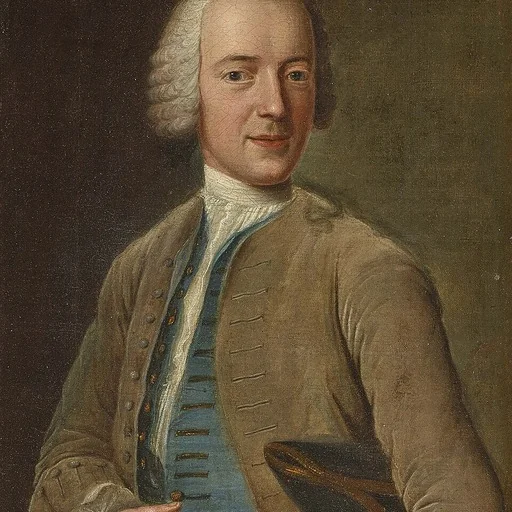

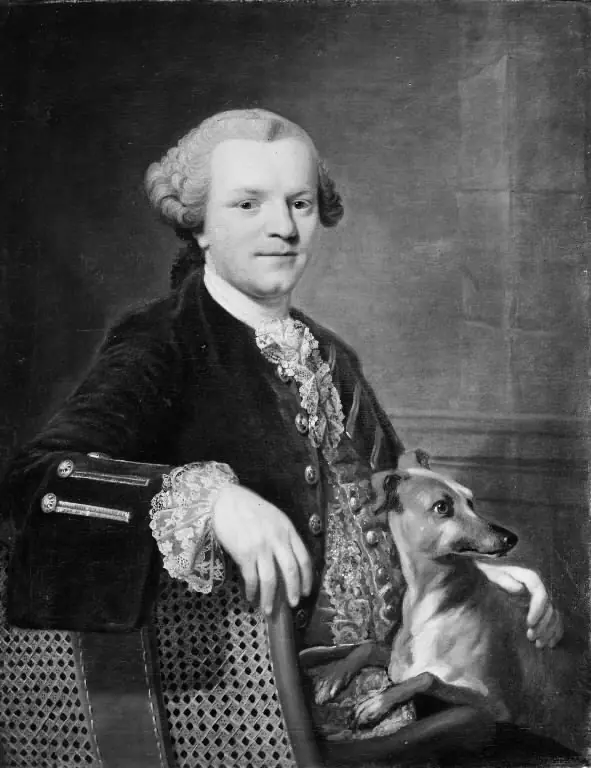 Portrait of Freiherr von Münchhausen
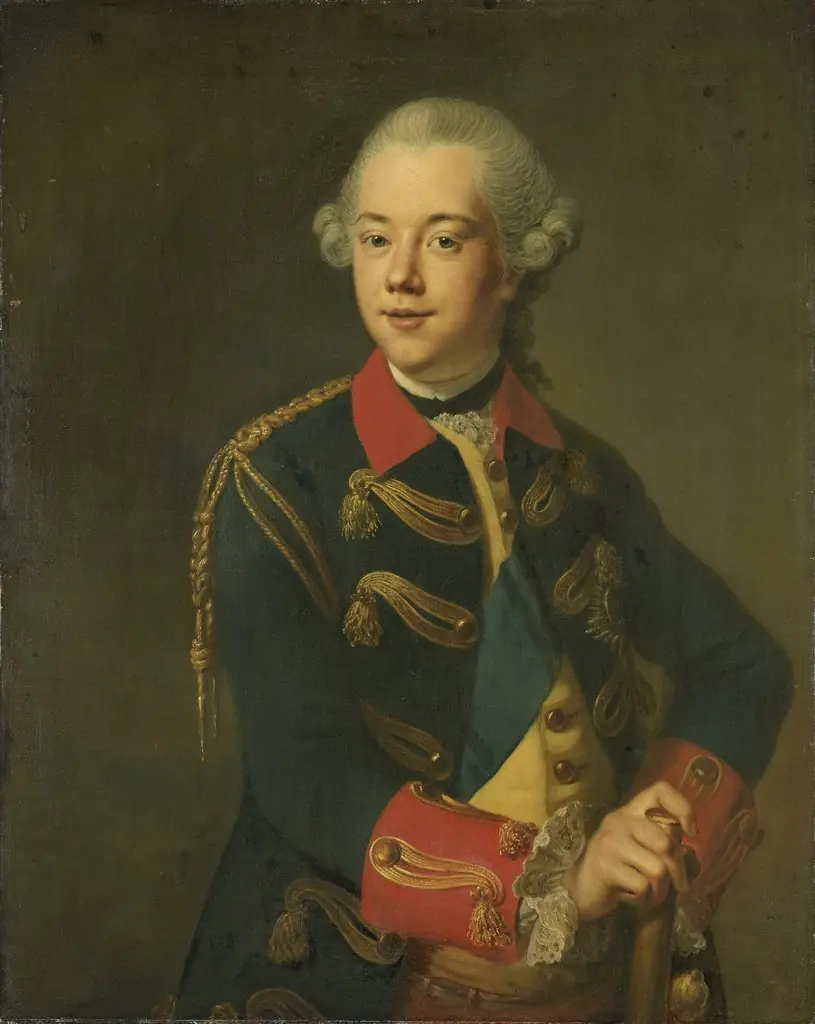 Portrait of William V, Prince of Orange-Nassau
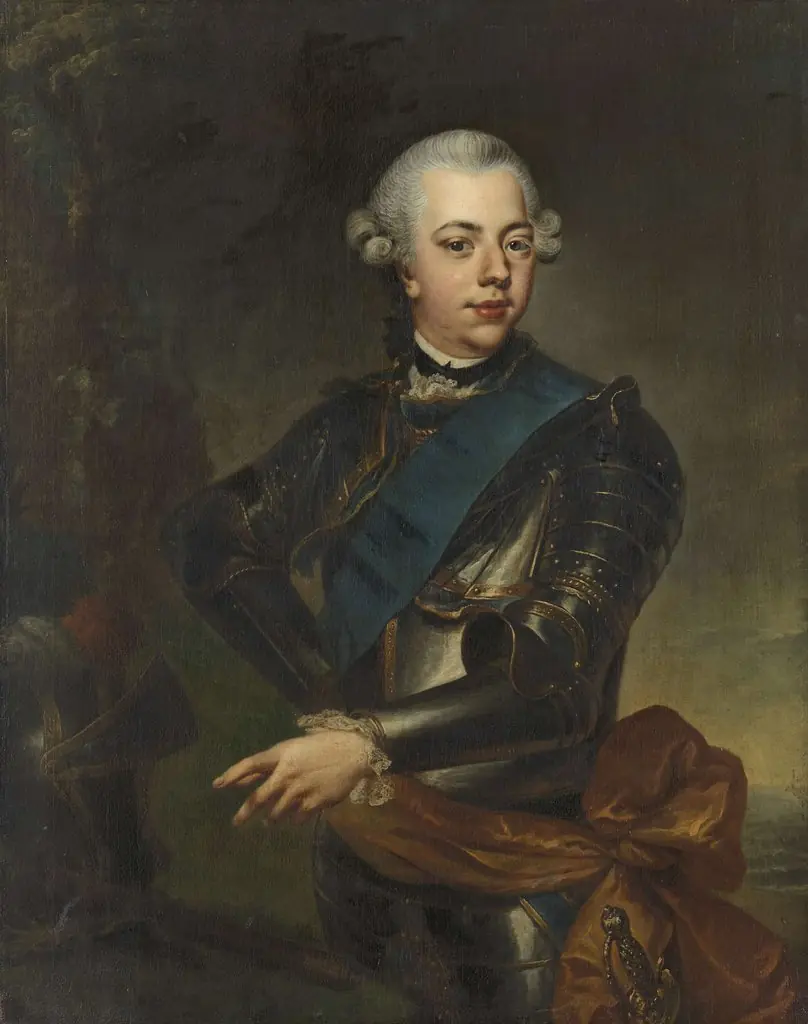 Willem V (1748-1806), prins van Oranje-Nassau
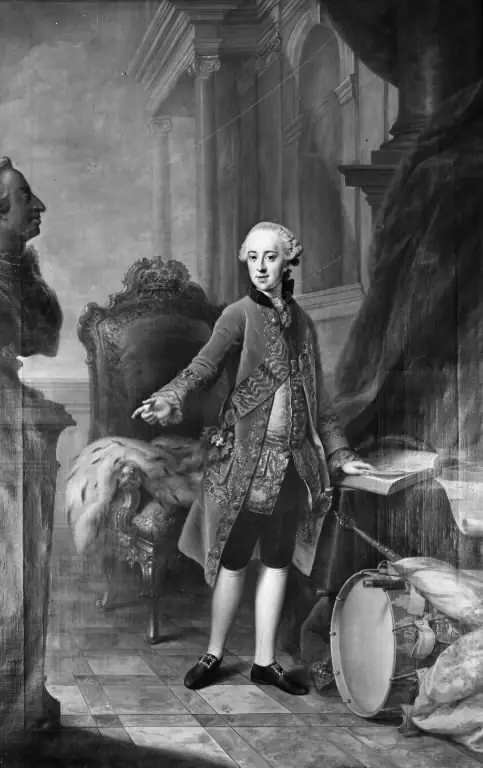 Portrait of Frederik, Heir Presumptive
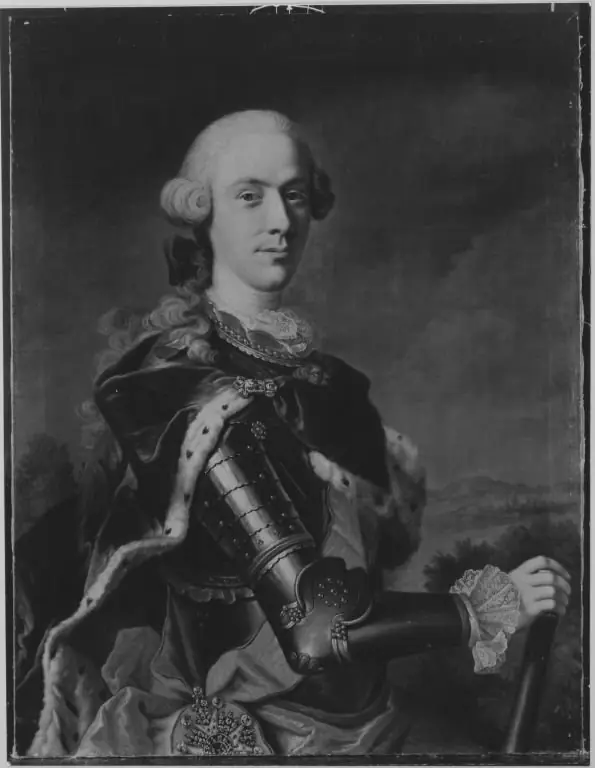 Bildnis von Christian IV., Herzog von Pfalz-Zweibrücken (1722-1775)
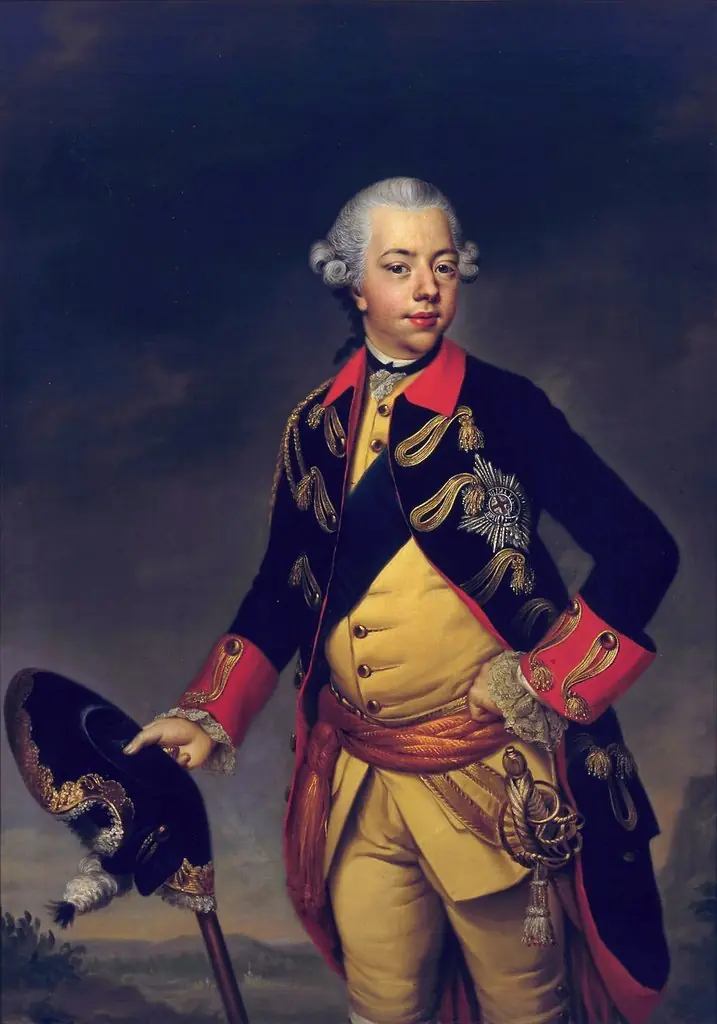 Portrait of Willem V (1748-1806), Prinz von Oranien-Nassau
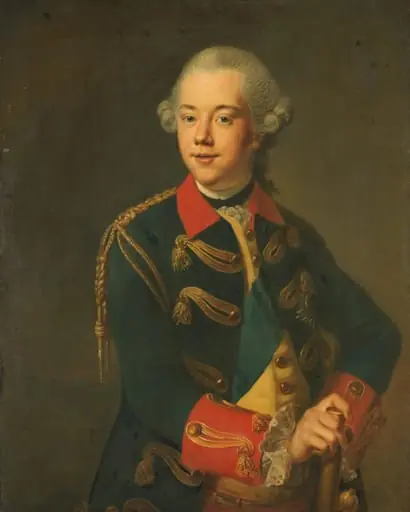 Portrait of William V, Prince of Orange-Nassau
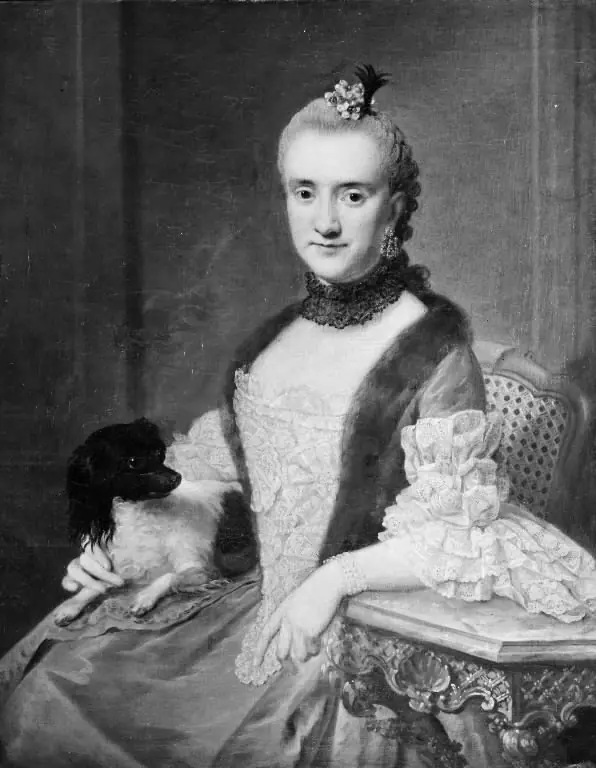 Portrait of Freifrau von Münchhausen
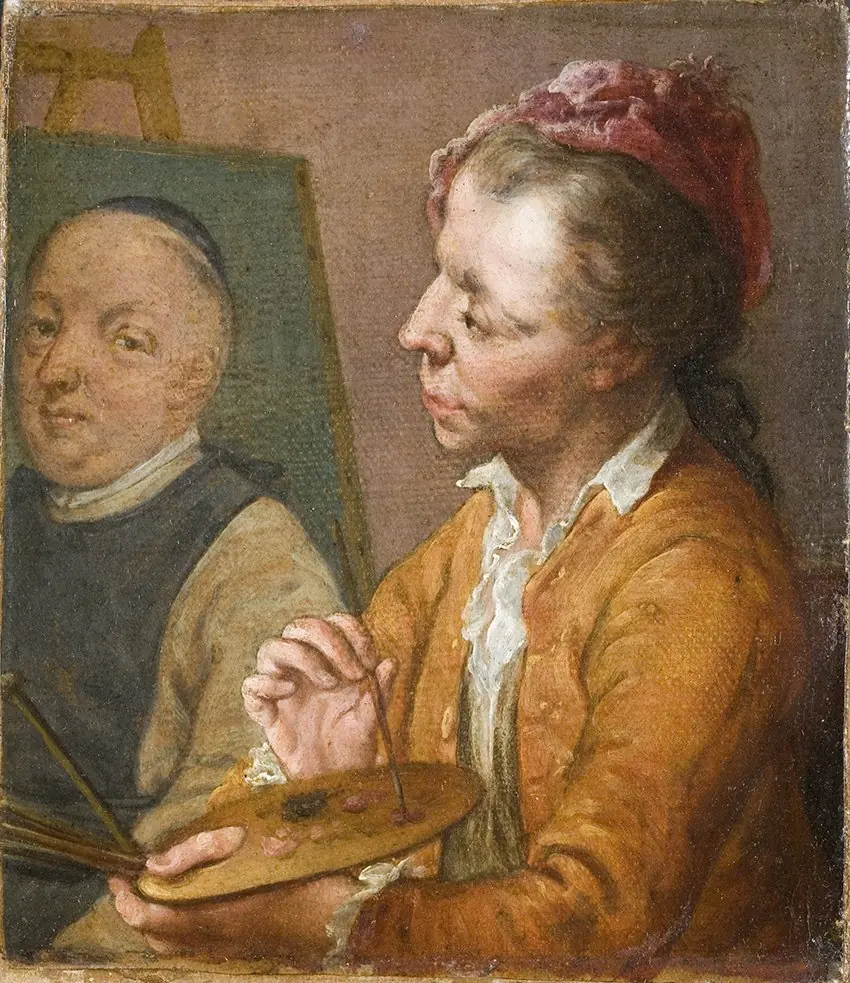 Een schilder aan het werk
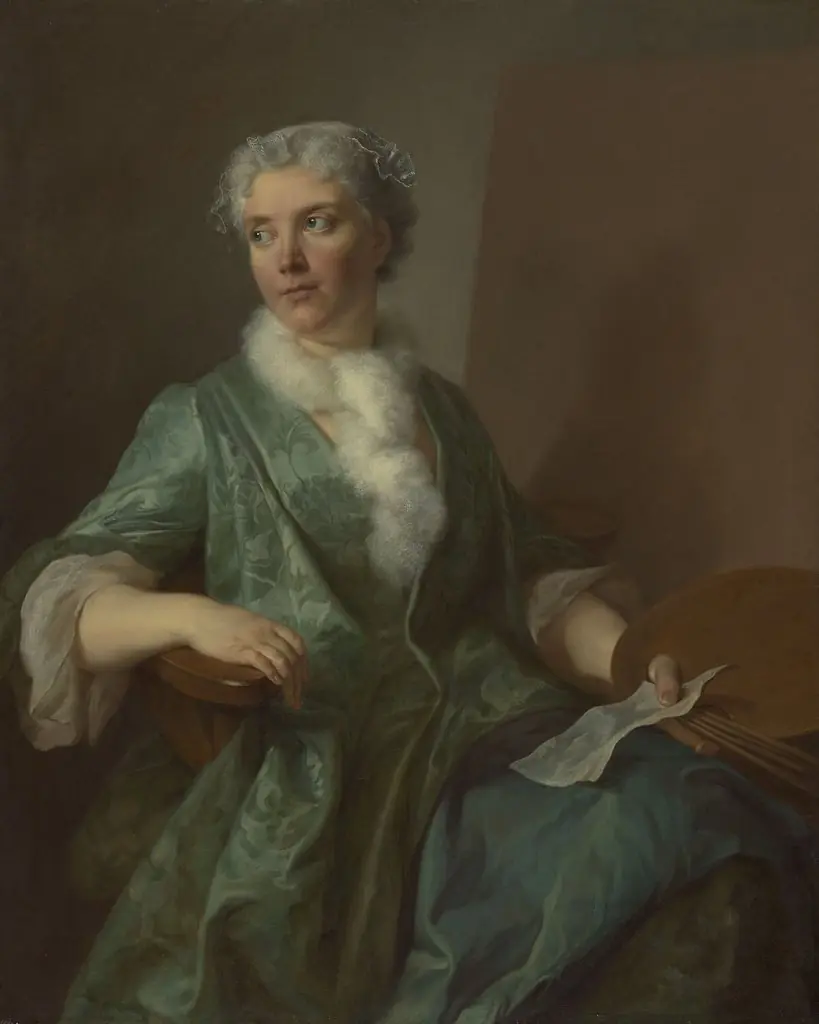 Portrait of a Woman Artist
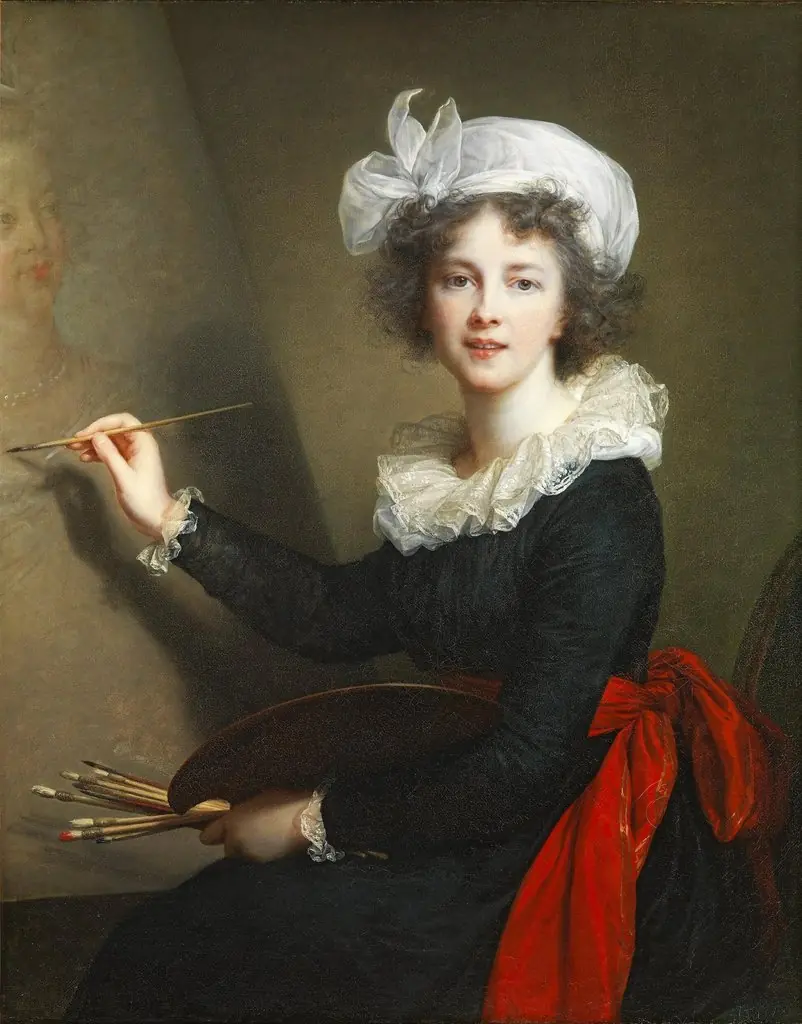 Self-portrait of Élisabeth Louise Vigée Le Brun
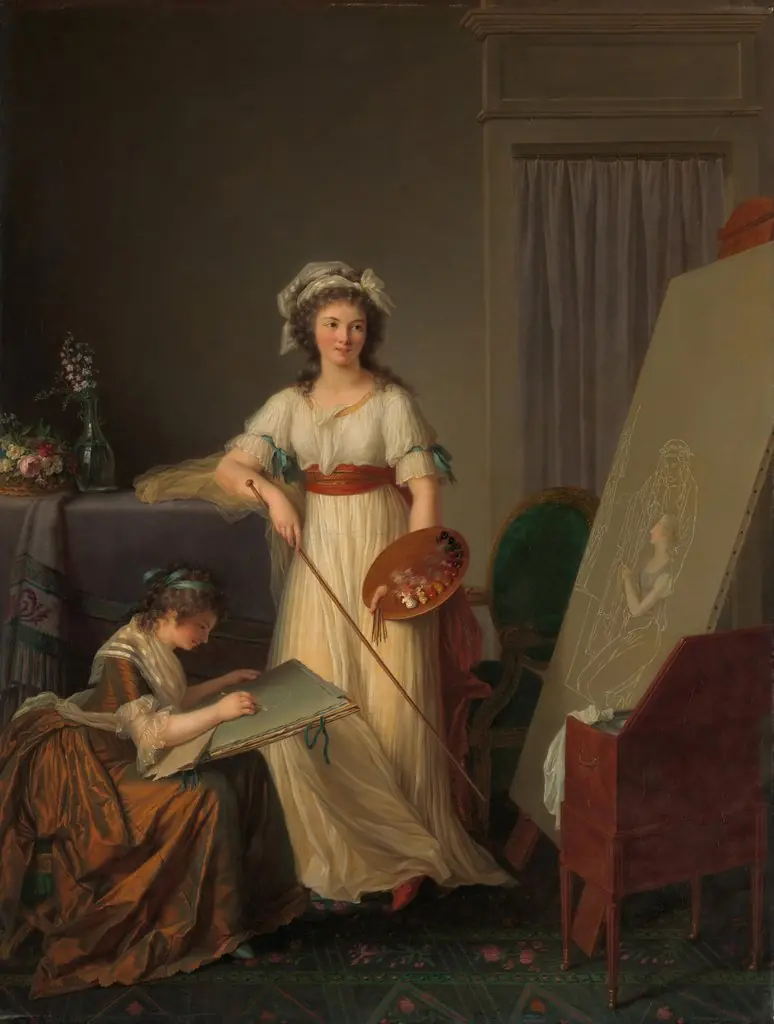 The Interior of an Atelier of a Woman Painter
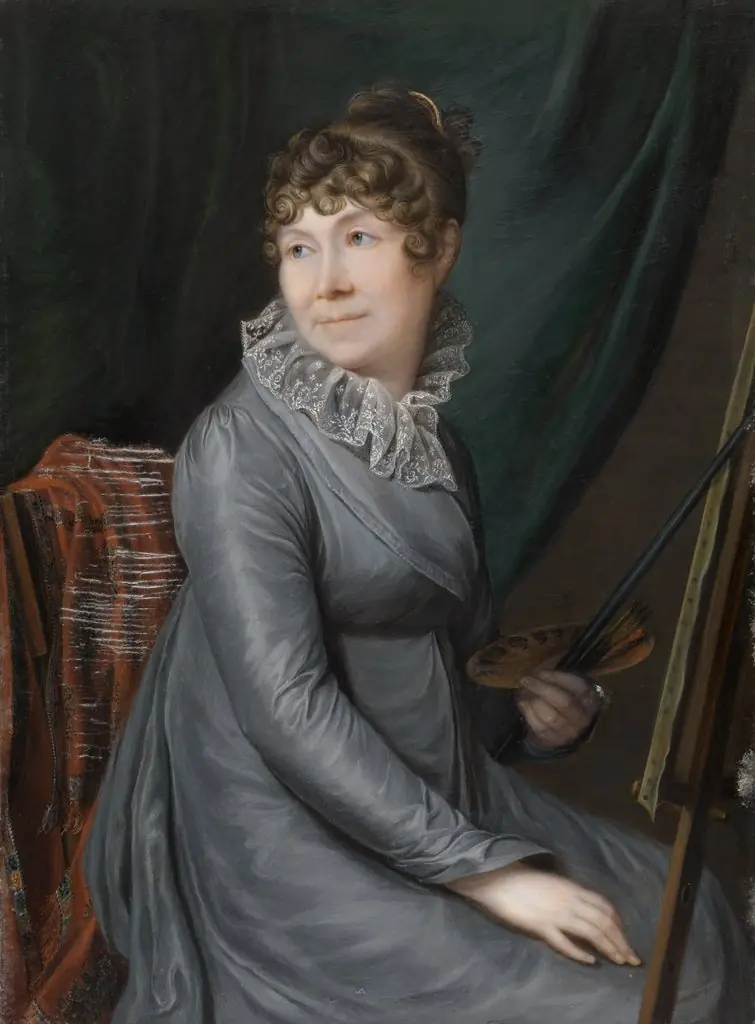 Marie Simons, Mother of the Artist
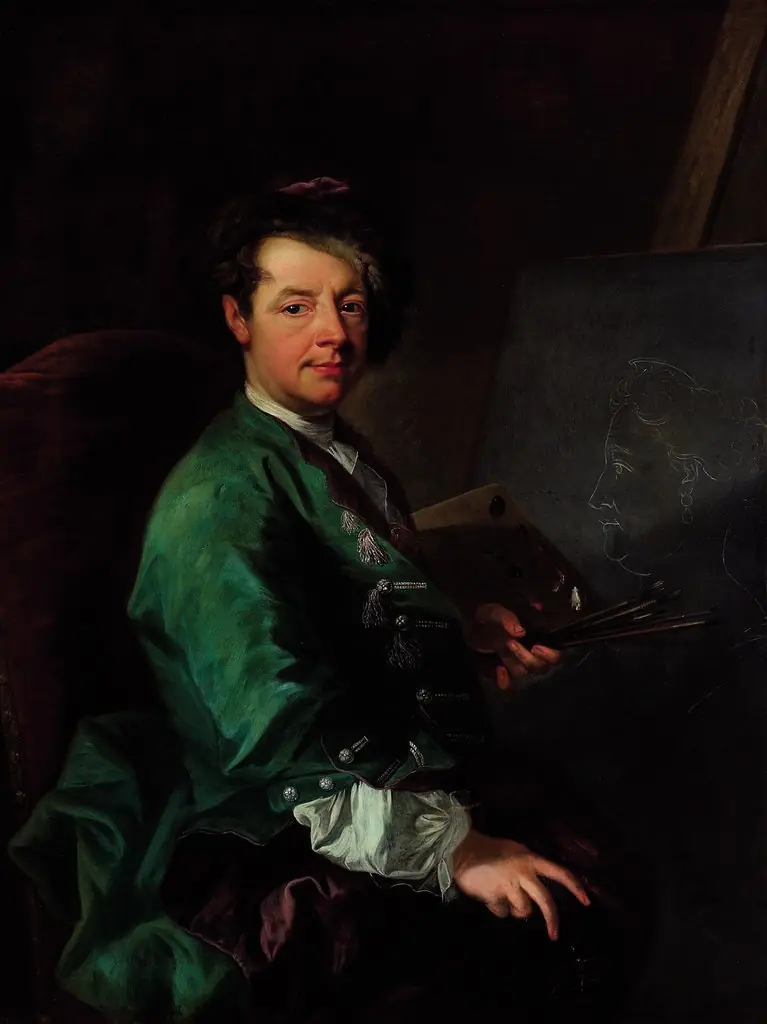 Self-portrait
 Self-Portrait with Two Pupils
 Portrait of a Lady
 A Seated Young Woman Holding a Letter
 Élisabeth Louise Vigée Le Brun