Artwork
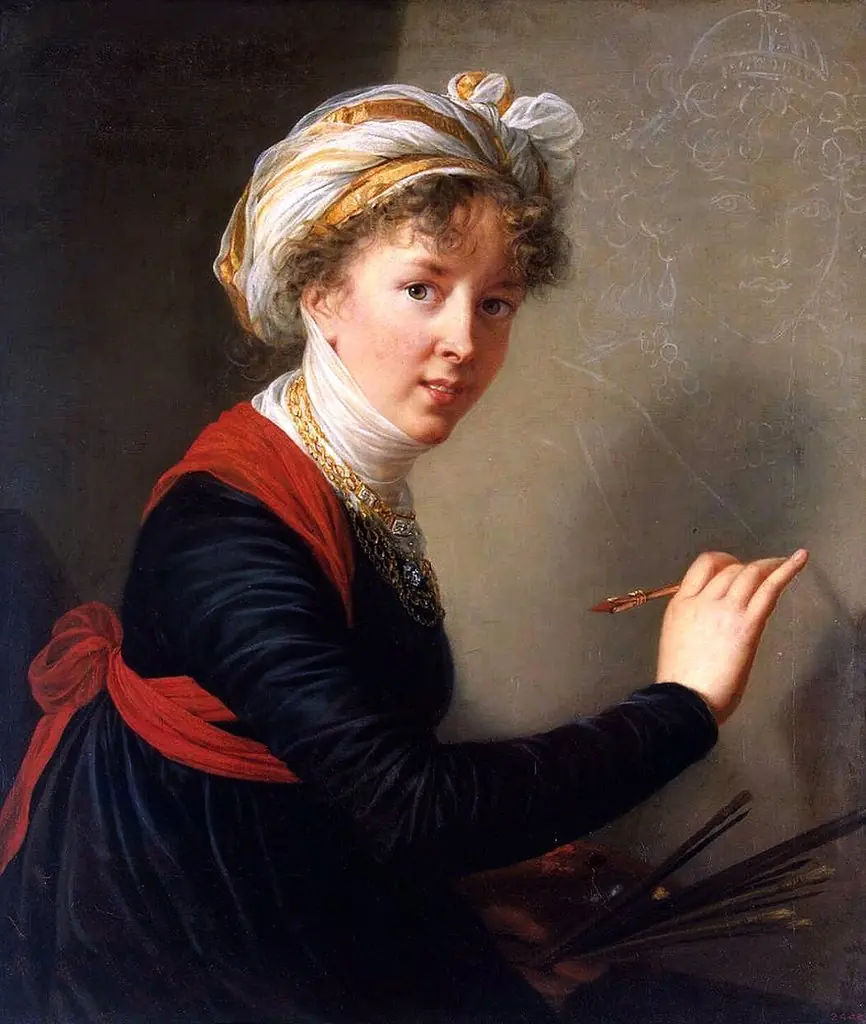
Self-portrait of Élisabeth Louise Vigée Le Brun
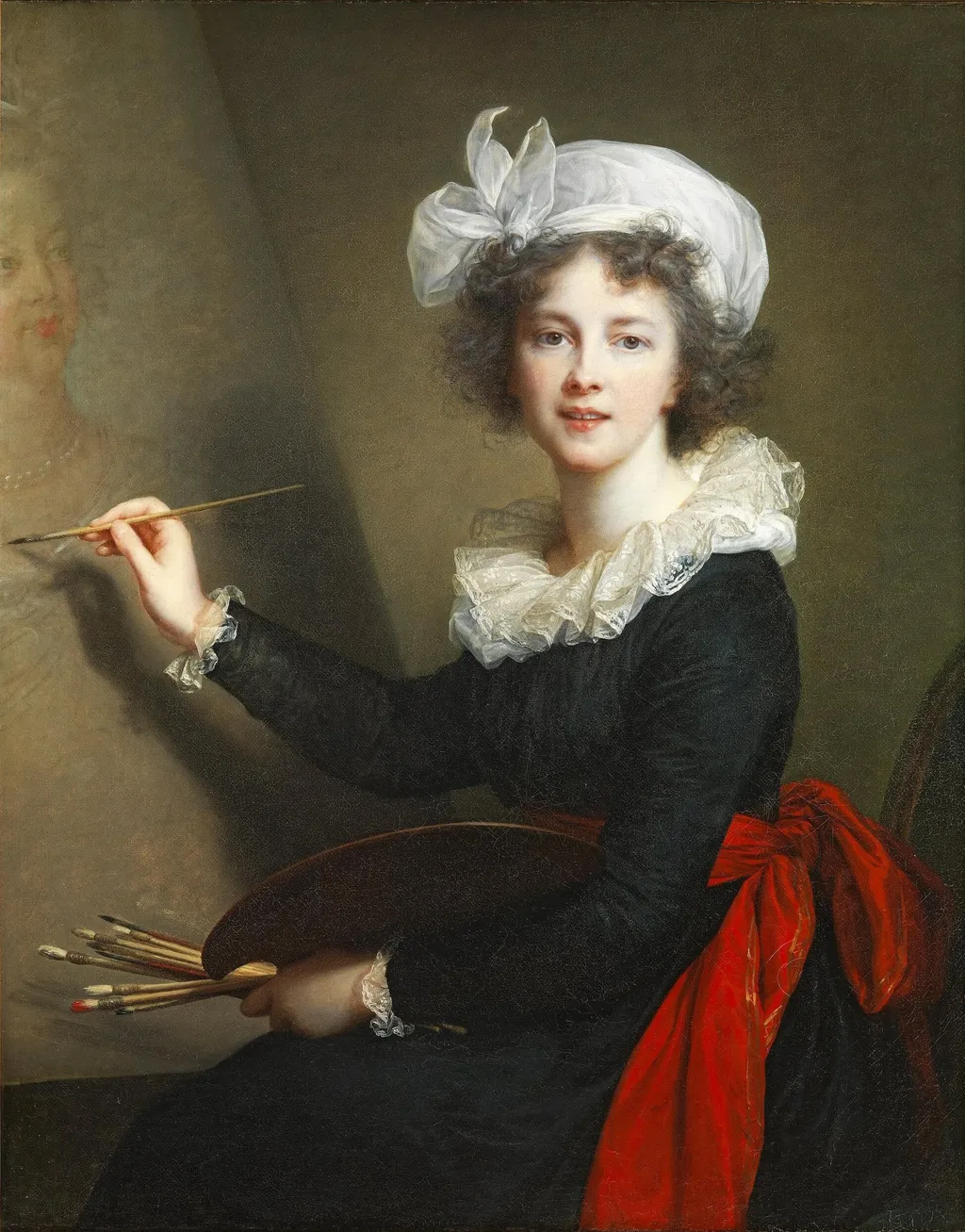
Self-portrait of Élisabeth Louise Vigée Le Brun is an oil painting by the Rococo painting artist Élisabeth Louise Vigée Le Brun. It dates from 1796 and is held in the collection of the Uffizi Gallery.
About this work
The woman's curly hair is styled under a white headscarf, and she wears a black dress with a white ruffled collar.
The painting features a woman in a black dress with a white ruffled collar, holding a paintbrush and palette. She is depicted in front of a canvas, with a red sash tied around her waist.
The woman's curly hair is styled under a white headscarf, and she wears a black dress with a white ruffled collar. Her right hand holds a paintbrush, while her left hand grasps a palette with several brushes.
The painting is a self-portrait of Élisabeth Louise Vigée Le Brun, created in 1790. It is held at the Uffizi Gallery. You can explore more works by Élisabeth Louise Vigée Le Brun.
Overview
Created in 1790, this oil on canvas self‑portrait by Élisabeth Louise Vigée Le Brun is part of the Uffizi Gallery’s collection in Florence. The work depicts the artist at her easel, captured in the act of painting, and serves as a personal statement of her professional identity during a period of exile.
Subject & Meaning
In the composition, Vigée Le Brun appears in a black silk robe trimmed with a white ruffled collar, a red sash cinched at the waist, and a white headscarf covering her curls. She holds a brush in her right hand and a palette with additional brushes in her left, suggesting both her skill and her dedication to her craft while alluding to her loyalty to the French queen.
Technique & Style
The portrait employs a smooth, luminous handling of oil paint typical of late‑18th‑century French portraiture. Vigée Le Brun renders the fabrics with subtle chiaroscuro, emphasizing the sheen of silk and the texture of the ruffle, while the background remains loosely outlined, focusing attention on the figure and her tools.
History & Provenance
Vigée Le Brun painted the piece in Rome after fleeing revolutionary France in 1789. She intended the portrait as a tribute to Marie Antoinette and planned to present it to the Grand Duke of Tuscany for inclusion in his collection of artists’ self‑portraits, a gesture that ultimately placed the work in the Uffizi.
Context
The portrait emerges from a turbulent moment when many French artists sought refuge abroad. By portraying herself actively engaged in painting, Vigée Le Brun asserts her continued relevance and professional autonomy despite political upheaval and displacement.
Own this work as a print
Artist & collection
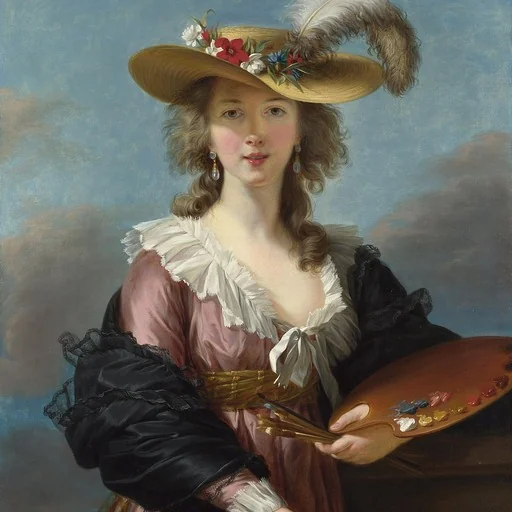
Artist
Élisabeth Louise Vigée Le Brun
Élisabeth Louise Vigée Le Brun (French: ; née Vigée; 16 April 1755 – 30 March 1842), also known as Louise Élisabeth Vigée Le Brun or simply Madame Le Brun, was a French painter who mostly specialized in portrait…

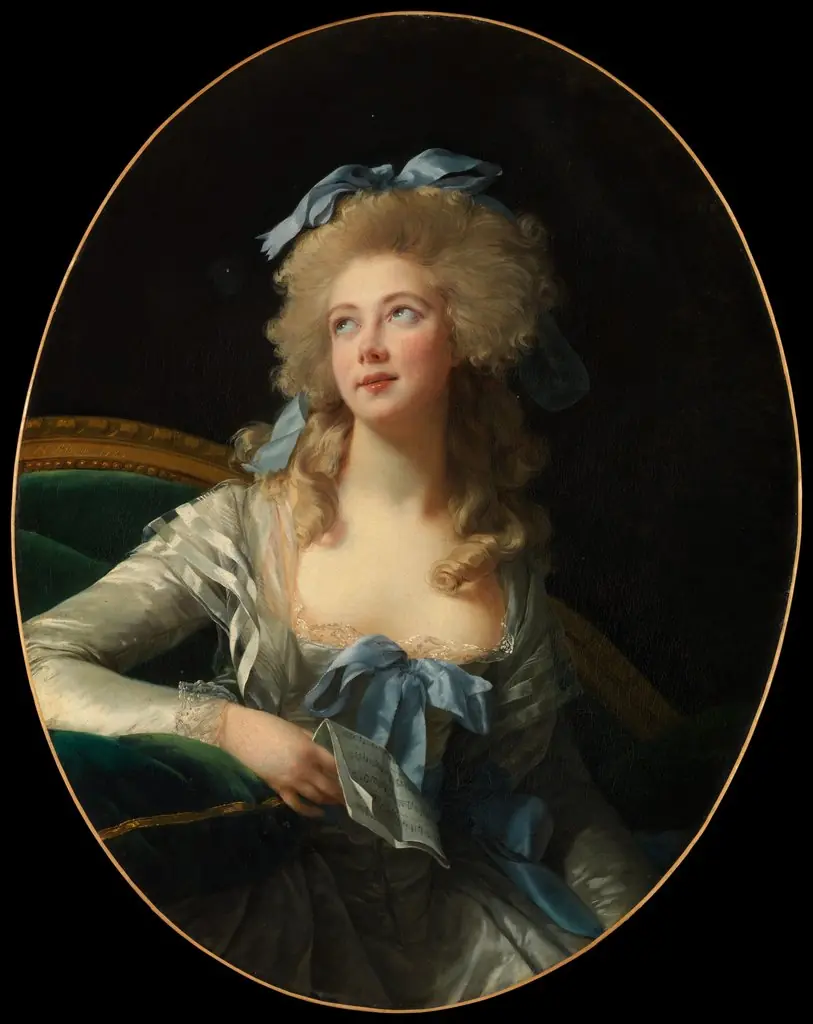 Madame Grand (Noël Catherine Verlée, 1761–1835)
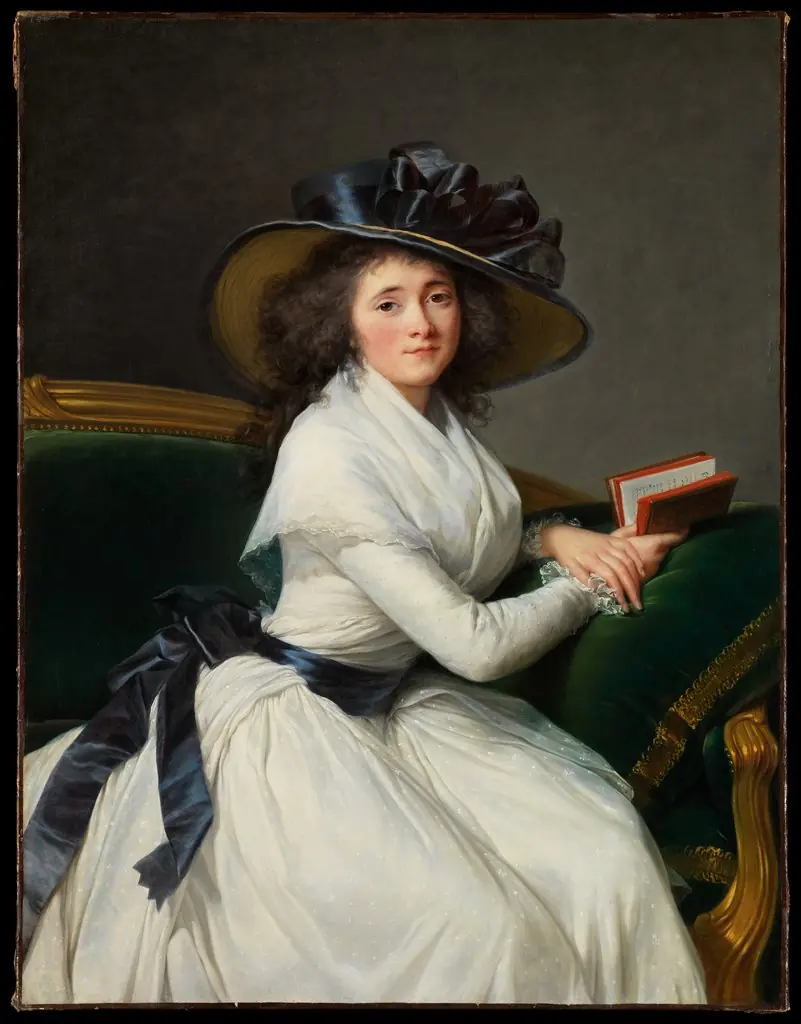 Comtesse de la Châtre (Marie Charlotte Louise Perrette Aglaé Bontemps, 1762–1848)
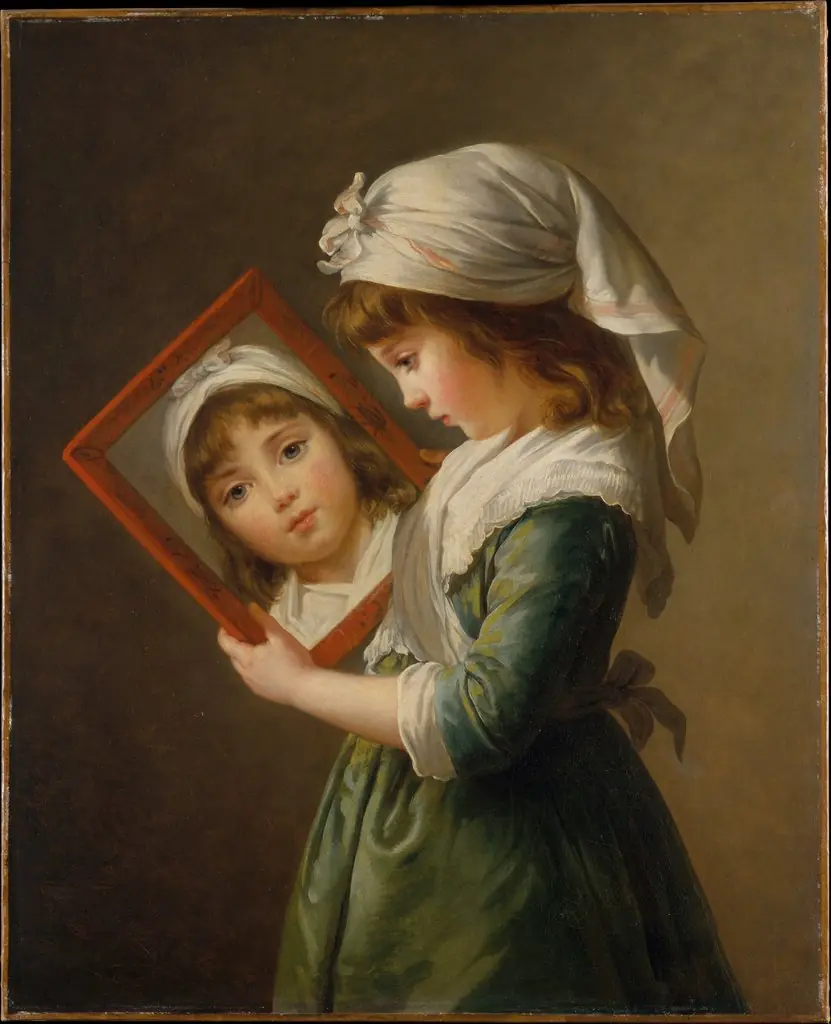 Julie Le Brun (1780–1819) Looking in a Mirror
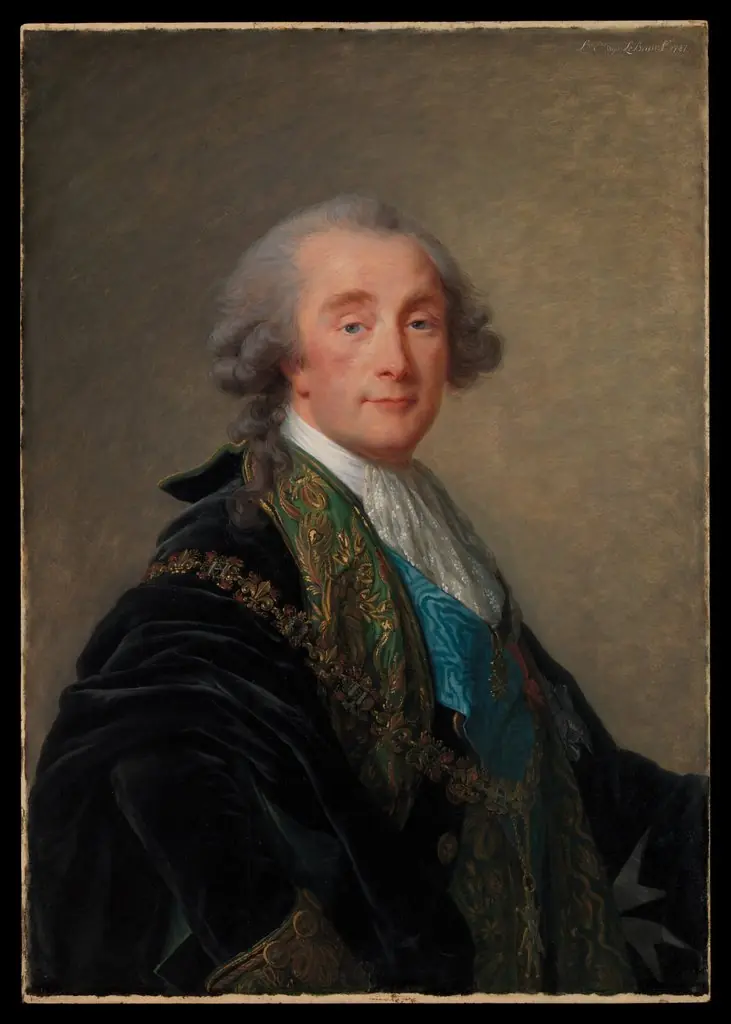 Alexandre Charles Emmanuel de Crussol-Florensac (1743–1815)
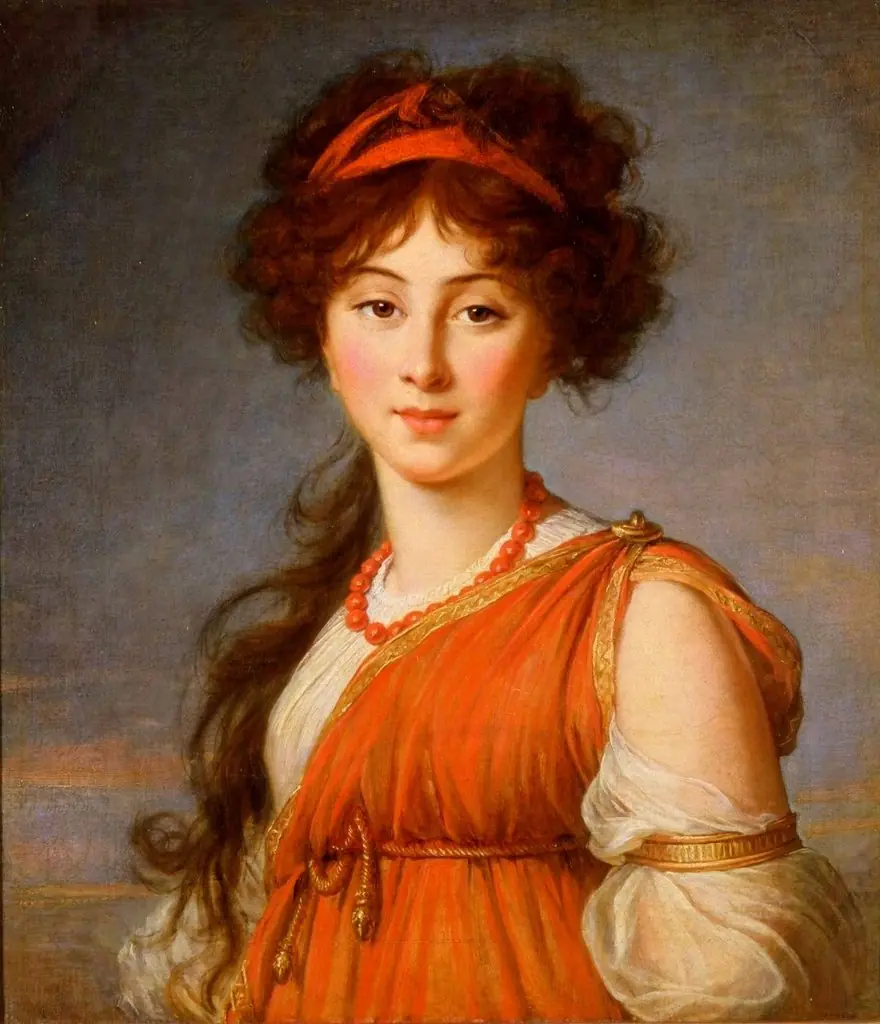 Varvara Ivanovna Ladomirsky
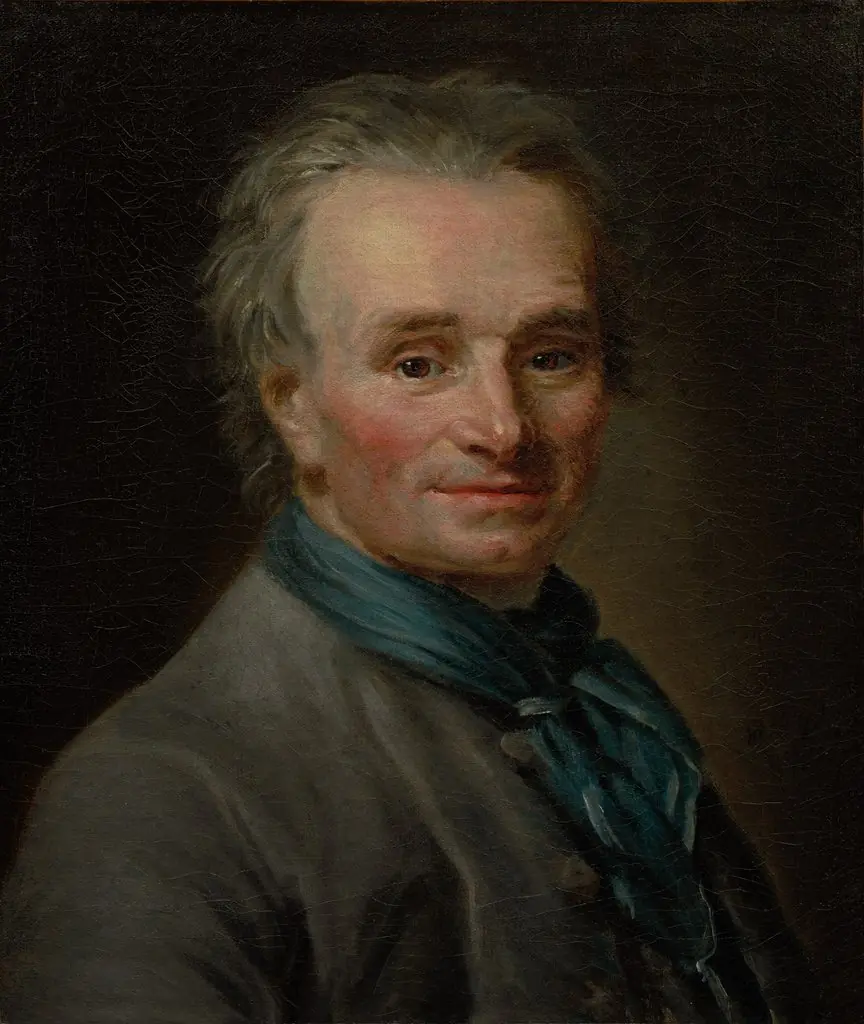 Portrait of Jean-Baptiste Lemoyne the Younger
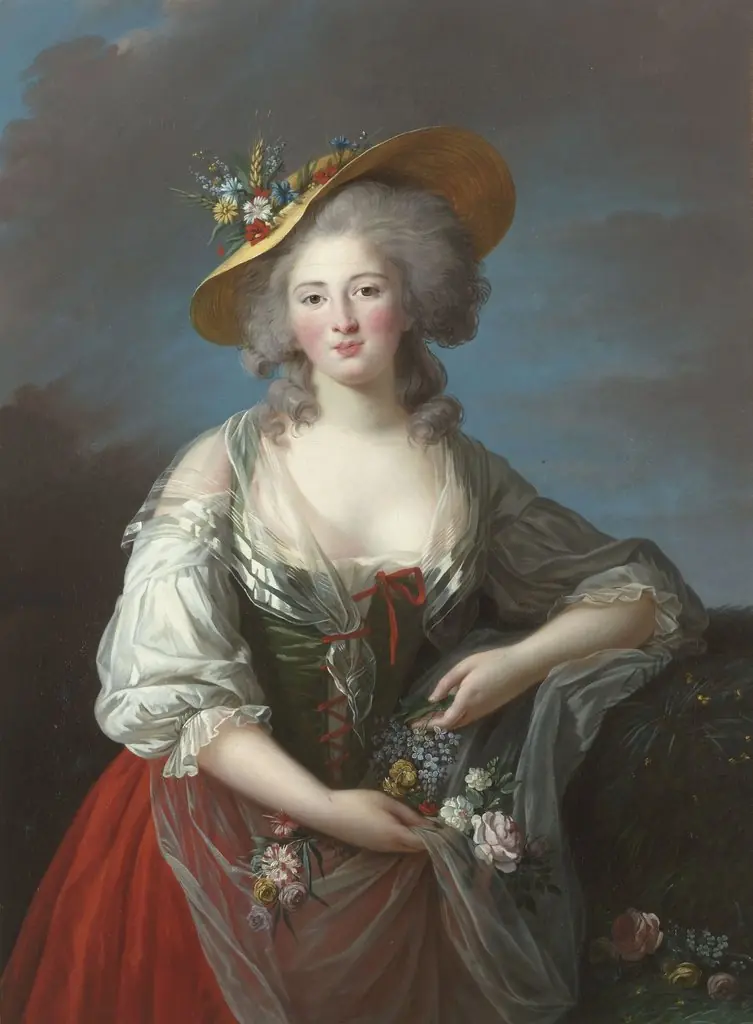 Elisabeth-Philippe-Marie-Hélène de France, dite Madame Elisabeth
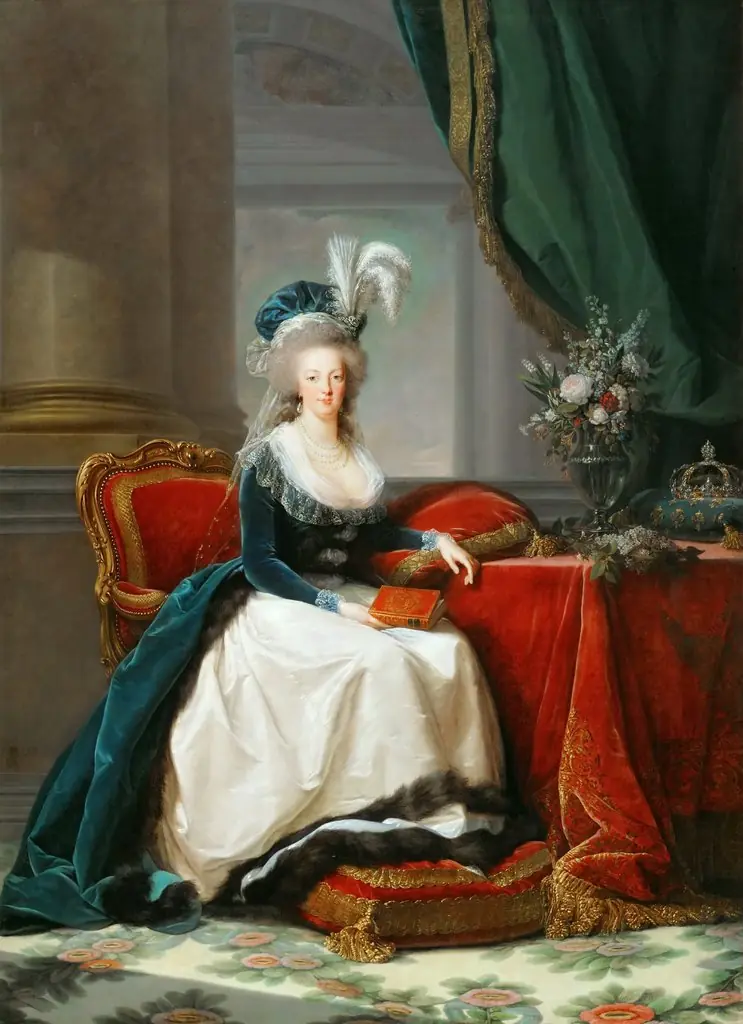 Marie-Antoinette seated, in blue coat and white dress, holding a book in her hand
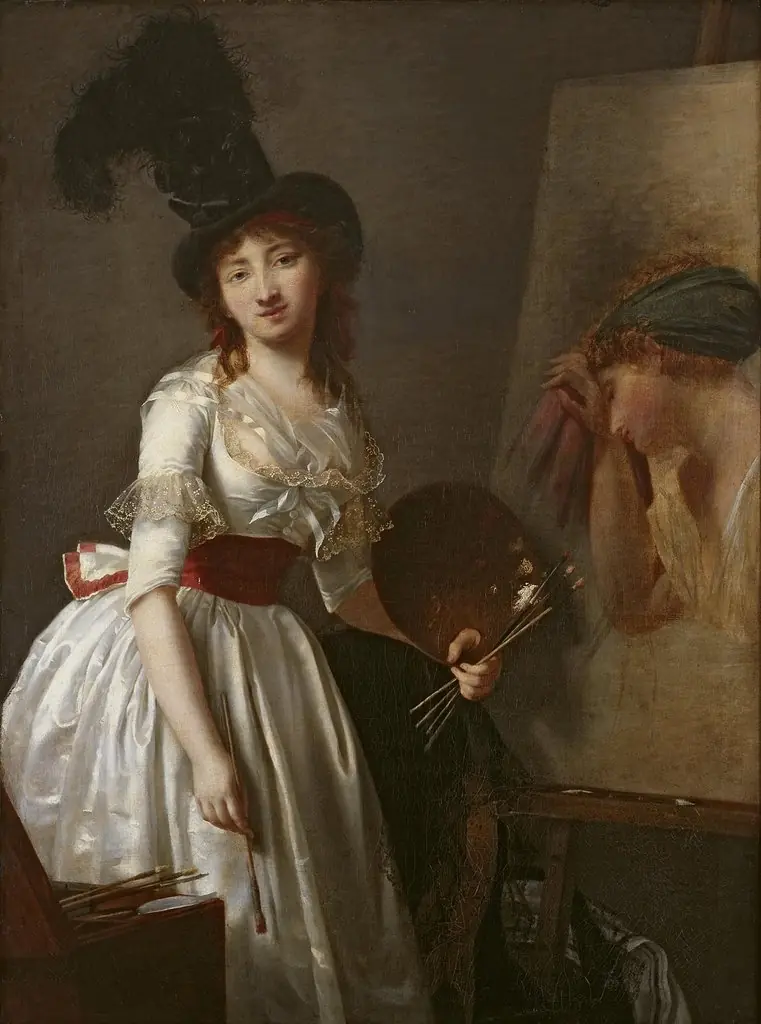 Portrait of a Female Painter, Pupil of David
 Self-portrait
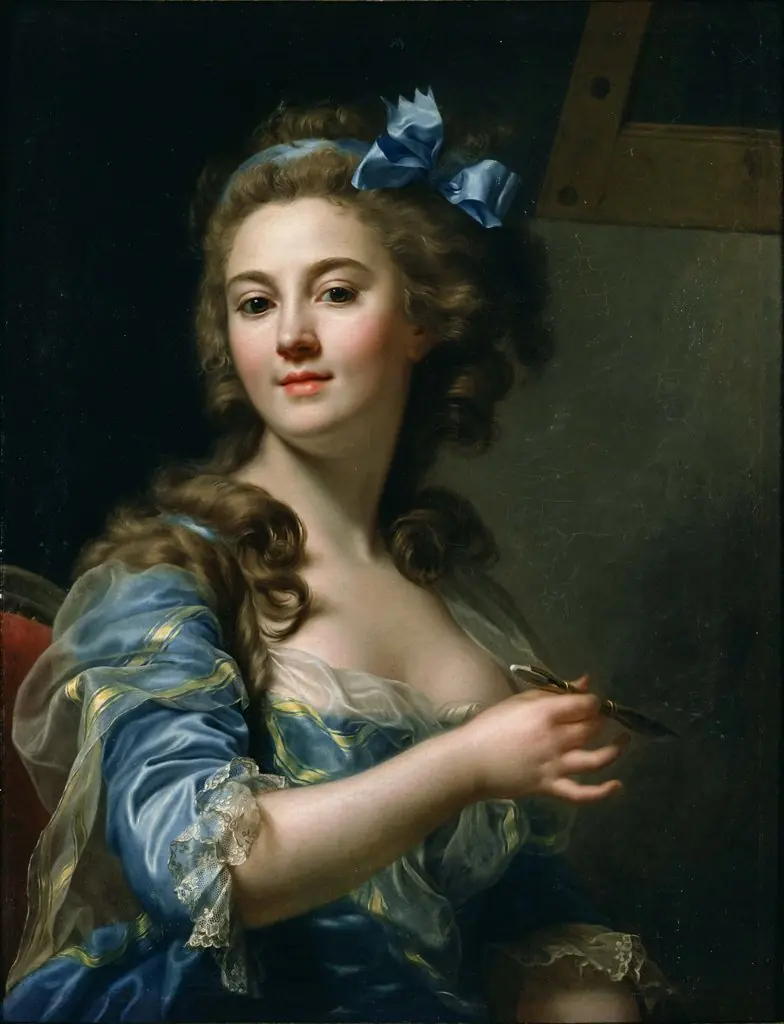 Self-portrait
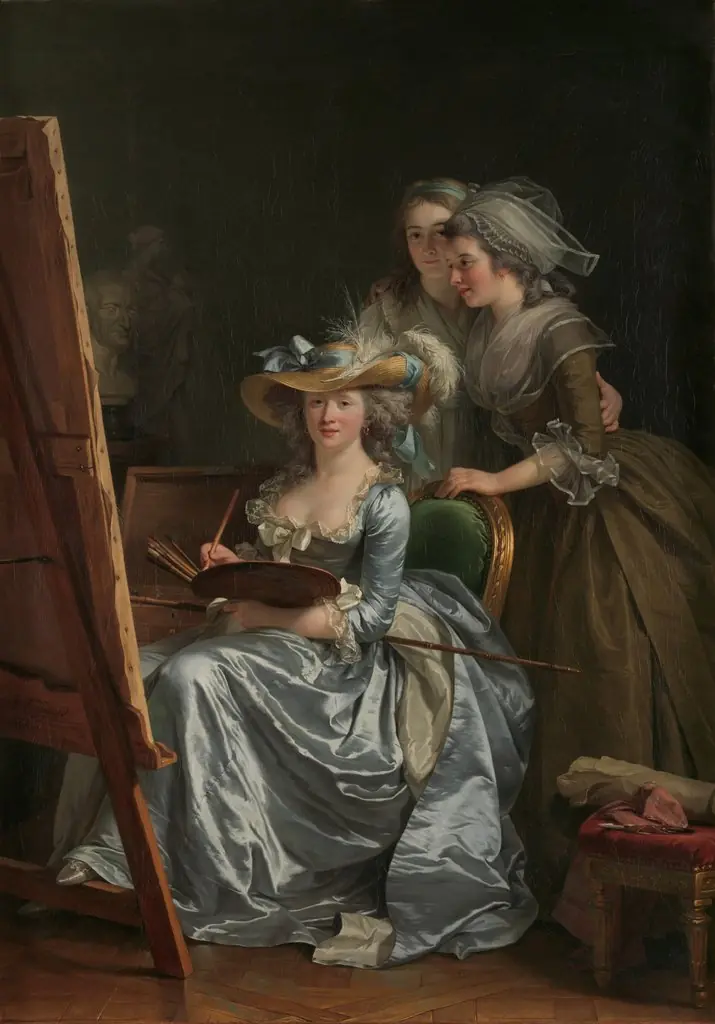 Self-Portrait with Two Pupils
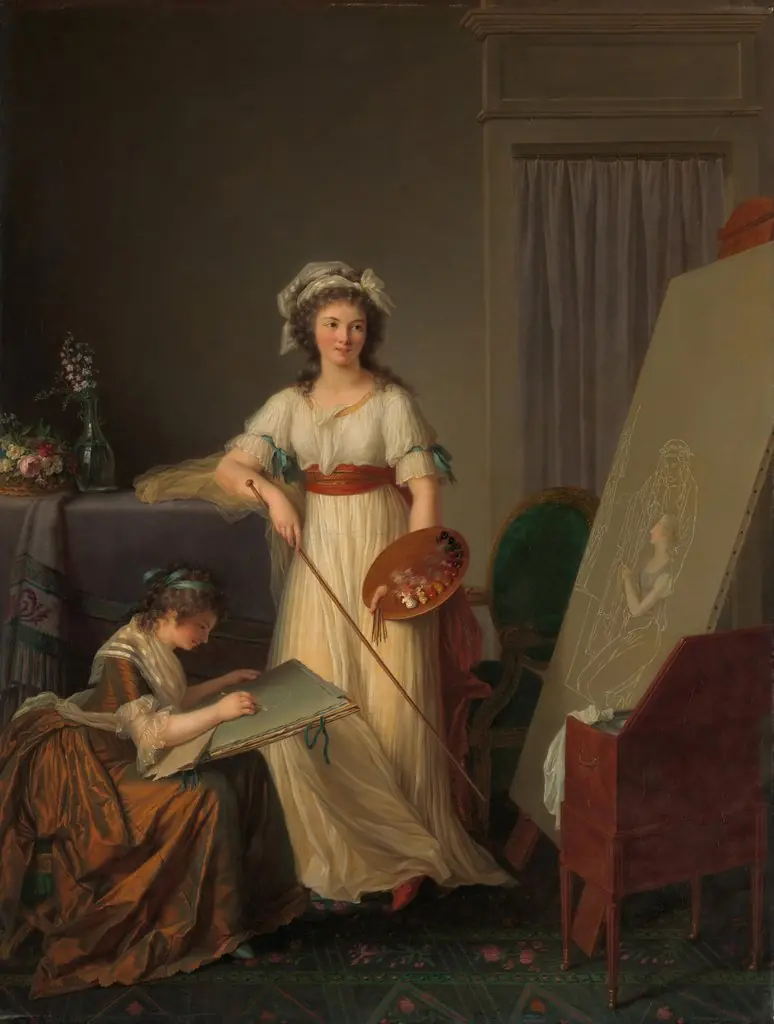 The Interior of an Atelier of a Woman Painter
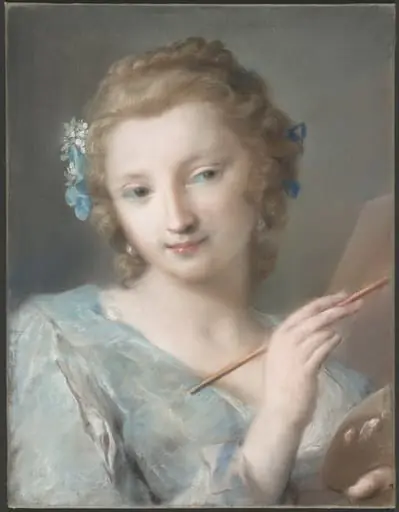 Allegory of Painting
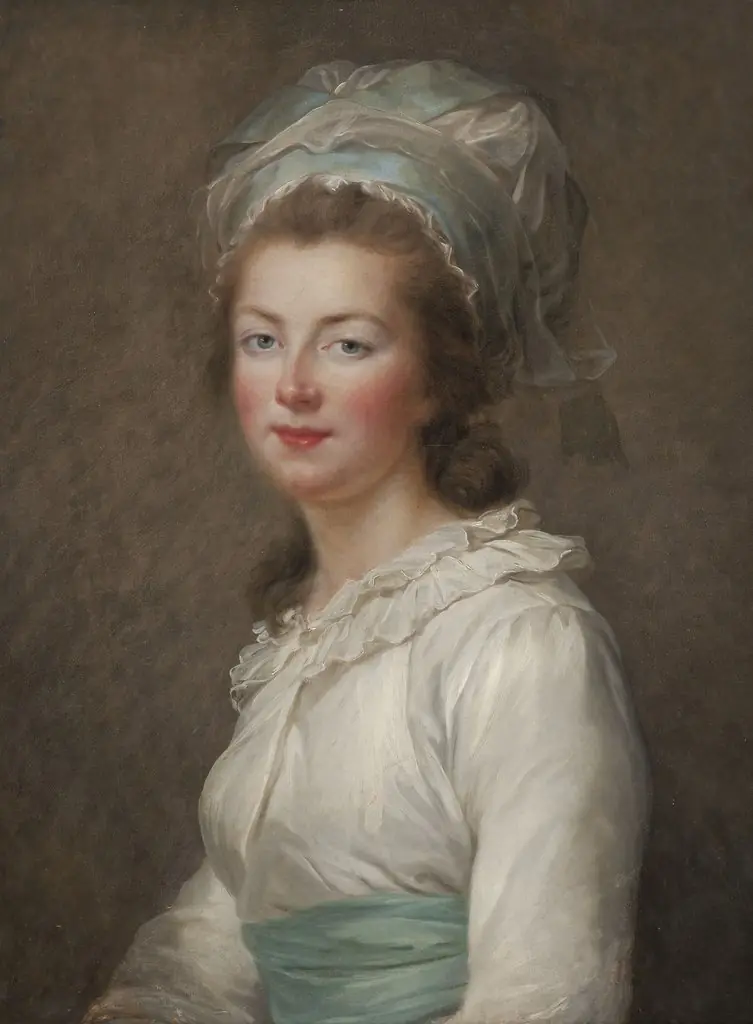 Elisabeth-Philippe-Marie-Hélène of France, known as Madame Elisabeth
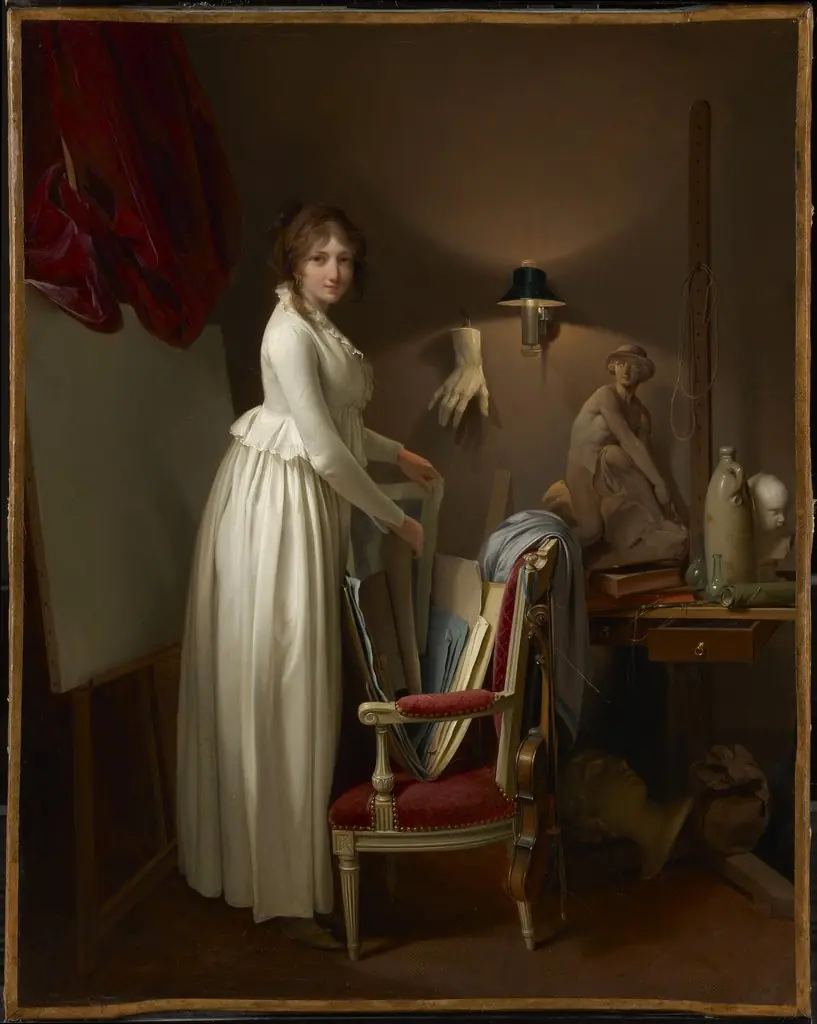 The Artist's Wife in His Studio
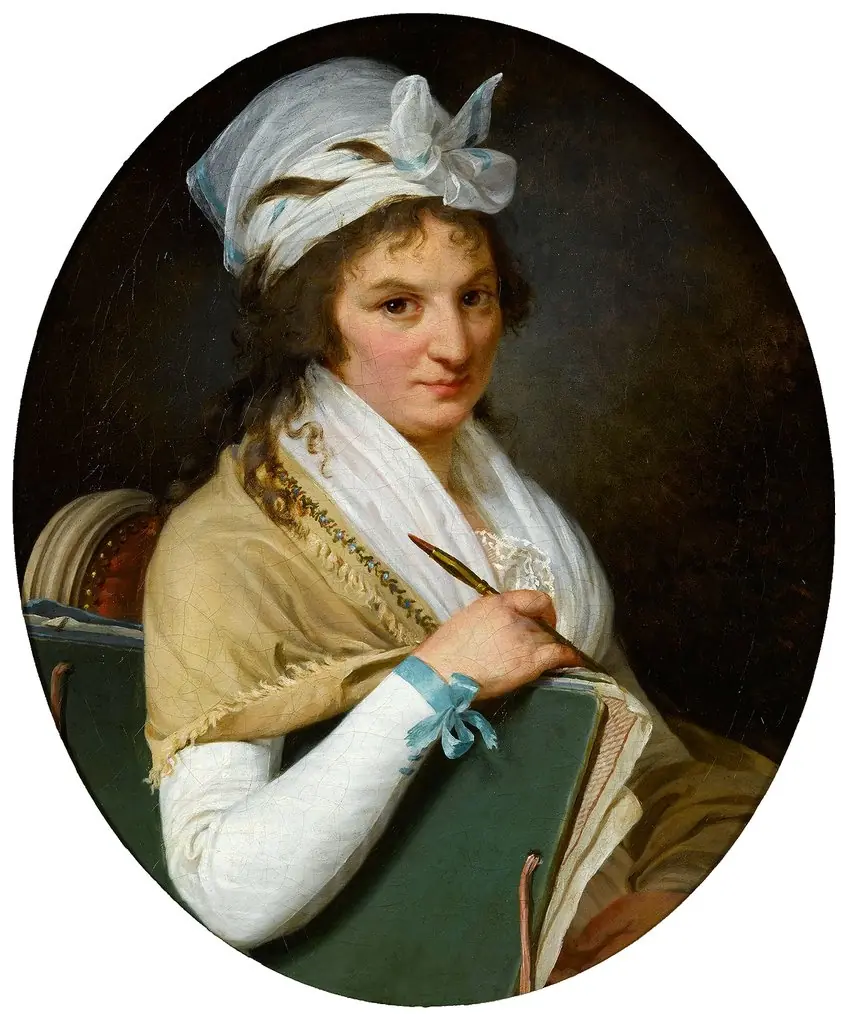 Self-portrait
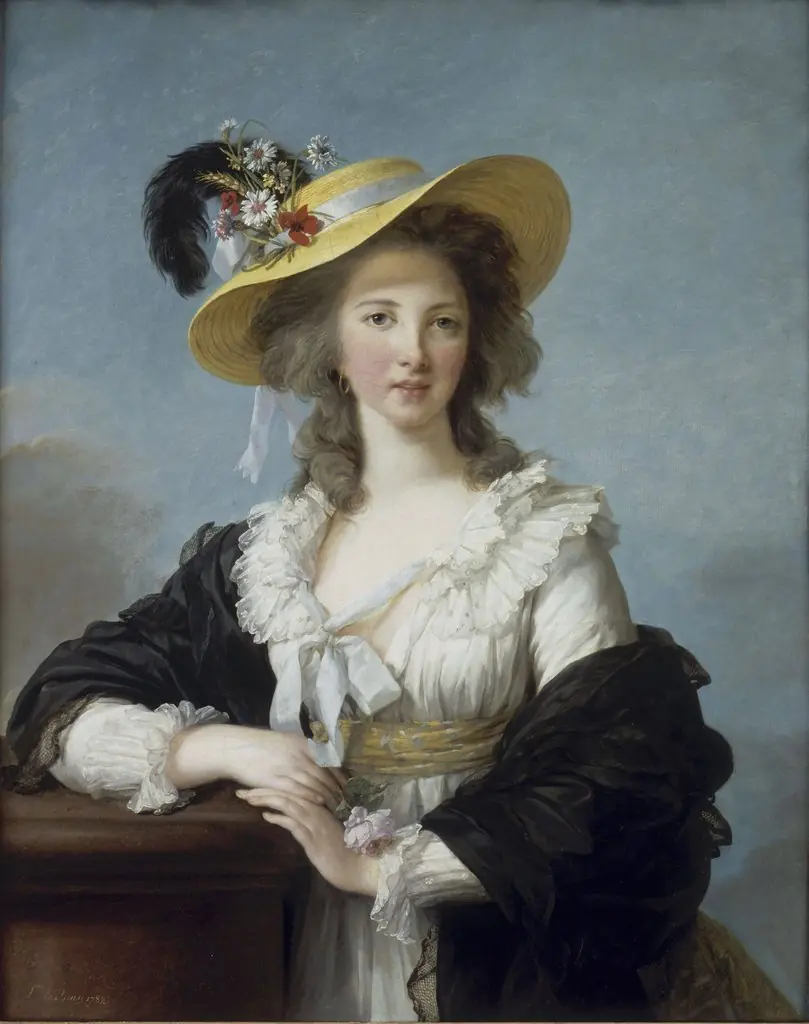 Yolande-Martine-Gabrielle de Polastron, Duchess de Polignac
 Portrait of the Artist's Daughter Elisabeth, Married Lampe
 Élisabeth Louise Vigée Le Brun