Artwork
Flood
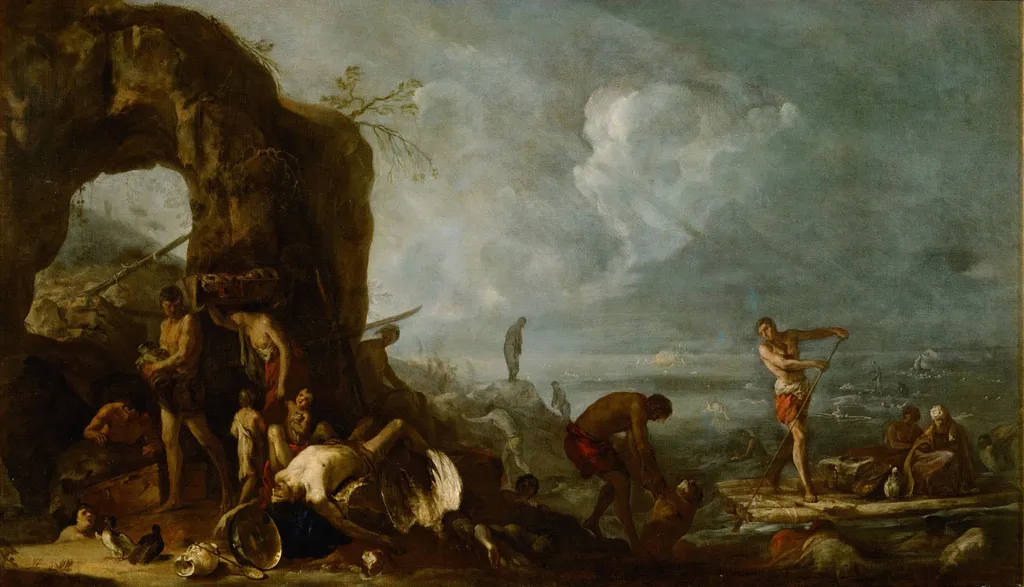
Flood is an oil painting by the Early Baroque Italian artist Johann Heinrich Schönfeld. It dates from 1634 and is held in the collection of the Kunsthistorisches Museum.
About this work
Overview
The composition emphasizes urgency and vulnerability, with no clear narrative resolution, inviting contemplation of human fragility before elemental forces.
Johann Heinrich Schönfeld painted Flood in 1634 using oil on panel. The work is part of the collection at the Kunsthistorisches Museum in Vienna. It depicts a moment of natural disaster, capturing human figures in desperate motion amid rising waters. The composition emphasizes urgency and vulnerability, with no clear narrative resolution, inviting contemplation of human fragility before elemental forces.
Subject & Meaning
The scene portrays a biblical or mythological flood, though no specific story is named. Figures scramble over rocks and driftwood, their postures conveying panic and exhaustion. The absence of divine intervention or salvation suggests a focus on human endurance rather than moral judgment. The painting reflects 17th-century anxieties about nature’s unpredictability and the limits of human control.
Technique & Style
Schönfeld employed bold, fluid brushwork to convey turbulence in water and sky. Dark, layered pigments create a brooding atmosphere, while warmer tones in the figures and terrain offer contrast without softening the tension. The lighting, suggested by sharp flashes of white across the clouds, enhances drama without literal representation. The technique prioritizes emotional impact over precise detail, aligning with early Baroque sensibilities.
History & Provenance
The painting entered the Kunsthistorisches Museum’s collection in the 19th century, likely through imperial Austrian acquisitions. Its documented history before that is sparse, though Schönfeld’s known activity in southern Germany and Austria suggests local patronage. It was likely created during his mature period, when he was producing religious and allegorical scenes for regional collectors.
Context
In the 1630s, Europe faced climatic instability, crop failures, and war, heightening awareness of natural disaster. Flood aligns with a broader trend in Central European art that visualized divine wrath or cosmic disorder. Unlike grander Baroque altarpieces, this work is intimate and grounded, focusing on individual struggle rather than theological spectacle.
Legacy
Schönfeld’s Flood remains a rare example of his landscape-driven narrative style. While not widely reproduced, it contributes to understanding how regional artists interpreted catastrophe outside the Italian or Flemish mainstream. Its preservation in a major museum underscores its value as a document of early Baroque emotional expression in German-speaking territories.
Artist & collection
Artist
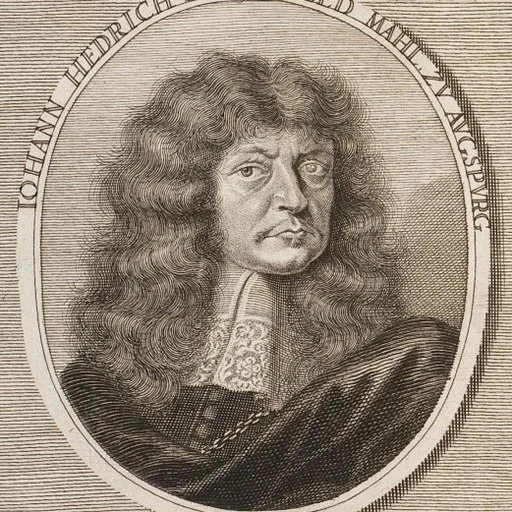
Johann Heinrich Schönfeld (1609–1684) was an artist, born in Biberach an der Riß.

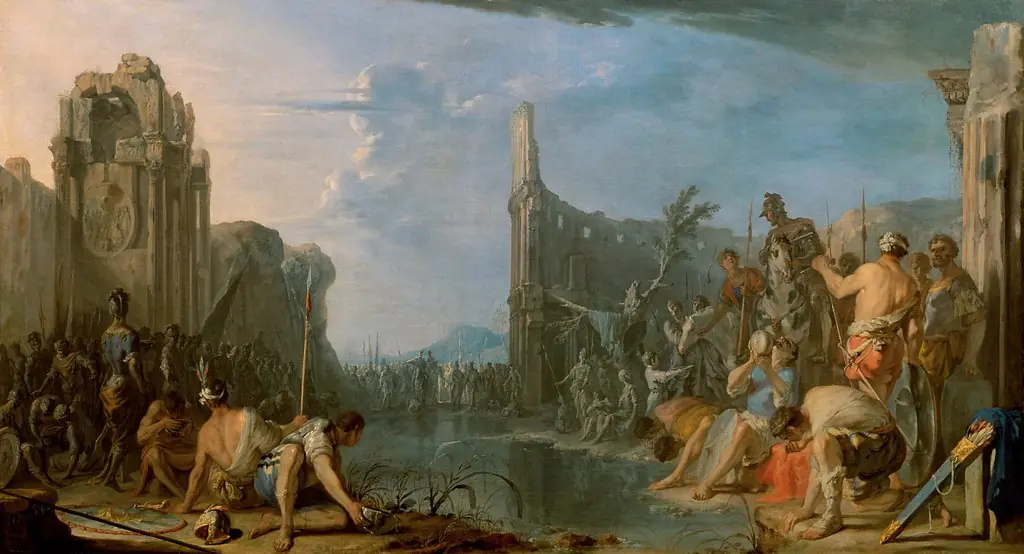 Gideon Checks His Army
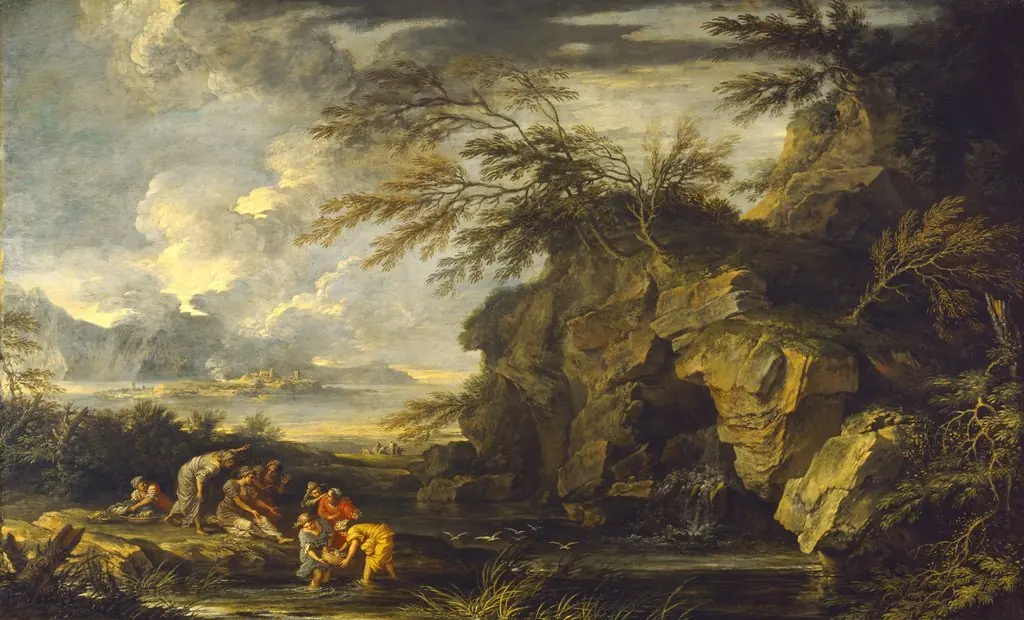 The Finding of Moses
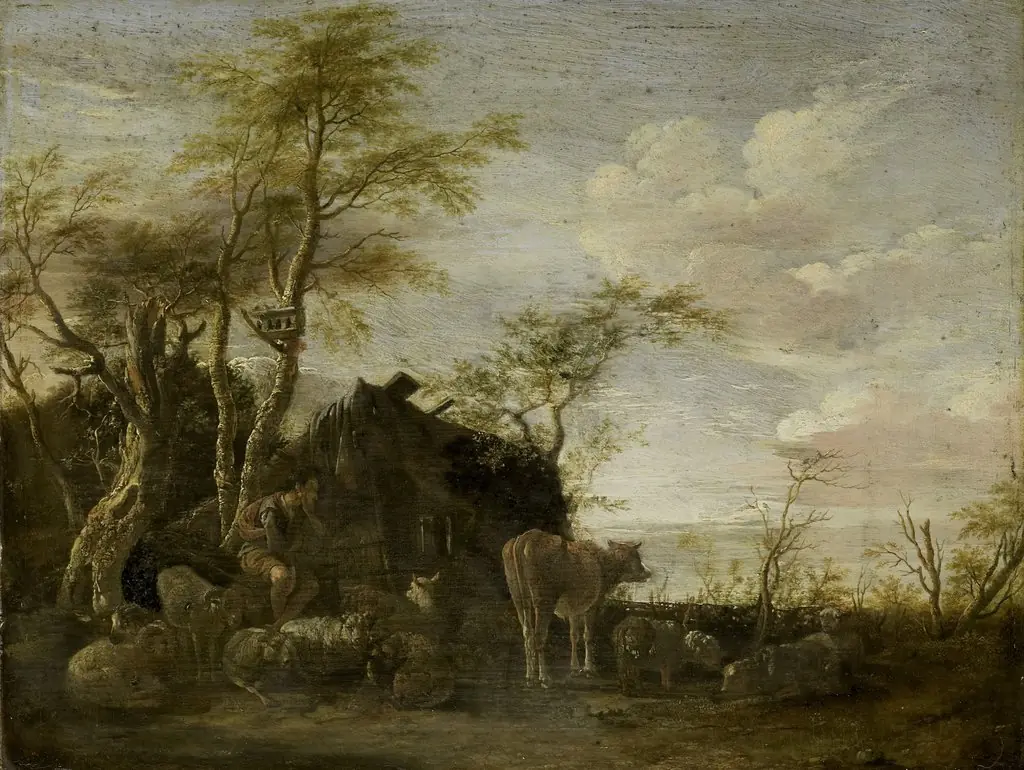 A herdsman's hut
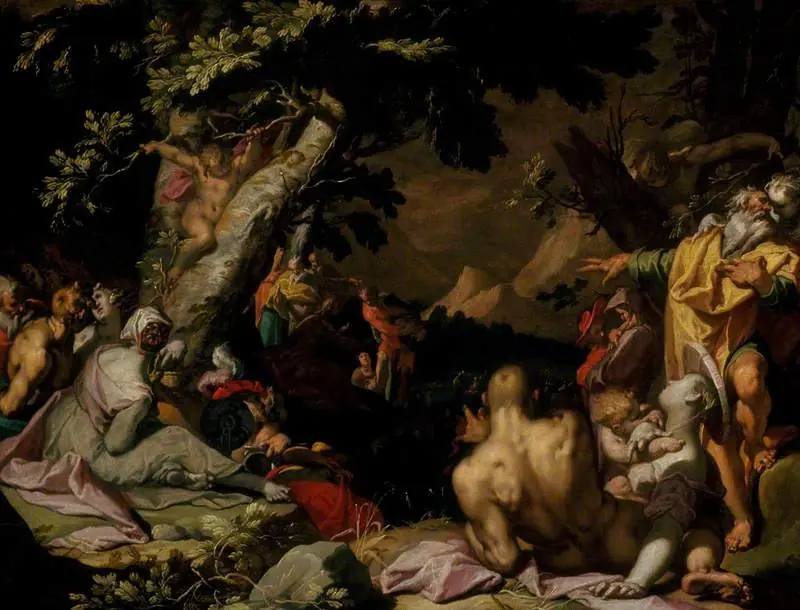 Miracle of the loaves (Jesus feeds the five thousand)
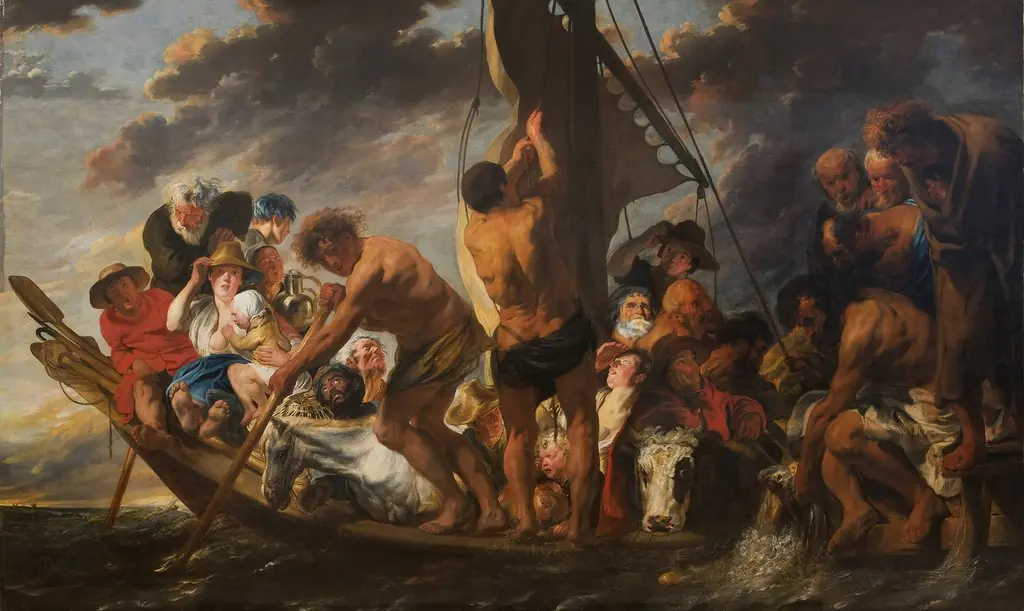 The Tribute Money. Peter Finding the Silver Coin in the Mouth of the Fish. Also called "The Ferry Boat to Antwerp"
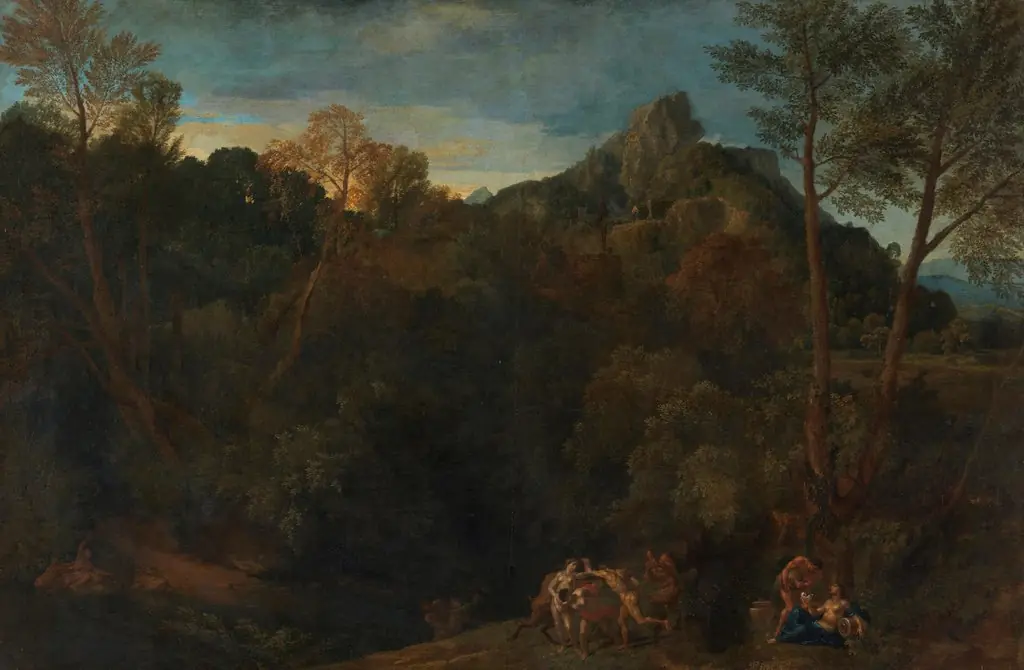 Landschaft
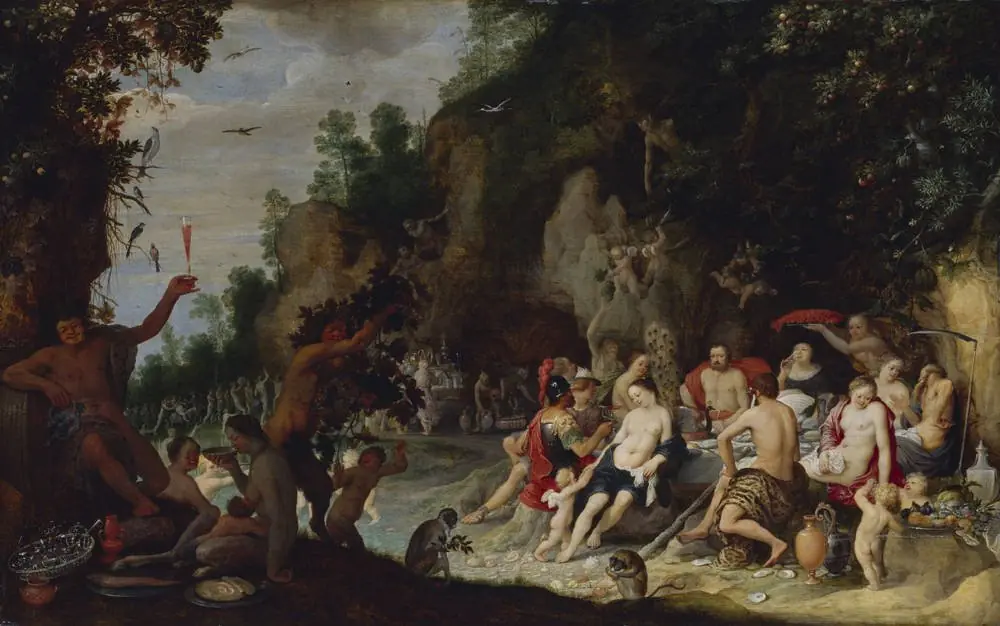 Feast of the gods in the forest
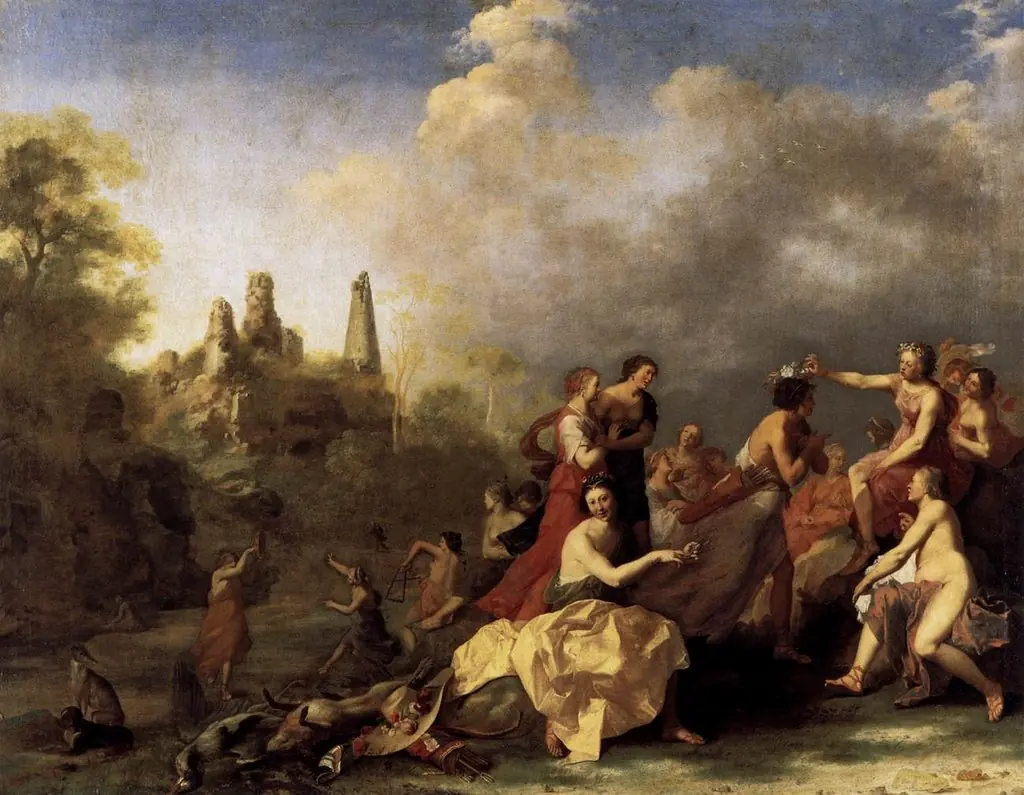 The coronation of Mirtillo after the kissing contest (Guarini, Il Pastor Fido)
 John the Baptist Preaching in the Forest
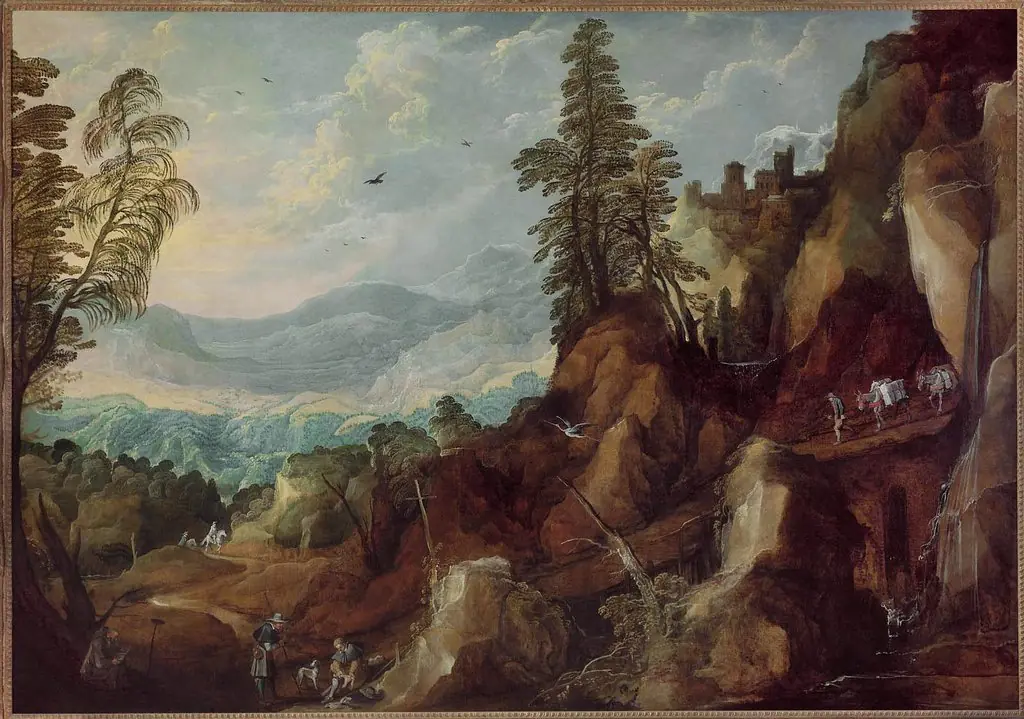 Mountain Landscape with Travelers
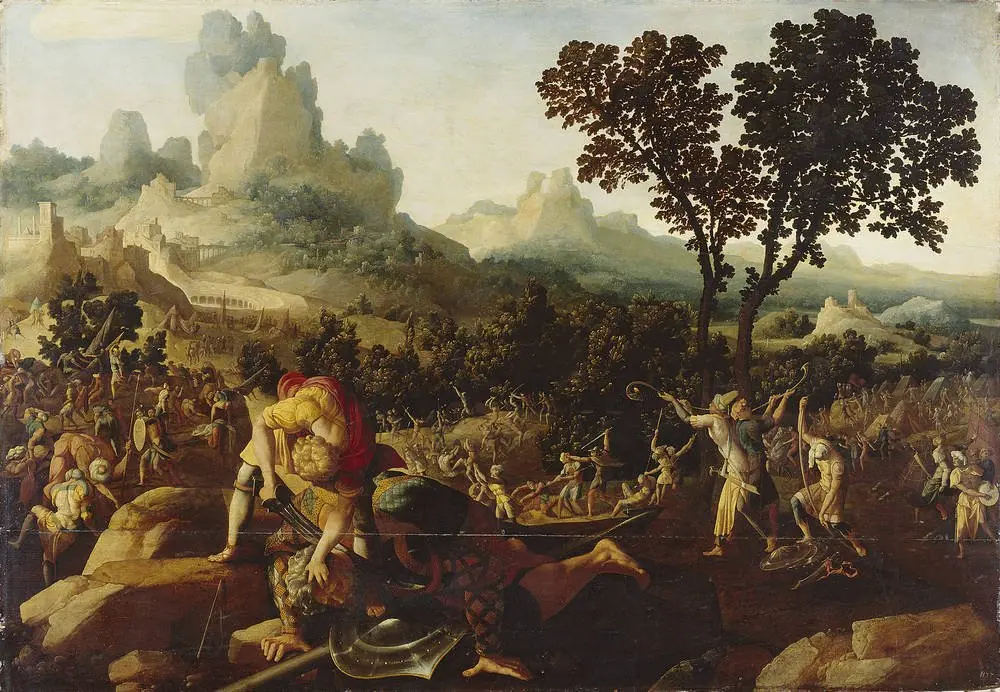 David and Goliath
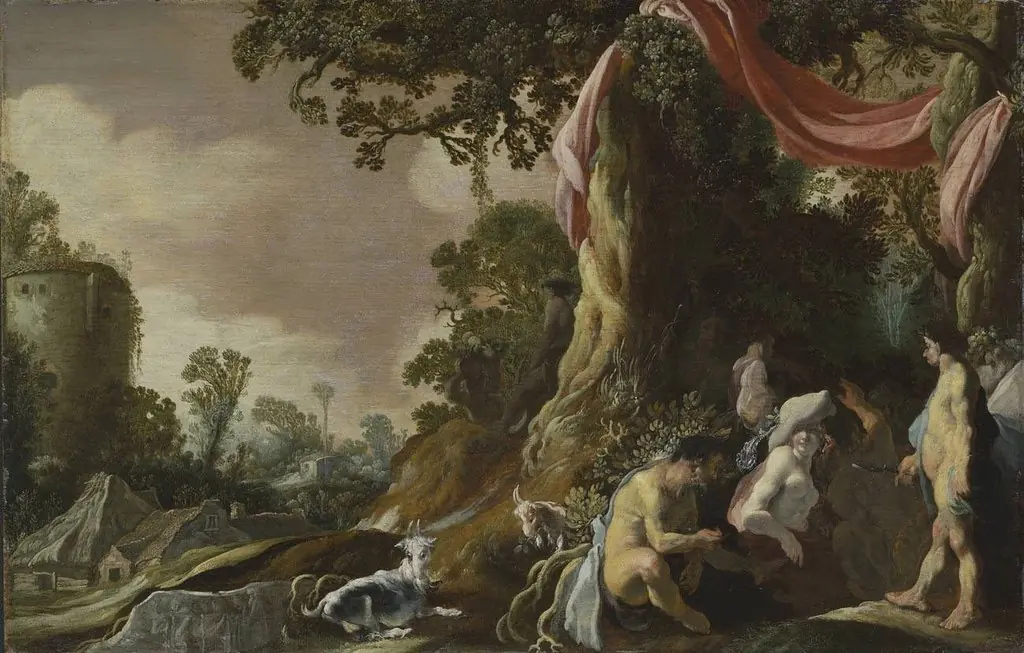 Bucolic scene (shepherd scene ?)