Artwork
Reconciliation of Jacob with Esau
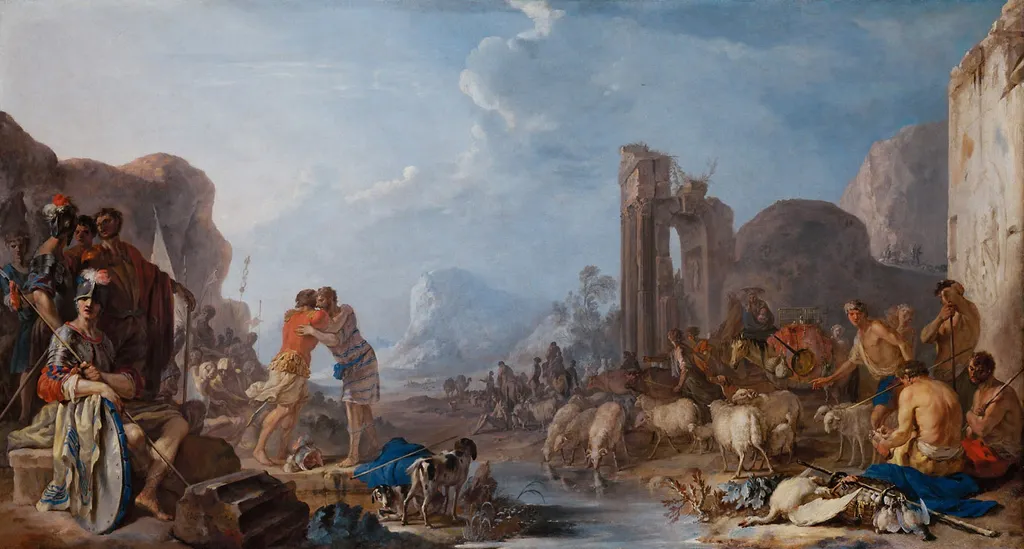
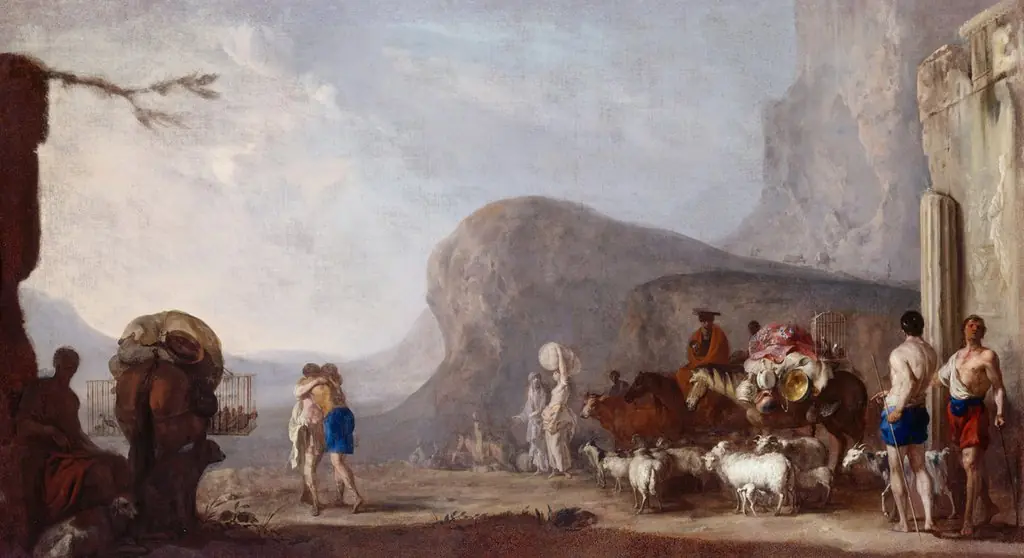
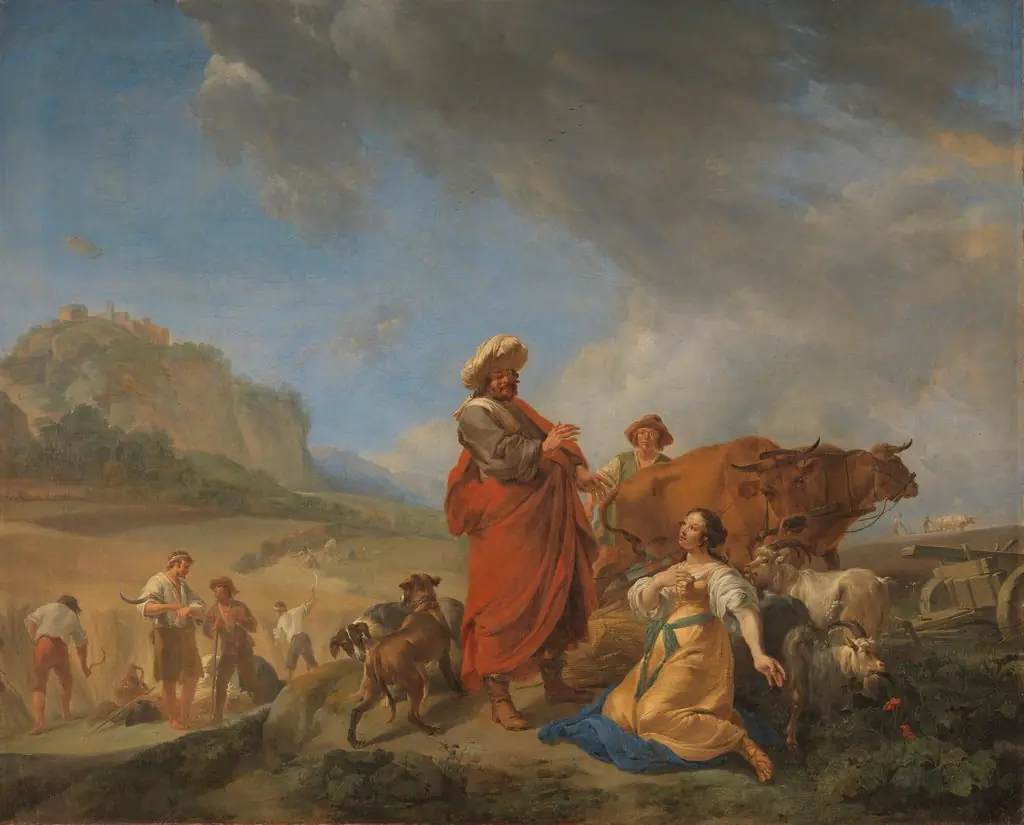
Reconciliation of Jacob with Esau is an oil painting by the Early Baroque Italian artist Johann Heinrich Schönfeld. It dates from 1641 and is held in the collection of the Kunsthistorisches Museum.
About this work
Overview
Painted in 1641 by Johann Heinrich Schönfeld, this oil-on-canvas work depicts the biblical moment of reconciliation between Jacob and Esau.
Painted in 1641 by Johann Heinrich Schönfeld, this oil-on-canvas work depicts the biblical moment of reconciliation between Jacob and Esau. The scene is rendered with careful attention to human and animal figures, set against a rugged landscape under an open sky. It resides in the collection of the Kunsthistorisches Museum in Vienna, where it remains a notable example of 17th-century narrative painting from the German-speaking region.
Subject & Meaning
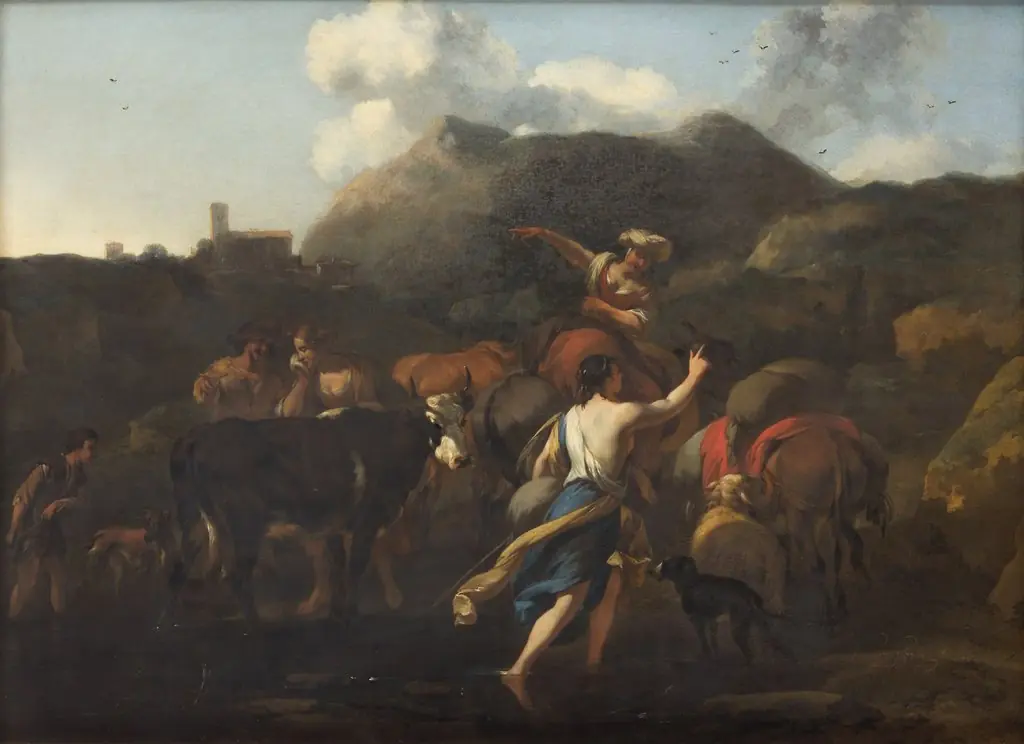
The painting illustrates the emotional reunion of the brothers Jacob and Esau, as described in Genesis, after years of estrangement. Jacob, having returned from exile, seeks forgiveness; Esau, initially hostile, embraces him. The surrounding figures—family members, servants, and livestock—reflect the scale of Jacob’s return and the significance of peace restored. The presence of a woman holding a sword and helmet may symbolize divine justice or a personification of vigilance.
Technique & Style
Schönfeld employs rich, layered pigments to render textures of fabric, fur, and stone with precision. The composition is densely populated, with figures arranged in dynamic groupings that guide the viewer’s eye toward the central embrace. Light falls naturally across the scene, enhancing depth and volume. The brushwork is detailed but not overly polished, reflecting a Baroque sensibility focused on emotional immediacy rather than idealized form.
History & Provenance
Commissioned during Schönfeld’s mature period, the painting entered the Habsburg collections in the 17th century and has remained in institutional custody since. It was cataloged in the imperial Kunstkammer and later transferred to the Kunsthistorisches Museum upon its founding in 1891. No significant alterations or restorations are documented, preserving its original condition and palette.
Context
Created in the aftermath of the Thirty Years’ War, the painting’s theme of reconciliation resonated with a Europe weary of conflict. Schönfeld, influenced by Flemish and Italian traditions, adapted biblical narratives to contemporary sensibilities. His work reflects the broader Counter-Reformation interest in emotionally engaging religious imagery, intended to inspire moral reflection among viewers.
Legacy
Though not widely reproduced, the painting stands as a representative example of Central European Baroque religious art. It contributes to the understanding of how biblical stories were visually interpreted outside Italy and the Netherlands. Schönfeld’s approach, blending narrative clarity with naturalistic detail, influenced regional painters who sought to convey sacred events with human authenticity.
Artist & collection
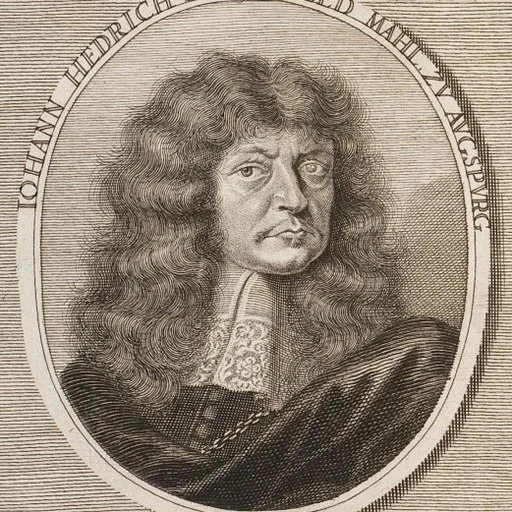
Artist
Johann Heinrich Schönfeld (1609–1684) was an artist, born in Biberach an der Riß.