Artwork
Llegada del Presidente Prieto a la Pampilla.
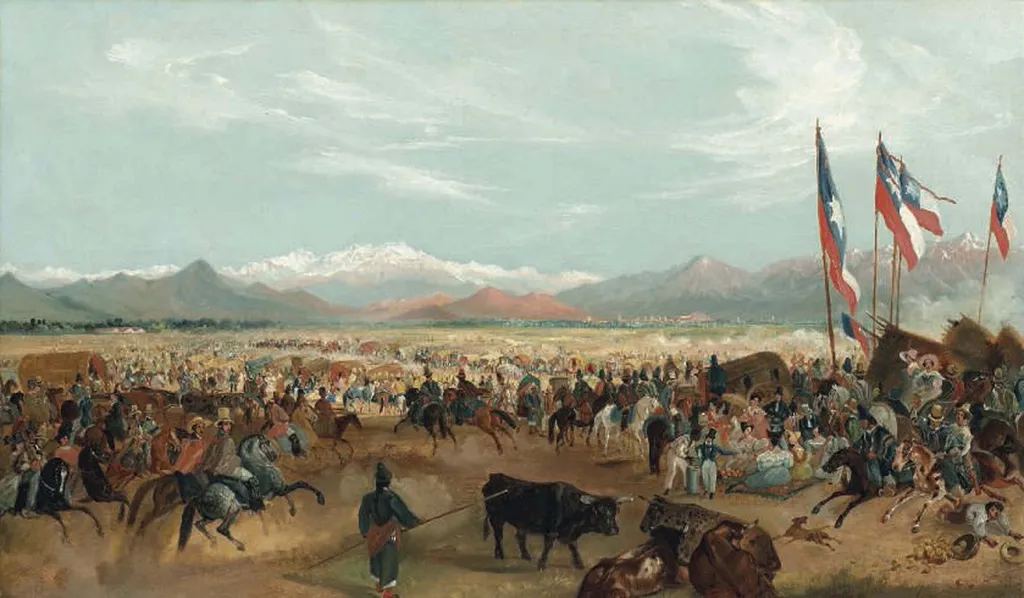
Llegada del Presidente Prieto a la Pampilla. is an oil painting by Johann Moritz Rugendas. It dates from 1837 and is held in the collection of the Chilean National Museum of Fine Arts.
About this work
Overview
A German artist who traveled extensively across the Americas, Rugendas documented social and geographic landscapes with observational precision.
Johann Moritz Rugendas painted *Llegada del Presidente Prieto a la Pampilla* in 1837, capturing a political event in early republican Chile. A German artist who traveled extensively across the Americas, Rugendas documented social and geographic landscapes with observational precision. This work belongs to the National Museum of Fine Arts in Santiago, where it remains part of its historical collection. The painting reflects his commitment to recording real-life scenes rather than idealized narratives.
Subject & Meaning
The scene portrays the arrival of President José Joaquín Prieto at La Pampilla, a site near Valparaíso, likely during a military review or public ceremony. A diverse assembly of civilians, soldiers, and mounted figures gathers around cattle and horses, suggesting a blend of civic and rural life. The event’s significance lies in its representation of state presence in a newly independent nation, emphasizing order and public participation rather than royal spectacle.
Technique & Style
Rugendas employed oil paint to render motion and spatial depth with loose, energetic brushwork. Figures and animals are arranged dynamically across the foreground and middle ground, guiding the viewer’s eye toward the distant mountains and hazy sky. His attention to atmospheric perspective and varied textures—fabric, hide, earth—reflects his training in European academic traditions, adapted to the visual richness of South American environments.
History & Provenance
Commissioned or created shortly after the event, the painting entered Chile’s national collection in the 19th century. Its preservation reflects early efforts to document the nation’s political milestones through visual art. Rugendas’s presence in Chile during the 1830s, supported by scientific and cultural networks, ensured his access to such events. The work has remained in institutional hands since its creation, with no known private ownership.
Context
Rugendas worked during a period when Latin American nations were forging national identities through public rituals and visual culture. His depictions of local life aligned with broader European interests in ethnographic documentation, influenced by figures like Alexander von Humboldt. Unlike colonial-era portraiture, his approach emphasized everyday activity and regional diversity, offering a more grounded vision of post-independence society.
Legacy
Rugendas’s body of work, including this painting, provides one of the most detailed visual records of 19th-century South America by a foreign observer. His images have been used by historians to study social structures, dress, transportation, and landscape use. While not widely known outside academic circles, his contributions remain foundational to the visual archive of Chile’s early republic.
Artist & collection
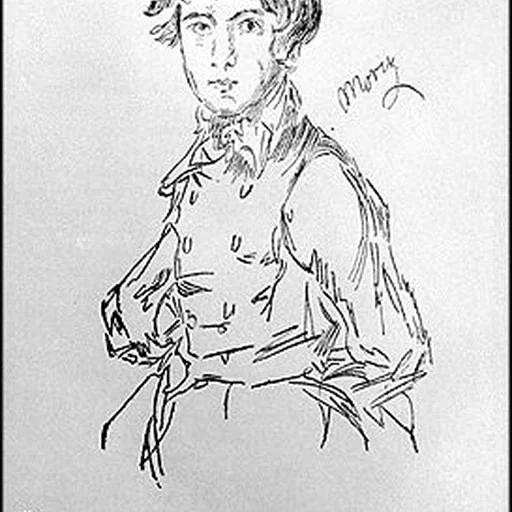
Artist
Johann Moritz Rugendas (29 March 1802 – 29 May 1858) was a German painter, famous in the first half of the 19th century for his works depicting landscapes and ethnographic subjects in several countries in the Americas.

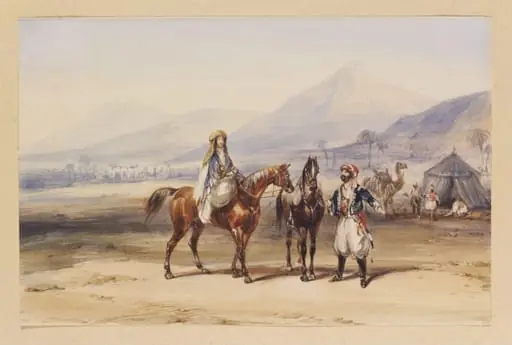 Syrian Travel
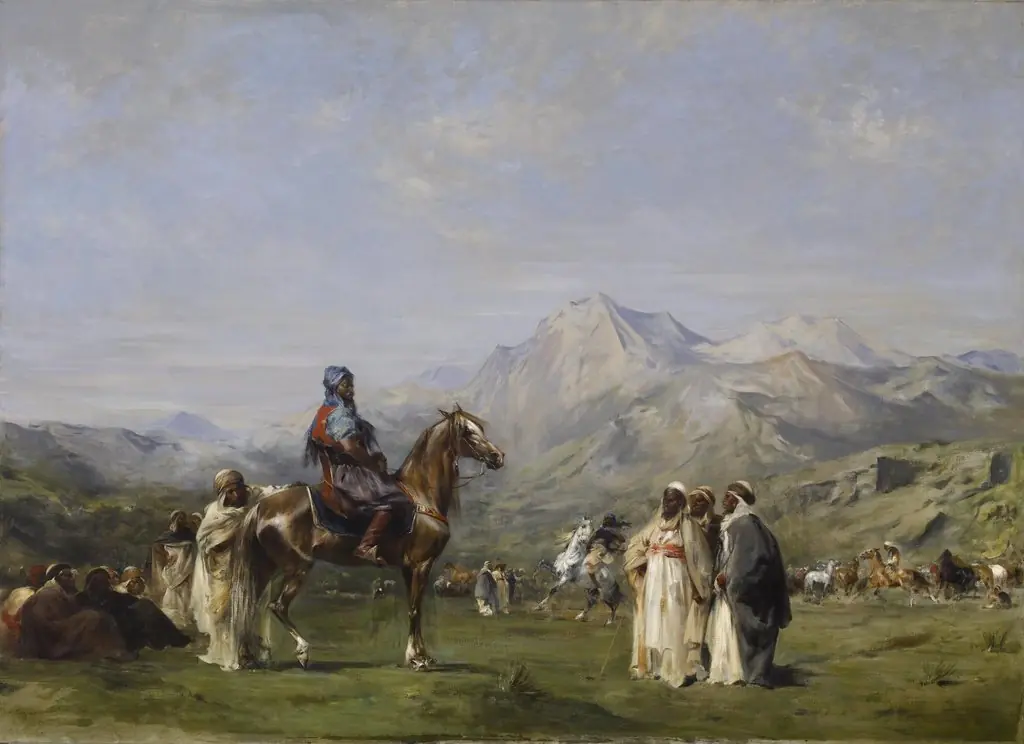 An Encampment in the Atlas Mountains
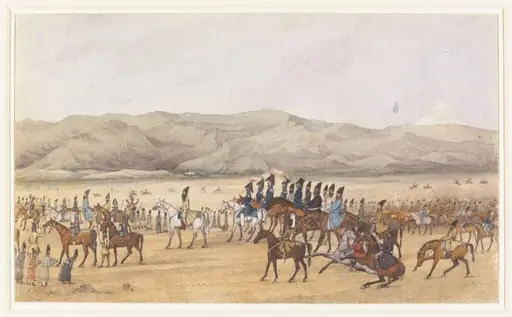 Istakball or public entry of H. R. H. Abbas Mirza at Tehran after the Campaign in Khorassan on the 15th. of June 1833
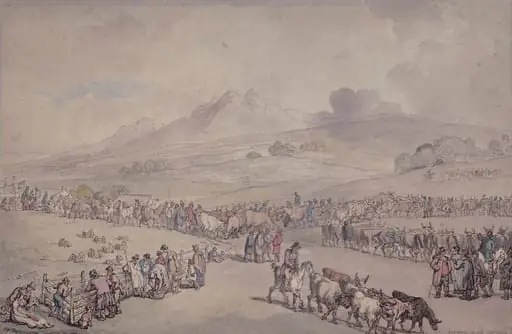 Cornish Fair
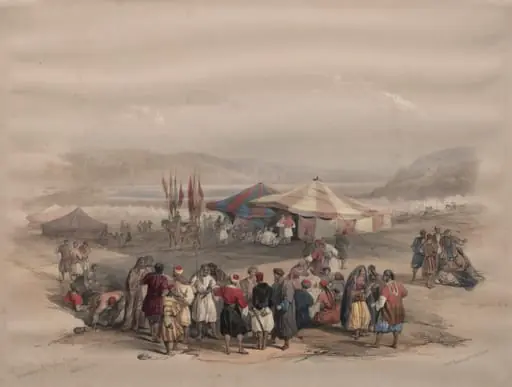 Encampment of Pilgrims, Jericho
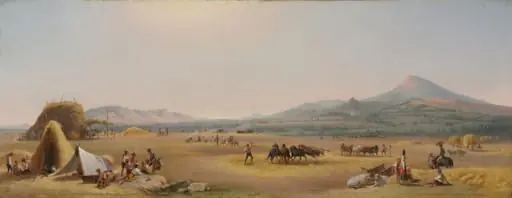 Harvest on the Roman Campagna
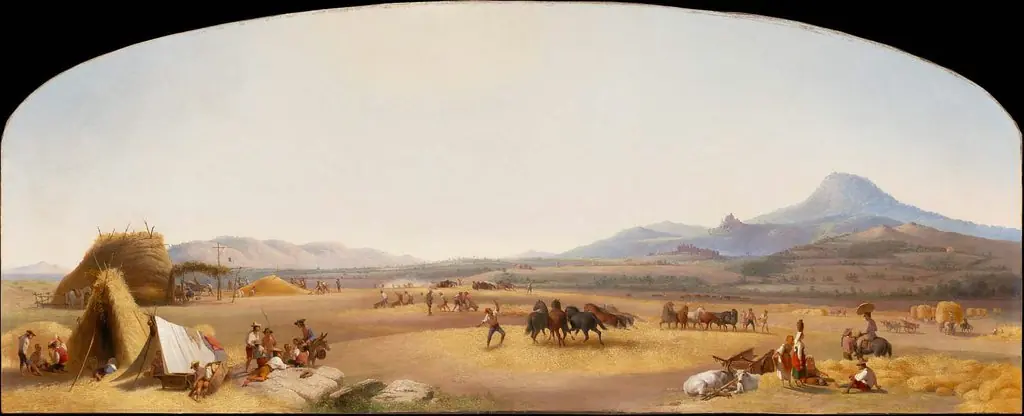 Harvesting on the Roman Campagna
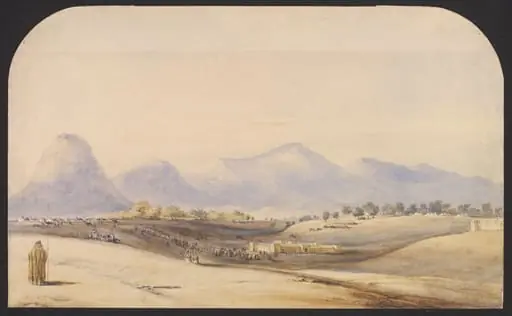 Arabs and their Camels surprised by Cavalry
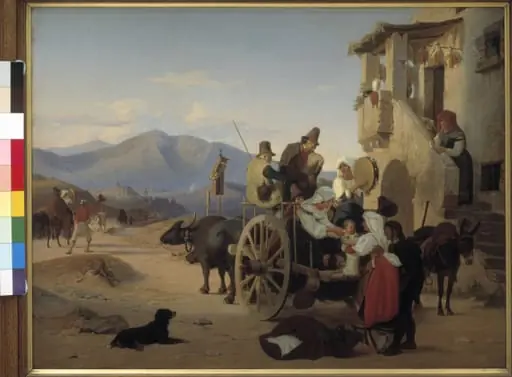 Roman Peasants Going to Market
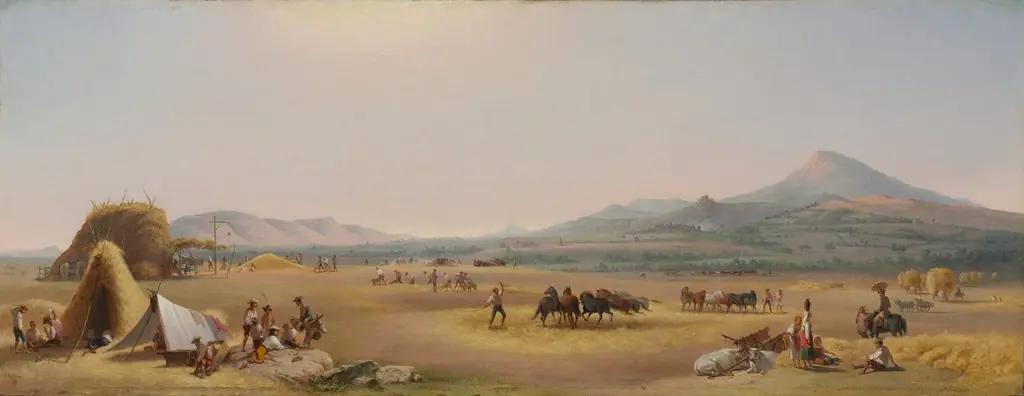 Harvest on the Roman Campagna
 Iconium, Asia Minor
 Bâlciul