Artwork
Gruftgewölbe
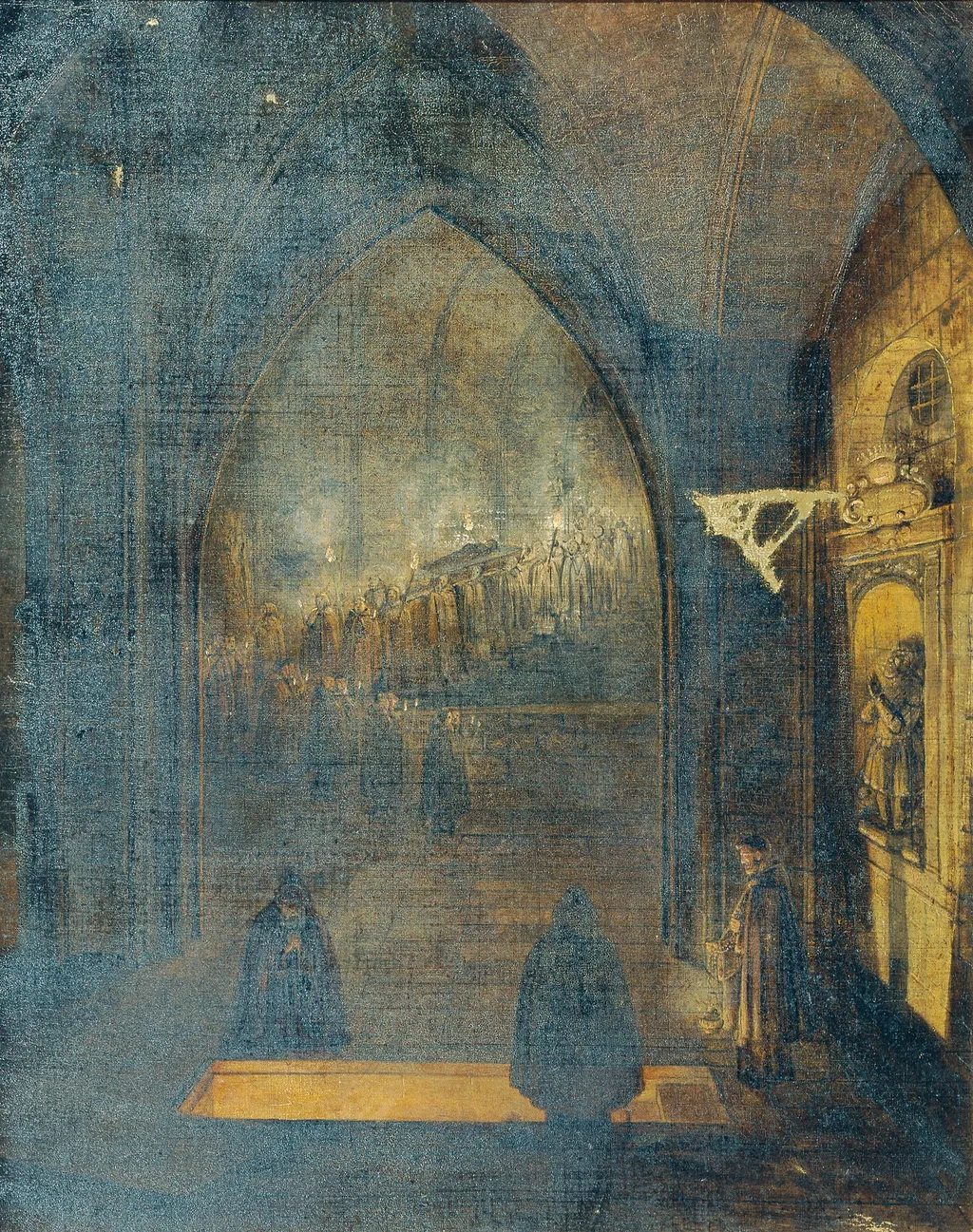
Gruftgewölbe is an oil painting by the Biedermeier artist Johann Nepomuk Schödlberger. It dates from 1828 and is held in the collection of the Kunsthistorisches Museum.
About this work
Overview
Gruftgewölbe is an 1828 oil painting by Johann Nepomuk Schödlberger, portraying a somber church interior. Characterized by deep shadows and warm, focal lighting, the work captures a serene, ritualistic atmosphere.
Subject & Meaning
The painting depicts a dimly lit church with a procession of figures standing in the background, their attention directed forward. A priest, positioned near a gleaming golden altar on the right, holds a book, suggesting a moment of religious observance. The contrast between the subdued, dark arched walls and the altar's warm glow underscores the spiritual focal point.
Technique & Style
Schödlberger employed oil paint to achieve a textured, almost tactile quality in certain areas, where the paint is applied thickly. The use of flickering candlelight to cast dynamic shadows across the scene demonstrates the artist's skill in capturing chiaroscuro effects.
History & Provenance
Created in 1828, Gruftgewölbe is part of the collection at the Kunsthistorisches Museum, where it remains on display.
Context
Gruftgewölbe reflects 19th-century artistic approaches to depicting church interiors, a common subject in European art. Comparing it with other period works on the same theme can provide insight into evolving representations of sacred spaces.
Legacy
While specific influences of Gruftgewölbe on later artists are not widely documented, it contributes to the broader historical record of how church interiors were visually interpreted during the 19th century.
Artist & collection
Artist
This 19th-century Austrian painter captured sweeping alpine landscapes and quiet village scenes in oils.

 Interior of St. John’s Cathedral in Warsaw
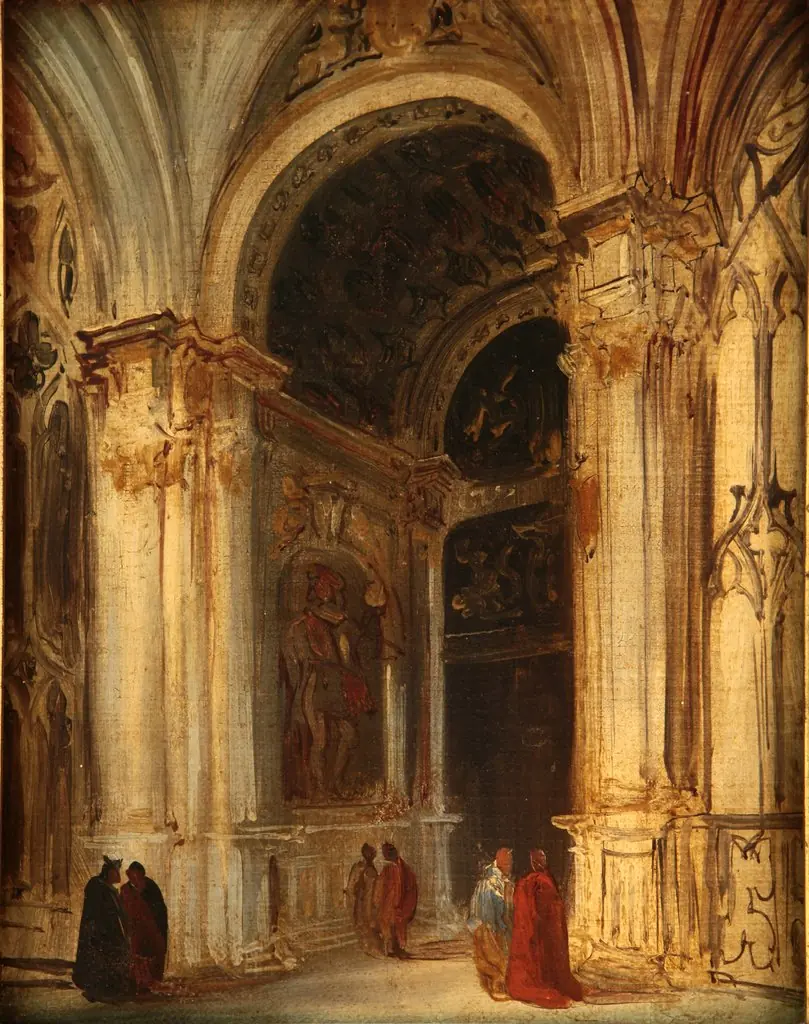 Interior de iglesia
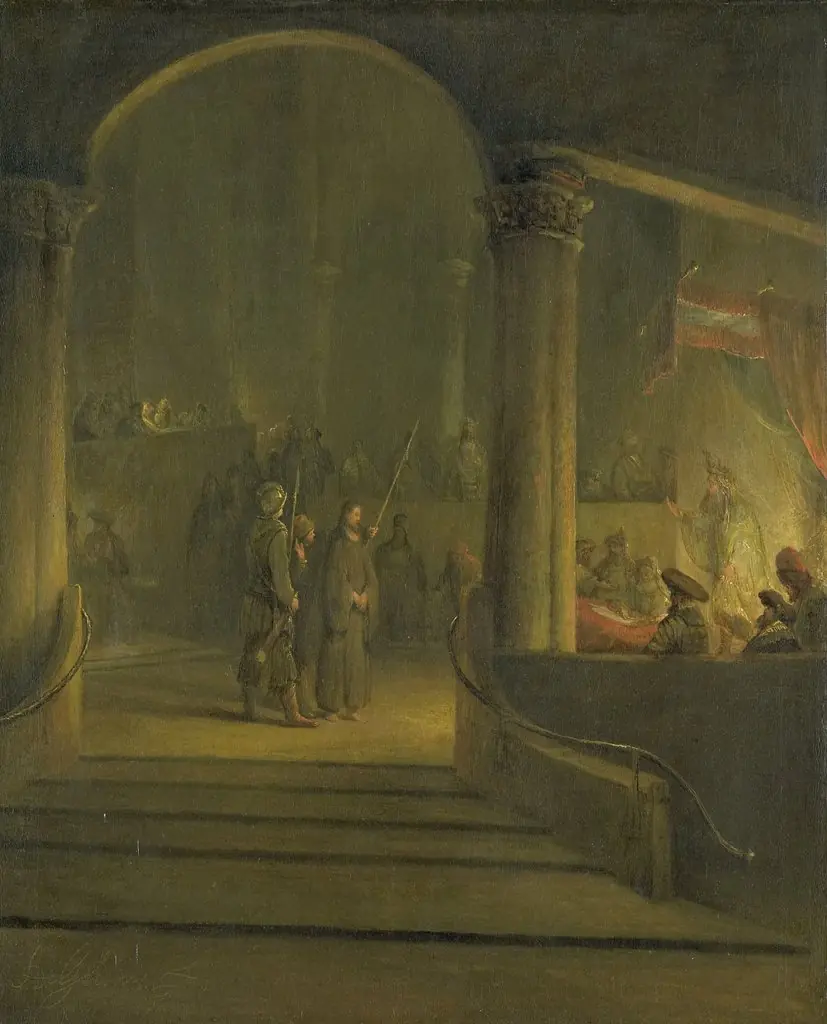 Christ before Caiphas
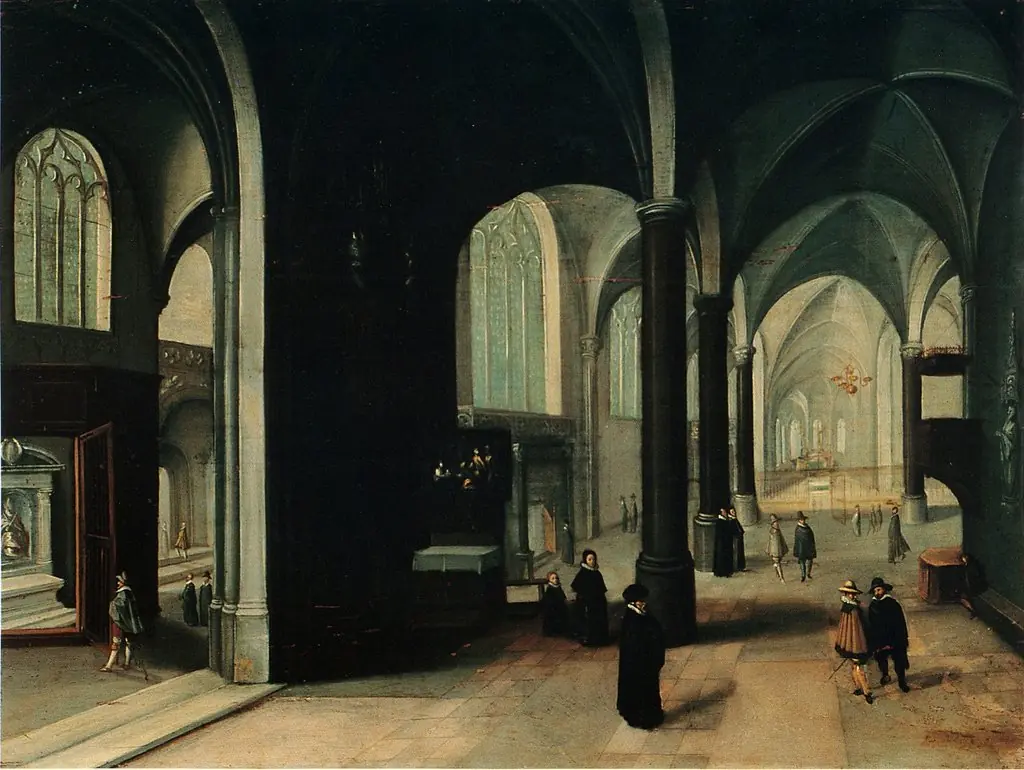 Interior de iglesia
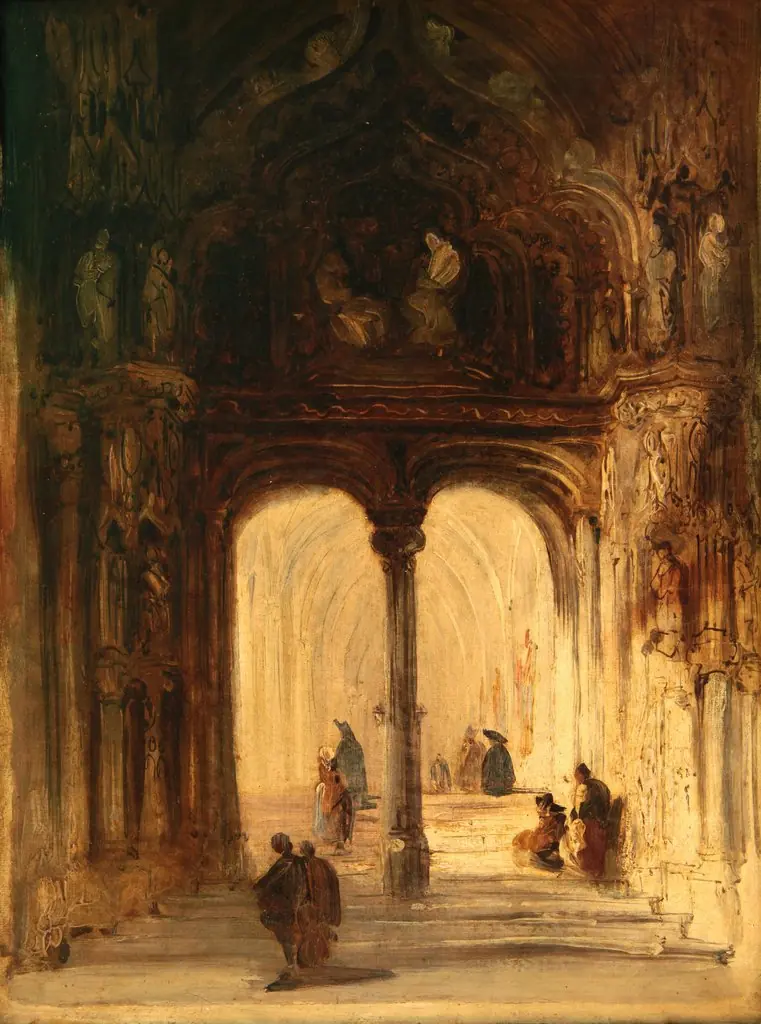 Interior de Iglesia
 Zwei Kircheninterieurs (Bildpaar). Kircheninterieur: Am Abend
 Puerta arabe (Fantasía sobre la Puerta de del Sol en Toledo)
 Interior of a Church
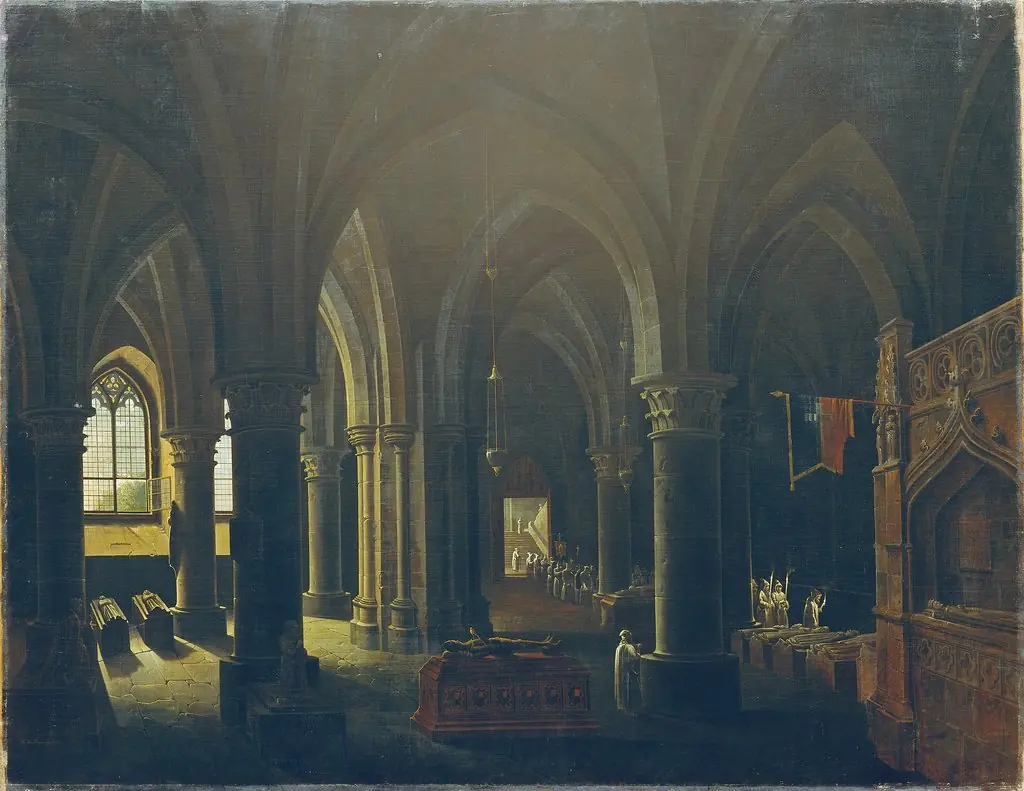 Gotisches Gruftgewölbe
 Cripta
 Julius Sabinus says goodbye to his family in the dungeon
 Interior of a church, the Viaticum