Artwork
Peasant Sitting at a Table, Smoking a Pipe
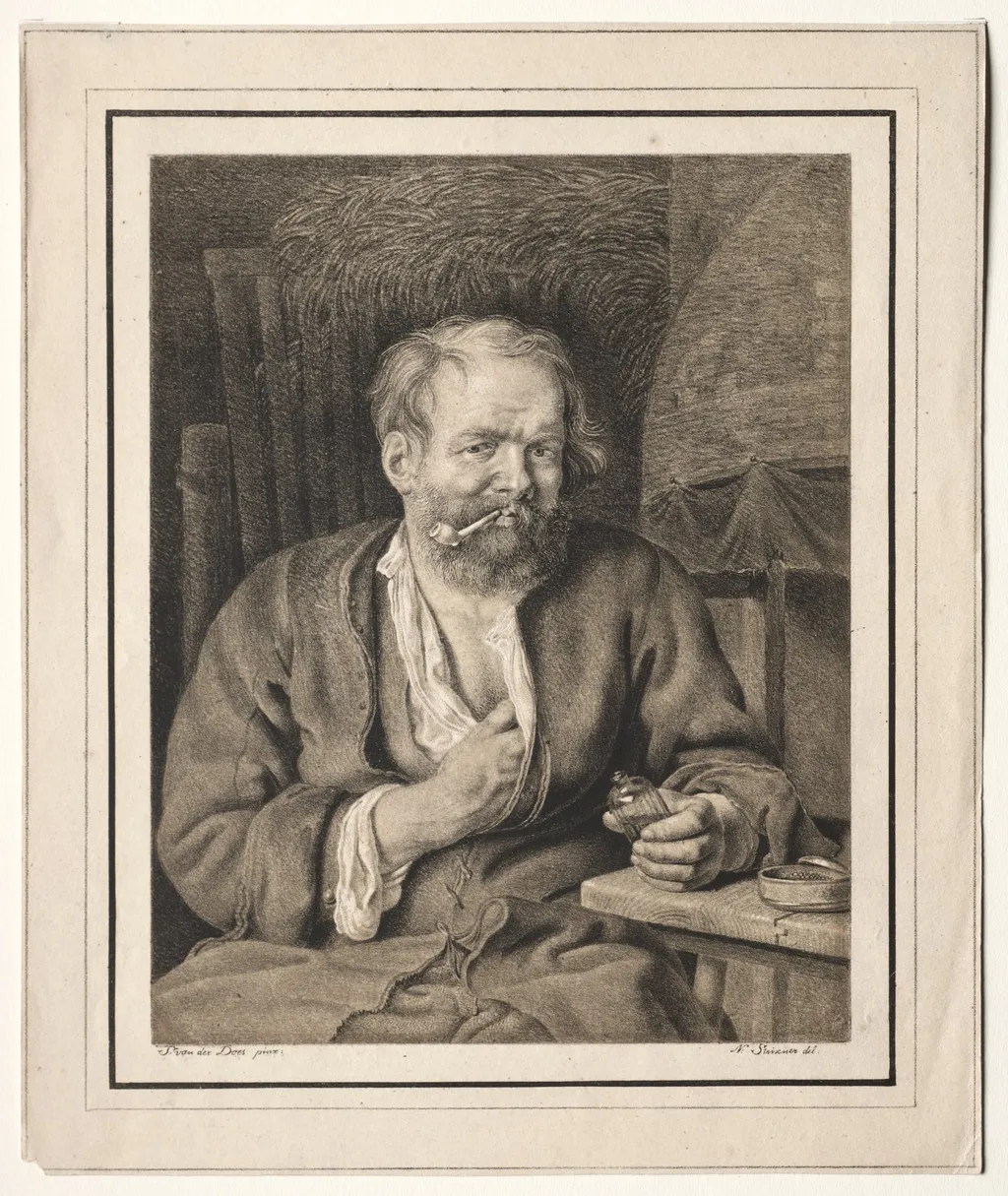
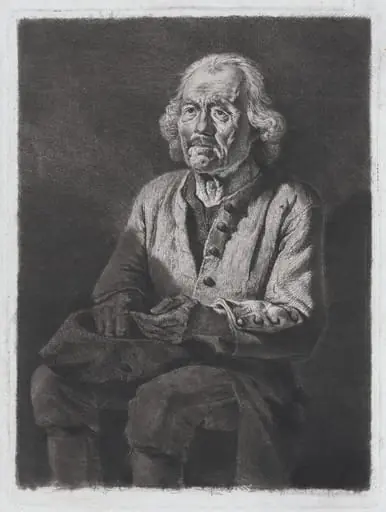
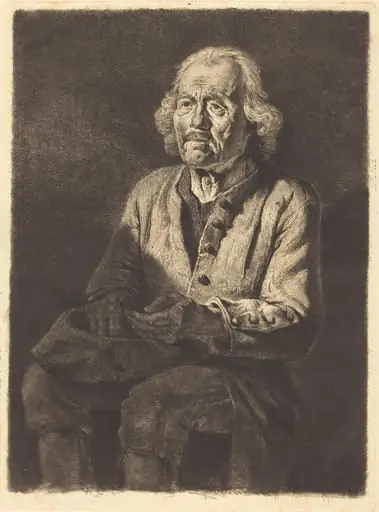
Peasant Sitting at a Table, Smoking a Pipe is a print by the Romanticist artist Johann Nepomuk Strixner. It dates from 1819 and is held in the collection of the Cleveland Museum of Art.
About this work
Overview
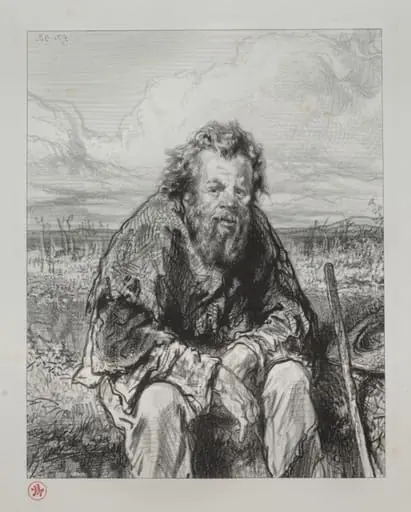
Created in 1819 by Johann Nepomuk Strixner, this print depicts a rural laborer seated at a modest table, engaged in the quiet act of smoking a pipe.
Created in 1819 by Johann Nepomuk Strixner, this print depicts a rural laborer seated at a modest table, engaged in the quiet act of smoking a pipe. Rendered in a restrained, observational style, the work captures a moment of stillness rather than narrative drama. It resides in the collection of The Cleveland Museum of Art, where it is valued for its unembellished portrayal of everyday rural life in early 19th-century Central Europe.
Subject & Meaning
The figure is a peasant, identifiable by his simple, worn clothing and unadorned surroundings. His posture is relaxed, his expression serene, suggesting a pause in labor rather than a staged pose. The absence of symbolic elements or moralizing tone implies an intent to document, not idealize or critique. The scene conveys dignity in routine, reflecting a growing interest in the lives of ordinary people during the period.
Technique & Style
Strixner employed a fine-line engraving technique, using delicate hatching to model form and texture. The composition is tightly framed, focusing attention on the figure’s face and hands, rendered with subtle tonal gradations. Background elements are minimized, enhancing the intimacy of the moment. The style aligns with emerging realist tendencies in printmaking, prioritizing observation over theatricality.
History & Provenance
The print was produced in 1819, during a period when Strixner was active in Bohemia, creating works that documented regional life. It entered The Cleveland Museum of Art’s collection in the 20th century, likely through a broader acquisition of European graphic arts. Its provenance prior to museum acquisition remains undocumented, though it was likely circulated among collectors interested in vernacular subjects.
Context
In the early 1800s, European artists increasingly turned to scenes of peasant life, influenced by social changes and the rise of Romantic nationalism. Strixner’s work fits within this trend, though it avoids sentimentality. Unlike grand historical paintings, this print reflects a quieter, more personal mode of representation, aligning with regional artistic practices that valued authenticity over idealization.
Legacy
Strixner’s print contributes to a modest but significant body of 19th-century graphic art that elevated everyday rural existence as worthy of artistic attention. While not widely known today, it stands as a quiet testament to the growing recognition of common life in visual culture. Its preservation in a major museum underscores its role as a historical record of social observation in print.
Artist & collection