Artwork
Bauern beim Sammeln von Holz
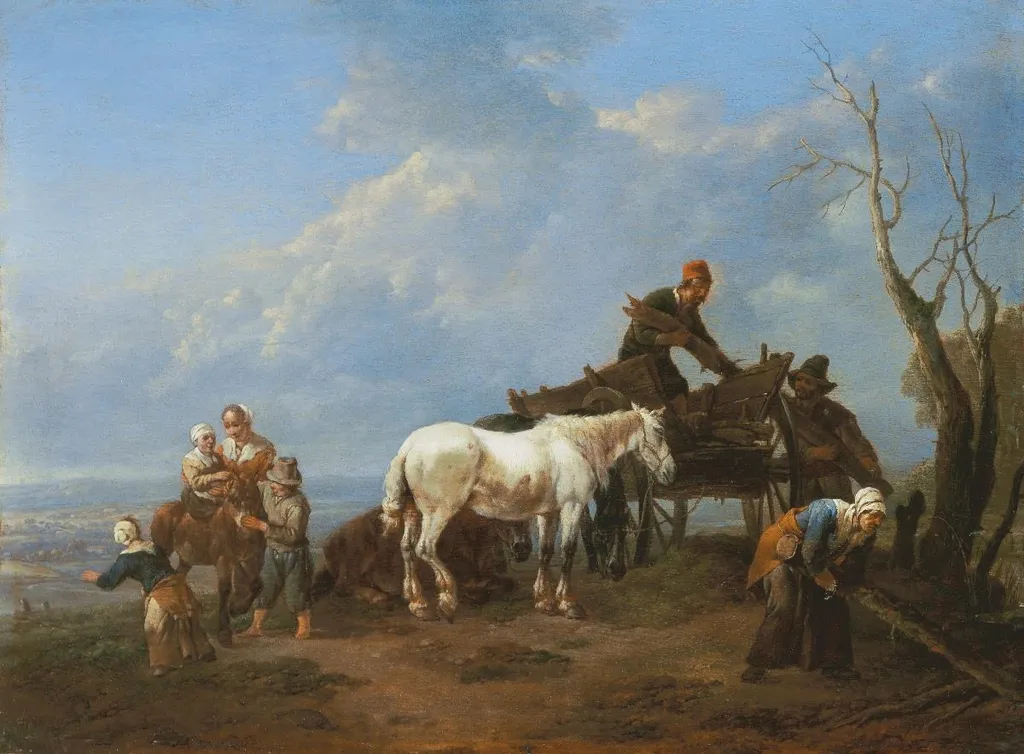
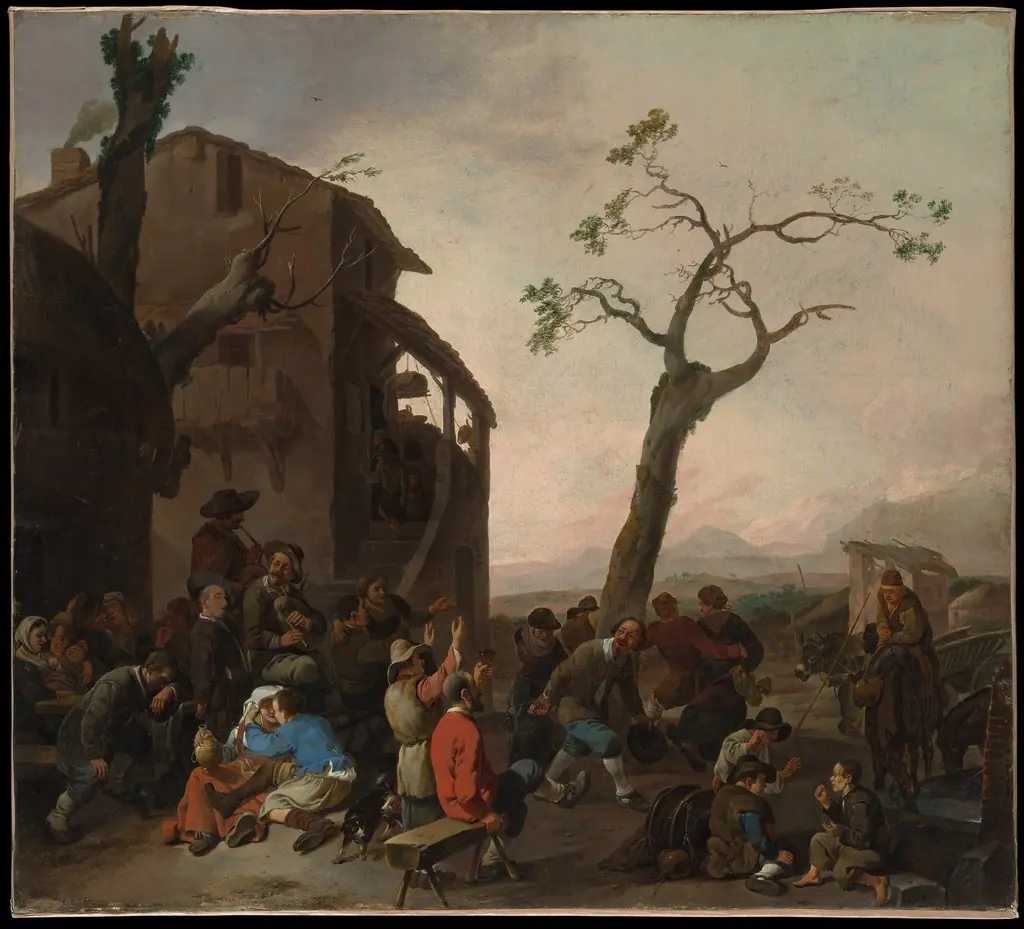
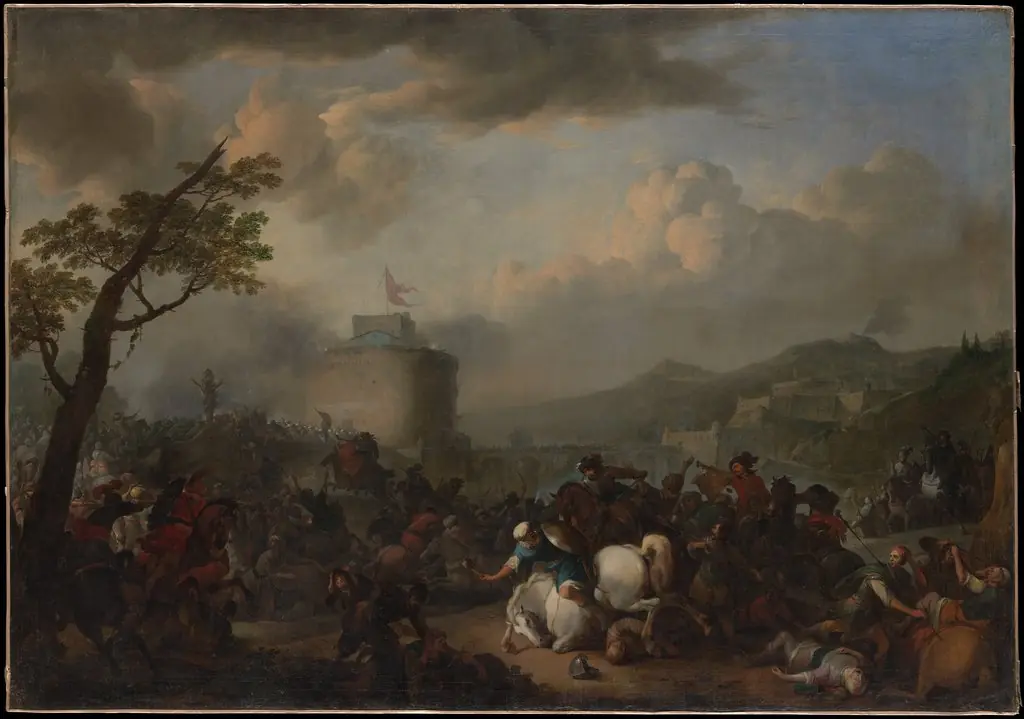
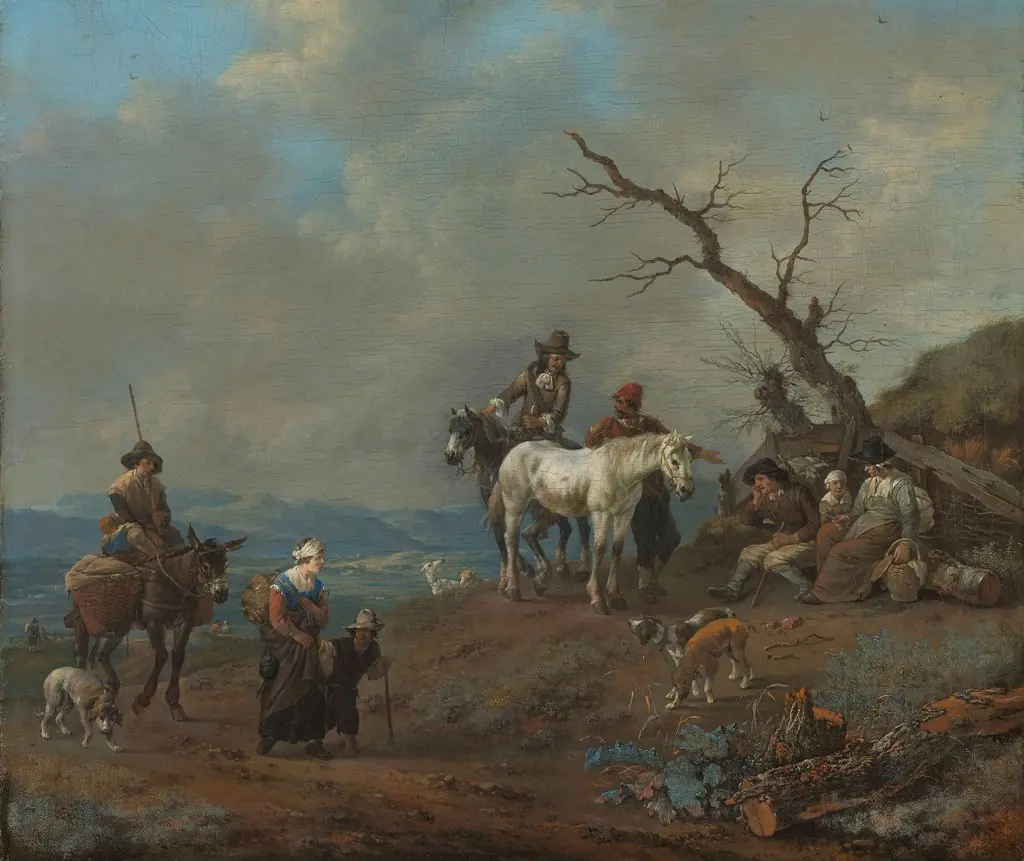
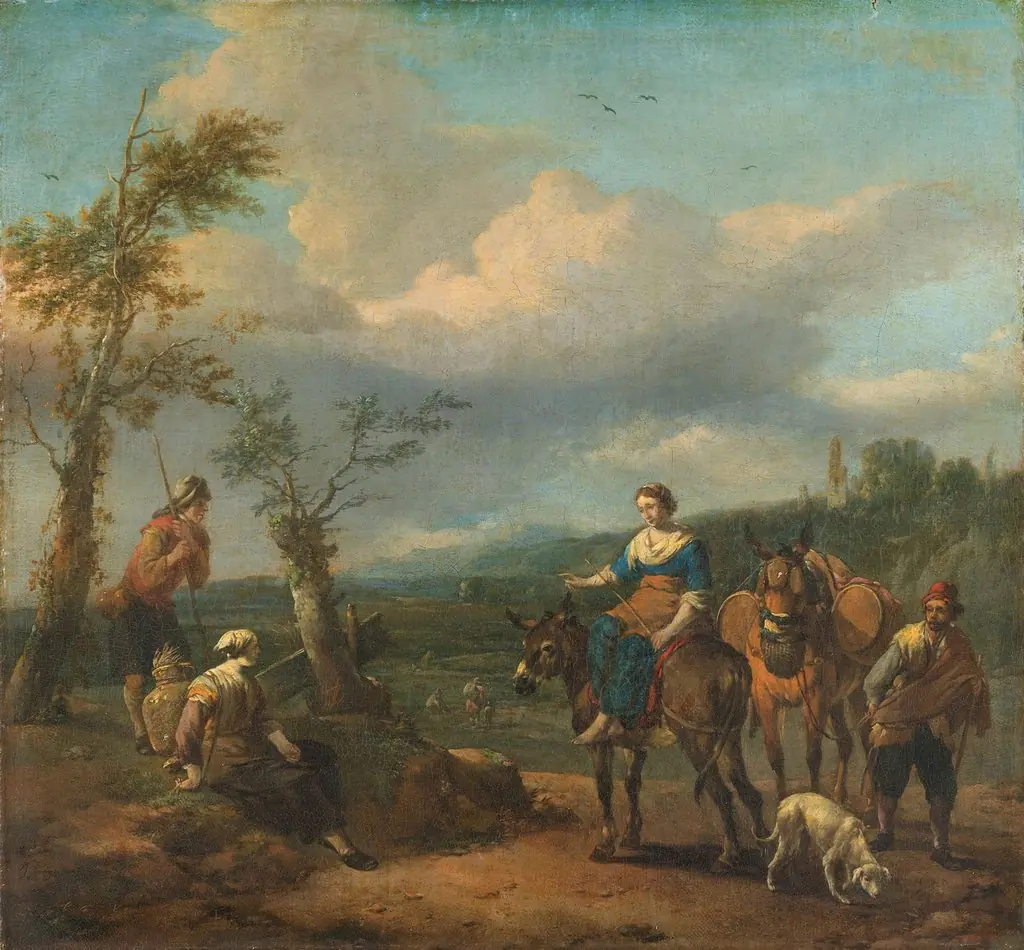
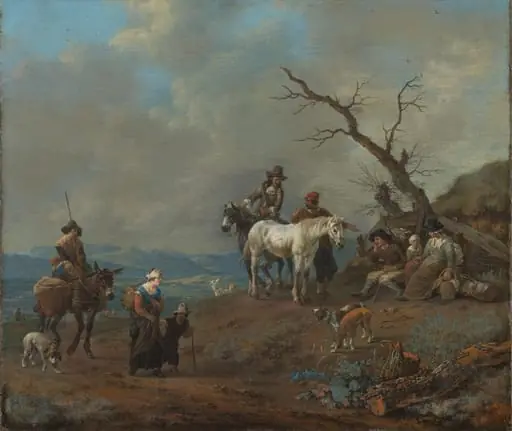
Bauern beim Sammeln von Holz is an oil painting by Johannes Lingelbach. It dates from 1660 and is held in the collection of the Kunsthaus Zürich.
About this work
Overview
The painting is part of the Kunsthaus Zürich collection, where it stands as an example of genre painting that prioritizes observation over narrative drama.
Painted in 1660 by Johannes Lingelbach, this oil-on-canvas work captures a quiet moment of rural labor in the Dutch tradition. Though Lingelbach was active in Rome and associated with the Bambocciate, this scene reflects a Northern European sensibility. The painting is part of the Kunsthaus Zürich collection, where it stands as an example of genre painting that prioritizes observation over narrative drama.
Subject & Meaning
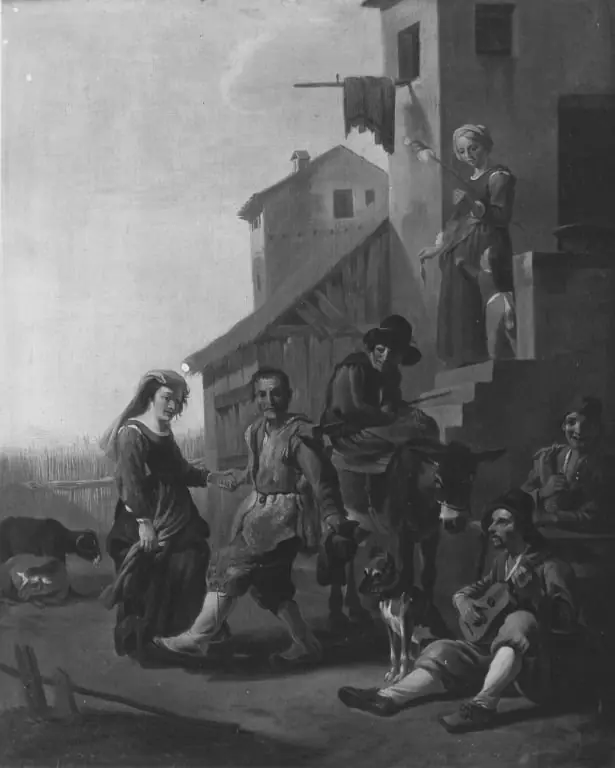
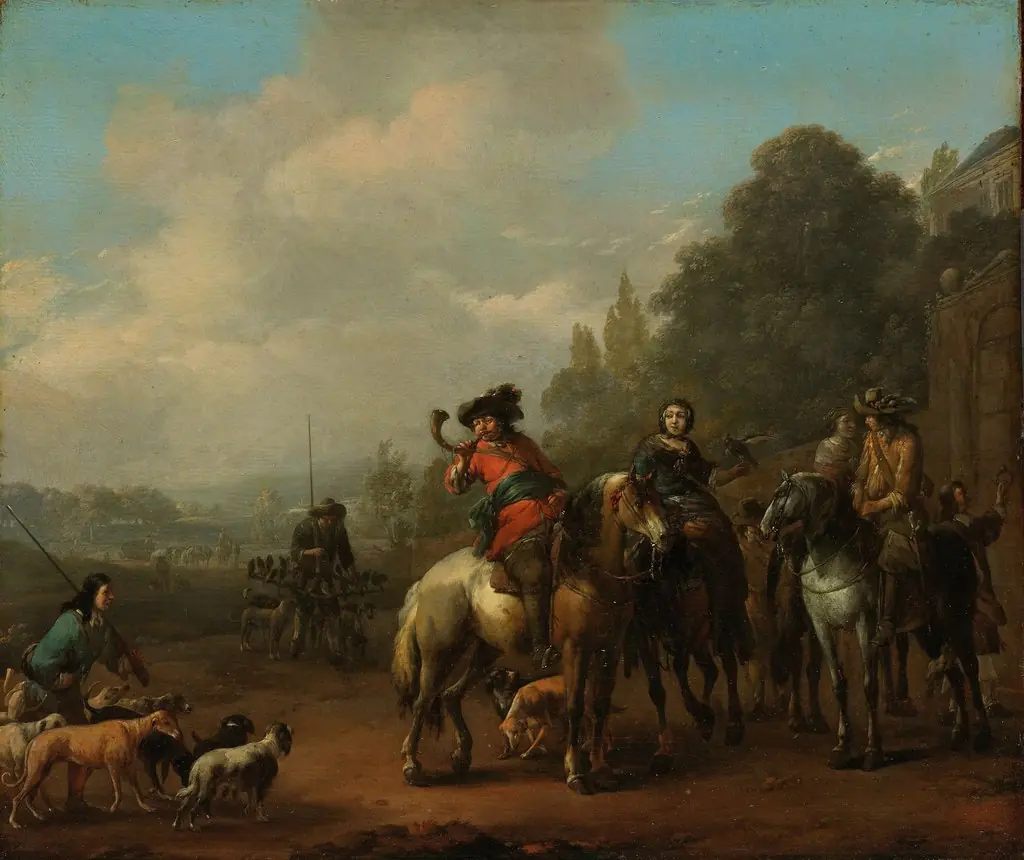
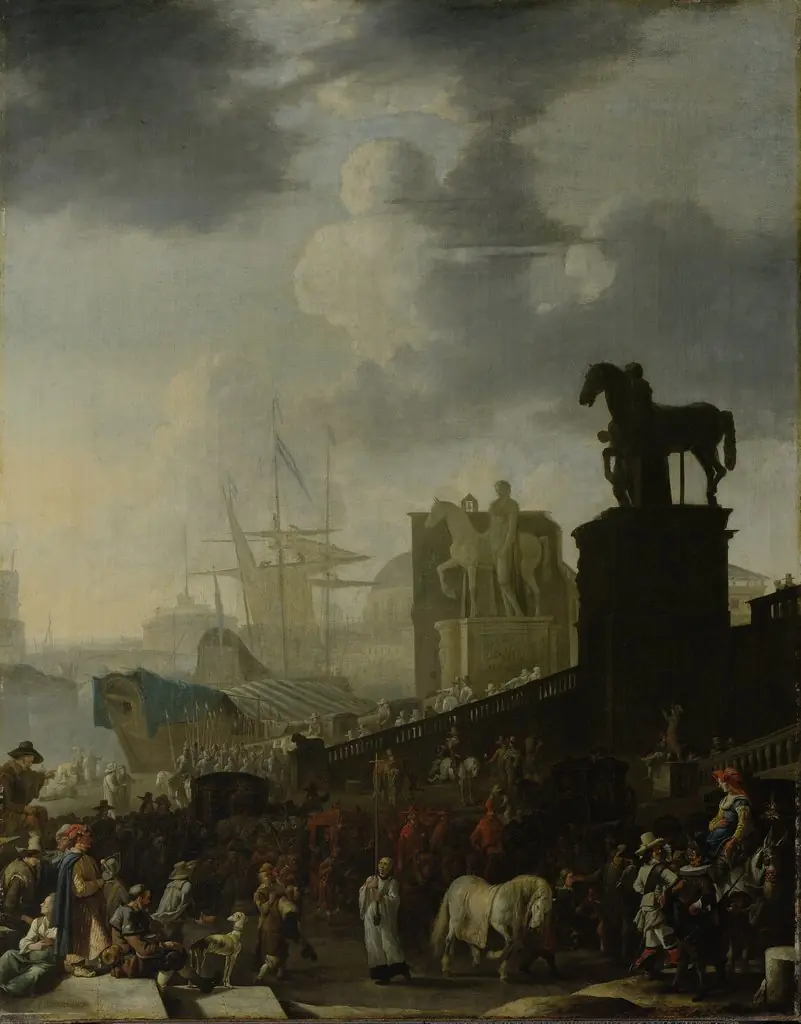
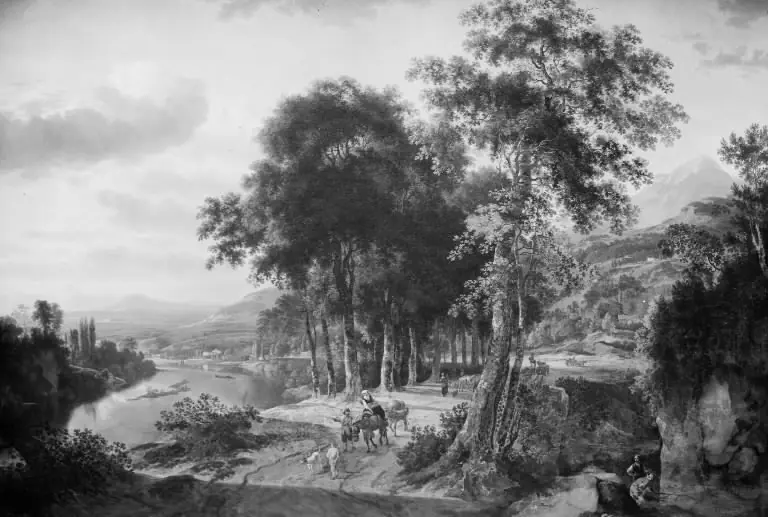
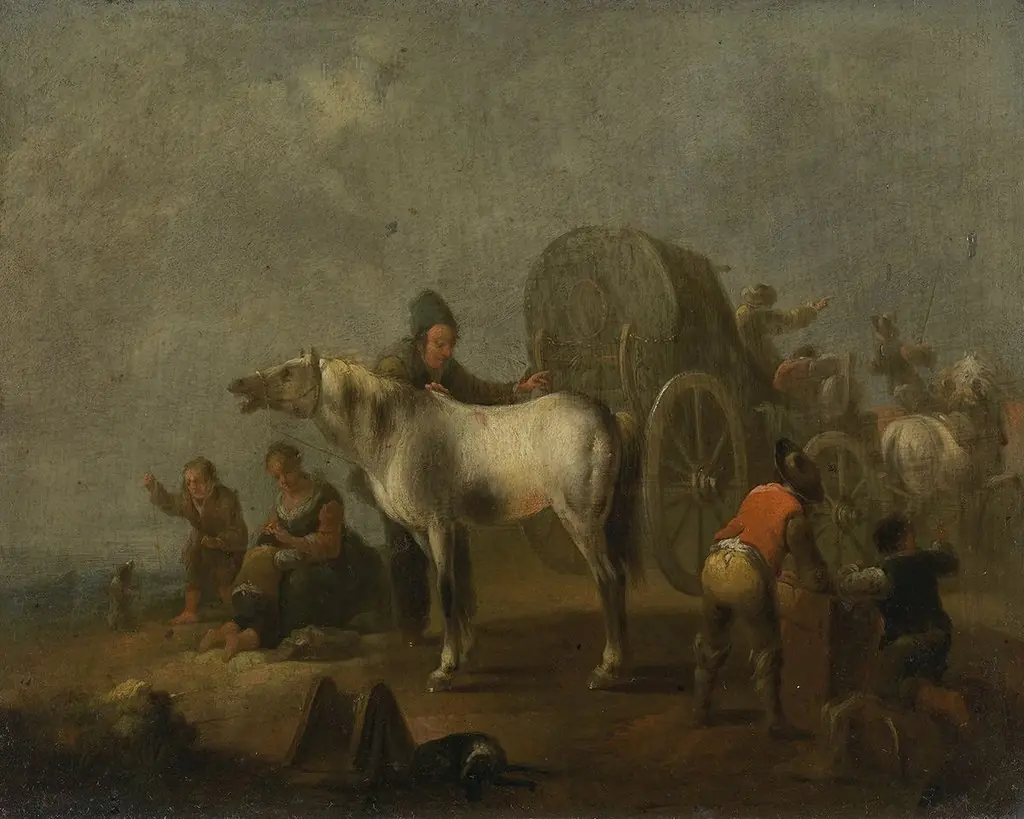
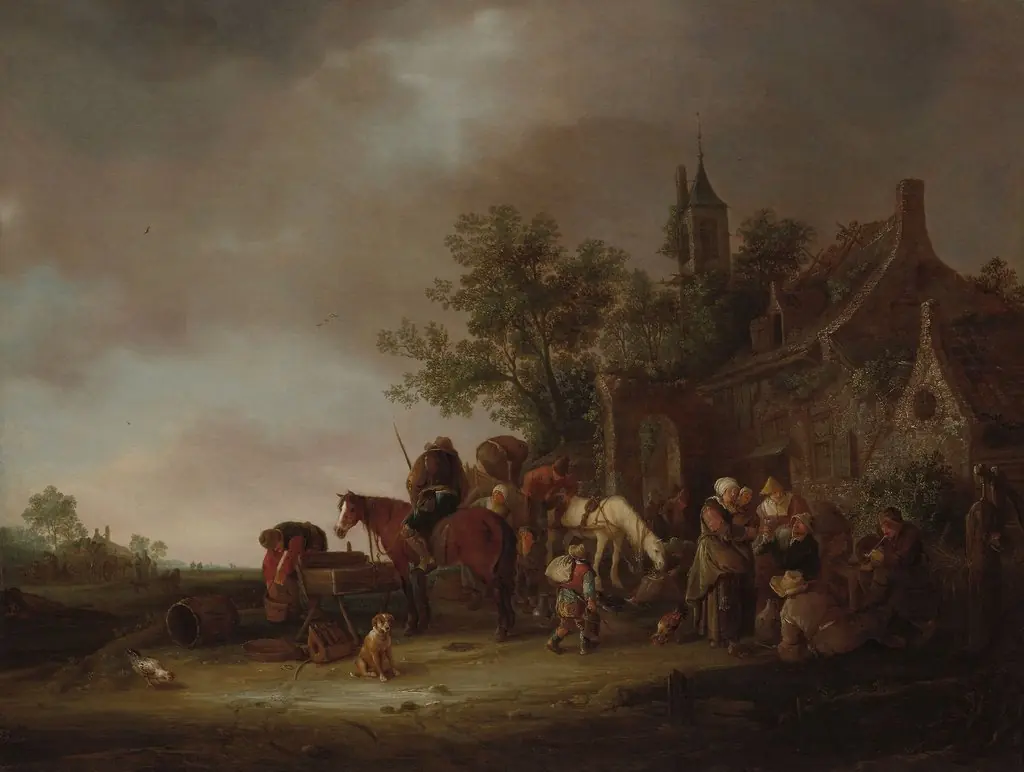
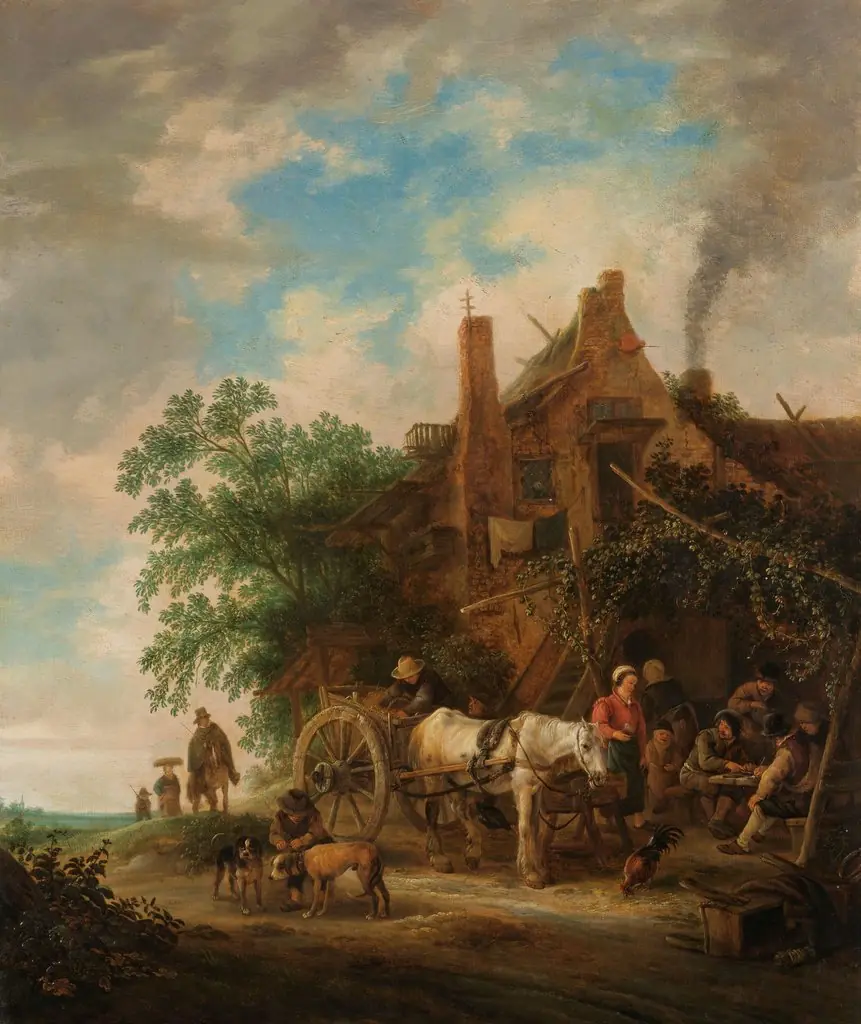
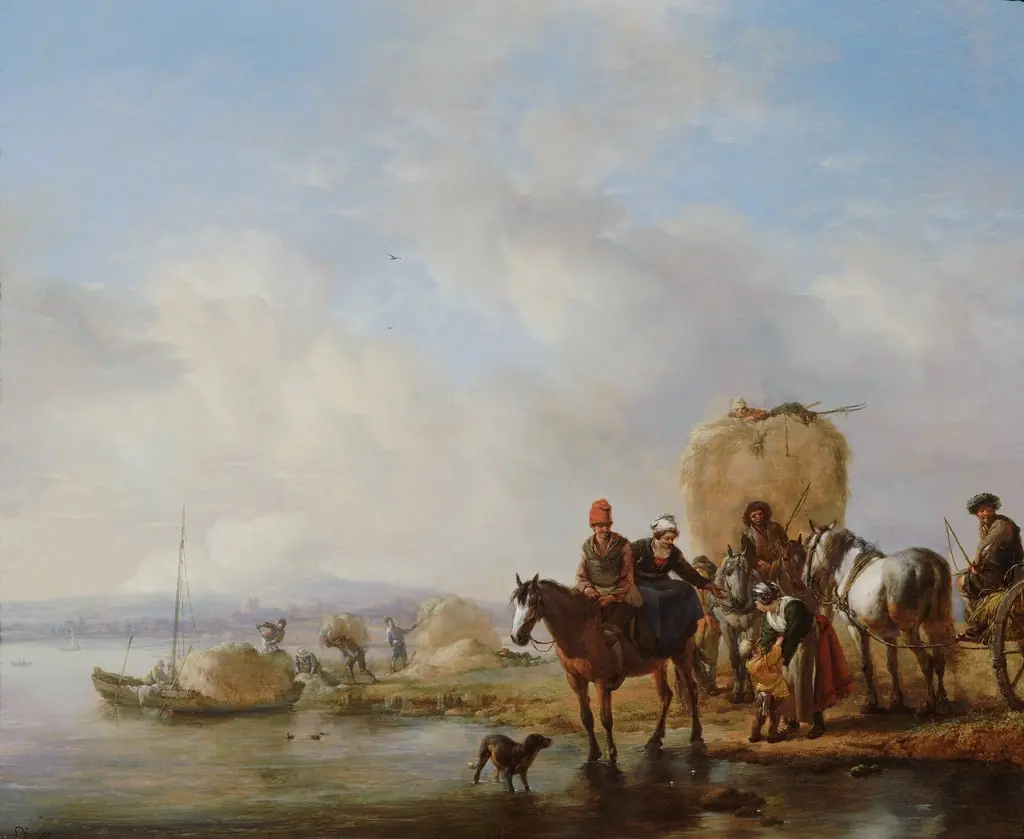
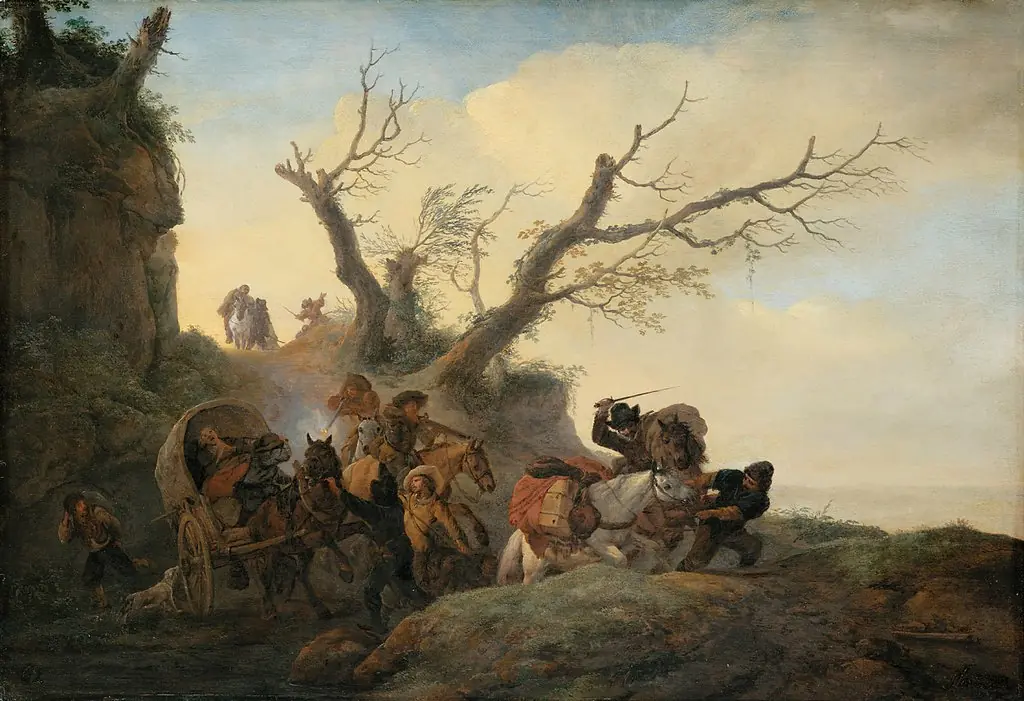
The scene portrays peasants gathering firewood, a common subsistence task in early modern Europe. Figures cluster around a horse-drawn cart, some resting, others arranging wood, suggesting a pause in labor rather than its peak. The absence of overt hardship or idealization points to an unembellished view of peasant life, aligned with the Bambocciate’s interest in unvarnished daily routines.
Technique & Style
Lingelbach employs soft, atmospheric brushwork to render the landscape and figures with subtle tonal variation. The sky, rendered in pale blues and whites, recedes gently behind the central group, enhancing spatial depth. Figures are rendered with modest detail, avoiding theatricality; their postures and interactions feel spontaneous, reinforcing the painting’s quiet realism.
History & Provenance
The painting entered the Kunsthaus Zürich collection in the 20th century, though its earlier ownership remains undocumented. Lingelbach’s time in Rome influenced his approach to genre scenes, but this work’s subject and composition align more closely with Dutch traditions. Its survival and preservation reflect its status as a representative example of mid-17th-century genre painting.
Context
While Lingelbach was part of a Roman circle known for depicting lower-class life, this painting diverges from the Italianate settings typical of the Bambocciate. Instead, it echoes Dutch landscape and genre traditions, suggesting either a return to Northern themes or a synthesis of influences. Such works were valued for their truthful, if unheroic, portrayal of common existence.
Legacy
The painting contributes to the broader understanding of how Northern artists adapted Italian genre conventions without abandoning their own visual language. Lingelbach’s work, though less celebrated than contemporaries like Rembrandt, offers insight into the cross-cultural exchange within 17th-century European painting and the quiet persistence of rural labor as a subject.
Artist & collection
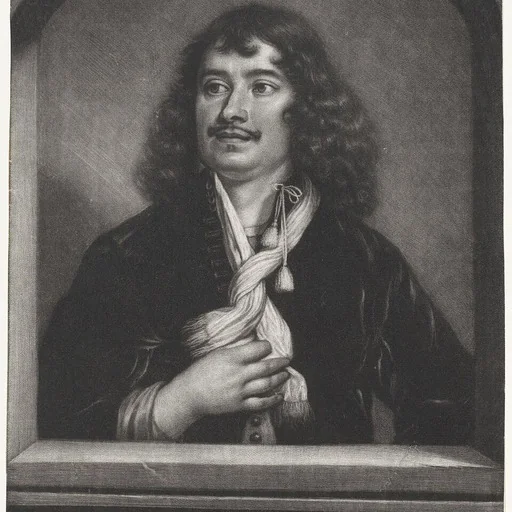
Artist
Johannes (or Johann) Lingelbach (1622 – 3 November 1674) was a Dutch Golden Age painter, associated with the second generation of Bambocciate, a group of genre painters working in Rome from 1625–1700.