Artwork
The Rape of Proserpine
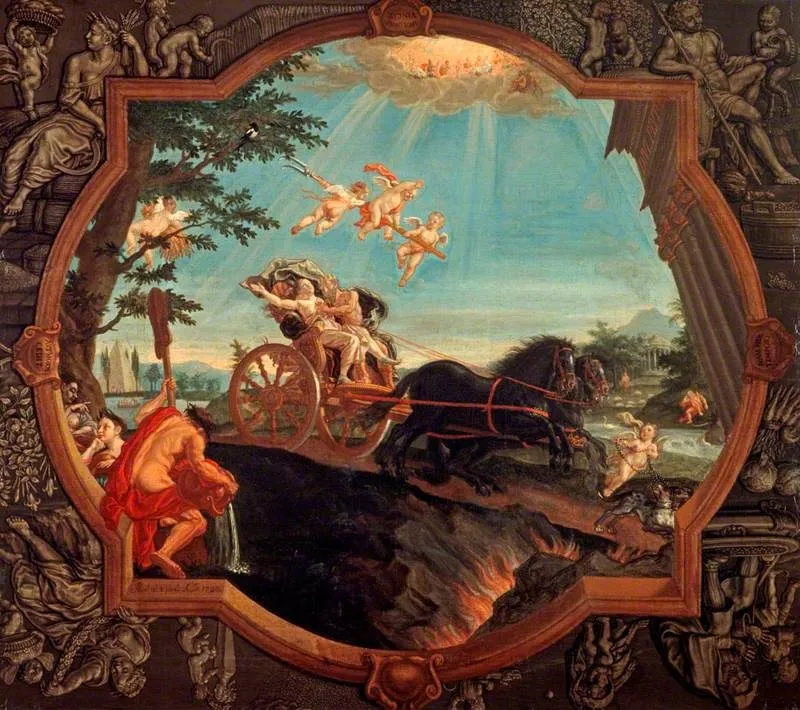
The Rape of Proserpine is an oil painting by the Barbizon school artist John Alexander. It dates from 1720 and is held in the collection of the National Galleries Scotland.
About this work
Overview
It resides in the Scottish National Gallery, where it represents early 18th-century British engagement with mythological themes.
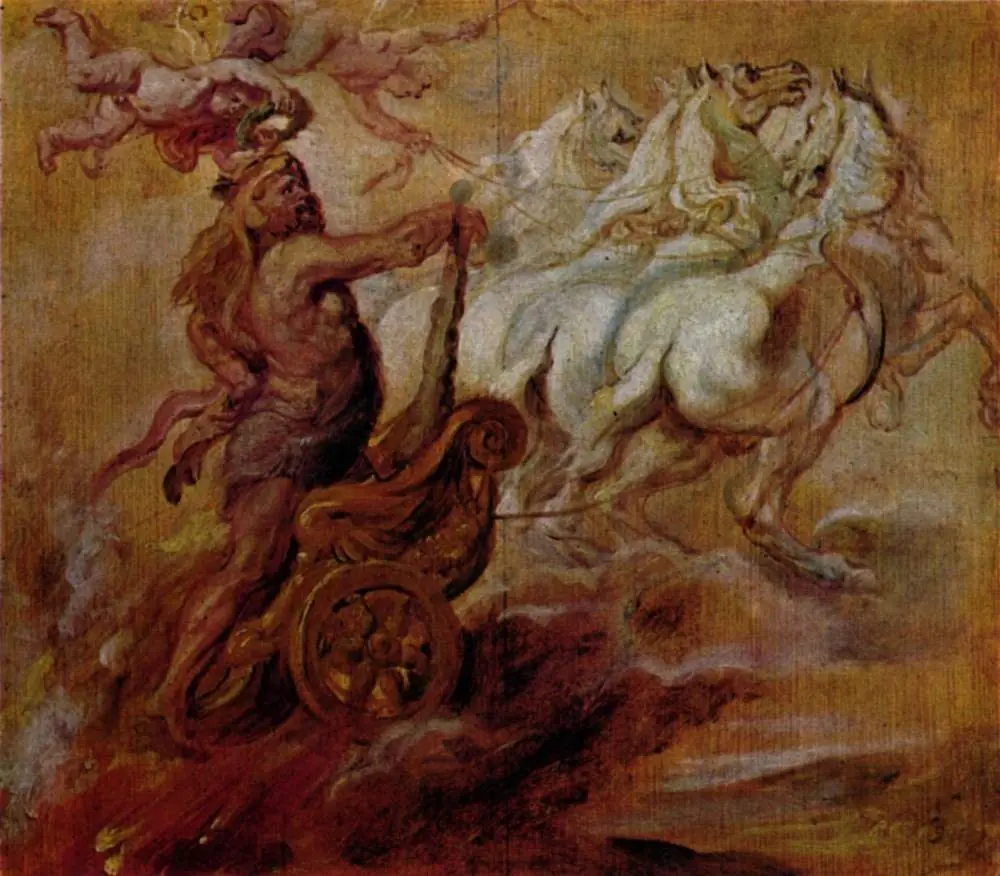
Painted in 1720 by John Alexander, The Rape of Proserpine is an oil-on-canvas work depicting a moment from classical mythology. It resides in the Scottish National Gallery, where it represents early 18th-century British engagement with mythological themes. The composition centers on a dynamic chariot scene, rendered with careful attention to movement and spatial depth, characteristic of the period’s narrative painting traditions.
Subject & Meaning
The painting illustrates the abduction of Proserpine by Pluto, a mythological event symbolizing the transition between life and the underworld. Figures surround the chariot, conveying urgency and divine intervention. The scene reflects Enlightenment-era interest in classical narratives, not as mere decoration but as moral and cosmological allegory, aligning with broader European artistic currents of the time.
Technique & Style
Alexander employed oil paint to achieve subtle tonal transitions and textured surfaces, particularly in the rendering of fabric, skin, and horse anatomy. The palette is restrained, dominated by earthy browns and cool blues, enhancing the somber gravity of the moment. Brushwork is controlled rather than flamboyant, emphasizing clarity of form over dramatic flourish, typical of British academic painting in the early 1700s.
History & Provenance
The painting entered the collection of the Scottish National Gallery in the 19th century, likely through a private donation or institutional acquisition. Its presence there suggests it was valued as an example of Scottish artistic production during a period when local painters were increasingly engaging with continental traditions. No significant records of earlier ownership or exhibition history are widely documented.
Context
Created during the height of British interest in classical antiquity, the work aligns with a broader trend of mythological subjects in academic painting. While Italian and French artists often treated such themes with grandeur, Alexander’s version reflects a more restrained, northern European sensibility. The painting’s modest scale and muted tones distinguish it from the more theatrical treatments common in Rome or Paris at the time.
Legacy
Though not widely known outside institutional circles, The Rape of Proserpine remains a representative example of early 18th-century British mythological painting. It contributes to the understanding of how classical narratives were adapted in provincial artistic contexts, offering insight into the transmission of European stylistic conventions beyond major metropolitan centers.
Artist & collection
Artist
John Alexander painted grand scenes from classical myths using oil paint in the early 1700s.

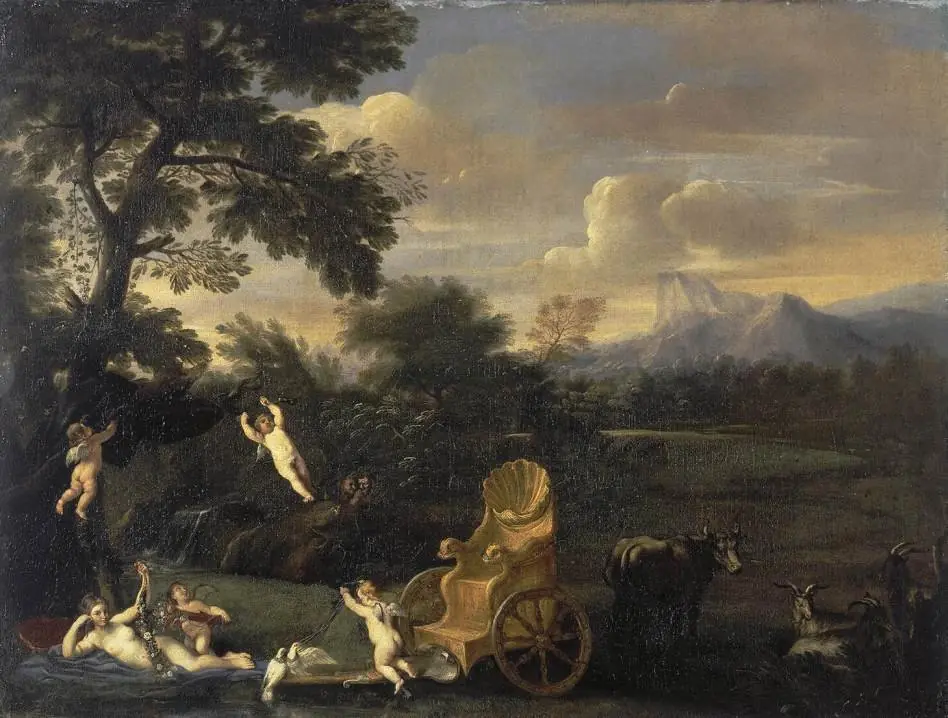 Venus at Rest
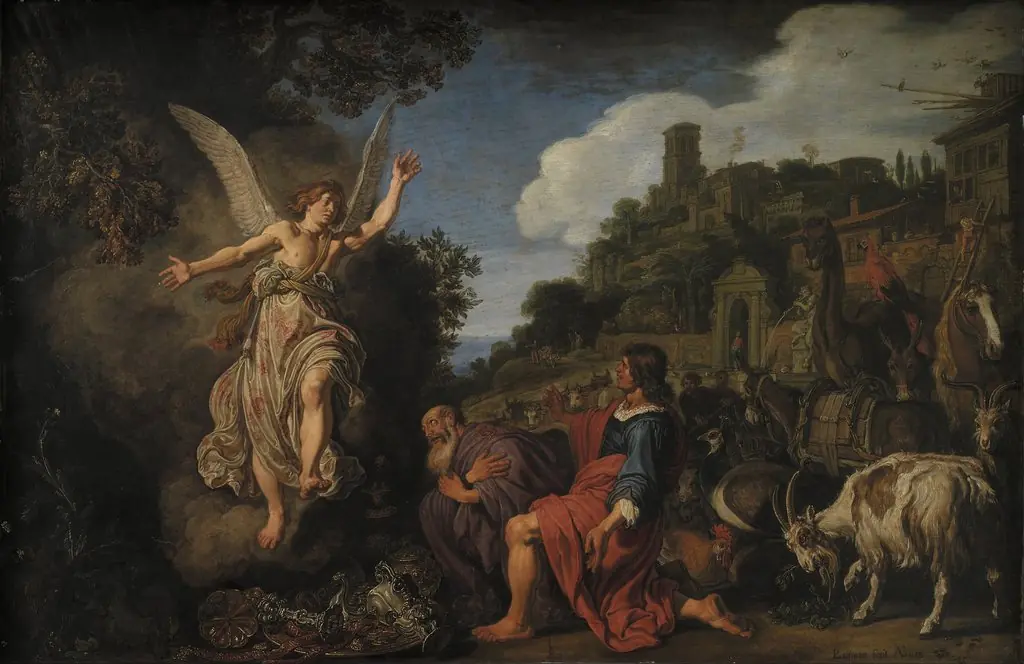 The Angel Raphael Takes Leave of Old Tobit and his Son Tobias
 The Angel Raphael Takes Leave of Old Tobit and his Son Tobias
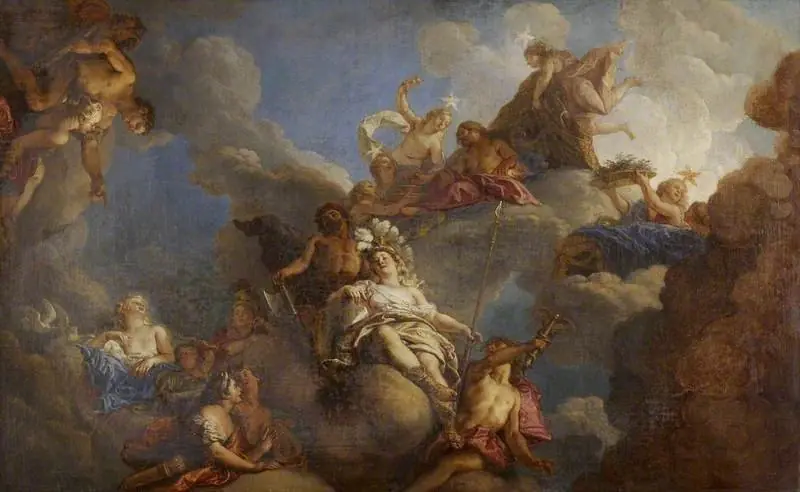 The Triumph of Minerva
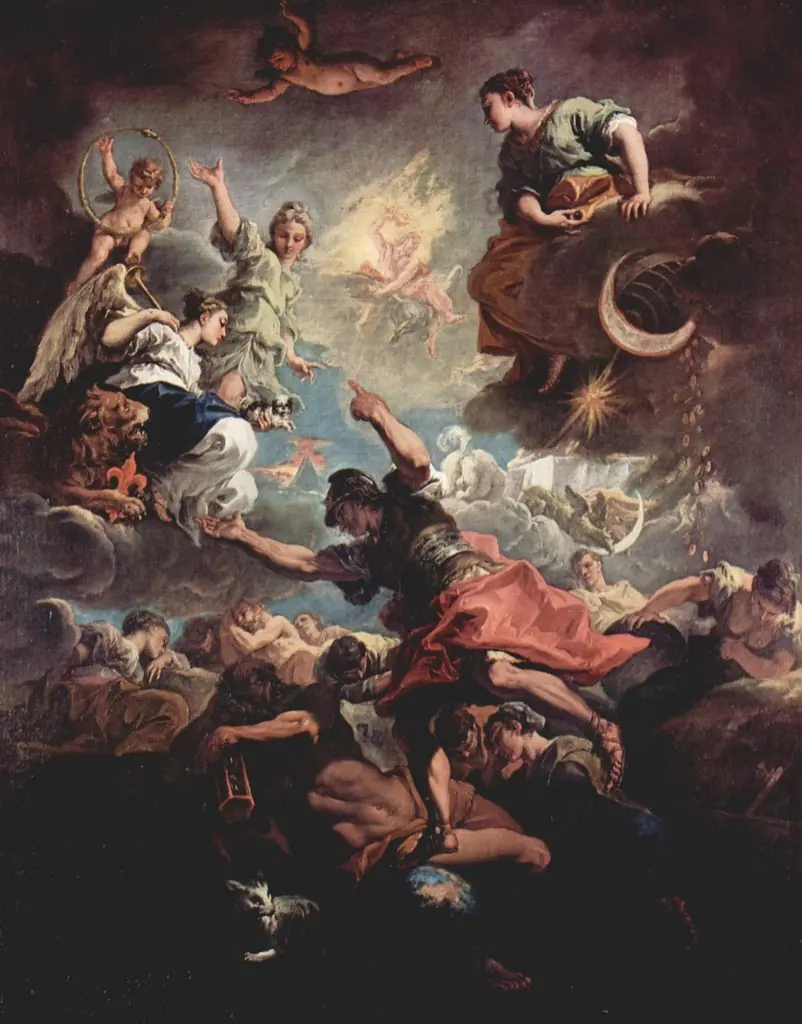 Allegory of Tuscany
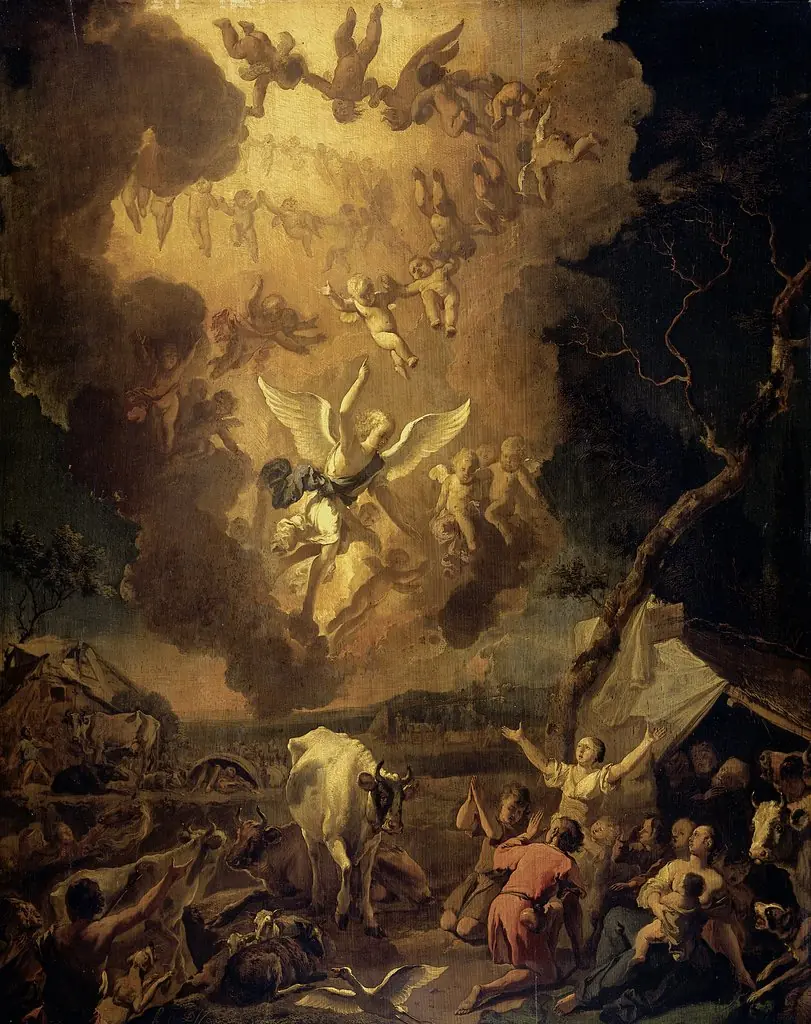 The annunciation to the shepherds
 The Annunciation to the Shepherds
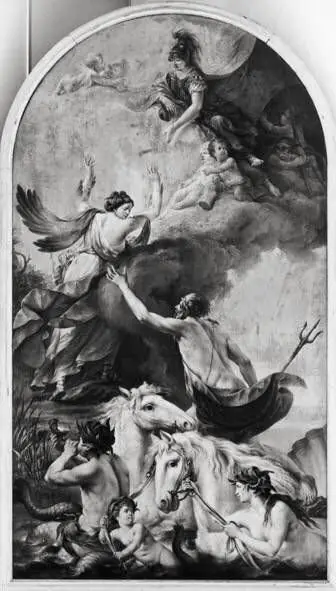 Neptun und Koronis
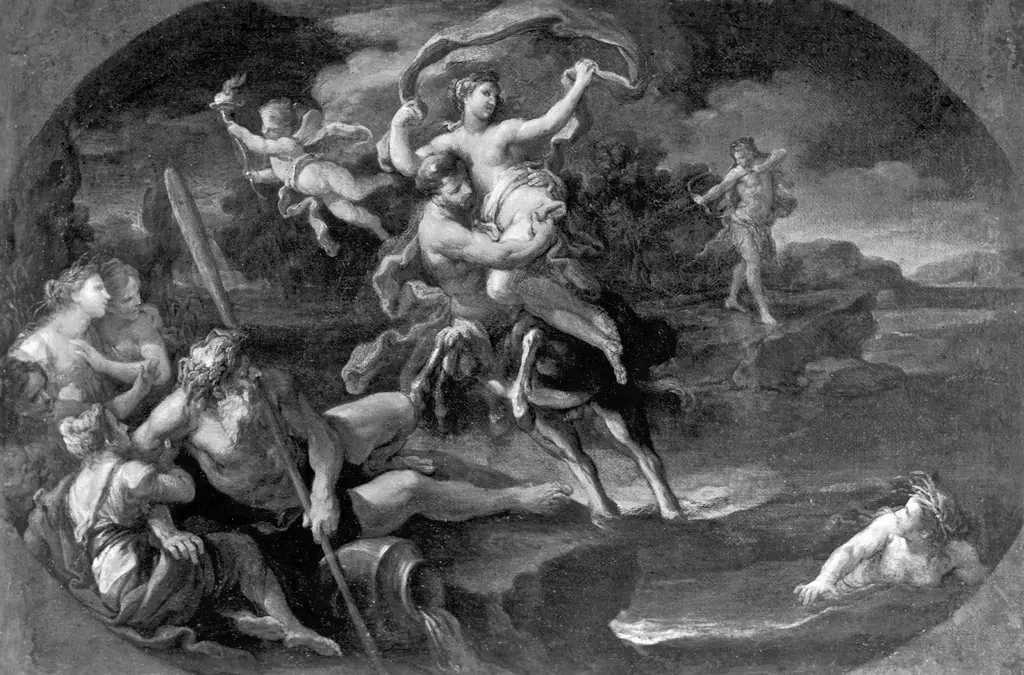 The Abduction of Deianira
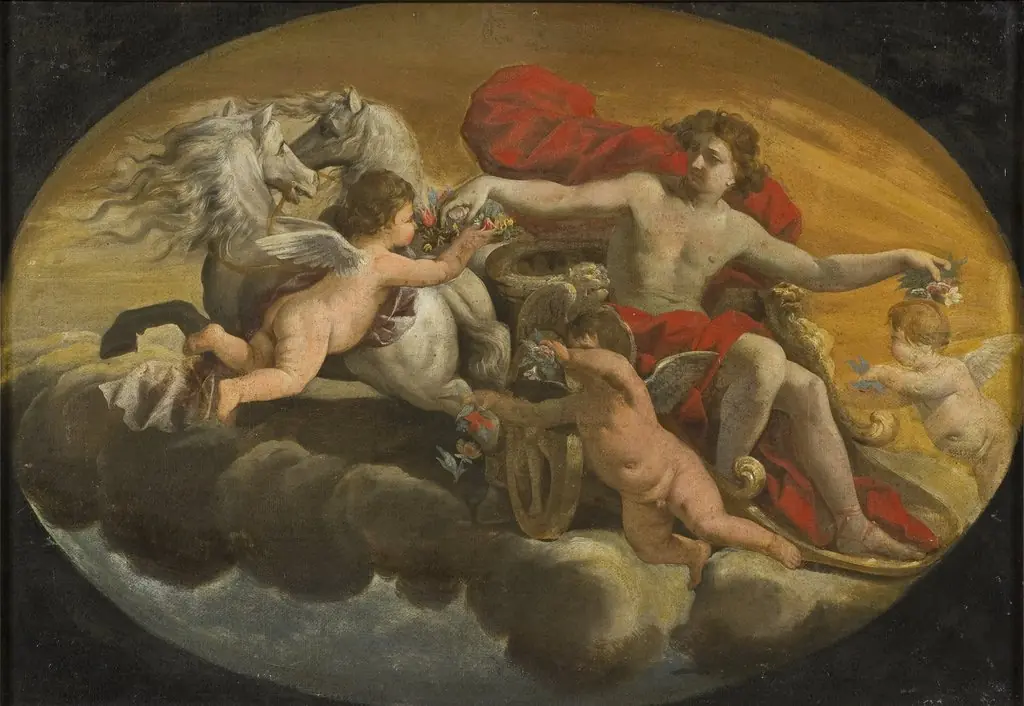 The Chariot of Phoebus
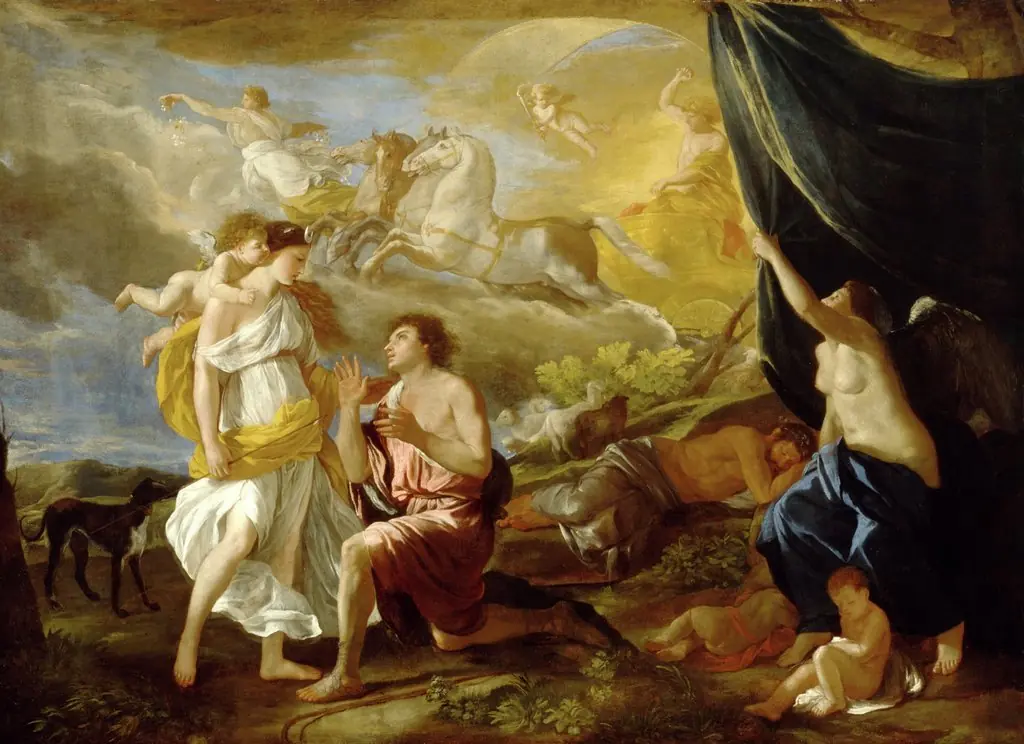 Selene and Endymion
 The Apotheosis of Hercules (sketch for Torre de la Parada)