Artwork
Portrait of George Moore (1852-1933), Novelist
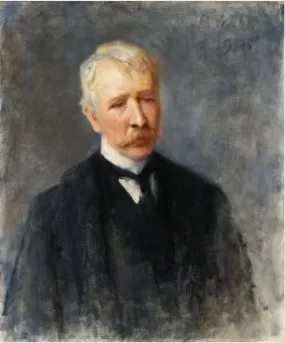
Portrait of George Moore (1852-1933), Novelist is an oil painting by the Post-Impressionist artist John Butler Yeats. It dates from 1905 and is held in the collection of the National Gallery of Ireland.
About this work
Overview
The work reflects a shift toward expressive realism, departing from rigid academic conventions in favor of personal observation and tactile brushwork.
Painted in 1905, this oil portrait captures the Irish writer George Moore, a prominent literary figure of the late 19th and early 20th centuries. The artist, John Butler Yeats, was an Irish portraitist and the father of poets and artists W. B. Yeats and Jack B. Yeats. The work reflects a shift toward expressive realism, departing from rigid academic conventions in favor of personal observation and tactile brushwork.
Subject & Meaning
George Moore, known for his novels exploring Irish identity and modernist themes, is rendered with quiet intensity. His composed posture and direct gaze suggest introspection rather than performative authority. The absence of contextual elements isolates him as a figure of intellectual presence, aligning with his reputation as a candid, often controversial voice in literature. The portrait emphasizes character over circumstance.
Technique & Style
Yeats employed loose, visible brushstrokes, particularly around the face and hands, to convey texture and warmth. The background, a muted gray, recedes softly, enhancing the subject’s three-dimensionality. Light falls subtly across the skin, creating a gentle contrast without dramatic chiaroscuro. The palette is restrained, favoring earth tones and neutral grays, reinforcing the portrait’s psychological gravity over decorative flourish.
History & Provenance
Commissioned during Moore’s active literary years, the painting remained in private hands for decades before entering a public collection. It reflects the close cultural ties between Irish artists and writers of the time. Though not widely exhibited in Yeats’s lifetime, its significance grew alongside renewed interest in Irish modernism in the mid-20th century.
Context
Created during a period when European portraiture was moving away from formalism, Yeats’s approach aligned with broader post-impressionist tendencies—emphasizing emotional truth over idealized representation. Moore, a friend and correspondent of artists like Whistler and Degas, inhabited a transnational artistic circle, making this portrait a quiet testament to cross-disciplinary intellectual exchange in fin-de-siècle Europe.
Legacy
The portrait endures as a key example of Yeats’s mature style, illustrating his ability to merge psychological depth with painterly freedom. It contributes to the understanding of Irish cultural identity beyond nationalism, highlighting the quiet dignity of literary figures in a rapidly changing artistic landscape. Its restrained aesthetic continues to inform discussions on portraiture as a medium of inner life.
Artist & collection
Artist
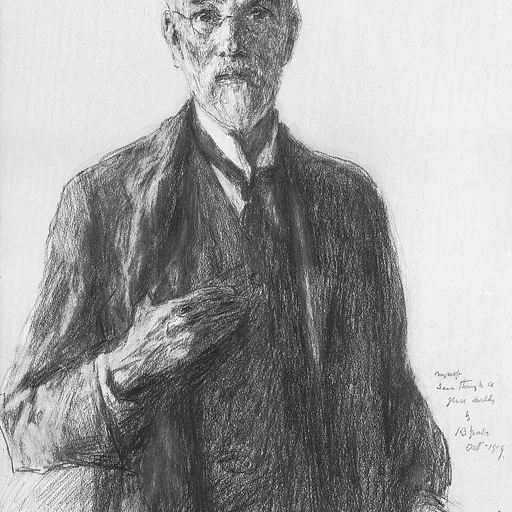
John Butler Yeats RHA (16 March 1839 – 3 February 1922) was an Irish artist and the father of W.

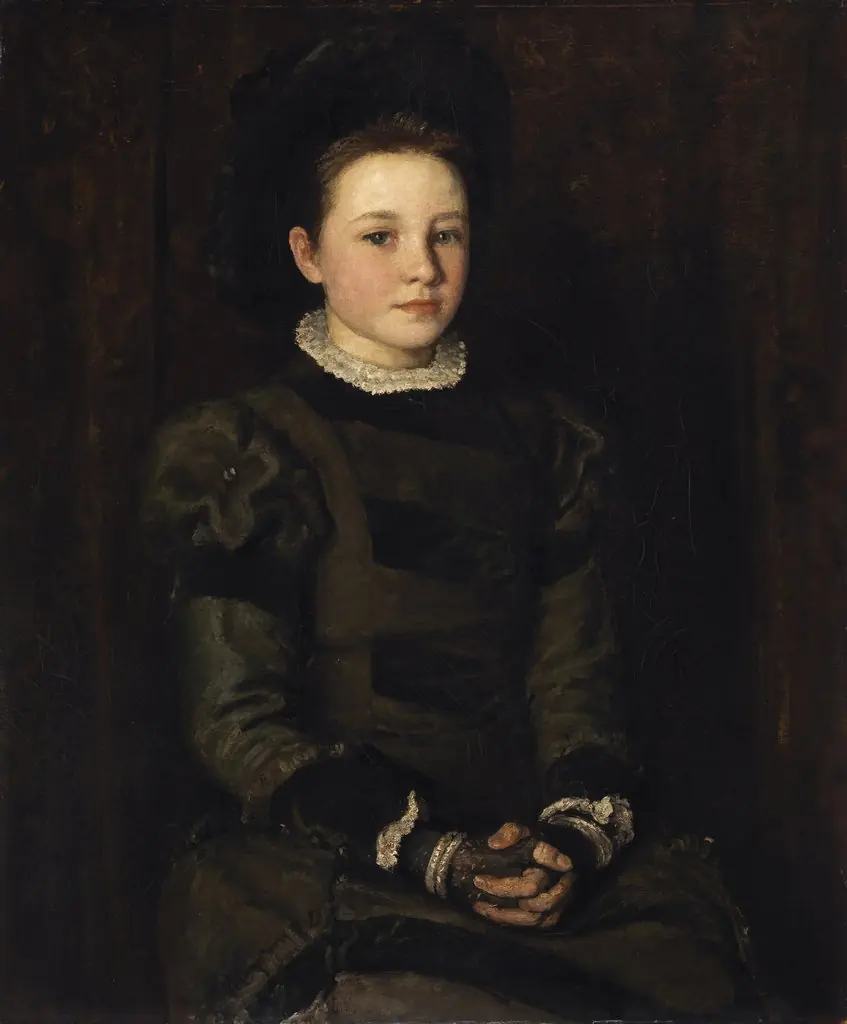 Portrait of Hester Dowden as a Child
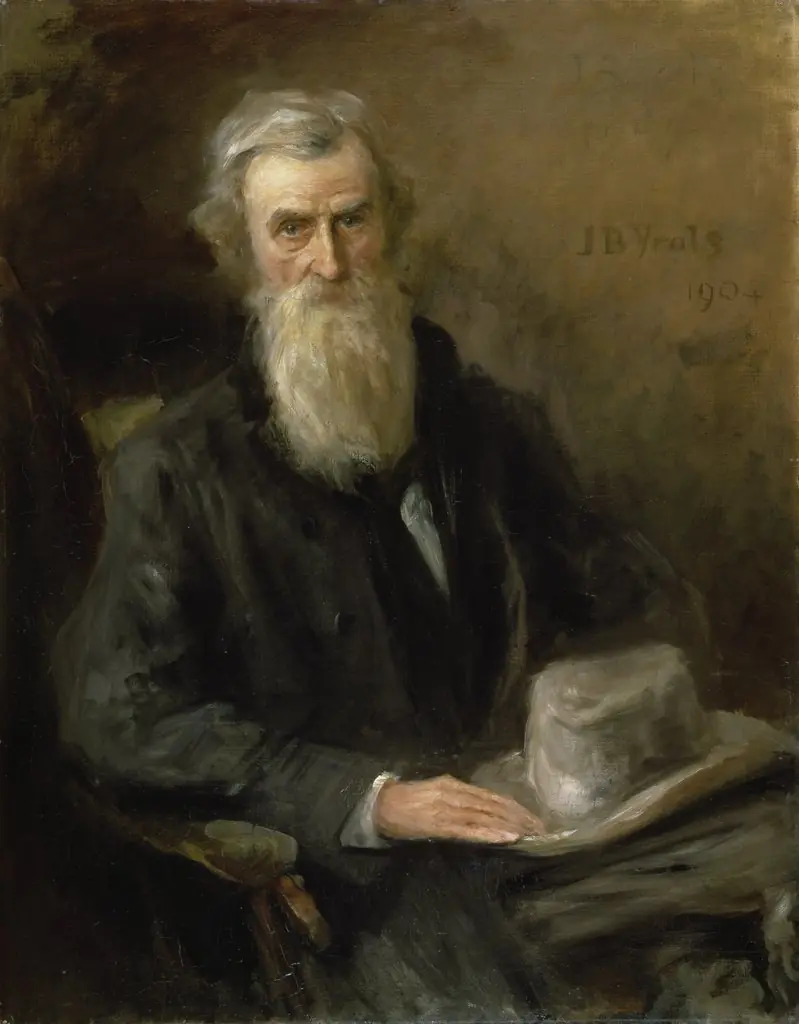 Portrait of John O'Leary (1830-1907), Nationalist and Journalist
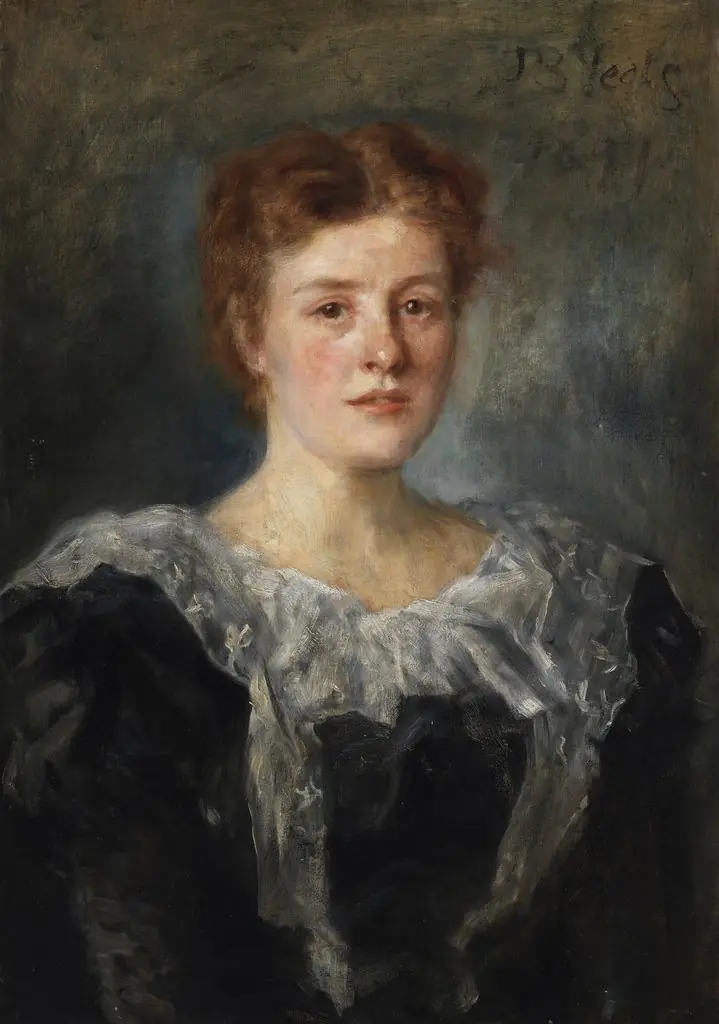 Portrait of Susan Mitchell (1866-1926), Poet
 Portrait of The Artist's Wife, Susan Mary Pollexfen (1841-1900)
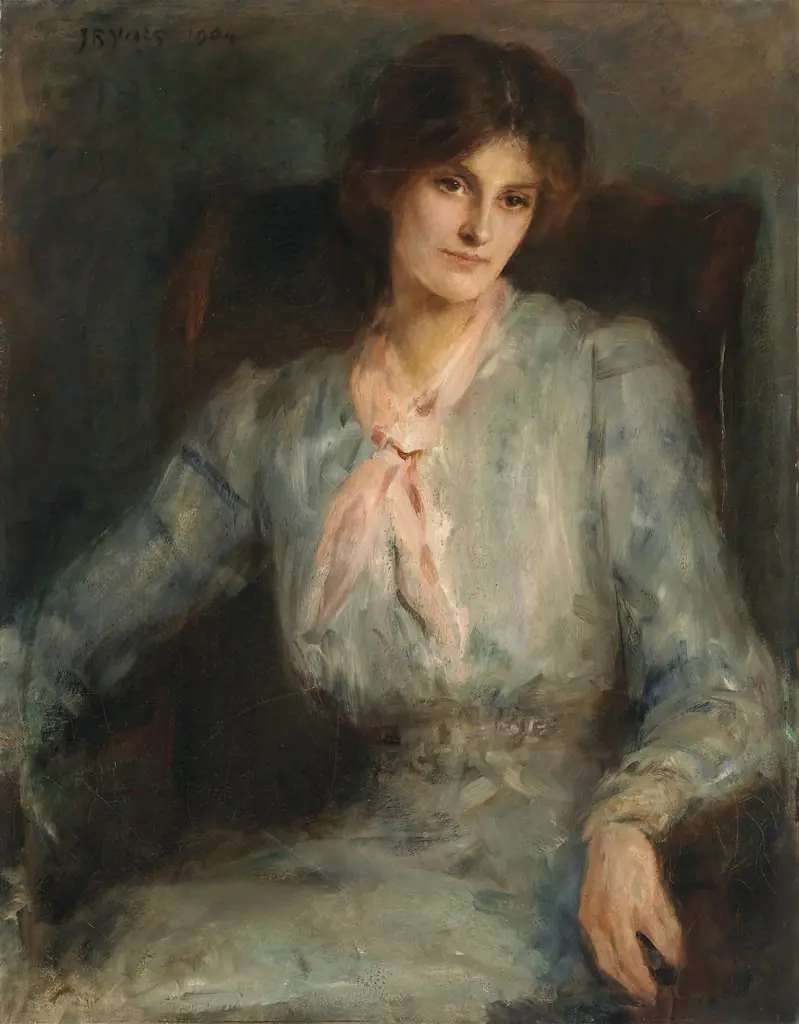 Portrait of Maire Nic Shiubhlaigh (1883-1958), Actress
 Portrait of Jack B. Yeats (1871-1957)
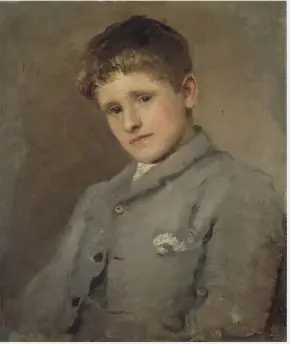 Portrait of Jack B. Yeats (1871-1957) as a Boy
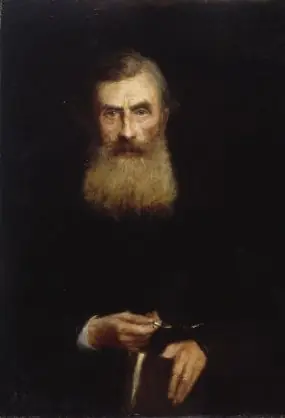 Portrait of John O'Leary (1830-1907) Nationalist and Journalist
 Portrait of Colonel The Hon. Milo George Milo Talbot (1854-1931)
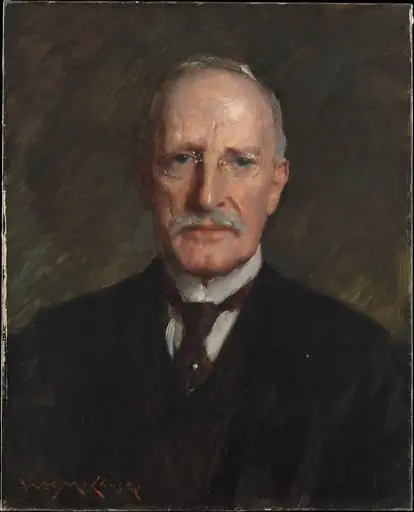 Edward Guthrie Kennedy
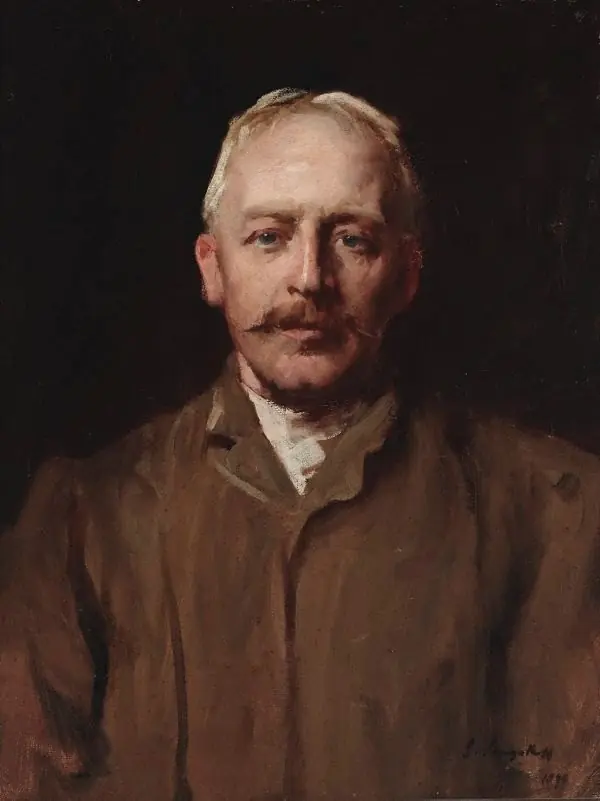 Julian Ashton
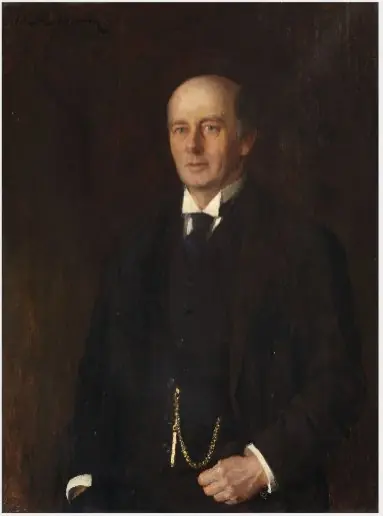 Portrait of Gerald Fitzgibbon, Lord Justice of Appeal (1837-1909)
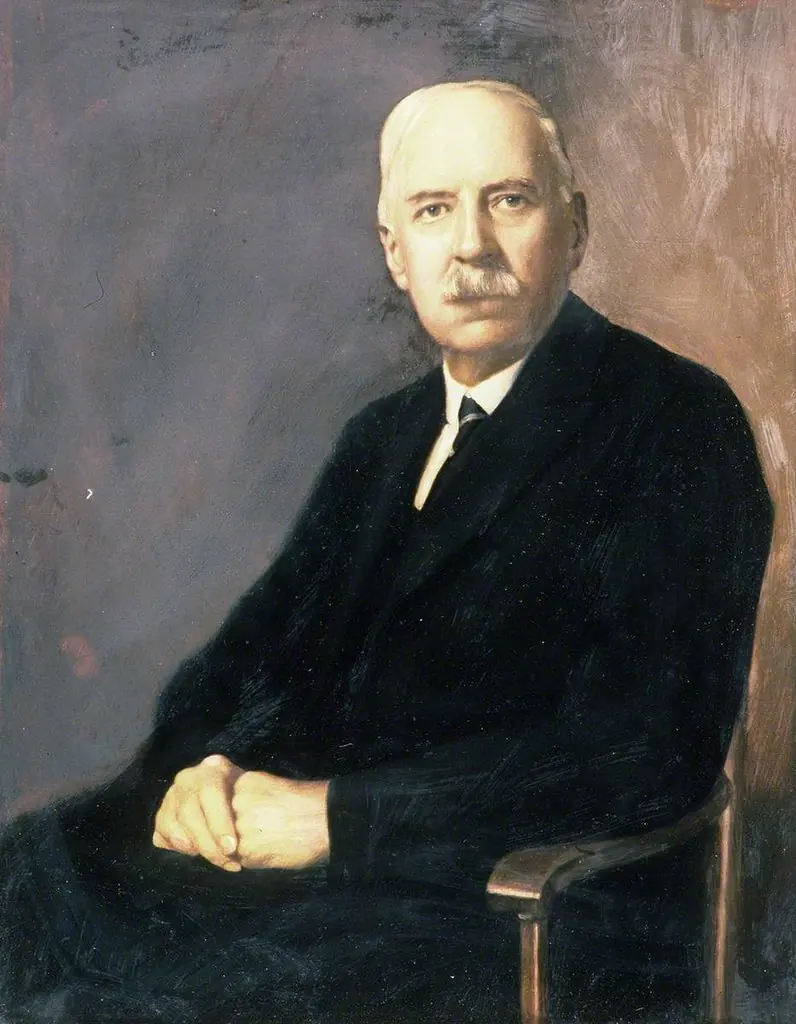 T. Gwynn Jones (1871–1949)
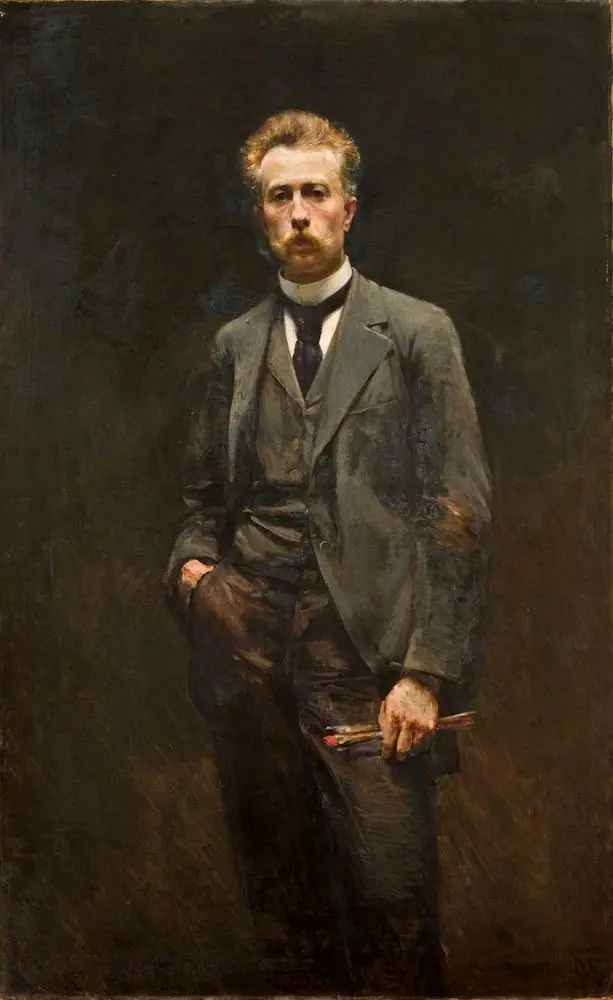 Selbstporträt
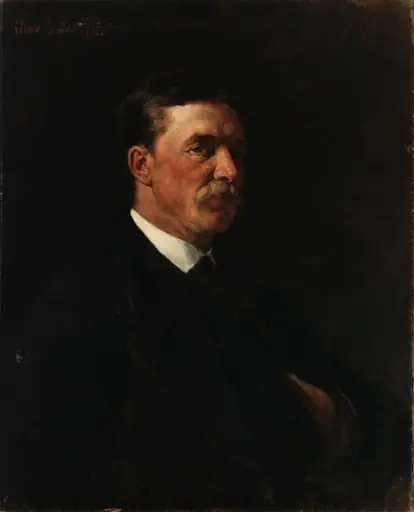 Hjalmar Munsterhjelmin muotokuva
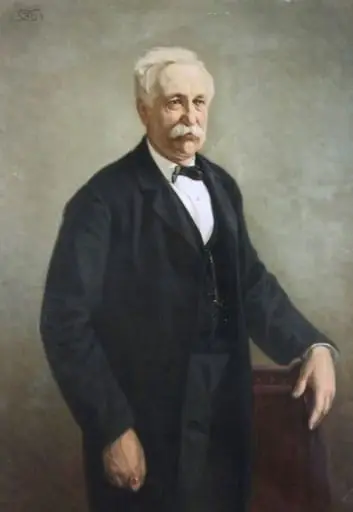 Samuel Traugott Binder
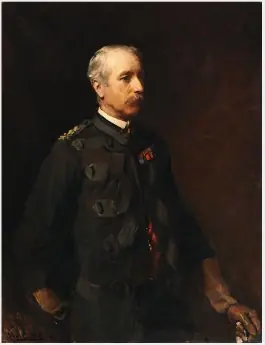 Portrait of Garnet Joseph Wolseley, 1st Viscount Wolseley, (1833-1913), Commander in Chief of the British Army
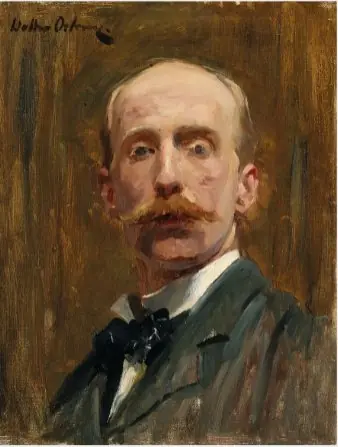 Self-Portrait