Artwork
Portrait of Colonel The Hon. Milo George Milo Talbot (1854-1931)
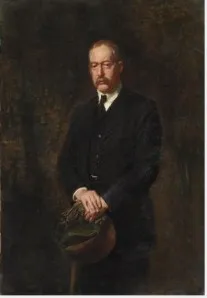
Portrait of Colonel The Hon. Milo George Milo Talbot (1854-1931) is an oil painting by William Carter. It dates from 1907 and is held in the collection of the National Gallery of Ireland.
About this work
Overview
The work is part of the National Gallery of Ireland’s collection and exemplifies early 20th-century British portraiture.
Painted in 1907 by William Carter, this oil portrait depicts Colonel The Hon. Milo George Milo Talbot, a British military officer and member of the Irish aristocracy. The work is part of the National Gallery of Ireland’s collection and exemplifies early 20th-century British portraiture. Its restrained composition and focused lighting reflect the conventions of formal civilian portraiture of the period.
Subject & Meaning
The subject, Milo Talbot, is portrayed in formal evening attire, suggesting his social standing and military rank. His upright posture and steady gaze convey composure and dignity, while the absence of symbolic objects or elaborate settings emphasizes personal presence over status markers. The hat held in his hand implies a momentary pause, as if he has just entered the space, reinforcing a sense of quiet authority.
Technique & Style
Carter employed a muted palette dominated by blacks, whites, and deep browns, with careful attention to fabric texture and light reflection on silk and wool. The dark, neutral background isolates the figure, directing focus to facial expression and posture. Brushwork is precise but not overly polished, balancing realism with a subtle sense of immediacy, typical of Edwardian portraiture.
History & Provenance
The portrait was commissioned during Talbot’s lifetime and remained in family possession until its acquisition by the National Gallery of Ireland. Its entry into the national collection reflects institutional interest in documenting the Irish landed gentry and their connections to British military and political life. No significant alterations or restorations are documented in its recorded history.
Context
Created in the Edwardian era, the portrait aligns with a tradition of British portraiture that valued restraint and social decorum. Talbot’s rank and title placed him within a class whose influence persisted despite declining political power. The painting’s simplicity contrasts with more ornate Victorian predecessors, signaling a shift toward understated representation among the elite.
Legacy
While not widely exhibited, the portrait contributes to the National Gallery of Ireland’s representation of early 20th-century British-Irish portraiture. It serves as a visual record of a specific social class during a period of transition. Carter’s work, though less known than his contemporaries, remains a quiet example of skilled, unadorned portraiture from the era.
Artist & collection
Artist
William Carter painted detailed oil portraits and pencil views of British country life in the late 1800s and early 1900s.

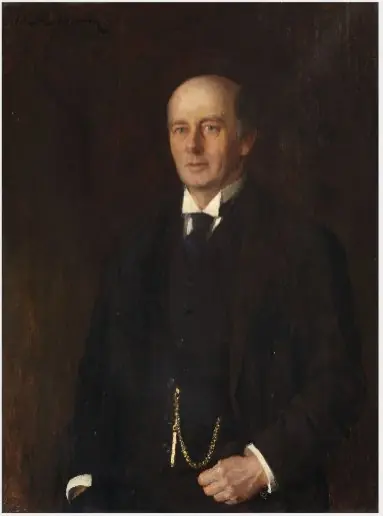 Portrait of Gerald Fitzgibbon, Lord Justice of Appeal (1837-1909)
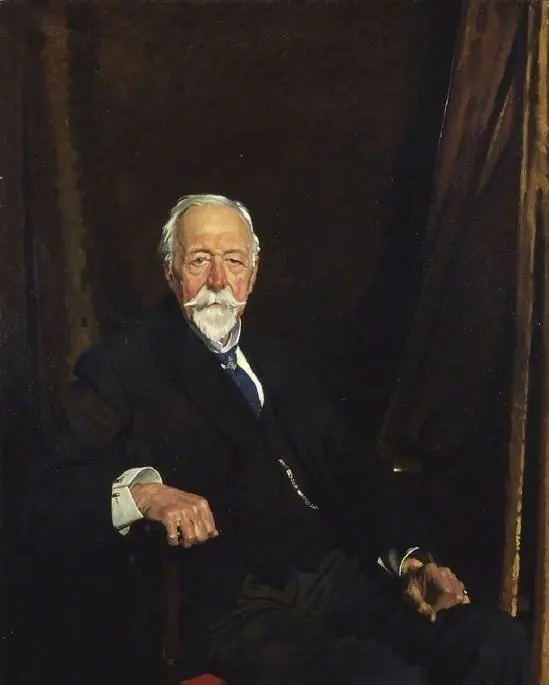 The Rt Hon. Sir Clifford Allbutt
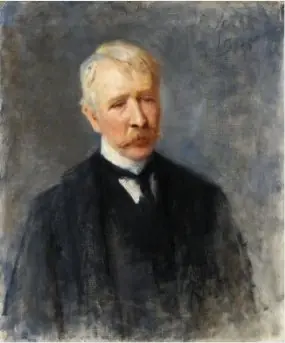 Portrait of George Moore (1852-1933), Novelist
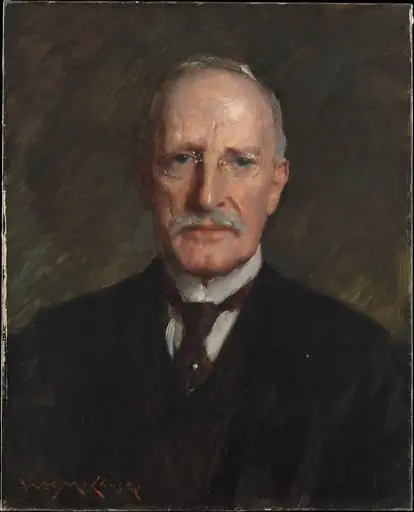 Edward Guthrie Kennedy
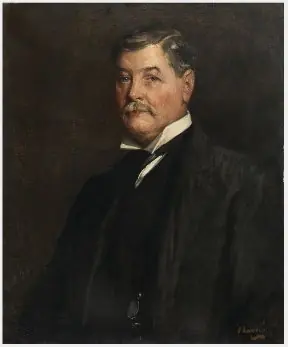 Portrait of T.P. O'Connor, Parliamentarian and Journalist
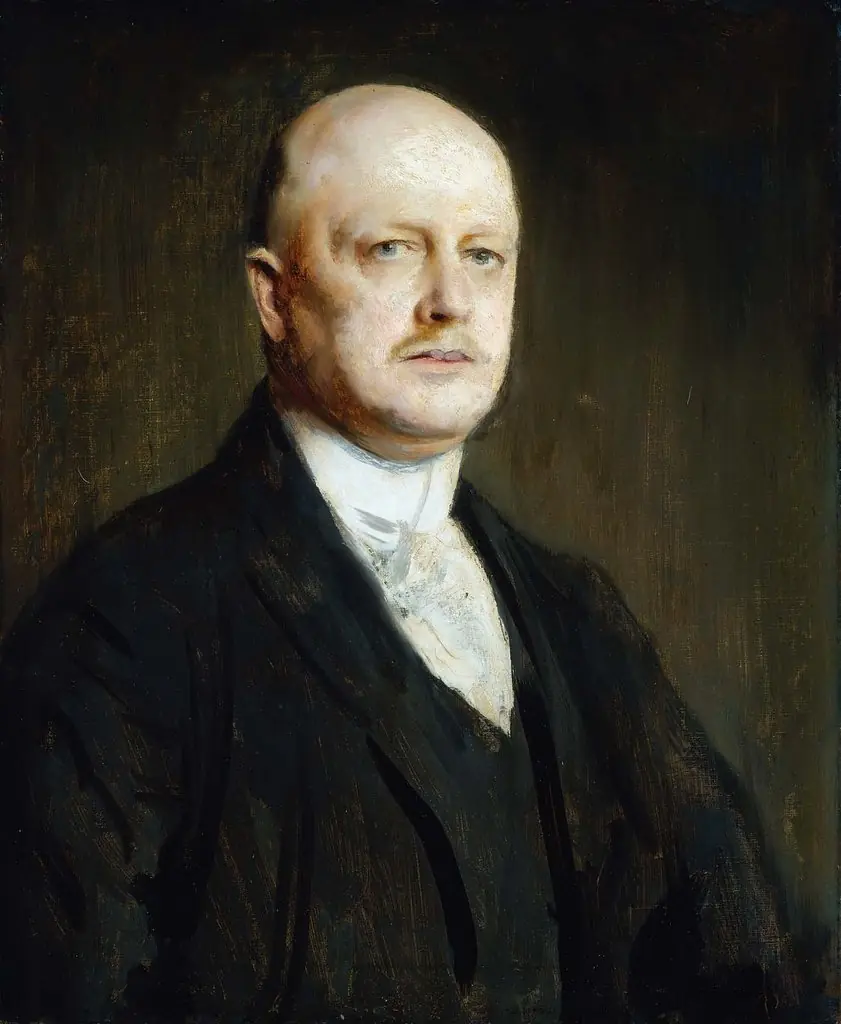 Thomas B. Clarke
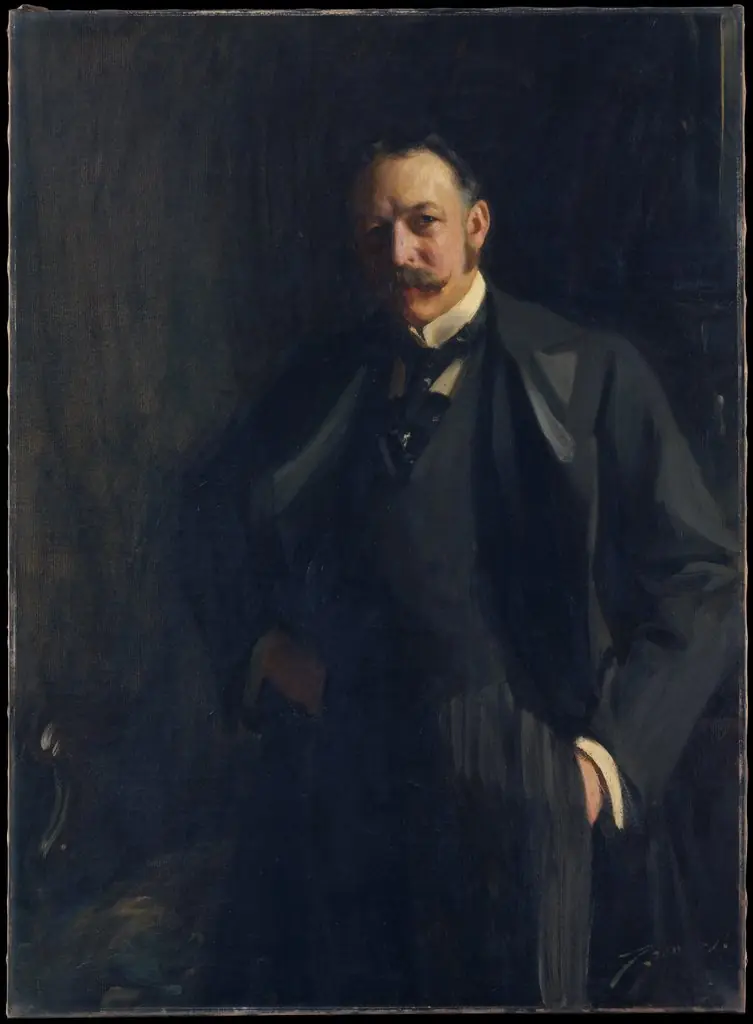 Edward R. Bacon (1846–1915)
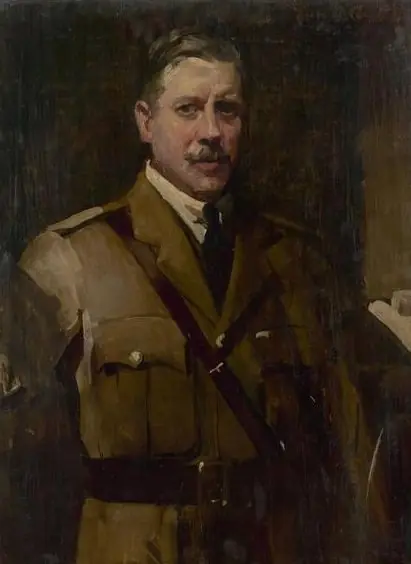 Portrait of John Longstaff
 Julian Ashton
 Hjalmar Munsterhjelmin muotokuva