Artwork
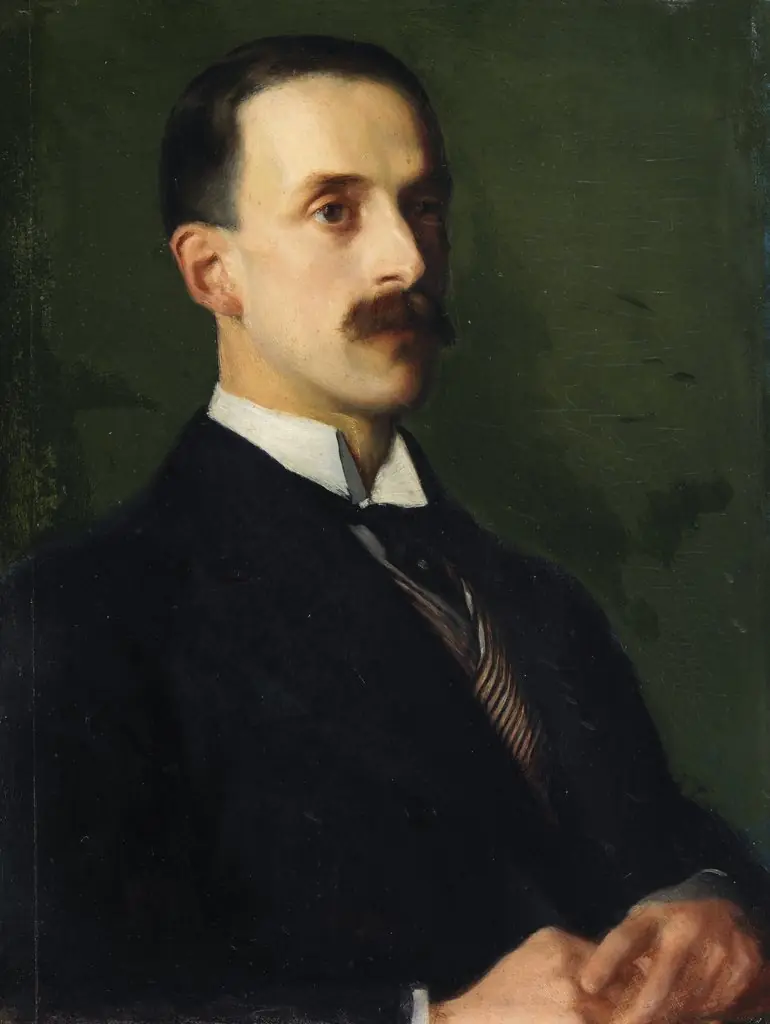
Portrait of Gerald Fitzgibbon, Lord Justice of Appeal (1837-1909)
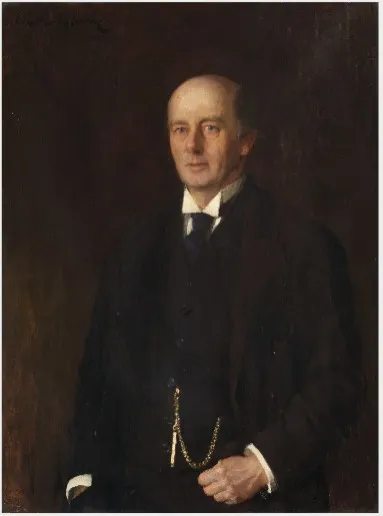
Portrait of Gerald Fitzgibbon, Lord Justice of Appeal (1837-1909) is an oil painting by the Impressionist artist Walter Osborne. It dates from 1898 and is held in the collection of the National Gallery of Ireland.
About this work
Overview
Painted in 1898 by Irish artist Walter Osborne, this oil-on-canvas portrait captures Gerald Fitzgibbon, a senior judge in the Irish legal system.
Painted in 1898 by Irish artist Walter Osborne, this oil-on-canvas portrait captures Gerald Fitzgibbon, a senior judge in the Irish legal system. Osborne, known for his empathetic depictions of ordinary life, turned his attention to portraiture with this work, blending observational realism with the tonal subtleties of impressionism. The painting resides in the National Gallery of Ireland as part of its collection of late 19th-century Irish art.
Subject & Meaning
Gerald Fitzgibbon, Lord Justice of Appeal, is portrayed with solemn authority, his serious expression and upright posture reflecting his judicial role. His formal attire—black suit, gold chain, white shirt, and blue tie—signals status without ostentation. The absence of symbolic objects or setting focuses attention on his presence, suggesting character and dignity rather than institutional power. The portrait functions as a quiet testament to public service in late Victorian Ireland.
Technique & Style
Osborne employed chiaroscuro to model the subject’s face and clothing, using sharp contrasts between light and shadow to create volume and depth. Brushwork remains loose yet controlled, particularly in the rendering of fabric and hair, revealing his impressionist training. The dark, unbroken background isolates the figure, enhancing the three-dimensionality of his form. The palette is restrained, dominated by blacks and greys, with subtle accents of blue and white to draw the eye.
History & Provenance
Commissioned during Fitzgibbon’s tenure on the bench, the portrait was completed in 1898 and remained in private hands until its acquisition by the National Gallery of Ireland. Its inclusion in the national collection reflects its significance as both a legal and artistic document of the period. No record suggests it was exhibited publicly during Osborne’s lifetime, but it has been consistently referenced in studies of Irish portraiture since the mid-20th century.
Context
In late 19th-century Ireland, portraiture served as a means of affirming social and professional standing amid political change. Osborne, though better known for scenes of working-class life, was sought after by the professional class for his ability to convey character without idealization. This portrait aligns with broader European trends in judicial portraiture, where restraint and gravitas replaced flamboyance, mirroring the values of the legal establishment.
Legacy
The portrait stands as one of Osborne’s few formal commissions, distinguishing it from his more commonly studied domestic and street scenes. It demonstrates his versatility and technical precision, reinforcing his role in bridging impressionist methods with Irish subject matter. Today, it contributes to the understanding of how Irish artists engaged with institutional authority, offering a nuanced counterpoint to the era’s more overtly nationalist imagery.
Artist & collection
Artist
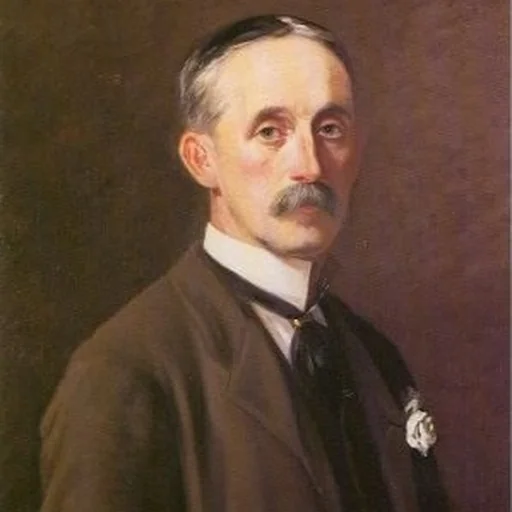
Walter Frederick Osborne (17 June 1859 – 24 April 1903) was an Irish impressionist and Post-Impressionism landscape and portrait painter, best known for his documentary depictions of late 19th century working class life.

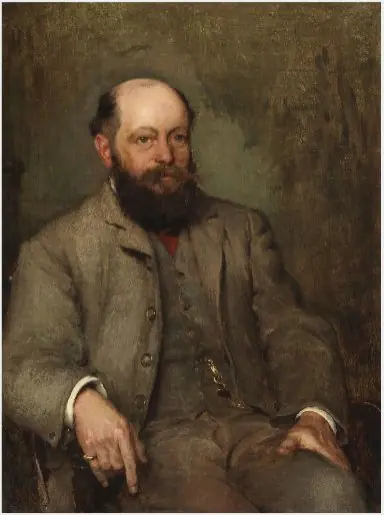 Portrait of Sir Thomas Drew (1838-1910), Architect
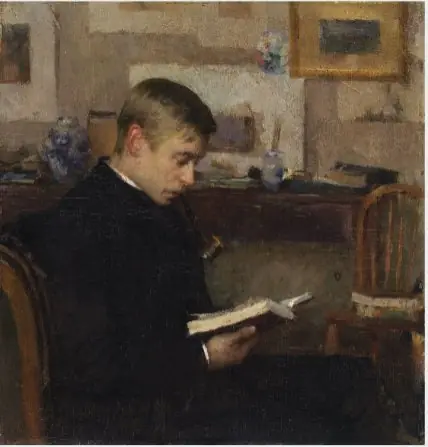 Portrait of Stephen Gwynn (1864-1950), Author
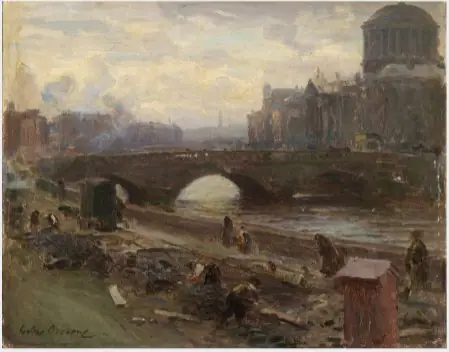 The Four Courts, Dublin
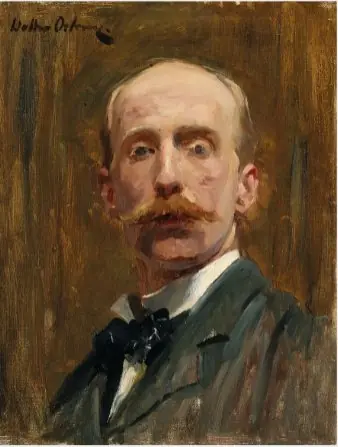 Self-Portrait
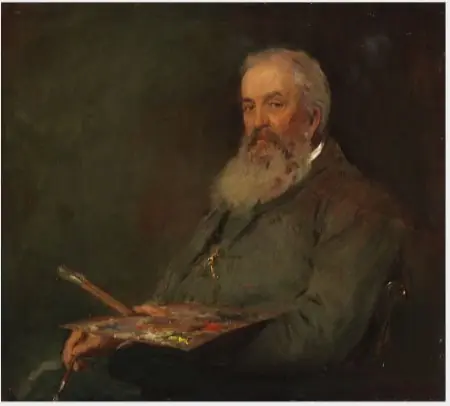 Portrait of Nathaniel Hone (1831-1917), Artist
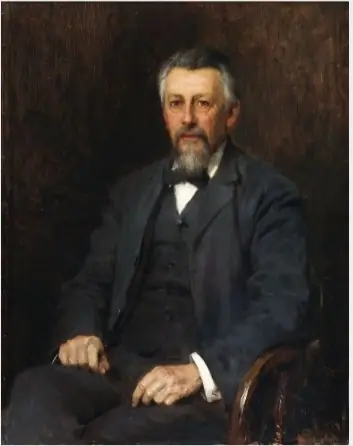 Portrait of Edward Dowden (1843-1913), Poet and Scholar
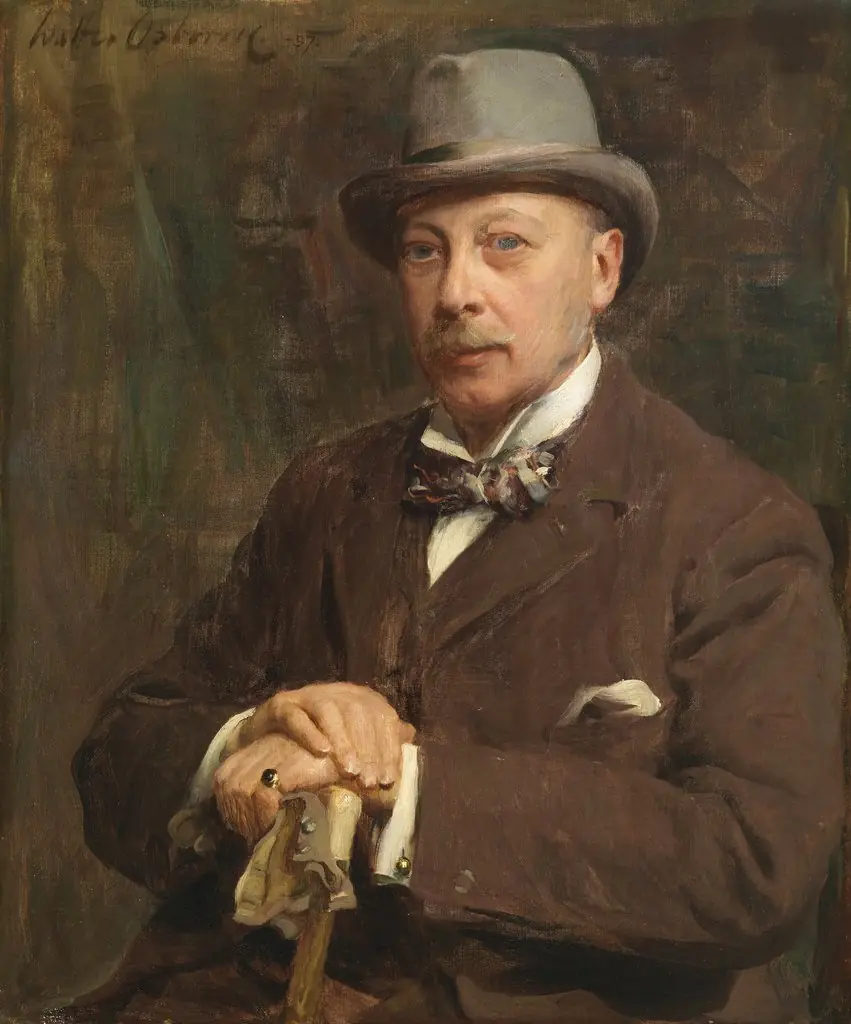 Portrait of a Gentleman
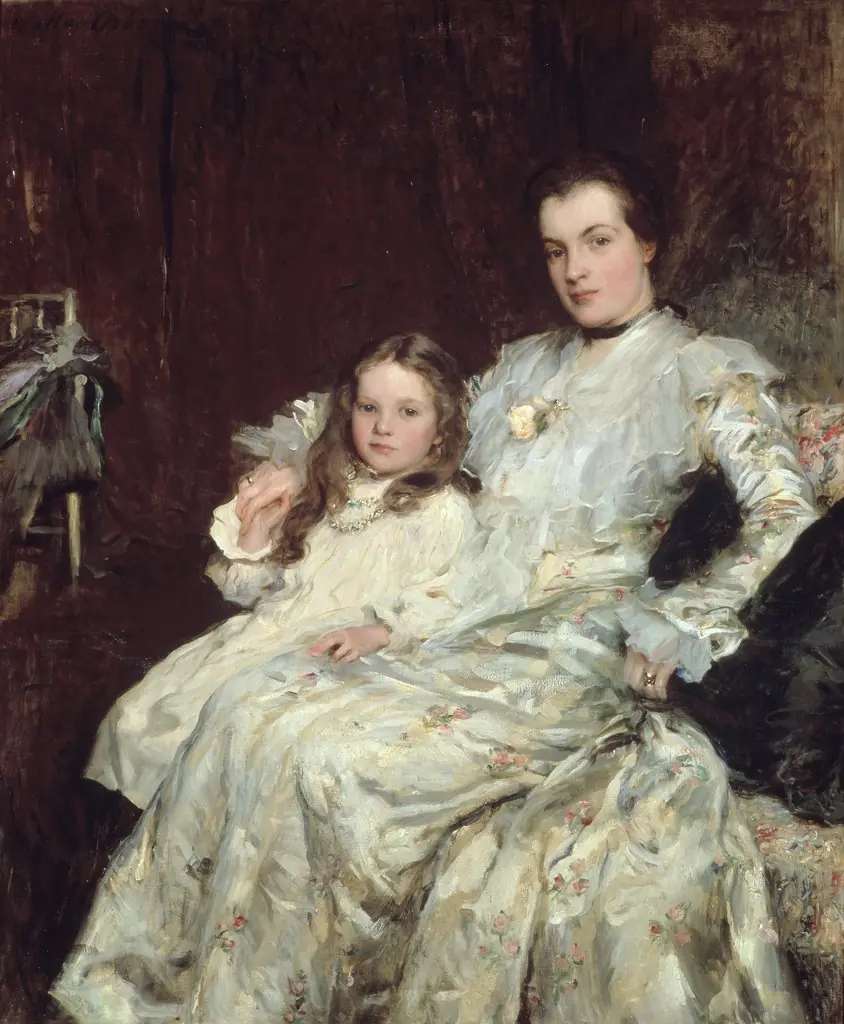 Portrait of Mrs Chadwyck-Healey and her Daughter
 Portrait of Colonel The Hon. Milo George Milo Talbot (1854-1931)
 Portrait of W.E.H. Lecky (1838-1903), Historian
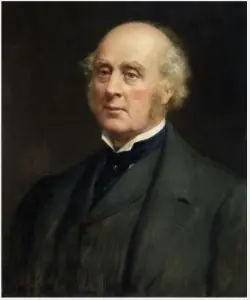 Portrait of James Talbot, 4th Baron Talbot de Malahide (1805-1883)
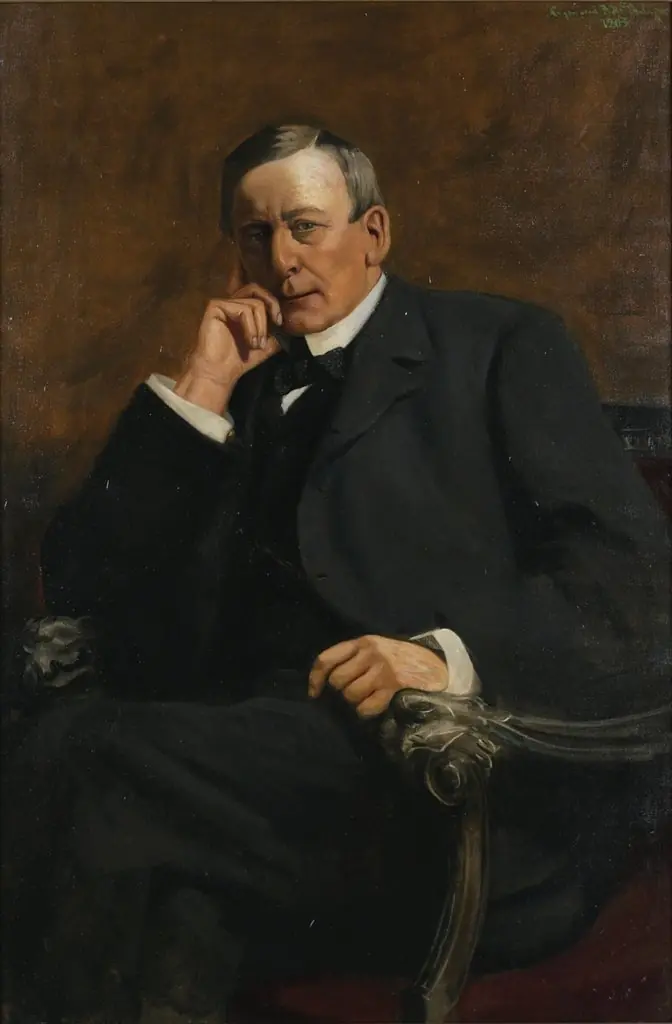 Portrait of William Rolleston
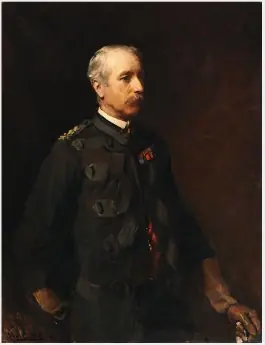 Portrait of Garnet Joseph Wolseley, 1st Viscount Wolseley, (1833-1913), Commander in Chief of the British Army
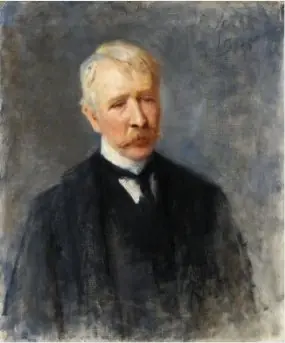 Portrait of George Moore (1852-1933), Novelist
 The Rt Hon. Sir Clifford Allbutt
 Edward Guthrie Kennedy
 The Very Revd Henry George Lidell, D.D.
 Thomas B. Clarke
 Portrait of Sir Hugh Lane (1865-1915), Director of the National Gallery of Ireland 1914-1915