Artwork
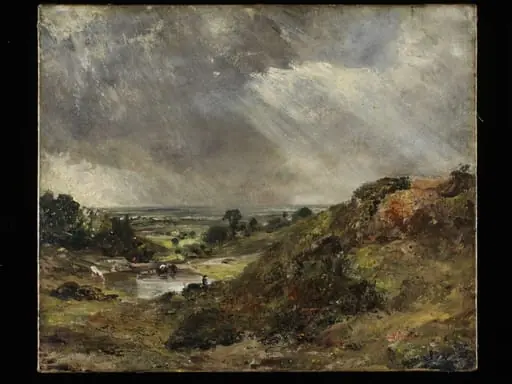
Branch Hill Pond, Hampstead
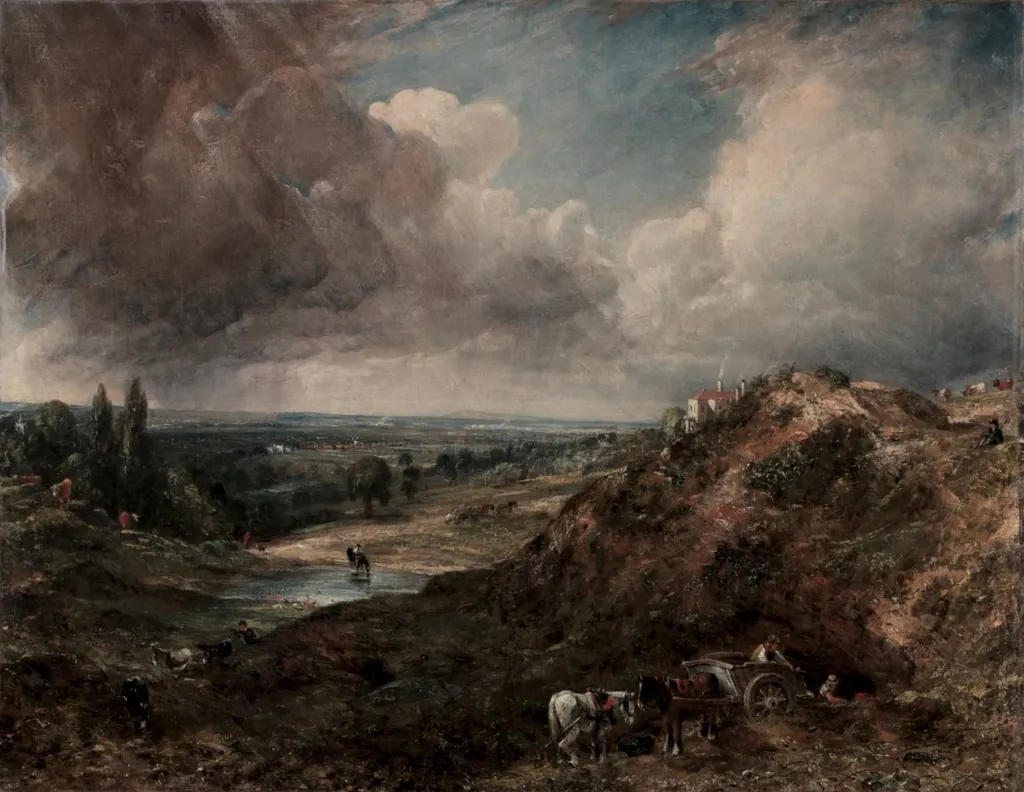
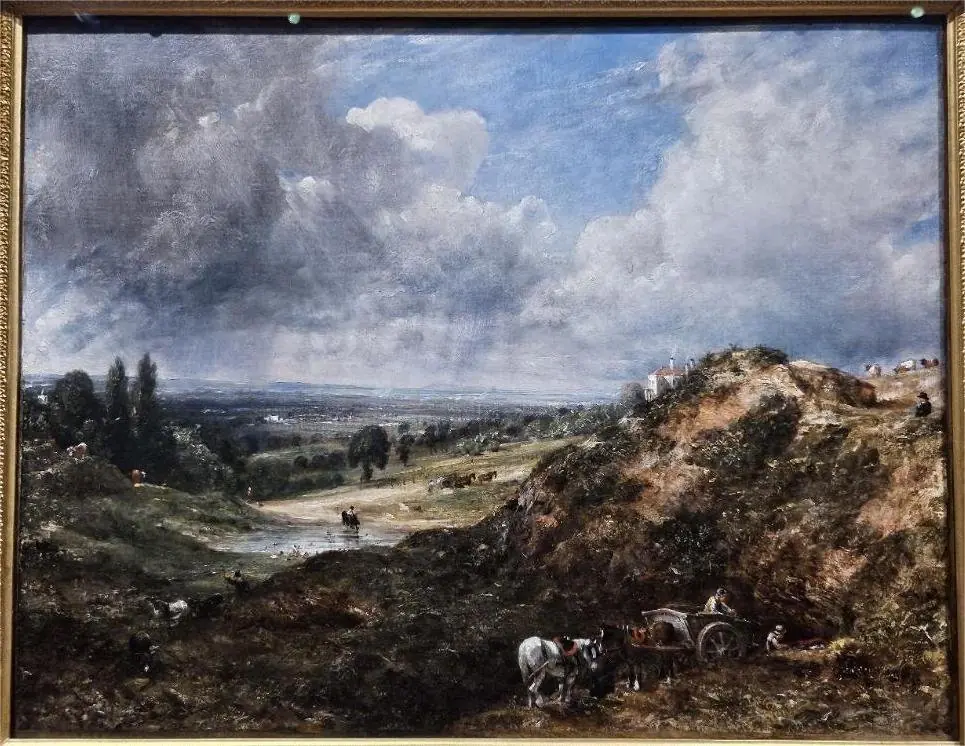
Branch Hill Pond, Hampstead is an unspecified painting by the British Romanticist artist John Constable. It dates from 1828 and is held in the collection of the Cleveland Museum of Art.
About this work
Look up other paintings of *england, 19th century, mod euro* to see how artists turned ordinary fields into something worth watching.
You see a quiet pond ringed by trees, dark clouds rolling in over the hills, and a few farm workers in the distance.
Constable rented a summerhouse here for years, sketching the same view in every kind of weather. He cared more about the sky than the people—he thought clouds could show how alive the land really was.
Look up other paintings of *england, 19th century, mod euro* to see how artists turned ordinary fields into something worth watching.
Overview
Branch Hill Pond, Hampstead is a landscape painting by John Constable, created during his extended stay at a rented summerhouse in Hampstead between 1819 and 1826. The work captures a quiet rural scene centered on a pond surrounded by trees, with an emphasis on the shifting sky rather than human activity. Constable used this location to study atmospheric conditions, returning repeatedly to observe how light and weather transformed the same view.
Subject & Meaning
The painting presents a tranquil English countryside, but its focus lies not in human labor or pastoral idealism, but in the movement of clouds and the tension of approaching weather. Constable saw the sky as the true expression of nature’s vitality. By minimizing the figures in the foreground, he directed attention to the dynamic atmosphere, suggesting that the land’s character is shaped by its weather, not its inhabitants.
Technique & Style
Constable employed loose, observational brushwork to render the sky’s texture and luminosity, using layered washes and varied strokes to suggest cloud density and light penetration. The foreground remains subdued in tone, allowing the dark, rolling clouds to dominate the composition. His method prioritized direct study from nature over idealized composition, reflecting his commitment to recording transient atmospheric effects with scientific precision.
History & Provenance
Constable rented the summerhouse at Branch Hill Pond for several years, using it as a base for daily sketches and studies of the surrounding landscape under varying conditions. This painting emerged from that sustained practice, part of a larger series of Hampstead skies and views. It remained in his possession until his death and later entered public collections, where it became a key example of his atmospheric studies.
Context
In early 19th-century England, landscape painting was often idealized or sentimentalized. Constable’s focus on meteorological accuracy set him apart, aligning his work with emerging scientific interests in natural phenomena. His dedication to painting the same locale across seasons and weather reflected a broader shift toward empirical observation in the arts, distinguishing his approach from the romanticized visions of contemporaries.
Legacy
Constable’s Hampstead studies, including Branch Hill Pond, influenced later generations of landscape painters by demonstrating how ordinary scenes could hold profound visual interest through attention to light and atmosphere. His method of direct observation and emphasis on transient conditions helped pave the way for the Impressionists, who similarly valued the immediacy of natural effects over narrative or idealization.
Artist & collection
Artist
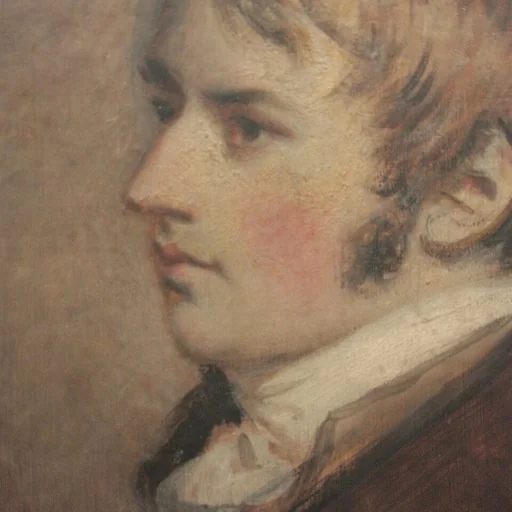
John Constable (; 11 June 1776 – 31 March 1837) was an English landscape painter in the Romantic tradition.

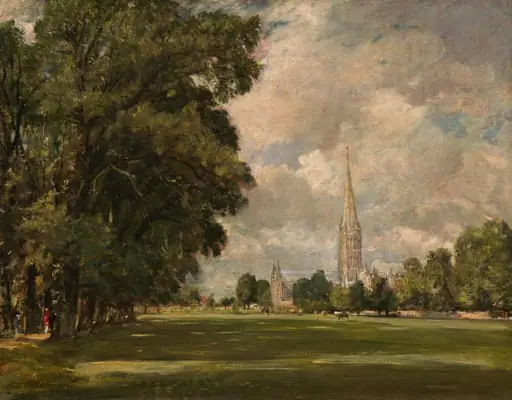
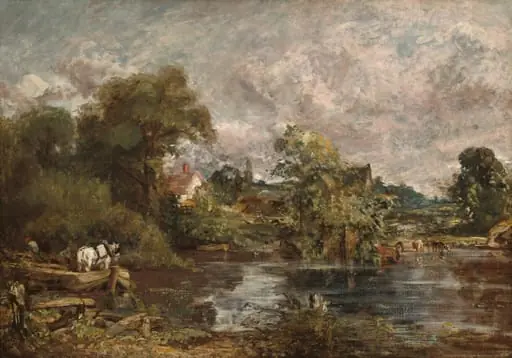
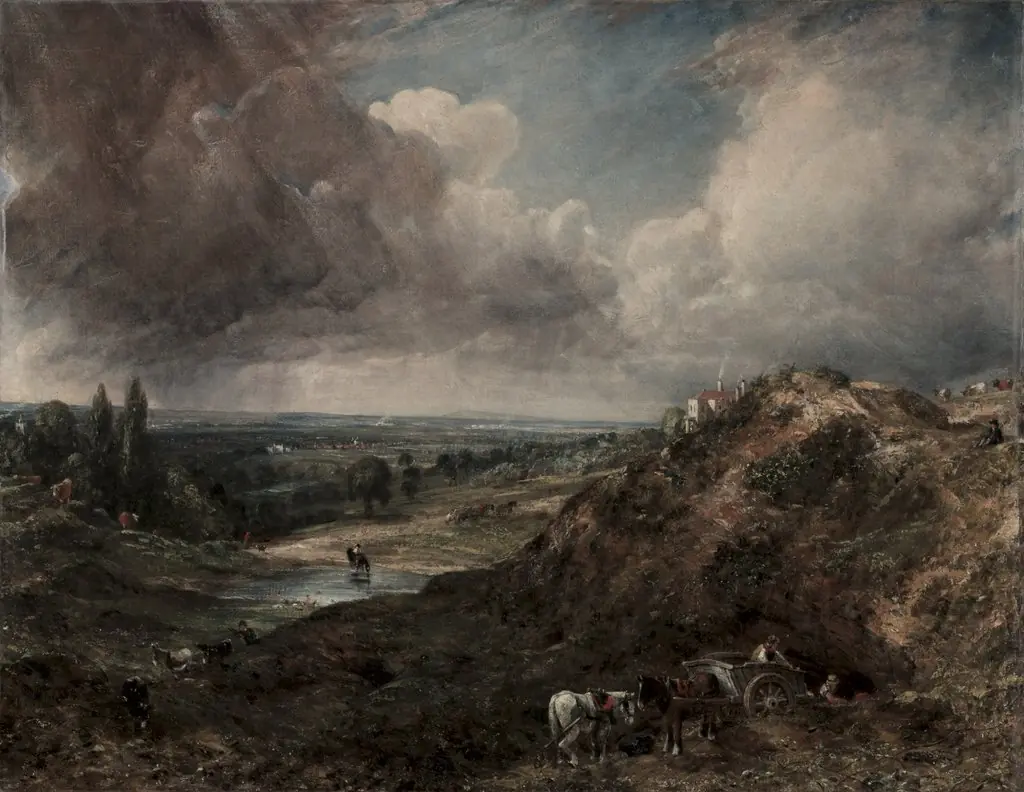 Branch Hill Pond, Hampstead
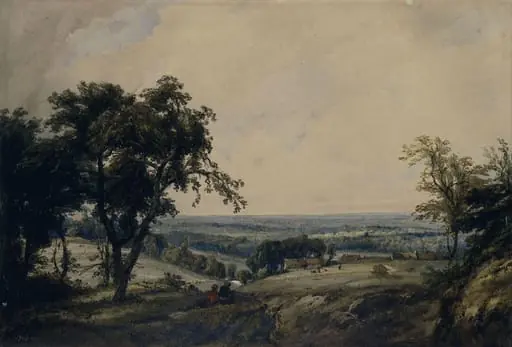 Landscape with figures and cottages in a hollow
 Cetatea Kesmárk
 Hampstead Heath
 Hampstead Heath, Branch Hill Pond
 Castell Dinas Bran
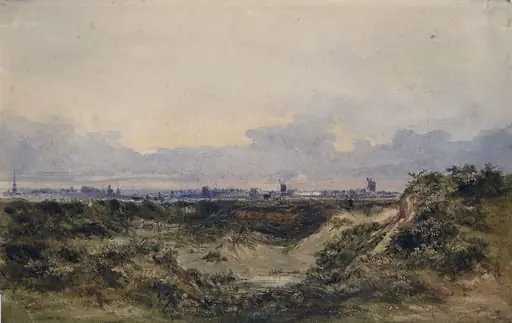 Heath Scene
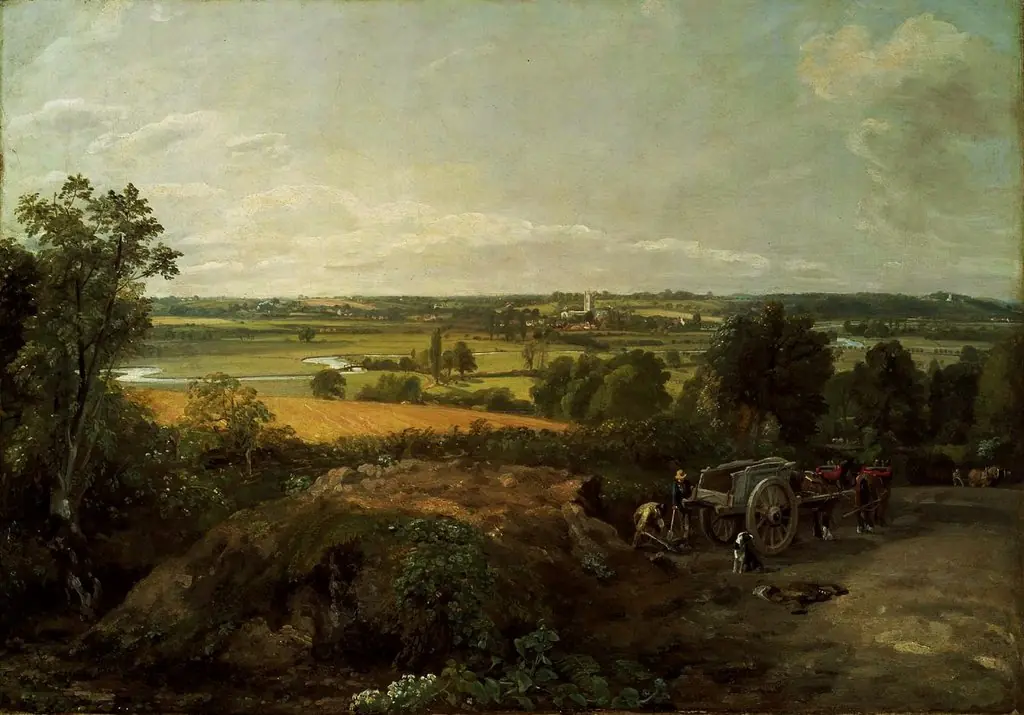 Stour Valley and Dedham Church
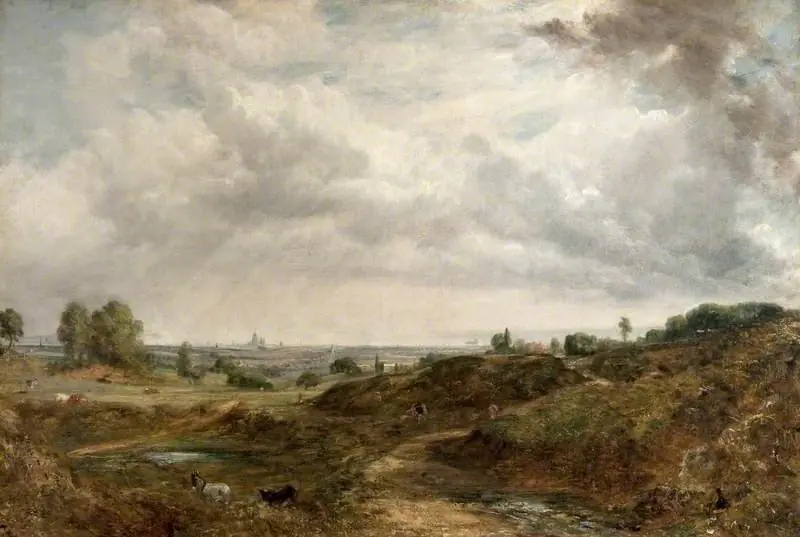 Hampstead Heath
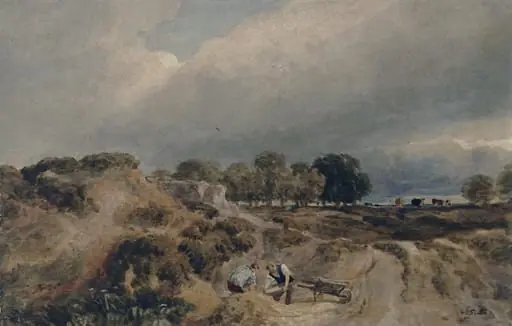 Old Gravel Pits at Moseley, Near Birmingham
 Approaching Storm from the Alban Hills
 Branch Hill Pond, Hampstead