Artwork
Cetatea Kesmárk
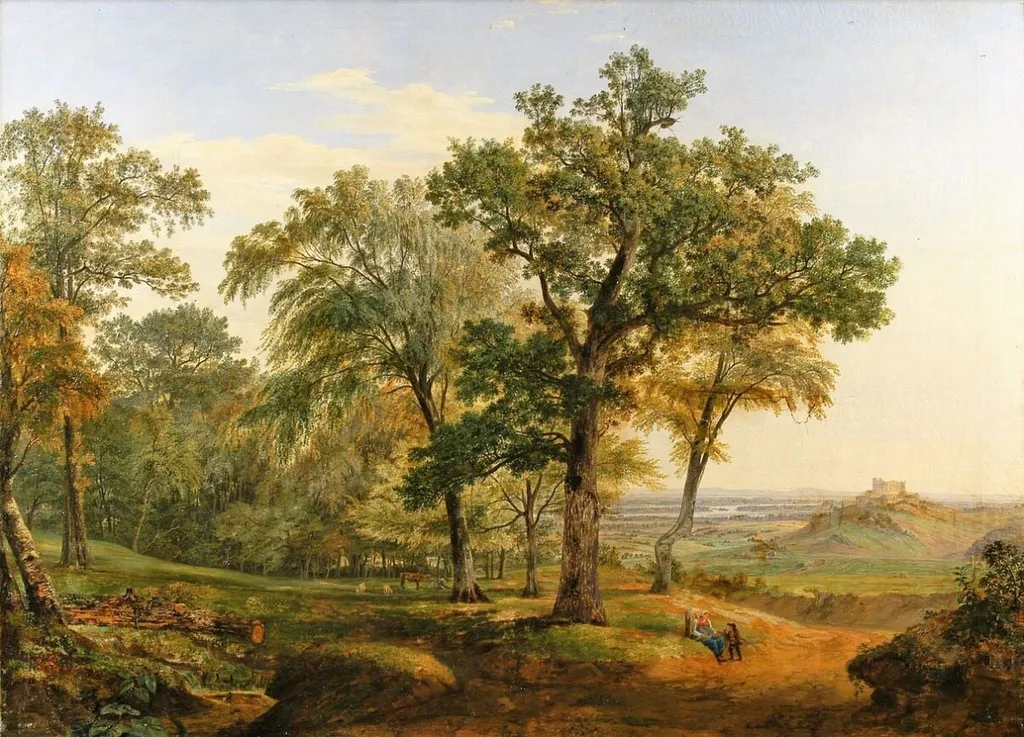
Cetatea Kesmárk is an unspecified painting by Hugo Kołłątaj. It dates from 1850 and is held in the collection of the Țării Crișurilor Museum.
About this work
Overview
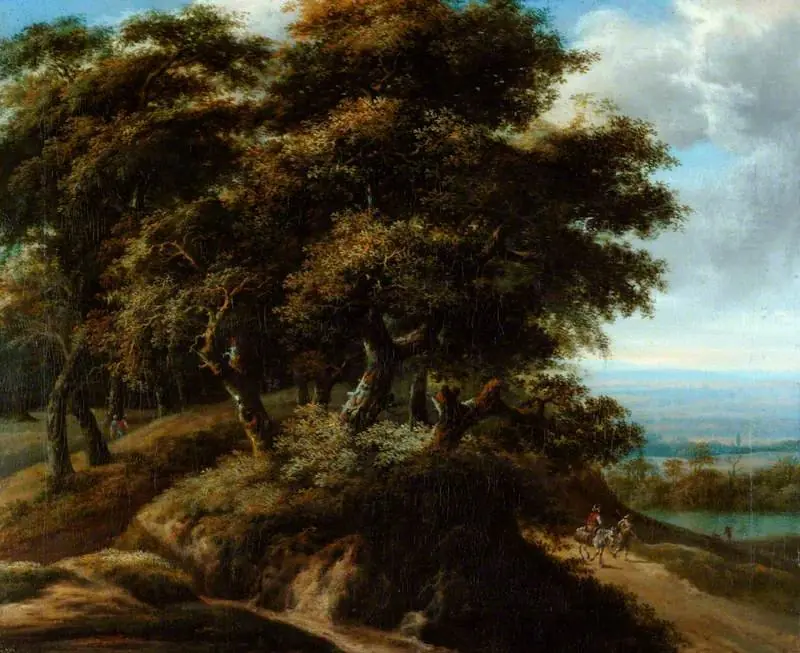
The work depicts a tranquil woodland setting, where a winding path leads past tall, leafy trees toward a distant rocky rise crowned by a modest castle or tower.
Cetatea Kesmárk, attributed to Hugo Kołłątaj and dated to around 1850, is an oil painting in the collection of the Museum of Ethnography. The work depicts a tranquil woodland setting, where a winding path leads past tall, leafy trees toward a distant rocky rise crowned by a modest castle or tower. The composition is bathed in soft, diffused light, giving the scene a calm, contemplative atmosphere.
Subject & Meaning
The picture presents a serene forest landscape populated by a few figures seated near the path, suggesting a moment of rest or contemplation within nature. The elevated hill with its small fortification may allude to historical or mythic themes, inviting viewers to consider the relationship between human presence, the natural world, and the remnants of past structures.
Technique & Style
Kołłątaj employs a chiaroscuro approach, using contrasts of light and shadow to model the trees and terrain, thereby creating a convincing sense of depth. The palette is dominated by muted greens and earth tones, with a subtle blue horizon, while the delicate rendering of clouds adds atmospheric nuance. The brushwork is restrained, emphasizing the quiet mood of the scene.
History & Provenance
Created circa 1850, Cetatea Kesmárk entered the holdings of the Museum of Ethnography, where it remains on display. The painting’s provenance prior to museum acquisition is not extensively documented, but its inclusion in the institution underscores its relevance to the study of 19th‑century Central European visual culture.
Artist & collection
Artist
This Polish folk painter worked in the late eighteenth and early nineteenth centuries, creating religious scenes with bold colors and simple shapes.

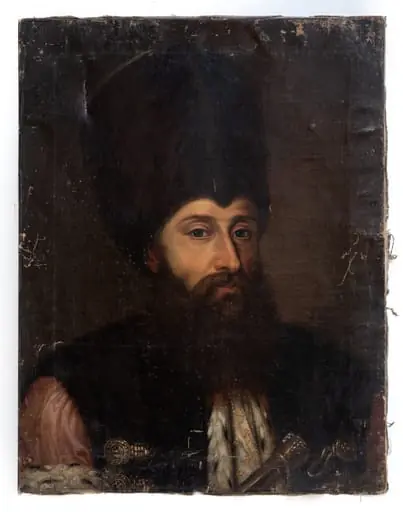 Alexandru Ipsilanti
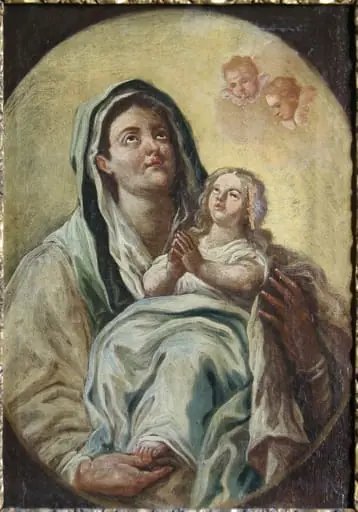 Fecioara Maria cu Pruncul Isus (în Reg. Inv.: Maria cu copilul Isus)
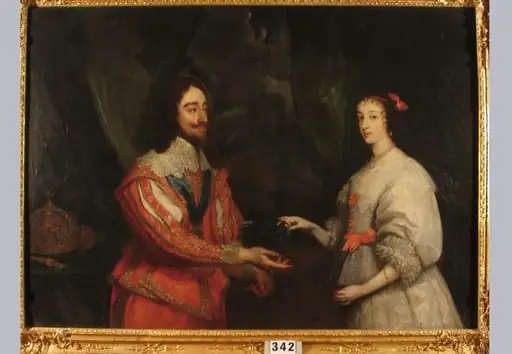 Regele Charles I Stuart al Angliei și soția sa Henrietta Maria de Franța (în Reg. Inv.: Carol I al Angliei și soția sa Henriette din Franța)
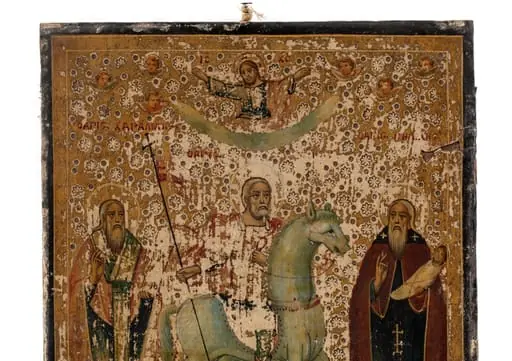 Sfântul Haralambie cu alți doi sfinți
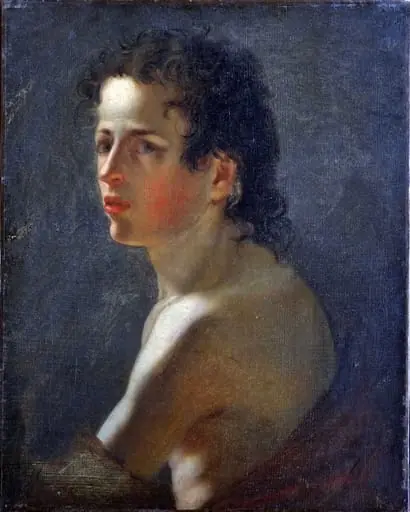 Portret de bărbat
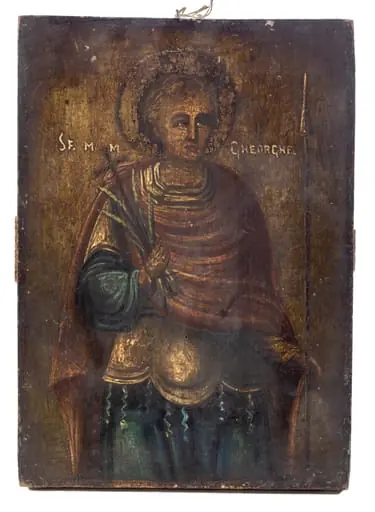 Sfântul Gheorghe
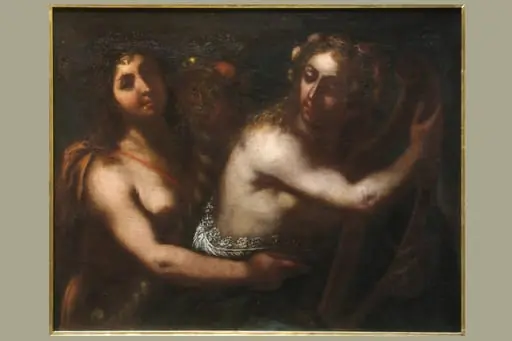 Vertumnus și Pomona (în Reg. Inv.: Vertumnus și Flora)
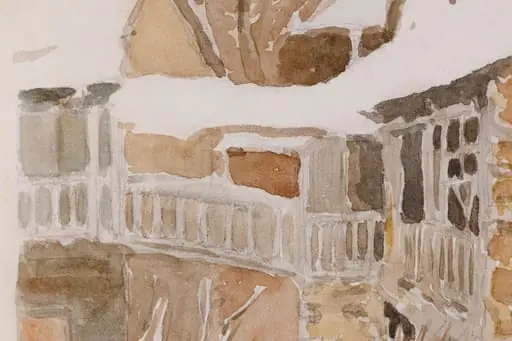 Iarnă
Iarnă
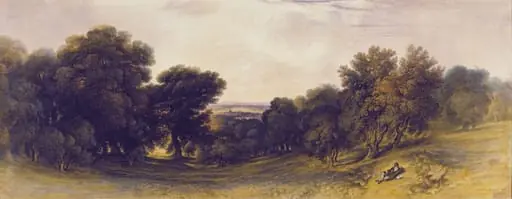 Richmond Park
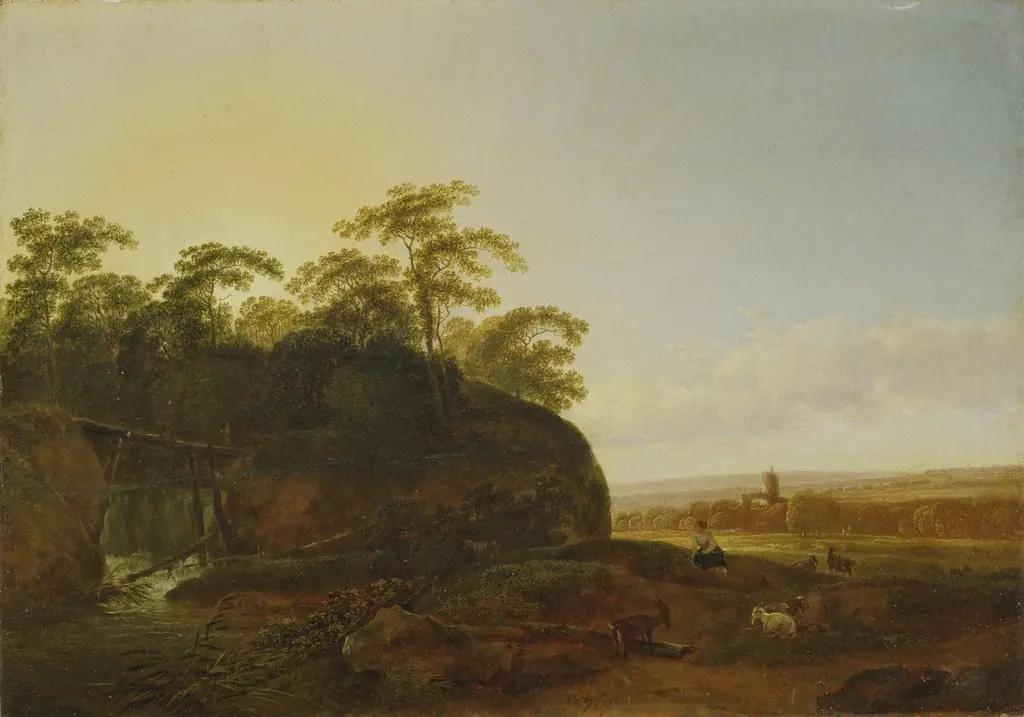 Landscape with Goats
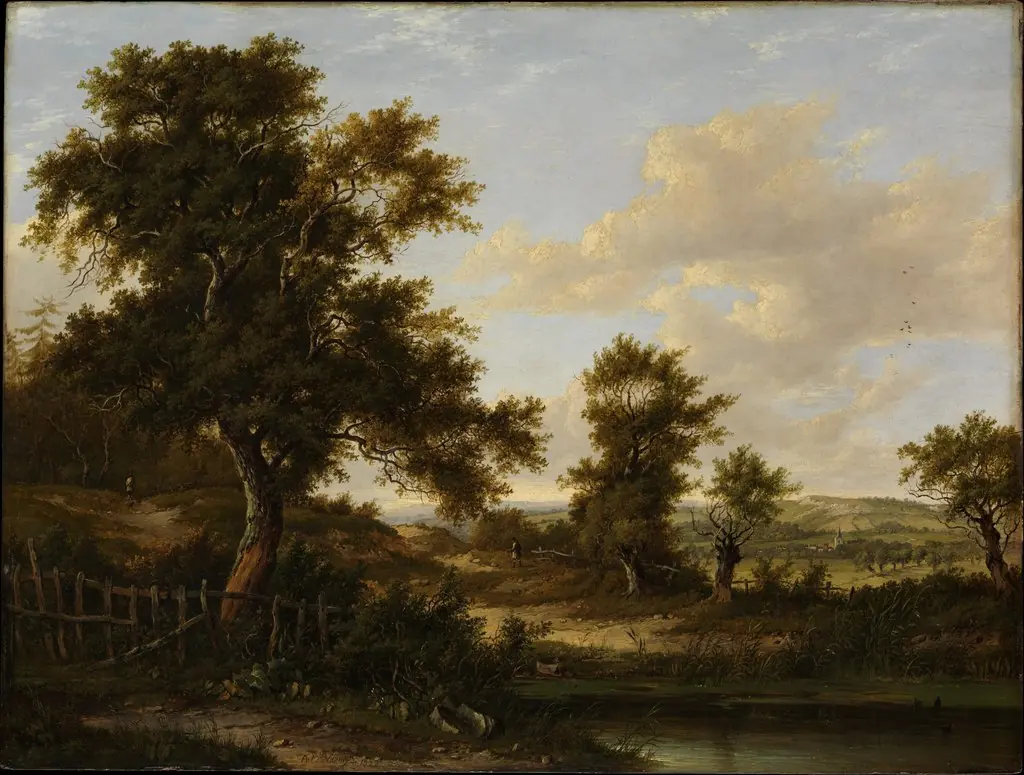 Near Penshurst, Kent
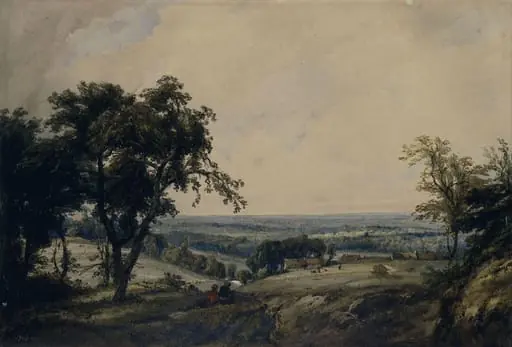 Landscape with figures and cottages in a hollow
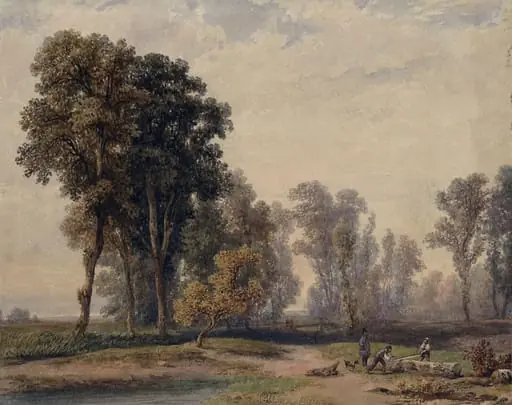 Landscape with two wood sawyers
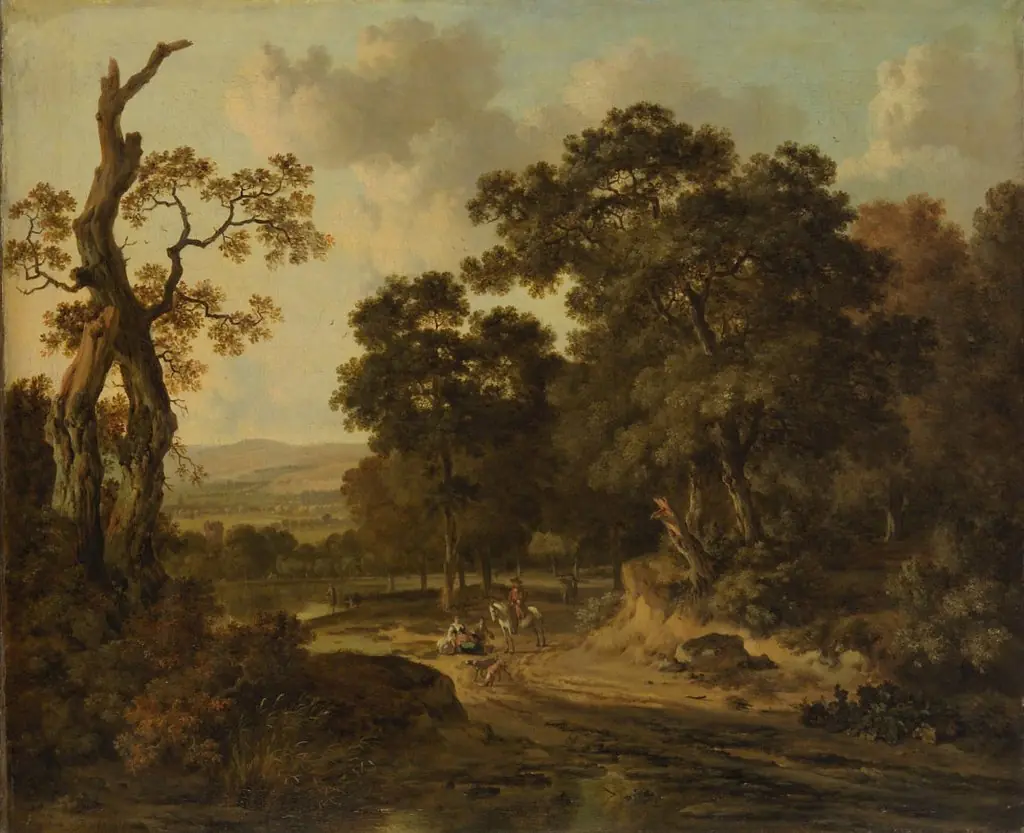 Waldeingang
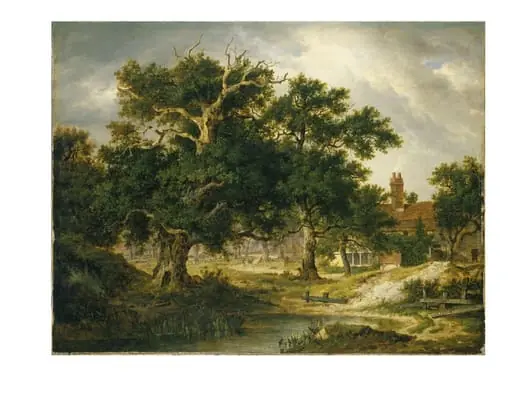 Sir Philip Sidney's Oak
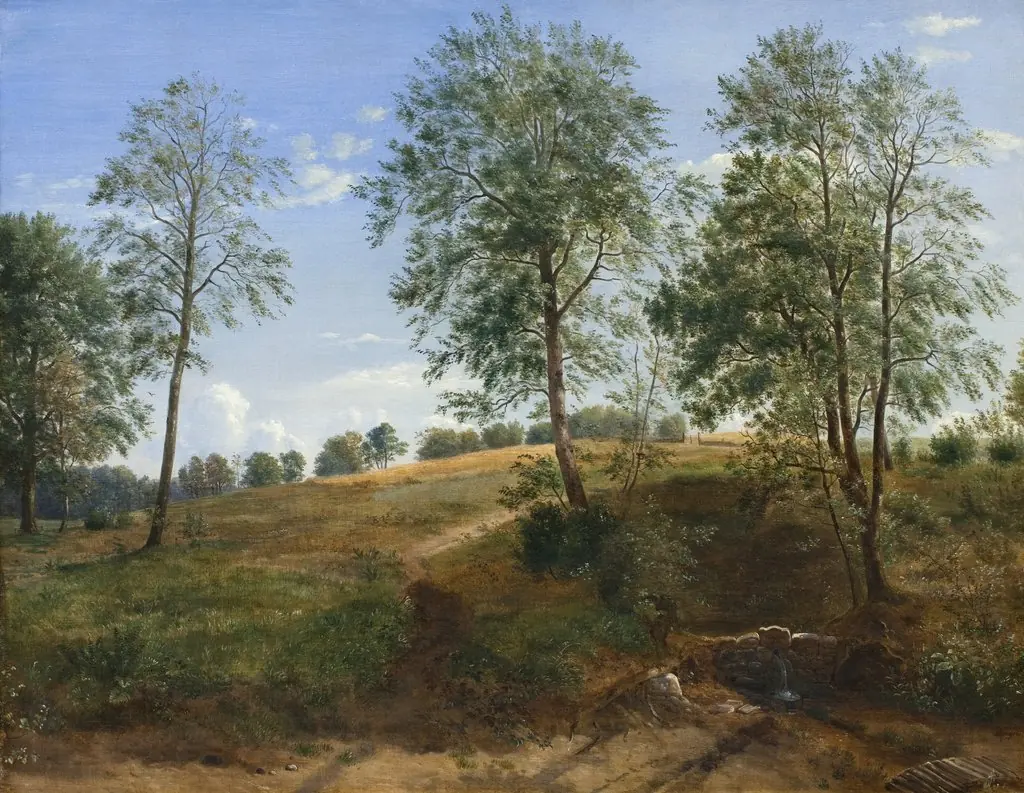 The Caroline Spring at Næsby on Funen
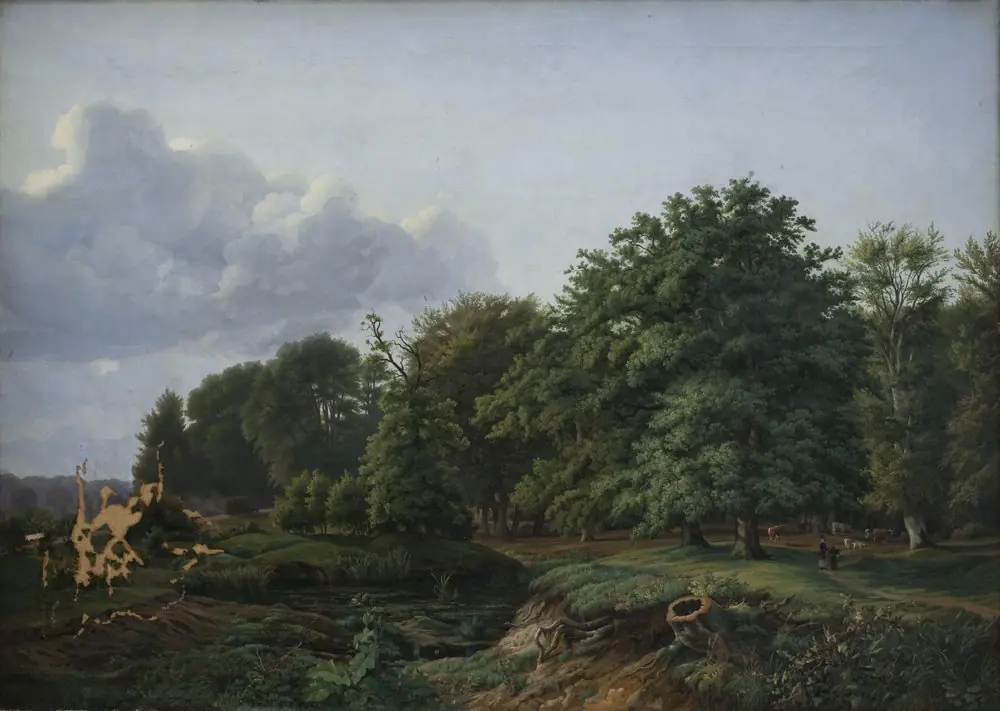 A Forrest near Hellebæk in the North of Zealand. Afternoon.
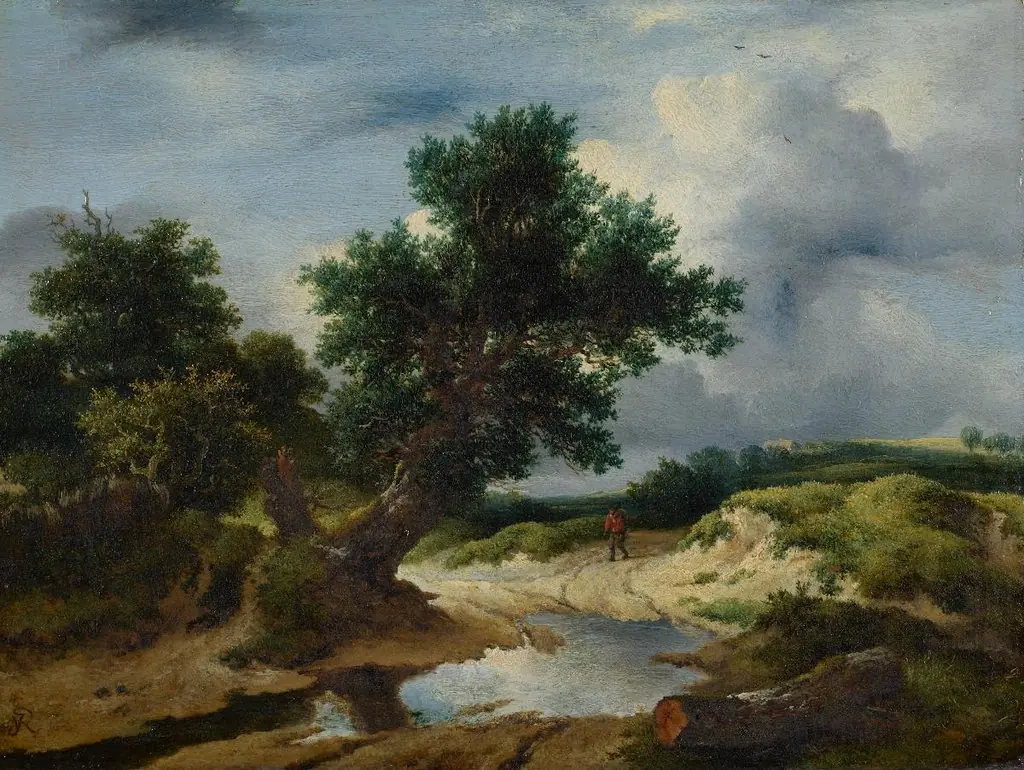 Dünen mit Eichen und Gewässer
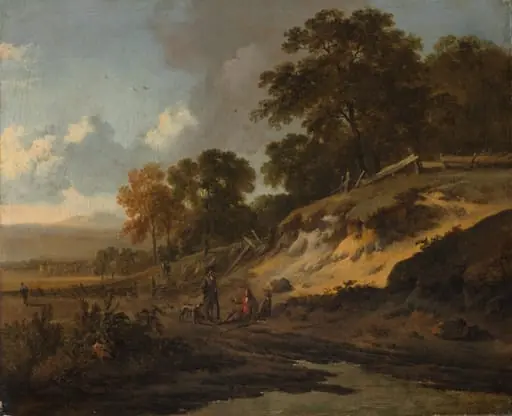 Landscape with Hunters
 Landscape with a Peasant on a Donkey