Artwork
Salisbury Cathedral from the Close
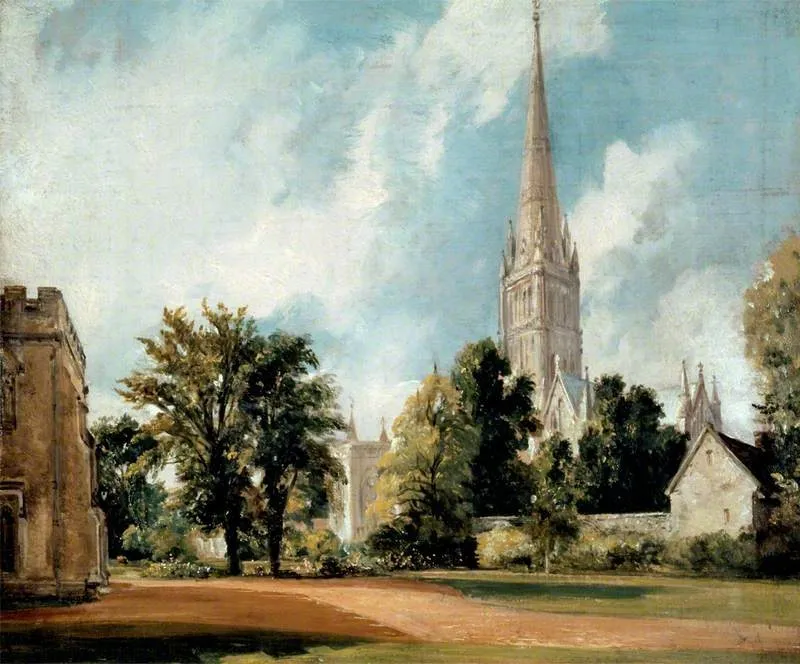
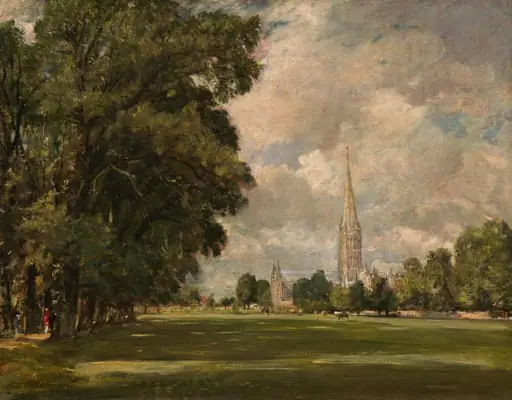
Salisbury Cathedral from the Close is an oil painting by the British Romanticist artist John Constable. It dates from 1820 and is held in the collection of the Victoria and Albert Museum.
About this work
Overview
The composition balances architectural grandeur with natural elements, reflecting Constable’s interest in the English landscape and its spiritual resonance.
John Constable painted Salisbury Cathedral from the Close in 1820 using oil on canvas. The work captures a quiet view of the cathedral as seen from its surrounding grounds, known as the Close. It is now part of the Victoria and Albert Museum’s collection in London. The composition balances architectural grandeur with natural elements, reflecting Constable’s interest in the English landscape and its spiritual resonance.
Subject & Meaning
The painting presents Salisbury Cathedral not as a monument isolated in space, but as an integrated part of daily life. Trees, pathways, and modest buildings frame the structure, suggesting harmony between sacred architecture and the surrounding environment. The elevated spire draws the eye upward, subtly reinforcing a sense of reverence without overt symbolism. The scene conveys stillness and continuity rather than drama or celebration.
Technique & Style
Constable employed layered brushwork to render the sky and foliage with atmospheric precision. Soft transitions between light and shadow model the forms of trees and stone, while the cloud-filled sky is rendered with careful observation of natural weather patterns. The path in the foreground guides the viewer’s gaze toward the cathedral, a compositional device rooted in landscape tradition but executed with intimate, observational detail.
History & Provenance
Commissioned by the Bishop of Salisbury, John Fisher, the painting was intended as a gift to the cathedral chapter. Constable completed it after several studies made on-site. It remained in the bishop’s family until 1897, when it was acquired by the Victoria and Albert Museum. Its journey from private commission to public collection reflects shifting attitudes toward landscape painting as culturally significant.
Context
Created during a period when British artists increasingly turned to native scenery, the painting aligns with a broader movement to elevate landscape as a serious subject. Constable’s focus on specific locations, weather, and time of day distinguished his work from idealized classical views. Salisbury Cathedral, a symbol of ecclesiastical continuity, was rendered with personal attention, reflecting both regional pride and artistic sincerity.
Legacy
The painting is recognized as one of Constable’s most refined church views, illustrating his mature approach to light and structure. While not widely exhibited during his lifetime, it later influenced later generations of British landscape painters. Its preservation in a major museum underscores its role in documenting 19th-century English visual culture and the evolving relationship between art, place, and memory.
Artist & collection

Artist
John Constable (; 11 June 1776 – 31 March 1837) was an English landscape painter in the Romantic tradition.


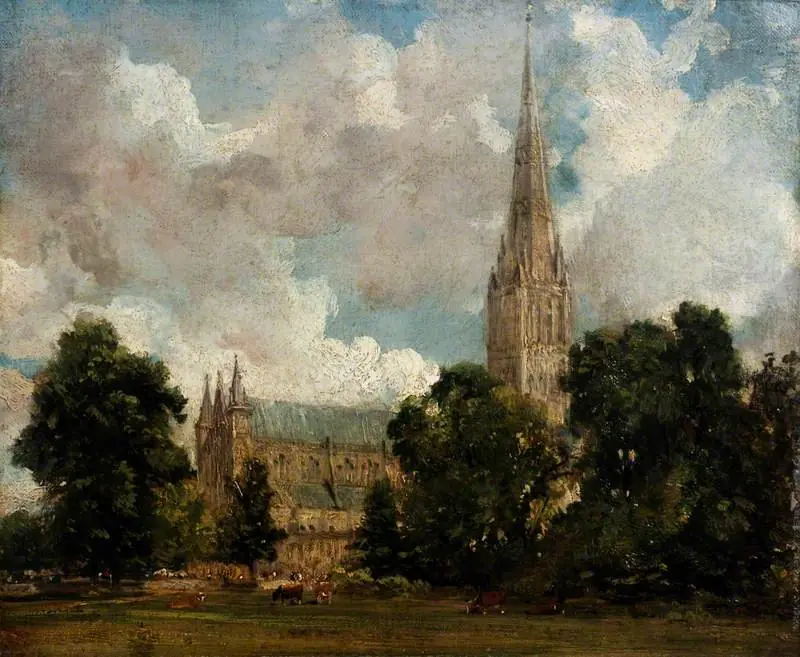 Salisbury Cathedral from the South-West
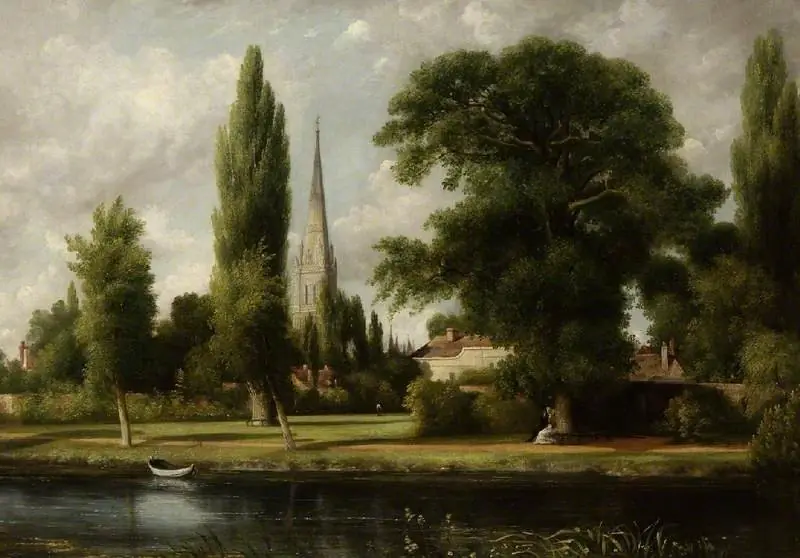 Salisbury cathedral
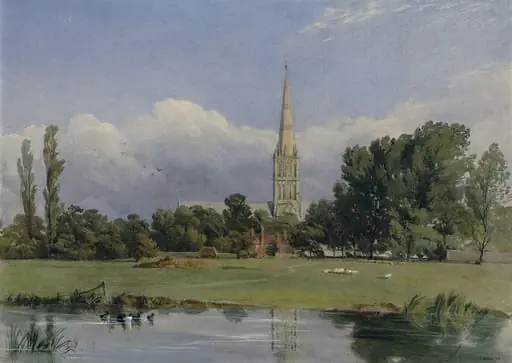 Salisbury Cathedral from West Harnham
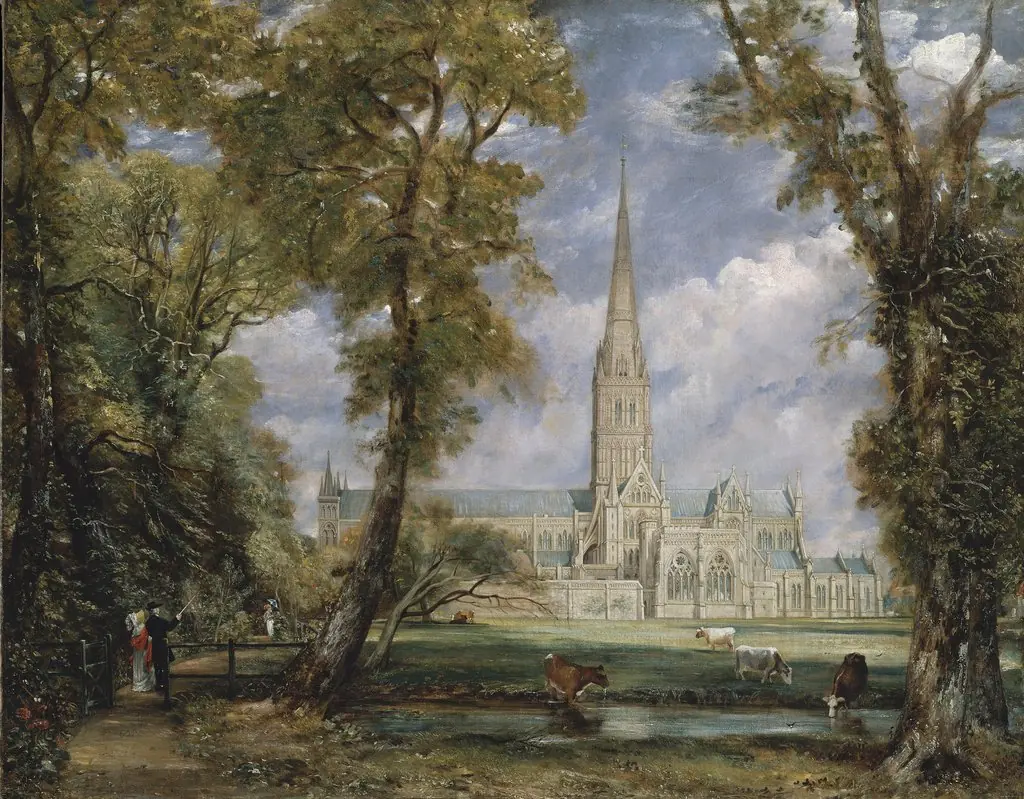
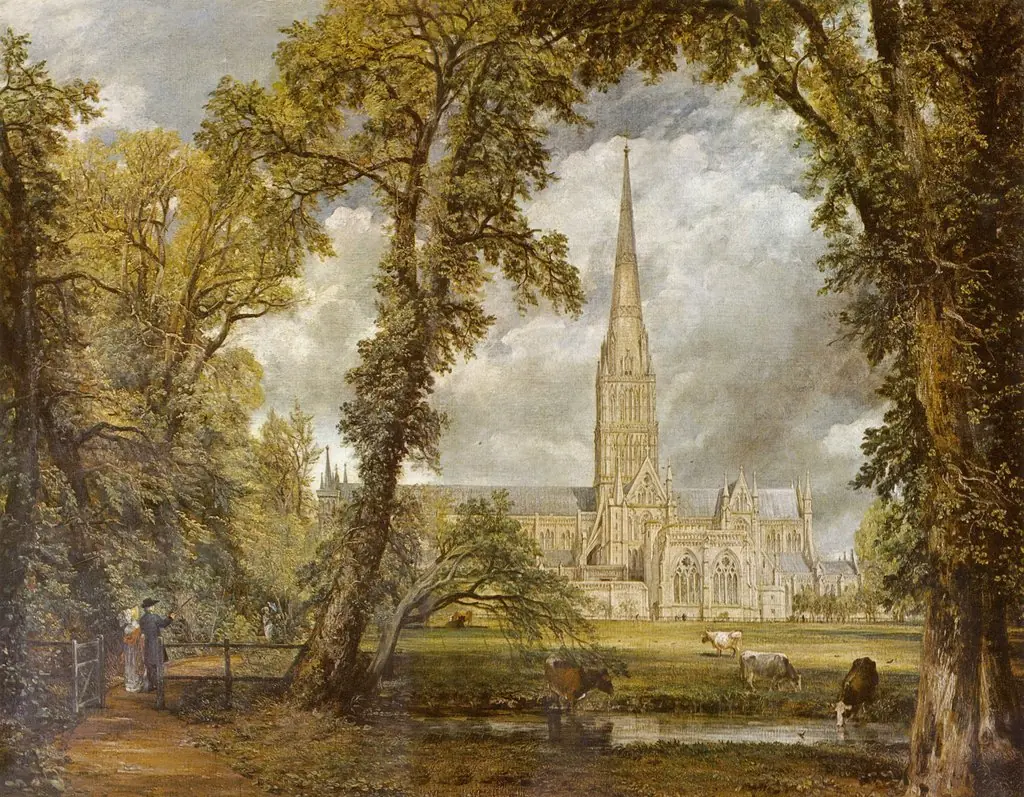 Salisbury Cathedral from the Bishop's Grounds
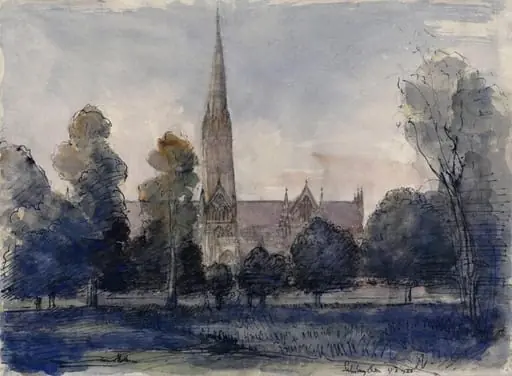 Salisbury Close
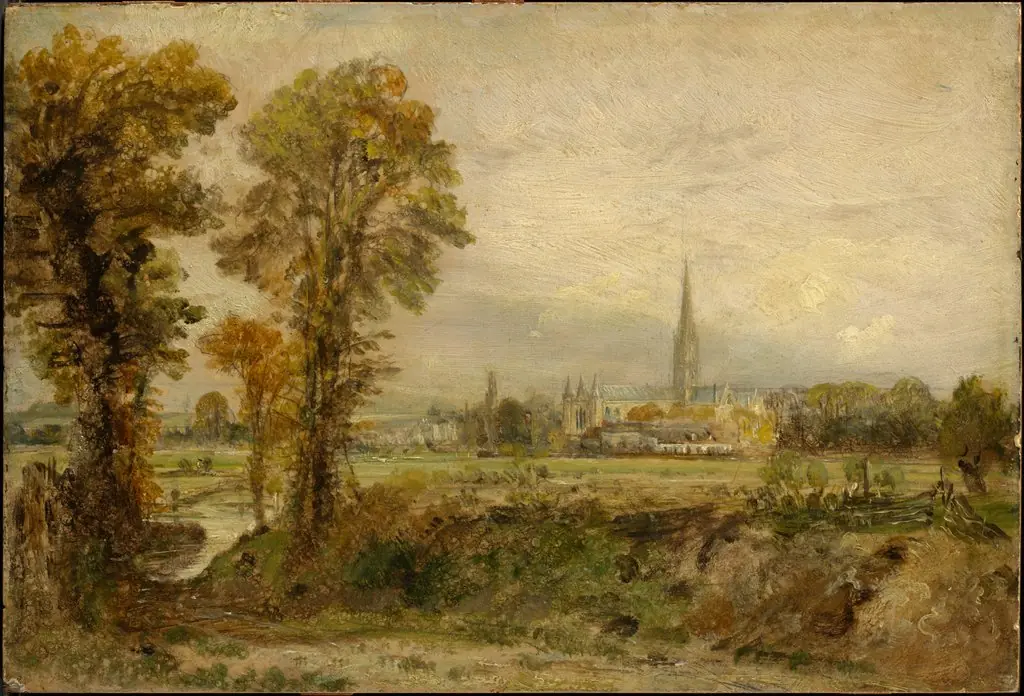 Distant View of Salisbury Cathedral
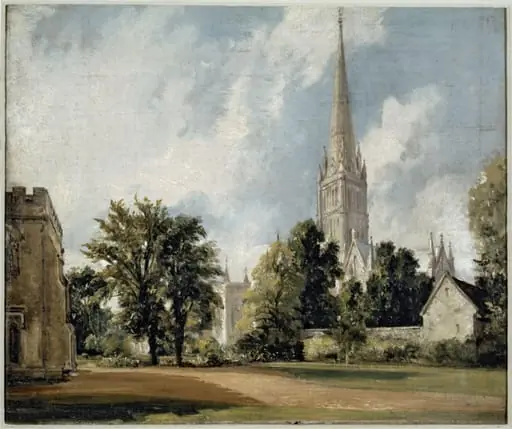 Salisbury Cathedral from the Close
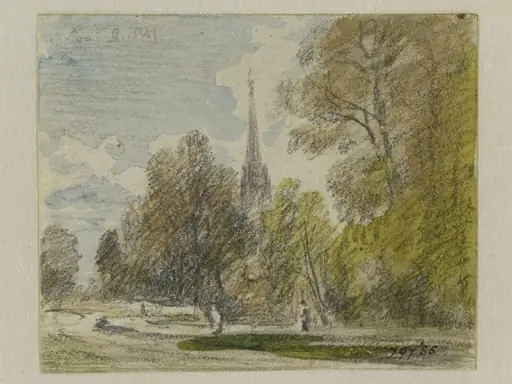 Salisbury Cathedral with trees
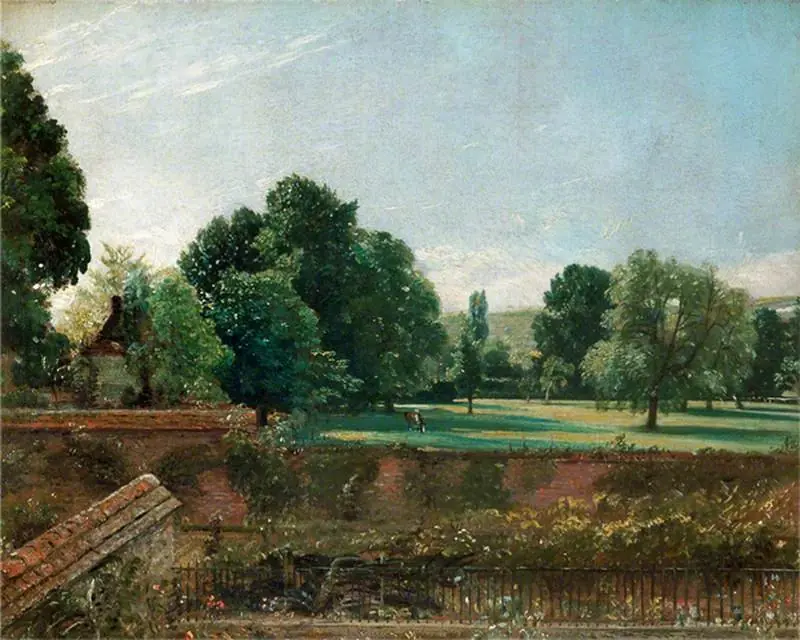 A View at Salisbury from Archdeacon Fisher's House
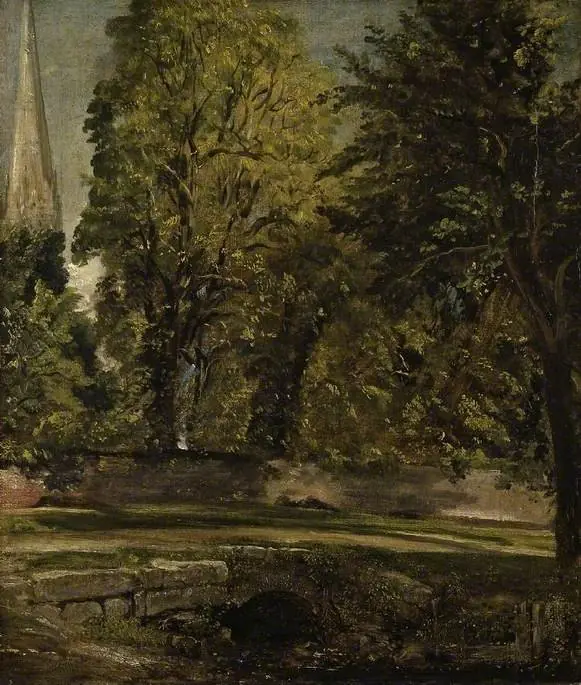 Salisbury