Artwork
Salisbury cathedral
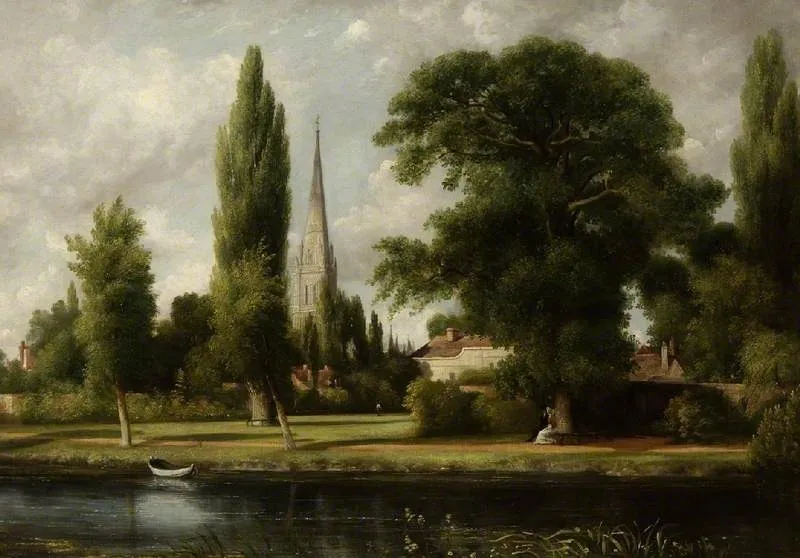
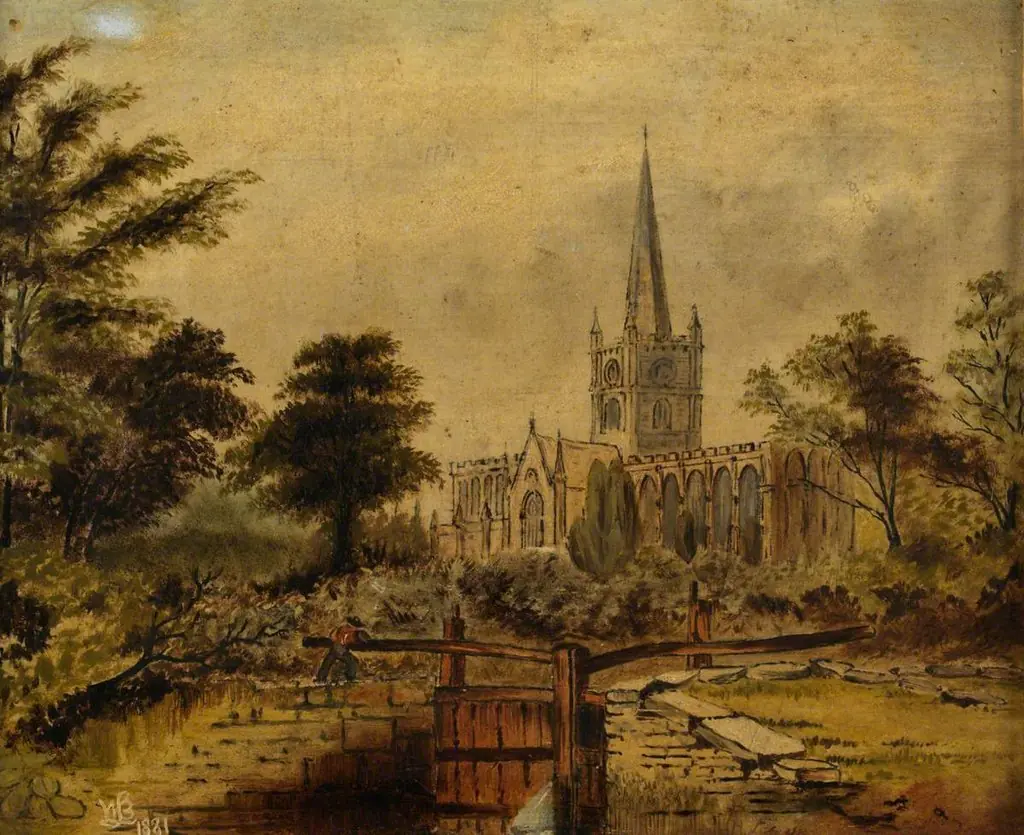
Salisbury cathedral is an oil painting by John Dunthorne. It is held in the collection of the Fitzwilliam Museum.
About this work
Overview
John Dunthorne’s oil on canvas portrays the iconic Salisbury Cathedral set within a tranquil park scene. The composition balances natural elements—trees, grass, and a reflective water surface—with the architectural prominence of the cathedral’s spire, which ascends above the foliage. A modest boat drifts on the water, contributing to the overall sense of quiet repose.
Subject & Meaning
The painting juxtaposes the enduring presence of the medieval cathedral with the fleeting serenity of a pastoral landscape. By placing the spire amid a calm, everyday setting, Dunthorne emphasizes the harmony between human achievement and nature, inviting contemplation of the cathedral’s spiritual significance within a peaceful, everyday environment.
Technique & Style
Executed in oil, the work employs a subtle chiaroscuro to model forms and suggest depth, with light falling softly on the water and foliage while shadows recede behind the spire. The palette is restrained, favoring muted greens and earth tones that enhance the tranquil atmosphere, while careful brushwork delineates the architectural details without disrupting the overall calm.
History & Provenance
The canvas is part of the collection at the Fitzwilliam Museum in Cambridge. Though the precise date of creation is not recorded, the painting reflects 19th‑century British landscape traditions that celebrated historic landmarks within idyllic settings. Its acquisition by the museum situates the work among other regional depictions of England’s architectural heritage.
Artist & collection
Artist
John Dunthorne was a young man who split his time between painting and working as a plumber’s apprentice—he once painted a ceiling while balancing on a wobbly ladder.

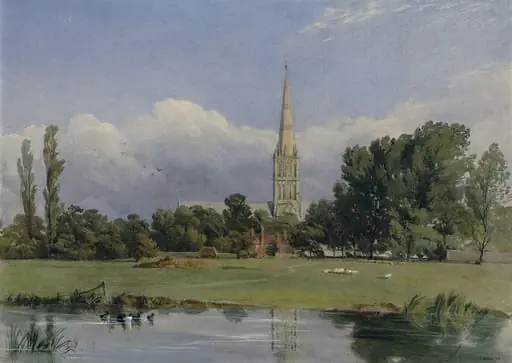 Salisbury Cathedral from West Harnham
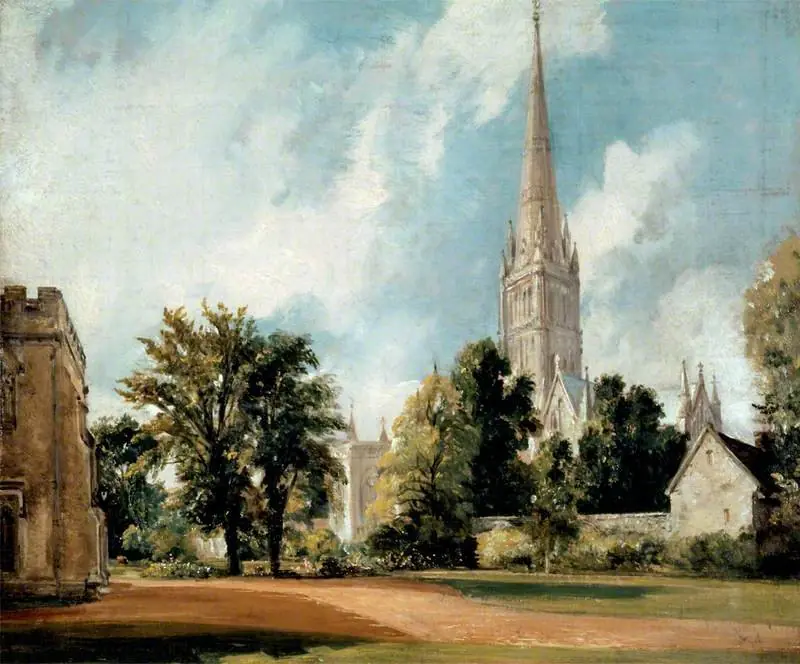 Salisbury Cathedral from the Close
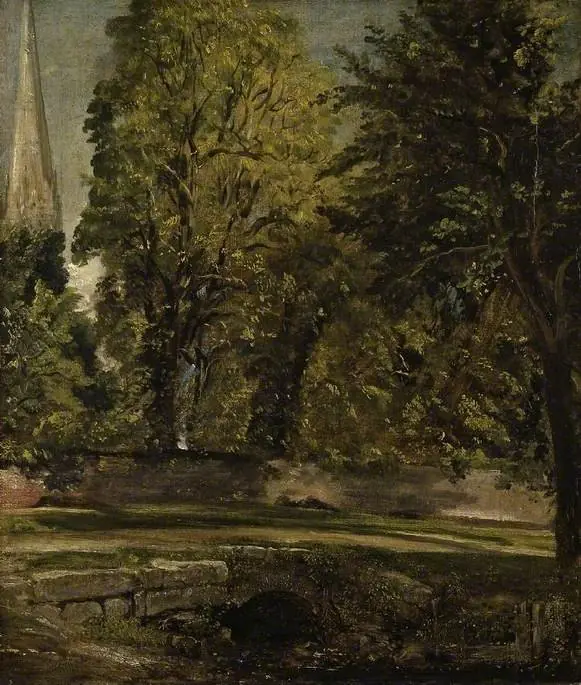 Salisbury
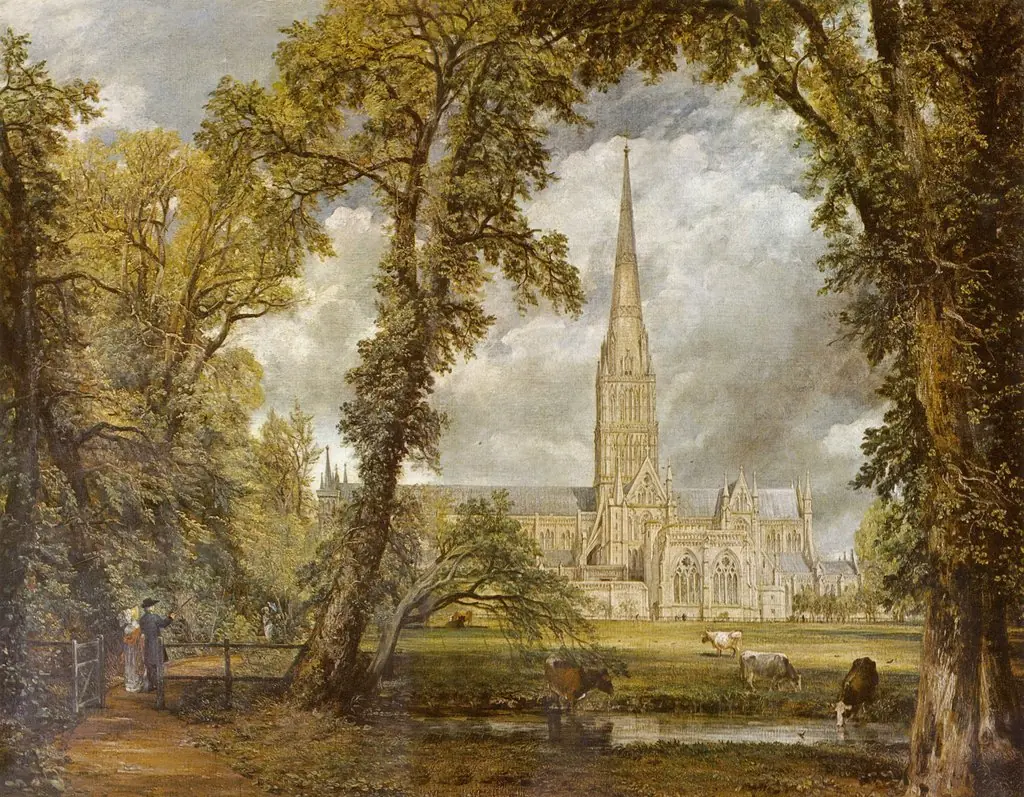 Salisbury Cathedral from the Bishop's Grounds
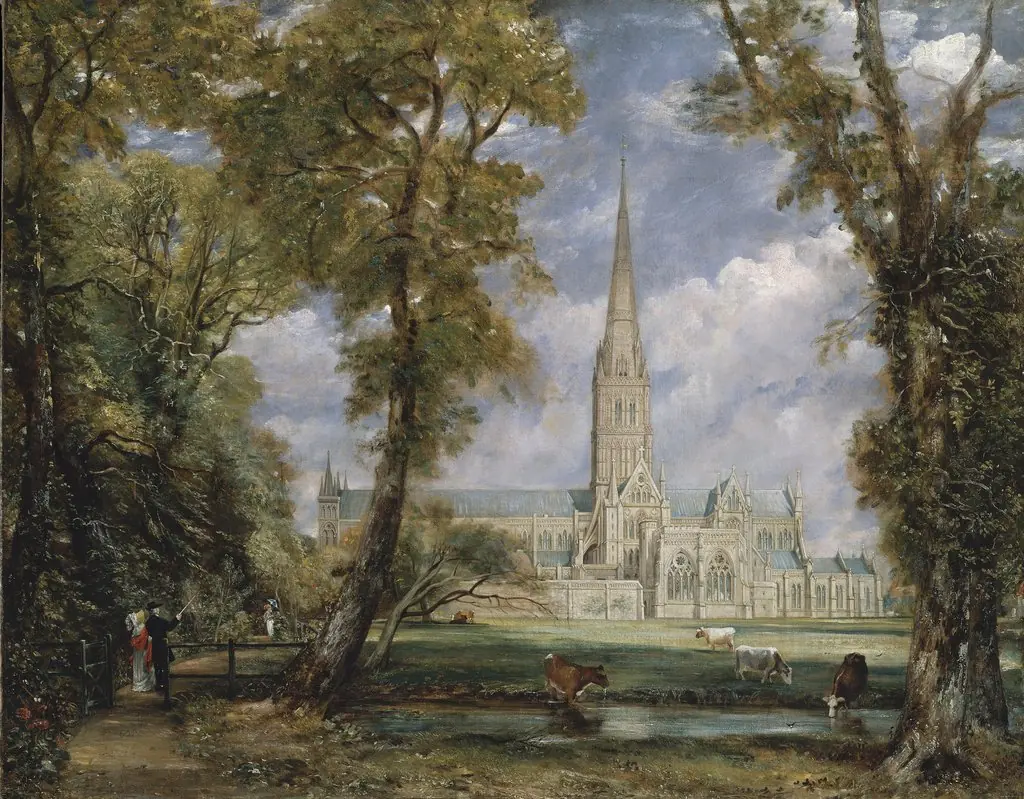 Salisbury Cathedral from the Bishop's Garden
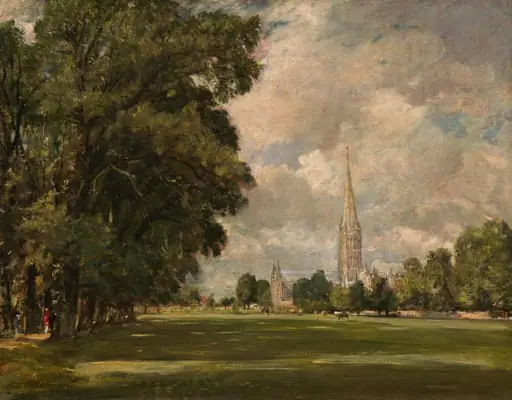 Salisbury Cathedral from Lower Marsh Close
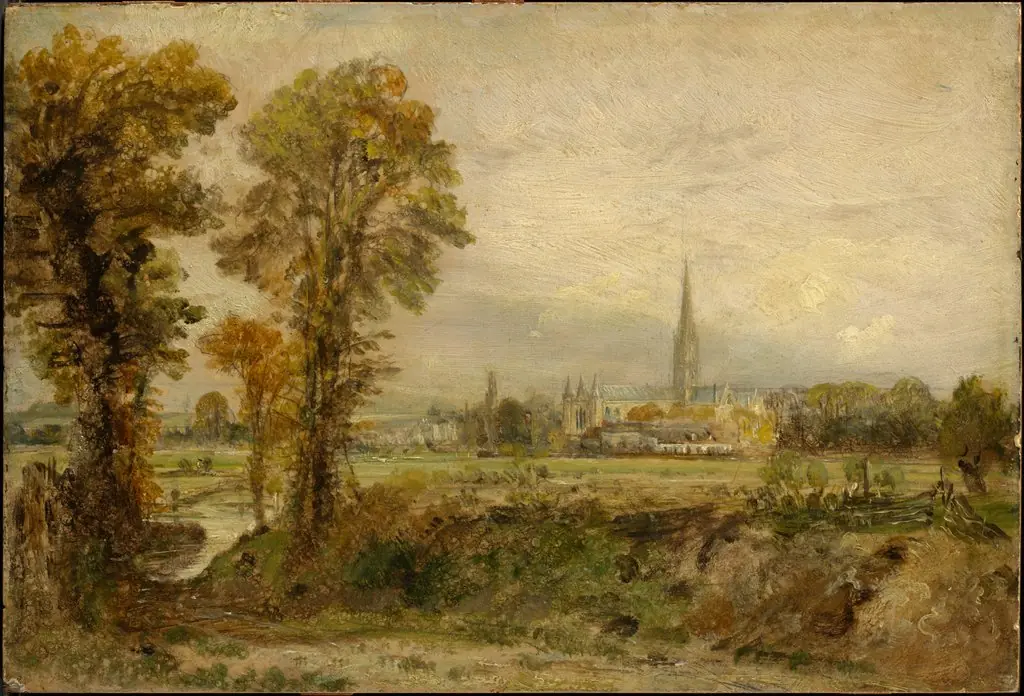 Distant View of Salisbury Cathedral
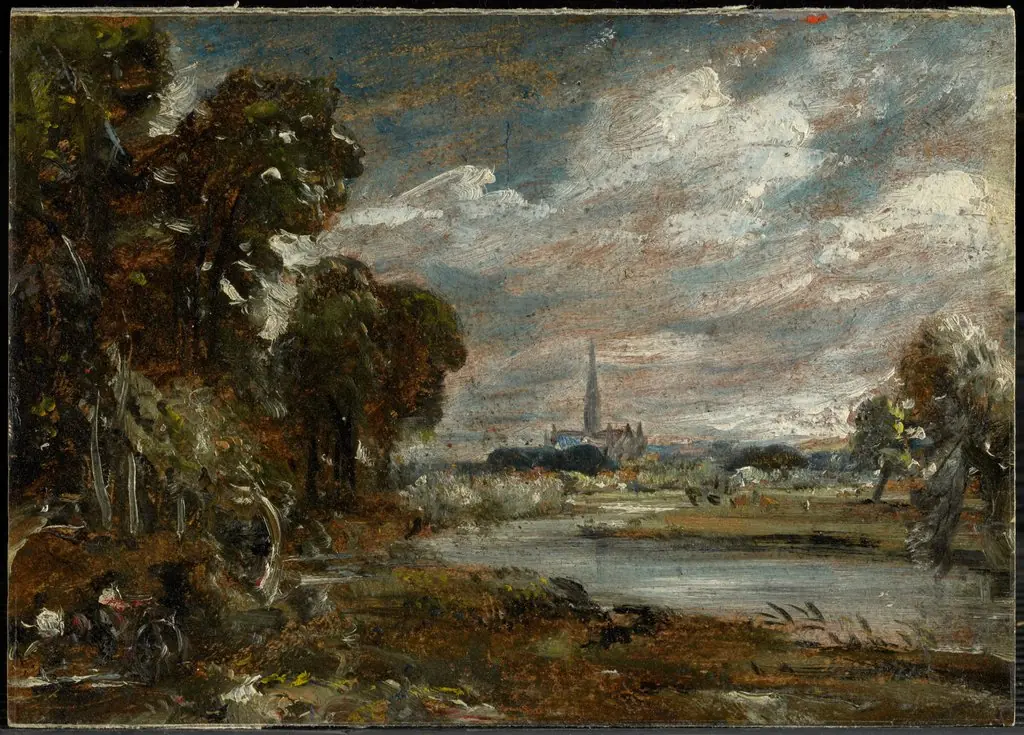 Salisbury Cathedral from the River Nadder
 View of Stratford-upon-Avon Cathedral