Artwork
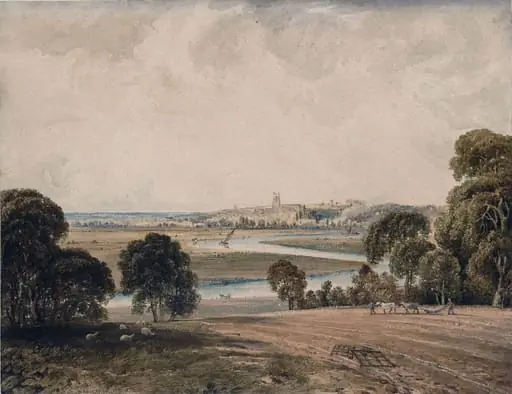
The Thames, with Eton College and chapel
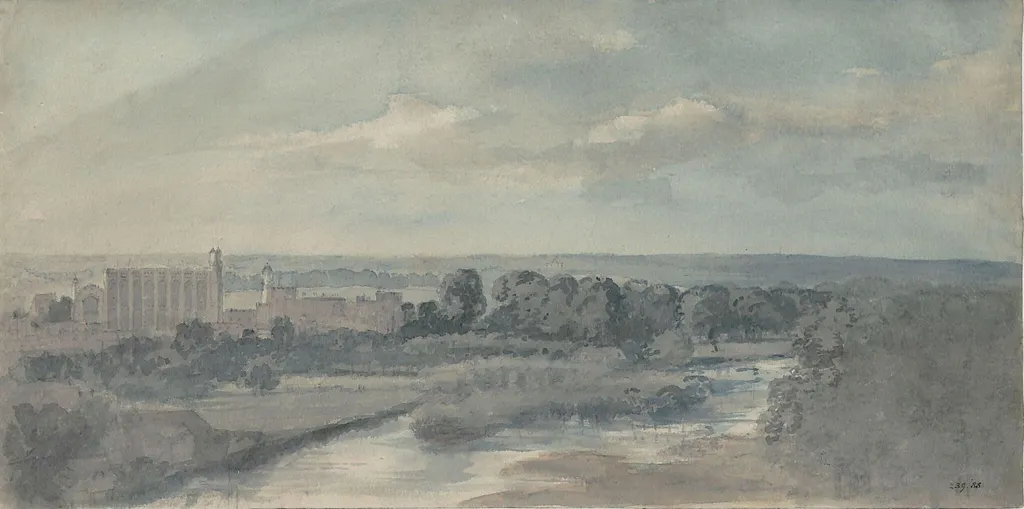
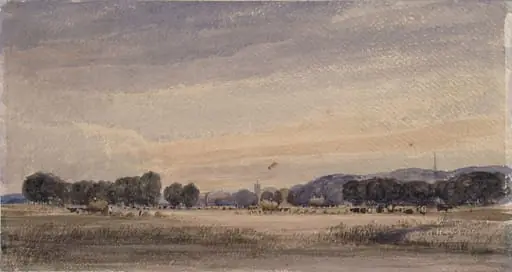
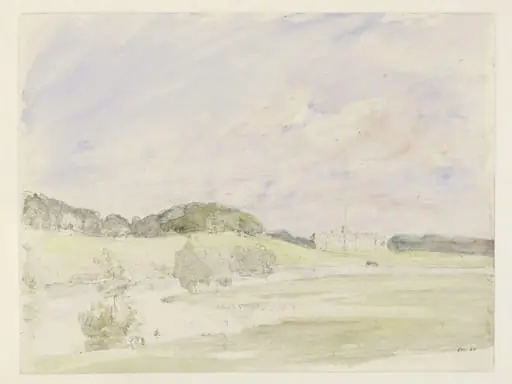
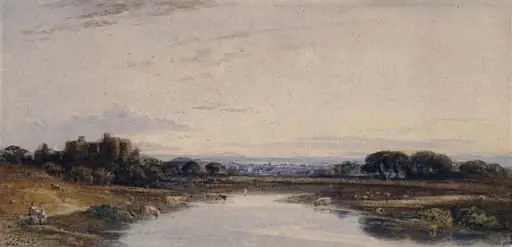
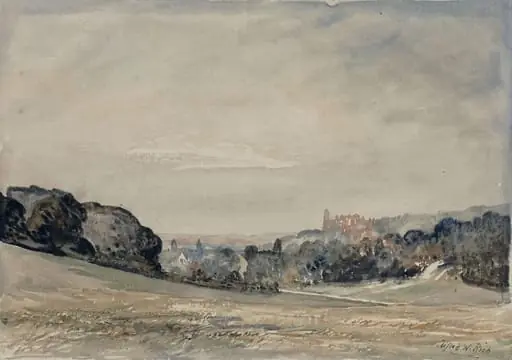
The Thames, with Eton College and chapel is a watercolor work on paper by the Romanticist artist John Constable. It dates from 1802 and is held in the collection of the Victoria and Albert Museum.
About this work
Overview
It was likely made following a trip to Windsor in May, with further development occurring during his stay in East Bergholt.
Painted in 1802, this watercolour by John Constable captures a stretch of the River Thames near Eton College. Executed during the early phase of his career, shortly after his first exhibition at the Royal Academy, the work reflects his growing interest in landscape as a subject worthy of serious attention. It was likely made following a trip to Windsor in May, with further development occurring during his stay in East Bergholt.
Subject & Meaning
The scene presents the Thames in quiet repose, with Eton College’s chapel and surrounding buildings rising along the far bank. The composition emphasizes harmony between architecture and nature, avoiding dramatic narrative in favor of a contemplative stillness. The placement of the college suggests its enduring presence within the landscape, framed not as a monument but as an integrated part of the rural environment.
Technique & Style
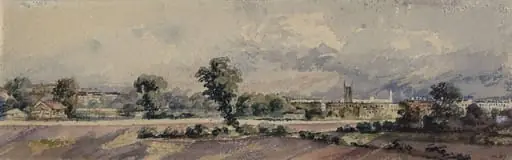
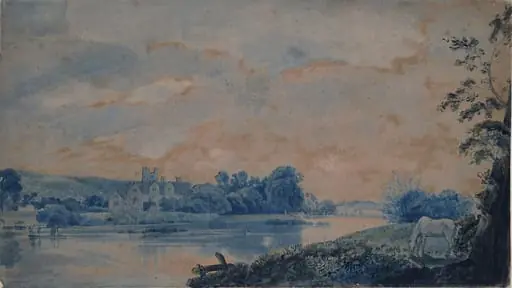
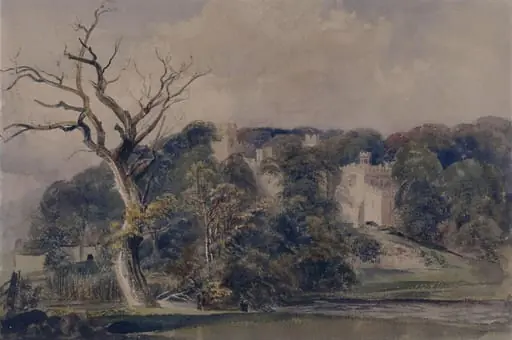
Constable employed loose, fluid brushwork to suggest the movement of water and the soft diffusion of light across clouds and stone. The watercolour medium allowed for subtle layering, creating a hazy atmosphere where sky, river, and buildings merge gently. His approach prioritized observational truth over idealization, capturing the transient effects of daylight and weather with a restrained, almost intimate touch.
History & Provenance
The painting’s early history remains undocumented, as it was not exhibited or recorded in detail at the time of creation. It likely remained in Constable’s possession or among private circles until later acquisition. Its survival as a modest watercolour from his formative years offers insight into his evolving practice before his more celebrated oil landscapes emerged.
Context
In 1802, Constable was developing his artistic identity amid the dominance of classical and romantic landscape traditions. His focus on everyday English scenery—rivers, villages, and modest architecture—set him apart. This work aligns with his early commitment to painting from direct observation, laying groundwork for his later dedication to capturing the nuances of light and atmosphere in the English countryside.
Legacy
Though not widely known during his lifetime, this watercolour exemplifies the quiet precision that would define Constable’s mature style. It reflects a shift in landscape art toward personal, sensory experience rather than grandeur or myth. Later generations recognized such works as foundational to a distinctly British tradition of naturalistic painting rooted in close attention to place and light.
Artist & collection
Artist
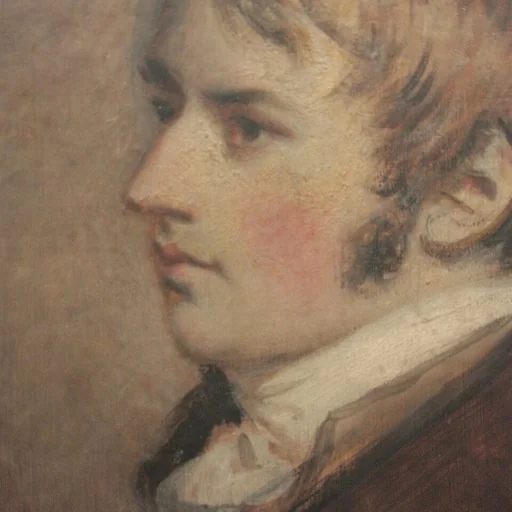
John Constable (; 11 June 1776 – 31 March 1837) was an English landscape painter in the Romantic tradition.