Artwork
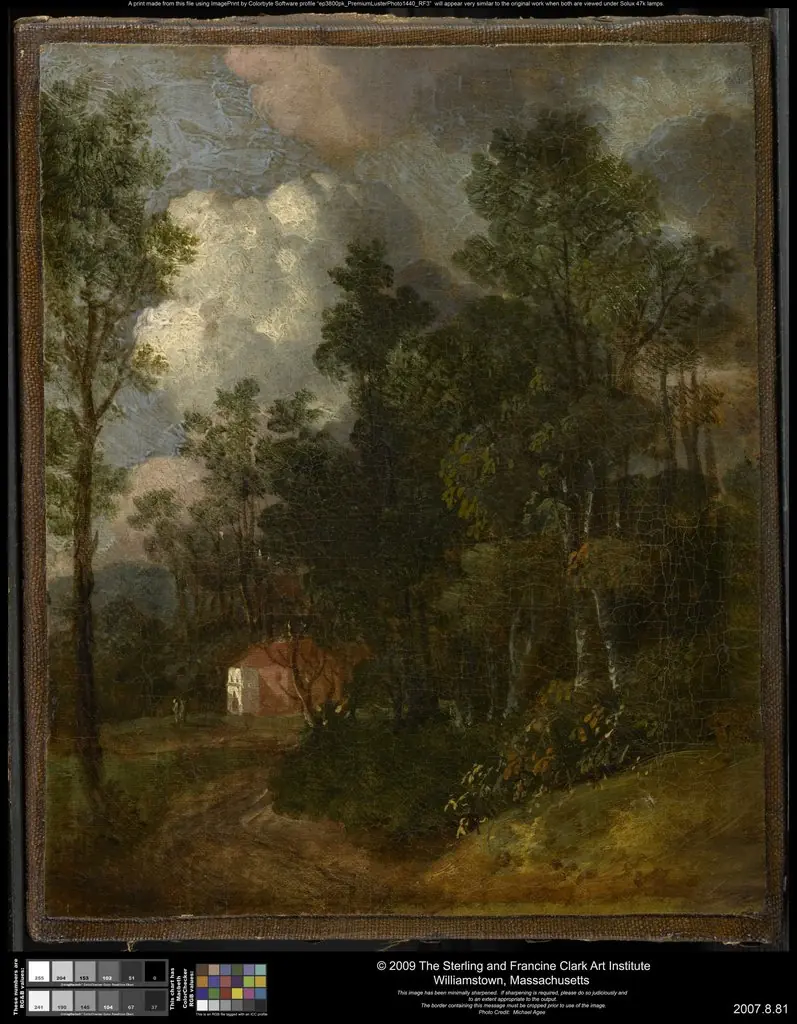
Willy Lott's House (recto); Landscape Sketches with Trees and Church Tower (verso)
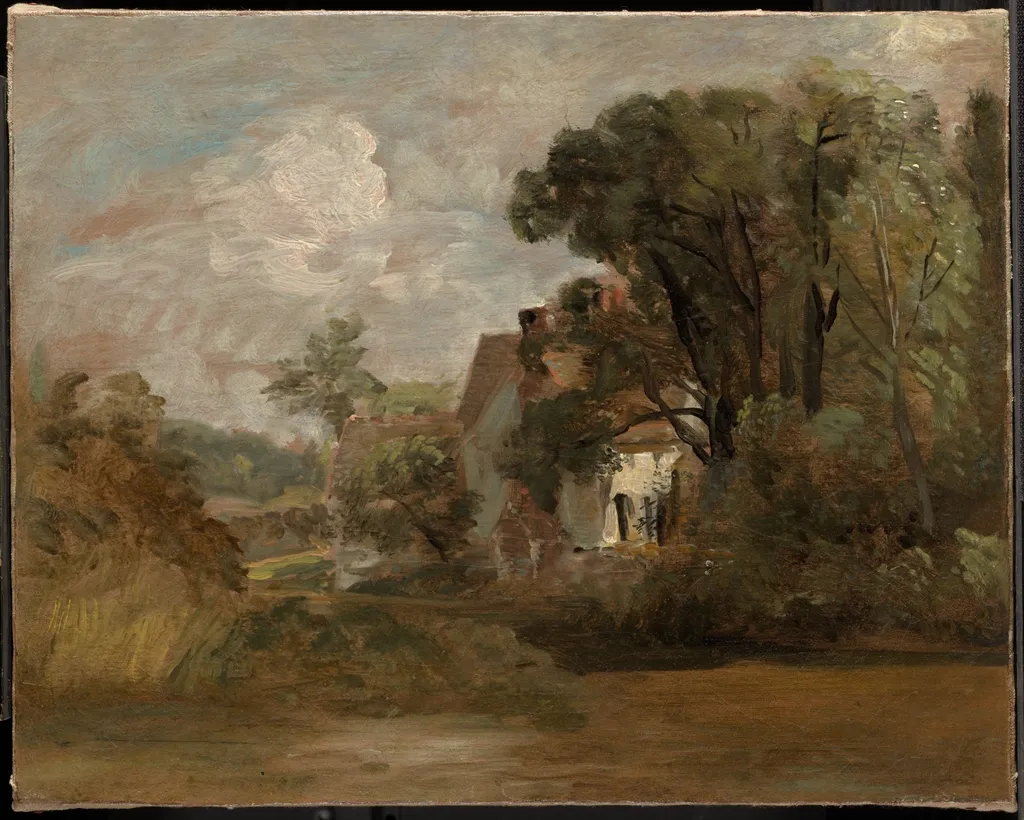
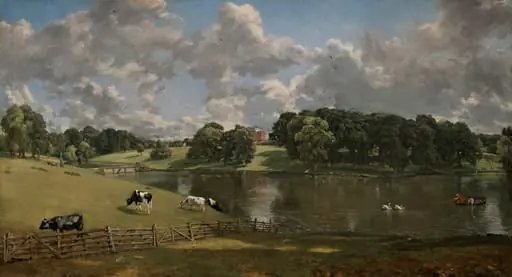
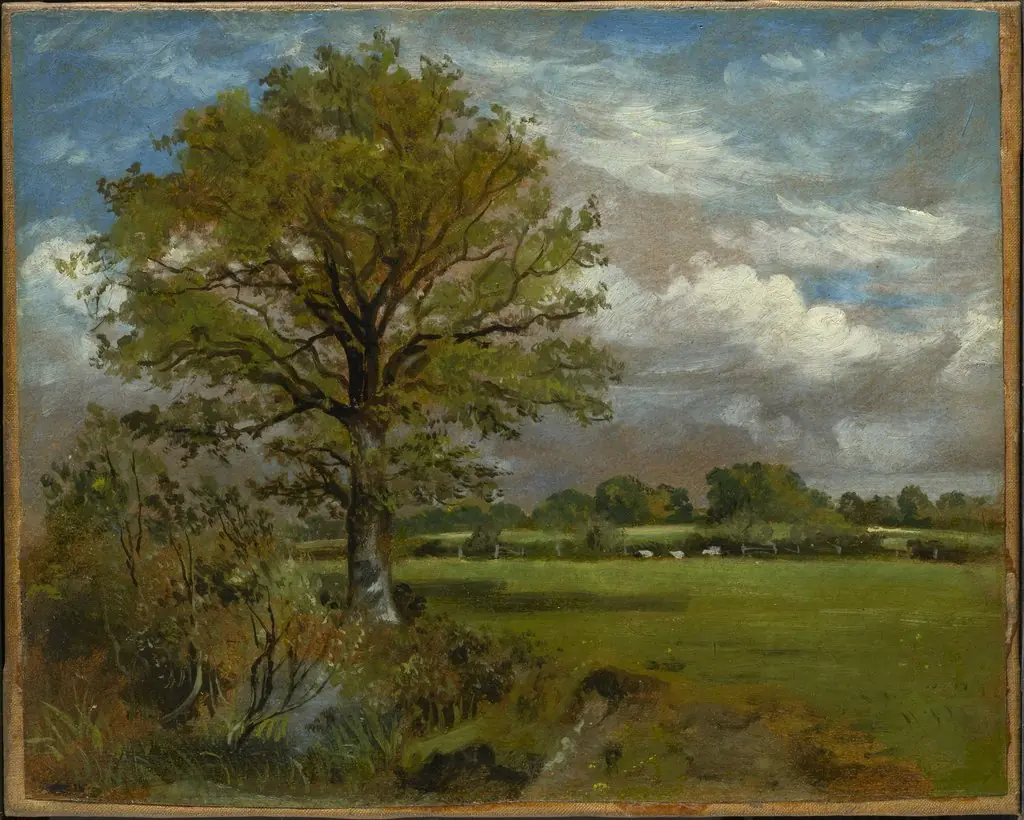
Willy Lott's House (recto); Landscape Sketches with Trees and Church Tower (verso) is an oil painting by John Constable. It dates from 1816 and is held in the collection of the Clark Art Institute.
About this work
Overview
Both sides reflect Constable’s habit of reusing canvases, a practical approach common among artists of the period who sought to conserve materials.
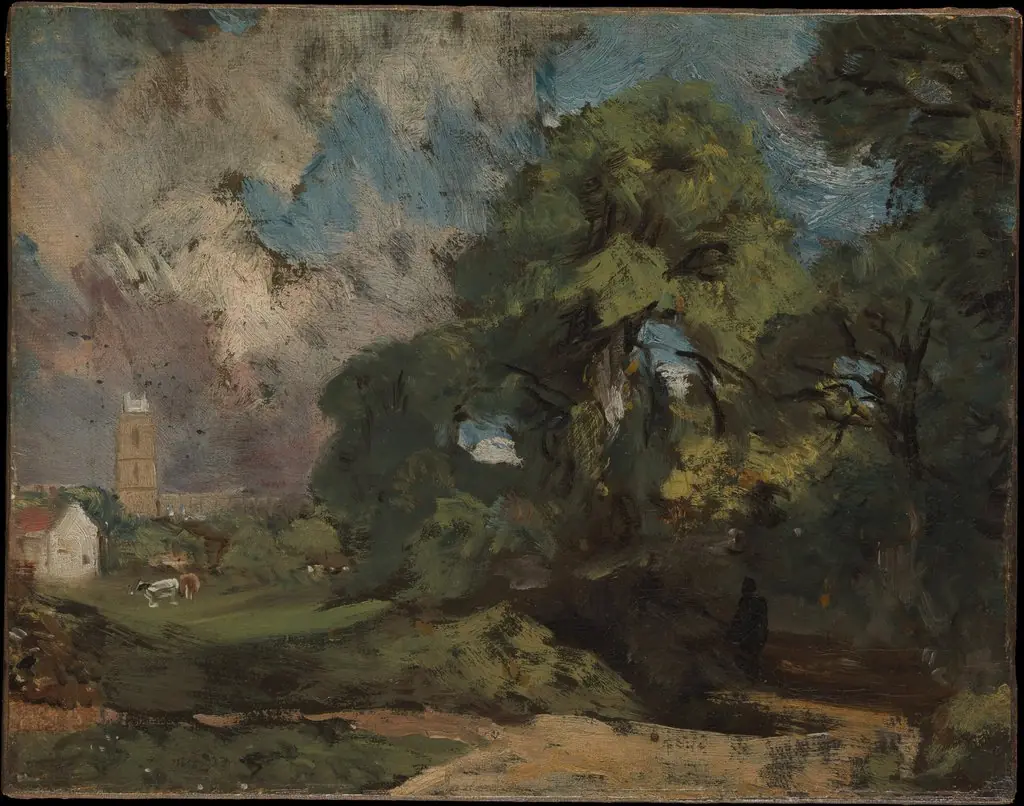
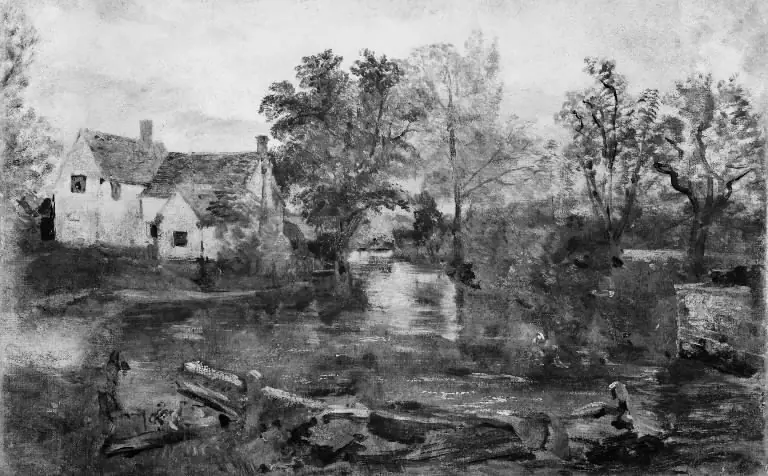
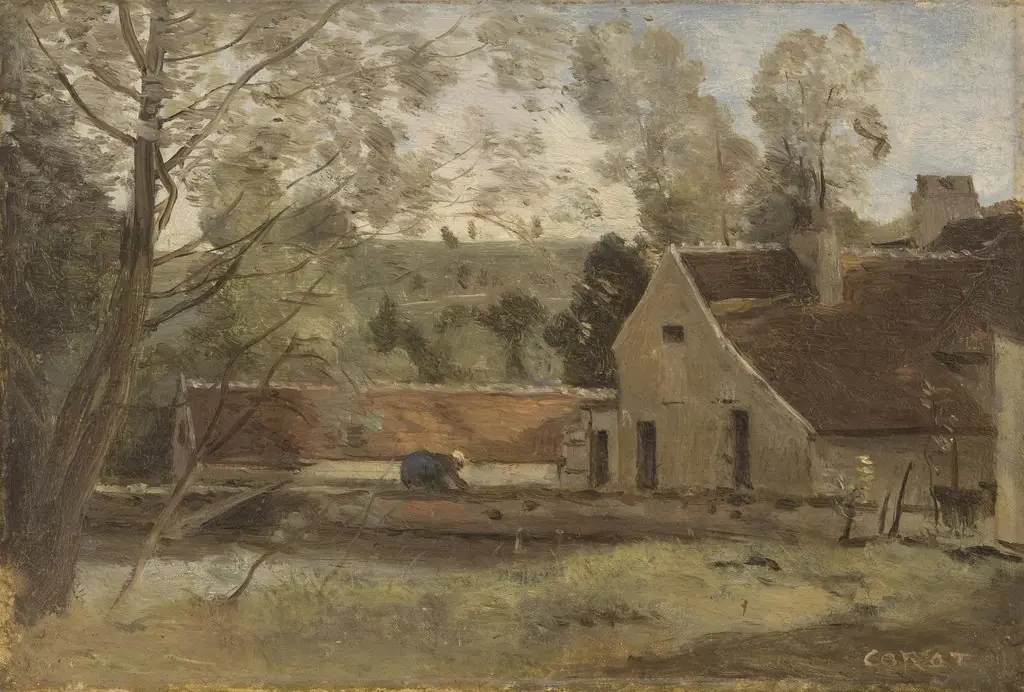
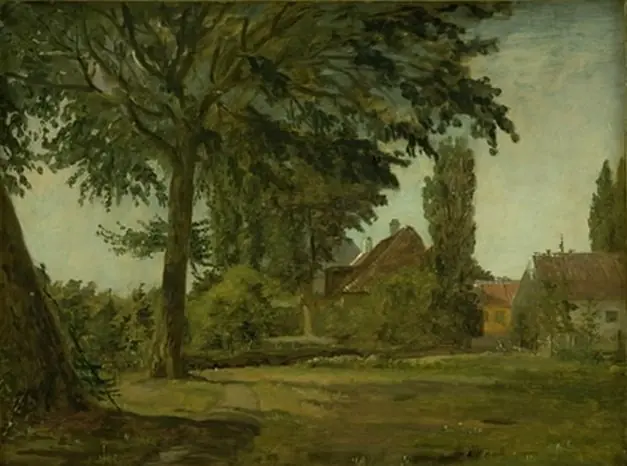
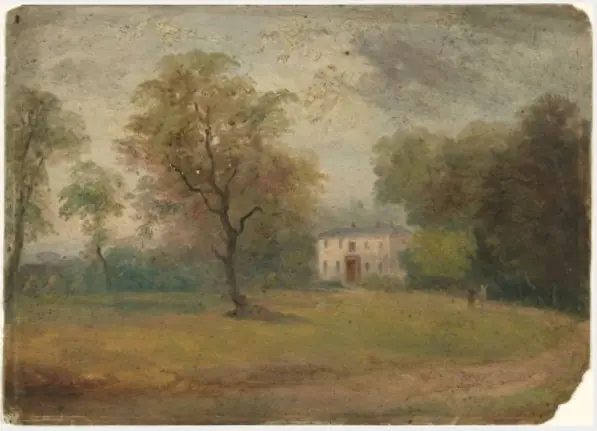
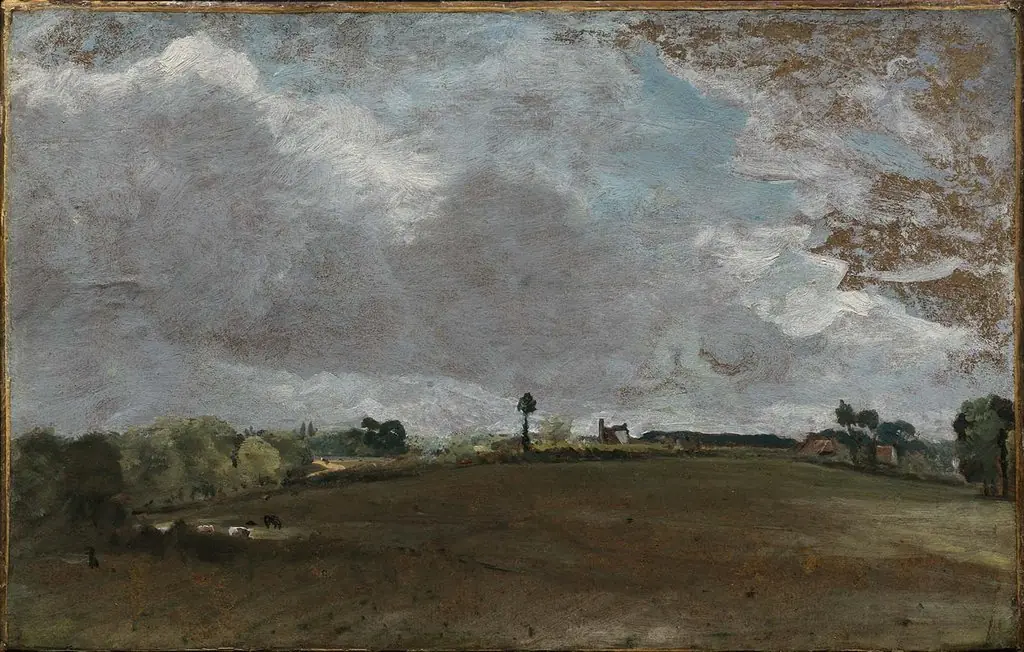
This double-sided oil painting by John Constable, dated around 1816, features a finished landscape on the front and a series of informal sketches on the reverse. The recto portrays Willy Lott’s House, a modest farmhouse in Suffolk, while the verso contains rapid studies of trees and a distant church tower. Both sides reflect Constable’s habit of reusing canvases, a practical approach common among artists of the period who sought to conserve materials.
Subject & Meaning
The front panel depicts Willy Lott’s House, a real structure near Flatford Mill, familiar to Constable from his childhood. The house, nestled among trees and framed by a winding path, evokes a quiet rural life tied to the land. The composition avoids dramatic action, instead emphasizing stillness and continuity. The scene carries no overt narrative, but its familiarity suggests a personal connection to the Suffolk countryside, a place central to Constable’s artistic identity.
Technique & Style
Constable applied oil paint with loose, tactile brushwork, allowing strokes to remain visible and convey texture rather than polish. He used a restrained palette of earth tones and soft grays to capture the muted light of an overcast day. The interplay of shadow across the house and foliage suggests atmospheric depth without idealized contrast. The sketch on the reverse, executed with quicker gestures, reveals his process: observation refined through direct, on-site study.
History & Provenance
The painting remained in Constable’s possession until his death in 1837 and passed through his family before entering the Clark Art Institute’s collection. Its dual-sided nature indicates it was likely used as a working surface during his early period, when he was developing his mature style. The survival of both sides offers rare insight into his working methods, as many such studies were discarded or lost.
Context
Created during Constable’s formative years, this work aligns with his broader effort to elevate everyday English landscapes as worthy subjects for serious art. At a time when historical and romantic scenes dominated exhibitions, Constable focused on the rural Suffolk environment he knew intimately. His commitment to direct observation and natural light set him apart from academic conventions and foreshadowed later developments in landscape painting.
Legacy
The painting’s dual surfaces exemplify Constable’s practice of blending finished works with preparatory studies, a method that influenced later artists seeking authenticity in landscape representation. Its preservation allows scholars to trace his evolving technique and emotional attachment to place. Today, it stands as a quiet testament to the value of ordinary scenes and the discipline of seeing closely.
Artist & collection
Artist
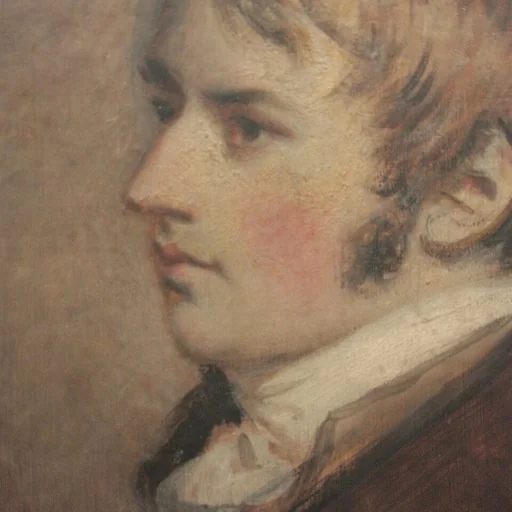
John Constable (; 11 June 1776 – 31 March 1837) was an English landscape painter in the Romantic tradition.